
Healthcare Professionals Hub
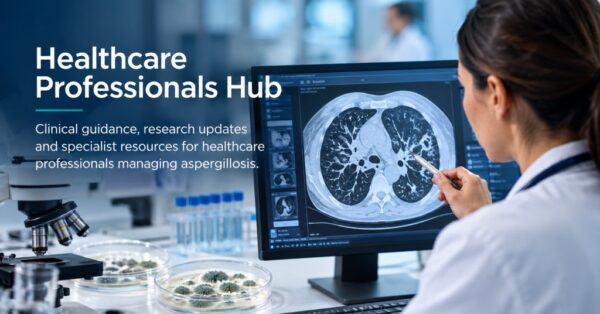
Clinical information, research updates and practical resources for healthcare professionals involved in recognising, diagnosing and managing aspergillosis.
These resources are intended for GPs, respiratory clinicians, infectious diseases specialists, microbiologists and other healthcare professionals. They complement current clinical guidelines and local specialist advice.
Explore professional resources
Research & Clinical Updates
Recent studies, new treatments, diagnostic developments
and emerging evidence in aspergillosis.
GPs & Non-specialists
Recognising possible aspergillosis, interpreting initial
investigations and understanding when specialist advice
may be needed.
Specialist Resources
Detailed evidence briefings, diagnostic interpretation
and developments in clinical management.
Damp, Mould & Health
Evidence-based information about environmental exposure,
respiratory health and managing damp or mould.
Latest Aspergillosis Research & Clinical Updates
Summaries of recently published research, diagnostic developments and their potential implications for clinical practice.
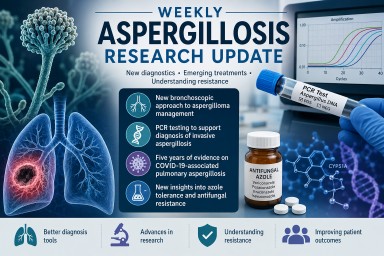
- Aspergillosis Research Update: Faster Diagnosis, Preventing Infection and Hospital Air Safety (10/19/2026)
- Aspergillosis Research Update — 12 October 2026 (10/12/2026)
- Weekly Aspergillosis Research Update – 5 October 2026 (10/5/2026)
- Aspergillosis research: this week’s update (9/28/2026)
- Thursday Sessions: When symptoms aren’t believed: being heard when tests don’t explain everything (9/24/2026)
GPs & Non-specialists
Practical articles supporting early recognition, investigation and appropriate referral.
- ERS learning resources on pulmonary aspergillosis (10/23/2026)
- Expertise shared across borders: an ABPA case discussion (10/23/2026)
- When symptoms remain difficult: keeping the conversation open (9/24/2026)
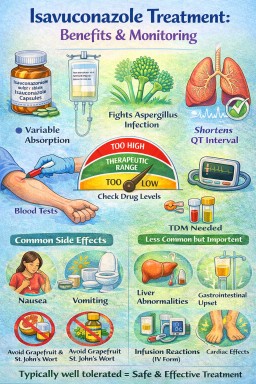
- Itraconazole for aspergillosis: benefits, monitoring and side effects (9/15/2026)
- ⭐ Allergic Bronchopulmonary Aspergillosis (ABPA): Why Diagnosis Is Missed and Who Needs to Be More Aware (8/27/2026)
Aspergillosis Specialists
Research interpretation, advanced diagnostic methods and specialist clinical evidence.
- Expertise shared across borders: an ABPA case discussion (10/23/2026)
- Weekly Aspergillosis Research Update – 24 August 2026 (8/24/2026)
- Beyond antifungal drugs: could antibodies help the immune system fight Aspergillus? (8/17/2026)
- Aspergillosis Weekly Research Update: New Clues About Diagnosis, Treatment and Resistance (8/10/2026)
- Rezafungin for chronic pulmonary aspergillosis: encouraging early evidence while clinical trial continues (8/3/2026)
Damp, Mould & Health
Resources on environmental fungal exposure, damp housing and respiratory health.
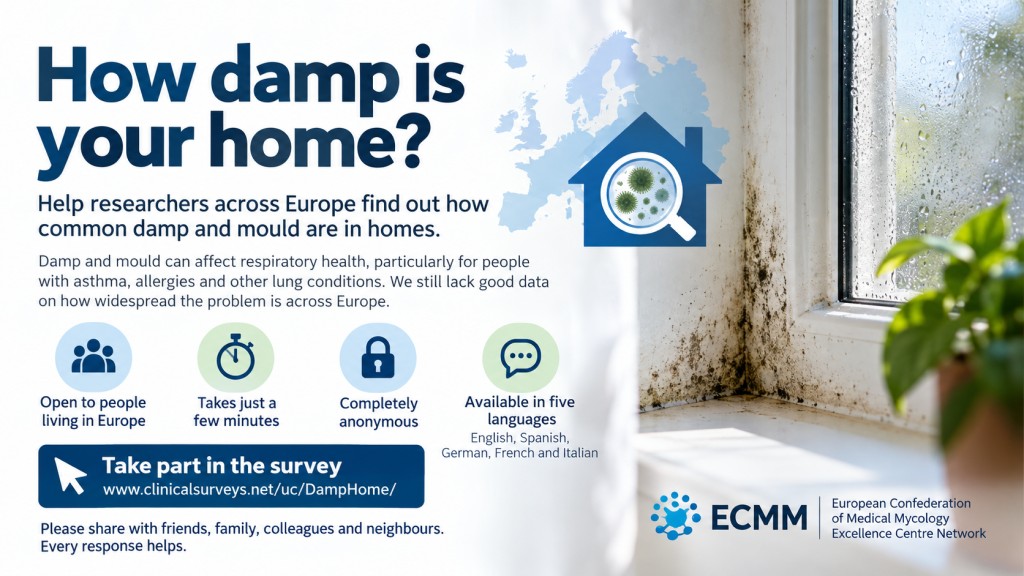
- How Damp Is Your Home? Take Part in a European Research Survey (10/15/2026)
- Verified UK Resources for Damp, Mould & Health (8/27/2026)
- Clean Air and Lung Health (8/17/2026)
- Dehumidifiers: How to Reduce Damp, Condensation and Mould Safely (8/6/2026)
- Anti-allergen products: what is worth buying? (8/4/2026)
Clinical Guidelines & Professional Resources
Authoritative clinical guidelines and specialist resources supporting the diagnosis, investigation and management of aspergillosis. Publication dates are provided to help clinicians assess the currency of recommendations.
British Thoracic Society (2025)
Aspergillus-related Chronic Lung Disease
UK clinical statement covering diagnosis, management,
antifungal treatment and monitoring of chronic
Aspergillus-related lung disease.
ISHAM ABPA Guidelines (2024)
Diagnosis, Classification & Treatment
International consensus recommendations for allergic
bronchopulmonary aspergillosis and allergic
bronchopulmonary mycoses.
IDSA Aspergillosis Guidelines (2016)
Diagnosis & Management of Aspergillosis
Comprehensive guidance covering invasive, chronic
and allergic forms of aspergillosis. An established
reference, to be read alongside newer guidance.
Clinical guidance evolves as new evidence becomes available. Always check the issuing organisation for updates and interpret recommendations in the appropriate clinical context.
Clinical Information & Diagnosis
Explore our condition-specific information hubs for detailed explanations of aspergillosis, diagnostic investigations and associated respiratory conditions.
Browse all aspergillosis information hubs →
These resources are provided for professional education
and should be interpreted alongside current clinical
guidelines, individual patient circumstances and
specialist advice.


Patient Voices Hub
Personal stories and creative work can help people affected by aspergillosis feel heard, understood and less alone.
Living with aspergillosis is different for every person. The experiences shared here are from patients, carers and family members who have chosen to describe part of that journey in their own words.
Some accounts describe the long path to diagnosis. Others are about treatment, uncertainty, everyday adaptations, caring for someone else, or finding ways to keep going. We also share patient-created poetry and other creative work.
Personal experiences, not medical advice
Every person’s health, treatment and response to illness are different. These accounts are shared for connection and understanding, not as a substitute for advice from your own healthcare team.
Explore Patient Voices
Diagnosis journeys
Stories of symptoms, investigations, being listened to, and finally receiving an aspergillosis diagnosis.
Living with aspergillosis
First-hand accounts of treatment, setbacks, practical adjustments, relationships, work, energy and the day-to-day realities of a long-term condition.
Carer and family voices
Experiences from the people who support someone living with aspergillosis, and the ways illness can affect a whole family.
Creative voices
Poetry and creative work written by patients and carers. These pieces are presented as the author created them.
Why shared experience matters
Rare and complex conditions can feel isolating. Reading another person’s account cannot tell you exactly what will happen to you, but it may help you feel less alone, find words for a difficult experience, or prepare questions for an appointment.
These accounts also help clinicians, researchers, families and friends understand the impact of aspergillosis beyond tests and treatments.
Sharing your story
If you are a patient, carer or family member and would like to share an experience, please contact the Aspergillosis website team. We will discuss what you would like to say, how you would like to be credited, and whether you are happy for your contribution to be published.
We only retain material where authorship and permission are clear. Some accounts have been lightly edited for clarity, length or privacy; poetry and creative work are not rewritten.
Topics in this hub
Latest Patient Voices
Related Hubs
Air Quality Hub
Air quality can affect symptoms for people with aspergillosis and other long-term lung conditions. This hub brings together practical information about outdoor pollution, indoor air, damp and mould, smoke, ventilation and ways to reduce exposure when air quality is poor.
For a broader overview of environmental exposure and aspergillosis, see our Prevention & Environment guide. This hub focuses specifically on the quality of the air we breathe, both indoors and outdoors.
Start here
Outdoor air pollution
Traffic pollution, fine particles and gases can irritate the airways and may worsen cough, wheeze or breathlessness. Learn how to check forecasts, plan activity and reduce exposure on poorer-air days.
Indoor air quality, damp and mould
Indoor air is affected by ventilation, moisture, cleaning, cooking, heating and the condition of the building. Damp and mould should be investigated and addressed, particularly for people with respiratory illness.
Wildfire smoke and short-term pollution events
Smoke and sudden pollution episodes can be especially difficult for people with sensitive or damaged airways. Practical planning can help reduce exposure while you seek clinical advice if symptoms become severe or do not settle.
Everyday ways to reduce exposure
- Check local air-quality forecasts when planning outdoor activity.
- Keep windows closed during nearby smoke or a short-lived high-pollution event, then ventilate again when conditions improve.
- Maintain ventilation, heating and any air-conditioning equipment properly.
- Report damp, leaks and visible mould promptly; do not disturb significant mould growth yourself.
- Discuss a personal plan with your clinical team if air pollution regularly worsens your symptoms.
Topics in this hub
Latest Air Quality articles








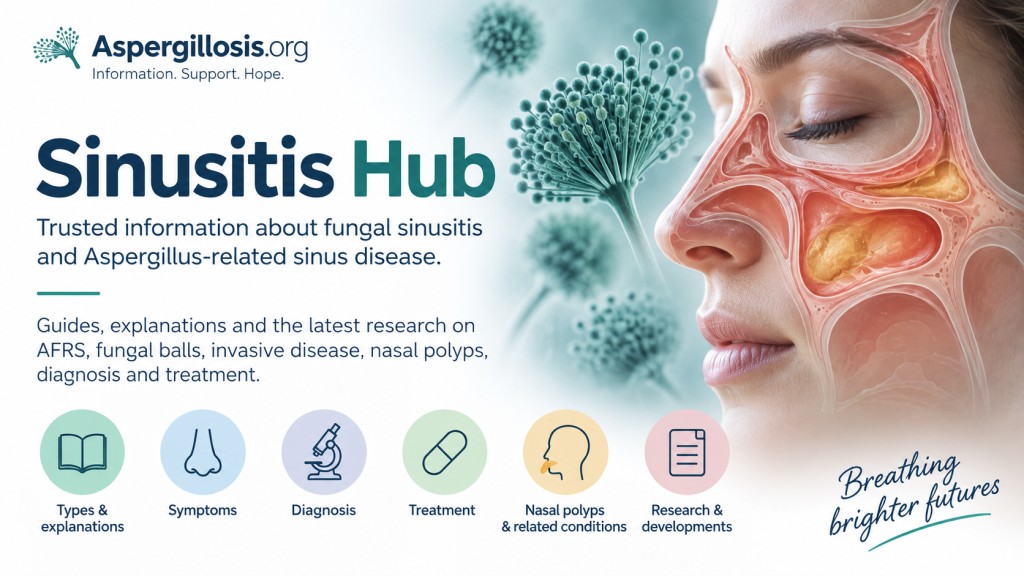
Sinusitis Hub
Fungal disease of the nose and sinuses can take several different forms. Some conditions are mainly allergic or inflammatory, while others involve fungal material growing within a sinus. Invasive fungal sinus disease is much less common but can be serious.
This hub brings together our main information about fungal rhinosinusitis, including allergic fungal rhinosinusitis (AFRS), fungal balls, invasive disease, nasal polyps, diagnosis and treatment.
New to fungal rhinosinusitis?
If you are new to the subject, begin with our main guide. It explains the different types of fungal sinus disease, common symptoms, how they are investigated and how treatment differs between them.
- Fungal Rhinosinusitis: Types, Symptoms, Diagnosis and Treatment
Our main patient and carer guide to allergic fungal rhinosinusitis (AFRS), fungal ball, fungal colonisation and invasive fungal rhinosinusitis.
More detailed information
For expert patients and non-specialist clinicians
Some readers may want more clinical detail about diagnosis, imaging, tissue invasion, microbiology and treatment.
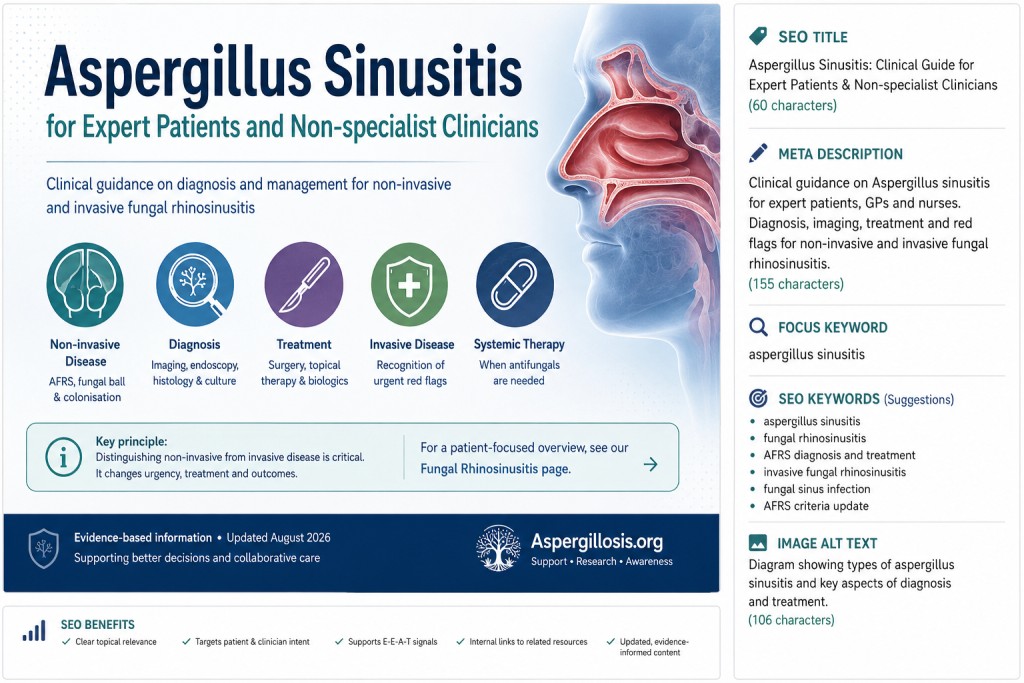
- Aspergillus Sinusitis for Expert Patients and non-Specialist Clinicians
A more detailed clinical guide covering non-invasive and invasive Aspergillus sinus disease, investigations and treatment.
Allergic fungal rhinosinusitis (AFRS)
AFRS is a form of chronic rhinosinusitis with nasal polyps in which fungi are associated with a strong allergic and inflammatory response. Diagnosis usually depends on a combination of symptoms, imaging, endoscopy, allergy testing and examination of sinus material rather than one single test.
- Allergic Fungal Rhinosinusitis: How Diagnosis Is Changing
A closer look at evolving diagnostic criteria, newer tests and research aimed at recognising AFRS more accurately.
Nasal polyps, asthma and biologic treatment
Nasal polyps and asthma often involve overlapping inflammatory pathways. Some people with recurrent polyps, severe asthma or ABPA may therefore be considered for biological treatments that target specific parts of the immune response.
- Could One Biologic Treat Nasal Polyps, Asthma and ABPA?
An explanation of recurrent nasal polyps, type 2 inflammation and how treatments such as dupilumab may sometimes benefit more than one part of the airway.
Understanding the different types
The term fungal rhinosinusitis describes several different conditions rather than one single disease.
- Allergic fungal rhinosinusitis (AFRS) — an allergic and inflammatory condition, usually associated with nasal polyps and fungal sensitisation.
- Fungal ball — a collection of fungal material within a sinus without invasion of surrounding tissue.
- Saprophytic fungal colonisation — fungal growth on mucus or crusts, sometimes following sinus surgery.
- Invasive fungal rhinosinusitis — fungal growth into sinus tissue. This is much less common but may be serious and requires specialist treatment.
Read the full guide to the different types of fungal rhinosinusitis.
Symptoms and diagnosis
Symptoms can overlap with ordinary chronic rhinosinusitis and may include nasal blockage, thick mucus, post-nasal drip, reduced sense of smell, facial pressure, headaches and recurrent sinus problems.
Assessment may involve an ENT examination, nasal endoscopy, CT scanning, blood and allergy tests and, in some cases, laboratory examination of sinus material or tissue.
There is no single test that diagnoses every form of fungal rhinosinusitis, so results need to be interpreted together.
Treatment
Treatment depends on the type of sinus disease. It may involve:
- saline irrigation and nasal treatments;
- topical corticosteroids to control inflammation;
- endoscopic sinus surgery to remove obstructing material or polyps and improve drainage;
- biological medicines in selected people with severe inflammatory disease; or
- systemic antifungal treatment and urgent specialist care for invasive fungal disease.
Antifungal medicines are not needed for every type of fungal sinus disease. Treatment should be matched to the diagnosis.
When to seek medical advice
Speak to a healthcare professional if you have persistent or recurrent sinus symptoms, significant loss of smell, ongoing nasal blockage or facial pressure, particularly when symptoms have lasted for several weeks or are not responding to usual treatment.
Seek urgent medical assessment for rapidly worsening facial pain or swelling, visual disturbance, severe headache, neurological symptoms or rapidly progressive sinus symptoms, especially if you are significantly immunocompromised.
Additional Sinusitis Articles
Related Hubs

Invasive & Acute Aspergillosis Hub
Invasive aspergillosis is a serious infection in which Aspergillus invades lung tissue and, in some cases, can spread beyond the lungs. It occurs mainly in people who are severely ill, have significant immune suppression or are undergoing complex medical treatment.
New to invasive aspergillosis? Start with our main guide to invasive aspergillosis, which explains who is at risk, how the infection is diagnosed and how it is treated.
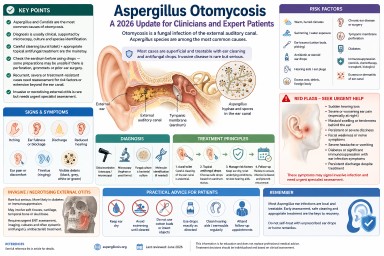
This hub brings together information about invasive and acute forms of aspergillosis, including invasive pulmonary aspergillosis, Aspergillus infection associated with severe respiratory illness, infections outside the lungs, and localised Aspergillus infections affecting sites such as the ear, eye and nails.
Most people living with chronic aspergillosis will not develop invasive aspergillosis. Having chronic pulmonary aspergillosis does not in itself mean that the infection will spread through the body.
Additional relevant articles
Aspergillosis Following Severe Viral Infections
Latest Invasive & Acute Aspergillosis Articles
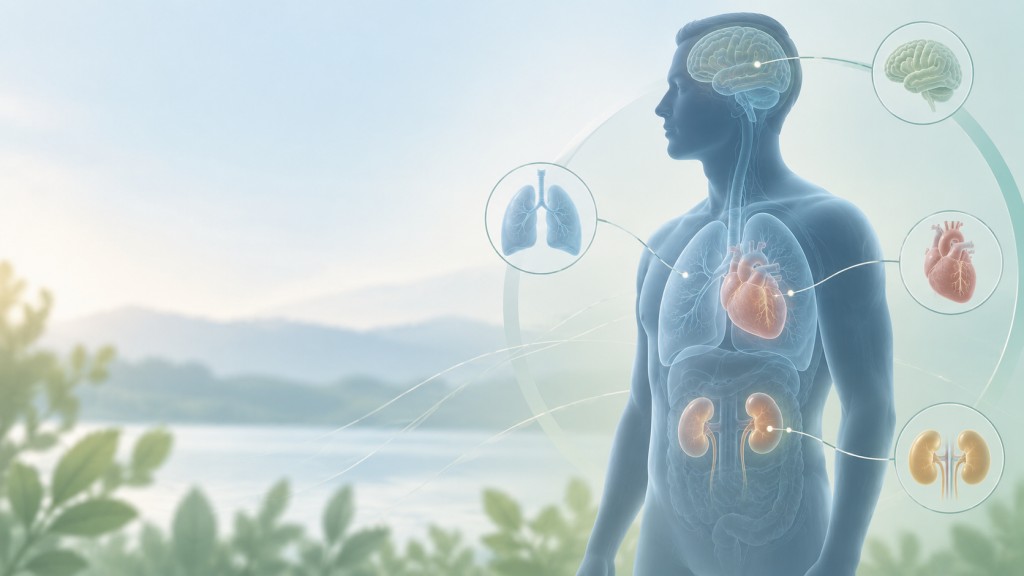

Common associated conditions Hub
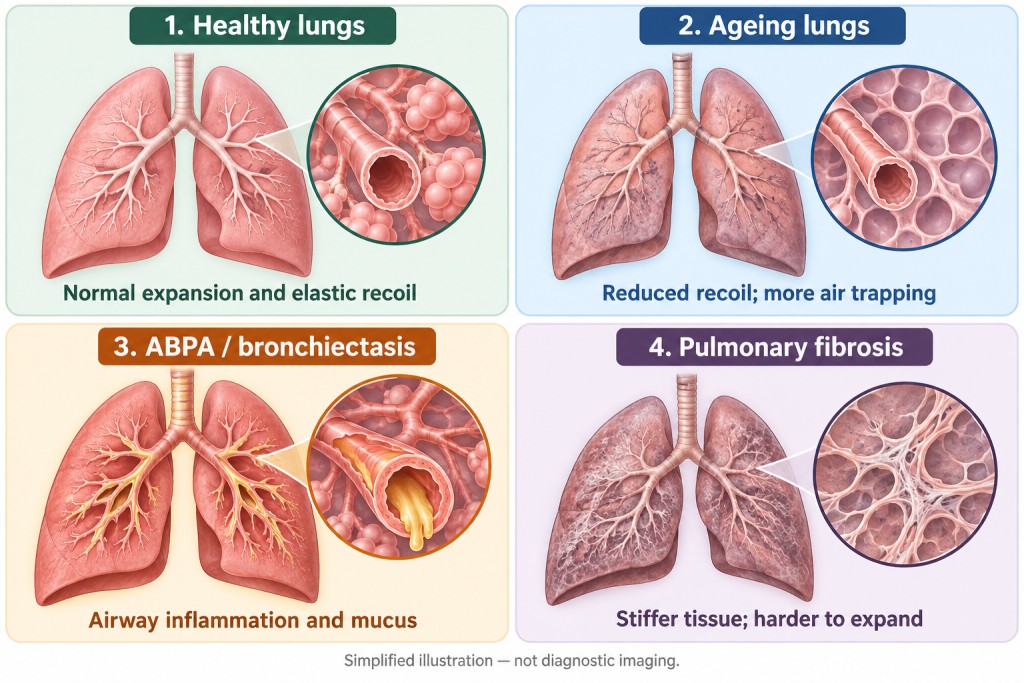
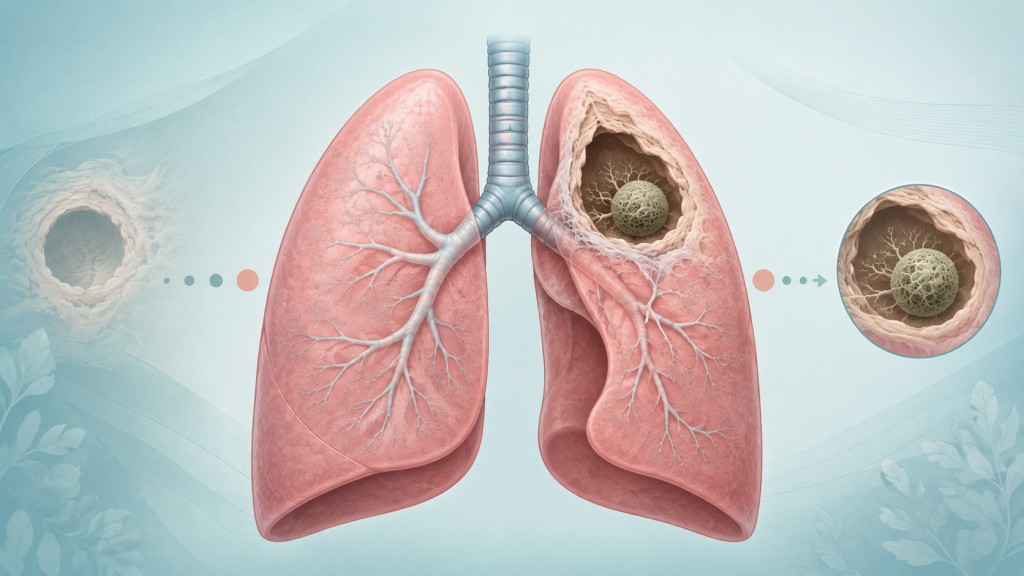
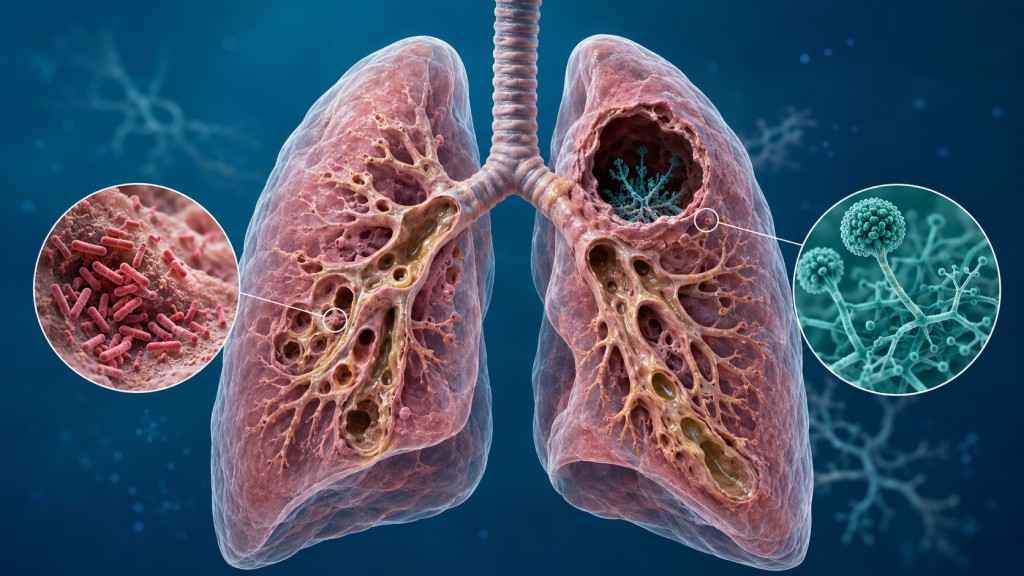
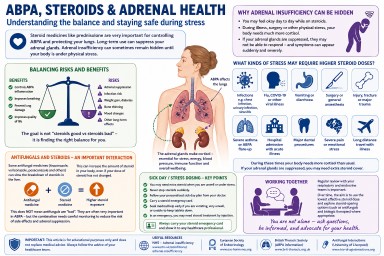
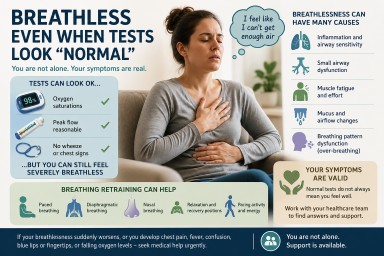
People with aspergillosis often have other respiratory conditions, including asthma, bronchiectasis, COPD and cystic fibrosis. Some of these conditions can increase the risk of developing particular forms of aspergillosis, while others share similar symptoms.
These are associated or overlapping conditions rather than forms of aspergillosis themselves. This hub explains how they can be connected with aspergillosis, how symptoms and treatments may overlap, and why recognising both conditions can be important for diagnosis, monitoring and treatment.
The Questions We Don’t Always Ask
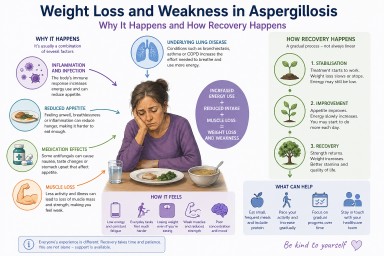
Living with aspergillosis can raise questions that go beyond diagnosis and treatment. Some subjects, such as alcohol, weight, fatigue and everyday difficulties, can be uncomfortable to discuss or easy to overlook during medical appointments.
Our The Questions We Don’t Always Ask series explores these issues openly, with practical information, reliable resources and no judgement.
- Alcohol and Aspergillosis: Can I Still Drink?
- Weight and Aspergillosis: Why Is Losing Weight So Hard?
- Too Breathless or Exhausted to Cook? Eating Well with Aspergillosis
Topics in This Hub
Major associated conditions
- Asthma
- Bronchiectasis
- COPD
- Cystic fibrosis
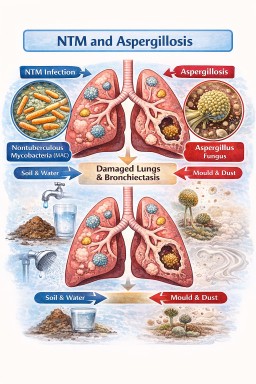
- Nontuberculous mycobacteria (NTM)
- Lung Cancer and Aspergillosis
Immune Suppression and Transplantation
- Aspergillosis following bone marrow or stem cell transplantation
- Aspergillosis following organ transplantation
- Aspergillosis in people with blood cancers
Latest Associated Conditions Articles









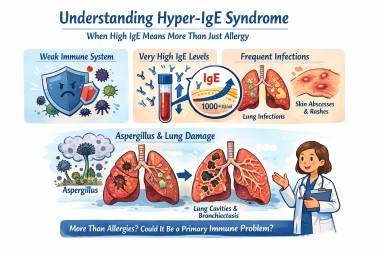
Pets/Animals Hub
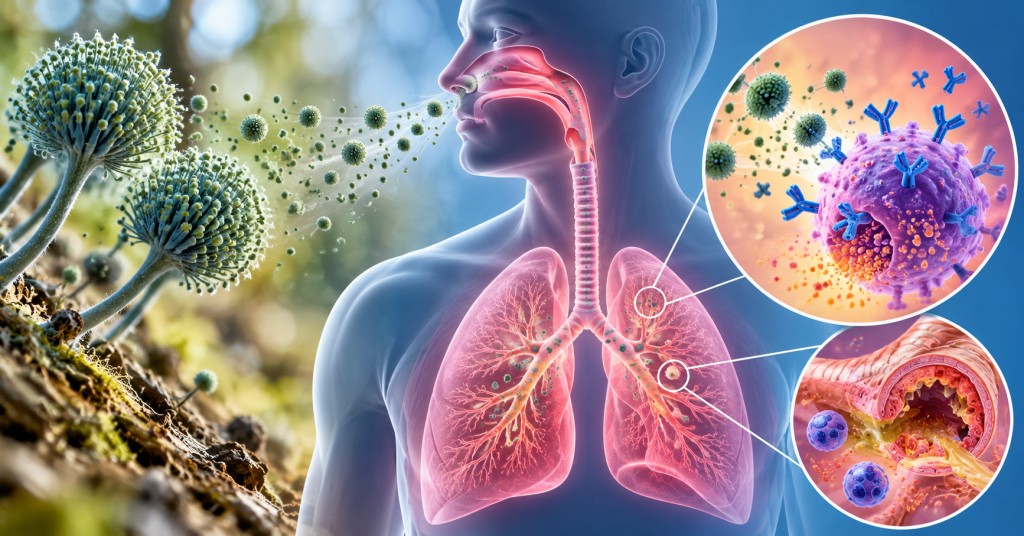
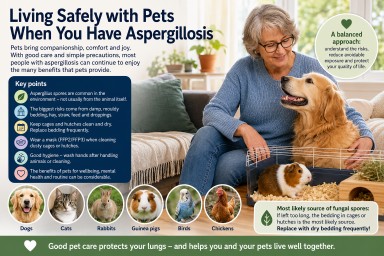
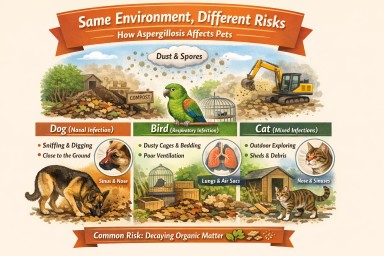
Animals can develop aspergillosis too. Aspergillus species are widespread in the environment and can cause a range of diseases in animals, including infections affecting the respiratory system, nasal passages and other parts of the body.
Aspergillosis in animals does not usually mean that an infected pet poses a risk to its owner. Aspergillosis is generally acquired from environmental exposure to Aspergillus spores rather than being passed directly between animals and people.
This hub brings together information about aspergillosis and other Aspergillus-related disease in pets and other animals, including how disease can present in different species, diagnosis and veterinary treatment, and questions people with aspergillosis may have about living with animals.
Topics in This Hub
Latest Pets & Animals Articles
NAC News & Guidance Hub
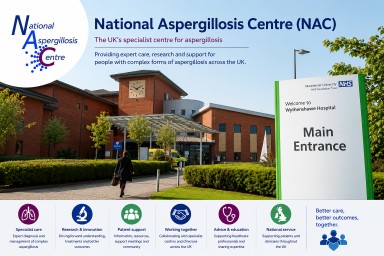
The NAC News & Guidance Hub brings together updates from the National Aspergillosis Centre (NAC), including service news, clinical information, guidance and important alerts.
This hub focuses on authoritative updates and guidance from NAC. For patient meetings, community activities, educational sessions and opportunities to connect with others affected by aspergillosis, visit the NAC Communities Hub.
This hub provides patients, carers and healthcare professionals with a central place to find new developments in aspergillosis care, changes affecting NAC services and other important information from the Centre.
Topics in This Hub
Latest News & Guidance Articles













Immune System Hub
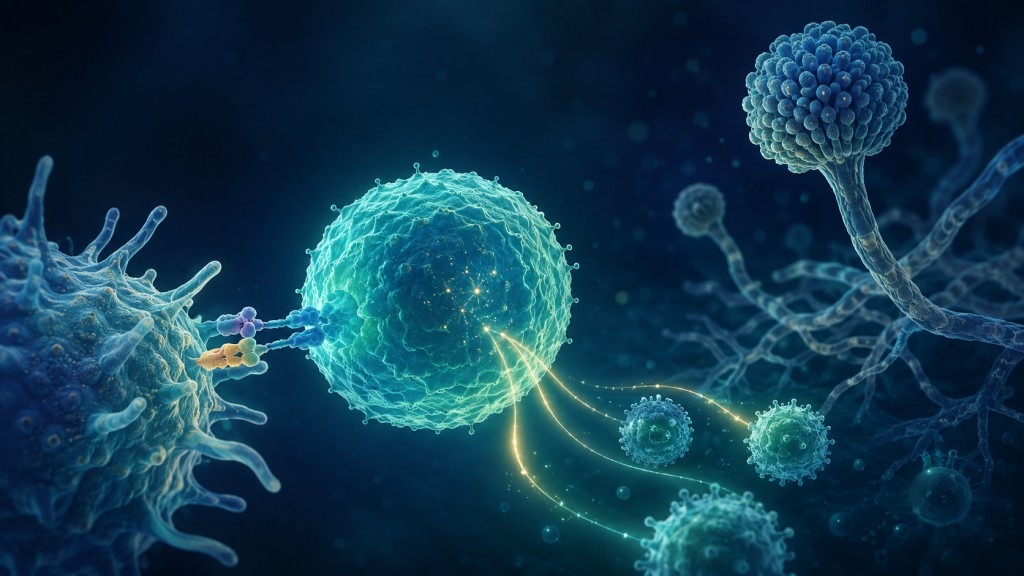
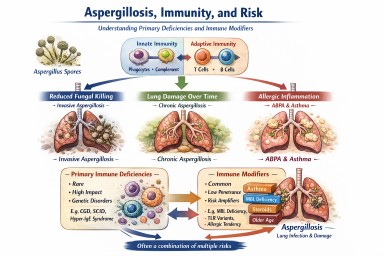
The immune system plays different roles in different forms of aspergillosis. In some conditions, the immune response to Aspergillus is too strong or misdirected, causing allergy and inflammation. In others, weakened immune defences can make it easier for Aspergillus to cause infection.
Understanding this difference helps explain why aspergillosis treatments can seem very different. In ABPA and severe fungal asthma, treatment may aim to reduce inflammation or target particular immune pathways. In people at risk of invasive aspergillosis, maintaining or restoring effective immune defences can be an important part of treatment.
This hub explains the immune system in patient-friendly language, including antibodies, IgE, eosinophils, inflammation, immune suppression and the immune pathways targeted by steroids and biologic medicines.
Topics in This Hub
Latest Immune System Articles





Vaccines Hub
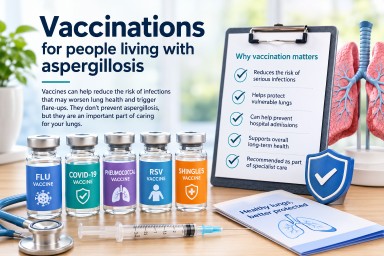
Vaccination can be an important part of protecting respiratory health for people living with aspergillosis and other chronic lung conditions. Vaccines such as influenza, COVID-19, pneumococcal and RSV vaccines can reduce the risk or severity of infections that may otherwise place additional strain on the lungs.
Routine vaccines do not protect directly against Aspergillus or treat aspergillosis. Their role is to help prevent other infections and reduce the risk of complications, particularly in people who already have respiratory disease or whose immune system may be affected by illness or treatment.
This hub brings together information about commonly recommended vaccines, vaccine safety, possible side effects, eligibility and questions that may arise for people taking treatments such as corticosteroids or biologic medicines.
Topics in This Hub
Latest Vaccines Articles