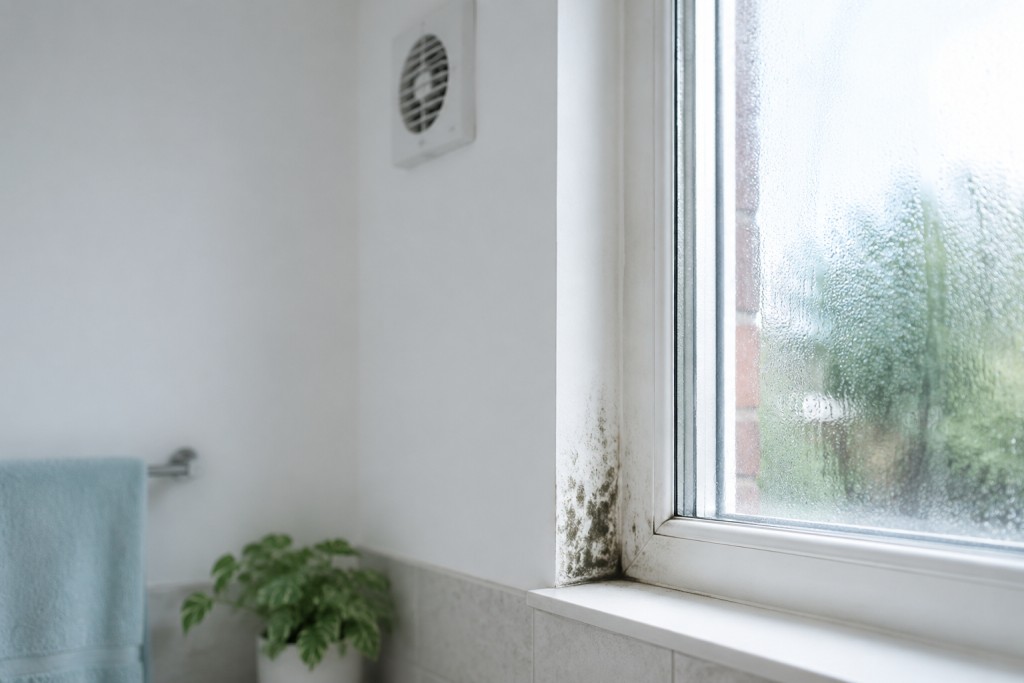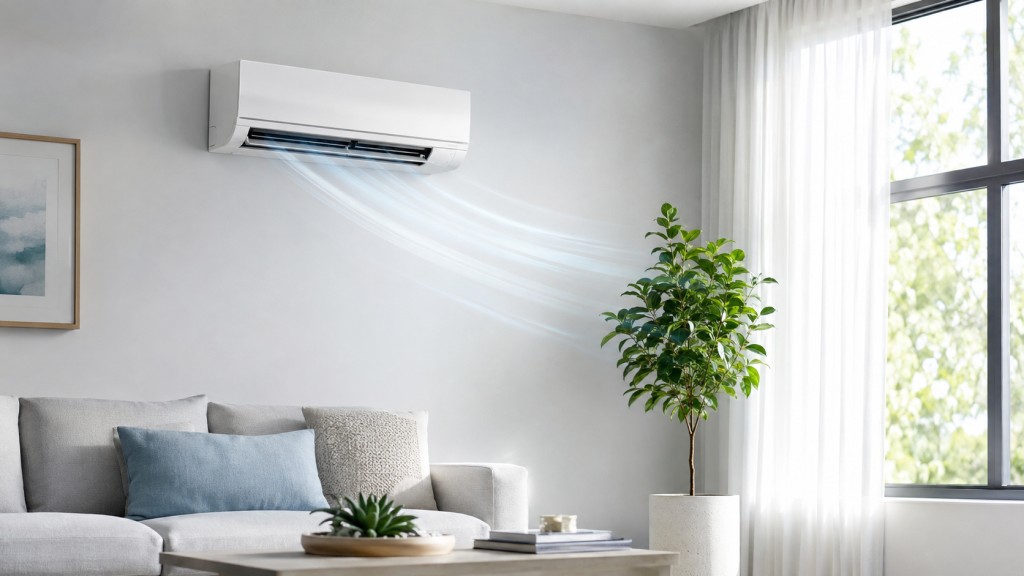
Air conditioning can make hot weather more comfortable and may help reduce indoor humidity. However, any system that becomes damp, dirty or poorly maintained can provide conditions in which mould and bacteria grow.
This is particularly important for people with aspergillosis, severe asthma, bronchiectasis or other respiratory conditions. Air conditioning does not inevitably expose people to Aspergillus—the condition and maintenance of the equipment are what matter.
How can mould develop in an air-conditioning system?
Air conditioners cool warm air. As the air cools, water condenses on the cooling coils and should drain safely away. Problems can develop when:
- condensate collects in a blocked, damaged or poorly draining tray;
- filters and internal surfaces accumulate dust and remain damp;
- the unit or surrounding building has a water leak;
- the equipment is left unused while damp and dirty;
- maintenance and filter replacement are neglected.
Damp dust and debris can support fungal growth. Air moving through contaminated equipment may then carry fungal particles, fragments and odours into the occupied room. UK indoor-air guidance recommends regular cleaning and filter replacement to maintain ventilation performance and reduce microbial growth and bioaerosols.
Can air conditioning help prevent mould?
Yes. Correctly sized and properly maintained air conditioning can remove moisture from indoor air. This may make mould growth less likely, particularly during warm, humid weather.
A conventional air conditioner normally uses a refrigerant circuit, similar to a refrigerator or heat pump. Warm indoor air passes over a cold evaporator coil, where water vapour condenses. The collected water is then:
- carried away through a condensate drain;
- collected in a tank that must be emptied; or
- in some portable units, evaporated again and expelled outside with the hot air through the exhaust hose.
During very humid conditions, a self-evaporating portable unit may still collect more water than it can expel, so its internal tank may need emptying.
An air conditioner must also release the heat it has removed. Fixed split systems use an outdoor condenser, while portable air conditioners usually discharge hot air through a hose fitted to a window or external vent. A unit with no refrigerant compressor and no way to release heat outside is unlikely to be a true room air conditioner.
A unit that is too large may cool a room quickly without removing enough moisture, while a poorly maintained or blocked unit may leak water or allow condensation to accumulate.
Air conditioners and evaporative air coolers are different
Some portable devices are marketed as “air conditioners,” “mini air conditioners” or “personal air conditioners” but are actually evaporative air coolers. These pass air across wet paper, pads, filters or wicks.
Evaporation can make the outgoing air feel cooler, but these devices add water to the indoor air rather than removing it. They work less effectively in humid conditions and may be unsuitable in a home that is already damp or poorly ventilated.
Their water tanks and continually wet internal surfaces also require careful cleaning and drying according to the manufacturer’s instructions. If neglected, they may support the growth of mould or bacteria.
Before buying or using a portable cooling unit, check whether it:
- uses a refrigerant and compressor;
- has an exhaust hose or outdoor condenser through which heat is released;
- removes condensate into a drain or collection tank; or
- relies on a water reservoir and wet pad to cool the air by evaporation.
This distinction is important for anyone trying to reduce indoor humidity or mould exposure.
Warning signs that need attention
Stop using the unit and arrange an inspection if you notice:
- a persistent musty or mouldy smell when it is running;
- visible mould around the vents or inside an accessible cover;
- water dripping from the unit or collecting beneath it;
- a persistently wet filter or condensate tray;
- a noticeable worsening of respiratory symptoms when the unit is operating.
These signs do not prove that Aspergillus is present, but they indicate that the system needs investigation.
Using air conditioning safely at home
- Follow the manufacturer’s servicing and filter-cleaning schedule. Different systems require different intervals.
- Make sure condensate drains freely and investigate any water leakage promptly.
- Replace disposable filters rather than washing them unless the manufacturer specifically describes the filter as washable.
- Keep the area around outdoor air intakes free from compost, decaying vegetation and other obvious sources of dust and mould.
- Do not fit a very dense filter unless the system is designed for it. Restricting airflow can reduce performance and cause additional condensation.
- Remember that many domestic split air-conditioning units recirculate indoor air and do not provide fresh-air ventilation. Continue to ventilate the room appropriately.
A portable HEPA air cleaner may reduce some airborne particles, but it will not correct a contaminated air-conditioning unit, blocked drain or damp building.
Should someone with aspergillosis clean the unit?
People with aspergillosis should not dismantle or clean visibly contaminated equipment themselves. Opening the unit, brushing a filter or using compressed air could release accumulated dust and fungal material.
Ask someone without a respiratory condition to undertake straightforward routine filter maintenance, following the manufacturer’s instructions. Visible mould, a musty smell, internal contamination or drainage problems should be assessed by a competent air-conditioning engineer or ventilation specialist.
Tell the engineer that somebody in the property has aspergillosis or another serious respiratory condition. Ask how contaminated material will be contained and whether the person should leave the room or property while the work is undertaken.
Air conditioning in cars
Vehicle systems can also develop musty odours when the cabin filter is dirty or moisture remains around the evaporator. Have the cabin filter and drainage system checked during routine servicing. A persistent smell should be investigated rather than covered with an air freshener or deodorising spray.
At work, in hotels and while travelling
You may not be responsible for maintaining equipment at work or in rented accommodation, hotels and holiday properties. If a unit smells musty, leaks water or appears visibly dirty:
- switch it off if it is safe and practical to do so;
- ask for another room or working area;
- report the problem to the employer, landlord or accommodation manager;
- do not open or clean an unfamiliar unit yourself.
A musty smell alone cannot identify the organism involved, and respiratory symptoms can have many causes. Seek medical advice if symptoms become severe or do not settle after leaving the affected environment.
Further information
- UK Government: Indoor Air Quality Report
- US Environmental Protection Agency: mould and HVAC systems
- How can I remove mould from my home safely?
- Aspergillosis Housing Hub

Did this page help you?
Tell us in one minute