Immune-suppressing medicines are used to control inflammation, prevent rejection after transplant and treat many serious conditions. They can be life-changing or lifesaving treatments.
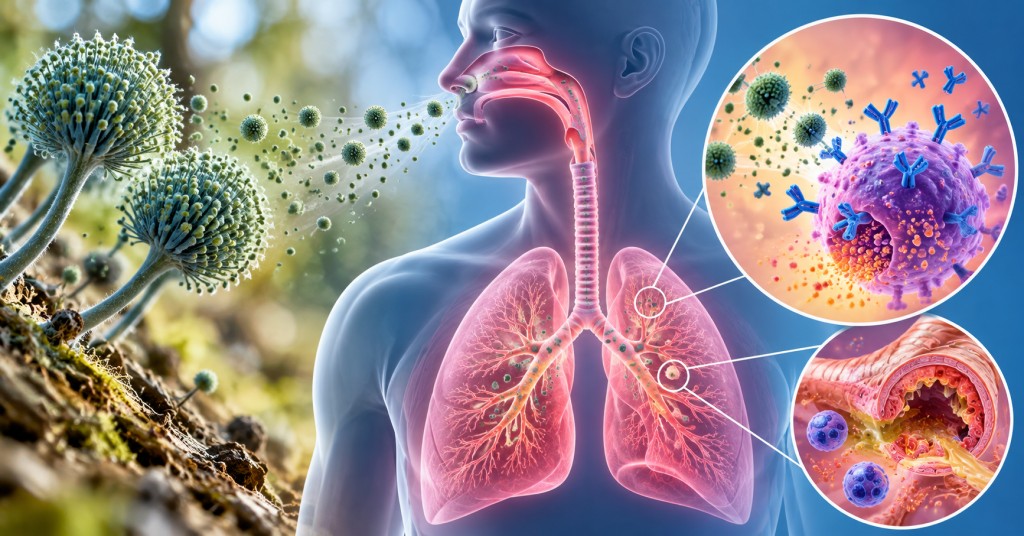
Because they reduce part of the immune response, they can also increase susceptibility to infection. In a small number of people—usually where immune suppression is substantial or several risk factors combine—this may include invasive aspergillosis.
Most people taking a short course of steroids or a single immune-suppressing medicine will not develop invasive aspergillosis. Risk depends on the medicine, dose, duration, combination of treatments, white blood cell count, underlying condition and any existing lung damage.
What are immune-suppressing medicines?
These medicines reduce or alter immune activity. They are prescribed for many different reasons, including autoimmune disease, severe inflammatory illness, cancer treatment and organ or stem-cell transplant.
Examples include:
- Corticosteroids, such as prednisolone, dexamethasone and methylprednisolone
- Anti-rejection medicines, such as tacrolimus, ciclosporin, sirolimus and mycophenolate
- Chemotherapy and some other cancer treatments that lower white blood cell counts
- Biologic and targeted medicines used for conditions such as rheumatoid arthritis, inflammatory bowel disease, psoriasis and severe inflammatory disease
- Other medicines used to suppress the immune system after transplant or to treat graft-versus-host disease
These groups of medicines work in different ways. They do not all carry the same infection risk, and they should never be stopped without advice from the team that prescribed them.
When does the risk of invasive aspergillosis increase?
Risk rises most when immune suppression is strong, prolonged or combined with other factors. Examples include:
- High-dose or long-term steroid treatment
- Several immune-suppressing medicines used together
- Very low neutrophil counts (neutropenia), often during treatment for blood cancer
- Stem-cell or organ transplant treatment
- Treatment for graft-versus-host disease
- Previous invasive fungal infection
- Severe viral pneumonia, critical illness or intensive care treatment
- Significant structural lung disease alongside immune suppression
For most people with inflammatory or autoimmune disease, the main concern is common infections rather than invasive aspergillosis. Your specialist team will assess whether your particular treatment plan creates a higher risk.
Why steroids deserve particular attention
Steroids are very effective at reducing inflammation and are used in many conditions. Their effect on infection risk depends on the dose, how long they are taken and whether other immune-suppressing medicines are used at the same time.
Short courses are common and usually do not create the same level of risk as high-dose or prolonged treatment. The risk is more relevant when steroids are used for weeks or months, at higher doses, or alongside other treatments that weaken immune defences.
Do not stop steroids suddenly unless your medical team tells you to. Stopping too quickly can be dangerous and may cause the underlying condition to flare.
How does this relate to other forms of aspergillosis?
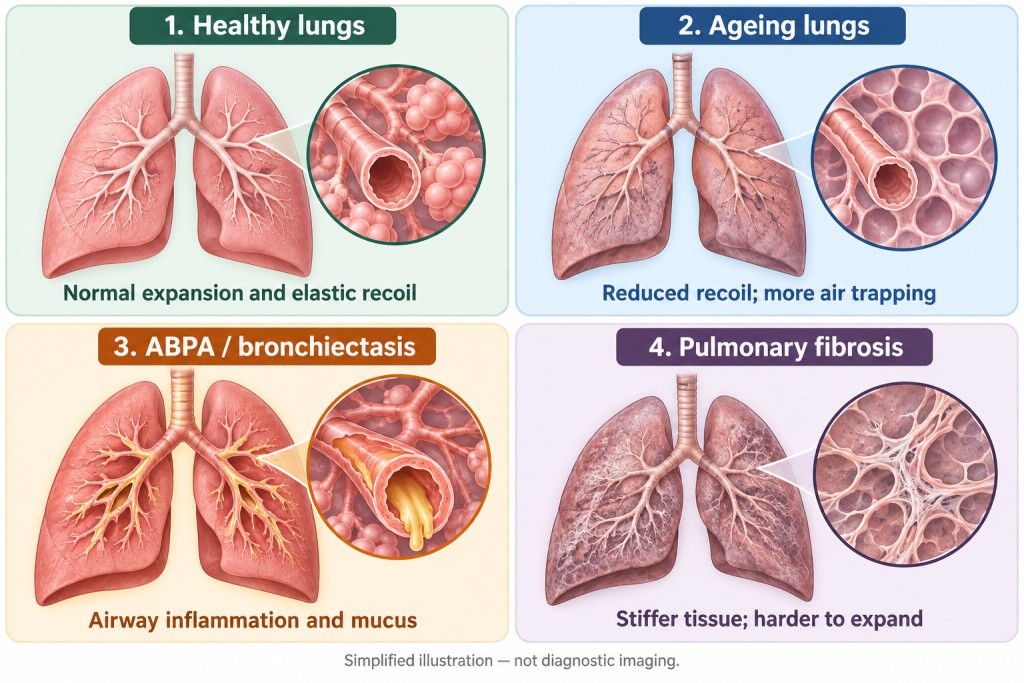
Invasive aspergillosis is different from chronic pulmonary aspergillosis (CPA) and allergic bronchopulmonary aspergillosis (ABPA).
- Invasive aspergillosis usually occurs when immune defences are severely weakened and can develop quickly.
- CPA usually develops gradually over months in lungs already damaged by conditions such as COPD, previous tuberculosis, sarcoidosis or bronchiectasis.
- ABPA is an allergic reaction to Aspergillus, most often in people with asthma or cystic fibrosis.
Some people have more than one risk factor. For example, someone with COPD and damaged lungs who needs prolonged steroids may need their respiratory team to consider both their underlying lung condition and the effects of treatment.
How do specialist teams reduce the risk?
Your team may use several approaches depending on the condition being treated and your individual level of risk. These can include:
- Using the lowest effective dose for the shortest appropriate time
- Regular blood tests to monitor white blood cell counts, liver and kidney function
- Vaccination planning and advice about infection prevention
- Preventive antifungal treatment in selected high-risk situations
- Rapid assessment of fever, new respiratory symptoms or unexplained illness
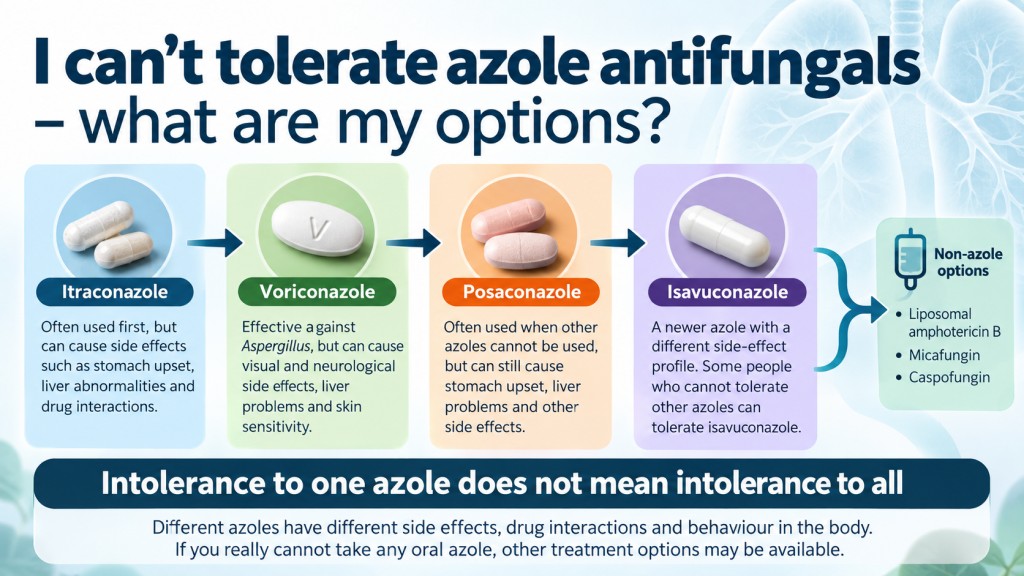
Preventive antifungal medication is not needed for everyone taking immune-suppressing treatment. It is generally reserved for people at clearly higher risk because antifungal medicines can have side effects and interact with other important drugs.
Symptoms that need prompt advice
Follow the advice and emergency contact plan provided by your own specialist team. Contact them promptly if you have a fever or feel significantly more unwell while taking immune-suppressing medicines.
Symptoms that may need assessment include:
- Fever that persists, returns or does not improve as expected
- New or worsening cough
- Increasing breathlessness
- Chest pain, especially pain that is worse when breathing in
- Coughing up blood
- Severe fatigue or unexplained deterioration
These symptoms have many possible causes and do not mean that someone has aspergillosis. But prompt assessment matters when the immune system is significantly suppressed.
What you can do
Keep an up-to-date list of every medicine you take, including the dose and any treatment given by another hospital or clinic. Tell your specialist team about new symptoms, and ask what your individual infection risks are before starting a new immune-suppressing treatment.
Do not stop, reduce or change immune-suppressing medicines without medical advice. If you have been prescribed antifungal prevention, take it exactly as instructed and ask about possible interactions before starting any new medicine, supplement or herbal treatment.
Related information
- Invasive aspergillosis
- Blood cancer and aspergillosis
- Stem-cell transplant and aspergillosis
- Organ transplant and aspergillosis
- Lung cancer and aspergillosis
- Chronic pulmonary aspergillosis (CPA)
- Allergic bronchopulmonary aspergillosis (ABPA)
- Common associated conditions
Sources: IDSA aspergillosis guidance; NHS inform: corticosteroids; NHS guidance for people taking biologic medicines.

Did this page help you?
Tell us in one minute