


Patient voices at the ERS Congress: watch the ELF recordings

What can respiratory care learn from the people who live with lung conditions every day? At the 2026 European Respiratory Society (ERS) Congress in Barcelona, patient-centred sessions brought patients, advocates, clinicians and researchers together to discuss lived experience, research and the practical changes that can make care more responsive.
The European Lung Foundation (ELF) has gathered recordings and information from several of these sessions. They cover a wide range of issues, from the emotional and social effects of lung disease to how patients can help shape research and care.
Highlights from the sessions
- Holistic approaches in lung disease: addressing physical, emotional and social factors
Living with lung disease can affect much more than breathing. This discussion explored the impact on emotional wellbeing, social interaction and everyday life, and the value of looking at the whole person. Lisa McNeil, from the Aspergillosis Patient Advisory Group, joined the session as a panellist. - Meaningful patient involvement in research
Patients can help researchers identify important questions, choose outcomes that matter and design studies around people’s real experiences. This session explored why involvement is most useful when it begins early and continues throughout the research process. - Breathing easy: addressing air, housing and poverty in patient care
Where people live and the conditions in their homes can affect respiratory health. This session considered how air quality, housing and poverty can combine to create challenges, and why these wider circumstances need to be part of conversations about care. - Invisible burdens: the stigma of lung conditions
Coughing, breathlessness and assumptions about the causes of lung disease can lead to misunderstanding or stigma. The discussion highlighted the importance of listening to patients, using respectful language and treating people with empathy and dignity. - The power of patient partnerships
Patients and professionals explored how to work together in research, education and care. Topics included co-creating digital and self-management tools, involving patients in long-term studies, and building partnerships within respiratory organisations.
These recordings show patients contributing as partners: bringing their experience into discussions about research priorities, healthcare tools, stigma and the support people need. They also give a glimpse of the conversations taking place across the respiratory community in Europe.
Explore the ELF recordings and patient-centred content from the 2026 ERS Congress


Patients and professionals working together at ERS

Patients bring an essential perspective to respiratory research and care. Their experience can help researchers understand which questions matter, what outcomes make a difference in daily life, and how information and support can better meet people’s needs.
At the 2026 European Respiratory Society (ERS) Congress in Barcelona, patient partnership was a central theme. Sessions explored how patients and professionals can work together in research, education and care.
The symposium The Power of Patient Partnerships covered the foundations of patient–professional partnerships, co-creating digital and self-management tools, involving patients in long-term studies, and the role of patient partnership in bronchiectasis. A separate patient-centred session explored meaningful patient involvement in research.
Members of our patient group were involved in the Congress too. At least two members contributed as speakers or panellists at the ELF Patient Organisation Networking Day, and we presented a poster about our patient engagement work. The Networking Day was an invitation-only event, but related ERS sessions are available to watch online.
These discussions show how patient experience can contribute to research and care, and how patient organisations can share ideas and learn from one another across Europe.
ERS learning resources on pulmonary aspergillosis
The European Respiratory Society (ERS) Respiratory Channel has a useful collection of talks and case-based teaching on pulmonary aspergillosis. The sessions cover the different clinical forms of disease, including allergic bronchopulmonary aspergillosis (ABPA), chronic pulmonary aspergillosis (CPA) and invasive aspergillosis.
Topics include the clinical spectrum of pulmonary aspergillosis, selecting and interpreting diagnostic tests, antifungal treatment and its challenges, and managing complex cases. There are also case-based workshops on ABPA and CPA, and discussion of co-infection with non-tuberculous mycobacteria.
The material may be useful to respiratory clinicians, infection specialists, trainees and other healthcare professionals seeking further learning in this area. The collection brings together talks from different ERS courses and congresses; access conditions vary, and some content may require registration.
Browse ERS Respiratory Channel resources on aspergillosis

Expertise shared across borders: an ABPA case discussion

Respiratory care depends on both specialist knowledge and an understanding of what matters to the people living with lung conditions. Two sessions from the 2026 European Respiratory Society (ERS) Congress show these perspectives coming together: one explores a complex case of allergic bronchopulmonary aspergillosis (ABPA), while the other focuses on meaningful patient involvement in research.
ABPA: experts discuss a complex case
Allergic bronchopulmonary aspergillosis (ABPA) is an allergic reaction to Aspergillus that can affect the lungs, often in people with asthma. Recognising it may involve bringing together a person’s symptoms, imaging and blood test results.
In this ERS Ask the Expert episode, Dr Hitasha Rupani of University Hospital Southampton and Professor Dominick Shaw of the University of Leicester are joined by Professor Eva van Braeckel of Ghent University Hospital in Belgium. They discuss the case of a 55-year-old man with asthma, a persistent cough and recurrent chest infections. His investigations show collapse and consolidation in part of the lung, bronchiectasis and widespread mucus plugging. Blood tests show raised IgE, including raised Aspergillus-specific IgE and IgG.
The specialists consider the question: how should the physician proceed? The case illustrates how clinicians draw together different findings and share expertise when assessing a complicated respiratory problem. The episode is a professional discussion, not individual medical advice or a diagnostic checklist for patients.
Watch the ERS discussion about ABPA
Patients as partners in respiratory research
Research is intended to improve people’s lives, so the experiences of patients can help make it more relevant. People living with a respiratory condition may identify questions that matter to them, explain how symptoms affect everyday life, and help researchers think about which outcomes are meaningful to patients.
A patient-centred session at the 2026 ERS Congress in Barcelona explored meaningful patient involvement in research. Chaired by Mikaela Odemyr, it featured James D. Chalmers, Charlotta Norgaard, Kjeld Hansen and Susanne Vijverberg. Its place in the Congress programme reflects the importance of partnership between patients, clinicians and researchers in respiratory health.
Patient involvement can take different forms, from helping shape research questions and study design to contributing to how findings are communicated. When it is meaningful, patients are involved as partners and their perspectives can help guide the work.
Watch the ERS session on meaningful patient involvement in research
Together, these sessions show two important parts of respiratory care: clinicians sharing specialist knowledge across countries, and patients contributing their experience to the research that may shape future care.

Thursday Session: Living with Aspergillosis: Finding Strength, Support and a Sense of Purpose
Patient experiences, practical understanding and helpful resources

In this week's conversation
- Recovering confidence after respiratory infections and exacerbations.
- Finding psychological support that understands chronic illness.
- Adjusting to changes in independence, activity and everyday life.
- The importance of feeling useful and helping other people.
- Friendship, bereavement and remembering members of our community.
- Practical information and resources to explore these subjects further.
Living with aspergillosis involves much more than managing symptoms and taking medication. It can change our confidence, independence, relationships and expectations for the future.
This week's Thursday patient-support meeting brought these experiences together in a particularly thoughtful discussion. We talked about infections and setbacks, the emotional burden of chronic illness, finding the right psychological support, keeping active within changing physical limits, and the importance of friendship.
We also took time to remember Mick and other friends who have been part of our community.
What we talked about
When illness knocks your confidence
The conversation began with experiences of prolonged chest infections, bleeding episodes and the frustration of recovery that seems to take longer than expected.
One recurring concern was how difficult it can be to regain confidence after a serious illness. Even when symptoms begin to improve, the emotional effects may linger.
Participants reflected on how frightening an exacerbation can be, particularly when it involves unfamiliar symptoms or experiences such as confusion.
These discussions reminded us that recovery is not simply a matter of improving lung function. People may also need time to rebuild confidence in their bodies and everyday activities.
Finding psychological support that understands respiratory illness
Several participants shared experiences of counselling and clinical psychology.
Some had found professional support helpful, particularly when the therapist understood the realities of living with chronic illness.
A difficulty discussed was having to explain why apparently straightforward advice might be unrealistic for someone experiencing significant breathlessness, fatigue or unpredictable exacerbations.
There was also recognition that talking with people who share similar experiences can provide something different from professional counselling.
Both forms of support have their place.
When your world becomes smaller
One of the strongest themes was the gradual loss of activities that previously gave life structure and meaning.
Employment, exercise, travelling, social activities and even ordinary household tasks can become increasingly difficult.
These changes are not simply practical inconveniences. They may affect independence, confidence and how people see themselves.
Participants described the challenge of adjusting expectations without feeling that they were giving up.
Pacing, exercise and the desire to contribute
The group discussed the difficulty of balancing activity and rest.
There can be considerable satisfaction in continuing to work, volunteer, support others or take part in patient advocacy. But worthwhile activities still require energy.
Returning to exercise after a prolonged illness was another concern. Activities that once seemed straightforward may now require much more effort.
The conversation recognised that finding a sustainable level of activity can be a continuing process of adjustment.
Why being useful matters
An important thread running through the discussion was the value of helping other people.
Sharing experience, offering reassurance and contributing to patient activities can provide a sense of purpose, particularly when illness has restricted other parts of life.
Our meetings demonstrate this regularly. Participants are not simply receiving support; they are contributing knowledge, understanding and encouragement.
Sometimes knowing that your experience has helped another person can be valuable in itself.
Remembering Mick and other friends
We also remembered Mick and other friends who have been part of our patient community.
Over time, our meetings have become more than opportunities to exchange medical information. Friendships develop, people become familiar with one another's lives, and shared experiences create lasting connections.
Losing a friend from the group can be particularly difficult. Alongside sadness and personal memories, it may bring renewed awareness of the uncertainties of living with serious illness.
Remembering those who are no longer with us is an important part of our community's history.
Their contributions, humour, friendship and encouragement remain part of what makes the group special.
Learning to manage difficult thoughts
Towards the end of the meeting, we discussed psychological approaches to managing worry and negative thinking.
Participants described techniques encountered through counselling, including the idea of carrying worries like a heavy suitcase and recognising habitual patterns of negative thinking.
The discussion explored how changing our responses to difficult thoughts may sometimes make them easier to manage.
There was also recognition that different approaches suit different people, and that friendship, conversation and humour remain important sources of support.
A closer look: understanding some of the issues raised
The following information expands on three important subjects from the discussion. It provides general educational context rather than individual medical advice.
1. Why recovery can take longer emotionally than physically
After a serious respiratory exacerbation, a person may be medically improving but still feel anxious, vulnerable or uncertain.
There are several possible reasons.
A frightening episode of breathlessness or haemoptysis may make someone more alert to changes in their breathing. Prolonged inactivity can reduce strength and stamina. Fatigue may persist, while the fear of another setback can make ordinary activities seem more daunting.
These experiences can reinforce one another. Reduced activity may contribute to loss of fitness, while loss of confidence can make restarting activity more difficult.
What may help?
Recovery should be individualised. Discuss persistent symptoms with your respiratory team, ask whether respiratory physiotherapy or pulmonary rehabilitation would be appropriate, and consider psychological support if anxiety or low mood is interfering with daily life.
For people with a history of haemoptysis, severe asthma or unstable respiratory symptoms, exercise plans should be agreed with the clinical team rather than following generic fitness advice.
Importantly, coughing up blood should never simply be dismissed as a routine feature of aspergillosis.
2. Psychological support should recognise real physical limitations
Cognitive behavioural therapy (CBT) is one approach that may help people manage anxiety, low mood and unhelpful patterns of thinking.
It explores relationships between thoughts, feelings and behaviour, and helps people develop different ways of responding to difficult situations.
However, there is an important distinction between unnecessary avoidance caused by fear and activity that is genuinely unsafe or physically beyond someone's current capacity.
Someone with severe breathlessness or a risk of haemoptysis cannot simply overcome those limitations through positive thinking.
Good psychological support should acknowledge physical illness and work alongside appropriate medical care.
It can help to explain to a therapist which limitations are medically established, which symptoms fluctuate, and what you hope to achieve.
The aim is not to deny the illness, but to reduce avoidable emotional suffering while living within its realities.
3. Maintaining purpose when life changes
Chronic illness can affect the roles through which people previously found meaning: employment, family responsibilities, hobbies, independence and social activities.
Losing or reducing these roles may affect self-esteem and identity.
One possible response is to discover different ways of contributing.
Sharing experience with newly diagnosed patients, helping organise activities, maintaining friendships or offering practical encouragement can provide opportunities for meaningful participation.
This connects with the principle of reciprocal peer support: people can benefit both from receiving support and from offering it.
However, helping others should not become another exhausting obligation. The value of someone's contribution is not determined by how much they can do.
Sometimes listening, understanding or simply being present is enough.
Helpful resources
These resources offer further information on subjects raised during the meeting.
Exercise and rehabilitation
NHS England: Pulmonary rehabilitation — Explains how individually tailored exercise and education programmes can help people with chronic respiratory disease.
Psychological wellbeing
NHS: Cognitive behavioural therapy — What CBT involves, what it may help with, and how to access treatment.
Bereavement and friendship
Cruse Bereavement Support — Information and emotional support for people experiencing grief and loss. UK helpline: 0808 808 1677.
Recognising symptoms that need urgent help
NHS: Coughing up blood — Even small amounts of blood in sputum need prompt medical advice. More than a few spots or streaks, or bleeding accompanied by breathing difficulty, chest pain or a very fast heartbeat, requires emergency assessment.
NHS: Sudden confusion — Sudden confusion or disorientation is a medical emergency. In the UK, call 999 or attend A&E.
For readers outside the UK, equivalent services and emergency arrangements will vary.
A final thought: the value of being together
Perhaps the most important message from this week's conversation was that living with aspergillosis involves continually adapting while trying to preserve the things that make life meaningful.
Health may change what we can do, but it does not remove the value of our experiences, relationships or contributions to others.
Our Thursday meetings provide an opportunity to share those experiences with people who understand. Sometimes we exchange practical information. Sometimes we discuss difficult feelings. Sometimes we laugh, remember old friends or simply enjoy one another's company.
And sometimes a conversation that begins with an everyday concern leads to something much more profound.
We may not always be able to change the illness, but we can help one another live with it.
About Thursday Conversations
These articles are based on informal discussions within our international aspergillosis patient-support community. Personal experiences are summarised without identifying participants. Additional educational information and resources are included to help readers explore the subjects discussed.
The articles are not clinical records or substitutes for individual medical advice.
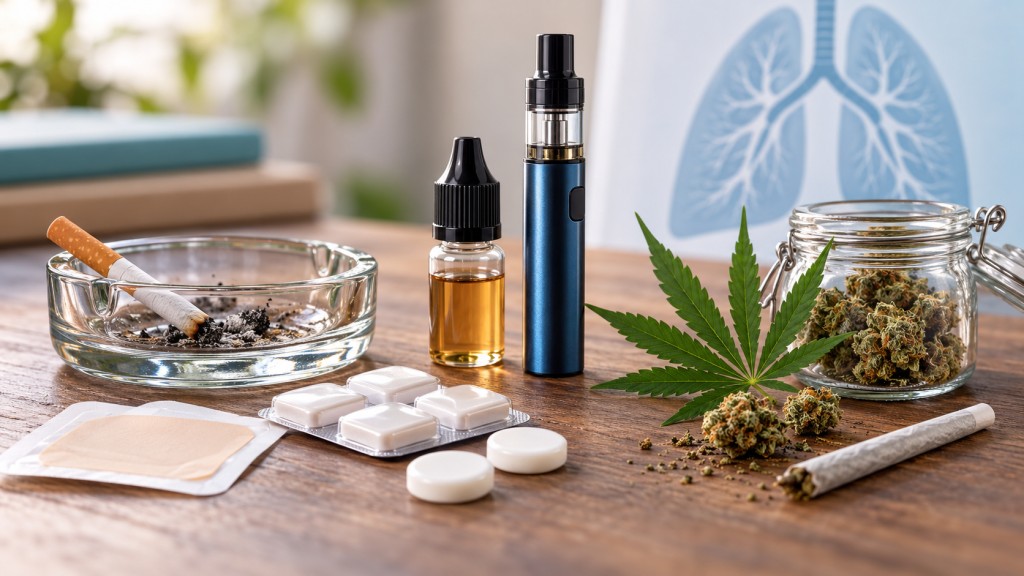
Smoking, Vaping and Aspergillosis: What If I Haven't Managed to Quit?
Last reviewed: 21 October 2026
Next review: 21 October 2028
Audience: People living with aspergillosis, their families and carers
Part of our series: The Questions We Don't Always Ask

Perhaps you have aspergillosis and still smoke. You may have tried to stop several times, or you may feel that stopping now would make little difference because your lungs are already damaged.
Perhaps you have switched to vaping, occasionally smoke cannabis, or use another substance that you have never mentioned to your respiratory team.
You may be worried about being judged, blamed for your illness or told yet again to stop doing something you already know carries risks.
These are reasonable concerns to want to discuss.
Smoking and inhaling other substances can affect your lungs, but you deserve good healthcare, accurate information and practical support regardless of what you currently smoke or vape.
This article looks at the risks, the uncertainties and the options available, without assuming that changing an established habit is easy.
Key points
- Smoking does not directly cause aspergillosis, but it can damage the lungs and worsen existing respiratory disease.
- Smoking is a major cause of COPD and can aggravate asthma, bronchiectasis and other lung conditions.
- Stopping smoking is beneficial even after many years, including when some lung damage is permanent.
- Switching completely from cigarettes to nicotine vaping substantially reduces exposure to many harmful chemicals, but vaping is not risk-free.
- Cannabis smoke can irritate the lungs, and cannabis plant material can sometimes contain Aspergillus spores. The evidence linking cannabis use to aspergillosis is limited, but the concern is particularly relevant to people with weakened immune systems.
- Other smoked or inhaled substances can also cause serious lung injury.
- Nicotine dependence can be treated. Support is available even if you are not ready to stop.
- You can ask questions about smoking, vaping or recreational substances without needing to disclose personal details in a public discussion.
Does smoking cause aspergillosis?
Aspergillosis is caused by infection with, or an immune response to, Aspergillus fungi. Smoking is not itself a direct cause of aspergillosis.
However, tobacco smoke can damage the airways, interfere with mucus clearance and contribute to long-term inflammation. Some forms of aspergillosis occur more readily in people whose lungs are already damaged.
For example, chronic pulmonary aspergillosis (CPA) can develop in people with pre-existing structural lung disease, including COPD and previous tuberculosis.
This means smoking may contribute indirectly to some of the circumstances in which aspergillosis develops. It does not mean that smoking caused an individual person's aspergillosis.
Many people with aspergillosis have never smoked.
What if I also have COPD, bronchiectasis or asthma?
Several respiratory conditions can overlap with aspergillosis. Smoking may make their symptoms more difficult to manage, but the relationships differ between conditions.
COPD
Smoking is the leading cause of chronic obstructive pulmonary disease (COPD), although not everyone with COPD has smoked.
COPD can cause persistent breathlessness, cough, sputum production and repeated exacerbations. Some people with COPD also develop Aspergillus-related disease, including CPA.
Stopping smoking is one of the most important ways to reduce further smoking-related damage, even when COPD is advanced.
For a fuller explanation, read COPD and Aspergillosis: Understanding the Connection.
Bronchiectasis
Bronchiectasis involves permanent widening and damage to parts of the airways, making mucus more difficult to clear.
It has many possible causes and should not automatically be described as a smoking-related illness. Nevertheless, smoking can add further irritation and interfere with normal airway defences.
People with bronchiectasis and aspergillosis may also need specialist advice about airway clearance and managing repeated infections.
Read Bronchiectasis and Aspergillosis for more information.
Asthma and ABPA
Smoking can make asthma harder to control and may reduce the effectiveness of some treatments.
Allergic bronchopulmonary aspergillosis (ABPA) is an allergic inflammatory condition involving Aspergillus, commonly affecting people with asthma or cystic fibrosis.
Smoking does not cause ABPA, but smoke exposure can add to airway irritation, wheezing and breathlessness.
If you have several respiratory diagnoses, it is important that new symptoms are assessed rather than automatically attributed to smoking or your existing aspergillosis.
Is it worth stopping after 30 or 40 years?
Yes.
Some lung damage, such as established emphysema or scarring, cannot be reversed simply by stopping smoking. However, stopping prevents further exposure to tobacco smoke and can slow the progression of smoking-related lung disease.
It also reduces the risks of cardiovascular disease, stroke and several cancers.
Some people notice less coughing or improved breathing after stopping. Others, particularly those with severe chronic lung disease, may experience less obvious changes.
The benefits are not limited to people who still have relatively healthy lungs.
Stopping smoking cannot guarantee that aspergillosis will improve, and it does not replace antifungal treatment or other respiratory care. It is one way of reducing additional harm.
Why can't I just stop?
Nicotine dependence is not simply a matter of willpower.
Nicotine affects reward pathways in the brain. When nicotine levels fall, withdrawal can cause cravings, irritability, restlessness, anxiety, difficulty concentrating and disturbed sleep.
Smoking also becomes linked to routines and emotions. A cigarette may be associated with a cup of tea, a break from work, an opportunity to sit down, or a way of coping with pain, stress or loneliness.
For someone living with chronic illness, these routines can become especially important.
It may help to identify what smoking provides beyond nicotine. For example, if a cigarette gives you permission to take a break, you may need to preserve that break even when you stop smoking.
Many people need several attempts before stopping permanently. Starting again after a period without cigarettes does not erase what you learned or mean that another attempt is pointless.
What help is available if I want to stop?
There are effective treatments for nicotine dependence, and you do not have to manage withdrawal symptoms alone.
Nicotine replacement therapy
Nicotine replacement therapy (NRT) includes patches, gum, lozenges, mouth sprays and inhalators.
These products provide nicotine without exposing your lungs to tobacco smoke. Using a patch alongside a faster-acting product for cravings is often more effective than relying on one product alone.
For people with significant lung disease, patches, gum and lozenges have the additional advantage of avoiding inhaled smoke or vaping aerosol.
Stop-smoking medicines
Prescription or pharmacy-supplied treatments may include varenicline, cytisine (cytisinicline) and, in appropriate circumstances, bupropion.
Availability and suitability vary. Your prescriber or pharmacist should consider your other health conditions and medicines before recommending treatment.
If you take antifungal medicines, corticosteroids or other long-term treatments, ask for an individual medication review. Do not assume that every stop-smoking treatment has the same interactions or precautions.
Behavioural support
Local NHS stop-smoking services can help you manage cravings, plan for difficult situations and choose appropriate treatments.
Support may be available through your GP practice, community pharmacy, local stop-smoking service or respiratory team.
See NHS Better Health – Quit Smoking.
What if I've switched from cigarettes to vaping?
This is an important distinction.
For adults who smoke, switching completely from tobacco cigarettes to nicotine vaping substantially reduces exposure to many harmful substances produced by burning tobacco.
Vaping is therefore not equivalent to smoking in terms of known health risks.
However, vaping is not harmless. The aerosol can contain substances that irritate the respiratory tract, and the long-term effects of vaping are not fully understood.
There is also relatively little direct research examining vaping specifically in people with CPA, ABPA, Aspergillus bronchitis or significant bronchiectasis.
If your lungs are already vulnerable, it is reasonable to ask whether inhaling any additional aerosol is desirable.
For someone who currently smokes, switching completely to nicotine vaping is generally less harmful than continuing to smoke cigarettes. For someone who does not smoke, starting to vape offers no health benefit.
If you have stopped smoking by switching to vaping, that is a meaningful reduction in tobacco-smoke exposure. You can discuss whether and when to reduce nicotine use further, without feeling pressured to make every change at once.
What if I both smoke and vape?
Some people use a vape in places where they cannot smoke but continue smoking cigarettes at other times.
This is often called dual use.
Although vaping may help some people move towards stopping cigarettes, continuing to smoke maintains substantial tobacco-related health risks.
Simply adding vaping to smoking is not equivalent to switching completely.
If your aim is to stop smoking, a stop-smoking adviser can help you develop a plan that addresses the cigarettes you find hardest to give up.
Nicotine replacement therapy is another option, particularly if you would prefer not to inhale vaping aerosol.
What about smoking cannabis?
Cannabis deserves particular attention because it raises two separate questions: the effects of inhaling cannabis smoke and the possibility of fungal contamination.
Some people use cannabis recreationally. Others use it in an attempt to manage pain, anxiety, poor sleep, appetite problems or the emotional burden of chronic illness.
Whatever the reason, it is important to understand the potential risks.
Cannabis smoke and damaged lungs
Smoking cannabis exposes the airways to smoke, fine particles and irritants.
Regular cannabis smoking is associated with symptoms such as cough, sputum production and bronchitic irritation. These effects may be particularly troublesome in people who already have asthma, COPD, bronchiectasis or aspergillosis.
Smoking cannabis mixed with tobacco also exposes the lungs to tobacco smoke and may contribute to nicotine dependence.
Evidence about the longer-term respiratory effects of cannabis is less complete than the evidence for tobacco. That uncertainty should not be interpreted as proof of safety.
Can cannabis contain Aspergillus?
Yes. Cannabis is plant material, and fungal contamination can occur during cultivation, drying, storage or handling.
Aspergillus species have been detected in cannabis products, and rare cases of serious fungal infection have been reported in association with cannabis use, particularly among people with substantially weakened immune systems.
However, these reports do not establish that cannabis commonly causes aspergillosis or that a particular person's infection came from cannabis.
The concern is especially relevant for people who are severely immunocompromised, including some transplant recipients and people receiving intensive immunosuppressive treatment.
Smoking or heating potentially contaminated plant material should not be assumed to eliminate fungal exposure.
For people with aspergillosis or significant lung disease, avoiding inhaled cannabis smoke is the safer respiratory choice.
Is vaping cannabis safer?
Cannabis vaping is not the same as using a regulated nicotine vape to stop smoking.
Cannabis oils, concentrates and vaping cartridges vary considerably in composition and quality. Some products may contain harmful additives, contaminants or solvents.
Serious acute lung injury has been associated with certain THC-containing vaping products, particularly illicit or informally sourced products containing vitamin E acetate.
Heating cannabis flower or concentrates also does not guarantee the absence of airway irritants or microbiological risks.
We do not have sufficient evidence to describe cannabis vaping as safe for people with aspergillosis, bronchiectasis or other significant respiratory disease.
Medicinal cannabis prescribed through a specialist service is a separate issue from unregulated products, but prescribed status does not automatically make an inhaled preparation appropriate for someone with damaged lungs. Discuss the route of administration and potential medicine interactions with the prescribing specialist.
What about smoking or inhaling other drugs?
Other recreational substances may also be smoked, heated or inhaled. Examples include crack cocaine and methamphetamine.
Depending on the substance and how it is used, risks can include airway irritation, acute lung injury, cardiovascular complications and serious breathing problems.
Some substances can also affect the heart, blood pressure, mental health or the way prescribed medicines are handled by the body.
For someone with existing lung damage, these additional risks can be particularly important.
There is no reliable basis for assuming that an inhaled recreational substance is safe simply because it does not contain tobacco.
If you use a substance regularly, or find it difficult to stop, confidential help is available through your GP or local drug and alcohol service.
For information and support, visit FRANK.
Could cannabis or other substances interact with my antifungal medicines?
Potential interactions deserve attention, particularly if you take medicines such as itraconazole, voriconazole, posaconazole or isavuconazole.
These antifungal medicines can affect liver enzymes involved in processing other substances. Some cannabis constituents, including THC and CBD, also use metabolic pathways that may be affected by medicines.
However, the size and clinical importance of a particular interaction depend on the product, dose, route of administration and the individual's other treatments.
We should not assume that all cannabis products interact in the same way or that a theoretical interaction will necessarily cause harm.
If you use cannabis, CBD products or other recreational substances, tell your pharmacist or prescribing clinician so that they can assess your individual medicines and circumstances.
You can also check the patient information leaflet for your prescribed medicine through the electronic Medicines Compendium.
Do not stop antifungal treatment or change doses yourself because of a suspected interaction.
What if I'm not ready to stop?
You can still take steps to protect your health.
Not everyone is ready to make a major change immediately, especially while managing breathlessness, fatigue, financial pressures or other difficult circumstances.
Possible first steps include:
- Asking a pharmacist or stop-smoking adviser about treatment for nicotine cravings
- Keeping your home and car free from tobacco smoke
- Identifying situations that make you more likely to smoke
- Discussing ways to stop using tobacco alongside cannabis
- Avoiding shared smoking or vaping equipment
- Avoiding unregulated vaping liquids or cartridges
- Asking for support with drug or alcohol use without committing to an immediate change
- Being open with your clinical team about what you inhale, particularly if symptoms have changed
Reducing smoking can be a step towards stopping, but smoking fewer cigarettes does not reliably remove the risks. The greatest health benefit comes from stopping tobacco smoking completely.
If you are dependent on another substance, professional support can help you consider safer ways forward.
What if I am worried about telling my doctor?
People sometimes avoid mentioning smoking, cannabis or other substances because they fear being blamed for their illness, refused treatment or reported to someone else.
Healthcare professionals need accurate information to understand symptoms, identify possible interactions and recommend appropriate care.
Medical information is normally treated confidentially, subject to limited legal and safeguarding exceptions. You can ask a clinician to explain confidentiality before discussing something sensitive.
You do not need to justify why you started using a substance or why you have found it difficult to stop.
You might say:
"There is something I use that might affect my lungs or medicines, but I've been reluctant to mention it. Could we talk about it privately?"
Or:
"I'm not ready to stop at the moment, but I'd like to understand the risks and what I can do to reduce them."
These are entirely reasonable questions to bring to a healthcare appointment.
When should I seek medical help?
Do not assume that a new respiratory symptom is simply caused by smoking, vaping or your existing aspergillosis.
Seek medical assessment if you develop a persistent change in cough, worsening breathlessness, increased sputum, fever, unexplained weight loss or persistent chest discomfort.
Coughing up blood requires particular care. Even a small amount of new blood should be assessed urgently. Call 999 if you cough up more than a few streaks or spots of blood, or if bleeding occurs with breathlessness, chest pain or feeling faint.
Sudden severe breathlessness, collapse, confusion or severe chest pain also requires emergency assessment.
Have a question you've been reluctant to ask?
Smoking, vaping, cannabis and recreational substances can be difficult subjects to discuss. You may have questions that were not answered during a hospital appointment, or you may want to hear how other people have approached similar difficulties.
Our Aspergillosis Discussion Community provides a place for patients and carers to ask questions, share experiences and continue conversations about living with aspergillosis.
Join the discussion: Smoking, Vaping and Aspergillosis →
You can ask a general question without identifying yourself or describing your own substance use.
Remember: Discourse is a community discussion space, not a confidential medical consultation. Posts may be visible to others. Avoid sharing personal medical details or information you would not want publicly associated with you.
For private advice about your own health, medicines or substance use, speak to your GP, respiratory team, pharmacist or a specialist support service.
The important thing to remember
Smoking and inhaling other substances can affect respiratory health, particularly when the lungs are already damaged.
But knowing something carries risks does not automatically make changing it easy.
Nicotine dependence, habits, stress, chronic pain and the challenges of living with a long-term condition can all make stopping difficult.
Whether you have already stopped smoking, switched to vaping, are thinking about making a change or are not ready yet, you deserve accurate information and appropriate healthcare.
You should be able to ask difficult questions without being judged for asking them.
Further information and support
- NHS Better Health – Quit Smoking
- NHS – Vaping to Quit Smoking
- NICE – Tobacco: Preventing Uptake, Promoting Quitting and Treating Dependence
- FRANK – Drug Information and Support
- Electronic Medicines Compendium – Patient Information Leaflets
More from The Questions We Don't Always Ask
- Alcohol and Aspergillosis: Can I Still Drink?
- Weight and Aspergillosis: Why Is Losing Weight So Hard?
- Too Breathless or Exhausted to Cook? Eating Well with Aspergillosis
This article provides general patient information and does not replace individual medical advice. Risks and treatment options depend on your medical history, respiratory condition and medicines. Seek advice from an appropriate healthcare professional before making changes to prescribed treatment.

Too Breathless or Exhausted to Cook? Eating Well with Aspergillosis
Last reviewed: 21 October 2026
Audience: People living with aspergillosis, families and carers
Series: The Questions We Don't Always Ask

"I know I should eat properly, but by the time I've prepared something, I'm too exhausted to eat it." For people living with aspergillosis, preparing a meal can sometimes feel like an enormous task. Breathlessness, fatigue, pain, poor appetite and limited money can all make eating well more difficult. Fortunately, nutritious food doesn't have to mean complicated recipes, expensive ingredients or hours in the kitchen.
Key points
- Preparing food can be physically demanding when you have chronic lung disease.
- Simple meals, frozen ingredients and suitable ready meals can all contribute to good nutrition.
- You do not need expensive equipment, specialist ingredients or cookbooks.
- Eating enough protein and maintaining muscle strength may be particularly important when living with chronic illness.
- Some patients need help losing weight, while others need additional nutrition to prevent unintended weight loss.
- Small changes to how you shop, prepare and eat meals can conserve valuable energy.
- Free recipes, NHS resources and practical support are available.
Why can cooking become so difficult?
Cooking involves considerably more activity than simply preparing food.
You may need to plan meals, shop, carry groceries, unpack them, stand while preparing ingredients, lift pans, cook, serve food and wash everything afterwards.
For someone with breathlessness or severe fatigue, these tasks can use much of the energy available for the day.
Other difficulties may include:
- Feeling breathless when standing or moving around the kitchen.
- Weakness, pain or stiffness affecting chopping and lifting.
- Poor appetite, nausea or changes in taste.
- Difficulty concentrating or remembering cooking instructions.
- Feeling too tired to eat after preparing a meal.
- Living alone without anyone to share cooking tasks.
- Limited money for food, heating or electricity.
These are genuine practical barriers. They are not evidence of laziness or a lack of motivation.
Does aspergillosis affect nutrition?
Aspergillosis does not affect everyone's nutritional needs in the same way.
Some people with chronic pulmonary aspergillosis (CPA) experience poor appetite, unintended weight loss or loss of muscle mass. Others may gain weight because of reduced activity, corticosteroid treatment or associated health conditions.
People with allergic bronchopulmonary aspergillosis (ABPA), severe asthma or bronchiectasis may also find that breathlessness and fatigue interfere with everyday eating habits.
There is no single diet proven to treat aspergillosis itself. Good nutrition supports general health, but it does not replace antifungal treatment or other prescribed care.
If you are losing weight without trying, struggling to eat or becoming noticeably weaker, tell your clinical team. You may benefit from assessment by a dietitian.
Choose meals according to how much energy you have
One useful approach is to have different meal options for different days.
Rather than expecting yourself to cook properly every evening, think about what you can manage today.
Very difficult days: almost no preparation
On days when you are exhausted or breathless, a simple meal is better than going without food.
- Yoghurt with fruit and cereal.
- Wholegrain toast with peanut butter, cheese or another suitable topping.
- Hummus with bread or crackers.
- Tinned fish with bread or a ready-made salad.
- Ready-to-eat soup with bread and cheese.
- A suitable chilled or frozen ready meal.
- Beans on toast, if you can manage a few minutes of heating.
These foods do not need to be expensive or elaborate. Supermarket own-brand products can be perfectly reasonable choices.
If your appetite is poor, smaller meals and snacks throughout the day may be easier than three large meals.
Days when you have a little energy
When you can manage some preparation, consider meals with only a few ingredients and minimal washing up.
- Microwave rice with tinned beans and frozen vegetables.
- Scrambled eggs with toast.
- A jacket potato with beans, cheese or tuna.
- Pasta with tomato sauce and tinned lentils.
- An omelette with frozen or pre-prepared vegetables.
- A simple sandwich with soup or fruit.
Prepared vegetables, frozen chopped onions and other convenient ingredients can reduce the effort needed.
Better days: prepare something for later
If you have a day when you feel stronger, preparing an extra portion may help you on a more difficult day.
Meals such as vegetable soup, lentil dishes, chilli and pasta sauces can often be prepared in larger quantities and frozen in individual portions.
However, batch cooking is only useful if it is manageable. You do not need to spend a good day exhausting yourself in the kitchen.
Cool cooked food promptly, refrigerate or freeze it safely, and follow NHS guidance on storage and reheating. Do not repeatedly reheat the same portion.
Make the kitchen work for you
Sometimes changing how you prepare food is as helpful as changing what you eat.
Occupational therapists and respiratory physiotherapists often recommend energy-conservation techniques for people living with long-term conditions.
Practical ways to save energy
- Sit when possible: Prepare ingredients at a table rather than standing for long periods.
- Keep things close: Store frequently used foods and utensils where they are easy to reach.
- Use lightweight equipment: Avoid unnecessarily heavy pans and dishes.
- Divide tasks: Prepare ingredients earlier and rest before cooking.
- Reduce washing up: Choose one-pan meals or use the microwave where appropriate.
- Accept convenient ingredients: Frozen, tinned and pre-prepared foods can save time and effort.
- Ask for help: Shopping, carrying groceries or washing up may be tasks someone else can manage for you.
If breathlessness or limited mobility is making kitchen activities unsafe, ask your healthcare team about occupational therapy assessment or respiratory physiotherapy support.
Safety matters: If you use oxygen at home, follow your oxygen provider's fire-safety instructions. Oxygen equipment must be kept away from naked flames, gas hobs and other ignition sources as directed.
Eating well when money is tight
Chronic illness can reduce income while increasing household expenses. Some people also face higher heating costs, transport costs or difficulty shopping regularly.
Advice that assumes everyone can afford fresh fish, specialist foods or expensive kitchen equipment is not particularly helpful.
Fortunately, nutritious meals can be built around relatively inexpensive ingredients.
Affordable foods worth considering
- Beans and lentils: Useful sources of protein and fibre, available dried or tinned.
- Eggs: Versatile and relatively quick to prepare.
- Frozen vegetables: Often economical, nutritious and less likely to be wasted.
- Oats: Useful for porridge and other simple meals.
- Potatoes, rice and pasta: Affordable foundations for meals.
- Tinned fish: A convenient source of protein, where suitable for your diet.
- Milk and yoghurt: Sources of protein and calcium, with fortified alternatives available.
- Supermarket own-brand products: Often less expensive than branded equivalents.
Frozen and tinned foods are not automatically less healthy than fresh ingredients. Choose lower-salt or lower-sugar options where practical, but do not let the search for a perfect product prevent you from eating.
A ready meal may sometimes be cheaper and more manageable than buying numerous ingredients for a single serving.
If you are struggling to afford food, you can ask your GP practice, local council or Citizens Advice about available support, including local food assistance and benefits advice.
There is no shame in needing help with food costs.
What if I need to lose weight?
Some people with aspergillosis are overweight and may benefit from gradual weight loss.
However, trying to lose weight while managing fatigue and breathlessness can be particularly difficult.
It may help to focus on manageable changes rather than restrictive diets.
- Consider portion sizes and how often you eat high-calorie snacks.
- Choose filling meals containing protein and fibre.
- Use frozen vegetables and other convenient ingredients to make meals easier.
- Reduce sugary drinks if you consume them regularly.
- Seek advice about appropriate activity from your respiratory team.
Preserving muscle strength is important, particularly for older adults and people with chronic lung disease.
For more information, see our article Weight and Aspergillosis: What If I'm Overweight and Struggling to Lose Weight?.
What if I am underweight or losing weight?
For other people, the challenge is getting enough food.
Chronic pulmonary aspergillosis can be associated with poor appetite, unintended weight loss and reduced muscle mass.
In this situation, advice to choose low-calorie foods or reduce portions may be inappropriate.
A dietitian may recommend more frequent meals, additional protein, energy-enriched foods or nutritional supplements, depending on your needs.
Possible approaches include:
- Eating smaller meals more frequently.
- Including protein-containing foods at meals and snacks.
- Keeping convenient foods available for difficult days.
- Choosing foods you enjoy and can manage to eat.
- Discussing nausea, swallowing problems or persistent poor appetite with your healthcare team.
Unintended weight loss should not simply be accepted as a normal part of aspergillosis. It deserves assessment, particularly if it is new or progressing.
What if eating itself makes me breathless?
Some people find that large meals make breathing uncomfortable, particularly if they have significant respiratory disease.
Smaller, more frequent meals may be easier to manage.
Eating slowly, sitting upright and resting before meals may also help.
If you become breathless while eating, discuss this with your respiratory team. New or worsening breathlessness should not automatically be attributed to eating or weight.
Tell your clinician if you cough or choke when swallowing, experience food sticking, develop a wet-sounding voice after meals or have recurrent chest infections associated with eating. These symptoms may require a swallowing assessment.
Food hygiene and aspergillosis
Aspergillus is widespread in the environment, including soil, dust and decaying plant material.
However, pulmonary aspergillosis is generally associated with inhalation of airborne spores rather than eating ordinary food.
Most people with aspergillosis do not need to follow a special mould-free diet.
Standard food hygiene remains important:
- Follow use-by dates and storage instructions.
- Keep chilled foods refrigerated.
- Cook foods thoroughly where required.
- Wash hands and food preparation surfaces.
- Discard visibly mouldy perishable foods rather than simply removing the mouldy area.
- Store leftovers safely and reheat according to NHS food-safety guidance.
People who are severely immunocompromised, such as some transplant recipients or patients receiving intensive cancer treatment, may need additional food-safety precautions. Their specialist team should provide individual advice.
There is no need to impose restrictive food rules on everyone with aspergillosis.
Useful free cooking and nutrition resources
You do not need to purchase a cookbook to find practical ideas. Several organisations provide free advice and accessible recipes.
NHS: Eating Well with Fatigue
The Northern Care Alliance NHS provides practical advice about maintaining nutrition when fatigue makes shopping, preparing and eating meals difficult.
This is particularly relevant for people who find that ordinary kitchen tasks use too much energy.
Read Eating Well with Fatigue – Northern Care Alliance NHS
NHS Healthier Families recipes
The NHS offers free recipes for everyday meals, including relatively simple family dishes.
These may be useful when you have enough energy to cook and want ideas using familiar ingredients.
Explore NHS Healthier Families recipes
Care to Cook
Care to Cook offers accessible recipes and cooking resources designed to make food preparation easier to understand and manage.
The straightforward instructions may be particularly helpful for people who find complicated recipes tiring or difficult to follow.
Explore Care to Cook accessible recipes
The Sad Bastard Cookbook
This freely available cookbook by Rachel A. Rosen and Zilla Novikov takes an unusually practical approach to cooking when energy, motivation or concentration are very limited.
It includes ideas requiring little preparation and commonly available ingredients.
The language and humour are deliberately irreverent, so it may not suit everyone. However, its central message is valuable: eating something manageable is better than feeling defeated by the expectation of preparing a perfect meal.
Find The Sad Bastard Cookbook (free download; check the provider's current terms).
Optional further reading: Cookfulness
Cookfulness, developed by Ian Taverner, explores cooking while living with pain, fatigue, disability and other long-term health difficulties.
Its approach recognises that cooking can be physically and mentally demanding and that recipes may need adapting to the person preparing them.
Some Cookfulness resources and publications are commercial. They are entirely optional; there is no need to purchase anything to follow the advice in this article.
What if I cannot manage cooking at all?
There may be times when cooking is simply not possible.
If this happens regularly, it is worth discussing with your GP, specialist nurse or another member of your healthcare team.
Depending on your circumstances, support might include:
- Dietetic assessment.
- Occupational therapy advice about kitchen adaptations.
- Social care assessment for help with daily living.
- Support with shopping or meal preparation.
- Community meal services, where available.
- Advice about benefits or financial assistance.
If you are unable to obtain or prepare enough food, this is a health and wellbeing concern, not simply a lifestyle preference.
Ask for help before the situation leads to significant weight loss, dehydration or worsening weakness.
The question worth asking
Instead of asking, "Why can't I manage to cook properly?", perhaps the more useful question is:
"What is the simplest way I can eat well with the energy, money and support I have available?"
For some people, that will mean cooking from scratch. For others, it may mean a microwave meal, beans on toast, a prepared sandwich or help from someone else.
Good nutrition is not a competition, and there is no prize for making everything yourself.
Eating well should support your health, not leave you exhausted.
Further information
- NHS: Eat Well – general advice on balanced nutrition.
- NHS: Food guidelines and labels – understanding food choices.
- Food Standards Agency – food hygiene, storage and safety.
- Citizens Advice – financial and practical support.
- Weight and Aspergillosis – managing weight with chronic lung disease.
Medical information: This article provides general educational information. Nutritional needs vary according to your health, medicines and circumstances. If you are losing weight unintentionally, struggling to eat or have specific dietary restrictions, seek individual advice from your healthcare team or a registered dietitian.
More from The Questions We Don't Always Ask
Living with aspergillosis affects more than your lungs. Explore other everyday health questions in our patient information series.

Weight and Aspergillosis: What If I'm Overweight and Struggling to Lose Weight?
Last reviewed: 21 October 2026
Audience: People living with aspergillosis, families and carers
Series: The Questions We Don't Always Ask

"I know I need to lose weight, but I can barely manage the stairs. How am I supposed to exercise?" For people living with aspergillosis, weight can be a particularly difficult subject. Breathlessness, fatigue, steroid treatment and reduced activity may all make managing weight harder. This article looks at what can help, without blame, unrealistic expectations or one-size-fits-all advice.
Key points
- Weight is influenced by many factors, including biology, medicines, sleep, health conditions and circumstances. It is not simply a question of willpower.
- Excess body weight can increase the effort needed to breathe and may worsen breathlessness, but it does not explain every respiratory symptom.
- Steroid treatment, reduced mobility and disrupted sleep can make weight management more difficult.
- Preserving muscle, strength and adequate nutrition is particularly important for people with chronic lung disease.
- Even modest, sustained weight loss may improve some aspects of health, but the right goal varies between individuals.
- Dietetic advice, respiratory physiotherapy, pulmonary rehabilitation and specialist weight management support may help.
- Some people with aspergillosis need nutritional support to prevent weight loss rather than advice to lose weight.
Why is weight such a difficult subject?
Many people who are overweight already know the standard advice: eat less and move more.
What they may not have been given is a realistic explanation of how to do that while living with a chronic illness.
Someone with aspergillosis may experience breathlessness when walking, exhaustion after ordinary activities, disturbed sleep, repeated infections or prolonged courses of treatment.
Preparing meals, shopping and exercising may all require more effort than they once did.
Some people also feel embarrassed about their weight or worry that healthcare professionals will attribute every symptom to it.
These concerns matter. People should be able to discuss weight without feeling blamed or having their lung disease overlooked.
Does being overweight make aspergillosis worse?
There is limited direct research showing how obesity affects the progression of different forms of aspergillosis, such as chronic pulmonary aspergillosis (CPA) or allergic bronchopulmonary aspergillosis (ABPA).
However, excess body weight can affect breathing and general health in several ways.
- Breathing effort: Extra weight around the chest and abdomen can make breathing more physically demanding.
- Exercise tolerance: Walking and climbing stairs may require more energy, particularly when lung function is already reduced.
- Sleep: Obesity increases the risk of obstructive sleep apnoea, which can cause poor sleep and daytime tiredness.
- Other conditions: Obesity is associated with increased risks of type 2 diabetes, cardiovascular disease and high blood pressure.
- Asthma: Obesity can contribute to poorer asthma control in some people, potentially adding to respiratory symptoms in patients with ABPA or severe asthma.
But an important distinction is needed: being overweight does not mean that breathlessness, coughing, fatigue or worsening lung function should automatically be blamed on weight.
New or worsening symptoms may require investigation for infection, changes in aspergillosis, asthma, bronchiectasis or other medical problems.
Why can aspergillosis make weight management harder?
Breathlessness and reduced activity
When ordinary activity causes breathlessness, people naturally begin to avoid unnecessary exertion.
Over time, reduced activity can lead to loss of muscle strength and physical conditioning. Everyday tasks then require more effort, which can make breathlessness feel worse.
This creates a difficult cycle: breathing problems reduce activity, reduced activity lowers fitness, and lower fitness makes activity harder.
Breaking that cycle may require supervised rehabilitation rather than simply being told to exercise more.
Fatigue and poor sleep
Chronic fatigue can affect motivation, meal preparation and daily routines. Poor sleep may also influence appetite and eating behaviour.
People who are exhausted may rely more heavily on convenient foods, not because they lack knowledge, but because they have limited energy.
If you snore heavily, wake gasping, have morning headaches or experience marked daytime sleepiness, ask your GP whether assessment for sleep apnoea is appropriate.
Steroid treatment
Some people with ABPA or severe asthma require oral corticosteroids such as prednisolone or methylprednisolone.
These medicines can increase appetite, alter fat distribution and contribute to fluid retention. Longer-term treatment can also affect blood glucose and muscle strength.
Weight changes during steroid treatment are therefore not always explained by changes in eating habits alone.
Do not stop or reduce prescribed corticosteroids to control weight without medical advice. Steroid doses may need careful adjustment, and abrupt withdrawal can be dangerous, particularly after prolonged treatment.
If weight gain is becoming a significant problem, ask whether your treatment and steroid exposure can be reviewed safely.
What about people with CPA who are losing weight?
This is an especially important distinction.
Some people with chronic pulmonary aspergillosis experience unintended weight loss, reduced appetite, poor nutrition or loss of muscle mass.
For these patients, trying to lose more weight may be inappropriate or harmful, even if their body mass index appears to be above the conventional healthy range.
Muscle strength and nutritional status can matter as much as the number on the scales.
If you have been losing weight without trying, have a poor appetite or notice increasing weakness, tell your clinical team. A dietitian may be able to help you maintain weight, improve protein intake and preserve muscle.
The aim is not to make everyone with aspergillosis thinner. It is to support better health, strength and daily functioning.
How do I know whether my weight is affecting my health?
Body mass index (BMI) is a commonly used measure based on height and weight.
For many adults, a BMI of 25 to 29.9 is classified as overweight, while 30 or above is classified as obesity. Different risk thresholds apply to some ethnic groups.
However, BMI is only one part of a health assessment. It does not directly measure muscle mass, fat distribution, fitness or nutritional health.
Waist measurement, blood pressure, blood glucose, cholesterol, muscle strength and other medical conditions may provide additional information.
For older adults, particularly those with chronic illness, weight goals should also take account of muscle preservation and functional ability.
Ask your GP or dietitian what a sensible target would be for you, rather than relying entirely on a BMI chart.
What if I cannot exercise because I am breathless?
This is one of the most understandable frustrations for people with chronic lung disease.
Exercise does not have to mean running, going to a gym or pushing yourself until you are exhausted.
For some people, carefully supervised walking, chair-based exercises or light resistance work may be a more appropriate starting point.
But the right activity depends on the stability and severity of your lung disease.
Respiratory physiotherapy and pulmonary rehabilitation
Pulmonary rehabilitation combines individually assessed exercise with education and support for people living with chronic respiratory conditions.
A respiratory physiotherapist can help identify appropriate activities, assess breathlessness and develop a programme that takes account of your lung disease, fitness and other medical problems.
This is particularly important if you have severe asthma, significant oxygen desaturation, haemoptysis (coughing up blood), advanced lung disease or a history of complications during exertion.
Do not begin a strenuous exercise programme without specialist advice if you have significant respiratory symptoms or a history of haemoptysis. Active bleeding or sudden worsening of breathlessness requires medical assessment rather than exercise.
For some people, the first goal may be to maintain mobility or regain confidence rather than lose weight.
Can I lose weight without doing much exercise?
Yes. Changes in food intake can contribute to weight loss even when physical activity is limited.
However, reducing food intake too aggressively can also lead to muscle loss, weakness and nutritional deficiencies.
For someone with chronic lung disease, the aim should generally be gradual, sustainable change while maintaining adequate protein and other essential nutrients.
Possible starting points include:
- Reviewing portion sizes without skipping nutritious meals.
- Reducing sugary drinks or frequently consumed high-calorie snacks.
- Including protein-containing foods as part of regular meals.
- Choosing foods that are convenient to prepare when fatigue is a problem.
- Planning meals around your energy levels rather than expecting complicated cooking every day.
- Asking for dietetic support if you have several medical conditions or are unsure how to balance weight loss with adequate nutrition.
Very restrictive diets, prolonged fasting and rapid weight-loss plans may be unsuitable for some people with chronic illness.
If you have diabetes, kidney disease, poor nutritional status or take medicines affected by food intake, seek individual advice before making substantial dietary changes.
What if I am too exhausted or breathless to cook?
Eating well can be particularly difficult when you have chronic lung disease. Shopping, preparing ingredients, standing at the cooker and washing up may use more energy than you have available.
It is not necessary to prepare every meal from scratch. Frozen vegetables, tinned beans, prepared ingredients, microwave rice and suitable ready meals can all be part of a nutritious diet.
Some practical approaches include:
- On difficult days: Choose simple meals that require little preparation, such as eggs on toast, soup with bread and cheese, or yoghurt with fruit.
- When you have some energy: Try one-pan meals, microwave cooking or prepared ingredients that reduce chopping and washing up.
- On better days: Consider preparing extra portions and freezing them for later, if you can do so safely.
- Make cooking easier: Sit while preparing food, keep frequently used items within reach and take breaks when needed.
If you are trying to lose weight, portion sizes and nutritional balance still matter. If you are losing weight unintentionally or struggling to maintain muscle, you may need more energy and protein instead. A dietitian can help you identify what is appropriate.
Two useful resources are:
- Northern Care Alliance NHS: Eating Well with Fatigue – practical advice for maintaining nutrition when energy is limited.
- Cookfulness – cooking approaches developed around challenges such as fatigue, pain and disability.
Remember: A simple, manageable meal is often more useful than an elaborate healthy recipe that leaves you exhausted.
Would losing a small amount of weight make a difference?
For some people living with obesity, modest weight loss can improve blood pressure, blood glucose control, mobility or other aspects of health.
Whether it improves breathlessness depends on what is causing that breathlessness. Weight loss cannot reverse lung damage caused by aspergillosis.
It is reasonable to set goals based on things that matter to you, such as:
- Being able to walk a little further.
- Finding everyday activities less exhausting.
- Improving blood glucose or blood pressure.
- Sleeping better.
- Maintaining muscle strength.
- Feeling more comfortable and confident.
Progress may be slow, and there may be periods when maintaining your weight is a worthwhile achievement.
What about weight-loss injections such as Wegovy or Mounjaro?
Medicines used to treat obesity, including semaglutide (Wegovy) and tirzepatide (Mounjaro), can help eligible people lose weight by affecting appetite and feelings of fullness.
They are not suitable for everyone and are not treatments for aspergillosis itself.
Access through the NHS depends on clinical eligibility, local services and the phased introduction of some treatments.
These medicines may cause side effects such as nausea, vomiting, diarrhoea or constipation. For someone already struggling with appetite, hydration, nutrition or maintaining muscle, these effects deserve particular attention.
People taking antifungal medicines or several other treatments should have their complete medication list reviewed before starting weight-management medication.
Some medicines affect stomach emptying, and gastrointestinal side effects can make it harder to take or tolerate other prescribed treatments. The clinical significance depends on the medicines involved.
Do not assume that weight-loss injections are appropriate simply because your BMI is above a particular threshold. A clinician should assess your overall health, nutrition, treatment and eligibility.
For current NHS guidance, see NHS England: Weight management injections.
What if I have tried to lose weight many times?
Repeated attempts at weight loss can be discouraging, especially when weight returns after an initial improvement.
Obesity is a complex, long-term health condition. Appetite regulation, metabolism, medicines, environment and personal circumstances can all influence weight.
Regaining weight does not mean that someone has failed or that previous efforts were pointless.
If you have repeatedly struggled, structured support may be more useful than another short-term diet.
Your GP may be able to discuss community weight-management programmes, dietetic support, specialist services or medical treatments where appropriate.
What if I feel judged about my weight?
People living with obesity sometimes report that their symptoms are dismissed or attributed to their weight before other causes are properly investigated.
This can be particularly concerning when someone already has a diagnosed respiratory condition.
It is entirely reasonable to ask for both issues to be considered.
"I understand my weight may contribute to my breathlessness, but I also have aspergillosis. Can we check whether my lung condition is stable and discuss what support might help me manage my weight?"
You deserve appropriate investigation and treatment for your respiratory symptoms regardless of your weight.
Where should I start?
Rather than beginning with an ambitious target, consider asking three questions:
- Is weight loss appropriate for me? Or should I prioritise maintaining weight, improving nutrition or rebuilding muscle?
- What is making weight management difficult? Steroids, fatigue, poor sleep, breathlessness, emotional stress or something else?
- What support would make a realistic difference? A dietitian, respiratory physiotherapist, pulmonary rehabilitation, weight-management service or medication review?
These questions can turn a difficult subject into a practical conversation with your healthcare team.
The question worth asking
Instead of asking, "Why can't I just lose weight?", try asking:
"What would help me become healthier and stronger, given the limitations of my lung disease?"
For some people, the answer will include gradual weight loss. For others, it may be improved nutrition, greater muscle strength, better sleep or more effective management of their respiratory condition.
All of these are legitimate health goals.
Where to find reliable information
- NHS: Obesity – causes, health effects and treatment options.
- NICE: Overweight and obesity management – UK evidence-based guidance.
- NHS England: Weight management injections – eligibility and treatment information.
- British Thoracic Society: Pulmonary rehabilitation – specialist respiratory rehabilitation information.
Medical information: Weight-management advice should be adapted to your medical history, nutritional status and prescribed treatments. This article provides general educational information and does not replace individual advice from your GP, respiratory specialist, dietitian or physiotherapist.
Struggling to prepare meals? Read our guide Too Breathless or Exhausted to Cook? Eating Well with Aspergillosis for affordable meal ideas, energy-saving cooking tips and free resources.

Alcohol and Aspergillosis: What If I Drink More Than I Should?
Last reviewed: 21 October 2026
Audience: People living with aspergillosis, families and carers
Series: The Questions We Don't Always Ask

Alcohol and Aspergillosis: What If I Drink More Than I Should?
Most people know that drinking too much alcohol can affect their health. But knowing something and changing it are very different things. For someone living with aspergillosis, alcohol may raise additional questions about antifungal medicines, liver health, fatigue and recovery. These are questions worth discussing openly, without embarrassment or judgement.
Key points
- Alcohol does not automatically make aspergillosis worse, but heavy drinking can affect general health, immune function and recovery.
- Some medicines used to treat aspergillosis can affect the liver. Heavy drinking may add to concerns about liver health.
- There is no single alcohol rule that applies to every antifungal, steroid or biologic treatment.
- Always check the Patient Information Leaflet (PIL) supplied with your medicine, or find it through the electronic Medicines Compendium (eMC).
- Being open about how much you drink helps your clinical team give safer, more individualised advice.
- Reducing alcohol can improve health, even if stopping completely feels unrealistic.
- If you are physically dependent on alcohol, stopping suddenly can be dangerous. Seek medical advice before making a major reduction.
Why can alcohol be difficult to talk about?
Alcohol is part of everyday life for many people. It may be associated with relaxing after work, social occasions, celebrations or simply enjoying a familiar routine.
For someone living with a long-term illness, it may also become a way of coping with anxiety, loneliness, pain, frustration or uncertainty about the future.
People sometimes avoid mentioning how much they drink because they worry about being judged, criticised or told to stop altogether.
But your healthcare team needs accurate information, not an idealised version of your lifestyle. The purpose of asking about alcohol should be to understand your health and help you make informed decisions.
You do not have to wait until drinking has become a serious problem before raising the subject.
Does alcohol make aspergillosis worse?
There is limited direct research into how different levels of alcohol consumption affect chronic pulmonary aspergillosis (CPA), allergic bronchopulmonary aspergillosis (ABPA) or other forms of aspergillosis.
However, heavy or prolonged drinking can affect several aspects of health that matter when living with chronic lung disease.
- Immune function: Heavy alcohol consumption can impair immune responses and increase susceptibility to some infections.
- Nutrition: Drinking heavily may contribute to poor dietary intake and nutritional deficiencies.
- Sleep: Alcohol may initially make someone feel sleepy, but it can disrupt sleep quality later in the night.
- Fatigue: Hangovers, dehydration, disturbed sleep and poor nutrition can make existing tiredness more difficult to manage.
- Other medical conditions: Alcohol can worsen some liver, cardiovascular, metabolic and mental health problems.
These effects do not mean that an occasional drink necessarily causes measurable harm to someone's aspergillosis. The amount consumed, frequency, other health conditions and prescribed medicines all matter.
Alcohol and medicines used to treat aspergillosis
People with aspergillosis may take antifungal medicines, corticosteroids, biologic treatments or other medicines for their lung disease and associated conditions.
Medicines differ. Some have specific precautions involving alcohol, while others have no established direct alcohol interaction. However, alcohol may still affect general health or make certain side effects more difficult to manage.
The best starting point is the Patient Information Leaflet (PIL) supplied with your medicine. This explains important precautions, interactions and side effects. You can also find UK patient leaflets through the electronic Medicines Compendium (eMC).
If the leaflet does not mention alcohol, that does not automatically mean drinking is safe for you. Your medical history, other medicines and blood test results may affect the advice you receive.
Antifungal medicines
Antifungal treatments include itraconazole, voriconazole, posaconazole, isavuconazole and, in some circumstances, other medicines such as amphotericin B or echinocandins. Newer antifungal treatments are also being developed and introduced.
Some antifungals can affect liver function. Heavy alcohol consumption can independently damage the liver, so it is particularly important to discuss drinking with your prescribing team if you are taking long-term antifungal treatment or have abnormal liver tests.
Different antifungals have different safety profiles. For example, amphotericin B treatment requires particular attention to kidney function and blood electrolytes. This is not the same as having a proven direct interaction with alcohol.
For newer or investigational antifungals, follow the specific advice provided by your specialist team or clinical trial. Alcohol restrictions may form part of a trial protocol even when a medicine has no established alcohol interaction.
Steroids and biologic treatments
Corticosteroids such as prednisolone, methylprednisolone and inhaled steroids are frequently used to manage allergic or inflammatory lung conditions, including ABPA.
Alcohol is not universally prohibited with corticosteroids. However, drinking may aggravate problems such as stomach irritation, poor sleep, changes in mood or difficulties controlling blood glucose.
Biologic treatments used for severe asthma and some patients with ABPA have different safety considerations. Do not assume that all biologics have the same advice about alcohol.
Check the leaflet for your particular treatment and ask your pharmacist or specialist team if you are uncertain.
Where can I check my medicine?
Always read the Patient Information Leaflet supplied with your medicine. You can also search for UK medicines and their leaflets using the electronic Medicines Compendium (eMC).
Examples of medicines used in aspergillosis care include:
- Itraconazole – product information
- Voriconazole – product information
- Posaconazole – product information
- Isavuconazole – product information
- Amphotericin B – product information
- Prednisolone – product information
- Methylprednisolone – product information
Important: Select the leaflet matching your actual medicine and formulation. Not all medicines, particularly investigational treatments, will have a UK PIL available through eMC. Your prescribing team can provide the appropriate information.
For a broader explanation of antifungal treatment, see our guide to antifungal medicines.
When is extra caution particularly important?
Discuss alcohol use with your healthcare team if:
- You have liver disease or abnormal liver function tests.
- You take medicines that can cause liver injury.
- You have kidney problems or are receiving treatment requiring careful fluid and electrolyte monitoring.
- You have diabetes or difficulty controlling your blood glucose.
- You take several medicines and are concerned about interactions.
- You have been specifically advised to avoid alcohol.
- You are participating in a clinical trial with alcohol restrictions.
Do not stop, skip or change prescribed treatment because you have consumed alcohol. If you are concerned about a possible interaction, contact your pharmacist or prescribing team for advice.
What if my liver tests are abnormal?
Abnormal liver function tests can have several causes, including medicines, alcohol, fatty liver disease, infections and other health conditions.
If your tests change during antifungal treatment, your team may need to investigate the cause and decide whether additional monitoring or treatment changes are necessary.
Tell them about your alcohol consumption, including any recent increase. This information may help them interpret the results.
Seek prompt medical advice if you develop yellowing of the skin or eyes, dark urine, pale stools, persistent vomiting or significant new abdominal pain, particularly while taking an antifungal medicine.
How much alcohol is too much?
UK Chief Medical Officers advise that, to keep health risks from alcohol low, adults who drink should not regularly exceed 14 UK units per week. If drinking this amount, it is better to spread it over three or more days rather than drink it all at once.
This is a low-risk guideline, not a guarantee of safety. Drinking less generally reduces risk, and there is no completely risk-free level of alcohol consumption.
People with liver disease, certain medical conditions or particular medication risks may be advised to avoid alcohol altogether.
What does 14 units look like?
- A 175 ml glass of wine at 12% alcohol contains approximately 2.1 units.
- A pint of beer at 4% contains approximately 2.3 units.
- A 25 ml measure of spirits at 40% contains 1 unit.
Alcohol strength and serving sizes vary considerably. Large wine glasses, stronger beers and generous home measures can contain more units than people expect.
You can calculate units using:
Units = volume in ml × alcohol strength (%) ÷ 1,000
For example, a 250 ml glass of 13% wine contains 3.25 units.
What if I regularly drink more than the recommended amount?
Many people do. It does not mean that you have failed or that your healthcare team cannot help.
It is worth thinking about what role alcohol plays in your life.
Do you drink mainly socially? Is it a habit at the end of the day? Does it help you manage anxiety or sleep problems? Do you sometimes drink more than you intended?
Understanding the reasons can be more useful than simply setting a target without a plan.
Small changes can make a difference
If you are not physically dependent on alcohol, possible ways to reduce consumption include:
- Keeping a record of what you drink for a week, including quantities and strengths.
- Choosing smaller servings or lower-alcohol alternatives.
- Replacing some alcoholic drinks with alcohol-free options.
- Setting a realistic weekly target and reviewing it.
- Identifying situations where you tend to drink more than intended.
- Finding alternative ways to relax or manage stress.
- Asking a GP, pharmacist or alcohol support service for help.
You do not need to make every change at once. For many people, gradual and sustained progress is more manageable than an ambitious target that is difficult to maintain.
What if I find it difficult to cut down?
Some people develop alcohol dependence. This means that their body has adapted to regular alcohol consumption and they may experience withdrawal symptoms when alcohol is reduced or stopped.
Possible symptoms include shaking, sweating, anxiety, nausea, disturbed sleep or feeling unwell until they have another drink.
Important: stopping suddenly can be dangerous
If you think you may be physically dependent on alcohol, do not abruptly stop drinking without medical advice. Alcohol withdrawal can cause seizures, hallucinations and other potentially life-threatening complications.
Contact your GP or a specialist alcohol service for help planning a safe reduction or medically supported withdrawal. Severe withdrawal symptoms, seizures or significant confusion require emergency medical care.
Effective support is available, including structured psychological support, community alcohol services and, where appropriate, prescribed medication or supervised withdrawal.
What if I drink because living with aspergillosis is difficult?
Chronic illness can affect much more than the lungs.
Breathlessness, fatigue, uncertainty about the future, repeated appointments and limitations on everyday activities can all contribute to stress and low mood.
Some people use alcohol to switch off from these worries. The relief may feel real in the short term, even when drinking makes sleep, anxiety or fatigue worse afterwards.
If this sounds familiar, it may be helpful to talk about the problem behind the drinking, rather than focusing only on alcohol itself.
Support with anxiety, sleep, pain, social isolation or adjustment to chronic illness may make reducing alcohol easier.
What should I tell my respiratory or antifungal team?
You do not need to wait until alcohol has become a serious problem before discussing it.
You could simply say:
"I probably drink more than is recommended, and I'm worried it might affect my antifungal treatment. Can we talk about what is safe for me?"
Useful information to share includes:
- How often you drink and roughly how much.
- Whether your drinking has increased recently.
- Whether you have previously had abnormal liver tests or liver disease.
- Any difficulties you have experienced when trying to reduce drinking.
- Whether alcohol is affecting sleep, appetite, mood or taking your medicines.
Your healthcare team can then consider your circumstances when advising about medicines, monitoring and additional support.
Does everyone with aspergillosis need to stop drinking?
Not necessarily. There is no universal rule requiring every person with aspergillosis to avoid all alcohol.
However, abstinence may be the safest advice for some people, particularly those with significant liver disease, alcohol dependence, a history of alcohol-related harm or other important medical risks.
People taking antifungal medicines should obtain advice specific to their treatment and medical history rather than assuming that moderate drinking is always safe.
The aim is to make informed decisions based on your health, not to impose the same rule on everyone.
The question worth asking
Perhaps the most useful question is not simply, "Am I allowed to drink?"
It is:
"Given my lung condition, medicines and general health, what would reducing alcohol realistically achieve for me?"
That opens the door to a more useful conversation about risk, treatment and the changes that matter most.
Living with aspergillosis can already involve considerable restrictions. Good advice should help people understand their choices, not add unnecessary guilt or shame.
Where to find help
- NHS: Alcohol advice – UK drinking guidelines, units and ways to reduce drinking.
- NHS: Alcohol misuse – recognising problems, treatment and support.
- Drinkaware – alcohol information, unit calculators and practical resources.
- WithYou – support for alcohol and drug problems.
- Electronic Medicines Compendium – UK Patient Information Leaflets and medicine safety information.
Medicine safety: Information about medicines can change. Always check the Patient Information Leaflet supplied with your medicine and seek advice from your pharmacist or prescribing team. This article provides general educational information and does not replace individual medical advice.
More from The Questions We Don't Always Ask

Building Fitness with Aspergillosis

Last updated: 19 October 2026
Audience: Patients, carers, families and non-specialists
Applies to: Allergic bronchopulmonary aspergillosis (ABPA), chronic pulmonary aspergillosis (CPA), Aspergillus bronchitis and severe asthma with fungal sensitisation (SAFS)
Exercise with Aspergillosis: Staying Active Safely
Living with aspergillosis can make physical activity surprisingly difficult. Walking upstairs, shopping, gardening or even getting dressed may leave you breathless or exhausted.
This can be frustrating, especially if you were previously active. However, difficulty exercising is not simply a sign of poor fitness. Lung inflammation, airway narrowing, structural lung damage, fatigue and the effects of treatment can all contribute.
Physical activity can help many people with aspergillosis maintain muscle strength, confidence and independence. However, exercise needs to be appropriate for your individual lung condition.
People with chronic pulmonary aspergillosis, lung cavities, previous haemoptysis (coughing up blood) or severe asthma may need particular precautions.
Before starting or substantially increasing exercise, discuss your plans with your respiratory team and ask whether an assessment by a respiratory physiotherapist would be appropriate. This is especially important if you have significant breathlessness, unstable symptoms or complications affecting your lungs.
Key points
- Breathlessness and fatigue are common in aspergillosis and have several possible causes.
- Appropriate physical activity can improve strength, stamina and quality of life.
- Exercise is not automatically safe at every intensity for everyone with aspergillosis.
- People with haemoptysis, lung cavities, aspergillomas or severe asthma need individual assessment and advice.
- A respiratory physiotherapist can help identify suitable activities, breathing techniques and precautions.
- Pacing and adequate recovery are important, particularly when symptoms fluctuate.
- People who experience prolonged or delayed worsening after exertion should not follow automatic increases in exercise.
Why exercise feels difficult
Aspergillosis affects people in different ways. Someone with well-controlled ABPA may have very different exercise limitations from someone with advanced CPA, bronchiectasis or severe asthma.
Several factors can make activity more demanding:
- Inflamed or narrowed airways: Airway inflammation and bronchospasm can make breathing more difficult during exertion.
- Excess mucus: Mucus can obstruct airways and contribute to coughing and breathlessness.
- Structural lung damage: Cavities, scarring and other changes may reduce respiratory function.
- Reduced oxygen levels: Some people experience a fall in blood oxygen during exercise.
- Increased work of breathing: Breathing itself may require more effort than usual.
Other causes of reduced stamina
Long-term respiratory illness can affect the whole body.
- Reduced activity can lead to muscle weakness and loss of fitness.
- Persistent coughing may disrupt sleep.
- Long-term oral corticosteroids can contribute to muscle weakness and other adverse effects.
- Repeated infections or exacerbations can interrupt recovery.
- Poor nutrition, anaemia, hormonal problems and other conditions may contribute to fatigue.
These factors can occur together, making it difficult to identify one cause of exhaustion.
Breathlessness and fatigue should not automatically be dismissed as a lack of fitness. New or worsening symptoms deserve medical assessment.
Understanding fatigue and recovery
Fatigue is common in people living with chronic respiratory disease. It can be more disabling than ordinary tiredness and may not improve completely after a night's sleep.
It is useful to distinguish between different patterns of fatigue.
Ordinary tiredness after activity
Some tiredness following exercise is expected, particularly after a period of illness or inactivity.
When medically appropriate, regular exercise with adequate recovery may gradually improve muscle strength and stamina.
Fatigue associated with chronic illness
Persistent inflammation, breathlessness, disturbed sleep and the demands of managing a long-term condition can contribute to ongoing fatigue.
Symptoms may vary considerably from day to day.
Post-exertional symptom exacerbation
Some people experience a substantial worsening of symptoms after physical or mental exertion. This is known as post-exertional symptom exacerbation (PESE), sometimes called post-exertional malaise (PEM).
Symptoms may be delayed until later that day or the following day and may take a prolonged period to settle.
PESE is not established as a typical feature of aspergillosis itself, but recognising this pattern is important.
If activity repeatedly causes a marked or prolonged deterioration, do not attempt to overcome it by continually increasing exercise.
Discuss these symptoms with your healthcare team. Your activity plan may need to focus on energy management rather than conventional exercise progression.
Why respiratory physiotherapy matters
One of the most useful steps for someone struggling with activity is to seek advice from a respiratory physiotherapist.
Respiratory physiotherapists are trained to assess and support people with lung disease. They can help patients understand their physical limitations, manage breathlessness and identify suitable forms of activity.
For people with complicated aspergillosis, physiotherapy advice should be coordinated with the respiratory specialist responsible for their care.
What can a respiratory physiotherapist assess?
Depending on your condition, an assessment may include:
- Your usual level of physical activity and exercise tolerance.
- Breathlessness during everyday tasks.
- Breathing patterns and techniques.
- Oxygen saturation at rest and, when appropriate, during exertion.
- Muscle strength, balance and mobility.
- Mucus production and airway clearance needs.
- Relevant medical precautions, including previous haemoptysis and severe asthma.
Some patients require medical assessment or stabilisation before exercise testing is appropriate.
How can physiotherapy help?
A respiratory physiotherapist can recommend activities suited to your current abilities and medical circumstances.
They may also help with:
- Breathing control during exertion.
- Safe and effective airway clearance.
- Managing breathlessness during everyday activities.
- Planning activity and recovery periods.
- Identifying suitable strengthening exercises.
- Referral to pulmonary rehabilitation.
- Recognising symptoms that mean exercise should be reduced or stopped.
If you have significant aspergillosis-related breathlessness, severe asthma, lung cavities or a history of haemoptysis, ask your respiratory team about an individual assessment by a respiratory physiotherapist before increasing exercise.
Pacing and managing your energy
Many people with chronic illness recognise a pattern of doing too much on a good day, becoming exhausted afterwards and then needing extra recovery time.
This is sometimes called the boom-and-bust cycle.
Pacing involves planning activities around your symptoms and available energy rather than repeatedly pushing yourself to exhaustion.
Practical ways to pace activity
- Know your baseline: Identify what you can usually manage without a substantial deterioration afterwards.
- Spread activities throughout the day: Avoid concentrating all demanding tasks into one period.
- Plan rest periods: Take breaks before becoming completely exhausted.
- Alternate activities: Combine more demanding tasks with less strenuous ones.
- Adjust for difficult days: Reduce activity during infections, exacerbations or periods of worsening symptoms.
- Keep a simple diary: Record activity, symptoms and recovery to identify useful patterns.
Pacing is not necessarily the same as avoiding exercise. For many people, it helps make regular activity more sustainable.
However, people with PESE may require more structured energy management and should avoid fixed exercise increases that provoke symptom deterioration.
Becoming more active safely
The following suggestions are general examples, not an individual exercise prescription.
They are intended for people whose respiratory condition is stable and for whom their healthcare team considers activity appropriate.
If you have severe asthma, recent haemoptysis, significant lung cavities, unstable symptoms or marked breathlessness, obtain individual advice before starting or increasing exercise.
Start at an appropriate level
Depending on your abilities, suitable activities might include:
- Short walks on level ground.
- Gentle movements while seated.
- Light everyday activities around the home.
- Supervised strengthening exercises.
- Other low-impact activities recommended by your physiotherapist.
For some people, only a few minutes of activity may initially be manageable. Others may already tolerate much longer periods.
The correct starting point depends on your symptoms, underlying lung disease and recovery.
Increase gradually when appropriate
When your condition is stable and you are recovering comfortably, your physiotherapist may recommend gradual increases in activity.
There is no requirement to increase exercise every week or to reach a predetermined target.
Any increase should be guided by your symptoms, response to activity and professional advice.
Breathing techniques
Some people find breathing control techniques helpful when managing breathlessness.
For example, pursed-lip breathing involves breathing in gently and breathing out slowly through lightly pursed lips.
However, breathing techniques are not equally helpful for everyone. A respiratory physiotherapist can demonstrate those most appropriate to your condition.
Muscle strengthening
Maintaining muscle strength can make daily activities easier.
Exercises such as standing from a chair or using light resistance may be suitable for some patients.
However, people with a history of haemoptysis, significant lung damage, osteoporosis or other medical complications should obtain individual guidance before undertaking resistance training, heavy lifting or strenuous exertion.
Exercise, lung cavities and haemoptysis
Some people with chronic pulmonary aspergillosis develop cavities within the lungs. An aspergilloma, sometimes called a fungal ball, may develop inside an existing cavity.
These conditions can be associated with haemoptysis — coughing up blood.
Why can bleeding occur?
In CPA, inflammation and structural lung damage can be associated with enlarged or abnormal blood vessels around affected areas.
These vessels may bleed, sometimes unpredictably.
Having a cavity or aspergilloma does not automatically mean that all exercise is unsafe. However, the risks vary between individuals, and there is insufficient evidence to define a universally safe exercise intensity for patients at risk of haemoptysis.
What precautions are needed?
If you have a history of haemoptysis, particularly recurrent or significant bleeding, discuss your exercise plans with your respiratory specialist before increasing activity.
Depending on your circumstances, your team may advise precautions concerning strenuous exercise, heavy lifting or activities involving substantial straining.
A respiratory physiotherapist can help identify appropriate activities once your specialist considers exercise safe.
If you are currently coughing up blood, stop exercising and seek urgent medical advice. Do not continue an exercise programme while active bleeding is being assessed.
Airway clearance also needs consideration
Some people with aspergillosis and bronchiectasis require regular airway clearance to manage mucus.
However, certain airway clearance techniques may need to be modified or temporarily withheld during episodes of haemoptysis.
Seek guidance from your respiratory team or respiratory physiotherapist rather than independently intensifying airway clearance when bleeding occurs.
Exercise and severe asthma
People with ABPA or severe asthma with fungal sensitisation (SAFS) may have asthma that is difficult to control.
Exercise can trigger temporary airway narrowing, known as exercise-induced bronchoconstriction.
This may cause:
- Wheezing.
- Chest tightness.
- Coughing during or after activity.
- Unusual breathlessness.
Physical activity can still be beneficial for people with asthma, but it is important that symptoms are adequately controlled.
Before increasing exercise
If you have severe or poorly controlled asthma, speak to your asthma specialist or respiratory team about:
- Whether your asthma is sufficiently controlled for the proposed activity.
- Whether your inhaler treatment needs reviewing.
- Your personalised asthma action plan.
- Whether medication is recommended before exercise under your prescribed treatment plan.
- How to recognise exercise-induced bronchoconstriction.
- Whether supervised physiotherapy or pulmonary rehabilitation would be appropriate.
A gradual warm-up may help some people, but it does not replace appropriate asthma treatment.
Do not attempt to push through significant wheezing, chest tightness or increasing breathlessness.
Stop activity and follow your prescribed asthma action plan. Seek emergency help if you have a severe attack or symptoms are not responding to reliever treatment as directed.
Pulmonary rehabilitation
Pulmonary rehabilitation is a structured programme combining individually adapted exercise, education and self-management support.
It is commonly offered to people whose chronic respiratory conditions cause breathlessness or limit everyday activities.
What are the potential benefits?
Depending on the underlying condition and individual circumstances, pulmonary rehabilitation may help:
- Improve exercise tolerance.
- Increase muscle strength.
- Improve confidence in managing breathlessness.
- Support everyday independence.
- Improve health-related quality of life.
Pulmonary rehabilitation has a strong evidence base in several chronic respiratory conditions, although research specifically involving aspergillosis remains more limited.
People with aspergillosis may also have bronchiectasis, asthma, COPD or other respiratory conditions for which rehabilitation may be beneficial.
Is pulmonary rehabilitation suitable for everyone?
Not necessarily.
Patients with active haemoptysis, unstable severe asthma, acute illness or other significant medical complications may need treatment or specialist assessment before participating.
Programmes should be adapted to individual needs, and some patients may require additional medical supervision.
If breathlessness or fatigue limits your daily life, ask your GP or respiratory team whether pulmonary rehabilitation is appropriate and whether you should first be assessed by a respiratory physiotherapist.
Recognising progress
Improvement does not always mean walking further or exercising for longer.
For someone living with aspergillosis, progress might mean:
- Climbing stairs with fewer stops.
- Being able to prepare a meal more comfortably.
- Walking around the garden without becoming excessively breathless.
- Recovering more comfortably after ordinary activities.
- Feeling more confident about leaving the house.
- Maintaining independence despite ongoing symptoms.
Progress is rarely completely consistent. Respiratory infections, seasonal changes, treatment effects and fluctuations in symptoms may all affect what you can manage.
Sometimes maintaining your existing abilities during a difficult period is itself an important achievement.
The goal is to improve or preserve the activities that matter to you, without exposing yourself to unnecessary risk.
When to seek medical help
Contact your healthcare team if you develop:
- New or worsening breathlessness.
- A significant reduction in exercise tolerance.
- Persistent or unexplained fatigue.
- Repeated prolonged deterioration after activity.
- Increasing wheezing or poorly controlled asthma symptoms.
- Changes in cough or sputum that suggest an exacerbation.
Haemoptysis: coughing up blood
Stop exercising if you cough up blood.
Even small amounts of new haemoptysis should be assessed promptly. Contact your respiratory team urgently, or seek advice through your GP or NHS 111 if your team is unavailable.
Call 999 if you cough up a significant amount of blood, particularly if accompanied by breathing difficulty, chest pain, dizziness or faintness.
Severe breathlessness or asthma symptoms
Stop activity if you develop marked breathlessness, wheezing or chest tightness.
Follow your prescribed asthma action plan if applicable.
Call 999 for severe breathing difficulty, a severe asthma attack that is not responding to treatment as directed, severe chest pain or collapse.
Final message: finding a safe way to stay active
Aspergillosis can make physical activity difficult, but remaining appropriately active may help preserve strength, confidence and independence.
The safest approach depends on your diagnosis, symptoms, lung function and any complications.
For people with severe asthma, lung cavities, aspergillomas, significant breathlessness or a history of haemoptysis, exercise should be planned with particular care.
A respiratory physiotherapist, working alongside your respiratory specialist, can help you understand your limitations and identify activities that are appropriate for you.
You do not need to push yourself to exhaustion to make progress. The aim is to find a level of activity that is useful, sustainable and safe for your individual condition.
In one sentence
Exercise can benefit people with aspergillosis, but anyone with significant respiratory symptoms or complications should seek individual advice from their respiratory team and a respiratory physiotherapist before increasing activity.
Further information and support
You may also find information on these topics helpful:
- Pulmonary rehabilitation and respiratory physiotherapy.
- Airway clearance and managing mucus.
- Fatigue and breathlessness in aspergillosis.
- Chronic pulmonary aspergillosis and lung cavities.
- Haemoptysis (coughing up blood).
- Managing asthma and ABPA.
Explore the information hubs at aspergillosis.org, or speak to your respiratory team about your individual circumstances.