People being treated for blood cancer are at increased risk of infection because the cancer itself, chemotherapy and some other treatments can reduce the number or function of infection-fighting white blood cells.
One uncommon but serious infection is invasive aspergillosis. Unlike chronic pulmonary aspergillosis, which usually develops slowly in already damaged lungs, invasive aspergillosis can develop more quickly when immune defences are severely weakened. It needs prompt specialist assessment and treatment.
This information is mainly for people receiving treatment that significantly weakens the immune system. Invasive aspergillosis is not the form of aspergillosis usually associated with asthma, COPD, bronchiectasis or ordinary mould exposure at home.
Why blood cancer treatment can increase the risk
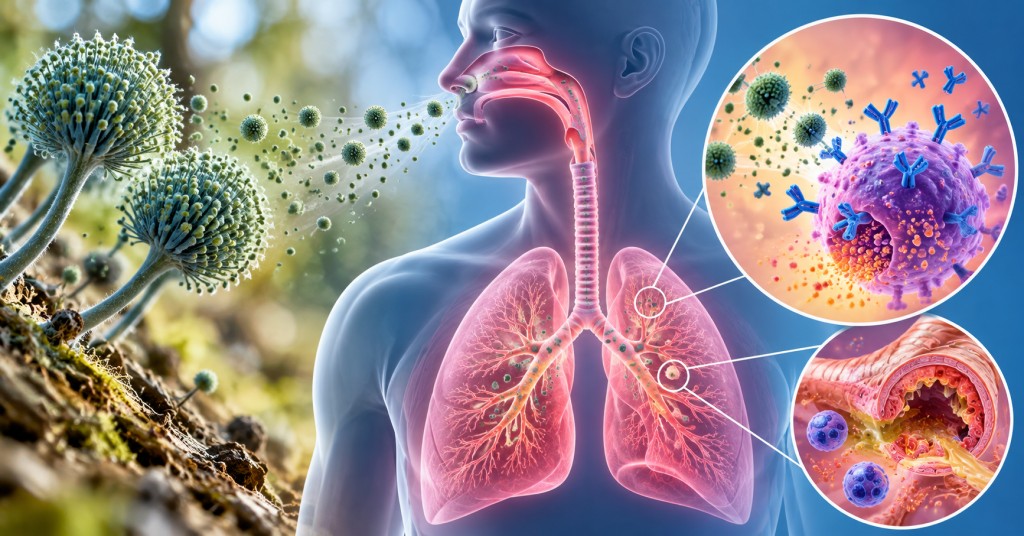
We all breathe in tiny Aspergillus spores from the environment. In most people, immune cells clear them before they cause a problem.
Blood cancers and their treatment can sometimes reduce these defences. The most important risk is neutropenia: a low level of neutrophils, a type of white blood cell that helps the body control many infections.
The risk may be higher during or after:
- Treatment for acute leukaemia, particularly intensive chemotherapy
- Treatment for relapsed or difficult-to-treat blood cancer
- Some treatments for lymphoma or myeloma
- Long periods of low white blood cell counts
- High-dose steroid treatment or other medicines that suppress the immune system
- Stem-cell (bone marrow) transplant treatment
Risk varies greatly between people and between treatment plans. Your haematology team will know when your blood counts and treatment make infection more likely.
What is invasive aspergillosis?
In invasive aspergillosis, Aspergillus grows into lung tissue rather than simply being present in the airways. The lungs are most often affected, but infection can occasionally spread to other parts of the body.
This is different from:
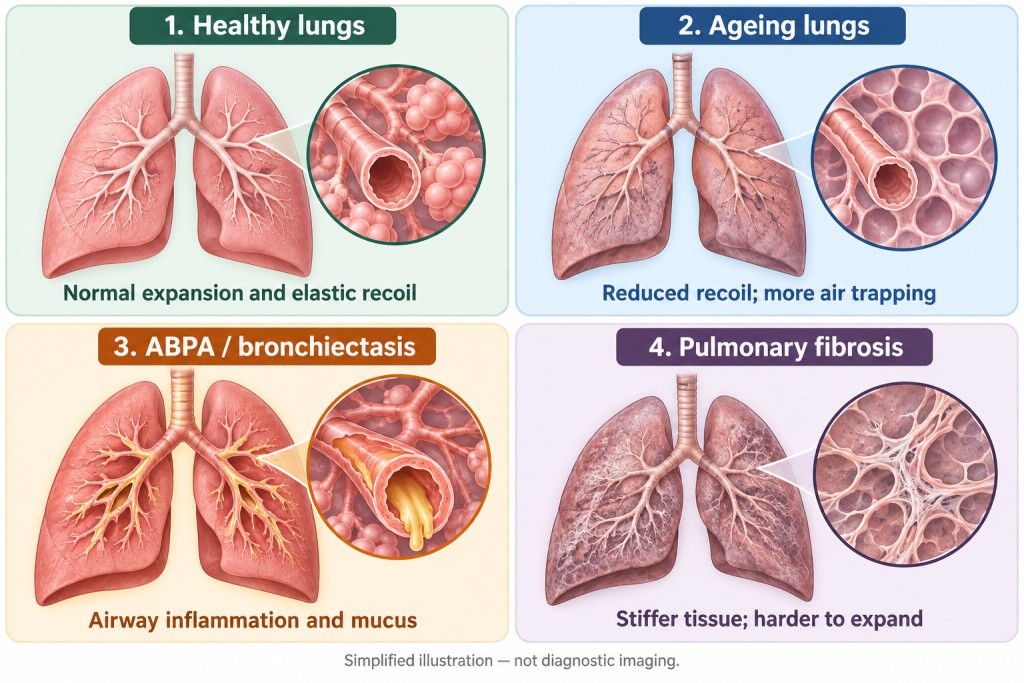
- ABPA, an allergic reaction to Aspergillus that mainly affects people with asthma or cystic fibrosis
- CPA, a long-term infection that usually develops over months in structurally damaged lungs
- Colonisation, where Aspergillus is found in a sample without clear evidence that it is causing illness
How teams reduce the risk
Haematology and transplant teams take the risk of infection seriously. Depending on the type of treatment and the expected duration of neutropenia, they may use antifungal medicines to prevent mould infections, arrange regular blood tests and advise when urgent assessment is needed.
You may also be given practical advice about food safety, avoiding contact with people who are unwell and when to contact the hospital. Follow the advice from your own treatment team, as it will be tailored to your blood counts and treatment plan.
Symptoms that need urgent discussion
During treatment for blood cancer, a fever or feeling unwell can be an emergency because infections may become serious quickly. Follow the emergency contact instructions given by your haematology team.
Possible symptoms of invasive aspergillosis include:
- Fever, particularly one that does not settle or returns despite antibiotic treatment
- New or worsening cough
- Breathlessness
- Chest pain, especially pain that is worse when breathing in
- Coughing up blood
- Severe tiredness or a general deterioration without a clear cause
These symptoms can have many causes, including bacterial or viral infections, treatment effects and the blood cancer itself. They do not mean that someone has aspergillosis. But they should be assessed promptly, especially during neutropenia or when taking immune-suppressing treatment.
How is invasive aspergillosis investigated?
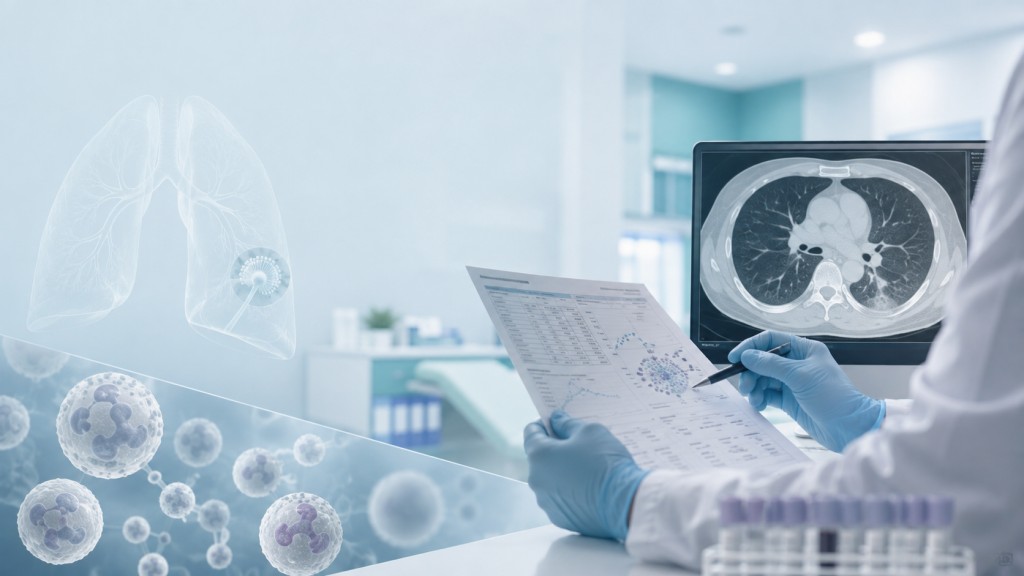
Diagnosis can be difficult because early symptoms are often non-specific and respiratory samples may not always be available. Tests may include:
- Blood tests and repeated checks of blood counts
- A chest CT scan
- Blood tests for fungal markers, such as galactomannan or beta-D-glucan
- Sputum testing, where a sample can be produced
- Bronchoscopy or other procedures when these are safe and likely to help
Doctors interpret these results together. No single blood test, scan or culture proves every case, and treatment may need to begin before every test result is available when the clinical concern is high.
Treatment
Invasive aspergillosis is treated by specialist haematology, infectious diseases and respiratory teams. Antifungal medicines such as voriconazole or isavuconazole are commonly used, with the choice tailored to the individual situation.
Treatment is often given for weeks or months and continues until the infection is controlled and immune recovery allows the body to help clear it. Drug levels, liver and kidney function, side effects and interactions with cancer medicines may all need close monitoring.
What you can do
Keep the emergency contact numbers supplied by your haematology team easy to find. Contact them promptly if you develop a fever or feel significantly unwell during treatment, even if symptoms seem minor.
Do not stop antifungal prevention or other prescribed treatment without discussing it with your team. If you have questions about your individual risk, ask when your white blood cell count is expected to be lowest and what symptoms should prompt an urgent call.
Related information
- Invasive aspergillosis
- Stem-cell transplant and aspergillosis
- Treatment for aspergillosis
- How aspergillosis is diagnosed
- Common associated conditions
Sources: ECIL guidance on invasive fungal disease in cancer and transplant patients; IDSA aspergillosis guidance; Blood Cancer UK information on neutropenia and infection.

Did this page help you?
Tell us in one minute