An organ transplant can be life-changing treatment for severe organ failure. To protect the new organ, people need anti-rejection medicines that reduce the activity of the immune system.
These medicines can also make some infections more likely, including the uncommon but serious fungal infection invasive aspergillosis. Risk varies greatly by the transplanted organ, the medicines used, the time since transplant and any complications such as rejection.
This article is for people who have had, or are preparing for, a solid-organ transplant. Invasive aspergillosis is not the form of aspergillosis usually associated with asthma, COPD, bronchiectasis or ordinary mould exposure at home.
Why transplant treatment can increase the risk
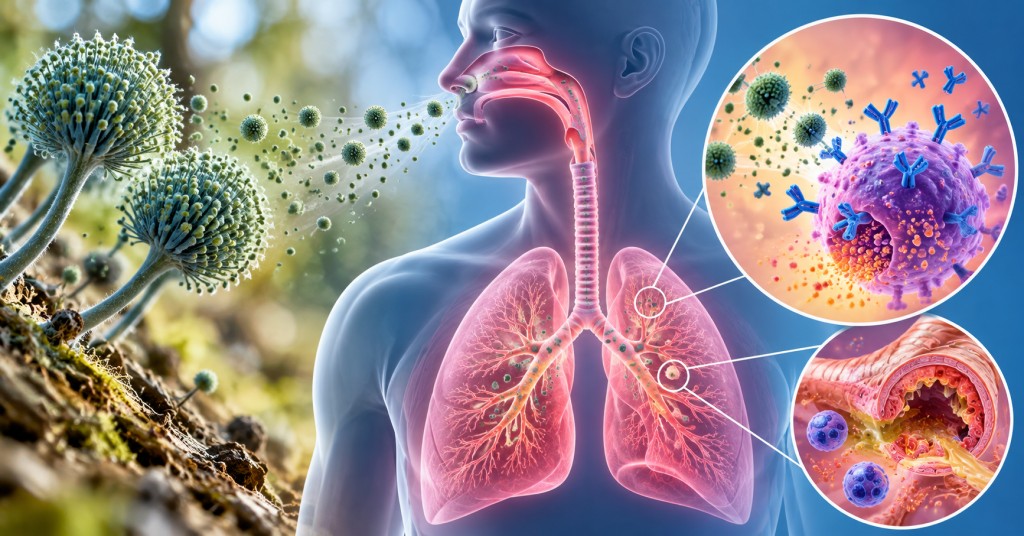
We all breathe in tiny Aspergillus spores from the environment. In most people, the immune system clears them without difficulty.
After an organ transplant, anti-rejection medicines deliberately reduce immune activity so that the body does not attack the new organ. High doses of steroids or stronger immune-suppressing treatment may sometimes be needed, particularly soon after transplant or during treatment for rejection.
This can create an opportunity for Aspergillus to grow into lung tissue and cause invasive aspergillosis.
Does risk differ between transplant types?
Yes. The risk is not the same for everyone.
Lung transplant
Lung transplant recipients have particular reasons for careful monitoring. The transplanted lungs are directly exposed to inhaled spores, and the airways may take time to heal after surgery. Aspergillus can sometimes be found in airway samples without causing invasive disease, but it still needs careful assessment by the transplant team.
Different transplant centres use different approaches to antifungal prevention and monitoring after lung transplant. Decisions take account of local fungal patterns, previous cultures, airway healing, medication interactions and individual risk factors.
Liver transplant
Invasive aspergillosis remains uncommon after liver transplant. Risk may be higher in people who are very unwell around the time of transplant, need kidney replacement treatment, have a repeat transplant or require stronger immune-suppressing treatment.
Kidney and heart transplant
For most kidney and heart transplant recipients, invasive aspergillosis is uncommon. The risk can rise if there is severe immune suppression, treatment for rejection, low white blood cell counts, serious infection, diabetes or significant lung disease.
Your transplant team assesses these factors when deciding whether extra monitoring or preventive antifungal treatment is needed.
Colonisation and invasive infection are not the same
In people with lung transplants, Aspergillus may sometimes be found in sputum or samples taken during bronchoscopy. This can be called colonisation: the fungus is present, but there is no clear evidence that it has invaded tissue or is causing illness.
Colonisation does not automatically mean that someone has invasive aspergillosis or needs the same treatment. However, it is important information for the transplant team because it may influence monitoring, repeat testing or preventive treatment.
How teams reduce the risk
Transplant teams plan for infection risk from the beginning. Depending on the transplant type and individual circumstances, this may include:
- Preventive antifungal medication during higher-risk periods
- Regular blood tests and review of drug levels
- Routine respiratory samples or bronchoscopy after lung transplant
- Review of chest imaging when symptoms or test results suggest infection
- Careful adjustment of anti-rejection medicines and antifungal treatment to avoid serious drug interactions
Prevention is not one-size-fits-all. In particular, antifungal medicines can interact strongly with anti-rejection medicines such as tacrolimus, ciclosporin, sirolimus or everolimus. This is one reason why treatment and monitoring need to be managed by the transplant team.
Symptoms that need urgent discussion
Contact your transplant team promptly if you feel unwell or develop new symptoms. Follow the emergency contact instructions supplied by your transplant centre.
Possible symptoms of invasive aspergillosis include:
- Fever, particularly if it persists or returns despite antibiotic treatment
- New or worsening cough
- Breathlessness
- Chest pain, especially pain that is worse when breathing in
- Coughing up blood
- Marked tiredness or a general deterioration without a clear cause
These symptoms can have many possible causes, including viral or bacterial infection, medication effects, rejection or other transplant complications. They do not mean that someone has aspergillosis, but they need prompt assessment while immune defences are reduced.
How is invasive aspergillosis investigated?
Tests may include:
- Blood tests, including checks of white blood cell counts and organ function
- Chest X-ray and CT scanning
- Blood tests for fungal markers, such as galactomannan or beta-D-glucan
- Sputum or airway samples
- Bronchoscopy, particularly after lung transplant, when it is safe and likely to help
The transplant, infectious diseases, respiratory, microbiology and pharmacy teams may work together to interpret the results and decide on treatment.
Treatment
Invasive aspergillosis requires specialist treatment. Antifungal medicines such as voriconazole, posaconazole or isavuconazole may be used, depending on the individual situation.
Treatment can last for weeks or months. Drug levels, liver and kidney function, side effects and interactions with anti-rejection medicines all need careful monitoring. The transplant team will balance infection control with protecting the transplanted organ.
What you can do
Take anti-rejection and antifungal medicines exactly as prescribed. Do not stop, start or change medicines without speaking to your transplant team, including medicines bought over the counter or prescribed by another service.
Keep the emergency contact details from your transplant centre easy to find. If you are unsure about your own risk, ask which medicines affect your immune system most, whether you are receiving antifungal prevention and which symptoms should prompt an urgent call.
Related information
- Invasive aspergillosis
- Blood cancer and aspergillosis
- Stem-cell transplant and aspergillosis
- Treatment for aspergillosis
- How aspergillosis is diagnosed
- Common associated conditions

Did this page help you?
Tell us in one minute