

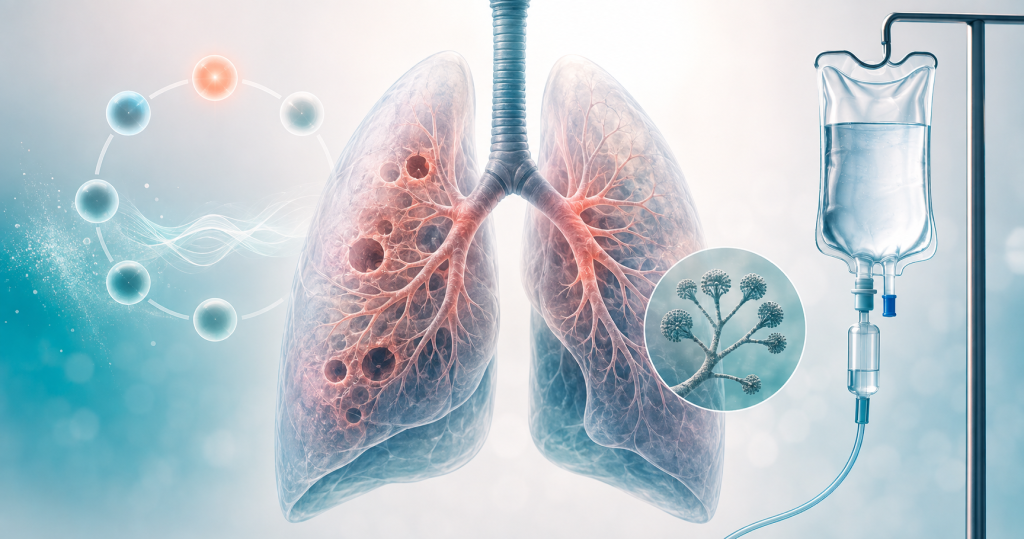
Antifungal medicines are a central part of treatment for many forms of aspergillosis. Different antifungals work in different ways, and the choice of medicine depends on the type of aspergillosis, previous treatment, other medicines, side effects and whether the fungus is susceptible to the drug.
New to aspergillosis treatment? Start with our main guide to treatment and management, which explains the different approaches used to treat aspergillosis and how treatment is monitored.
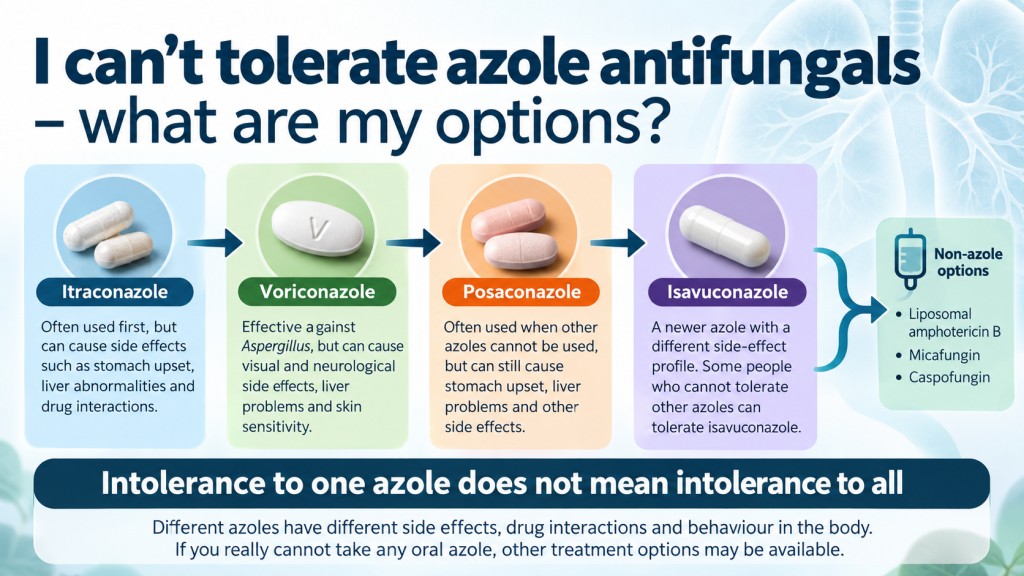
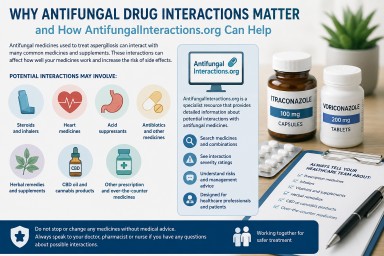
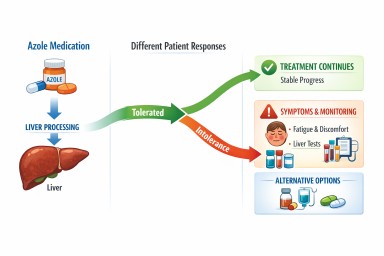
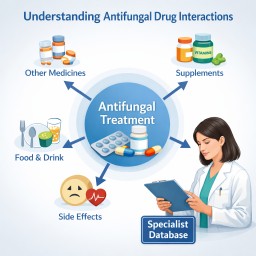
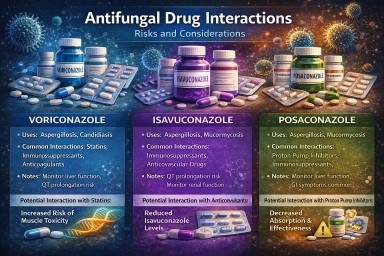
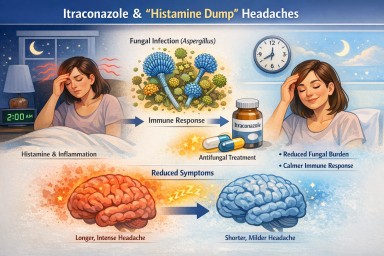
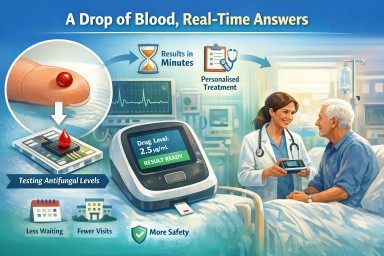
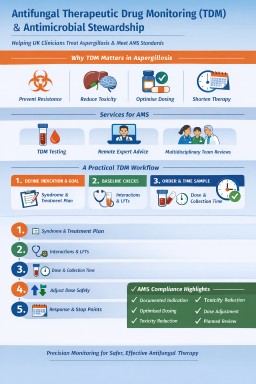
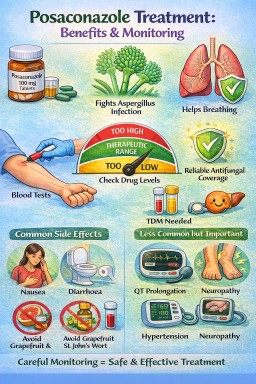
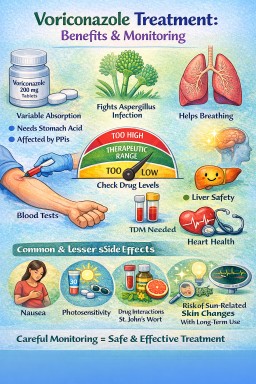
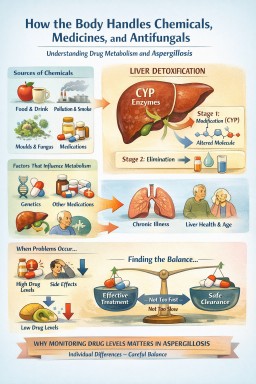
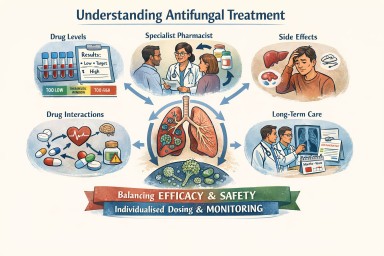
This hub brings together detailed information about antifungal medicines including itraconazole, voriconazole, posaconazole, isavuconazole and amphotericin B, as well as newer antifungals in development. It also covers side effects, drug interactions, therapeutic drug monitoring, antifungal resistance and treatment safety.
Understanding antifungal medicines – how they work, their uses and side effects
Inhaled treatments: Some respiratory medicines are delivered directly into the lungs using inhalers or nebulisers. For an explanation of the devices, how they work and how to use them safely, see our guide to inhalers and nebulisers.
Topics in This Hub
Latest Antifungals Articles





Did this page help you?
Tell us in one minute