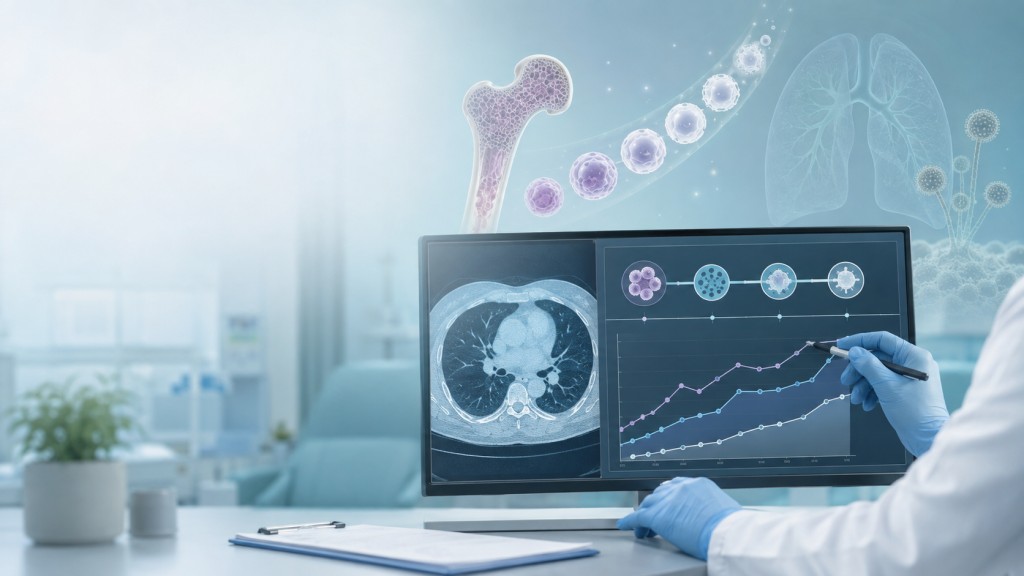
A stem-cell transplant, sometimes called a bone marrow transplant, can be an important treatment for blood cancers and some serious blood or immune-system conditions. It replaces damaged or diseased bone marrow with healthy blood-forming stem cells.
For a time, the treatment also leaves the immune system much weaker than usual. This makes infections more likely, including the uncommon but serious fungal infection invasive aspergillosis.
This article is for people having, or recovering from, a stem-cell transplant. Invasive aspergillosis is a specific risk when immune defences are severely weakened. It is not the form of aspergillosis usually associated with asthma, COPD, bronchiectasis or ordinary mould exposure at home.
Why transplant treatment can increase the risk
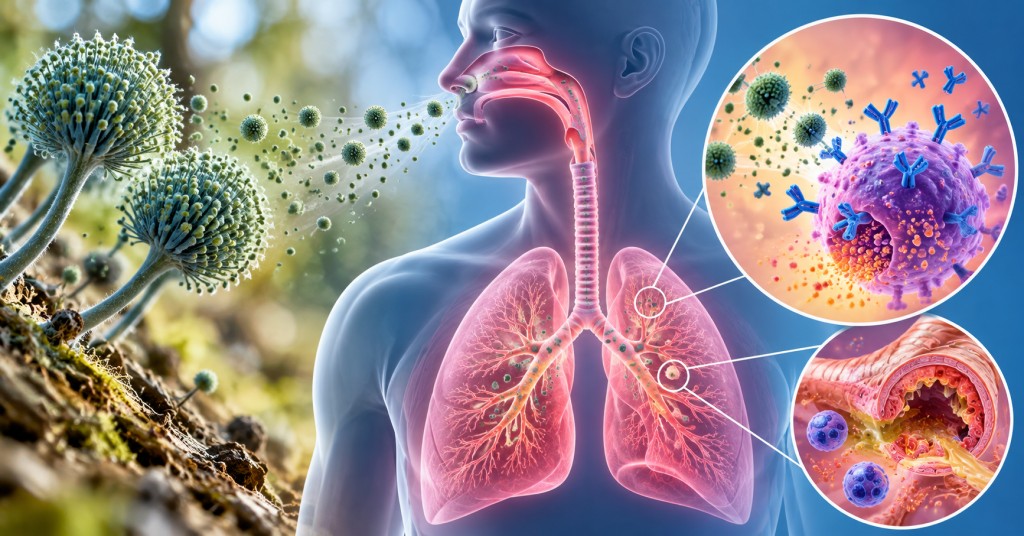
We all breathe in tiny Aspergillus spores from the environment. In most people, immune cells remove them before they cause harm.
Before a stem-cell transplant, intensive treatment known as conditioning is used to prepare the body. This can reduce the number of infection-fighting white blood cells, especially neutrophils. It may take time for the transplanted stem cells to begin producing enough new blood cells and for the immune system to recover.
The risk is not the same throughout transplant. Your transplant team assesses it at each stage and may use preventive antifungal treatment, blood tests and other monitoring.
When is the risk highest?
Before engraftment: very low white blood cell counts
In the first weeks after conditioning and transplant, white blood cell counts can be very low. This is called neutropenia. During this period, the body has fewer neutrophils to control infections, including invasive fungal infections.
People are usually monitored closely in hospital at this stage. Fever or feeling unwell is taken seriously and should be reported immediately.
Early immune recovery
As the transplant begins to work, blood counts recover. This is known as engraftment. The risk of infection usually falls, but the immune system is still rebuilding and may not work normally for some time.
Previous infections, ongoing treatment, complications and the type of transplant can all affect individual risk.
Later after an allogeneic transplant
An allogeneic transplant uses stem cells from a donor. Some people develop graft-versus-host disease (GvHD), where donor immune cells attack parts of the recipient’s body.
Treatment for GvHD may include steroids or other medicines that suppress the immune system. This can increase the risk of invasive aspergillosis again, sometimes months after the transplant. The risk can remain higher while significant GvHD or immune-suppressing treatment continues.
Autologous and allogeneic transplants
An autologous transplant uses a person’s own stem cells. The main period of infection risk is usually the early phase when blood counts are low.
An allogeneic transplant uses donor stem cells. It can involve a longer period of immune suppression, particularly if GvHD develops or needs treatment. Your transplant team can explain what this means for your individual plan.
How teams reduce the risk
Transplant teams expect infection risk and plan for it. Depending on your treatment and risk factors, this may include:
- Preventive antifungal medication during higher-risk periods
- Regular blood tests and close review of symptoms
- Advice on food safety, hand hygiene and avoiding contact with people who are unwell
- Vaccination planning after immune recovery
- Rapid investigation of fever, cough, breathlessness or other possible signs of infection
Follow the guidance from your own transplant centre. Recommendations vary according to the type of transplant, blood counts, other medicines and local clinical protocols.
Symptoms that need urgent discussion
During transplant treatment or while taking immune-suppressing medicine, contact your transplant or haematology team urgently if you develop a fever or feel significantly unwell. Use the emergency contact details they have given you.
Possible symptoms of invasive aspergillosis include:
- Fever that does not settle, returns or continues despite antibiotic treatment
- New or worsening cough
- Breathlessness
- Chest pain, especially pain that is worse when breathing in
- Coughing up blood
- Severe tiredness or unexplained deterioration
These symptoms have many possible causes. They do not mean that someone has aspergillosis, but prompt assessment is important because infections can become serious quickly when immune defences are low.
How is invasive aspergillosis investigated?
Diagnosis can be challenging because symptoms and scan changes can overlap with other infections, medication effects and transplant complications. Tests may include:
- Blood tests and regular checks of blood counts
- Chest X-ray and CT scanning
- Blood tests for fungal markers, such as galactomannan or beta-D-glucan
- Sputum or airway samples, where available
- Bronchoscopy or other procedures when they are safe and likely to help
The transplant, infectious diseases, respiratory, microbiology and pharmacy teams may work together to interpret results and plan treatment.
Treatment
Invasive aspergillosis needs specialist treatment. Antifungal medicines such as voriconazole or isavuconazole are commonly used, but the choice depends on the individual situation and any possible interactions with transplant medicines.
Treatment may continue for weeks or months. It is guided by symptoms, scans, test results and recovery of the immune system. Drug levels, kidney and liver function, and possible side effects may need close monitoring.
What you can do
Keep the emergency numbers from your transplant team easy to find and follow their advice about infection prevention. Do not stop antifungal prevention or immune-suppressing medicines without discussing this with your team.
If you are unsure about your own risk, ask your transplant team which phase of recovery you are in, whether you are receiving antifungal prevention and which symptoms should prompt an urgent call.
Related information
- Blood cancer and aspergillosis
- Invasive aspergillosis
- Treatment for aspergillosis
- How aspergillosis is diagnosed
- Common associated conditions
Sources: American Society of Transplantation and Cellular Therapy guidance on aspergillosis in haematopoietic cell transplant recipients; Review of fungal infections in haematopoietic stem-cell transplant recipients; Anthony Nolan information on infection after stem-cell transplant.

Did this page help you?
Tell us in one minute