

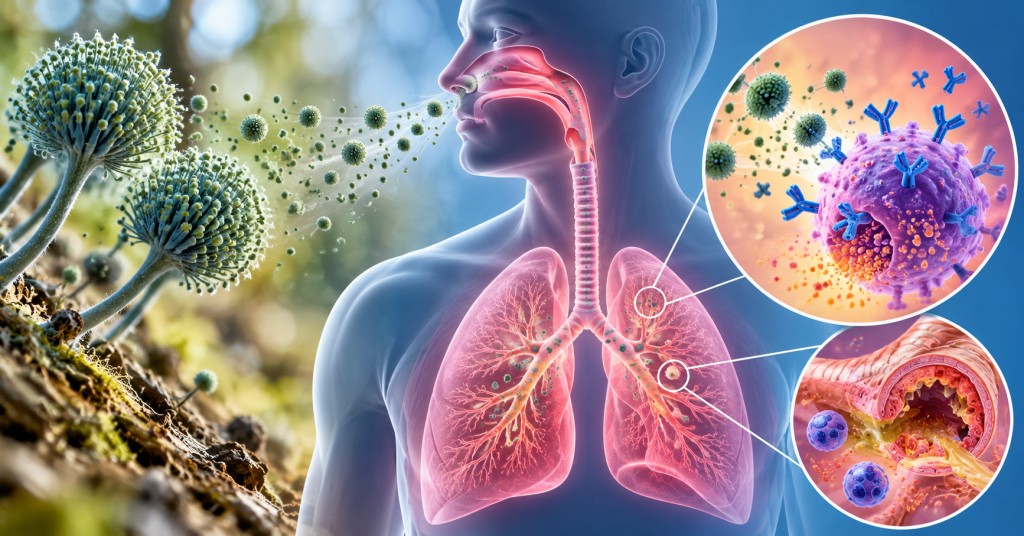
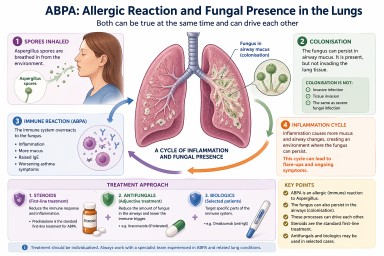
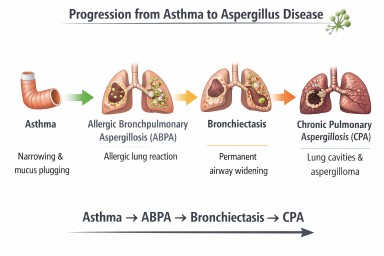
ABPA is an allergic reaction in the lungs caused by the immune system over-responding to Aspergillus fungus.
New to ABPA? Start with our main guide to allergic bronchopulmonary aspergillosis (ABPA), which explains what ABPA is, how it is diagnosed and how it is treated.
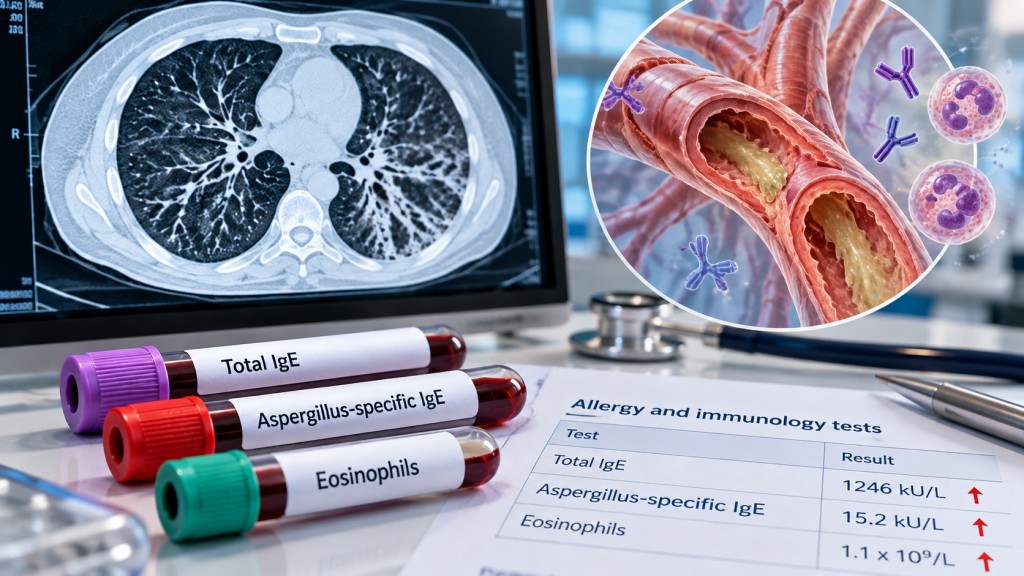
This hub brings together the key topics that patients ask about most often, including IgE, eosinophils, mucus plugging, flare-ups, steroids and biologics. The articles below are specifically about ABPA; use the topic links to explore particular aspects of ABPA and related subjects.
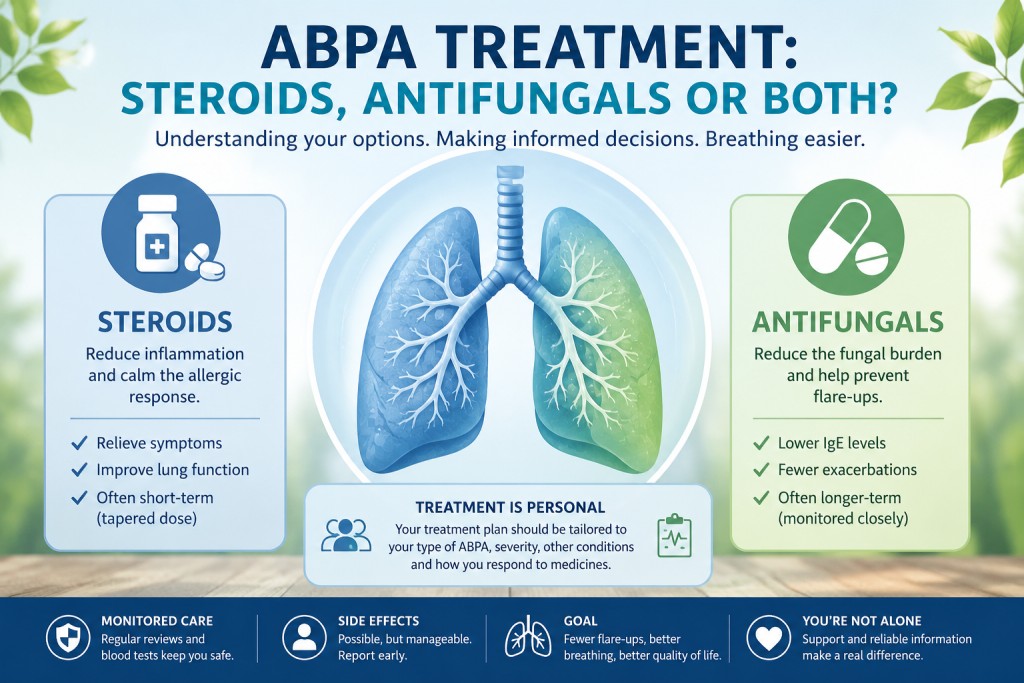
Understanding antifungal medicines – how they work, their uses and side effects
Understanding Aspergillus allergy: A positive Aspergillus allergy test does not necessarily mean you have ABPA or a fungal infection. Our guide, What Is an Allergy? Understanding Aspergillus and the Immune System, explains IgE, fungal sensitisation and the differences between ABPA, severe asthma with fungal sensitisation (SAFS) and fungal infection.
Need specialist advice?
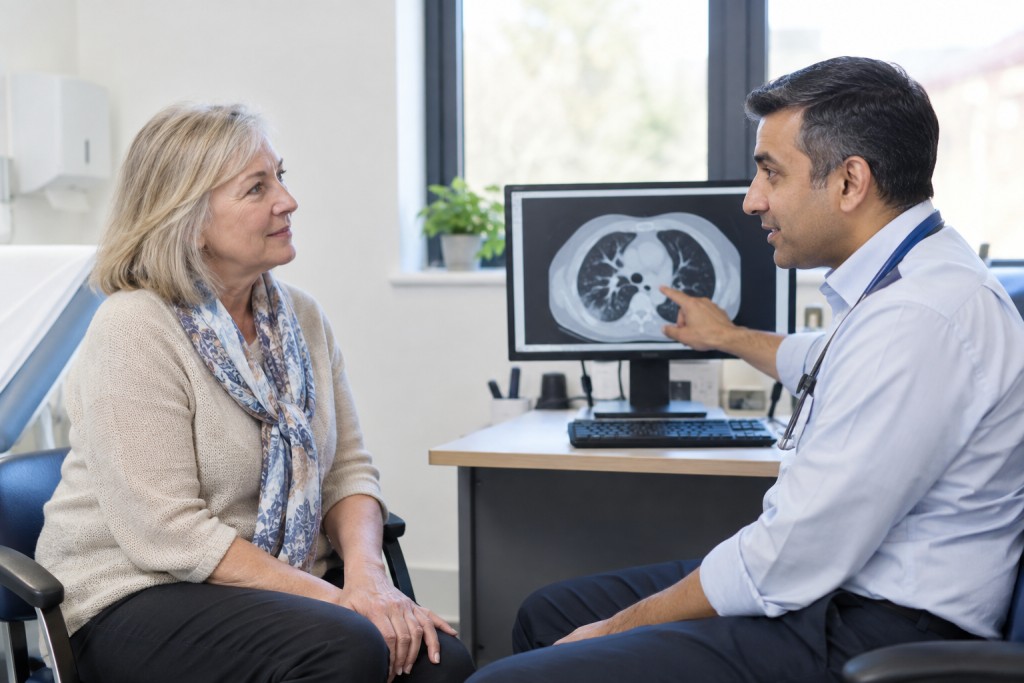
Many people with allergic bronchopulmonary aspergillosis (ABPA) receive care through their local respiratory, severe asthma or bronchiectasis team. If the diagnosis is uncertain, symptoms remain difficult to control or treatment is causing problems, additional specialist advice may be helpful.
Our guide to specialist aspergillosis care across the UK explains where relevant expertise is available, how referrals work and how specialist teams can support your local clinicians.
Topics in This Hub
Latest ABPA Articles





Did this page help you?
Tell us in one minute