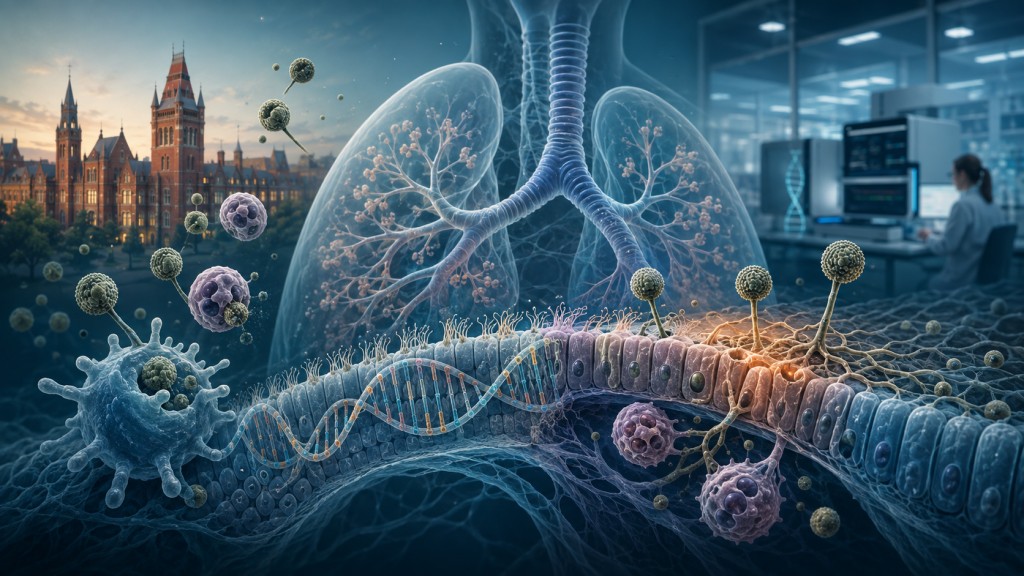
A Simple Guide for Patients and Carers**
When we talk about T cells, B cells, eosinophils, mast cells, IgE, IgG, and other immune system parts, it’s natural to wonder:
Where are these cells actually made?
Where do they live in the body?
Where do they go when you’re ill?
Here is a simple explanation.
🧱 1. Most immune cells are MADE in the bone marrow
Bone marrow is the soft tissue inside your bones (especially the pelvis, spine, ribs, skull, and sternum).
Inside this marrow are stem cells, which are the “mother cells” that can turn into:
-
red blood cells
-
white blood cells
-
platelets
Almost all immune cells begin their life in the bone marrow, including:
-
B cells
-
eosinophils
-
mast cell precursors
-
neutrophils
-
monocytes
-
basophils
The bone marrow is like the main factory for your entire immune system.
🫀 2. T cells are trained in the thymus
After T cells are created in the bone marrow, they travel to the thymus — a small organ behind the breastbone.
The thymus is like a school where T cells learn:
-
what is safe
-
what is dangerous
-
how to avoid attacking the body itself
This training is essential for preventing autoimmune diseases.
After training, T cells spread through the body.
🩸 3. Immune cells travel in the blood and lymph
Once made, immune cells circulate around the body like security guards on patrol.
They travel through:
Blood
This carries cells quickly to any part of the body.
Lymph system
A drainage and communication network that runs alongside the bloodstream.
Lymph nodes (in the neck, armpits, groin) act like checkpoints, where:
-
immune cells meet
-
information is exchanged
-
inflammation signals get amplified
If your glands are swollen during illness, that’s because immune cells are gathering there.
🫁 4. Many immune cells live in tissues, not just in the blood
Some immune cells settle in certain places:
Mast cells
Live in tissues such as:
-
lungs
-
sinuses
-
skin
-
gut
-
blood vessels
They wait there like “alarm sensors,” ready to react if something enters the tissue.
Macrophages
Live in tissues and “eat” germs.
Eosinophils
Move into tissues during allergy or asthma flare-ups.
T cells and B cells
Live in:
-
lymph nodes
-
spleen
-
tonsils
-
tissues throughout the body
-
airway lining in people with asthma or ABPA
🧫 5. Where antibodies (IgE, IgG) come from
Antibodies are made by plasma cells, which are specialised B cells.
These plasma cells usually live in:
-
the bone marrow
-
lymph nodes
-
spleen
-
airway tissues (especially in chronic inflammation)
So:
-
IgE is mostly made in tissues involved in allergy (lungs, sinuses, skin).
-
IgG is made in bone marrow and lymph tissues to provide long-term protection.
Antibodies then circulate in the blood, ready to recognise anything they have been trained to detect.
🧬 Where these cells actually are, in simple terms:
| Immune Cell / Antibody | Where It Is Made | Where It Lives / Works |
|---|---|---|
| B cells | Bone marrow | Lymph nodes, blood, tissues |
| Plasma cells (make antibodies) | Bone marrow / lymph nodes | Bone marrow, tissues |
| T cells | Bone marrow → trained in thymus | Blood, lymph nodes, organs |
| IgE antibodies | Plasma cells in tissues | Lungs, skin, blood |
| IgG antibodies | Plasma cells | Blood (body-wide protection) |
| Eosinophils | Bone marrow | Blood → lungs during flare-ups |
| Mast cells | Bone marrow (as precursors) | Lungs, skin, sinuses, gut |
| Neutrophils | Bone marrow | Blood → infection sites |
🧠 6. How this applies to aspergillosis
In ABPA
-
IgE is made in the lung tissues.
-
Mast cells in the lungs release histamine.
-
Eosinophils move from the bone marrow into the airways.
In CPA
-
IgG is made in bone marrow in response to chronic infection.
-
T cells gather in lung cavities and damaged tissue.
In fungal asthma / SAFS
-
Mast cells and eosinophils in the lungs respond strongly to triggers.
Understanding where these cells come from and where they live helps explain why:
-
symptoms can flare suddenly
-
blood test levels change
-
treatments like steroids or biologics work
-
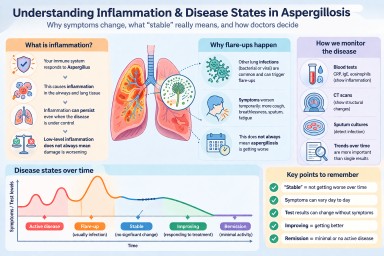
inflammation can persist even when scans look stable
🏁 Simple takeaway
-
Your bone marrow makes most of your immune cells.
-
Your thymus trains T cells.
-
Immune cells patrol your blood and lymph system.
-
Many immune cells live long-term in your lungs, skin, and tissues.
-
Antibodies are made by plasma cells in bone marrow and lymph nodes.
-
In aspergillosis, the lungs become a major “immune battlefield.”
Next articles:
- **Understanding your immune system
- How the Immune System Knows “Self”
- What Happens in Autoimmune Disease (Addison’s Explained)
- Eosinophils and Type-2 Inflammation in Aspergillosis
- **Where Do All These Immune Cells Live, and Where Are They Made?

Did this page help you?
Tell us in one minute