The internet is full of claims that “toxic mould” and “mycotoxins” in damp homes cause chronic fatigue, brain fog, immune disorders, or long-term poisoning.
These stories are frightening — but they are also misleading.
This article explains what mycotoxins are, what risks are real, and why blaming them can delay proper diagnosis and treatment.
1. What Are Mycotoxins?
Mycotoxins are chemicals produced by some fungi. Certain mycotoxins can be harmful — but usually in situations completely different from normal household mould.
Examples include:
-
Aflatoxin in contaminated food crops (mainly in tropical regions)
-
Ochratoxin A in poorly stored grains
-
Trichothecenes from water-damaged materials in rare extreme cases
In UK homes, airborne mycotoxin levels are generally extremely low.
2. Can Mycotoxins in Homes Cause Chronic Illness?
The scientific consensus from WHO, UKHSA, CDC, and NICE is:
No — not at the levels found in typical damp or mouldy houses.
Mycotoxins mainly cause illness by eating contaminated food, not by breathing small amounts in the air.
Symptoms linked to damp homes — fatigue, cough, wheeze, headaches — are usually caused by:
-
Allergens (dust mites, spores)
-
Irritants
-
Cold, damp air
-
Bacteria
-
Volatile organic compounds (VOCs)
-
Poor ventilation
-
Existing asthma or lung disease
These symptoms are real, but they are not mycotoxin poisoning.
3. Why the Myth Persists
Online sources often promote the idea of “mould toxicity” because:
-
It offers a simple explanation for complex symptoms
-
Private companies sell expensive testing kits
-
Influencers share personal stories
-
It feels empowering to “identify” a hidden cause
But most testing marketed as “mycotoxin screening” is not medically valid and often gives false positives.
4. The Real Harm: Misdiagnosis and Delayed Treatment
This is crucial.
People who believe they have “mycotoxin illness” may delay getting proper medical assessment for:
-
ABPA (Allergic Bronchopulmonary Aspergillosis)
-
CPA (Chronic Pulmonary Aspergillosis)
-
SAFS (Severe Asthma with Fungal Sensitisation)
-
Bronchiectasis
-
NTM lung disease
-
Adrenal insufficiency
-
Asthma deterioration
Some conditions worsen without correct treatment, and the delay can be significant.
People may also spend large amounts of money on:
-
Detox supplements
-
“Mould inspections”
-
Repeated home fogging or ozone treatments
-
House moves
-
Throwing away belongings
-
Private “mycotoxin tests”
These rarely help — and often worsen stress and isolation.
5. When Should Someone Be Concerned About Mycotoxins? (Very Rare Cases)
Significant mycotoxin exposure is possible only in:
-
Buildings with severe, long-term water damage
-
Homes where black mould covers large areas and ventilation is extremely poor
-
Certain workplaces (grain stores, composting facilities)
Even then, the main health effects involve irritation and asthma, not systemic poisoning.
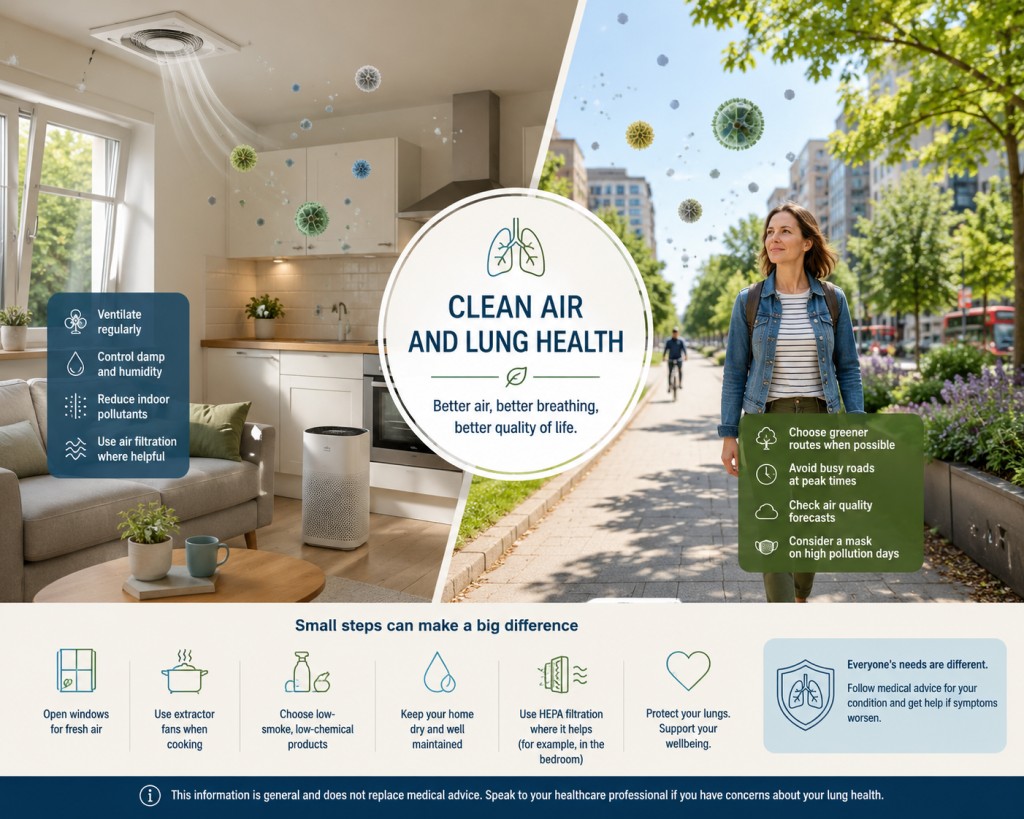
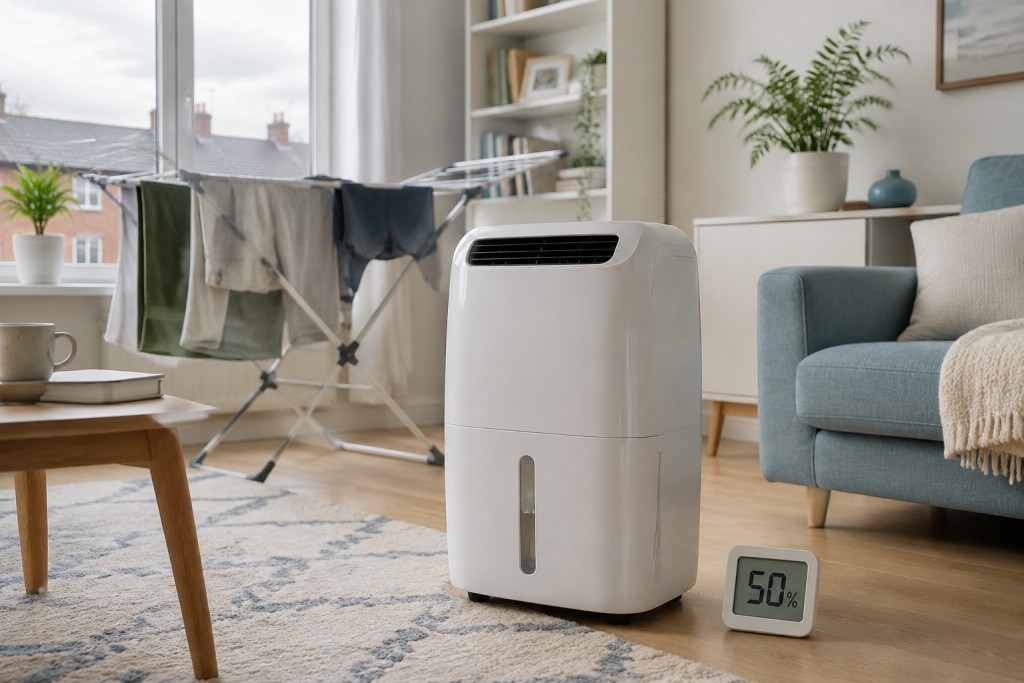
6. If You Do Have ABPA, CPA, or Asthma — Home Improvements Can Help
Not because they remove toxins, but because they improve air quality:
-
Lower humidity (40–60%)
-
Fix damp problems
-
Improve ventilation
-
Use HEPA air filters
-
Reduce dust and allergens
-
Clean or replace heavily contaminated soft furnishings
These steps support better respiratory control, particularly in people already living with lung disease.
Key Message
Mycotoxins in UK homes are not a hidden cause of chronic illness.
Believing otherwise can delay diagnosis and treatment of real, treatable conditions such as ABPA, CPA, asthma, and bronchiectasis.
Improving your home environment helps — but it supports lung health, it does not “detox” mycotoxins.

Did this page help you?
Tell us in one minute