- Damp homes
- Why are damp homes bad for our health?
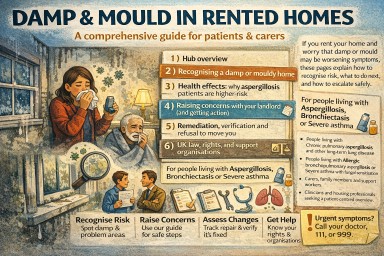
- Health Hazards from Damp – What People with Aspergillosis Should Know
- Toxic Mould & Mycotoxins: What People With Aspergillosis Need to Know
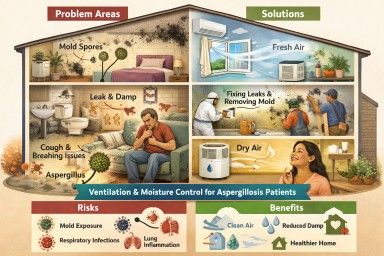
- Preventing Damp in Your Home — A Guide for People with Aspergillosis
- Damp homes: UK Policy and Research 2025
- UK Government reports on housing safety and damp control 2025
- Tenant responsibilities
- Investigate timelines for landlord compliance under Awaab’s Law
- What actions can tenants take if landlords delay repairs
- Best practices for landlords to document tenant vulnerability details
- Find agencies or organizations that assist tenants with housing disputes
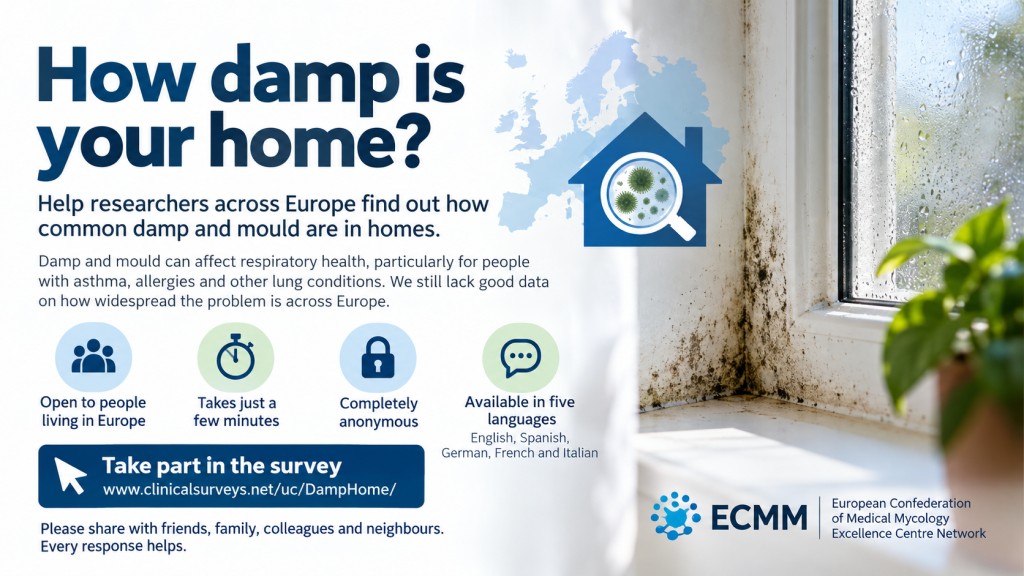
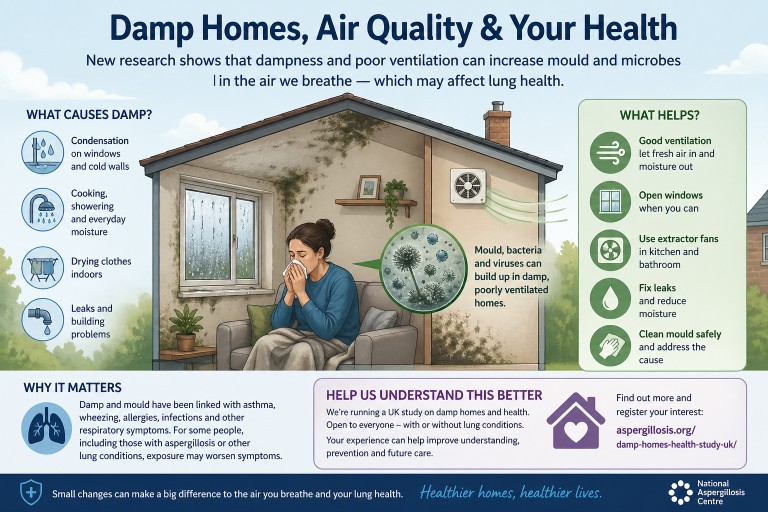
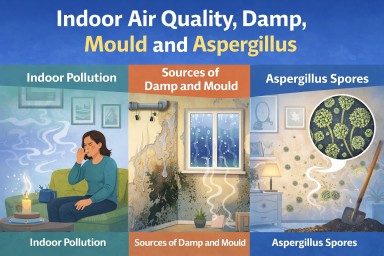
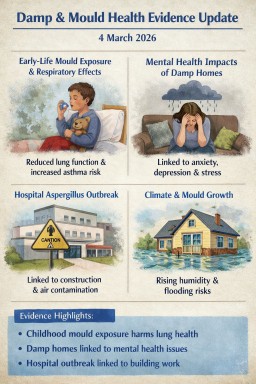
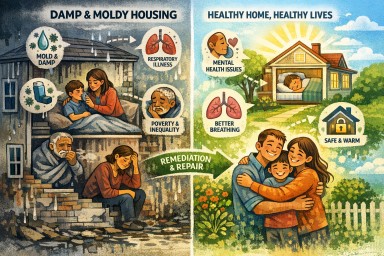
Damp conditions in homes are a significant health concern, particularly for individuals with respiratory conditions, the elderly, and young children. Exposure to dampness can lead to various health issues, including:
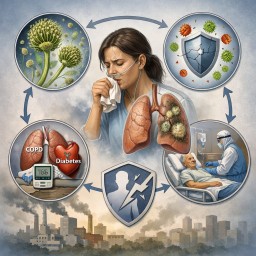
- Respiratory problems: Increased risk of asthma, chronic obstructive pulmonary disease (COPD), and respiratory infections.
- Allergic reactions: Symptoms such as sneezing, runny nose, red eyes, and skin rashes.
- Worsening of existing conditions: Particularly in individuals with asthma or weakened immune systems.
The World Health Organization has highlighted that exposure to dampness and mould elevates the risk of respiratory infections and allergies by up to 50%.
🧫 What Is Mould?
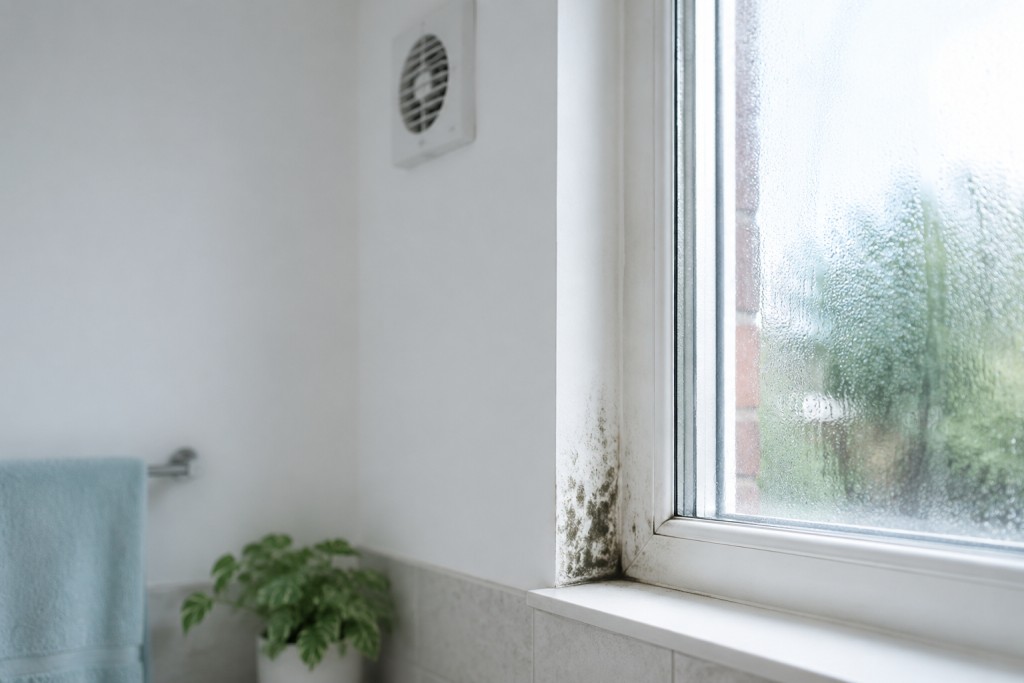
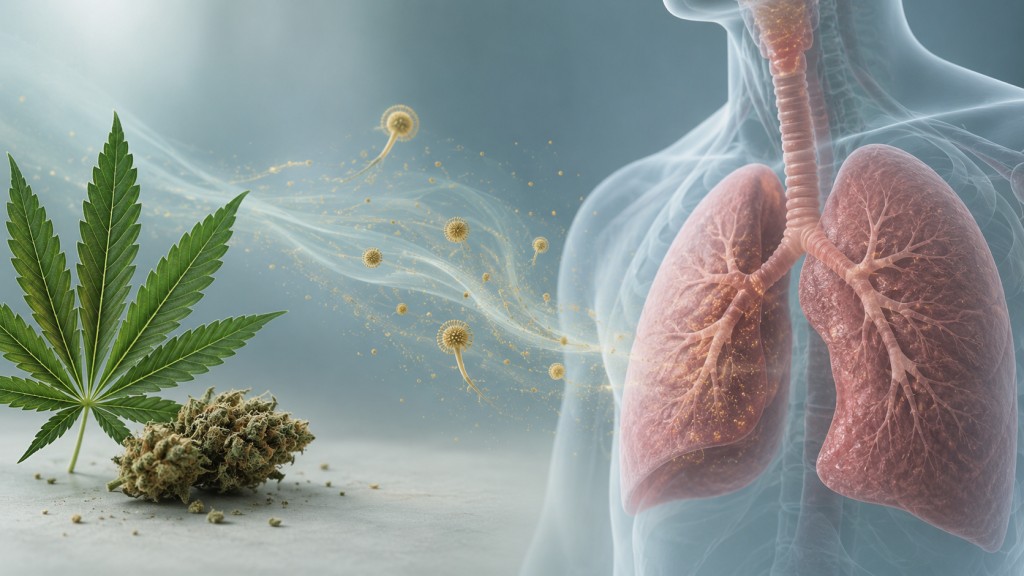
Mould is a type of fungus that thrives in damp environments. It produces spores that can be inhaled, leading to health issues. Common types include:
- Aspergillus: Particularly concerning for individuals with chronic pulmonary aspergillosis (CPA) or allergic bronchopulmonary aspergillosis (ABPA).
- Penicillium: Often found in water-damaged buildings.
- Cladosporium: Common in both indoor and outdoor environments.
These moulds can produce allergens, irritants, and mycotoxins, which may contribute to health problems (nhsinform.scot).
🌍 Causes of Dampness
Dampness in homes can arise from various sources:
- External factors:
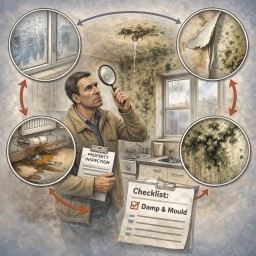
- Leaking roofs or walls.
- Broken guttering.
- Flooding.
- Internal activities:
- Cooking and showering.
- Drying clothes indoors.
- Breathing and sweating by occupants.
- Unvented tumble dryers.
These activities can introduce significant moisture into the air, contributing to damp conditions .
⚠️ Who Is Most at Risk?
Certain groups are more susceptible to the health effects of damp and mould:
- Children and babies
- Older adults
- Individuals with existing respiratory conditions (e.g., asthma, COPD)
- People with weakened immune systems
- Individuals with skin conditions (e.g., atopic eczema)
These individuals should avoid exposure to damp and mould as much as possible (nhsinform.scot).
🛠️ Prevention and Management
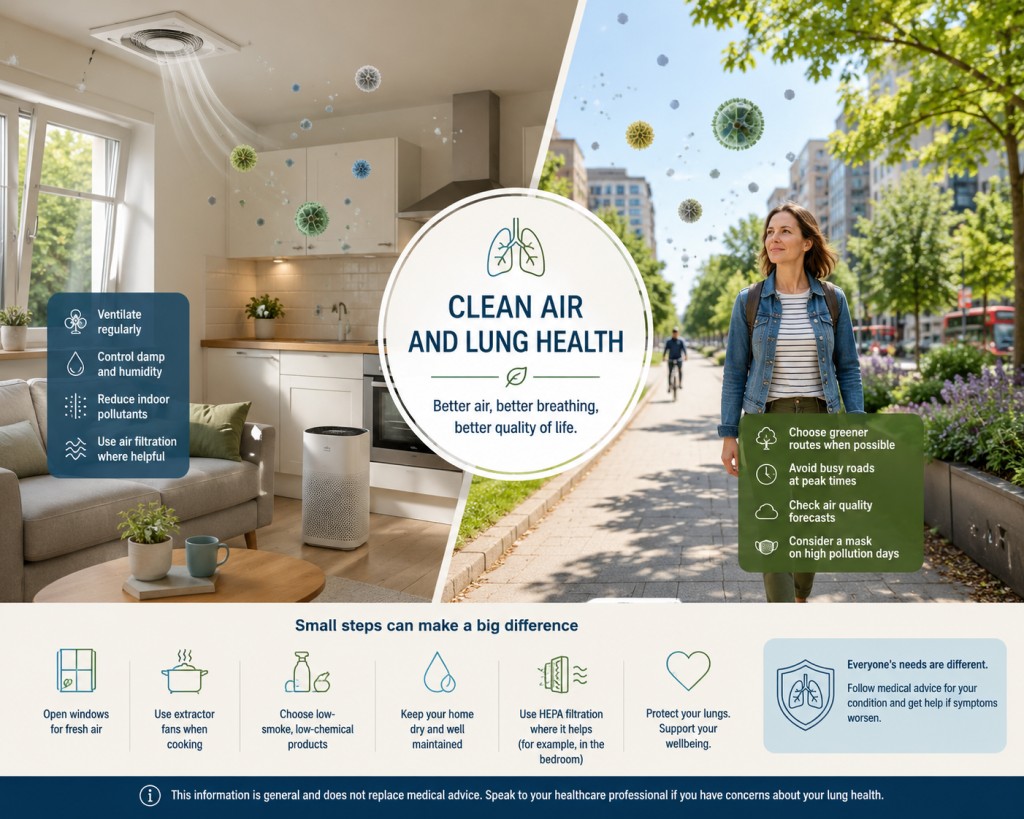
To mitigate the risks associated with damp and mould:
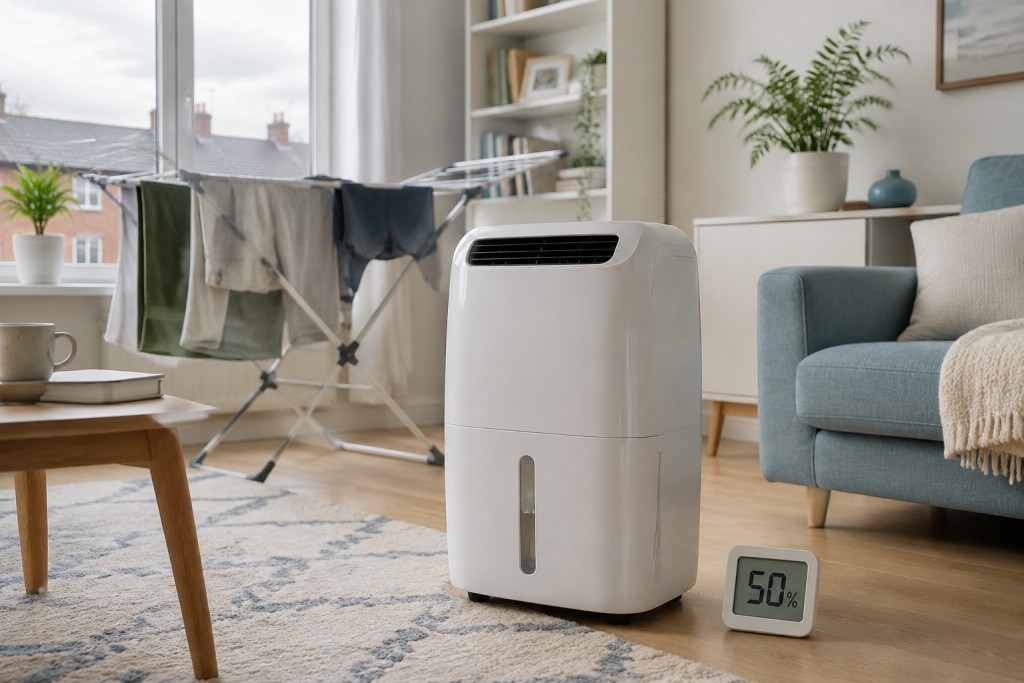
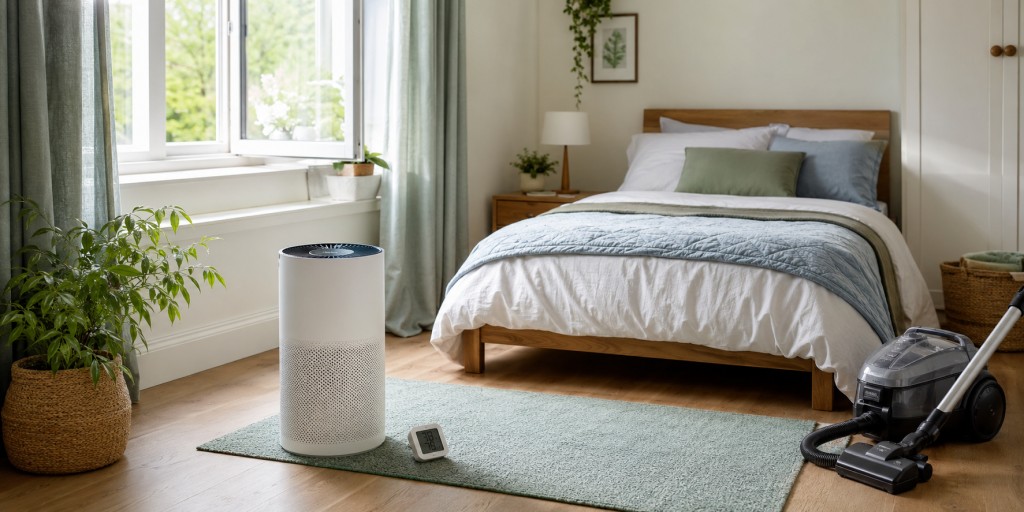
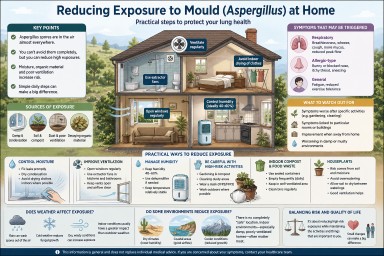
- Maintain indoor humidity levels: Use dehumidifiers and ensure proper ventilation.
- Control indoor temperature: Maintain a consistent indoor temperature between 18-21°C to prevent mould growth (thesun.co.uk).
- Address leaks promptly: Repair any leaks in roofing, plumbing, or walls.
- Use mould-resistant products: Consider mould-resistant paints and materials.
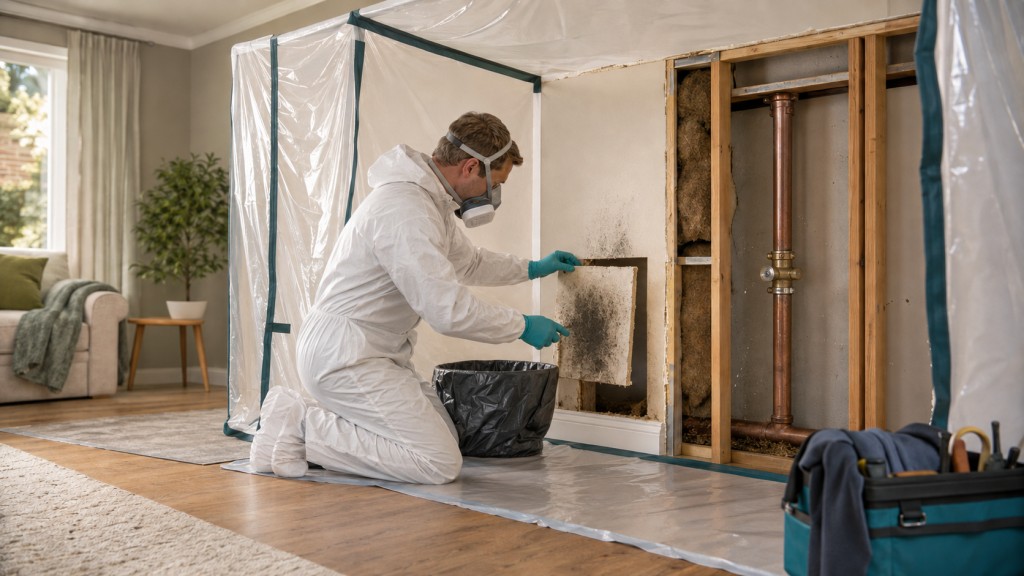
- Seek professional help: In cases of severe mould infestation, consult professionals for remediation.
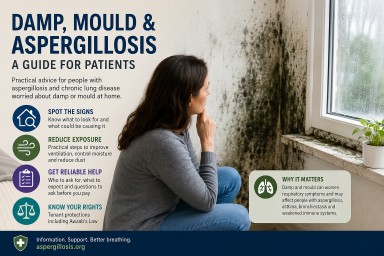
For tenants in rented accommodations, it’s important to report damp and mould issues to landlords or housing associations promptly. In the UK, landlords are legally obligated to maintain properties in a habitable condition, and tenants may be entitled to compensation if health issues arise due to dampness (england.shelter.org.uk).
🧠 Mental Health Considerations
Living in damp and mouldy conditions can also impact mental health, leading to stress, anxiety, and depression. Addressing these environmental factors can contribute to overall well-being.
📞 Seeking Assistance
If you or someone you know is affected by damp and mould:
- Consult healthcare professionals: Discuss any health concerns with a GP or specialist.
- Contact local authorities: Reach out to local councils or environmental health departments for support.
- Legal advice: Consider seeking legal advice if living conditions are not addressed by landlords.
For more detailed information and resources, visit the Aspergillosis Patients & Carers Support website.