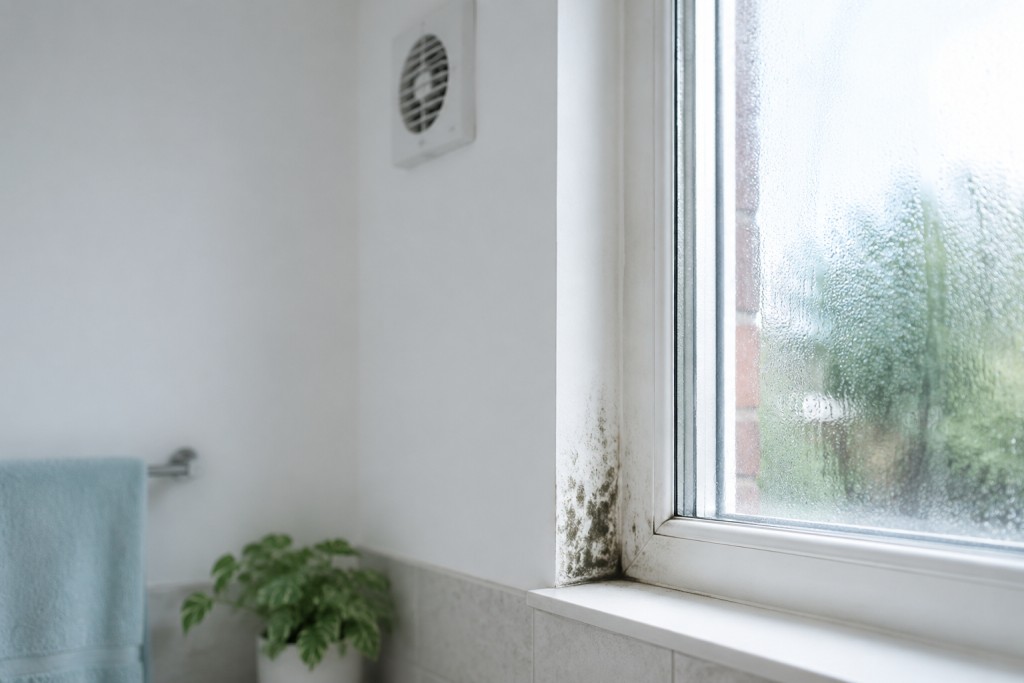
For people in the UK worried about damp, mould and health
Damp and mould can worsen asthma and other respiratory conditions. For people living with aspergillosis, bronchiectasis, severe asthma or other long-term lung disease, it is reasonable to take a persistent problem seriously and ask for the underlying cause to be put right.
This guide brings together reliable UK health, housing and practical-support sources. It does not promote commercial mould testing, urine mycotoxin tests or “detox” treatments.
Health information you can trust
UKHSA and government guidance on damp and mould
The government’s consolidated guidance explains the health risks of damp and mould and the actions expected of rented-housing providers. It is the best starting point for understanding why the issue matters and why it should not simply be blamed on a tenant’s lifestyle.
UKHSA / GOV.UK: Understanding and addressing the health risks of damp and mould
NICE: indoor air quality at home
NICE guidance covers indoor air quality in homes, including damp and mould. It is helpful for understanding practical measures such as ventilation and moisture control, while recognising that tenants cannot fix structural defects or inadequate building design on their own.
NICE: Indoor air quality at home (NG149)
Asthma + Lung UK
This gives accessible advice for people with asthma and other lung conditions, including practical steps and housing-rights information for renters.
Asthma + Lung UK: Damp and mould in a rented home
Support for renters in England
Housing law differs across the UK. The following links are mainly for England; if you live in Scotland, Wales or Northern Ireland, use your local council or national housing-advice service for the equivalent rules.
Private renters
Shelter explains how to report damp and mould, what a private landlord may need to repair, and when to ask the council’s environmental-health team for help.
Shelter: Damp and mould in private rented homes
Council and housing-association tenants
Shelter provides practical guidance and letter templates for reporting damp and mould to a council or housing association.
Shelter: How to deal with damp and mould in social housing
Citizens Advice
Citizens Advice offers straightforward help on responsibility for repairs and how to take the next step when a landlord does not respond.
Citizens Advice: Damp in rented homes
Awaab’s Law: what it means for social-housing tenants in England
Awaab’s Law came into force on 27 October 2025. It introduces fixed timeframes for social landlords in England to investigate and address reported damp and mould hazards, particularly where there is a significant risk of harm.
For serious damp or mould that is not an emergency, current guidance describes a 10-working-day investigation period, followed by requirements to make a home safe and communicate the next steps. Emergency hazards must be dealt with much faster. The exact duties depend on the facts of the case, so use the current official guidance rather than relying on a general summary.
If your landlord does not act
- Keep copies of emails, letters, photographs and notes of phone calls.
- Ask your council’s environmental-health or private-rented-housing team for an inspection if the problem is serious or persistent.
- If you rent from a council or housing association, use its formal complaints process. The Housing Ombudsman explains how complaints are handled.
- Do not stop paying rent or move out without taking housing advice first; this can have serious consequences.
Practical steps at home
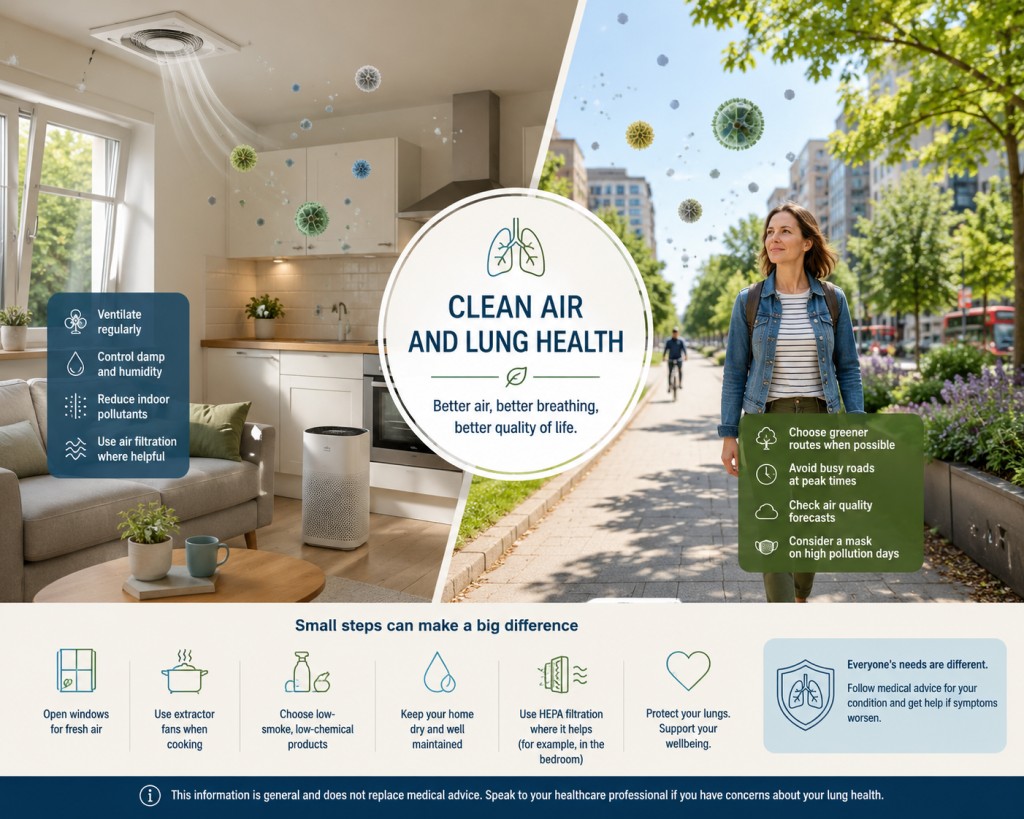
Small measures may reduce condensation while you wait for repairs, but they are not a substitute for a landlord fixing a leak, poor ventilation, failed heating or other building defect.
- Use fitted extractor fans where available and report them if they do not work.
- Ventilate briefly and safely when weather and security allow.
- Keep furniture slightly away from cold external walls where possible.
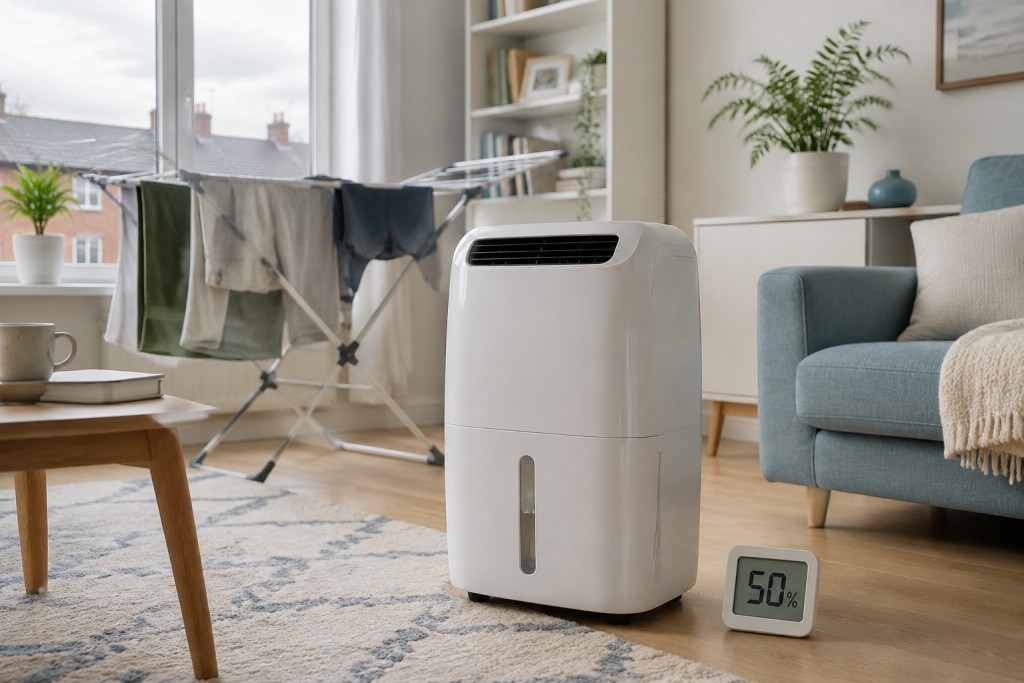
- Follow manufacturer safety advice for any dehumidifier or heater; never use unsafe heating methods to dry a room.
What about “toxic mould”, mycotoxins and commercial tests?
There is good evidence that damp and mouldy homes can worsen respiratory symptoms and health. That does not mean that every symptom is caused by “toxic mould”, or that expensive environmental tests, urine mycotoxin tests or detox programmes can diagnose or treat illness from a home.
The useful intervention is to identify and fix the moisture problem, remove visible mould safely where appropriate, and seek proper medical advice for symptoms. For a broader evidence review, see World Health Organization: Dampness and mould.
When to seek medical advice
Speak to your GP or usual respiratory team if damp or mould appears to be worsening asthma, cough, wheeze or breathlessness. Seek urgent help for severe breathlessness, chest pain, significant coughing of blood, blue lips or face, confusion, or rapidly worsening illness.
Last reviewed: August 2026.

Did this page help you?
Tell us in one minute