

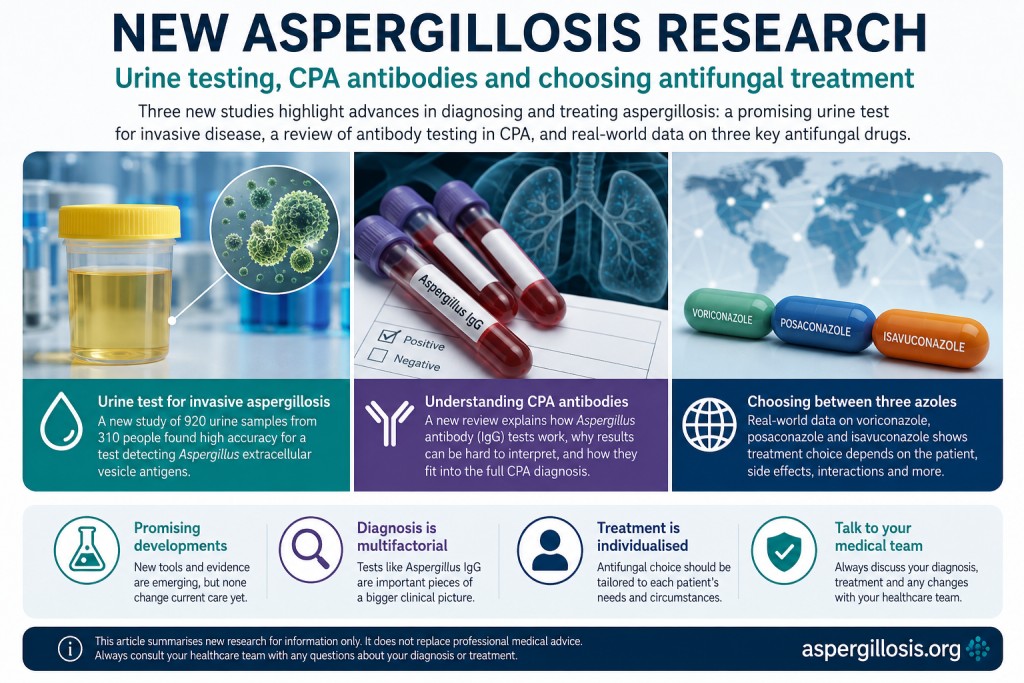
New aspergillosis research update: urine testing, CPA antibodies and choosing antifungal treatment
Research published this week highlights three different parts of aspergillosis care: a possible future urine test for invasive aspergillosis, a detailed review of antibody testing in chronic pulmonary aspergillosis (CPA), and new real-world evidence about the use of three important azole antifungal drugs.
These studies do not immediately change how patients should be diagnosed or treated, but they show how researchers are trying to make diagnosis easier and treatment more individualised.
Could invasive aspergillosis eventually be detected using a urine test?
Diagnosing invasive aspergillosis (IA) can be difficult. It usually occurs in people who are seriously ill or whose immune systems are weakened, and obtaining samples directly from the lungs is not always straightforward.
Researchers have been developing a test called MycoMEIA–Aspergillus, which looks in urine for galactofuranose-containing antigens associated with extracellular vesicles released by Aspergillus.
Extracellular vesicles are tiny membrane-bound packages released by cells, including fungi. Material associated with these vesicles can enter the circulation and ultimately appear in urine, potentially providing a much easier sample in which to look for evidence of infection.
In the new study, researchers examined 920 urine samples from 310 people being investigated for invasive fungal disease.
At the patient level, the test achieved approximately:
- 91% sensitivity — the proportion of people with invasive aspergillosis correctly identified by the test.
- 89% specificity — the proportion without invasive aspergillosis correctly identified as negative.
The overall diagnostic performance was also high, with an area under the receiver operating characteristic curve (AUC) of approximately 0.97.
These are encouraging results, particularly because collecting urine is considerably easier and less invasive than obtaining many respiratory samples.
Does this mean a urine test for aspergillosis is now available?
No.
This is still a developing diagnostic test. The researchers themselves emphasise the need for further confirmation and validation of the final assay before it could become part of routine clinical practice.
The idea also has a longer research history. Earlier studies explored detecting Aspergillus antigens in urine, so the important development here is the strengthening and refinement of this approach rather than the first discovery that Aspergillus-associated material can be detected in urine.
If successfully validated, a urine test could eventually complement existing diagnostic methods rather than necessarily replace them.
Research paper:
Datta K, Baburina I, Zhang SX, et al. Detection of Galactofuranose-Containing Antigens Associated With Aspergillus Extracellular Vesicles in Urine: The Biological Basis of a New Diagnostic for Aspergillosis. Journal of Infectious Diseases. 2026.
Read the research paper
Understanding Aspergillus antibody tests in chronic pulmonary aspergillosis
A second new publication examines a test that is already extremely important in clinical practice: Aspergillus antibody testing in chronic pulmonary aspergillosis (CPA).
CPA is a long-term lung infection caused by Aspergillus, usually developing in people who already have structural lung damage or another underlying lung condition.
Blood tests measuring antibodies against Aspergillus — often reported as Aspergillus IgG — form an important part of CPA diagnosis.
However, interpreting these tests is more complicated than simply deciding whether a result is positive or negative.
The new narrative review examines the different methods used to detect anti-Aspergillus antibodies, their diagnostic performance and some of the difficulties involved in interpreting results.
Why can't an antibody result diagnose CPA on its own?
An antibody response tells doctors that the immune system has recognised Aspergillus. It does not, by itself, prove that the fungus is causing CPA.
Doctors therefore combine several pieces of information, which can include:
- symptoms and how long they have been present;
- CT or other radiological findings;
- Aspergillus IgG or other antibody results;
- fungal culture, PCR or other microbiological evidence where available;
- the patient's underlying lung disease;
- and whether another condition could better explain the findings.
Similarly, an antibody result that is not raised does not necessarily exclude CPA in every patient.
This is why CPA diagnosis is best thought of as assembling several pieces of evidence, rather than relying on a single blood test.
The review is particularly useful because different laboratories and commercial assays can use different techniques and thresholds. Understanding those differences matters when interpreting results and comparing measurements made at different centres.
Research paper:
Gibert C, Maitre T, Godet C, et al. Ins and outs of anti-Aspergillus serology in chronic pulmonary aspergillosis: a narrative review. Clinical Microbiology and Infection. 2026.
Read the research paper
Voriconazole, posaconazole or isavuconazole for invasive pulmonary aspergillosis?
The third study looks at treatment rather than diagnosis.
Researchers used a large global real-world database to investigate how three important triazole antifungal drugs are being used in invasive pulmonary aspergillosis (IPA):
voriconazole, posaconazole and isavuconazole.
Voriconazole has historically had a particularly important role in the treatment of invasive aspergillosis, but clinicians now have several azole options.
That does not mean there is one universally "best" antifungal.
Choice of treatment can depend upon factors including:
- the type and severity of infection;
- other medicines being taken and possible drug interactions;
- liver function;
- previous antifungal exposure;
- adverse effects;
- the susceptibility of the Aspergillus isolate, where this is known;
- whether adequate drug concentrations can be achieved;
- and the individual patient's underlying illnesses.
Real-world database studies are valuable because they show how medicines perform and are selected outside the tightly controlled environment of a clinical trial.
However, they also need careful interpretation. Patients receiving different antifungals may differ substantially in their underlying illnesses and previous treatments, so differences in outcomes cannot automatically be attributed to the antifungal drug itself.
The study therefore contributes to the growing evidence supporting a more individualised approach to antifungal treatment, rather than providing a simple league table of the three medicines.
Research paper:
Hashimoto E, Yoshida S, Kitano T. Clinical positioning of Voriconazole, Posaconazole, and Isavuconazole in the treatment of Invasive Pulmonary Aspergillosis: A Global Real-World Database Study. Journal of Global Antimicrobial Resistance. 2026.
Read the research paper
What does this research mean for patients?
None of these studies means that patients should change their treatment or that current diagnostic tests have suddenly become obsolete.
Instead, together they illustrate three areas in which aspergillosis care continues to develop.
Researchers are looking for simpler samples, such as urine, that might help diagnose serious Aspergillus infections. At the same time, they are improving our understanding of established tests such as Aspergillus IgG and investigating how existing antifungal drugs can be selected more effectively for individual patients.
For people living with aspergillosis, this gradual accumulation of evidence is important. Improvements in diagnosis and treatment often come not from a single dramatic breakthrough, but from many studies that progressively make tests more accurate, treatment choices better informed and care more personalised.
This article discusses newly published research and is intended for general information. New research findings do not automatically represent current clinical guidance. Patients should discuss questions about their diagnosis or antifungal treatment with their clinical team.


Clean Air and Lung Health
Media description:
Illustration accompanying the Clean Air and Lung Health guide, showing indoor and outdoor sources of airborne particles and practical measures including ventilation, moisture control, reducing indoor pollutants, air filtration and choosing lower-pollution routes outdoors.
I’d keep “clean air and lung health” in the filename, title and alt text because it matches the article's focus keyphrase, while the rest describes what is actually visible in the image.
Last reviewed: 17 August 2026
Key points
- Air quality can affect breathing symptoms, particularly in people with asthma, bronchiectasis, COPD and other chronic lung conditions.
- Important pollutants include fine particles, traffic and combustion gases, tobacco smoke, household chemicals, damp, mould and airborne allergens.
- People with aspergillosis do not need completely sterile or fungus-free air — that is neither realistic nor necessary.
- The most useful approach is usually to reduce important sources of pollution, control damp and moisture, ventilate appropriately and reduce exposure when outdoor air quality is poor.
- Air cleaners can sometimes help with airborne particles, but they do not fix damp, mould growth or the source of indoor pollution.
Why does clean air matter?
Every day we breathe thousands of litres of air into our lungs. Along with oxygen, that air contains particles, gases, allergens, fungal spores and other biological material.
For most people, ordinary environmental exposure causes no obvious problem. However, people with chronic respiratory conditions may be more sensitive to changes in air quality. Poor air quality can irritate the airways, increase inflammation and contribute to symptoms such as coughing, wheezing, chest tightness or breathlessness.
This is particularly relevant to people living with conditions such as asthma, bronchiectasis, chronic obstructive pulmonary disease (COPD) and aspergillosis.
Clean air does not mean air completely free from particles or microorganisms. The aim is to reduce avoidable exposure to pollutants and excessive concentrations of substances that may aggravate respiratory disease.
Indoor and outdoor air are connected
We often think of indoor and outdoor air pollution as separate problems, but they interact.
Outdoor pollutants enter buildings through doors, windows, ventilation systems and gaps in the building. At the same time, everyday activities inside the home can create additional pollutants.
Indoor sources can include:
- cooking, particularly combustion and frying
- gas appliances
- wood burners and open fires
- tobacco smoke
- candles and incense
- cleaning sprays and aerosols
- air fresheners and fragranced products
- paints, solvents and some furnishings
- damp and mould growth
NICE identifies people with existing respiratory conditions as particularly vulnerable to poor indoor air quality and advises reducing pollutant sources and using appropriate ventilation.
See the NICE guidance on indoor air quality at home.
Particulate matter
Particulate matter (PM) consists of tiny solid particles and liquid droplets suspended in the air.
You may see references to PM10 and PM2.5. The number refers approximately to the maximum diameter of the particles in micrometres. PM2.5 is particularly important because these very small particles can penetrate deep into the lungs.
Sources include:
- road traffic
- industrial emissions
- wood and solid-fuel burning
- wildfires
- cooking
- smoking
- candles and other combustion
People with existing lung disease may notice increased respiratory symptoms during periods of poor outdoor air quality.
For practical advice about pollution forecasts, air-quality indices and reducing exposure, see our Outdoor Air Pollution and Aspergillosis guide.
Damp, mould and fungal spores
Fungi are a natural part of our environment. Fungal spores are present in outdoor and indoor air, and completely avoiding them is impossible.
Problems are more likely when buildings develop persistent damp or visible mould growth. Moisture allows fungi to grow on walls, ceilings, furnishings and other materials, potentially increasing exposure to fungal spores and fragments.
Damp housing is also associated with respiratory symptoms independently of any single fungal species.
For people with aspergillosis, the sensible objective is therefore not to attempt to eliminate every fungal spore. It is to avoid unusually high or prolonged exposure and to deal with significant damp and mould growth.
NICE recommends tackling the source of damp, repairing water damage, controlling condensation and ensuring appropriate ventilation rather than simply treating visible mould as a surface-cleaning problem.
What about Aspergillus outdoors?
Aspergillus spores are naturally present in the environment. Other fungi, including Cladosporium and Alternaria, can also contribute substantially to airborne fungal-spore levels.
Spore concentrations vary with season, weather, vegetation and local environmental conditions.
A 2026 systematic review of airborne fungal spores found evidence linking higher fungal-spore concentrations with respiratory symptoms in sensitised populations, although relatively few studies directly linked environmental measurements with health outcomes. Read the systematic review.
This does not mean that every increase in outdoor fungal spores causes aspergillosis. Different Aspergillus-related diseases arise from a combination of exposure, underlying lung disease, immune responses and other individual risk factors.
Ventilation: useful, but context matters
Ventilation helps remove moisture and pollutants generated inside a building.
Useful measures can include:
- using kitchen extractor fans while cooking
- using bathroom extraction during and after bathing or showering
- keeping trickle vents open where appropriate
- opening windows when conditions allow
- avoiding prolonged indoor drying of wet clothes without adequate ventilation
However, simply saying “open the windows” is not always good advice.
If outdoor pollution is temporarily high — for example because of heavy traffic, smoke or a pollution episode — opening windows may increase indoor pollution. Buildings beside busy roads may also require a different ventilation strategy from homes in cleaner locations.
The objective is therefore appropriate ventilation, not maximum ventilation at all times.
Cooking and combustion
Cooking can produce substantial amounts of particulate matter, particularly frying and high-temperature cooking. Gas cooking can also release nitrogen dioxide and other combustion products.
Using an extractor hood that vents outdoors, where available, can reduce exposure.
Other combustion sources such as tobacco smoke, open fires, wood burners, candles and incense can also add particles and gases to indoor air.
People with sensitive airways may find that reducing these sources improves symptoms.
Cleaning products, sprays and fragrances
Some household products release volatile organic compounds (VOCs) or aerosols that can irritate sensitive airways.
Strong smells do not necessarily mean that something is dangerous, and an odour-free product is not automatically harmless. However, people with asthma or other reactive airway disease may notice symptoms after using sprays, aerosols, fragrances or strong cleaning products.
If a product repeatedly triggers coughing, wheezing or chest tightness, consider using a simpler non-spray alternative and ventilating the area appropriately.
NICE specifically advises people whose asthma is triggered by household sprays, air fresheners or aerosols to avoid them where possible and use non-spray alternatives.
Do air purifiers help?
Portable air cleaners fitted with an appropriate particle filter, commonly a HEPA filter, can reduce concentrations of airborne particles in a room.
They may be useful in some circumstances, particularly where outdoor particles or airborne allergens are a concern.
However, an air purifier has important limitations.
It cannot:
- repair a leak
- remove damp from a building
- prevent condensation caused by inadequate heating or ventilation
- remove mould growing inside walls or other building materials
- replace adequate kitchen or bathroom extraction
If there is an identifiable source of pollution, removing or controlling the source is usually more important than trying to filter the resulting pollution afterwards.
Should people with aspergillosis wear a mask outdoors?
Most people with aspergillosis do not need to wear a mask whenever they go outside.
However, respiratory protection may be sensible during activities that can generate unusually high concentrations of dust or fungal material, such as:
- handling compost
- turning compost heaps
- clearing large amounts of decaying vegetation
- working in very dusty environments
- entering buildings with extensive mould contamination
- some construction or renovation activities
The appropriate level of precaution depends on the individual's condition and immune status.
Avoiding air pollution should not mean avoiding life
It is possible to become understandably anxious about fungal spores, pollution and environmental exposure after being diagnosed with aspergillosis.
But trying to eliminate all exposure is impossible and can unnecessarily restrict daily life.
Outdoor activity, exercise, social contact and spending time in nature can all be important for physical and mental wellbeing.
A more useful approach is to identify high or avoidable exposures and reduce those, rather than treating ordinary air as dangerous.
Practical steps for cleaner air
- Keep your home dry and deal promptly with leaks and water damage.
- Use kitchen and bathroom extraction where available.
- Ventilate appropriately when cooking, showering or drying clothes.
- Avoid smoking and second-hand tobacco smoke.
- Reduce combustion sources such as candles and open fires if they aggravate symptoms.
- Use non-spray cleaning products if aerosols trigger your airways.
- Check outdoor air-quality information when pollution is high or when your breathing is unusually sensitive.
- Consider particle filtration where there is a clear reason for it, but do not use an air purifier as a substitute for fixing damp or pollution sources.
- Avoid unnecessarily high fungal exposure from activities such as handling mouldy material or disturbing compost.
- Continue normal activities when conditions are reasonable rather than attempting to avoid all environmental exposure.
When should I seek medical advice?
Environmental conditions can affect symptoms, but worsening breathlessness, wheezing, coughing or sputum should not automatically be attributed to air quality.
Contact your healthcare team if symptoms are persistent, significantly worse than usual or accompanied by other signs of illness.
People with asthma should follow their asthma action plan and seek urgent medical help for severe breathing difficulty or symptoms that are not responding to their usual treatment.
Further information
- Outdoor Air Pollution and Aspergillosis
- Reducing Aspergillus Exposure and Environmental Risk
- NICE: Indoor air quality at home
References
- National Institute for Health and Care Excellence (NICE). Indoor air quality at home (NG149). NICE guidance.
- Jiménez-Uribe DA, Acevedo-Barrios R, Rubiano-Labrador C, et al. Relationship of airborne fungal spores to epidemiological data on respiratory disease: a systematic review. Aerobiologia. 2026;42:11. Full article.
Audience: Patients, carers and non-specialist healthcare professionals
Last reviewed: 17 August 2026
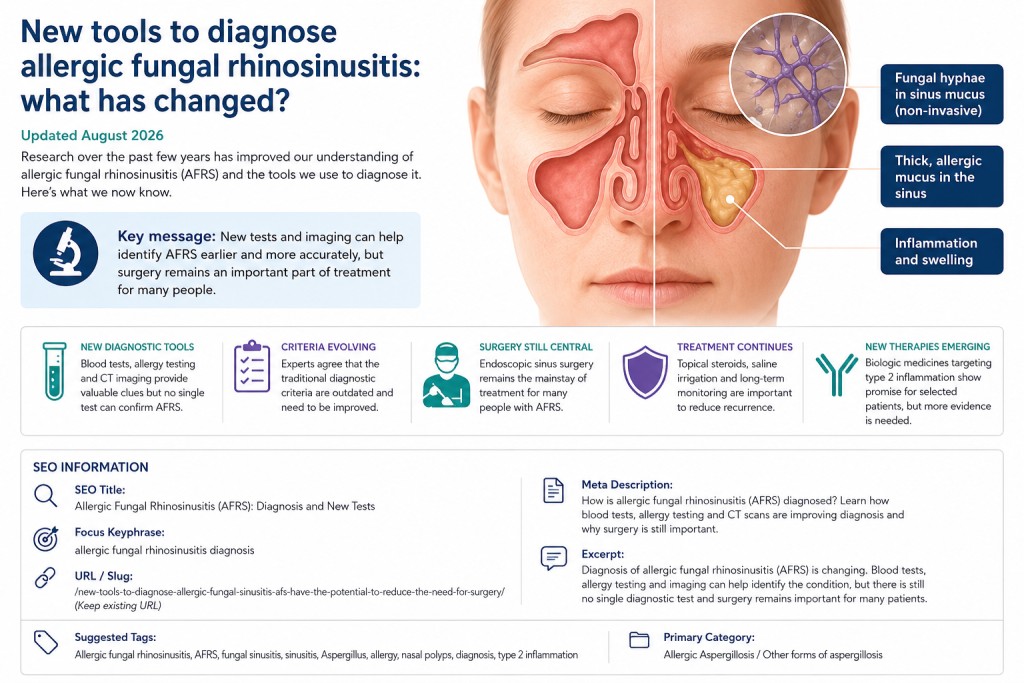
New tools to diagnose allergic fungal rhinosinusitis: what has changed?
Updated August 2026
When this article was first published, researchers were investigating whether new combinations of tests could help diagnose allergic fungal rhinosinusitis (AFRS) — previously often called allergic fungal sinusitis (AFS) — without relying so heavily on findings obtained during sinus surgery.
That remains an important goal, but our understanding of AFRS has developed considerably.
What is allergic fungal rhinosinusitis?
AFRS is now generally regarded as a particular form of chronic rhinosinusitis with nasal polyps (CRSwNP). It involves a strong type 2 inflammatory response associated with fungi in the sinuses. A 2026 Grand Rounds review of AFRS describes it as a distinct, non-invasive endotype of chronic rhinosinusitis with nasal polyps.
The fungi are present in the thick, eosinophil-rich mucus within the sinuses but, importantly, AFRS is non-invasive: fungal hyphae do not normally invade healthy surrounding sinus tissue.
This distinguishes AFRS from invasive fungal sinusitis, which is a very different and potentially life-threatening condition.
Why has AFRS traditionally been difficult to diagnose?
For many years, diagnosis has commonly been based on the Bent and Kuhn criteria, developed in the 1990s.
These include:
- evidence of an immediate allergic response to fungi
- nasal polyps
- characteristic changes on CT scans
- thick, eosinophil-rich mucus without fungal invasion of tissue
- fungi demonstrated within material removed from the sinuses
The difficulty is that some of the strongest evidence may only become available after sinus surgery. A 2025 contemporary review of AFRS highlights this limitation and questions the specificity and practicality of the traditional diagnostic criteria.
This led researchers to investigate whether blood tests, allergy testing, imaging and other markers could identify AFRS more reliably before an operation.
What have we learned since?
Research has continued to show that blood tests, fungal-specific IgE, eosinophils, CT imaging and other measurements can all contribute useful information.
However, there is still no single blood test or biomarker that reliably diagnoses AFRS on its own. Diagnosis continues to depend on combining clinical history, allergy and immunological findings, imaging and, where available, examination of sinus material.
At the same time, researchers have begun questioning the traditional diagnostic criteria themselves. A major multidisciplinary AFRS workshop published in 2025 brought together experts from several disciplines to review diagnosis, management, associated conditions and disease mechanisms. The group concluded that improved diagnostic criteria and better biomarkers are important priorities for future research.
AFRS is increasingly understood as a complex inflammatory condition involving interactions between fungi, the immune system and probably genetic and environmental factors. Research into the underlying biology has identified abnormalities in fungal-driven inflammatory pathways and local antifungal immune responses. A 2023 review of developments in AFRS pathophysiology and treatment discusses these mechanisms in more detail.
Has improved diagnosis reduced the need for surgery?
This was one of the hopes behind the research discussed in the original version of this article, but the picture is now more nuanced.
Surgery remains an important part of treatment for many people with AFRS.
Endoscopic sinus surgery can remove accumulated eosinophilic mucus and fungal material, remove obstructing nasal polyps, reopen affected sinuses and allow topical treatments to reach the sinus cavities more effectively.
The 2025 contemporary review describes surgery followed by topical corticosteroids and saline irrigation as the mainstay of AFRS treatment. The 2026 Grand Rounds review similarly emphasises comprehensive endoscopic sinus surgery followed by long-term topical anti-inflammatory treatment.
Medical treatment after surgery is important because AFRS has a significant tendency to recur.
What about biologic treatments?
There is increasing interest in biologic medicines that target type 2 inflammation. Some of these treatments are already used for severe asthma and chronic rhinosinusitis with nasal polyps.
A 2025 systematic review and meta-analysis of biologics in AFRS found encouraging improvements in symptoms and measures of disease activity, although the available studies were relatively small and varied considerably.
A further 2025 systematic review and meta-analysis of biologics in difficult-to-treat AFRS also found evidence of short-term benefit.
These treatments may therefore become increasingly important for selected people with recurrent or difficult-to-control AFRS, but more evidence is needed to establish exactly who benefits, when biologics should be introduced and how they fit alongside surgery and other treatments.
Why better diagnosis still matters
The objective is therefore not simply to develop a test that allows patients to avoid surgery.
Better diagnostic tools could help doctors:
- recognise AFRS earlier
- distinguish it from other forms of chronic rhinosinusitis
- identify people who need specialist assessment
- select the most appropriate treatment
- monitor disease and recurrence
- better understand which patients might benefit from newer treatments
The research described in the original article was part of an important change in thinking. Rather than viewing AFRS simply as fungal material that needs to be removed from the sinuses, we now understand it as a complex inflammatory disease associated with fungi.
Our ability to diagnose, classify and treat AFRS continues to evolve.
For a fuller explanation of fungal rhinosinusitis, its symptoms, diagnosis and treatment, see our Fungal Rhinosinusitis information page.
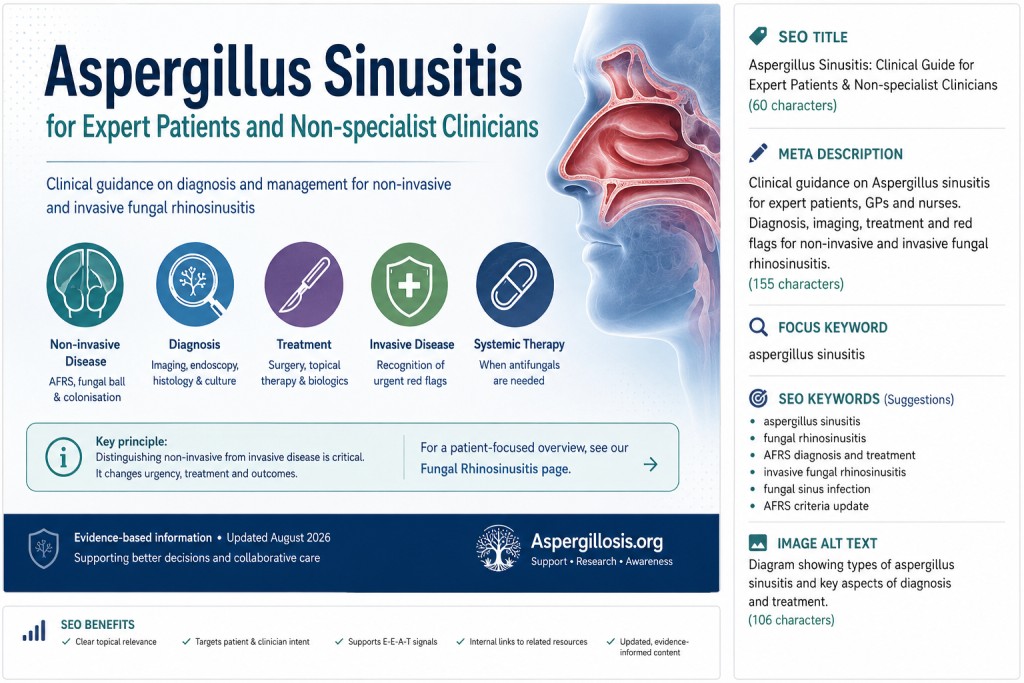
Aspergillus Sinusitis for Expert Patients and non-Specialist Clinicians
Updated: 17 August 2026
Looking for a general introduction? This article is intended for expert patients, GPs, nurses and other healthcare professionals who want more clinical detail. For a patient-focused overview of the different types of fungal sinus disease, see our Fungal Rhinosinusitis page.
Why fungal sinus disease can be confusing
Aspergillus and other fungi can be associated with several very different diseases of the nose and paranasal sinuses.
The most important distinction is between non-invasive disease, where fungi remain within mucus, crusts or the sinus cavity, and invasive fungal rhinosinusitis, where fungal hyphae grow into sinus tissue.
This distinction matters because the clinical course, urgency and treatment are very different.
| Condition | Typical setting | Tissue invasion? | Usual management principle |
|---|---|---|---|
| Allergic fungal rhinosinusitis (AFRS) | Chronic rhinosinusitis with nasal polyps; often asthma/allergic disease | No | Surgery where required plus long-term control of inflammation |
| Fungal ball | Usually localised to one sinus | No | Endoscopic removal and drainage |
| Saprophytic fungal colonisation | Often crusting or previous sinus surgery | No | Removal of debris and local sinus care |
| Acute invasive fungal rhinosinusitis | Usually major immune suppression or other strong risk factors | Yes | Urgent surgery plus systemic antifungal therapy |
| Chronic invasive fungal rhinosinusitis | More slowly progressive invasive disease | Yes | Surgery plus systemic antifungal therapy |
Allergic fungal rhinosinusitis (AFRS)
Allergic fungal rhinosinusitis is now generally considered a distinct endotype of chronic rhinosinusitis with nasal polyps (CRSwNP).
It is characterised by a strong type 2 inflammatory response, thick eosinophil-rich mucus and non-invasive fungal hyphae within sinus contents.
Although Aspergillus species can be involved, AFRS is not exclusively an Aspergillus disease and other environmental moulds may be identified.
Importantly, AFRS should not be described simply as a fungal infection. The fungus remains outside the tissues; much of the disease results from the inflammatory and immune response associated with its presence.
A 2025 multidisciplinary workshop on AFRS describes the condition as a distinct CRSwNP endotype and highlights major remaining uncertainties around diagnosis, disease mechanisms, recurrence and treatment.
Diagnosis of AFRS
Historically, AFRS has frequently been diagnosed using criteria developed in the 1990s, including the Bent and Kuhn criteria.
Typical features include:
- nasal polyposis
- evidence of fungal sensitisation
- characteristic CT appearances
- eosinophilic or “allergic” mucin
- fungal hyphae within sinus mucus without tissue invasion
However, the diagnostic criteria are increasingly recognised as imperfect. Some require findings obtained only during surgery, some features lack specificity, and patients may not fit neatly into the traditional framework.
The 2025 multidisciplinary workshop concluded that existing diagnostic criteria are outdated and that improved criteria and biomarkers are needed.
A 2025 contemporary review similarly questions the specificity and applicability of the traditional criteria.
In practice, diagnosis therefore depends on the overall pattern of:
- clinical history
- endoscopic findings
- CT imaging
- total IgE and fungal-specific IgE where appropriate
- eosinophil measurements
- allergy testing
- histology and microscopy of sinus contents when available
For more detail, see our 2026 update on changing approaches to AFRS diagnosis.
Imaging in AFRS
CT is the principal imaging investigation for chronic sinus disease. AFRS may produce heterogeneous, dense material within affected sinuses and can sometimes lead to expansion or remodelling of surrounding bone.
Extensive radiological appearances do not necessarily indicate invasive fungal disease. AFRS itself can produce striking sinus expansion and bone changes through chronic inflammation and pressure.
MRI may be useful when disease is extensive or when orbital, skull-base or intracranial involvement needs to be assessed.
Treatment of AFRS
For significant AFRS, endoscopic sinus surgery followed by long-term topical treatment remains the mainstay of management.
Surgery aims to:
- remove thick eosinophilic mucus and fungal debris
- remove obstructing polyps where necessary
- restore sinus ventilation and drainage
- improve access for postoperative saline irrigation and topical corticosteroid treatment
- provide material for histological and microbiological examination
Long-term topical corticosteroids and saline irrigation are important because recurrence is common.
The 2025 contemporary review of AFRS describes surgery followed by topical corticosteroids and saline irrigation as the mainstay of treatment.
Systemic corticosteroids
Systemic corticosteroids may sometimes be used for severe inflammatory disease or recurrence, but their potential benefit has to be balanced against adverse effects, particularly with repeated or prolonged treatment.
They should therefore be regarded as an individual clinical decision rather than an automatic component of treatment for every patient with AFRS.
Antifungal treatment in AFRS
The role of antifungal medicines in AFRS remains uncertain.
This is understandable biologically: AFRS is characterised by non-invasive fungal growth associated with an inflammatory response rather than fungal invasion of tissue.
Older guidance allows consideration of systemic mould-active azoles in refractory or rapidly relapsing disease, but the evidence is limited and antifungal therapy is not routinely required for all patients with AFRS.
Where systemic azoles are used, clinicians need to consider drug interactions, toxicity and therapeutic drug monitoring where appropriate.
Biologic therapy
Biologic medicines targeting type 2 inflammatory pathways are increasingly important in severe asthma and chronic rhinosinusitis with nasal polyps.
There is growing interest in their use for difficult-to-control AFRS, particularly when patients also have severe asthma, recurrent nasal polyposis or other manifestations of type 2 inflammation.
Current AFRS studies are relatively small, so biologics cannot yet be regarded as a replacement for surgery in patients with extensive obstructive disease. Their position in the treatment pathway continues to evolve.
AFRS and the lower airways
Upper and lower airway disease frequently coexist.
Patients with AFRS may also have asthma, and a smaller group may have allergic bronchopulmonary aspergillosis (ABPA).
AFRS and ABPA share several features, including fungal sensitisation, raised IgE and type 2 inflammation, but they affect different anatomical sites:
- AFRS primarily affects the nose and sinuses
- ABPA primarily affects the bronchi and lungs
Persistent upper-airway disease may also make asthma more difficult to control, so considering the patient as having a connected upper and lower respiratory system can be clinically useful.
See our ABPA Knowledge Hub for more information.
Aspergillus fungal ball
An Aspergillus fungal ball is a dense collection of fungal hyphae and debris occupying a sinus without invasion of the surrounding mucosa.
Most are found in the maxillary sinus, although sphenoid and other sinuses may be affected.
The presence of fungal hyphae alone does not establish invasive aspergillosis. Demonstration of tissue invasion is the critical distinction.
Diagnosis
CT may show unilateral sinus opacification containing dense or calcified material. The definitive diagnosis is usually made after removal, with histological examination confirming fungal material without mucosal invasion.
Treatment
Endoscopic surgical removal and adequate sinus drainage are usually sufficient for an uncomplicated fungal ball.
Systemic antifungal treatment is generally not required when there is no evidence of tissue invasion.
The IDSA aspergillosis guideline recommends surgical removal alone for an uncomplicated Aspergillus fungal ball of the paranasal sinus.
Invasive fungal rhinosinusitis
Invasive fungal rhinosinusitis is a fundamentally different disease.
Here, fungal hyphae invade the sinus mucosa and may extend into blood vessels, bone, the orbit, skull base or intracranial structures.
Both Aspergillus and fungi belonging to the Mucorales can cause invasive fungal rhinosinusitis. Identifying the causative organism matters because optimal antifungal therapy differs.
Acute invasive fungal rhinosinusitis
Acute invasive disease usually occurs in people with major predisposing factors such as:
- prolonged or profound neutropenia
- haematological malignancy
- haematopoietic stem-cell transplantation
- solid-organ transplantation
- substantial immunosuppressive treatment
- some severe immunodeficiency states
- poorly controlled diabetes, particularly diabetic ketoacidosis, especially in mucormycosis
The illness may progress rapidly.
Possible warning features include:
- rapidly worsening facial or sinus pain
- facial swelling
- fever
- nasal ulceration or tissue necrosis
- visual disturbance or impaired eye movement
- severe headache
- cranial nerve abnormalities or other neurological symptoms
Suspected acute invasive fungal rhinosinusitis is a medical emergency.
Chronic invasive fungal rhinosinusitis
Chronic invasive fungal rhinosinusitis progresses over a longer period than acute invasive disease but still involves genuine invasion of tissue.
Presentation may include persistent sinus symptoms, facial swelling, proptosis, visual disturbance or evidence of extension beyond the sinus cavity.
The distinction from non-invasive disease cannot safely be made from symptoms alone.
How is invasive disease diagnosed?
Imaging defines the extent of disease, but histopathological evidence of tissue invasion is central to establishing invasive fungal disease.
Assessment may include:
- urgent ENT examination and nasal endoscopy
- CT of the sinuses
- MRI where orbital, skull-base, vascular or intracranial extension is suspected
- biopsy of abnormal tissue
- histopathology with fungal stains
- fungal culture
- molecular identification where available
Culture is valuable because it can identify the organism and sometimes permit susceptibility testing, but a negative culture does not necessarily exclude invasive fungal disease.
Treatment of invasive Aspergillus sinusitis
Management requires urgent multidisciplinary input, commonly involving ENT surgery, infectious diseases or medical mycology, microbiology, radiology and the team managing the patient's underlying illness.
Treatment usually combines:
- surgical debridement of infected or necrotic tissue where feasible
- systemic antifungal therapy
- management or reversal of underlying risk factors where possible
The IDSA aspergillosis guideline recommends surgery together with systemic antifungal therapy for invasive Aspergillus sinusitis.
Choice of antifungal agent depends on the organism, disease extent, previous antifungal exposure, susceptibility information, organ function, potential drug interactions and individual patient factors.
This is particularly important because invasive fungal rhinosinusitis is not synonymous with invasive aspergillosis: Mucorales require a different therapeutic approach from Aspergillus.
Therapeutic drug monitoring
Several mould-active azole antifungals have variable absorption and metabolism and substantial potential for drug interactions.
When appropriate, therapeutic drug monitoring (TDM) can help establish whether drug exposure is adequate while reducing the risk of toxicity.
TDM should be interpreted alongside the clinical response, organism susceptibility, liver function and interacting medicines rather than as an isolated laboratory result.
Why pathology terminology matters
One of the most important points for non-specialists is that the words “fungus”, “Aspergillus” or “fungal hyphae” in a sinus specimen do not automatically mean invasive aspergillosis.
The key pathological question is whether fungal hyphae are:
- lying within mucus or debris, or
- invading mucosa, blood vessels, bone or other tissue.
This distinction separates conditions such as fungal ball and AFRS from invasive fungal rhinosinusitis and radically changes the treatment required.
When should a non-specialist escalate urgently?
Urgent ENT and specialist assessment should be considered when significant sinus symptoms occur alongside:
- neutropenia or major immune suppression
- haematological malignancy or transplantation
- rapidly progressive facial pain or swelling
- visual symptoms, ophthalmoplegia or proptosis
- black or necrotic nasal tissue
- cranial nerve abnormalities
- severe or unusual headache
- neurological symptoms
- radiological evidence of extension outside the sinus
In this setting, waiting for routine outpatient investigation may be inappropriate.
A useful clinical framework
When fungi are identified or suspected in the sinuses, the first question should not simply be:
“Which antifungal should be used?”
A more useful sequence is:
- What form of fungal rhinosinusitis is present?
- Is there evidence of tissue invasion?
- What organism is involved?
- What underlying host factors are present?
- Is surgery required?
- Is systemic antifungal treatment required?
This prevents non-invasive allergic or saprophytic disease being confused with invasive fungal infection and equally helps ensure that genuinely invasive disease is recognised urgently.
Further information
- Fungal Rhinosinusitis – patient overview
- Allergic fungal rhinosinusitis: how diagnosis is changing
- ABPA Knowledge Hub
References and guidance
- Roland LT, Damask C, Luong AU, et al. Allergic Fungal Rhinosinusitis Diagnosis, Management, Associated Conditions, Pathophysiology, and Future Directions: Summary of a Multidisciplinary Workshop. International Forum of Allergy & Rhinology. 2025;15(6):626–641. PubMed PMID: 40310935.
- Allergic Fungal Rhinosinusitis: A Contemporary Update. 2025. PubMed PMID: 40491076.
- Fokkens WJ, Lund VJ, Hopkins C, et al. European Position Paper on Rhinosinusitis and Nasal Polyps 2020. Rhinology. 2020;58(Suppl S29):1–464. PubMed PMID: 32077450.
- Patterson TF, Thompson GR III, Denning DW, et al. Practice Guidelines for the Diagnosis and Management of Aspergillosis: 2016 Update by the Infectious Diseases Society of America. Clinical Infectious Diseases. 2016;63(4):e1–e60. IDSA guideline.
- Cornely OA, Alastruey-Izquierdo A, Arenz D, et al. Global guideline for the diagnosis and management of mucormycosis. Lancet Infectious Diseases. 2019;19(12):e405–e421. Full text.
Audience: Expert patients, GPs, nurses and non-specialist healthcare professionals
Last reviewed: 17 August 2026
Important: This page provides general information and does not replace assessment or treatment by an ENT, infectious diseases or medical mycology specialist.

When living with aspergillosis feels especially hard
There are times when living with aspergillosis feels manageable, and times when it does not. A spell of hot weather, a chest infection, poor sleep, difficult breathing, fatigue or a change in treatment can make everyday life feel much harder than usual.
It is understandable to feel worried, frustrated, low or simply worn out during these periods. You do not have to feel positive all the time to be coping well. Sometimes coping means recognising that things are difficult, doing less for a while and asking for the support you need.
Bad patches are real
Aspergillosis often sits alongside other lung conditions, such as asthma, bronchiectasis or COPD. Symptoms can vary from day to day, and a setback can be particularly unsettling if you have worked hard to build a routine around medicines, airway clearance, appointments and pacing yourself.
A difficult spell does not mean you have failed or that you are “not trying hard enough”. It may be your body telling you that it needs rest, treatment review or medical advice.
Why heat and infections can make things worse
Hot weather can leave people with lung conditions feeling more breathless, tired and dehydrated. Humidity, poor air quality, pollen and disturbed sleep may add to the strain. An infection can also change cough, sputum, temperature, energy levels and breathing — sometimes gradually, sometimes quite quickly.
Try to make the day as easy on yourself as possible. Keep your living space as cool as you can, avoid exertion during the hottest part of the day, drink regularly unless your clinical team has advised you to restrict fluids, and continue your prescribed treatment. If you have an individual action plan, use it.
It can help to reduce the day to essentials: medicines, food and drink, rest, and any airway-clearance routine that has been agreed with your team. The washing, messages and other tasks can wait, or someone else may be able to help.
Being realistic is not the same as giving up
Messages about “staying positive” are often well meant. Hope, useful treatment and supportive relationships all matter. But positive language can feel unhelpful when it suggests that everyone gets better, that symptoms should be easy to overcome, or that it is wrong to feel frightened or exhausted.
A more helpful approach is to be honest about the present moment. You may be having a hard week. You may need more support. You may be grieving for the freedom or energy you had before. These feelings can exist alongside hope and determination; they do not cancel them out.
When everything feels difficult
Try not to demand too much from yourself. Sometimes it may help to curl up, have a cry, rest or simply let the difficult feelings be there for a while. At other times, a small comforting thing can help you through the next hour: a favourite programme, music, a pet, a phone call, a comforting meal, or sitting somewhere cooler and quieter.
There is no right way to get through a bad day. Choose what feels possible for you. If the feelings are becoming overwhelming, lasting a long time, or making it hard to manage everyday life, tell someone you trust and seek support from your healthcare team.
Ask for help early
If your symptoms are getting worse, you think you may have an infection, or your usual treatment is not keeping you as well as expected, contact your GP, respiratory team or other usual healthcare contact for advice. If you are in the UK and are unsure what to do, NHS 111 can help you decide what care is needed.
Call 999 or go to A&E if you have severe difficulty breathing, are unable to speak because of breathlessness, develop chest pain or tightness, become suddenly confused, or your lips or skin turn very pale, blue or grey. Do not drive yourself in an emergency.
You are not alone
Many people with aspergillosis describe the effort involved in getting through an ordinary day when symptoms are active. Talking to someone who understands — a family member, friend, healthcare professional, counsellor or another person living with lung disease — can make a bad patch feel less isolating.
You can also connect with others in the aspergillosis community. Our support and community pages include our Facebook and Telegram groups, where people can share experiences and practical support, and information about our regular online meetings.
Online meetings offer a quieter, more structured way to meet others affected by aspergillosis, hear from the NAC CARES team and ask general questions. You do not need to have a particular problem to attend; it is fine to come along simply to listen. Community support cannot replace medical advice, but it can remind you that you are not facing this alone.
You do not need to be cheerful to deserve care. Being kind to yourself, taking sensible action and accepting support are all forms of strength.
This information is general and does not replace advice from your own clinical team. For urgent NHS advice in the UK, use NHS 111. In a medical emergency, call 999.
Asthma, severe asthma and aspergillosis: understanding the overlap
Asthma is a long-term condition in which the airways become inflamed, sensitive and temporarily narrowed. This makes it harder for air to move in and out of the lungs, causing wheeze, cough, chest tightness and breathlessness.
A key feature of asthma is that symptoms and airflow obstruction often vary over time. They may worsen after viral infections, exposure to allergens or irritants, exercise, cold air, smoke, pollution or stress, and often improve with reliever and preventer inhalers.
Asthma can overlap with other lung conditions. This article explains when allergic or severe asthma may overlap with fungal sensitisation, ABPA, bronchiectasis and aspergillosis.
Asthma is not the same as every other airway condition
Asthma involves airways that become inflamed and narrow. In COPD, airway narrowing is usually more persistent. In bronchiectasis, the airways are permanently widened and can collect mucus. People can have more than one of these conditions, which is one reason symptoms and treatment can become complicated.
Most worsening asthma is not caused by Aspergillus. However, when asthma remains difficult to control despite appropriate treatment, or someone has repeated infections, bronchiectasis, mucus plugs or very high allergy markers, clinicians may look for an allergic or fungal contribution.
Why asthma is sometimes described in different ways
Asthma is not one single disease. People can have different patterns of airway inflammation, triggers and symptoms, and these patterns often overlap or change over time.
- Allergic asthma is linked to allergy and may be associated with hay fever, eczema, raised IgE or sensitivity to allergens such as house-dust mite, pollen, animals or fungi.
- Eosinophilic asthma involves raised eosinophils, a type of immune cell that can drive airway inflammation. It may be associated with nasal polyps or frequent flare-ups.
- Severe asthma remains uncontrolled despite high-level inhaled treatment, or needs high-dose treatment to stay controlled. It does not mean that someone has failed to manage their asthma.
- Asthma with bronchiectasis or troublesome mucus can involve repeated infections, mucus retention and difficulty clearing sputum.
Classifying asthma matters most when standard treatment is not enough: for example, if attacks are frequent, oral steroids are repeatedly needed, or clinicians are considering biologic treatment or another overlapping lung condition.
Type 2 (T2), allergic and eosinophilic inflammation
You may hear asthma described as type 2, T2, allergic or eosinophilic. These are related patterns of immune activity, not completely separate diseases.
Type 2 inflammation can lead to raised IgE, increased eosinophils, airway swelling, mucus production and sensitivity to triggers. It is common in allergic asthma and in many people with eosinophilic asthma.
ABPA also involves a strong type 2 allergic response to Aspergillus. This is why clinicians may assess for fungal sensitisation or ABPA when someone has severe allergic or eosinophilic asthma that remains difficult to control.
Fungal sensitisation, ABPA and bronchiectasis
Fungal sensitisation
Some people with asthma have an allergic response to one or more fungi, including Aspergillus. This is called fungal sensitisation. It is common in difficult-to-treat asthma, particularly in specialist severe-asthma clinics.
Fungal sensitisation can be an important clue, but it is much more common than ABPA. A positive Aspergillus allergy test does not by itself mean that someone has ABPA or a fungal infection.
Allergic bronchopulmonary aspergillosis (ABPA)
ABPA is an allergic lung condition that usually occurs in people with asthma or cystic fibrosis. It involves an exaggerated immune response to Aspergillus in the airways and can cause worsening asthma, cough, thick mucus plugs and changes on CT scans.
Diagnosis is based on the whole picture: symptoms, allergy and blood tests, sputum results, scans and the presence of bronchiectasis or mucus plugging. Read more in our ABPA Knowledge Hub.
Bronchiectasis
Bronchiectasis means that some airways are permanently widened and can collect mucus. It can coexist with asthma and make infections, cough and sputum more likely. It does not automatically mean that Aspergillus is causing an infection, but it can be an important part of the wider picture.
How common is the overlap?
Asthma is common: up to 7 million people in the UK live with it. Around 4 in 100 adults with asthma have severe asthma, meaning that symptoms remain difficult to control despite high-level treatment or need high-dose treatment to stay controlled.
Fungal sensitisation is much more common than ABPA. In specialist severe-asthma settings, around one-third to one-half of people may react to one or more environmental fungi on allergy testing. A positive test is a useful clue, but it does not diagnose ABPA or fungal infection on its own.
ABPA is less common, but important because untreated allergic inflammation can contribute to mucus plugging and bronchiectasis. The exact UK number is uncertain because there is no national register and diagnosis can be delayed. Estimates suggest that around 15,000–25,000 people in the UK may be living with ABPA.
These figures help explain why fungal allergy and ABPA deserve consideration in difficult-to-control asthma — while also showing why most people with asthma, and most people with fungal sensitisation, do not have ABPA.
Why Aspergillus-related disease can be hard to recognise
Aspergillus-related disease is not usually missed because a clinician has ignored it. Its symptoms and test results overlap with common conditions such as asthma, bronchiectasis and chest infection.
- Cough, wheeze, breathlessness and mucus can look like an ordinary asthma flare-up.
- A positive Aspergillus allergy test may mean sensitisation rather than ABPA.
- IgE and eosinophils can be raised for several allergic reasons, while steroid treatment can alter eosinophil results.
- Bronchiectasis and CT changes can have more than one cause.
- ABPA can occur even when asthma does not appear obviously severe.
Diagnosis often depends on putting several clues together over time. It is not always possible to reach a clear answer from one blood test or one clinic appointment.
Different teams may be involved
Asthma is usually managed by respiratory teams, sometimes with input from specialist severe-asthma services. Aspergillosis may be managed by respiratory specialists, infectious-disease specialists, or a combined specialist service such as the National Aspergillosis Centre.
When asthma and Aspergillus-related problems overlap, more than one team may be involved. They may be addressing different but connected problems: asthma control, allergy and ABPA, infection, mucus clearance, scan findings and the effect of treatment on day-to-day life.
If you are unsure who is coordinating your care, it is reasonable to ask which team you should contact when symptoms change.
Treatment: treating the problems that are present
Asthma treatment should be reviewed regularly. This may include checking inhaler technique, confirming that medicines are reaching the lungs, identifying triggers and considering whether treatment needs to change.
People with severe type 2, allergic or eosinophilic asthma may be offered a biologic medicine. These targeted treatments can reduce flare-ups and the need for oral steroids in suitable patients. They are chosen according to the person’s asthma pattern, blood tests, allergy history and previous treatment response.
If ABPA or another Aspergillus-related condition is present, treatment may also need to address allergic inflammation or fungal burden. For bronchiectasis or troublesome mucus, physiotherapy and airway-clearance techniques can be just as important as inhalers.
When to ask for review
Ask for medical review if your asthma is becoming harder to control, you are needing your reliever inhaler more often, or you have repeated courses of oral steroids, troublesome mucus, repeated infections, new chest pain, fever, coughing up blood, or a clear decline in your usual ability to breathe or function.
A quieter chest is not always a better chest. In severe asthma, very little air may be moving through narrowed airways, so wheeze can become faint or disappear. A “silent chest”, increasing exhaustion, confusion, difficulty speaking, or a normalising or rising carbon-dioxide level during an acute attack are emergency warning signs.
Seek urgent medical help if you have severe breathlessness, cannot speak in full sentences, your reliever inhaler is not helping, your chest becomes quiet while you are still struggling to breathe, you have severe chest pain, you faint, or you cough up more than a small streak of blood.
Useful next steps
- ABPA Knowledge Hub
- Common associated conditions Knowledge Hub
- Bronchiectasis and aspergillosis
- Mucus clearance and airway-clearance techniques
- Treatment for aspergillosis
About this information
This patient information is edited and maintained by the NHS National Aspergillosis Centre CARES team. It is intended to support, not replace, advice from your own clinical team.
Last reviewed: August 2026
```

Complementary therapies and aspergillosis: finding relief without losing sight of treatment
Living with aspergillosis or another long-term health condition can be exhausting. Even when treatment is helping, people may still have breathlessness, fatigue, pain, poor sleep, anxiety, stomach problems or difficult medicine side effects.
It is understandable to look for something more: relief, hope, control, time to talk, or a way to feel like life is not entirely organised around illness. This can lead people to explore complementary therapies such as hypnotherapy, acupuncture or homeopathy.
You should not be judged for that. You deserve honest information about what may help, what is uncertain, and what must not replace essential medical care.
Two things can be true at once
A complementary therapy may make someone feel better. They may sleep better, feel calmer, have less pain, cope better with symptoms or feel more hopeful.
That does not necessarily mean it has treated the underlying disease.
The helpful ingredient may not be the advertised treatment. Time, attention, reassurance, relaxation, expectation, a clear plan and feeling listened to can all make a genuine difference to how illness is experienced. These benefits are real, but they are different from clearing a fungal infection, controlling ABPA inflammation or reversing lung damage.
Why people seek complementary therapies
People do not usually seek these therapies because they do not care about their health or reject conventional medicine. Common reasons include:
- ongoing symptoms despite appropriate treatment;
- side effects or the burden of taking several medicines;
- fear, anxiety, poor sleep or loss of confidence;
- feeling that appointments leave too little time to discuss day-to-day coping;
- wanting to regain some control when illness feels unpredictable;
- recommendations from friends, family or online communities.
Aspergillosis is uncommon and symptoms can fluctuate. It can be especially hard when people feel that others do not fully understand what they are living with.
Hypnotherapy: a skill for reducing the extra burden of illness
Despite its name, responsible clinical hypnotherapy is not stage hypnosis or loss of control. It is a guided, deeply focused relaxation technique using imagery and suggestions to practise a calmer response to symptoms.
It may help some people with anxiety, panic, sleep difficulties, pain, nausea or the fear–symptom cycle. For example:
breathlessness or pain → “this is dangerous” → anxiety and physical alarm → more tension, faster breathing and worse symptoms.
Hypnotherapy, paced breathing, mindfulness and CBT-style skills can help interrupt this cycle. They do not suggest that symptoms are imaginary. They aim to prevent fear and physical alarm from adding an avoidable second layer of distress to a real illness.
Hypnotherapy does not treat fungal infection, ABPA, asthma inflammation or structural lung disease. It may be a supportive tool alongside appropriate medical care.
NICE recognises hypnotherapy as a possible psychological intervention for some people with difficult irritable bowel syndrome, but it is not a general treatment for aspergillosis or chronic illness.
Acupuncture: possible symptom relief, but not a treatment for aspergillosis
Acupuncture combines a physical procedure with attention, expectation, relaxation and a therapeutic ritual. Some people report that it helps them feel calmer or gives relief from pain, nausea or general discomfort.
The needles are a real physical stimulus, but research suggests that much of the overall benefit can also come from the wider therapeutic encounter: time with a practitioner, expectation of benefit and a sense that something positive is being done.
NICE says that a single course of acupuncture or dry needling can be considered for adults with chronic primary pain. This is not a general recommendation for every painful condition, and it is not a treatment for aspergillosis, fungal infection, ABPA or lung damage.
For some selected pain conditions, needling may add a small short-term benefit beyond a sham procedure. It should be presented honestly as possible symptom support, not as a cure.
Homeopathy: feeling supported is not the same as treating disease
Homeopathic consultations can be long and personal. People may feel heard, reassured and hopeful, and may value having an explanation and a plan. Those experiences can help someone feel better.
However, there is no good-quality evidence that homeopathy treats heart disease, fungal infection, aspergillosis, asthma, ABPA or other medical conditions. Homeopathic remedies are often diluted so extremely that little or none of the original ingredient is likely to remain.
NICE does not recommend homeopathy as treatment for medical conditions. It must never be used instead of prescribed treatment, monitoring, investigations or urgent medical assessment.
When medicine itself is difficult to live with
Medicines can cause major side effects. People may experience nausea, diarrhoea, sleep disturbance, dizziness, fatigue, mood changes, interactions, or simply feel overwhelmed by the number of tablets and treatments they need.
If you have stopped, reduced, or are thinking of stopping a medicine because it makes you feel unwell, please tell your GP, specialist or pharmacist. You will not be judged. There may be a safer alternative, a dose adjustment, a different formulation, a change in timing, or other ways to reduce the treatment burden.
For people taking antifungal medicines, drug-level monitoring can sometimes help clinicians find a dose that is both effective and more tolerable. Do not make dose changes on your own.
Antibiotics can also affect the gut and may cause troublesome side effects. This is one reason why they should be used carefully and for clear reasons. But concerns about side effects or the gut microbiome should not lead someone to leave an important infection untreated.
How to assess a new therapy safely
- Be clear about the aim. Is it intended to help sleep, anxiety, pain, nausea or coping? That is different from a claim to clear fungus, repair lungs or “boost immunity”.
- Ask what else changed. Symptoms naturally fluctuate. Improvement may also follow a medicine change, more rest, a supportive conversation or a change in routine.
- Keep essential treatment and monitoring in place. A complementary therapy should not demand that you stop prescribed treatment.
- Set a realistic goal. For example, fewer panic episodes, improved sleep or being able to go for a short walk with more confidence.
- Check supplements and herbal remedies first. “Natural” does not always mean safe, especially alongside azole antifungals or other complex medicines.
- Stop if it is causing harm. This includes physical side effects, unreasonable cost, pressure to reject medical advice, or promises that sound too good to be true.
Evidence-based support for anxiety and panic
When anxiety, panic, sleep problems or fear of symptoms are having a major impact, it can help to ask about support designed specifically for those problems. This might include:
- CBT or other structured talking therapies;
- applied relaxation, paced breathing or pulmonary rehabilitation/physiotherapy where appropriate;
- mindfulness-based approaches;
- support for sleep, pacing and day-to-day symptom management;
- medication for anxiety or panic when appropriate, discussed and reviewed with a clinician.
Access to psychological support can be limited and waiting times can be long. While waiting, ask your GP or specialist what safe self-management, local talking-therapy services or other support may be available.
When to seek help urgently
Do not stop or change prescribed medicines on the basis of this page or a complementary-therapy claim.
Seek urgent medical help for new or worsening chest pain, severe breathlessness, fainting, signs of a serious allergic reaction, or any sudden severe deterioration.
The important message
There may not always be a simple cure or a way to remove every symptom. But there can still be ways to reduce distress, improve function, protect independence and make life feel larger than illness.
It is reasonable to seek support. The safest approach is to retain what genuinely helps you cope, be honest with your clinical team about what you are trying, and keep evidence-based treatment and monitoring in place.
You are not ignoring your illness when you learn to calm the alarm around it.
Further information
- NICE: Chronic pain (primary and secondary) in over 16s
- NICE: Generalised anxiety disorder and panic disorder in adults
- NICE: Managing irritable bowel syndrome
- NHS inform: Homeopathy
```

Diabetes and aspergillosis: understanding the connection.
Diabetes is common, and many people living with aspergillosis also have type 1 diabetes, type 2 diabetes or raised blood glucose caused by steroid treatment.
Having diabetes does not mean that you will develop aspergillosis, and most people with diabetes never do. However, diabetes can be one of several factors that affect how the body responds to infection and how treatment is managed. It is particularly relevant when it occurs alongside lung damage, poor nutrition, long-term steroid treatment or a serious illness.
Why can diabetes matter?
When blood glucose levels are frequently above their usual target range, the body may not fight infections as effectively. High glucose can affect the function of some immune cells and may make recovery from infection more difficult.
For aspergillosis, diabetes is usually one part of the picture, rather than the sole explanation. Other important factors may include:
- previous tuberculosis or another lung infection that has left cavities or scarring;
- bronchiectasis, COPD, sarcoidosis or another long-term lung condition;
- long-term or repeated corticosteroid treatment;
- low body weight, poor appetite or malnutrition;
- serious viral illness, hospital admission or intensive care treatment; and
- medicines or conditions that suppress the immune system.
In other words, risk can “stack up”. Diabetes may add to the effect of existing lung disease or treatment, but it does not make aspergillosis inevitable.
Does high blood sugar “feed” Aspergillus?
Not in the simple sense that sugar in the bloodstream directly feeds fungus in the lungs. Blood glucose and the airways are separated by several protective barriers.
There is a small amount of glucose in the thin fluid lining the airways, and persistently high blood glucose can alter that environment. However, the strongest evidence that this directly encourages growth is for some bacteria, not for Aspergillus specifically.
The more important reason that glucose control matters is the immune system. Persistently high blood glucose can affect how immune cells recognise, reach and destroy germs, including fungi. It may therefore make infections harder to control or recovery slower.
The practical message is not to blame yourself for a high reading or to try to manage an infection through diet alone. Keeping glucose within the range agreed with your diabetes team supports your immune system and recovery, alongside the right respiratory and antifungal treatment.
Diabetes and chronic pulmonary aspergillosis
Chronic pulmonary aspergillosis (CPA) usually develops in lungs that have already been damaged. Diabetes is recognised as one factor that may increase vulnerability, especially in people with previous tuberculosis, weight loss or poor nutritional status.
A recent study in people being treated for pulmonary tuberculosis found that diabetes and low body weight were both associated with a higher likelihood of CPA. This is useful evidence, but it does not mean that every person with diabetes requires tests for aspergillosis. Testing is guided by the whole clinical picture: symptoms, previous lung disease, scans, blood tests and sputum results.
Speak to a healthcare professional if you have diabetes and develop persistent or worsening respiratory symptoms, particularly if you also have a history of significant lung disease.
Steroids: an important practical issue
Corticosteroids are an important treatment for many people with asthma and ABPA. They can reduce harmful inflammation and, in some situations, are essential. However, steroid tablets and injections can raise blood glucose levels. They may make existing diabetes harder to manage or occasionally trigger steroid-induced diabetes.
This does not mean that you should avoid, reduce or stop steroids on your own. Suddenly stopping steroid treatment can be dangerous. Instead, make sure the clinician prescribing steroids knows that you have diabetes or have previously had high blood glucose.
Your diabetes team, GP or specialist team may recommend temporary changes to glucose monitoring or diabetes medication while you are taking steroids. The right plan is individual and may change when the steroid dose is reduced.
What about inhaled steroids?
Inhaled corticosteroids generally have less effect on blood glucose than high-dose steroid tablets or injections, but some people may still notice a change, particularly at higher doses. Continue your inhalers as prescribed and discuss concerns with your usual healthcare team rather than stopping treatment.
Looking after both conditions
Good diabetes care supports your overall health while you are being treated for aspergillosis. Useful steps include:
- attending diabetes reviews and monitoring blood glucose as your team has advised;
- telling your diabetes team about new steroid treatment, significant infection or a hospital admission;
- telling your aspergillosis or respiratory team about diabetes medicines and any major changes to them;
- keeping regular meals and fluids going as far as possible when you are unwell;
- asking for dietary support if poor appetite, weight loss or nausea are making it difficult to eat enough; and
- keeping vaccinations up to date where they are recommended for you.
Antifungal medicines can interact with many other treatments. Bring an up-to-date list of all medicines, including diabetes medicines, to appointments and ask a pharmacist or prescriber to check for interactions whenever something changes.
When you are unwell
Infections can raise blood glucose levels, even if you are eating less than usual. If you have diabetes, follow the sick-day guidance given by your diabetes team. This may include checking glucose more often and, for some people, checking ketones.
Contact your diabetes team, GP, NHS 111 or your usual urgent-care route if you are unable to keep fluids down, have repeatedly high or low readings outside the range your team has advised, have ketones, or are becoming increasingly unwell.
If you have symptoms that might suggest worsening lung disease — such as a persistent increase in cough, breathlessness, fever, weight loss, new chest pain or coughing up blood — contact the team managing your respiratory condition. Significant coughing up of blood requires urgent medical assessment.
Key messages
- Diabetes is common and most people with diabetes do not develop aspergillosis.
- It can contribute to risk when combined with lung damage, poor nutrition, steroid treatment or severe illness.
- High blood glucose does not simply “feed” Aspergillus in the lungs; its more important effect is on immune function and recovery.
- Steroids can raise blood glucose, so diabetes management may need temporary adjustment during treatment for ABPA or another condition.
- Do not stop steroids, antifungals or diabetes medicines without medical advice.
- Good communication between your diabetes, respiratory and pharmacy teams helps keep treatment safe.
Further information
- Diabetes UK: steroid-induced diabetes
- Diabetes UK: managing diabetes when you are ill
- CDC: diabetes and the immune system
- Chronic pulmonary aspergillosis (CPA)
- Antifungal medicines for aspergillosis
This information is for general guidance and does not replace advice from the healthcare professionals managing your diabetes or aspergillosis.

Getting specialist antifungal medicines delivered to your home: a guide to NHS homecare
Finding a regular supply of an antifungal medicine such as itraconazole can sometimes be difficult. A local pharmacy may not have the right strength, brand or formulation available immediately, or may need to order it from a wholesaler. This can be worrying when the medicine is part of your long-term treatment for aspergillosis.
One option that may be available for some patients is an NHS medicines homecare service. This article explains what that means, who may be eligible, and what to do if your supply is running low.
What is a medicines homecare service?
Medicines homecare is a way of supplying certain hospital-prescribed medicines directly to your home, workplace or another suitable UK address. Your hospital clinical team writes the prescription and the hospital pharmacy sends it to an approved external homecare provider. The provider dispenses the medicine and arranges delivery.
Some homecare services also provide nursing support, equipment or training for medicines that need to be injected or administered at home. For oral antifungals, the service is usually about safe dispensing and reliable delivery.
Homecare companies are commercial providers working under NHS contracts; they are not replacements for your consultant, specialist nurse, GP or hospital pharmacist. Your hospital team remains responsible for the clinical decisions about your treatment.
Could this be available for itraconazole?
Possibly. It depends on the medicine, your individual treatment plan, and the arrangements at the hospital that prescribes it. Homecare is more commonly used for specialist, high-cost or hospital-only medicines, but some long-term oral treatments may also be suitable.
If you are repeatedly struggling to obtain itraconazole through the usual route, it is reasonable to ask your specialist team or hospital pharmacy:
- Whether your itraconazole can be supplied through the Trust’s medicines homecare service.
- Whether a different dispensing route is available while supply is difficult.
- How much buffer stock you should aim to have at home.
- Who to contact if a delivery or prescription is delayed.
The provider is chosen by the NHS Trust and may vary between hospitals and medicines. Sciensus is one example of a company that provides NHS medicines homecare, but it is not the only provider and patients cannot normally self-refer directly to a particular company.
What homecare can help with — and what it cannot
Homecare can save repeated journeys to hospital and may give you a more predictable delivery arrangement. The service should contact you to arrange deliveries, and you or an agreed representative will normally need to be available to receive and sign for them.
However, homecare cannot create stock where there is a wider manufacturing or national supply problem. Medicine shortages can arise for several reasons, including manufacturing difficulties, shortages of raw materials, increased demand, distribution problems or regulatory issues.
Where there is a shortage, your hospital pharmacy and specialist team may need to find available stock, arrange an alternative formulation, or advise on a different treatment. Do not make these changes yourself.
Itraconazole: do not assume that all forms are interchangeable
Itraconazole is available in different formulations, including capsules and oral liquid. They are absorbed differently and should not be swapped without advice from the clinician or pharmacist managing your treatment.
In particular, itraconazole oral solution has higher bioavailability than capsules. The timing of doses in relation to food can also differ between formulations. Any change may require a dose adjustment and, for many people being treated for aspergillosis, repeat therapeutic drug monitoring.
Do not ration doses, borrow medicine, change from capsules to liquid, or restart a previously supplied medicine without discussing it with your specialist team. Itraconazole also has important interactions with other medicines.
What to do if you are running low
Do not wait until your final few doses. As soon as you think your supply may run out, contact the team that prescribes your antifungal medicine. Depending on your local arrangements, this may be your specialist nurse, hospital pharmacy, respiratory clinic or GP practice.
When you call or email, it helps to say:
- the name, strength and formulation of the medicine;
- how many doses you have left;
- where you normally obtain it;
- whether a pharmacy has told you it cannot obtain stock; and
- any upcoming travel or other reason you will not be able to receive a delivery.
If you already use homecare and a planned delivery has not arrived, contact the homecare provider promptly and let your prescribing hospital team know if you are approaching the end of your supply. The hospital’s homecare pharmacy team can often help resolve problems with a prescription or delivery.
Planning ahead
Ask your team what buffer stock is appropriate for you and reorder or respond to delivery contacts promptly. Keep the homecare provider and hospital team updated if your telephone number, address, holiday plans or preferred delivery arrangements change.
For planned travel abroad, ask well in advance about extra supplies, storage requirements and a travel letter. Do not assume that a provider can deliver medicines outside the UK.
The key message
If obtaining itraconazole has become a repeated problem, you do not need to solve it alone by phoning around pharmacies. Ask your specialist team or hospital pharmacy whether an NHS medicines homecare pathway is suitable for your treatment. It may not remove every supply problem, but it can provide a safer and more convenient route for some people on long-term specialist antifungal treatment.
Further information
- NHS England: medicines procurement, supply and homecare services
- Guy’s and St Thomas’: patient guide to homecare medicines
- Specialist Pharmacy Service: switching between tablet/capsule and liquid formulations
This information is for general guidance and does not replace advice from the clinician or pharmacist who prescribes your antifungal treatment.

Immune-Suppressing Medicines and Aspergillosis: When Does Treatment Change the Risk?
Immune-suppressing medicines are used to control inflammation, prevent rejection after transplant and treat many serious conditions. They can be life-changing or lifesaving treatments.
Because they reduce part of the immune response, they can also increase susceptibility to infection. In a small number of people—usually where immune suppression is substantial or several risk factors combine—this may include invasive aspergillosis.
Most people taking a short course of steroids or a single immune-suppressing medicine will not develop invasive aspergillosis. Risk depends on the medicine, dose, duration, combination of treatments, white blood cell count, underlying condition and any existing lung damage.
What are immune-suppressing medicines?
These medicines reduce or alter immune activity. They are prescribed for many different reasons, including autoimmune disease, severe inflammatory illness, cancer treatment and organ or stem-cell transplant.
Examples include:
- Corticosteroids, such as prednisolone, dexamethasone and methylprednisolone
- Anti-rejection medicines, such as tacrolimus, ciclosporin, sirolimus and mycophenolate
- Chemotherapy and some other cancer treatments that lower white blood cell counts
- Biologic and targeted medicines used for conditions such as rheumatoid arthritis, inflammatory bowel disease, psoriasis and severe inflammatory disease
- Other medicines used to suppress the immune system after transplant or to treat graft-versus-host disease
These groups of medicines work in different ways. They do not all carry the same infection risk, and they should never be stopped without advice from the team that prescribed them.
When does the risk of invasive aspergillosis increase?
Risk rises most when immune suppression is strong, prolonged or combined with other factors. Examples include:
- High-dose or long-term steroid treatment
- Several immune-suppressing medicines used together
- Very low neutrophil counts (neutropenia), often during treatment for blood cancer
- Stem-cell or organ transplant treatment
- Treatment for graft-versus-host disease
- Previous invasive fungal infection
- Severe viral pneumonia, critical illness or intensive care treatment
- Significant structural lung disease alongside immune suppression
For most people with inflammatory or autoimmune disease, the main concern is common infections rather than invasive aspergillosis. Your specialist team will assess whether your particular treatment plan creates a higher risk.
Why steroids deserve particular attention
Steroids are very effective at reducing inflammation and are used in many conditions. Their effect on infection risk depends on the dose, how long they are taken and whether other immune-suppressing medicines are used at the same time.
Short courses are common and usually do not create the same level of risk as high-dose or prolonged treatment. The risk is more relevant when steroids are used for weeks or months, at higher doses, or alongside other treatments that weaken immune defences.
Do not stop steroids suddenly unless your medical team tells you to. Stopping too quickly can be dangerous and may cause the underlying condition to flare.
How does this relate to other forms of aspergillosis?
Invasive aspergillosis is different from chronic pulmonary aspergillosis (CPA) and allergic bronchopulmonary aspergillosis (ABPA).
- Invasive aspergillosis usually occurs when immune defences are severely weakened and can develop quickly.
- CPA usually develops gradually over months in lungs already damaged by conditions such as COPD, previous tuberculosis, sarcoidosis or bronchiectasis.
- ABPA is an allergic reaction to Aspergillus, most often in people with asthma or cystic fibrosis.
Some people have more than one risk factor. For example, someone with COPD and damaged lungs who needs prolonged steroids may need their respiratory team to consider both their underlying lung condition and the effects of treatment.
How do specialist teams reduce the risk?
Your team may use several approaches depending on the condition being treated and your individual level of risk. These can include:
- Using the lowest effective dose for the shortest appropriate time
- Regular blood tests to monitor white blood cell counts, liver and kidney function
- Vaccination planning and advice about infection prevention
- Preventive antifungal treatment in selected high-risk situations
- Rapid assessment of fever, new respiratory symptoms or unexplained illness
Preventive antifungal medication is not needed for everyone taking immune-suppressing treatment. It is generally reserved for people at clearly higher risk because antifungal medicines can have side effects and interact with other important drugs.
Symptoms that need prompt advice
Follow the advice and emergency contact plan provided by your own specialist team. Contact them promptly if you have a fever or feel significantly more unwell while taking immune-suppressing medicines.
Symptoms that may need assessment include:
- Fever that persists, returns or does not improve as expected
- New or worsening cough
- Increasing breathlessness
- Chest pain, especially pain that is worse when breathing in
- Coughing up blood
- Severe fatigue or unexplained deterioration
These symptoms have many possible causes and do not mean that someone has aspergillosis. But prompt assessment matters when the immune system is significantly suppressed.
What you can do
Keep an up-to-date list of every medicine you take, including the dose and any treatment given by another hospital or clinic. Tell your specialist team about new symptoms, and ask what your individual infection risks are before starting a new immune-suppressing treatment.
Do not stop, reduce or change immune-suppressing medicines without medical advice. If you have been prescribed antifungal prevention, take it exactly as instructed and ask about possible interactions before starting any new medicine, supplement or herbal treatment.
Related information
- Invasive aspergillosis
- Blood cancer and aspergillosis
- Stem-cell transplant and aspergillosis
- Organ transplant and aspergillosis
- Lung cancer and aspergillosis
- Chronic pulmonary aspergillosis (CPA)
- Allergic bronchopulmonary aspergillosis (ABPA)
- Common associated conditions
Sources: IDSA aspergillosis guidance; NHS inform: corticosteroids; NHS guidance for people taking biologic medicines.