What this document is
The Chief Medical Officer’s Annual Report 2025: Infections is a major national review produced by the Chief Medical Officer for England, Professor Chris Whitty. It is a comprehensive, 371-page assessment of:
-
Current infectious disease threats in England
-
How infections are changing (ageing population, travel, globalisation, antimicrobial resistance)
-
What the NHS, public health services, and government need to do to protect the public
-
Key topics including vaccines, fungal infections, infection in older adults, housing, climate change and more
It includes contributions from national experts—including a full chapter dedicated to fungal infections (section 4.2) and others that touch on issues highly relevant to aspergillosis patients (vaccination, antimicrobial resistance, respiratory infections, housing, and vulnerable populations)
cmo-annual-report-2025-infectio…
Why it is published
The report is published each year to:
1. Advise Government
It sets out the CMO’s expert recommendations on how England should prepare for current and future infection threats, including pandemics, AMR, and emerging fungal pathogens.
2. Influence NHS planning and investment
The report highlights weaknesses in the system and proposes reforms.
This year’s report strongly emphasises:
-
Better infection services
-
Stronger surveillance
-
Improving vaccine uptake
-
Protecting older adults (now the group with most infection-related deaths)
-
Expanding superspecialist expertise—including fungal disease expertise
3. Inform clinicians, researchers, and public health professionals
It provides a current consensus on infectious disease trends, evidence, and priorities.
Chapters are written by leading UK experts in each field (e.g., fungal infections, antimicrobial resistance, vaccines, imported infections)
4. Educate the public and third-sector organisations
The report is open-access and intended to help the public understand why infection preparedness matters and why actions like vaccination, stewardship, and early diagnosis are essential.
Who reads it
The report is widely used across:
Government
-
Department of Health and Social Care
-
UKHSA
-
Cabinet Office (emergency planning)
-
Local authorities
NHS and clinical services
-
Infectious disease physicians
-
Respiratory teams
-
Microbiology and virology specialists
-
Primary care networks
-
ICS / ICB teams planning local services
Researchers and academic institutions
It sets the direction for future research and funding priorities, including for fungal disease and AMR.
Charities, patient organisations and advocates
Groups representing people with chronic, infectious, or respiratory illness read the report to understand system-level changes and advocate for patient needs.
Industry and diagnostics developers
They monitor future needs for antifungals, vaccines, and diagnostic tools.
Why this report is important for aspergillosis patients
Several aspects of the 2025 report directly relate to people with ABPA, CPA, SAFS or Aspergillus bronchitis.
1. Fungal infections are recognised as a major emerging threat
The report includes a dedicated chapter on fungal infections (section 4.2), describing:
-
Rising antifungal resistance
-
Expanding fungal threats globally
-
The importance of specialist mycology expertise
-
The risks from agricultural fungicides
-
The need for improved surveillance and diagnostics
This formal recognition strengthens the case for specialised centres like the National Aspergillosis Centre.
2. It highlights the need for superspecialists in rare and imported infections—including fungal disease
The CMO states that England requires:
“superspecialists to provide advice on and management of infections including… rarer such as fungal infections.”
cmo-annual-report-2025-infectio…
This directly supports the role and expansion of the NHS mycology services, which Aspergillus patients rely on for accurate diagnosis and treatment.
**3. It reinforces the importance of antimicrobial and antifungal stewardship
For people with aspergillosis, this matters because:
-
Resistance to azoles is rising—and the report explicitly mentions agricultural fungicides as part of the problem.
-
Stewardship ensures patients receive appropriate antifungals, monitored carefully and adjusted safely.
-
It argues for more drug development, which is essential because current antifungal options are limited.
4. It emphasises diagnosing infection in older adults
Older adults are increasingly vulnerable to infections and complications, especially respiratory ones.
The report stresses that:
-
Infection in older adults often has more serious consequences
-
Early diagnosis is essential
-
Access to specialist care must improve
Since many aspergillosis patients are older with complex lung disease, this section validates the need for better recognition and earlier referral.
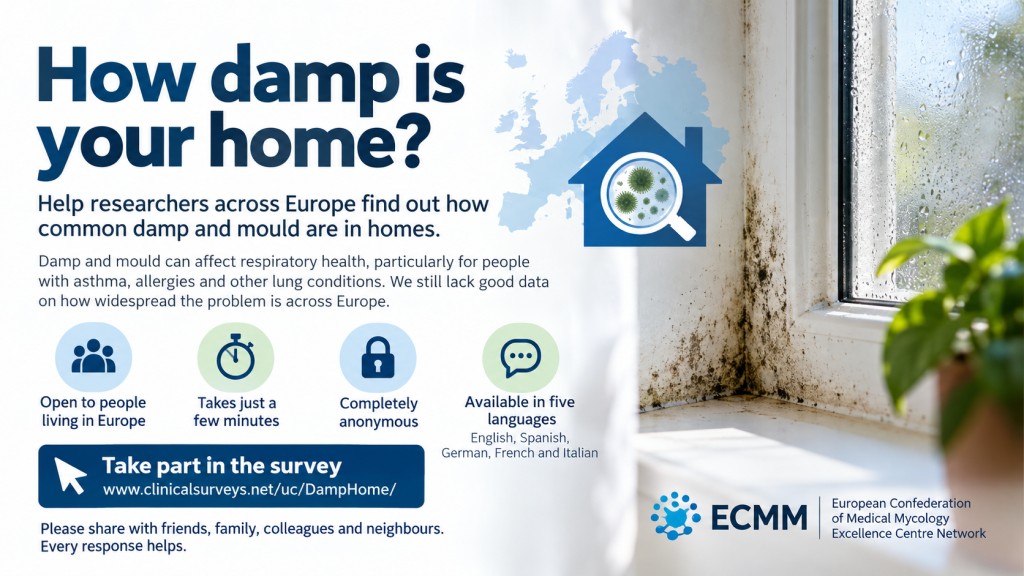
5. Housing and damp are recognised as infection risks
The chapter Housing and Infection (section 7.2) discusses how substandard housing—including damp and mould—drives respiratory illness.
Although not Aspergillus-specific, it gives important public health backing for patients needing remediation and better housing conditions.
6. The report strengthens the case for national fungal surveillance
Key recommendations include:
-
Improving surveillance of antimicrobial and antifungal resistance
-
Better mapping of emerging pathogens
-
More research into fungal diseases
These system-level improvements directly benefit aspergillosis patients by helping earlier detection and better treatment options.
7. It raises awareness of fungal disease at national level
Simply being included in a flagship CMO report is important.
It means:
-
Policymakers can no longer overlook fungal infections
-
Funding for mycology services becomes easier to justify
-
Clinicians across the NHS will become more aware of CPA, ABPA and related diseases
-
It helps reduce the years-long diagnostic delays many patients face
In short — why Aspergillus patients should care
The 2025 CMO Annual Report is one of the most influential documents shaping future infectious disease strategy in England. For aspergillosis patients, it is important because:
✓ Fungal infections are explicitly highlighted as a growing threat
✓ Specialist mycology services are recognised as essential
✓ Antifungal resistance is identified as a major risk requiring action
✓ Better diagnosis and monitoring of at-risk groups is encouraged
✓ Housing, climate, age and vulnerability—all major issues for patients—are addressed
✓ It strengthens the case for investment in NAC and wider mycology networks
This report can be used by patient groups, NAC advocates, and healthcare professionals to press for:
-
More referrals
-
Better awareness among GPs and respiratory teams
-
Expanded mycology diagnostic capacity
-
Greater research funding
-
Better antifungal stewardship
-
National fungal surveillance

Did this page help you?
Tell us in one minute