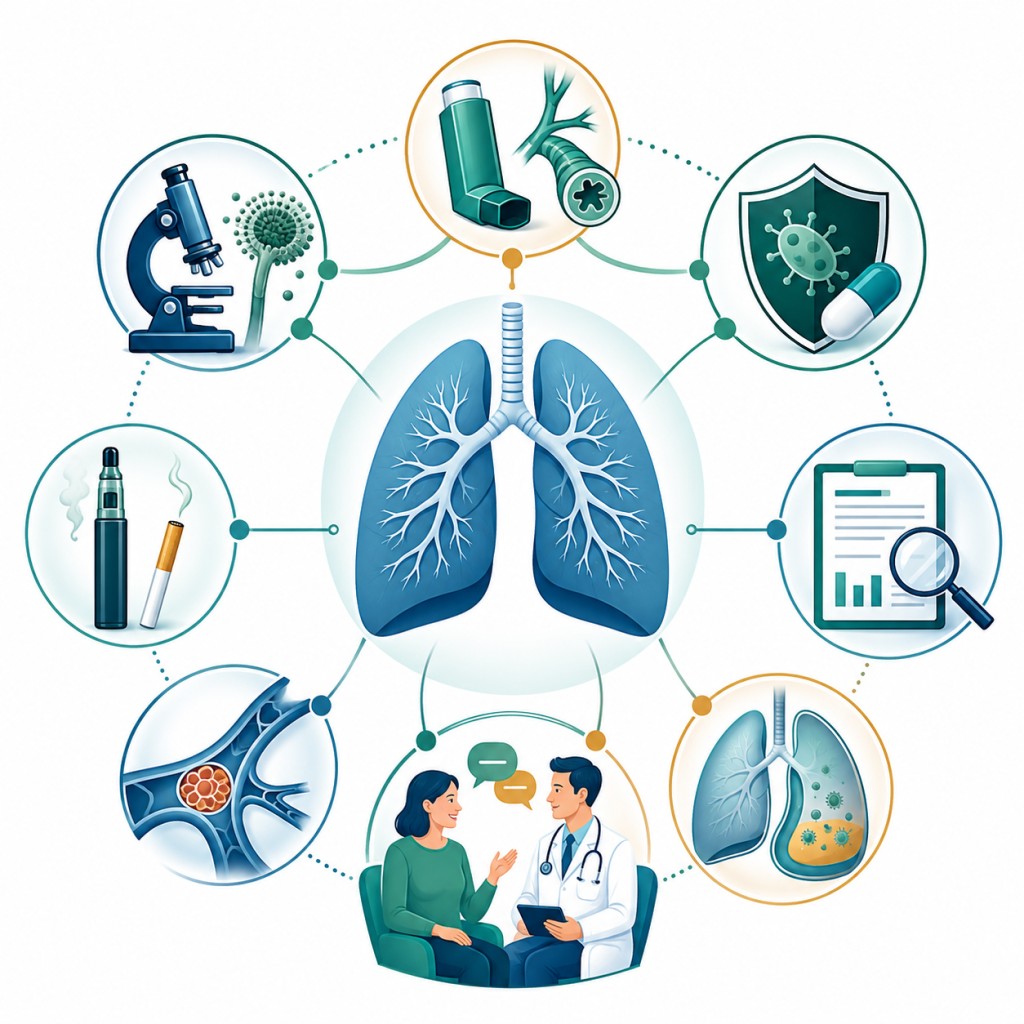
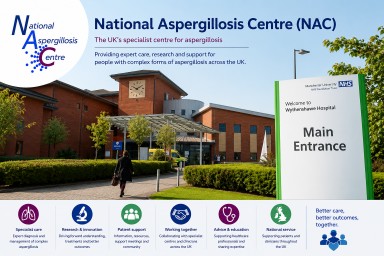
National Aspergillosis Centre infographic showing specialist care, patient support, education, research and multidisciplinary services for Chronic Pulmonary Aspergillosis patients across the UK.

More Than a Referral Centre: How the National Aspergillosis Centre Supports Patients and Healthcare Professionals Across the UK

National Aspergillosis Centre infographic showing specialist care, patient support, education, research and multidisciplinary services for Chronic Pulmonary Aspergillosis patients across the UK.
The National Aspergillosis Centre provides specialist diagnosis, treatment, patient support, education and research for people living with Chronic Pulmonary Aspergillosis throughout the UK.

Combining specialist clinical care, diagnostics, multidisciplinary expertise, patient support, education and research to improve outcomes for people living with Chronic Pulmonary Aspergillosis.

The National Aspergillosis Centre (NAC) was established by NHS England to provide highly specialised care for people living with Chronic Pulmonary Aspergillosis (CPA), a serious fungal lung disease that can develop in patients with pre-existing respiratory conditions.

Over the last sixteen years the service has evolved into much more than a referral clinic. Today, NAC combines specialist clinical care, advanced diagnostics, multidisciplinary expertise, patient support, education and research, working alongside local healthcare teams throughout the UK.

Many clinicians are familiar with NAC as a specialist referral service. However, fewer may be aware of the breadth of support available through the centre, including specialist multidisciplinary team discussions, diagnostic expertise, physiotherapy, nursing support, pharmacy services, patient education programmes and nationally recognised fungal diagnostics.

This article provides an overview of how NAC supports both patients and healthcare professionals in the diagnosis and management of Chronic Pulmonary Aspergillosis.

"The National Aspergillosis Centre exists not only to care for patients with Chronic Pulmonary Aspergillosis, but also to support healthcare professionals throughout the UK in diagnosing and managing this complex condition."

Contents

Why specialist support matters

Chronic Pulmonary Aspergillosis (CPA) is a serious fungal lung disease that can develop in people with pre-existing respiratory conditions including bronchiectasis, Chronic Obstructive Pulmonary Disease (COPD), previous tuberculosis, sarcoidosis and other structural lung diseases.

Patients may present with chronic cough, breathlessness, fatigue, weight loss, recurrent chest infections or haemoptysis. These symptoms frequently overlap with more common respiratory conditions, making diagnosis challenging.

CPA remains a relatively uncommon disease and many clinicians may encounter only a small number of cases during their careers. As a result, specialist support can be valuable when diagnosis is uncertain, investigations are difficult to interpret or treatment becomes complex.

The National Aspergillosis Centre was established to provide that support.

What does the National Aspergillosis Centre do?

NAC is commissioned by NHS England to provide highly specialised care for patients with Chronic Pulmonary Aspergillosis.

The service supports patients through:

  • Specialist assessment and diagnosis
  • Multidisciplinary review of complex cases
  • Long-term disease monitoring
  • Antifungal treatment planning and optimisation
  • Therapeutic drug monitoring
  • Assessment and management of antifungal resistance
  • Management of drug interactions and adverse effects
  • Specialist physiotherapy support
  • Specialist nursing support
  • Access to clinical research and trials

Every new CPA diagnosis is reviewed within a specialist multidisciplinary team, helping to ensure a consistent and evidence-based approach to diagnosis and management.

NAC in 2023–24

  • 209 referrals assessed for aspergillosis
  • 101 new confirmed CPA diagnoses
  • 311 patients under active specialist follow-up
  • 71 external cases discussed through the National MDT
  • 56 remote advice and guidance consultations

Working with local teams

One of the most common misconceptions about referral is that patients must transfer all of their care to Manchester.

In reality, NAC operates primarily through a shared-care model.

Wherever possible, investigations, imaging, monitoring and routine care are organised locally, with NAC providing specialist input and treatment recommendations. This approach allows patients to benefit from national expertise while remaining close to home.

The service also supports healthcare professionals through remote advice, specialist consultation and participation in the National Multidisciplinary Team (MDT) meeting.

For many clinicians, discussing a case through the MDT can help clarify diagnosis, identify additional investigations and support treatment decisions before or alongside formal referral.

Benefits for patients

Patients referred to NAC gain access to one of the world's largest specialist CPA services.

Benefits include:

  • Specialist review by clinicians with extensive experience in fungal lung disease
  • Diagnostic clarification and confirmation
  • Optimisation of antifungal therapy
  • Management of treatment-related complications
  • Access to specialist physiotherapy and nursing support
  • Educational resources and self-management support
  • Opportunities to participate in research

For many patients, specialist review provides reassurance, a clearer understanding of their condition and confidence in their treatment plan.

Benefits for healthcare professionals

The National Aspergillosis Centre exists not only to support patients, but also to support healthcare professionals.

Referral or specialist discussion may be particularly useful when:

  • The diagnosis remains uncertain
  • Radiological findings are difficult to interpret
  • Patients are not responding as expected
  • Antifungal toxicity develops
  • Resistance is suspected
  • A specialist second opinion would be valuable

Clinicians also gain access to expertise in therapeutic drug monitoring, antifungal stewardship, complex fungal diagnostics and long-term disease management.

Each referral creates opportunities for shared learning, helping local teams build experience and confidence in recognising and managing aspergillosis.

Patient support and education

One of the most distinctive features of the National Aspergillosis Centre is the support available beyond routine clinical care.

Many patients referred to NAC have experienced a long and sometimes frustrating journey to diagnosis. Symptoms may have been present for months or years before Chronic Pulmonary Aspergillosis is recognised.

Following diagnosis, patients are often faced with an unfamiliar condition and may encounter alarming information online that relates to very different forms of aspergillosis. It is therefore common for patients and families to feel anxious, isolated and uncertain about what the future may hold.

For this reason, patient support forms an important part of the NAC service.

Through the Community, Awareness, Research, Education and Support (CARES) programme, patients have access to:

  • Regular patient support meetings
  • Educational webinars and presentations
  • Health and wellbeing sessions
  • Patient newsletters
  • Online information resources
  • The Aspergillosis Patients and Carers website
  • Peer support opportunities

One of the most common comments from newly diagnosed patients is the relief of discovering that they are not facing the condition alone. Meeting others living with aspergillosis and having access to trusted information can make a significant difference to confidence, understanding and long-term self-management.

"For many patients, finding the CARES programme is the moment they realise they are no longer facing aspergillosis on their own."

By combining specialist clinical care with education, support and community, NAC aims to help patients and families feel informed, supported and empowered throughout their journey.

Research, education and innovation

The National Aspergillosis Centre works closely with the Mycology Reference Centre Manchester (MRCM), one of Europe's leading specialist fungal diagnostic laboratories.

Together, NAC and MRCM contribute to:

  • Clinical trials of new antifungal therapies
  • Development of new diagnostic techniques
  • Antifungal resistance surveillance
  • National and international clinical guidelines
  • Professional education and training
  • Patient-centred research

The partnership has been recognised internationally through European Confederation of Medical Mycology (ECMM) Diamond Centre of Excellence status.

This close integration of clinical care, diagnostics, education and research helps ensure that patients benefit from the latest developments in fungal disease management.

Why awareness still matters

Chronic Pulmonary Aspergillosis remains an under-recognised disease worldwide.

Many patients present with symptoms that overlap with more common respiratory conditions such as COPD, bronchiectasis or previous tuberculosis. As a result, diagnosis can sometimes be delayed or missed.

This is not because clinicians are failing. CPA is an uncommon disease that can closely resemble more familiar respiratory conditions.

The role of NAC is therefore not simply to provide specialist treatment, but also to support earlier recognition of CPA through education, diagnostic support and collaborative working with healthcare professionals throughout the UK.

By raising awareness and improving access to specialist expertise, we hope to help more patients receive timely diagnosis, appropriate treatment and long-term support.

Further resources

Working together

The National Aspergillosis Centre was established to ensure that patients with Chronic Pulmonary Aspergillosis have access to specialist expertise wherever they live.

Through shared-care working, multidisciplinary collaboration, specialist diagnostics, patient support, education and research, NAC continues to work alongside healthcare professionals throughout the UK to improve outcomes for people living with fungal lung disease.

Whether through referral, multidisciplinary discussion, specialist advice or educational resources, our aim remains the same: helping clinicians diagnose and manage aspergillosis with confidence while ensuring patients receive the support they need.

NAC is more than a referral centre. It is a national resource for patients, clinicians and healthcare services working together to improve the diagnosis and management of Chronic Pulmonary Aspergillosis.


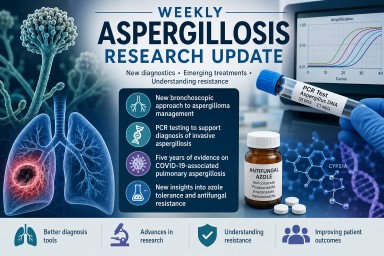
Scientific illustration showing Aspergillus research, antifungal susceptibility testing, therapeutic drug monitoring and clinical management featured in the May 2026 Professional Aspergillosis Update.

Professional Aspergillosis Update: May 2026

Audience: respiratory physicians, infectious diseases physicians, clinical microbiologists, haematologists, pharmacists, specialist nurses, laboratory scientists and researchers with an interest in aspergillosis.

Purpose of this update: to highlight recent papers that may be clinically relevant to aspergillosis care, antifungal stewardship, diagnostics, invasive mould disease management, and future research. This update is intended to help busy professionals identify papers worth reading in full.


Contents


Key messages

  • Isavuconazole therapeutic drug monitoring may have a selective role. Although isavuconazole is usually more predictable than voriconazole, real-world pharmacokinetic variability remains clinically relevant in some patients.
  • Posaconazole prophylaxis should not automatically be avoided with midostaurin. The interaction is real, but clinical consequences may often be manageable with careful monitoring.
  • Surrogate azole susceptibility testing has limits. Voriconazole gradient diffusion testing may help screen for broader azole resistance, but it should not replace direct susceptibility testing where treatment decisions depend on the result.
  • Invasive fungal sinusitis remains a high-mortality emergency in haematological malignancy. Early tissue diagnosis, ENT involvement and multidisciplinary management remain central.
  • Non-fumigatus Aspergillus species are becoming more important research targets. New CRISPR-Cas9 tools for Aspergillus calidoustus may support future work on virulence and antifungal resistance.

Top papers this month

1. Isavuconazole pharmacokinetics and pharmacodynamics in real-world practice

Guidi M, Couchepin J, Reinhold I, Kronig I, Neofytos D, Schreiber PW, André P, Buclin T, Lamoth F.
Characterization of isavuconazole pharmacokinetics and pharmacodynamics in a real-life cohort.
JAC Antimicrobial Resistance. 2026;8(3):dlag071.
PMID: 42088097

Why this paper was selected

Isavuconazole is increasingly used for invasive aspergillosis because of its favourable safety profile and generally more predictable pharmacokinetics compared with voriconazole. This study provides important real-world evidence that clinically relevant interpatient variability still occurs and that therapeutic drug monitoring may have a role in selected patients.

Key findings

  • Isavuconazole showed relatively predictable pharmacokinetics overall.
  • Clinically relevant variability in drug exposure was still observed between patients.
  • Therapeutic drug monitoring identified patients with atypically low or high exposure.
  • Exposure relative to fungal minimum inhibitory concentration may be more informative than plasma concentration alone.
  • No strong concentration-dependent toxicity signal was observed within the exposure range studied.

Clinical significance

This paper challenges the assumption that isavuconazole therapeutic drug monitoring is rarely useful. While the findings do not justify universal routine monitoring, they support selective monitoring in complex patients, particularly where there is treatment failure, suspected malabsorption, significant drug interactions, unusual body composition, long-term therapy, or infection with isolates showing elevated minimum inhibitory concentrations.

Implications for practice

Classification: Important but not yet practice changing.

The study supports a more individualised approach to isavuconazole use. It also reinforces the direction of travel in antifungal stewardship: interpreting drug exposure alongside fungal susceptibility rather than considering plasma concentrations in isolation.

Evidence assessment

Evidence quality: Moderate. The real-world dataset and pharmacokinetic-pharmacodynamic modelling strengthen the evidence base, but the observational design limits causal inference and definitive exposure targets were not established.

Editorial assessment

This is one of the most clinically relevant antifungal pharmacology papers in this update. It does not establish mandatory isavuconazole monitoring, but it provides a strong argument for selective therapeutic drug monitoring in high-risk or complex aspergillosis patients.


2. Managing posaconazole and midostaurin interactions in FLT3-mutated AML

Joisten CS, Mellinghoff SC, Seidel D, Müller C, Müller-Ohrem C, Kreuzer K-A, Frenzel LP, Simon F, Hallek M, Koehler P, Cornely OA, Stemler J.
Clinical impact of potential drug-drug interactions between midostaurin and posaconazole in FLT3-mutated AML.
Antimicrobial Agents and Chemotherapy. 2026;70(6):e01951-25.
PMID: 42118097

Why this paper was selected

Posaconazole prophylaxis is central to prevention of invasive aspergillosis in patients undergoing intensive acute myeloid leukaemia treatment. Midostaurin is metabolised through CYP3A4, and posaconazole is a potent CYP3A4 inhibitor. This study addresses a common real-world dilemma: whether this interaction should alter antifungal prophylaxis practice.

Key findings

  • The pharmacokinetic interaction between posaconazole and midostaurin was confirmed.
  • Clinical toxicity appeared less severe than theoretical concerns might suggest.
  • Many patients were able to receive both agents without major treatment-limiting toxicity.
  • Individual variability in exposure and tolerability remained important.
  • The findings support continued attention to monitoring rather than automatic avoidance of posaconazole.

Clinical significance

This paper is important because it addresses an immediate bedside decision. Avoiding posaconazole because of interaction concerns may leave high-risk acute myeloid leukaemia patients vulnerable to invasive aspergillosis. The study suggests that the interaction is clinically manageable in many patients when appropriate monitoring and multidisciplinary oversight are in place.

Implications for practice

Classification: Important but not yet practice changing.

The paper supports continued use of posaconazole prophylaxis where clinically indicated, with careful monitoring for toxicity and close collaboration between haematology, infectious diseases, microbiology and pharmacy teams.

Evidence assessment

Evidence quality: Moderate. The study is clinically relevant and real-world, but observational. It does not establish definitive dose-adjustment protocols or replace existing guideline recommendations.

Editorial assessment

The key message is that proven antifungal prophylaxis should not be abandoned solely because of theoretical interaction concerns. The interaction is real, but careful monitoring is generally preferable to withholding protection against invasive aspergillosis in a very high-risk group.


3. Can voriconazole susceptibility predict isavuconazole or posaconazole susceptibility?

Vahedi-Shahandashti R, Nickel A-S, Eisele D, Lass-Flörl C; ISHAM Working Group Member of Intrinsic Antifungal Resistance.
Can voriconazole gradient diffusion testing results be extrapolated to isavuconazole and posaconazole in Aspergillus spp.? Comparative analysis with CLSI broth microdilution and cyp51A gene sequencing.
Antimicrobial Agents and Chemotherapy. 2026;70(6):e01813-25.
PMID: 42138696

Why this paper was selected

Azole resistance in Aspergillus species is a growing problem, but not all laboratories can perform comprehensive susceptibility testing for every triazole. This paper asks whether voriconazole gradient diffusion testing can be used as a practical surrogate marker for broader azole susceptibility.

Key findings

  • Voriconazole susceptibility often correlated with broader azole susceptibility patterns.
  • Elevated voriconazole minimum inhibitory concentrations frequently corresponded with reduced isavuconazole susceptibility.
  • Prediction of posaconazole susceptibility was less reliable.
  • Discordant susceptibility profiles occurred, particularly among resistant isolates.
  • cyp51A sequencing helped explain many resistance patterns but did not account for all phenotypes.

Clinical significance

The study supports voriconazole gradient diffusion testing as a useful first-line screening approach, especially where full reference testing is not immediately available. However, it also highlights a critical limitation: susceptibility to one triazole cannot be assumed to guarantee susceptibility to another.

Implications for practice

Classification: Important but not yet practice changing.

Voriconazole gradient diffusion testing may help identify isolates that require further investigation, but it should not replace direct isavuconazole or posaconazole susceptibility testing where treatment decisions depend on accurate results.

Evidence assessment

Evidence quality: Moderate to high for a laboratory diagnostic study. The use of CLSI broth microdilution and cyp51A sequencing strengthens the analysis, but clinical outcome data were not assessed.

Editorial assessment

This is a practical paper for clinical mycology laboratories. The main message is that surrogate azole testing can support screening and stewardship, but definitive treatment decisions should still be based on agent-specific susceptibility testing and molecular resistance analysis where available.


4. Invasive fungal sinusitis in haematological malignancy

Athni TS, Strauch CB, Kovac V, Arbona-Haddad E, Villa IP, Gupta S, Aleissa MM, Liakos AD, Tong A, Vedula RS, Maxfield AZ, Bergmark RW, Sherman AC.
Invasive fungal sinusitis in patients with hematological malignancies: a 20-year study from a tertiary academic US hospital system.
Open Forum Infectious Diseases. 2026;13(6):ofag304.
PMID: 42238379

Why this paper was selected

Invasive fungal sinusitis is a severe but less commonly discussed manifestation of invasive mould disease. In haematological malignancy, delayed recognition can lead to orbital, intracranial and fatal complications. This 20-year cohort provides useful long-term clinical insight.

Key findings

  • Aspergillus species and Mucorales were the dominant pathogens.
  • Mortality remained substantial despite modern antifungal therapy and supportive care.
  • Early imaging, endoscopic assessment, tissue biopsy and histopathology remained central to diagnosis.
  • Successful management frequently required combined medical and surgical approaches.
  • Multidisciplinary care involving haematology, infectious diseases, ENT, microbiology and radiology was essential.

Clinical significance

This study reinforces that invasive aspergillosis is not solely a pulmonary disease. Sinonasal invasive fungal disease remains an emergency in profoundly immunocompromised patients. Distinguishing aspergillosis from mucormycosis is particularly important because antifungal treatment choices differ substantially.

Implications for practice

Classification: Important but not practice changing.

The paper reinforces existing best practice: early suspicion, urgent ENT involvement, tissue diagnosis, prompt antifungal therapy and multidisciplinary management.

Evidence assessment

Evidence quality: Moderate. The long observation period and detailed clinical experience are strengths, but the retrospective single-system design limits causal conclusions.

Editorial assessment

This paper is a useful reminder that early recognition remains one of the strongest determinants of outcome in invasive fungal disease. Persistent or atypical sinus symptoms in high-risk haematology patients should prompt urgent assessment rather than routine treatment as uncomplicated bacterial sinusitis.


Important development

5. Invasive mould infections in transplant recipients

Sudhaharan S, Pamidimukkala U, Bojja S, Raju DSB, Kk R, Gopal PSS.
Invasive mold infections among transplant recipients: a single-center observational study.
Journal de Mycologie Médicale / Journal of Medical Mycology. 2026;36(2):101629.
DOI: 10.1016/j.mycmed.2026.101629

Why this paper was selected

Transplant recipients remain a key high-risk population for invasive aspergillosis and other invasive mould infections. This observational study provides contemporary real-world data on presentation, diagnosis, microbiology, treatment and outcomes in a transplant centre.

Key findings

  • Aspergillus species remained the predominant mould pathogen.
  • Pulmonary disease was the most common presentation.
  • Diagnosis required multimodal assessment combining clinical, radiological and mycological data.
  • Invasive mould infections remained associated with substantial morbidity and mortality.
  • Earlier diagnosis was associated with more favourable outcomes.

Clinical significance

The study confirms rather than changes current understanding. Its main value is as a contemporary reminder that invasive aspergillosis remains a major threat in transplantation despite advances in prophylaxis, diagnostics and antifungal treatment.

Implications for practice

Classification: Important but not practice changing.

The findings support ongoing vigilance, rapid investigation pathways, early multidisciplinary input and antifungal stewardship in transplant programmes.

Evidence assessment

Evidence quality: Moderate. Real-world applicability is useful, but the single-centre observational design and modest sample size limit generalisability.

Editorial assessment

This paper does not introduce a new management strategy, but it reinforces an enduring message: invasive aspergillosis outcomes in transplant recipients remain strongly dependent on early recognition and timely treatment.


Research horizon

6. CRISPR-Cas9 gene editing in Aspergillus calidoustus

Hollomon JM, Dahlstrom KM.
CRISPR-Cas9-mediated targeted gene deletion in Aspergillus calidoustus, a non-model environmental mold.
Microbiology Spectrum. 2026;14(6):e03899-25.
PMID: 42112836

Why this paper was selected

Most molecular understanding of pathogenic Aspergillus species comes from Aspergillus fumigatus. This study establishes a CRISPR-Cas9 gene-editing system for Aspergillus calidoustus, an emerging opportunistic mould with clinical relevance and reduced susceptibility to some antifungals.

Key findings

  • The authors successfully developed a CRISPR-Cas9 platform for targeted gene deletion in A. calidoustus.
  • The system provides a method for functional genetic studies in a previously less tractable species.
  • The platform may support future research into virulence, environmental adaptation, antifungal resistance and novel drug targets.

Clinical significance

There is no immediate clinical application. However, the study is important as enabling science. As non-fumigatus Aspergillus species are increasingly recognised in clinical practice, tools that allow their biology to be studied directly may become increasingly valuable.

Implications for practice

Classification: Early-stage research requiring further validation.

This paper does not alter clinical management, diagnostics or guidelines. Its value lies in supporting future translational research.

Editorial assessment

This is a foundational research paper. It will not change patient care today, but it may help build the scientific infrastructure needed to understand emerging mould pathogens and their resistance mechanisms over the next decade.


Clinical pearl

7. Primary traumatic cutaneous aspergillosis caused by Aspergillus terreus

Ing SK, Lee YH, Tan YY, Aziz MBA, Chang AKW.
Primary traumatic cutaneous aspergillosis of the hand caused by Aspergillus terreus following a mould-contaminated penetrating injury.
Medical Mycology Case Reports. 2026;52:100798.
PMID: 42237979

Why this case was noted

This case report describes primary traumatic cutaneous aspergillosis of the hand caused by Aspergillus terreus following a mould-contaminated penetrating injury.

Clinical take-home points

  • Aspergillosis is not always acquired through inhalation.
  • Direct traumatic inoculation can cause localised Aspergillus infection.
  • Persistent or atypical wounds following mould-contaminated trauma should prompt consideration of fungal infection.
  • Tissue sampling is essential for diagnosis.
  • Species-level identification matters because Aspergillus terreus is intrinsically resistant to amphotericin B.

Editorial assessment

This is not a practice-changing paper, but it is a useful educational case. It broadens clinical awareness beyond pulmonary aspergillosis and highlights the importance of early tissue diagnosis when wounds behave unexpectedly after contaminated trauma.


Overall editorial summary

The May 2026 literature contains several papers that are useful for clinicians and laboratory professionals working in aspergillosis and invasive mould disease. The strongest clinical themes are antifungal stewardship, drug exposure, azole resistance, and the continued importance of early diagnosis in high-risk populations.

The isavuconazole pharmacokinetic-pharmacodynamic study and the midostaurin-posaconazole interaction paper are particularly relevant because they address practical treatment decisions. The azole susceptibility study is highly relevant to clinical mycology laboratories and reinforces the need for careful interpretation of surrogate resistance testing. The invasive fungal sinusitis and transplant studies reinforce a familiar but important message: outcomes remain closely linked to early recognition, tissue diagnosis where appropriate, and multidisciplinary management.

Finally, the CRISPR-Cas9 paper and traumatic cutaneous aspergillosis case illustrate the breadth of modern aspergillosis research, from molecular tools for emerging moulds to unusual clinical presentations outside the respiratory tract.


References

  1. Guidi M, Couchepin J, Reinhold I, Kronig I, Neofytos D, Schreiber PW, André P, Buclin T, Lamoth F. Characterization of isavuconazole pharmacokinetics and pharmacodynamics in a real-life cohort. JAC Antimicrobial Resistance. 2026;8(3):dlag071. PMID: 42088097
  2. Joisten CS, Mellinghoff SC, Seidel D, Müller C, Müller-Ohrem C, Kreuzer K-A, Frenzel LP, Simon F, Hallek M, Koehler P, Cornely OA, Stemler J. Clinical impact of potential drug-drug interactions between midostaurin and posaconazole in FLT3-mutated AML. Antimicrobial Agents and Chemotherapy. 2026;70(6):e01951-25. PMID: 42118097
  3. Vahedi-Shahandashti R, Nickel A-S, Eisele D, Lass-Flörl C; ISHAM Working Group Member of Intrinsic Antifungal Resistance. Can voriconazole gradient diffusion testing results be extrapolated to isavuconazole and posaconazole in Aspergillus spp.? Comparative analysis with CLSI broth microdilution and cyp51A gene sequencing. Antimicrobial Agents and Chemotherapy. 2026;70(6):e01813-25. PMID: 42138696
  4. Athni TS, Strauch CB, Kovac V, Arbona-Haddad E, Villa IP, Gupta S, Aleissa MM, Liakos AD, Tong A, Vedula RS, Maxfield AZ, Bergmark RW, Sherman AC. Invasive fungal sinusitis in patients with hematological malignancies: a 20-year study from a tertiary academic US hospital system. Open Forum Infectious Diseases. 2026;13(6):ofag304. PMID: 42238379
  5. Sudhaharan S, Pamidimukkala U, Bojja S, Raju DSB, Kk R, Gopal PSS. Invasive mold infections among transplant recipients: a single-center observational study. Journal de Mycologie Médicale / Journal of Medical Mycology. 2026;36(2):101629. DOI: 10.1016/j.mycmed.2026.101629
  6. Hollomon JM, Dahlstrom KM. CRISPR-Cas9-mediated targeted gene deletion in Aspergillus calidoustus, a non-model environmental mold. Microbiology Spectrum. 2026;14(6):e03899-25. PMID: 42112836
  7. Ing SK, Lee YH, Tan YY, Aziz MBA, Chang AKW. Primary traumatic cutaneous aspergillosis of the hand caused by Aspergillus terreus following a mould-contaminated penetrating injury. Medical Mycology Case Reports. 2026;52:100798. PMID: 42237979

Article information

Prepared for: aspergillosis.org professionals section

Intended audience: healthcare professionals and researchers

Article type: monthly professional literature update

Coverage period: May 2026

Last reviewed: June 2026


Infographic showing how the UK infection workforce report could improve aspergillosis diagnosis, fungal specialist care, digital health and patient outcomes

What the UK Infection Workforce Report Means for Aspergillosis Patients and Specialists

Infographic showing how the UK infection workforce report could improve aspergillosis diagnosis, fungal specialist care, digital health and patient outcomes
The new UK infection-specialist workforce report highlights the growing importance of fungal disease expertise, specialist diagnostics and networked aspergillosis care.

Summary: A major new UK infection-specialist workforce report recognises fungal disease expertise as an essential part of modern healthcare. The report has important implications for aspergillosis diagnosis, specialist services, digital care, antifungal stewardship and future workforce planning.

Key points

  • Medical mycology is now recognised as part of essential UK infection infrastructure.
  • Rising immunosuppression and chronic lung disease are increasing demand for aspergillosis expertise.
  • The report supports networked specialist care, closely matching the National Aspergillosis Centre model.
  • Advanced fungal diagnostics and specialist interpretation are increasingly important.
  • Digital and community-based care could improve access for patients living far from specialist centres.
  • Antifungal stewardship and resistance monitoring are likely to become much more prominent.

Why was this report produced?

This report was produced in 2026 by a coalition of the UK’s leading infection societies, including organisations representing infectious diseases physicians, microbiologists, virologists, infection prevention specialists, pharmacists, laboratory scientists and medical mycologists.

It reflects growing concern that the UK infection-specialist workforce is under increasing strain at a time when infectious diseases are becoming more complex, more resistant to treatment and more internationally connected.

The report was produced in response to several major pressures affecting the NHS and wider healthcare system:

  • the long-term impact of the COVID-19 pandemic;
  • rising antimicrobial resistance (AMR);
  • an ageing population with more chronic disease;
  • increasing use of immunosuppressive medicines, biologics and transplantation;
  • workforce shortages in infection specialties;
  • concerns about future pandemics and emerging infections;
  • growing demand for complex diagnostics and specialist infection advice;
  • the NHS shift toward community and digitally enabled care.

The report also aligns closely with the NHS 10-Year Plan and wider UK health-security planning. It repeatedly refers to the need for three major shifts in healthcare delivery:

  • moving care from hospital to community;
  • shifting from reacting to illness toward prevention;
  • accelerating digital and data-driven healthcare systems.

Importantly for aspergillosis and fungal disease, the report recognises that modern infection medicine now extends far beyond traditional bacterial infections. Infection specialists are increasingly dealing with:

  • complex fungal infections;
  • drug-resistant organisms;
  • infections linked to immunosuppression;
  • global travel and climate change;
  • high-risk vulnerable patients;
  • and emerging pathogens.

The report can therefore be seen as both:

  1. a warning that infection services are under significant pressure and risk workforce shortages; and
  2. a strategic argument for greater investment in specialist infection expertise, diagnostics, digital infrastructure and networked care.

For aspergillosis specialists, one of the most important aspects is that medical mycology and fungal diagnostics are now being recognised as part of essential national infection infrastructure rather than as peripheral specialist services.

In many ways, the report reflects lessons learned during the COVID-19 pandemic. During COVID, the NHS saw how rapidly infection services, diagnostics, surveillance systems and specialist expertise became critical to national resilience. The experience also highlighted how vulnerable immunocompromised patients are to opportunistic infections, including fungal disease such as COVID-associated pulmonary aspergillosis (CAPA).

The report therefore represents a broader move toward building a more resilient, better-connected and more prevention-focused infection system for the future.

1. Fungal disease expertise is recognised as core infection infrastructure

One of the most significant implications is that the report explicitly includes mycologists and fungal diagnostics specialists within the UK infection-specialist workforce.

This matters because fungal disease services have often been under-recognised compared with bacterial and viral infection services. For aspergillosis specialists, the report strengthens the argument that medical mycology is not a niche extra, but a necessary part of safe, modern infection care.

For patients, this recognition may help support better access to specialist fungal expertise, particularly for complex conditions such as chronic pulmonary aspergillosis (CPA), allergic bronchopulmonary aspergillosis (ABPA) and invasive aspergillosis.

2. Aspergillosis is likely to become more important

The report highlights several pressures on infection services, including ageing populations, multi-morbidity and increasing use of immunosuppressive treatments. These are also major risk factors for Aspergillus-related disease.

This means clinicians may see increasing numbers of patients with:

  • chronic pulmonary aspergillosis (CPA);
  • invasive aspergillosis;
  • Aspergillus disease in bronchiectasis;
  • Aspergillus complications in people receiving biologics, chemotherapy or transplant medicines;
  • azole-resistant Aspergillus infections.

For patients, this could eventually mean better awareness and diagnosis. However, unless the specialist workforce grows, increased recognition may also place more pressure on already stretched fungal services.

3. The report supports networked specialist care

The report strongly supports regional and national specialist networks, shared expertise, multidisciplinary team working and digital advice models.

This is highly relevant to aspergillosis. Many patients are looked after locally by respiratory, microbiology or infectious diseases teams, but need input from specialist fungal centres for diagnosis, treatment decisions and monitoring.

This supports a model where local teams remain involved, but have rapid access to national fungal expertise when needed.

4. Diagnostics are central to better aspergillosis care

Aspergillosis is often difficult to diagnose. Test results need careful interpretation because Aspergillus can represent colonisation, allergy, chronic infection or invasive disease depending on the clinical context.

The report’s focus on rapid diagnostics, molecular testing, genomics, digital laboratory systems and expert interpretation is therefore highly relevant.

For aspergillosis, improved diagnostic pathways could include better access to:

  • Aspergillus immunoglobulin G (IgG);
  • Aspergillus immunoglobulin E (IgE);
  • galactomannan testing;
  • fungal polymerase chain reaction (PCR);
  • azole resistance testing;
  • fungal culture and sequencing;
  • specialist radiology review.

For patients, this could mean fewer missed diagnoses, shorter diagnostic delays and more personalised treatment.

5. Community and digital care could help patients

The report supports moving appropriate care closer to home, using outpatient antimicrobial therapy, virtual services and digitally enabled community pathways.

For people with aspergillosis, this could be very beneficial. Many patients have long-term breathlessness, fatigue and mobility limitations, and may live far from specialist centres.

Potential benefits include:

  • fewer long-distance hospital visits;
  • remote monitoring of symptoms and test results;
  • shared-care arrangements with local hospitals;
  • virtual multidisciplinary team review;
  • faster specialist advice for local clinicians.

However, fungal disease management is complex. Community pathways must still include specialist oversight because antifungal treatment can involve drug interactions, liver toxicity, therapeutic drug monitoring, adrenal suppression and resistance issues.

6. Antifungal stewardship should become more prominent

The report focuses heavily on antimicrobial stewardship. Although much of this is framed around antibiotics, the same principles apply to antifungal medicines.

For aspergillosis care, antifungal stewardship means using the right antifungal, at the right dose, for the right duration, with careful monitoring.

This is especially important because of:

  • azole resistance in Aspergillus fumigatus;
  • long courses of antifungal treatment;
  • drug interactions with steroids, anticoagulants, immunosuppressants and other medicines;
  • the need for therapeutic drug monitoring;
  • side effects affecting the liver, skin, nerves or adrenal system.

For patients, better antifungal stewardship should mean safer and more effective treatment.

7. Fungal disease has a role in pandemic preparedness

The report includes mycology within pandemic preparedness planning. This is important because fungal complications can emerge during major respiratory outbreaks.

COVID-associated pulmonary aspergillosis (CAPA) showed that fungal disease can become highly relevant during pandemics, especially in intensive care and immunocompromised patients.

Future preparedness should therefore include fungal diagnostics, fungal surveillance, resistance monitoring and specialist mycology input.

8. Workforce expansion is essential

The report warns that the infection-specialist workforce is under pressure. This is particularly important for fungal disease because the UK has a limited number of specialist medical mycologists, fungal pharmacists, laboratory scientists and specialist nurses.

For aspergillosis services, workforce planning should include:

  • more medical mycology training opportunities;
  • more specialist fungal pharmacists;
  • more fungal diagnostics scientists;
  • more specialist nurses supporting long-term fungal disease care;
  • protected time for multidisciplinary team meetings and advice services.

Without this, diagnostic delays and unequal access to specialist care may persist.

9. What this means for patients

For patients, the report supports several important messages:

  • fungal disease expertise matters;
  • specialist diagnosis and treatment are important;
  • long-term fungal lung disease requires joined-up care;
  • access to expert advice should not depend too heavily on postcode;
  • digital and shared-care systems could reduce the need for repeated travel;
  • patient education should be part of infection service planning.

The report may also be useful for patient advocacy because it provides national-level support for strengthening infection services, including fungal infection expertise.

10. What is still missing?

Although the report is very helpful, aspergillosis itself is not discussed in detail. Areas that would benefit from stronger future emphasis include:

  • chronic pulmonary aspergillosis (CPA);
  • allergic bronchopulmonary aspergillosis (ABPA);
  • severe asthma with fungal sensitisation (SAFS);
  • Aspergillus bronchitis;
  • azole-resistant Aspergillus;
  • environmental mould exposure and health;
  • long-term patient support and rehabilitation.

This creates an opportunity for aspergillosis specialists, patient groups and charities to build on the report and make the case for more visible fungal disease planning.

Conclusion

This report is a positive development for aspergillosis. It recognises that fungal disease expertise is part of the UK’s essential infection workforce and supports many of the changes aspergillosis patients need: better diagnostics, stronger specialist networks, digital care, community support, workforce expansion and safer antimicrobial use.

The key challenge is ensuring that fungal disease does not remain only briefly mentioned within broader infection policy. Aspergillosis specialists and patient advocates can use this report to argue that fungal infection services need sustained investment, national planning and equitable access across the UK.


Medical infographic explaining antifungal drug interactions in aspergillosis, including steroids, inhalers, supplements and heart medicines.

Why Antifungal Drug Interactions Matter — and How AntifungalInteractions.org Can Help

Medical infographic explaining antifungal drug interactions in aspergillosis, including steroids, inhalers, supplements and heart medicines.
Antifungal medicines used in aspergillosis can interact with many common medicines and supplements. Specialist resources such as AntifungalInteractions.org can help patients and healthcare professionals understand these risks.

Key points

  • Antifungal medicines used in aspergillosis can interact with many common medicines and supplements.
  • Some interactions are mild, while others can significantly affect drug levels or side effects.
  • Interactions may involve steroids, inhalers, antibiotics, heart medicines, acid suppressants and herbal supplements.
  • Patients should always tell healthcare teams about all medicines, vitamins and supplements they take.
  • AntifungalInteractions.org is a specialist resource designed to help healthcare professionals and patients understand potential antifungal interactions.

Why do antifungal interactions matter so much?

The antifungal medicines used to treat aspergillosis are powerful and highly specialised drugs. They are extremely important in controlling fungal disease, but many also affect the way the body processes other medicines.

This is particularly true for azole antifungals such as:

  • itraconazole,
  • voriconazole,
  • posaconazole,
  • isavuconazole.

These medicines are processed through enzyme systems in the liver, especially the cytochrome P450 system. Unfortunately, many other medicines also use these same pathways.

This means antifungals can sometimes:

  • increase levels of other medicines,
  • reduce levels of other medicines,
  • increase side effects,
  • affect liver function,
  • change how well treatments work.

Because aspergillosis patients often take several medicines at the same time, interactions become particularly important.

Common medicines that may interact with antifungals

Not every interaction is dangerous, and many medicines can still be used safely with careful monitoring. However, some combinations require dose adjustments or additional caution.

Steroids and inhalers

Many patients with allergic bronchopulmonary aspergillosis (ABPA), severe asthma or bronchiectasis take steroid medicines.

Interactions can occur with:

  • prednisolone,
  • methylprednisolone,
  • inhaled steroids such as fluticasone or budesonide.

Azole antifungals can increase steroid exposure, potentially increasing the risk of side effects such as:

  • weight gain,
  • skin thinning,
  • high blood sugar,
  • adrenal suppression,
  • mood changes.

Heart medicines

Some antifungals can affect heart rhythm or interact with medicines used for:

  • high blood pressure,
  • irregular heartbeat,
  • blood thinning,
  • cholesterol management.

This is one reason doctors and pharmacists carefully review medication lists before starting antifungal treatment.

Acid suppressants

Medicines used for acid reflux or stomach protection may affect how well some antifungals are absorbed.

This includes:

  • omeprazole,
  • lansoprazole,
  • esomeprazole,
  • antacid preparations.

In some cases, antifungal levels may become too low to work effectively.

Antibiotics and other anti-infective medicines

Some antibiotics and antifungals can interact in ways that increase side effects or affect the electrical activity of the heart.

This is particularly important in people already taking multiple medicines.

Supplements and herbal remedies

Patients are often surprised that supplements may also interact with antifungals.

Potential concerns include:

  • CBD oil or cannabis products,
  • St John’s Wort,
  • high-dose vitamins,
  • herbal sleep remedies,
  • sports supplements.

“Natural” products can still affect liver enzyme systems and may alter medicine levels.

What is AntifungalInteractions.org?

AntifungalInteractions.org is a specialist online interaction checker designed specifically for antifungal medicines.

The site was developed to help healthcare professionals identify and manage potential interactions involving antifungal drugs.

It is widely used internationally and is regularly updated by specialist pharmacy experts.

Why is it useful?

General drug references do not always provide detailed fungal-specific interaction guidance.

AntifungalInteractions.org focuses specifically on antifungal medicines and often provides:

  • more detailed interaction information,
  • clearer explanations of risks,
  • practical management advice,
  • colour-coded interaction severity ratings.

This can help patients better understand why clinicians sometimes adjust medicines, order blood tests or recommend monitoring.

Can patients use the website themselves?

Yes — many patients find it useful for understanding their treatment better.

However, it is important not to interpret interaction checkers without context.

An interaction warning does not automatically mean:

  • a medicine combination is unsafe,
  • treatment must stop,
  • harm will definitely occur.

Many interactions can be safely managed by:

  • dose adjustments,
  • blood test monitoring,
  • timing changes,
  • careful clinical supervision.

What should patients do?

Patients should try to keep an up-to-date list of:

  • prescription medicines,
  • inhalers,
  • vitamins,
  • supplements,
  • CBD or cannabis products,
  • over-the-counter medicines.

It is particularly important to mention supplements or herbal remedies because these are easily overlooked during clinic visits.

Do not stop medicines without advice

One of the most important messages is that patients should not stop antifungal medicines or other prescribed treatments based only on an online interaction checker.

Antifungal treatment decisions are often carefully balanced against:

  • severity of fungal disease,
  • lung function,
  • other illnesses,
  • alternative treatment options.

Healthcare teams can often safely manage interactions once they are aware of them.

The bottom line

Drug interactions are an important part of antifungal treatment, particularly for people living with aspergillosis who may already take several medicines.

AntifungalInteractions.org is an excellent specialist resource that can help patients and healthcare professionals better understand these interactions.

However, online interaction checkers should support discussions with healthcare professionals rather than replace them.

Useful link

Visit AntifungalInteractions.org

BNF to check any other medication interactions


Author and review information
Prepared as general educational information for people affected by aspergillosis and related lung conditions.
This article does not replace personalised medical advice.

Last reviewed: May 2026


Weekly aspergillosis research update infographic showing diagnostics, treatment challenges, antifungal resistance and patient risk factors

Weekly Aspergillosis Research Update April - May 2026

Search term: aspergillosis
Period covered: late April–early May 2026

Key highlights this week

  • Diagnostics: new evidence for pentraxin-3 and airway galactomannan testing.
  • Treatment: voriconazole dosing may be difficult during ECMO and needs close monitoring.
  • Resistance: azole-resistant Aspergillus fumigatus detected around patient homes in Brazil.
  • Transplant medicine: aspergillosis remains the dominant invasive mould infection after lung transplantation.
  • Future therapies: early laboratory work identifies a possible new antifungal drug target.

1. New diagnostic marker: pentraxin-3 for invasive pulmonary aspergillosis

Sun C et al. Diagnostic value of pentraxin 3 in plasma and bronchoalveolar lavage fluid for invasive pulmonary aspergillosis in non-neutropenic patients: a prospective multicenter clinical study. Emerging Microbes & Infections, 2026.

View on PubMed – PMID: 42054395

This prospective multicentre study looked at pentraxin-3 in blood and bronchoalveolar lavage fluid as a diagnostic marker for invasive pulmonary aspergillosis in patients who are not neutropenic.

Why it matters: diagnosing invasive aspergillosis can be especially difficult in patients outside the classic high-risk groups. This study supports the wider move toward combining tests and biomarkers rather than relying on one result alone.


2. Galactomannan testing in tracheobronchial aspirates after lung transplant

Monforte A et al. Diagnostic value of galactomannan in tracheobronchial aspirate for Aspergillus infection in lung transplant recipients (the GALACTBAS study). Journal of Clinical Microbiology, 2026.

View on PubMed – PMID: 42059612

This study assessed whether galactomannan testing in tracheobronchial aspirates can help diagnose Aspergillus infection in lung transplant recipients.

Why it matters: aspergillosis after lung transplantation often involves the airways. Testing airway samples may support earlier diagnosis and may sometimes be less invasive than deeper lung sampling.


3. Voriconazole levels may vary during ECMO

Yusuff H et al. Time-varying voriconazole clearance during extracorporeal membrane oxygenation. Antimicrobial Agents and Chemotherapy, 2026.

View on PubMed – PMID: 42059809

This paper looked at voriconazole clearance in critically ill patients receiving extracorporeal membrane oxygenation (ECMO).

Why it matters: voriconazole is commonly used to treat invasive aspergillosis, but drug levels can be unpredictable in critical illness. This supports the importance of therapeutic drug monitoring so dosing can be adjusted safely and effectively.


4. Azole-resistant Aspergillus found around patient homes in Brazil

de Barros Rodrigues DK et al. Environmental circulation of Aspergillus fumigatus with reduced susceptibility to agricultural triazole in Brazil: clonal dissemination of potentially resistant genotypes. Mycoses, 2026.

View on PubMed – PMID: 42037564

This study investigated environmental Aspergillus fumigatus around the homes of two patients with suspected aspergillosis caused by resistant isolates.

Why it matters: the findings add to concern that antifungal resistance can arise and circulate in the environment, including through exposure to agricultural triazoles. This is important because azole resistance can make aspergillosis harder to treat.


5. Invasive mould infections after lung transplantation: aspergillosis dominates

Pennington KM et al. Impact of invasive mold infection-coded diagnoses on utilization, costs, and mortality after lung transplantation. Chest, 2026.

View on PubMed – PMID: 42061698

This study assessed invasive mould infection-coded diagnoses after lung transplantation. Aspergillosis was the most common invasive mould infection reported.

Why it matters: lung transplant recipients remain among the highest-risk groups for severe aspergillosis. The study reinforces the need for prevention, early recognition, rapid diagnosis and specialist management.


6. A possible new antifungal target in Aspergillus fumigatus

Storer ISR et al. A protein-protein interaction inhibitor arrests the cell cycle in Aspergillus fumigatus. mBio, 2026.

View on PubMed – PMID: 42053292

This laboratory study explored a compound that interferes with protein-protein interactions and can arrest the cell cycle in Aspergillus fumigatus.

Why it matters: current antifungal options remain limited, and resistance is a growing problem. Early-stage work like this may help identify future antifungal drug classes.


7. Diabetes and fungal infection risk

Kaur H et al. Fungal infections in diabetes mellitus. Indian Journal of Medical Microbiology, 2026.

View on PubMed – PMID: 42061613

This review discusses fungal infections in people with diabetes, including mucormycosis, aspergillosis and cryptococcosis.

Why it matters: diabetes can affect immune function and increase susceptibility to some infections. For patients with existing lung disease, good diabetes management may be one part of reducing overall infection risk.


8. Aspergillosis during cancer immunotherapy

Niravath P et al. A Phase II Study of Docetaxel and Pembrolizumab plus Interleukin 12 Gene Therapy in Nonmetastatic, Anthracycline-Refractory Triple-Negative Breast Cancer (INTEGRAL). Clinical Cancer Research, 2026.

View on PubMed – PMID: 41661218

This cancer therapy study includes a reported case of pulmonary aspergillosis and respiratory failure during treatment.

Why it matters: modern cancer treatments can alter infection risk in complex ways. Aspergillosis should remain on the radar in patients who become unwell during or after intensive cancer therapy.


Other papers noted this week

  • Canakinumab safety pharmacovigilance analysis – relevant to biologic therapy safety and infection monitoring. PMID: 41998856
  • Canine sinonasal radiotherapy study – includes nasal aspergillosis in dogs, but is mainly veterinary/radiotherapy focused. PMID: 42007656
  • Mucormycosis retrospective study – relevant to invasive fungal disease burden but not directly focused on aspergillosis. PMID: 42050055

Overall message

This week’s papers show how aspergillosis research is moving in several important directions at once: better diagnostic markers, more personalised antifungal dosing, growing concern about environmental resistance, and continued recognition of high-risk groups such as transplant recipients, critically ill patients and people with complex immune or metabolic conditions.

For patients, the main message is that aspergillosis is a complex condition and testing or treatment decisions often need specialist interpretation. No single test result tells the whole story; clinicians usually combine symptoms, scans, culture results, biomarkers and risk factors before deciding on diagnosis and treatment.


Infographic summarising weekly aspergillosis research including ABPA biologics, antifungal resistance, occupational exposure and invasive aspergillosis studies (April 2026)

Weekly Aspergillosis Research Update: Week ending 27 April 2026

Highlights this week

  • Occupational aspergillosis: workplace exposure to Aspergillus highlighted in a national study.
  • ABPA and biologics: early evidence for tezepelumab in allergic bronchopulmonary aspergillosis.
  • Mucus plugging: important mechanism in ABPA, bronchiectasis and chronic lung disease.
  • Invasive disease: new analysis of antifungal treatment strategies.
  • Resistance: ongoing global surveillance of antifungal susceptibility.

Occupational non-invasive aspergillosis

A French national multicentre study reviewed occupational cases of non-invasive aspergillosis over more than 20 years.

Why it matters: workplace exposure (dust, compost, damp buildings, waste handling) may contribute to disease in some patients and should be considered in clinical history-taking.

Reference: Michel A et al.

PMID: 42033338

Tezepelumab in allergic bronchopulmonary aspergillosis

A small 4-patient case series explored the use of tezepelumab in allergic bronchopulmonary aspergillosis (ABPA) with severe asthma.

Why it matters: adds to growing interest in biologics for ABPA, particularly where steroid burden is high. Evidence remains early and limited.

Reference: Sanz-Sanjosé B et al.

PMID: 42017435

Mucus plugging in chronic lung disease

A narrative review examined mucus plugging in chronic obstructive lung diseases and bronchiectasis, including ABPA.

Why it matters: mucus plugs can block airways, worsen breathlessness, and contribute to infection risk and scan abnormalities.

Reference: Schou C et al.

PMCID: PMC13103984

Invasive aspergillosis treatment

A systematic review and network meta-analysis compared antifungal treatment regimens for invasive aspergillosis.

Why it matters: invasive aspergillosis remains a high-mortality infection; early diagnosis and optimal antifungal therapy are critical. Triazoles and other antifungals remain central to management. :contentReference[oaicite:0]{index=0}

Reference: Gu Q et al.

PMID: 42012594

Natural killer cells and resistant Aspergillus

A laboratory study demonstrated antifungal activity of human natural killer cells against azole-resistant Aspergillus fumigatus.

Why it matters: improves understanding of immune defence mechanisms and may inform future therapies.

Reference: Namie H et al.

PMID: 42012259

Antifungal susceptibility surveillance

A multicentre Taiwan study examined susceptibility patterns of clinical Aspergillus isolates (2021–2023).

Why it matters: resistance patterns vary geographically, influencing antifungal treatment choices.

Reference: Hsieh M et al.

PMID: 42012212

Invasive aspergillosis in severe viral illness

A study explored invasive pulmonary aspergillosis complicating severe fever with thrombocytopenia syndrome.

Why it matters: reinforces the link between severe illness, immune disruption, and risk of invasive aspergillosis.

Reference: Du Q et al.

PMID: 42032512

Lower-priority or indirect papers

Veterinary study (canine nasal aspergillosis)

Primarily a veterinary oncology study with limited relevance to human disease.

Reference:

PMID: 42007656

Canakinumab pharmacovigilance

Focuses on drug safety rather than aspergillosis.

Reference:

PMID: 41998856

Overall message

This week’s research highlights the wide scope of aspergillosis—from environmental and occupational exposure to allergic disease, invasive infection, antifungal resistance, and immune responses. The most relevant developments for patients remain ABPA biologics, mucus plugging, and antifungal resistance trends.

Patient note

This summary is for general information only and does not replace medical advice. Always discuss treatment decisions with your specialist team.


Diagram showing why aspergillosis is often controlled rather than cured, including differences between ABPA and chronic pulmonary aspergillosis (CPA)

Can Aspergillosis Be Cured? Understanding Treatment, Control, and Long-Term Therapy

Last reviewed: April 2026


Key points

  • Aspergillosis is caused by fungi from the Aspergillus group.
  • Most people breathe in Aspergillus spores regularly without becoming ill.
  • In some people, damaged airways, lung cavities, mucus plugs, or immune responses allow the fungus or fungal material to persist.
  • Antifungal treatment may aim to cure, but in many cases the goal is long-term control.
  • Steroids can reduce harmful inflammation in allergic disease, but they can also reduce the body’s ability to clear fungus.

Table of contents


Overview

It is very common for people diagnosed with aspergillosis to feel worried when they read that others have been taking antifungal medication for months or even years.

This can lead to an understandable question:

“Does treatment actually work, or will I have this forever?”

The answer is more nuanced than a simple yes or no. Different forms of aspergillosis behave differently, and treatment goals vary depending on the condition.

Two of the most common conditions are:

Understanding this difference is key to understanding why treatment may continue for a long time.

If you would like a more detailed explanation of how these conditions are diagnosed and managed, see our guides to chronic pulmonary aspergillosis (CPA) and allergic bronchopulmonary aspergillosis (ABPA).


Why breathing in spores does not usually cause disease

Aspergillus spores are present in the environment, including air, soil, compost, dust, and decaying vegetation. Most people breathe in small numbers of these spores regularly without becoming ill.

In healthy lungs, spores are usually cleared by the immune system and by the normal cleaning mechanisms of the airways.

This means:

  • Exposure to Aspergillus is common
  • Most exposure does not lead to disease
  • Aspergillosis usually develops only when there are additional risk factors, such as lung damage, mucus trapping, or altered immune responses

So it is not accurate to think of most patients as being “constantly reinfected”. A better way to think about it is that some lungs provide conditions where Aspergillus, or fungal material, can persist and continue to cause problems.


Why aspergillosis can be hard to clear

Aspergillosis can be difficult to clear for several reasons. These include the structure of the lungs, the biology of the fungus, limitations of drug penetration, and the way the immune system responds.

1. Damaged lung tissue can provide protected spaces

In CPA, Aspergillus often grows in areas of abnormal lung, such as cavities, scarred tissue, or areas affected by bronchiectasis.

These areas can act as protected spaces where the fungus is harder for the immune system and antifungal medicines to reach.

2. Thick mucus can trap fungus and fungal material

In airway diseases such as asthma, bronchiectasis, and ABPA, thick mucus can trap spores, hyphae, and fungal fragments.

This trapped material can continue to stimulate inflammation even when the fungus is not invading lung tissue.

3. Antifungal medicines may suppress rather than sterilise

Antifungal medications can reduce fungal activity and help prevent progression, but they may not always remove every trace of fungus from damaged lung spaces or mucus-filled airways.

For this reason, success is often measured by:

  • Improved symptoms
  • Stabilised weight and energy
  • Fewer flare-ups
  • Stable or improved scans
  • Prevention of further lung damage

Infection and ABPA: different reasons for persistence

Chronic pulmonary aspergillosis: persistence of infection

In chronic pulmonary aspergillosis, the problem is fungal growth in damaged lung tissue.

  • Lung cavities provide spaces where fungus can grow
  • Drug penetration may be limited
  • The immune system may not fully clear infection

Allergic bronchopulmonary aspergillosis: persistence of reaction

In ABPA, the main issue is an exaggerated immune response.

  • Mucus traps fungal material
  • Small amounts can trigger strong reactions
  • Inflammation leads to more mucus

Do steroids influence this?

Yes. Steroids can be helpful but must be used carefully.

In ABPA, they reduce inflammation but may also reduce fungal clearance.

In chronic infection, steroids can increase the risk of persistence or progression.

Monitoring and drug interactions are important during treatment.


Control vs cure: what is the goal?

For many people, the realistic goal is:

  • Stability rather than eradication
  • Reduced symptoms
  • Prevention of progression


Diagram showing why aspergillosis is often controlled rather than cured, including differences between ABPA and chronic pulmonary aspergillosis (CPA)
Aspergillosis is often managed as a long-term condition. This diagram shows why complete cure can be difficult and how treatment focuses on control.

Common antifungal treatments

  • Itraconazole
  • Voriconazole
  • Posaconazole

These treatments are selected based on individual factors and require monitoring.


Why don’t I hear many success stories?

People who improve often post less, while those still struggling are more visible in forums.


When to seek medical advice

  • Uncertainty about treatment
  • Side effects
  • Weight loss
  • Worsening symptoms

Common questions

Can aspergillosis be cured?

Sometimes, but often it is managed long-term.

Are people constantly reinfected?

No. Most people clear spores regularly without issue.

Why is ABPA difficult to treat?

Because of ongoing immune reactions and mucus trapping.


Further reading


Recurrent chest infections not responding to antibiotics infographic showing ABPA and CPA pathways

When ‘chest infections’ don’t respond: when to suspect ABPA or CPA (Clinical perspective)

Patients presenting with recurrent “chest infections” that do not respond to antibiotics are common in primary and secondary care. In a subset of these cases, the underlying cause may not be bacterial, but related to fungal disease or immune-mediated responses to Aspergillus.

This article summarises when to suspect allergic bronchopulmonary aspergillosis (ABPA) or chronic pulmonary aspergillosis (CPA), and how to move from repeated empirical treatment to a more structured diagnostic approach.


Key clinical message

Repeated antibiotic-treated exacerbations with limited response, particularly when symptoms improve with steroids and then relapse, should prompt reconsideration of the diagnosis.


When to suspect ABPA or CPA

Consider aspergillosis-related disease in patients with:

  • Recurrent “chest infections” with poor or inconsistent antibiotic response
  • Steroid-responsive symptoms with relapse on reduction or cessation
  • Persistent or unexplained radiological abnormalities
  • Underlying lung disease:
    • Asthma
    • Bronchiectasis
    • Chronic obstructive pulmonary disease (COPD)
    • Previous tuberculosis or lung damage
  • Raised or previously documented abnormalities in:
    • Total IgE
    • Eosinophils
    • Aspergillus-specific markers (if previously tested)

These features are not diagnostic in isolation but should raise suspicion when seen together.


ABPA vs CPA: clinical distinction

Feature ABPA CPA
Primary mechanism Immune-mediated (allergic) Chronic fungal infection
Typical background Asthma, bronchiectasis Structural lung disease, prior TB, COPD
Steroid response Often marked Variable (may improve symptoms but not disease)
Antibiotic response Limited Limited
Radiology Mucus plugging, bronchiectasis Cavities, fungal balls, fibrosis

Common pitfalls in practice

  • Repeated empirical antibiotics despite poor response
  • Short courses of steroids without a long-term management plan
  • Reliance on chest X-ray alone in persistent or atypical cases
  • Failure to recognise patterns across multiple consultations or admissions

These patterns can lead to prolonged diagnostic delay, which is well described in CPA and ABPA.


Suggested diagnostic approach

1. Reassess the working diagnosis

When standard treatment fails, explicitly reconsider whether the presentation remains consistent with bacterial infection.

2. Imaging

  • Escalate from chest X-ray to CT thorax where appropriate
  • Look for:
    • Cavitation
    • Fungal ball (aspergilloma)
    • Mucus plugging
    • Bronchiectasis

3. Blood tests

  • Total IgE
  • Eosinophil count
  • Aspergillus-specific IgE and IgG (where available)

4. Microbiology / further testing

Depending on context, consider sputum culture, fungal markers, or specialist input.


The steroid–relapse pattern

A common clinical scenario:

Exacerbation → steroids → improvement → relapse

This should raise suspicion of an underlying inflammatory or fungal-driven process rather than recurrent bacterial infection alone.


When to consider referral

Referral to a specialist centre (e.g. National Aspergillosis Centre, Manchester) may be appropriate where:

  • Diagnosis remains uncertain
  • Symptoms are persistent or progressive despite treatment
  • Antifungal therapy is being considered or not tolerated
  • Radiology suggests CPA or complex disease

Referral decisions should be made in the context of overall patient condition, comorbidities, and goals of care.


Why diagnosis is often delayed

  • Overlap with common respiratory conditions
  • Partial response to standard therapies
  • Fragmentation across care settings
  • Limited exposure to aspergillosis in routine practice

Recognising the pattern is often the key step in reducing delay.


Practical takeaways

  • If antibiotics are not working, reconsider the diagnosis
  • If steroids repeatedly improve symptoms, ask why
  • Use CT imaging to clarify persistent abnormalities
  • Aim for a clear, shared management plan

Guidelines and further reading

  • British Thoracic Society. Clinical Statement on Aspergillus-related chronic lung disease
  • ISHAM Working Group. Guidelines for ABPA diagnosis and management
  • Denning DW et al. Chronic pulmonary aspergillosis guidelines

Further professional resources


Aspergillosis.org – Information for healthcare professionals


This article is intended for educational purposes and should be interpreted in the context of individual clinical judgement.


AntifungalInteractions.org – A Specialist Resource for Safer Antifungal Treatment

Last reviewed: April 2026

Managing antifungal medications can be complex. Many antifungal drugs interact with other medicines, foods, and even supplements.
To support both patients and healthcare professionals, a dedicated resource is available:
AntifungalInteractions.org.


Key Points

  • A specialist database focused specifically on antifungal drug interactions
  • More detailed and targeted than general resources such as the British National Formulary (BNF)
  • Includes guidance designed for both healthcare professionals and patients
  • Regularly updated (typically several times per month)
  • Maintained by an experienced clinical pharmacist and prescriber
  • Owned and supported by the Fungal Infection Trust

What is AntifungalInteractions.org?

AntifungalInteractions.org is a dedicated online database designed to help users understand how antifungal medications interact with:

  • Other prescribed drugs
  • Over-the-counter medications
  • Herbal supplements
  • Certain foods and drinks

Unlike general drug reference tools, this resource focuses specifically on antifungal medicines, making it particularly useful for conditions such as aspergillosis, where treatment often involves long-term or complex therapy.


Why This Resource Matters

1. Antifungal drugs are complex

Common antifungal medications such as azoles (e.g. itraconazole, voriconazole, posaconazole) are known to interact with many other drugs.
These interactions can:

  • Increase side effects
  • Reduce treatment effectiveness
  • Require dose adjustments or monitoring

2. General resources may not go far enough

Widely used tools like the British National Formulary (BNF) are essential, but they are designed for broad use across all medicines.
AntifungalInteractions.org provides:

  • More detailed interaction explanations
  • Practical interpretation of risk
  • Condition-specific relevance

3. It supports informed discussions

The database is not a replacement for clinical advice, but it can help patients and clinicians:

  • Prepare for consultations
  • Understand potential risks
  • Ask more informed questions

Who Maintains the Database?

AntifungalInteractions.org is maintained by:

Saarah Niazi-Ali
MPharm, PG Cert (General Pharmacy Practice), PG Dip (Advanced Clinical Pharmacy Practice),
Independent Pharmacist Prescriber, Non-Medical Prescribing (Level 7), Final Medical Signatory

The database is updated frequently—typically 3–4 times per month, often on a weekly basis—ensuring that information remains current and clinically relevant.


Governance and Ownership

The resource is owned and supported by the Fungal Infection Trust, a UK-based organisation dedicated to improving the understanding, diagnosis, and treatment of fungal diseases.

This ensures that the database:

  • Remains focused on patient benefit
  • Is aligned with specialist fungal disease care
  • Supports both clinical practice and patient education

Who Is It For?

Patients and carers

  • To better understand their medications
  • To check for potential interactions
  • To support conversations with their clinical team

Healthcare professionals

  • Infectious disease specialists
  • Respiratory clinicians
  • Pharmacists
  • GPs managing complex patients

It is particularly valuable for clinicians managing conditions such as:

  • Chronic pulmonary aspergillosis (CPA)
  • Allergic bronchopulmonary aspergillosis (ABPA)
  • Other fungal infections requiring long-term antifungal therapy

How Does It Compare to Other Resources?

Feature AntifungalInteractions.org General Drug References (e.g. BNF)
Focus Antifungal-specific All medicines
Level of detail High (specialist) Moderate (broad coverage)
Patient-friendly explanations Yes Limited
Update frequency Frequent (monthly/weekly) Regular but broader scope

Important Notes for Patients

While this database is a valuable resource, it should be used appropriately:

  • Do not stop or change medication based on what you read
  • Always discuss concerns with your doctor, pharmacist, or specialist team
  • Use the information to support—not replace—medical advice

When to Seek Medical Advice

Contact your healthcare provider if you:

  • Start a new medication while on antifungal treatment
  • Experience new or worsening side effects
  • Are unsure whether a supplement or food is safe
  • Have been advised of a potential interaction

Summary

AntifungalInteractions.org is a highly valuable, specialist resource that fills an important gap in antifungal care.
Its combination of:

  • Expert clinical oversight
  • Frequent updates
  • Patient-accessible explanations
  • Specialist focus

makes it an important tool for both patients and healthcare professionals managing fungal disease.


Further Reading


Author & Review

Prepared for Aspergillosis patient and healthcare education.
Content aligned with UK specialist practice and reviewed for clarity and safety.


Aspergillosis and Diet: coping with weight loss, poor appetite, food avoidance and stomach symptoms

For: patients, carers, general practitioners, specialist nurses and other non-specialists


Key points

  • Eating difficulties are common in aspergillosis, especially in chronic pulmonary aspergillosis (CPA) and in people who also have other lung disease.
  • The problem is often not simply “poor appetite”. Breathlessness, cough, fatigue, reflux, nausea, altered taste and medicine side effects can all make eating difficult.
  • Some people gradually cut out more and more foods because eating feels uncomfortable or because they have been told certain foods are “bad” for lung symptoms.
  • For many patients, the main nutritional goal is not a “perfect” diet. It is getting enough energy, protein and fluids in ways that feel manageable.
  • “Little and often”, food fortification and nourishing drinks are often more realistic than trying to eat three large meals a day.
  • Ongoing weight loss, a very restricted diet, persistent nausea, reflux or difficulty eating most days should be discussed with a doctor, specialist team or dietitian.


Why diet can become a major problem in aspergillosis

Many people living with aspergillosis find that eating becomes much harder than it used to be. This is particularly important in chronic pulmonary aspergillosis (CPA), where weight loss, fatigue and general ill health are common features of the illness. In practical terms, the body may need more energy while the person is less able to eat comfortably.

Several problems can overlap:

  • Breathing takes more effort, which can increase energy needs.
  • Coughing or breathlessness can interrupt meals.
  • Tiredness can make shopping, cooking and eating feel like hard work.
  • Inflammation and chronic illness can reduce appetite and contribute to muscle loss.
  • Antifungal treatment and other medicines can cause nausea, altered taste, indigestion or poor appetite.
  • Reflux, bloating or early fullness may mean that even small meals feel uncomfortable.

For some patients this creates a vicious circle: eating becomes unpleasant, intake falls, weight drops, strength falls, and eating may then feel even more difficult.

Who is most affected?

Not every patient with aspergillosis has major nutritional problems, but some groups are more likely to struggle. This includes people with:

  • Chronic pulmonary aspergillosis (CPA)
  • pre-existing lung disease such as chronic obstructive pulmonary disease (COPD), bronchiectasis or previous tuberculosis
  • long-term fatigue, breathlessness or coughing
  • persistent nausea or reflux symptoms
  • a history of recent unplanned weight loss
  • side effects from antifungal or other medicines
  • anxiety around eating because meals repeatedly trigger symptoms

Some people with allergic bronchopulmonary aspergillosis (ABPA) also report poor intake or nutritional difficulties, although the pattern may differ from CPA. In ABPA, steroid treatment, asthma burden, medicine effects and general symptom load may all influence diet.

How eating can become difficult

People often describe eating problems in ways that do not sound like a classic “nutrition” issue. They may say things like:

  • “I get full after a few mouthfuls.”
  • “I cannot face a proper meal.”
  • “Eating makes me cough.”
  • “I feel uncomfortable after food.”
  • “Some foods seem to sit badly.”
  • “I only eat a few safe foods now.”

These experiences are important. They suggest that the real problem may be a mixture of breathlessness, upper gastrointestinal symptoms, medicine effects and learned food avoidance, not simply a lack of willpower or poor food choices.

When eating shrinks into a “minimal diet”

Some patients end up eating very little, often because that feels safer or more manageable than trying to eat normally. A “minimal diet” may look like:

  • very small amounts of food only once or twice a day
  • mostly soft or liquid foods
  • reliance on tea, toast, soup or yoghurt
  • long gaps without eating
  • skipping meals because eating feels exhausting

This is understandable, but it can become a serious problem. Small intake over time may lead to:

  • weight loss
  • loss of muscle mass
  • greater weakness and fatigue
  • slower recovery from illness
  • reduced ability to cope with infections or treatment

If a patient is managing only tiny amounts of food, the first goal is often not to rebuild a “normal” diet immediately. It is to make intake easier, more comfortable and more nourishing.

Avoiding many food types

Another common pattern is gradual food restriction. Patients may stop eating several food groups because they believe these foods worsen mucus, cough, reflux, nausea or fungal disease.

Examples include avoiding:

  • dairy products
  • sweet foods
  • bread or dry foods
  • meat
  • acidic foods
  • foods linked in the mind to a previous bad episode

Sometimes there is a genuine reason for avoiding a particular food. For example, reflux may make acidic or very fatty foods uncomfortable, and a dry crumbly food may clearly trigger coughing. The difficulty is that repeated bad experiences can also lead to over-restriction, where more and more foods are cut out than is really necessary.

That can leave the diet low in calories, low in protein and very repetitive. In practice, the aim is usually to adapt foods rather than cut out whole food groups unless there is a clear reason to avoid them.

Could the stomach or gut be part of the problem?

Yes. This is often overlooked.

Some patients with aspergillosis describe symptoms that sound mainly digestive rather than respiratory, for example:

  • nausea
  • heartburn or reflux
  • bloating
  • feeling full very quickly
  • upper abdominal discomfort
  • reduced appetite after starting or changing medication
  • alternating diarrhoea and constipation

There are several possible reasons:

  • Medicine side effects, including antifungals
  • Gastro-oesophageal reflux disease (GORD), which can also worsen cough
  • reduced activity levels and chronic illness
  • constipation, especially when intake is poor or medicines contribute
  • co-existing gastrointestinal disease that is separate from aspergillosis

If eating repeatedly causes upper abdominal or chest discomfort, or if reflux and nausea are prominent, it is reasonable to think of this as a symptom needing review rather than simply a “fussy eating” problem.

Practical ways to make eating easier

Different things help different people, but these approaches are often more realistic than trying to push through large meals.

1. Think “little and often”

Many people do better with five or six small eating opportunities through the day instead of three big meals. That may mean a small breakfast, a mid-morning snack, a light lunch, a nourishing drink, an evening meal and a supper snack.

2. Lower the effort of eating

Soft, moist foods are often easier than dry, chewy or crumbly foods. Examples include:

  • porridge
  • yoghurt
  • custard or rice pudding
  • mashed potato with added butter or cheese
  • scrambled eggs
  • soup with cream or grated cheese
  • stews, casseroles or sauced dishes

3. Use drinks as nutrition

For some patients, drinks are easier to manage than food. Nourishing options can include:

  • milky drinks
  • smoothies
  • milkshakes
  • fortified hot drinks
  • commercial oral nutritional supplements if prescribed or advised

4. Rest before eating

If fatigue or breathlessness are major barriers, it can help to eat after a rest rather than after exertion. Some people find breakfast or lunch easier than an evening meal.

5. Sit upright and stay upright afterwards

This can be especially helpful when reflux, coughing or chest discomfort are part of the picture.

6. Slow the pace

It is acceptable to eat slowly and pause often. Some patients benefit from smaller mouthfuls and short breathing pauses between them.

7. Look for manageable variety

If the diet has become very narrow, widening it gently may be more successful than trying to overhaul everything at once.

How to support weight maintenance

When keeping weight on is difficult, the most useful approach is often to increase the energy and protein content of what is already being tolerated.

Food-first ideas

  • Add butter, cream, cheese, yoghurt, milk powder or olive oil to foods where suitable.
  • Choose full-fat products rather than “diet” versions if weight loss is a concern.
  • Add grated cheese to soup, mashed potato, scrambled eggs or vegetables.
  • Make porridge with milk rather than water.
  • Keep easy snacks available, such as yoghurts, cheese and crackers, peanut butter, hummus, custard, rice pudding or milky desserts.

Protein matters

Protein helps preserve muscle. Good sources include:

  • milk, yoghurt and cheese
  • eggs
  • meat, fish and poultry if tolerated
  • beans, lentils and other pulses
  • nut butters where suitable

Oral nutritional supplements

When food alone is not enough, a doctor or dietitian may suggest oral nutritional supplements. These are often used between meals rather than instead of meals. They can be particularly helpful when appetite is low or meal size is very limited.

In general UK nutrition practice, a “food first” approach is usually tried first where appropriate, but oral nutritional supplements are commonly used when someone is at higher risk of malnutrition or is unable to meet needs from food alone.

Food and medicine issues to remember

Food and medicine can interact in two main ways.

1. Medicines can affect eating

Antifungal treatment and other medicines may contribute to:

  • nausea
  • indigestion
  • altered taste
  • poor appetite
  • bowel upset

If these symptoms started after a medicine was introduced or changed, it is worth discussing that with the prescribing team.

2. Food can affect medicines

Some antifungal medicines have specific instructions about when to take them in relation to food. For example:

  • Itraconazole capsules are generally taken with or just after food, while itraconazole liquid is generally taken on an empty stomach.
  • Voriconazole is usually taken on an empty stomach.
  • Some medicines also have important interactions with antacids or acid-suppressing medicines.

Because formulations differ, and because other medicines may also interact, patients should follow the instructions they have been given for their exact preparation and check with a pharmacist or clinical team if unsure.

Grapefruit and other food interactions: some medicines have clinically important food interactions. Patients should check current advice for each medicine rather than relying on memory or online generalisations.

Common diet myths

Dairy always makes mucus worse

This is a very common belief. Current evidence does not show that dairy routinely increases lung mucus production for most people. Some people do notice a thicker mouth or throat feeling after milk, which may relate to texture rather than extra mucus. If dairy is well tolerated, it can be a useful source of calories and protein.

Sugar “feeds” aspergillosis, so it should be cut out completely

Patients often hear this online, but strict self-imposed restriction can be more harmful than helpful when someone is already struggling to maintain intake. For many patients with weight loss, the immediate nutritional priority is adequate calories and protein, not aggressive dietary exclusion.

There is a special anti-aspergillosis diet

There is no widely accepted specialist diet that treats aspergillosis itself. In routine practice, nutrition advice usually focuses on preventing or treating malnutrition, easing symptoms and managing medicine-related issues.

If eating is difficult, I should just avoid more foods

Sometimes a food really is hard to tolerate, but repeated restriction can shrink the diet too far. Often it is more useful to ask, “Can this be made easier to eat?” rather than “Should I cut this out altogether?”

When to seek medical help

Patients should speak to their doctor, specialist team or another qualified healthcare professional if they have any of the following:

  • ongoing unplanned weight loss
  • clothes, rings or dentures becoming looser
  • difficulty eating most days
  • a very narrow diet with only a few “safe” foods
  • persistent nausea, reflux, bloating or abdominal discomfort
  • increasing weakness or fatigue
  • concerns that medicines are worsening appetite or stomach symptoms

It may be appropriate to ask about a dietitian referral, especially if intake has been poor for some time or there are signs of malnutrition.

Seek urgent medical advice if:

  • food or fluids are being kept down very poorly
  • there are signs of dehydration
  • weight loss is rapid or severe
  • pain, vomiting, swallowing difficulty or other worrying symptoms are developing

Common questions

Should I force myself to eat full meals?

Usually not. If full meals are consistently overwhelming, smaller and more frequent intake is often more successful.

Are liquid calories “cheating”?

No. For some people, nourishing drinks are one of the most practical ways to protect weight and strength.

What if I only manage a few foods?

That is still worth discussing. A restricted diet may be understandable, but it can increase nutritional risk over time.

What if dairy feels unpleasant?

Individual experience matters. If a food clearly feels uncomfortable, it may help to try alternatives or use smaller amounts in different forms. But many people do not need to exclude dairy automatically.

Could reflux be making my cough worse?

Yes, it can in some people. Reflux can irritate the upper airway and may contribute to cough or discomfort around meals.

When to seek medical advice

Ask for medical advice if you are losing weight, struggling to eat most days, developing a very restricted diet, or think nausea, reflux or medication side effects are affecting your intake. Ask urgently if you are becoming dehydrated, vomiting repeatedly, or your intake has become extremely poor.

Author and review information

Prepared for: aspergillosis.org

Purpose: general educational information for patients and non-specialists

Review note: Because medicine instructions can change between formulations and brands, patients should always check the current advice supplied with their own prescription and confirm uncertainties with a pharmacist or clinical team.

References and further reading

  1. Carter C, Muldoon EG, Kosmidis C. Chronic pulmonary aspergillosis - a guide for the general physician. 2024.
    PubMed
  2. Tashiro M, Takazono T, Izumikawa K. Chronic pulmonary aspergillosis: comprehensive insights into epidemiology, diagnosis, treatment, and unresolved challenges. 2024.
    Free full text
  3. Roboubi A, et al. Allergic bronchopulmonary aspergillosis. 2023.
    PubMed
  4. Sunman B, et al. Current approach in the diagnosis and management of allergic bronchopulmonary aspergillosis in children with cystic fibrosis. 2020.
    Free full text
  5. Madhavan V, et al. Malnutrition in allergic bronchopulmonary aspergillosis complicating asthma. 2023.
    Free full text
  6. British Dietetic Association. Spotting and treating malnutrition.
    BDA resource
  7. BAPEN. Food first / food enrichment.
    BAPEN resource
  8. BAPEN / Malnutrition Pathway. Managing malnutrition in COPD.
    PDF
  9. NICE. Managing malnutrition in COPD, The Malnutrition Pathway.
    NICE shared learning resource
  10. NHS. Heartburn and acid reflux.
    NHS advice
  11. Cambridge University Hospitals NHS Foundation Trust. Dietary and lifestyle advice for adults with gastro-oesophageal reflux disease (GORD).
    CUH advice
  12. NICE BNF. Itraconazole.
    BNF drug monograph
  13. Manchester University NHS Foundation Trust, National Aspergillosis Centre. Patient Information: Itraconazole.
    PDF
  14. Manchester University NHS Foundation Trust, National Aspergillosis Centre. Patient Information: Voriconazole.
    PDF
  15. Oxford University Hospitals NHS Foundation Trust. Advice about antifungals.
    PDF
  16. Balfour-Lynn IM. Milk, mucus and myths. Archives of Disease in Childhood. 2019.
    Article
  17. Pinnock CB, Graham NM, Mylvaganam A. Relationship between milk intake and mucus production in adult volunteers challenged with rhinovirus-2. 1990.
    PubMed
  18. ASCIA. Milk, mucus and cough.
    Patient resource