Health effects: why aspergillosis patients are higher-risk
Home › Knowledge Hub › Damp, mould and aspergillosis › Health effects
This page explains what damp and mould can do to the lungs and how to recognise patterns that suggest your home is contributing to symptoms.
How damp buildings can affect the lungs
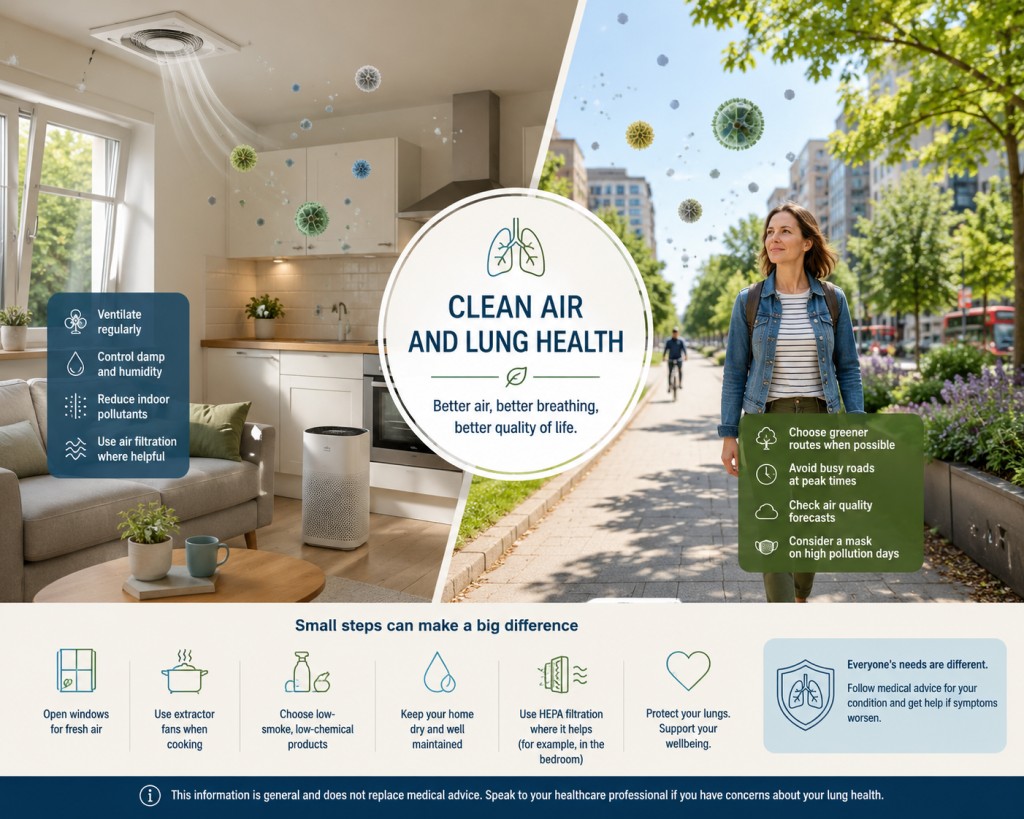
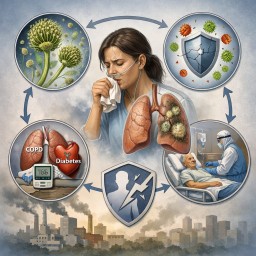
Damp homes can increase exposure to airborne particles including fungal spores and fragments. For many people this causes irritation; for people with chronic lung disease it can trigger significant exacerbations.
- Worsening cough, wheeze, breathlessness
- Increased mucus and reduced airway clearance
- More frequent chest infections / antibiotic courses
- Allergic-type reactions in sensitised individuals
Why aspergillosis and severe airways disease are different
If you have Aspergillus-related disease or severe asthma/bronchiectasis, your airways may react strongly to fungal material and irritants. Some patients also require systemic or inhaled corticosteroids, which can increase susceptibility to infections and complicate symptom control.
Important nuance: a damp home does not automatically “cause” aspergillosis, but it can be a powerful driver of persistent symptoms and repeated flares.
Patterns that support a housing contribution
- Time-and-place pattern: symptoms worsen at home and improve when away (even partially).
- Multi-person effects: more than one household member develops respiratory/allergic symptoms.
- Post-disturbance worsening: symptoms worsen after “repairs” or “remediation”.
- Escalating medication use: increased reliever inhaler/nebuliser use, repeated steroid bursts, more antibiotics.
Simple symptom timeline template (copy/paste)
Keeping a short, factual timeline helps clinicians and councils understand risk.
Date(s): Where damp/mould is present: What changed (rain event, leak, repair work, return after decant): Symptoms (breathlessness/wheeze/cough/fever/skin/eyes/nose): Medication change (inhalers, steroids, antibiotics): Healthcare use (GP/A&E/hospital): Improves when away from home? (yes/no, how quickly):
What to ask your clinician to document
- Diagnosis (e.g., Chronic pulmonary aspergillosis, allergic bronchopulmonary aspergillosis, asthma, bronchiectasis)
- That symptoms are consistent with environmental triggers or worsened by damp/mould exposure (they do not need to prove causation)
- Any vulnerability factors (steroid use, immunosuppression, reduced lung function)
Damp, mould and aspergillosis in rented homes (UK)
Home › Knowledge Hub › Damp, mould and aspergillosis (UK rented homes)
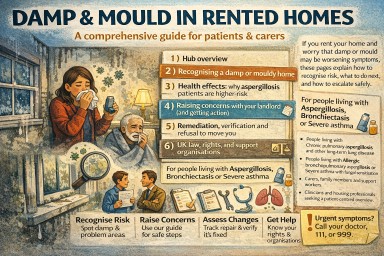
A comprehensive guide for patients and carers. If you rent your home and worry that damp or mould may be worsening symptoms, these pages explain how to recognise risk, what to do next, and how to escalate safely.
Who this guide is for
- People living with Chronic pulmonary aspergillosis and other long-term lung disease.
- People living with Allergic bronchopulmonary aspergillosis or Severe asthma with fungal sensitisation.
- Carers, family members, and support workers.
- Clinicians and housing professionals seeking a patient-centred overview.
The key message
A damp home does not automatically cause aspergillosis. However, damp and mould can:
- worsen airway inflammation and symptoms
- trigger exacerbations in asthma/bronchiectasis
- increase allergic-type reactions in sensitised people
- make it harder to stabilise symptoms even with optimal treatment
This hub focuses on practical steps: recognising risk early, communicating effectively, understanding remediation quality, and using UK escalation routes.
How to use this hub
- Start with Recognising a damp home to build an evidence base.
- Read Health effects to understand patterns that support an environmental contribution.
- Use Landlord communications to push for a safe plan, not cosmetic fixes.
- Check Remediation & refusal to move if you’re being pressured to return.
- Use Law & support for UK rights and escalation routes.
Important safety note
If you have severe breathlessness, chest tightness, wheeze, or features of anaphylaxis (for example lip/tongue swelling, throat tightness, collapse), seek urgent medical help. If you are repeatedly attending A&E with symptoms that seem worse at home, tell clinicians you are concerned about damp/mould exposure.
📢 Patient Speaker Opportunity – Breathe Clean Air Patient Conference 2026
The European Lung Foundation’s Breathe Clean Air Patient Conference is taking place online on 19 February 2026. This free event brings together patients, advocates, and experts to explore the impact of indoor air quality — including mould, moisture, and everyday environments — on lung health.
The organisers are looking for one patient speaker to share their lived experience in a 10-minute talk, either live or as a pre-recorded video. The theme is personal experience of mould, moisture or indoor air triggers affecting respiratory health — what it’s like day-to-day, how it’s impacted your life, and what advice you’d give others.
✨ This is a great chance to:
-
bring the patient voice to an international audience,
-
help raise awareness of how indoor air quality affects people with lung conditions,
-
and connect with others affected by similar issues.
The ELF team will provide support and a detailed brief ahead of the talk or video recording, so you won’t be doing it alone.
If you or someone you know might be interested, please let me know in the comments — happy to put you in touch with the organisers 🤍
Potential respiratory hazards of fungal exposure in the residential indoor environment: a systematic review (2025)
Summary of the 2025 Systematic Review for Non-Specialists & Patients
Read full paper here: Potential respiratory hazards of fungal exposure in the residential indoor environment: a systematic review - ScienceDirect
What was this review about?
This review looked at all the scientific evidence from 1990–2025 on how indoor fungi (moulds) in homes affect people’s breathing and general respiratory health. It examined 94 studies, mapping out where fungi come from, which species appear most often, and how they affect the lungs, nose, throat, and immune system.
Key Findings in Plain Language
1. The biggest sources of indoor mould are dampness and building damage
Homes with water leaks, damp walls, damaged materials and poor ventilation are the most common sources of fungi—especially Aspergillus and Penicillium. These thrive in wet building materials, bathrooms, kitchens, drains, air-conditioning systems and even water dispensers.
2. Indoor fungi are strongly linked to a wide range of respiratory symptoms
Across many countries, indoor fungal exposure was associated with:
-
Asthma and asthma flare-ups
-
Allergic rhinitis (blocked or runny nose)
-
Chronic cough and throat irritation
-
Adenoid enlargement in children
-
Hypersensitivity pneumonitis (allergic inflammation of the lungs)
-
Reduced lung function
-
Even pulmonary haemorrhage in rare cases
The review shows that even everyday exposure—not just visibly mouldy homes—can worsen respiratory health.
3. Some fungi are more strongly associated with illness
Important associations include:
-
Aspergillus → asthma symptoms, COPD exacerbations, throat irritation, hypersensitivity reactions
-
Penicillium → asthma, allergic rhinitis, hypersensitivity pneumonitis
-
Alternaria → childhood asthma risk
-
Candida & Fusarium → present in wet areas such as bathrooms and may affect vulnerable individuals
4. The geographic picture is uneven
Most research comes from high-income, temperate countries. There are major evidence gaps in tropical and subtropical regions, where humidity is high and fungal exposure is likely worse. This limits current global understanding of risk.
5. Prevention works — but public awareness is low
Simple actions (cleaning, improved ventilation, addressing leaks, correct humidity ranges) can radically reduce fungal burden. One study showed 80–90% reduction in airborne mould counts after residents were given basic remediation advice.
What’s New or Important in This 2025 Review?
1. A fully integrated “source → species → disease → location” map
The review is the first to link fungal sources, the exact fungi found, the diseases they cause, and where the evidence comes from, creating a multi-layered evidence map. This helps identify:
-
Which household features pose the highest risk
-
Which fungi are clinically most important
-
Where research gaps exist
2. Highlights the major global research imbalance
It emphasises that very little evidence exists from low-income and tropical areas—where exposure may be far more severe. This is a call for equity and better global surveillance.
3. Shows that fungi may affect more than the lungs
The review notes new evidence that fungal exposure may also influence neurological and immune-mediated symptoms, suggesting mould exposure could have broader health effects than traditionally recognised.
4. Identifies major gaps in identifying which fungal species cause harm
Many studies only measure “mould level” without identifying the fungus. The review argues for better fungal detection technologies, such as:
-
Portable real-time samplers
-
Multi-omics (DNA, RNA, metabolites)
-
Long-term cohort studies
These tools could finally clarify which fungi cause which illnesses.
5. Strong emphasis on emerging technologies for prevention
Including:
-
UV and photocatalytic TiO₂ devices
-
Improved antifungal cleaning agents
-
Building materials designed to resist mould growth
-
Volcanic minerals and clays that absorb harmful compounds
Why This Review Matters (for Patients, Carers, and Clinicians)
1. It shows mould is not “just an allergy problem”
Indoor fungi can worsen or trigger asthma, COPD, hypersensitivity pneumonitis, chronic sinus issues, and may even influence immune and neurological health. This validates patient experiences where damp homes worsen symptoms.
2. It provides strong evidence for housing-related health advocacy
Patients can use this to:
-
Request landlord repairs
-
Support home assessments
-
Advocate for rehousing if severe mould is present
-
Justify humidifier/dehumidifier use, and ventilation improvements
3. It highlights the importance of early remediation
Even simple cleaning and remediation steps can dramatically reduce mould burden and symptoms—important for families, vulnerable groups, and those with chronic lung disease.
4. It gives clinicians a clearer evidence base
Respiratory teams can use this to:
-
Recognise when housing contributes to disease flare-ups
-
Understand which conditions are most strongly linked to indoor fungi
-
Make better-informed referrals for environmental health assessments
5. It builds a scientific foundation for future guidelines
The authors point out that national building codes, indoor air quality policies, and public health guidance lag behind the evidence—and this review is intended to inform future regulation.
Who Does This Help Most?
Patients with:
-
Asthma
-
Allergic bronchopulmonary aspergillosis (ABPA)
-
Aspergillus bronchitis
-
COPD (especially those with fungal-associated exacerbations)
-
Hypersensitivity pneumonitis
-
Children with recurrent respiratory infections
-
Anyone living in damp, mouldy, water-damaged, or poorly ventilated homes
Clinicians:
Respiratory physicians, GPs, ENT specialists, allergists, immunologists.
Policy & Housing Professionals:
Public health teams, environmental health officers, social landlords, housing associations.
Researchers:
Those developing diagnostics, fungal exposure studies, indoor air quality monitoring, or patient-centred environmental interventions.
🌍 Does where you live affect aspergillosis or ABPA?
UK-focused guidance, with additional advice on overseas locations
People with ABPA, CPA, fungal allergy, SAFS or bronchiectasis often wonder whether certain regions — in the UK or abroad — are better or worse for their lungs. The truth is:
⭐ Aspergillus is everywhere worldwide
No country, region or climate is fungus-free.
What matters most is:
the quality of the home + humidity + air quality + healthcare access.
Below is a clear guide.
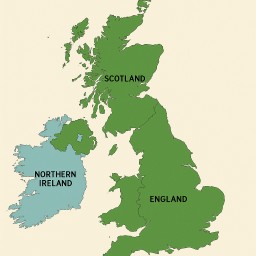
🇬🇧 UK Locations (summary)
The property matters more than the postcode.
But here is the quick UK overview:
👍 Often easier for lung conditions:
-
South West England (cleaner air, milder climate)
-
Rural East Anglia
-
Parts of Northumberland
-
Coastal areas with modern, well-insulated homes
👀 More challenging for some patients:
-
Older stone houses in wet regions (Scotland west coast, Wales)
-
Inner-city pollution corridors (London, Birmingham, Manchester)
-
Homes near major roads (M25, M6, M1)
✈️ Overseas Locations Potentially Better for Aspergillosis or ABPA
The goal is lower humidity, good air quality, dry housing, and strong healthcare access.
🌞 1. Dry Mediterranean climates (often helpful)
Examples:
-
Southern Spain (Andalusia, Murcia)
-
Portugal (Algarve, Alentejo inland)
-
Southern Italy (Puglia, Sicily in the drier months)
-
Greece (many islands have low humidity outside peak summer)
-
Cyprus (very dry outside Jan–Feb)
Why beneficial:
-
Lower humidity → less indoor mould growth
-
Plenty of ventilation and sunlight
-
Good modern building standards (if choosing newer homes)
Watch out for:
-
Very high summer temperatures
-
Saharan dust events (e.g., in Spain, Cyprus, Greece)
-
Avoid older damp stone buildings
🏜️ 2. Dry, warm desert or semi-desert climates (excellent for humidity control)
Examples:
-
Arizona (USA)
-
New Mexico (USA)
-
Utah (USA)
-
Certain parts of Australia (inland areas with low humidity)
Why beneficial:
-
Very low humidity (mould struggles to grow indoors)
-
Strong sunlight
-
Good ventilation
Watch out for:
-
Wildfire smoke in some regions
-
Dust storms (mainly in the US Southwest)
-
Healthcare insurance considerations (especially in the US)
🌊 3. Mild coastal regions with good air quality
Examples:
-
New Zealand (South Island especially)
-
Canada’s west coast (Vancouver Island outside wildfire season)
-
Northern Spain / Basque Coast (clean air, moderate climate)
Benefits:
-
Clean air
-
Access to high-quality healthcare
-
Good housing standards
Watch out:
-
Wildfire season in Canada
-
Damp winters in some coastal climates
-
Avoid older wooden properties with poor ventilation
🔥 Overseas Locations That May Be More Challenging
🌧️ 1. Extremely humid tropical climates
Examples:
-
Singapore
-
Malaysia
-
Indonesia
-
Thailand
-
Caribbean islands
-
Florida (USA)
-
Queensland (Australia’s tropical belt)
Why problematic:
-
High humidity all year → indoor mould grows very easily
-
Air conditioning constantly needed
-
Outdoor fungal levels very high
-
More airborne allergens overall
🌲 2. Areas with frequent wildfires or smoke seasons
Examples:
-
California
-
British Columbia
-
Eastern Australia
-
Mediterranean wildfire zones (Greece, Spain, Italy in summer)
Smoke exposure is a major trigger for asthma, ABPA and bronchiectasis.
🍃 3. Locations with heavy pollution
Examples:
-
India (Delhi, Kolkata)
-
China (some industrial regions)
-
Eastern Europe (coal-heavy areas)
-
Middle East cities with dust + pollution
Pollution is often a bigger trigger than Aspergillus.
❤️ What matters most: Your home + your lifestyle, not the country
A “safe” home for aspergillosis or ABPA is:
✔️ dry
✔️ modern or well-renovated
✔️ free from mould
✔️ with mechanical ventilation or good airflow
✔️ away from busy roads
✔️ in a low-pollution area
✔️ without damp basements, cellars, old timber, or overgrown foliage touching the house
Regardless of UK or overseas, these matter 10× more than the region.
📌 Summary for Aspergillosis Patients
-
Aspergillus exists everywhere — no location is completely safe or dangerous.
-
Low humidity, good air quality and dry modern housing are the key factors.
-
Mediterranean climates, dry inland regions, and moderate coastal areas can be good choices.
-
Very humid tropical climates are the most challenging.
-
Pollution and wildfires are often bigger risks than fungal spores.