Damp and Mould in UK Homes: Why It Matters and What You Can Do

❗ Why Damp and Mould Are Dangerous

Damp and mould are not just unsightly. They pose serious health risks, especially for people with:

  • Aspergillosis or other fungal lung diseases
  • Asthma, COPD, or bronchiectasis
  • Weakened immune systems
  • Babies, pregnant women, and older adults

According to the NICE NG149 guidance, exposure to damp and mould can:

  • Trigger asthma attacks, wheezing, coughing, and breathlessness
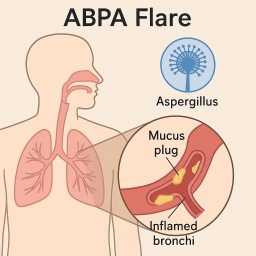
  • Worsen existing lung conditions such as ABPA or CPA
  • Increase risk of respiratory infections and fungal illnesses
  • Affect mental wellbeing, sleep, and quality of life

⚖️ What the Law Says: Landlord Responsibilities

Under UK law, landlords must make sure homes are fit to live in and free from serious health hazards:

1. Damp and Mould = Category 1 Hazard

2. Fitness for Human Habitation (Homes Act 2018)

  • All rented homes must be safe, dry, and free from serious damp and mould
  • Tenants can take their landlord to court if repairs aren’t made in a reasonable time

3. Landlords Must Act Promptly

  • Landlords must fix the cause of damp/mould (e.g., leaking guttering, blocked hoppers, rising damp), not just cover it up
  • Repairs must be made within a reasonable timeframe, especially where health is affected

4. Councils Can Enforce Action

  • If landlords refuse to act, local authorities can intervene and even carry out repairs themselves

🧱 What Makes a Home Unsafe Due to Damp or Mould?

A home may be considered unsafe if any of the following apply:

  • Visible mould covering walls, ceilings, windowsills, or furniture
  • Persistent musty odours indicating hidden damp
  • Peeling paint, warped skirting boards, or discoloured walls due to moisture
  • Condensation that doesn’t improve with ventilation
  • Damp that leads to recurring respiratory symptoms
  • Evidence of penetrating damp from leaks, poor guttering, or water ingress
  • Cold and humid indoor environments where mould easily regrows

These conditions can meet the threshold for a Category 1 hazard, especially when a vulnerable person lives in the home.


🚫 What to Do If You Are Being Ignored

If your landlord or council does nothing about serious damp and mould, you have options:

1. Keep Evidence

  • Take dated photos of the problem
  • Save copies of emails and letters you’ve sent
  • Keep a record of symptoms or doctor visits

2. Use the Law

  • Take action under the Homes (Fitness for Human Habitation) Act
  • You may be entitled to repairs and compensation for harm to your health or belongings

3. Contact Environmental Health

  • Your local council's Environmental Health team can inspect your home and issue legal notices to your landlord

4. Ask Your Doctor to Support You

  • A simple letter from your GP stating your condition (e.g. aspergillosis) and how mould affects you can help push action

5. Speak to Your MP

  • Your Member of Parliament (MP) can contact the council or housing provider on your behalf

👤 For Patients with Aspergillosis or Lung Conditions

People with aspergillosis, ABPA, CPA, or asthma are especially vulnerable to mould-related illness. NICE guidance NG149 says:

  • Medical evidence is not required to trigger housing action, but
  • Doctors should ask about home conditions if someone’s symptoms worsen
  • Councils and landlords must take urgent action when health is at risk

If you’ve been trying to get help for months or even years with no success, you’re not alone. You are entitled to live in a safe, healthy home.


✈️ Hints & Tips: Travel Guide for Aspergillosis Patients

This detailed article is designed to help patients with aspergillosis (including CPA, ABPA, SAFS, and those on antifungals or steroids) prepare for safe and enjoyable travel. It includes a complete travel plan, medication management, oxygen guidance, and destination risk information.


📚 Menu

  1. Planning and Medication Management
  2. Asthma, Photosensitivity, and Insurance
  3. Travelling with Oxygen Therapy
  4. Regions Riskier for Aspergillosis or Asthma
  5. Driving and Motorbiking Concerns
  6. Wheelchair Support When Travelling
  7. Why a Pulse Oximeter May Be Useful When Travelling
  8. Additional Resources
  9. Final Travel Checklist

🧳 Planning and Medication Management

✅ Plan Ahead

  • Request repeat prescriptions 3–4 weeks before travel.
  • Coordinate hospital-only meds (e.g. posaconazole, biologics).
  • Obtain a doctor's letter listing your diagnosis, meds, doses, and any special handling (e.g., refrigeration).

🎒 Pack Smart

  • Bring enough medication for the trip + 7 extra days.
  • Keep meds in original packaging with pharmacy labels.
  • Split meds between hand luggage and checked bags.
  • Carry a paper and digital medication list.

❄️ Storage Requirements

  • Use a travel cool bag for biologics or antifungals that require refrigeration.
  • Ask hotels for a fridge or minibar in your room.
  • Bring a digital thermometer to monitor storage conditions.

🌍 Getting Meds Abroad (Emergency Only)

  • Private doctors/pharmacies may help with basic meds, but antifungals are rarely stocked.
  • NHS prescriptions won’t be accepted abroad; some private scripts might.
  • Register for an EHIC/GHIC card if travelling in Europe.

🛃 Customs and Legal


🌬️ Asthma, Photosensitivity, and Insurance

Asthma Risks While Travelling

  • Triggers: dry air, cold air, perfume, anxiety, smoke
  • Always carry your rescue inhaler
  • Use a preventer consistently in the lead-up to travel
  • Pack a spacer if used

Photosensitivity (especially on Voriconazole)

  • Use SPF 50+, cover up with UV-blocking clothing
  • Avoid direct sunlight between 10am–4pm
  • Be careful near windows or during flights

Travel Insurance Challenges

  • Declare aspergillosis, asthma, biologics, antifungals, hospitalisations
  • Use specialist providers (e.g., AllClear, Insurancewith, Avanti)
  • Get a GP letter confirming stability

🫁 Travelling with Oxygen Therapy

Planning Ahead

  • Get a letter from your doctor about oxygen requirements
  • Book a pre-flight oxygen assessment if needed

Flying with Oxygen

  • Notify airlines 3–4 weeks in advance
  • Check if onboard oxygen or POCs (Portable Oxygen Concentrators) are accepted
  • Bring enough batteries (150% of flight duration)

Travelling in the UK or EU

  • Arrange oxygen through providers like Baywater Healthcare or Dolby Vivisol
  • Outside UK/EU: you’ll likely need private supply — plan in advance

Legal and Insurance Notes

  • Declare oxygen use in travel insurance
  • Carry pulse oximeter and chargers

🌍 Regions Riskier for Aspergillosis or Asthma

🔥 High-Risk Areas

  • Tropical/humid countries: SE Asia, India, Sub-Saharan Africa, Brazil
  • Dusty deserts: Arizona (USA), Middle East, North Africa
  • Polluted cities: Delhi, Beijing, Cairo, Lagos, some UK cities during heatwaves

Safer Destinations

  • Northern Europe, Scandinavia, highland areas, and coastal regions with good air quality.

Tips:

  • Avoid mouldy buildings, dusty markets, unregulated AC systems.
  • Wear FFP2/FFP3 masks in high-risk environments.
  • Stay indoors during dust storms or poor air quality alerts.

🛵 Driving and Motorbiking Concerns

Medication Side Effects That Can Impair Driving

Medication Risk
Voriconazole Visual disturbance, hallucinations
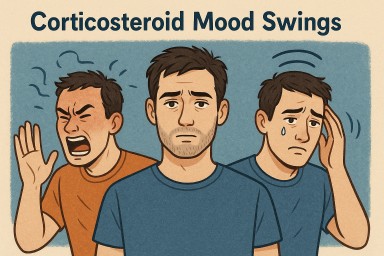
Steroids Mood changes, insomnia
Painkillers (opioids) Drowsiness, slowed reaction

DVLA Guidelines

Biking and Sun Risk

  • Long UV exposure while biking is dangerous on voriconazole
  • Use UV-blocking visors, wear protective clothing

Other Tips

  • Avoid long journeys without breaks
  • Keep hydration and rescue meds close

♿ Wheelchair Support When Travelling

Airport Wheelchair Support

  • Request wheelchair assistance when booking your flight.
  • Arrive early and inform check-in or help desks of your needs.
  • Most airports have dedicated support staff to help with boarding, disembarking, and security checks.

Travelling with Your Own Wheelchair

  • Airlines allow you to bring your own manual or electric wheelchair free of charge.
  • Label your chair clearly and bring any detachable parts in your carry-on.

Hotel Accessibility

  • Contact hotels in advance to confirm:
    • Step-free access
    • Lift availability
    • Wheel-in showers or accessible bathrooms

Rental Options

  • Many cities have wheelchair rental services — check availability online before travelling.

🩺 Why a Pulse Oximeter May Be Useful When Travelling

A pulse oximeter is a small device that clips onto your finger to measure your blood oxygen levels (SpO₂) and pulse rate. For aspergillosis patients, especially those with CPA, ABPA, or coexisting conditions like asthma or bronchiectasis, oxygen levels can drop unexpectedly during illness, flight, or physical exertion.

Having a pulse oximeter can help you:

  • Monitor for early signs of low oxygen during travel or exertion
  • Track changes if you're recovering from infection or flare-up
  • Provide data to healthcare providers during emergencies

They're small, affordable, and highly recommended when travelling, especially if you use oxygen, have unstable symptoms, or are flying.


📄 Additional Resources

Asthma + Lung UK: Travel Safely with a Lung Condition

Asthma + Lung UK's web guide on travelling safely with a lung condition offers clear and practical advice for every step of the journey. Key topics include:

  • Planning ahead: Inform your healthcare team early and check vaccination and visa requirements.
  • Medication and equipment: Tips for transporting oxygen, packing extra meds, and navigating airport security.
  • Flying: How to prepare if you need oxygen or are concerned about air pressure and dry air on planes.
  • Travel insurance: Advice on declaring lung conditions and finding appropriate cover.
  • During your trip: Staying safe in heat or cold, managing humidity and pollution, and what to do in an emergency.

This guide is especially useful for patients with asthma, COPD, bronchiectasis, or those using nebulisers and oxygen.

📖 Read the full guide online: Travel safely with a lung condition – Asthma + Lung UK

Also - The BTS guide on air travel [pdf-embedder url="https://aspergillosis.org/wp-content/uploads/2025/06/BTS-Clinical-Statement-on-Air-Travel-1.pdf" title="BTS Clinical Statement on Air Travel (1)"]

📌 Final Travel Checklist

  • Enough medication + 7 days extra

  • Doctor’s letter and prescription list

  • Insurance (specialist provider)

  • Rescue inhaler, spacer, antifungals

  • SPF and protective clothing (if on photosensitive meds)

  • Pulse oximeter (if applicable)

  • Contact details for your consultant

  • Face masks for flights/dusty areas

  • Travel cool bag and thermometer (if needed)

  • EHIC/GHIC card if travelling in Europe

  • Approved portable oxygen concentrator (if applicable)

  • Medical summary on phone and paper


👅 Geographic Tongue and Aspergillosis: What You Need to Know

Several members have raised concerns about Geographic Tongue — a harmless but uncomfortable condition that affects the surface of the tongue. While it’s not directly caused by aspergillosis, certain factors in people with ABPA, CPA, SAFS, or bronchiectasis may increase their risk of developing or worsening symptoms.


🔍 What is Geographic Tongue?

Geographic tongue causes red, smooth patches on the surface of the tongue with white or pale borders. These patches may change location from day to day — like a moving map, hence the name. It’s not contagious and usually not dangerous, but it can cause burning or soreness, especially when eating spicy, salty, or acidic foods.


🤔 Why might people with Aspergillosis be affected?

While aspergillosis doesn’t directly cause geographic tongue, the following indirect factors may make it more likely or more bothersome:

1. Inhaled Corticosteroids (ICS)

Used for asthma, ABPA, and bronchiectasis, these can:

  • Alter the balance of bacteria and fungi in the mouth

  • Increase the risk of oral thrush, which can irritate the tongue

  • Cause dryness or sensitivity in the mouth

2. Dry Mouth

Common in patients with:

  • Chronic lung disease

  • Long-term medications

  • Dehydration from breathing difficulties
    Dry mouth makes the tongue more prone to irritation and soreness.

3. Mouthwash Sensitivity

Many aspergillosis patients avoid alcohol-based or acidic mouthwashes (like Listerine) — and with good reason:

  • These products can worsen tongue discomfort

  • Your dentist may advise they’re not necessary, especially if they’re harming the delicate lining of your mouth

4. Immune or Nutritional Changes

  • Long-term corticosteroids or other medications may suppress the immune system

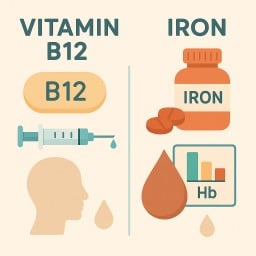
  • Vitamin deficiencies (like B12, folate, or iron) can affect the tongue and mouth tissues


Tips to Manage Geographic Tongue

  • Use non-acidic, alcohol-free mouthwashes (or none at all if your dentist agrees)

  • Switch to SLS-free toothpaste (found in many sensitive brands)

  • Avoid spicy, salty, or acidic foods during flare-ups

  • Stay well hydrated

  • Rinse your mouth after using inhalers

  • Speak to your dentist or GP if symptoms are severe or persistent


BBC Food Nutrition Calculator – Summary for Patients and Public

The BBC Food Nutrition Calculator is an easy-to-use, interactive tool designed to help you understand whether your diet is meeting your nutritional needs. By entering your age and sex, the calculator evaluates your intake of key nutrients and highlights any you might be under- or over-consuming. It also suggests foods rich in those nutrients to help you make healthy dietary adjustments.


Key Features

  • Personalised Assessment: Calculates your nutritional needs based on age and sex.

  • Food Recommendations: Suggests nutrient-rich foods if your intake is too low or too high.

  • Supplement Guidance: Explains when supplements might be useful—e.g. vitamin D in winter months or when housebound.

  • Immune System Support: Highlights nutrients that support immune health (vitamins A, C, D, B6, B9, B12, zinc, and iron).


Common Nutrient Gaps in the UK

According to UK dietary surveys, many people do not get enough of the following nutrients:

  • Fibre – under-consumed across all age groups

  • Vitamin D – commonly low year-round

  • Iron – especially low in girls and women aged 11–49

  • Calcium – often low in girls aged 11–18

  • Selenium – low among most females and older males

  • Zinc – insufficient in teenagers and adults over 75

Additionally, many people exceed recommended levels of free sugars, saturated fats, and salt.


Is the Information Verified?

Yes. The nutritional guidance in the BBC Food Nutrition Calculator is based on verified and reliable sources, including:

  • NHS and Public Health England recommendations

  • National Diet and Nutrition Survey (NDNS) data

  • Scientific consensus on daily nutrient requirements and health effects

While the BBC may not cite sources on every page, its content is regularly reviewed and reflects the current public health standards in the UK. You can trust this tool as a credible and evidence-based guide to dietary health.


Try the Calculator

You can access the BBC Nutrition Calculator here:
🔗 bbc.co.uk/food/articles/nutrition_calculator


Types of Window Screens for Allergen Protection

Yes — there are specialised window screens designed specifically to block allergens, including fungal spores, pollen, and dust. These can be a practical and effective solution for patients with ABPA, SAFS, asthma, CPA, or other respiratory allergies.


1. Pollen and Allergen Screens (Micromesh / Allergy Mesh)

  • Made from ultrafine polyester or polypropylene mesh

  • Pore size: typically 0.3–0.5 mm, small enough to block:

    • Pollen

    • Fungal spores (like Aspergillus and Cladosporium)

    • Insect particles

  • Allows air flow while reducing allergen load

🛒 UK Brands / Products to Look For:

  • Poll-Tex®: Proven in European studies to block >99% of airborne pollen and fine particles.

  • Neat Pleat® or Flyscreen UK Allergy Mesh

  • Tesa® Insect Stop Pollen Protection

  • Amazon or B&Q: Offer DIY-fit mesh kits


2. HEPA-Filtered Window Units

  • Some products combine an extractor fan + HEPA filter, ideal for:

    • Rooms needing airflow without outdoor contaminants

    • Urban or high-spore environments

  • More expensive but very effective

Examples:

  • Vent-Axia PureAir Room Ventilator

  • Aereco HRV or HEPA filter units


🛠️ Installation Tips

  • Choose removable or magnetic frames for rented homes

  • Ensure tight seal around edges to prevent gaps

  • Use with dehumidifiers or HEPA air purifiers indoors for extra control


💡 Bonus Tip:

  • Leave windows open early morning or midday if you must ventilate — avoid dusk/night when fungal spore levels rise.

  • Don’t open windows near compost heaps, sheds, or leafy overgrowth.


Managing Life with Haemoptysis

Managing life with haemoptysis — especially when it's recurrent, low-volume, or threatening to recur — can be physically and emotionally exhausting. Whether due to CPA, ABPA, bronchiectasis, aspergillus bronchitis, or other underlying lung conditions, the goal is to minimise triggers, support healing, and maintain safety without living in constant fear.

Here’s a comprehensive, practical guide to managing haemoptysis during recovery or periods of fragility:


🔴 Understanding the Risk

Haemoptysis (coughing up blood) can range from:

  • Minor (streaks in mucus)

  • Moderate (5–50ml)

  • Massive or life-threatening (>200–600ml in 24h — a medical emergency)

If you're in a recovery phase, you may be:

  • Post-bleed but still inflamed

  • Dealing with recurrent trickles

  • Worried about provoking a bleed due to fragile blood vessels or fungal activity


✅ Core Management Goals

Goal How to Achieve It
Prevent rebleeding Avoid straining, irritating airways, or increasing pressure
Allow fragile vessels to heal Stay well-hydrated, avoid airway trauma, reduce inflammation or infection
Identify and treat causes Maintain antifungal, antibiotic or anti-inflammatory treatment as prescribed
Stay calm during symptoms Know how to position yourself and who to contact
Keep life going gently Pace activity, prioritise rest, manage anxiety without isolation

🔹 1. Activity & Positioning: How to Move Safely

  • Avoid intense exercise, heavy lifting, straining (including on the toilet).

  • Keep your head elevated when sleeping (2 pillows or wedge).

  • If coughing blood:

    • Sit upright or lean slightly forward (don’t lie flat).

    • Lie on the side that’s bleeding (if known) — this protects the better lung.


🔹 2. Breath & Cough Management

  • Cough suppression may help reduce vessel trauma:

    • Use warm steam or gentle hydration first.

    • Use prescribed suppressants only if safe (some conditions need mucus clearance).

  • Huffing can be gentler than coughing.

  • Avoid dry air — use a humidifier, nasal rinses, or saltwater gargles.


🔹 3. Medication Adherence

  • Antifungals (e.g., voriconazole, itraconazole): Maintain strict levels.

  • Steroids (if prescribed): Taper cautiously under supervision.

  • Antibiotics or macrolides: Prevent secondary infection.

  • Tranexamic acid: Sometimes used short-term to reduce bleeding risk (under guidance).


🔹 4. Environmental & Lifestyle Support

  • Avoid dust, smoke, aerosols, strong odours, and temperature extremes.

  • Wear a mask when gardening, cleaning, or in crowded spaces.

  • Avoid alcohol and anti-inflammatory meds (NSAIDs) unless cleared.

  • Maintain gentle hydration, warm teas, and soothing soups to support healing.


🔹 5. Psychological Support: Managing Fear and Anxiety

  • It’s normal to fear rebleeding — but hypervigilance can increase stress and airway irritation.

  • Use mindfulness or grounding during panic (see above).

  • Talk with a support group or therapist if fear is affecting sleep or daily life.

  • Ask for a written plan from your medical team: “What to do if it happens again.”


🔹 6. When to Seek Help

Call your medical team or go to A&E if:

  • Bleeding increases or becomes bright red and continuous

  • You cough up >1 tablespoon of blood

  • You feel faint, breathless, or distressed

  • Blood is mixed with froth, or you feel it rising in your throat


📦 Preparedness Tips

  • Keep a rescue plan printed or saved on your phone.

  • Store clean cloths or tissues, bottled water, and calming items near where you rest.

  • Carry a medical ID or information card if you’re going out alone.


🧘‍♀️ Living Well While Letting It Heal

  • Maintain light, slow routines – a little movement, some fresh air, safe distraction.

  • Avoid cough triggers like strong smells or cold air.

  • Use the time to focus on recovery, build strength gradually, and connect with others.


🧠 What Is Mindfulness? Can it Help Living With Aspergillosis?

Mindfulness can be a powerful support tool for people living with aspergillosis, whether it's CPA, ABPA, SAFS, or related conditions like bronchiectasis or asthma. It doesn’t replace medical treatment, but it can significantly help with coping, symptom awareness, and emotional wellbeing.

Below is a breakdown of how mindfulness practices may benefit people with aspergillosis:


Mindfulness means paying attention, on purpose, in the present moment, without judgment. It involves noticing your thoughts, feelings, and physical sensations — without getting caught up in them or trying to change them immediately.

This can be done through:

  • Breath awareness

  • Body scans

  • Guided meditation

  • Mindful movement (e.g. yoga, tai chi)

  • Mindful walking or eating


🌿 How Can Mindfulness Help with Aspergillosis?

Challenge How Mindfulness Helps
Breathlessness / coughing fits Helps calm panic and reduce over-breathing; improves awareness of breath patterns
Medication side effects (e.g. voriconazole) Reduces anxiety and fear responses; helps observe sensations without spiralling
Chronic fatigue / brain fog Supports pacing and acceptance; improves focus and attention
Pain or chest discomfort Helps reduce distress by observing pain without fighting it (used in pain management)
Anxiety or health fear Teaches how to sit with fear without letting it dominate thinking
Frustration with slow progress Encourages self-kindness and reduces reactivity to setbacks
Isolation / low mood Builds resilience and reduces rumination by shifting focus to what is happening now
Poor sleep Calms a racing mind before bedtime

🧘‍♀️ Simple Mindfulness Practices for Patients

1. Breath Awareness (1–2 minutes)

Focus gently on the in-breath and out-breath. When your mind wanders (and it will), gently bring it back to the breath.

Use when: You feel overwhelmed, panicked, or need to slow down.


2. Body Scan (5–10 minutes)

Lie or sit down, and slowly move your attention through your body from feet to head. Notice sensations — tension, warmth, numbness — without judgment.

Use when: Resting, falling asleep, or managing pain or fatigue.


3. Mindfulness in Everyday Tasks

Choose a task (e.g., washing up, brushing teeth, folding clothes). Do it slowly and notice the sensations, smells, sounds — staying fully present.

Use when: You feel disconnected or anxious during the day.


4. RAIN Method for Anxiety

  • Recognise what’s happening

  • Allow the experience to be there

  • Investigate with curiosity (Where in my body do I feel this?)

  • Nurture (What do I need right now?)

Use when: You’re feeling a strong emotional response (fear, frustration, sadness).


💬 What Patients Have Said

“It doesn’t stop the coughing, but I panic less when I feel it coming on.”
“I used to fear every twinge in my chest. Mindfulness gave me space before I reacted.”
“When I feel the visual side effects starting, I breathe and tell myself: just observe, it will pass.”


📱 Resources and Apps (Many Are Free)

  • Headspace (good for beginners)

  • Insight Timer (lots of free guided meditations)

  • Calm (for sleep and anxiety)

  • Breathworks (mindfulness for health conditions)

  • Smiling Mind (free and evidence-based)


⚠️ Important Notes

  • Mindfulness is a skill — it takes time and practice. Start small.

  • It can feel uncomfortable at first, especially if you're used to avoiding difficult thoughts or sensations.

  • If you’ve experienced trauma or distressing symptoms, guided mindfulness with a therapist may be safer.


Grounding Techniques for Aspergillosis: Coping with Panic, Anxiety, and Sensory Overload

Living with aspergillosis — whether it’s ABPA, CPA, SAFS, or another form — can be physically and emotionally overwhelming. From managing symptoms like breathlessness or cough, to coping with powerful medications (like voriconazole), or dealing with uncertainty and isolation, it’s not unusual to feel anxious, panicked, or disconnected.

Grounding techniques are simple, effective strategies that help you regain a sense of calm, control, and presence, even in the middle of a crisis.


🧭 What Are Grounding Techniques?

Grounding techniques are ways to anchor yourself in the present moment, especially when your mind or body feels out of control. They use your senses, movement, and breath to shift focus away from distressing thoughts, frightening physical sensations, or overwhelming emotion.

They are widely used by people living with:

  • Chronic illness

  • Anxiety or panic

  • Medication side effects (e.g. visual disturbances from voriconazole)

  • Post-traumatic stress

  • Neurological symptoms or dissociation


🩺 When Might a Person with Aspergillosis Use Grounding?

Situation How Grounding Can Help
Visual disturbances from medications like voriconazole Reduce fear, reconnect with reality
Panic or anxiety about symptoms or breathlessness Calm racing thoughts and slow the body’s stress response
Overstimulation in hospitals or crowded places Help regulate sensory overload
Before or after medical appointments Reduce anticipatory anxiety or recover afterward
During flare-ups, pain, or coughing episodes Stay focused, steady, and more in control
While trying to sleep Settle a restless mind or racing heart
When feeling isolated, overwhelmed, or low Feel more present and safe in the body and environment

✅ Simple Grounding Techniques to Try

🔹 1. The 5-4-3-2-1 Technique (Sensory Anchoring)

Name:

  • 5 things you can see

  • 4 things you can touch

  • 3 things you can hear

  • 2 things you can smell

  • 1 thing you can taste

When to use: During a visual disturbance, panic, or if you feel disconnected.


🔹 2. Box Breathing

Inhale – 4 seconds
Hold – 4 seconds
Exhale – 4 seconds
Hold – 4 seconds

When to use: During a flare-up, medication side effect, or while waiting in a stressful situation (e.g., hospital, travel, scans).


🔹 3. Cold Sensation Reset

  • Hold an ice cube

  • Splash cold water on your face

  • Use a cooling gel pack on your hands or wrists

When to use: To snap out of panic or rapid heart rate, especially if you feel faint or detached.


🔹 4. Movement and Pressure

  • Press your feet firmly into the floor

  • Grip the arm of a chair or ball your fists and release

  • Walk slowly, focusing on each step

When to use: When anxious, overwhelmed, or before a test, clinic visit, or treatment.


🔹 5. Safe Words & Orientation

Say aloud:

“I’m [your name].
I’m in [location].
It’s [day/time].
I feel this way because [e.g. the medication is affecting me], but it will pass.”

When to use: After waking up anxious, during episodes of confusion, visual disturbance, or feeling “spaced out.”


🔹 6. Grounding Object or Support Contact

  • Carry a smooth stone, photo, textured card, or essential oil roller.

  • Call or message someone you trust.

  • Look at a comforting image or mantra you keep nearby.

When to use: When you need emotional reassurance or support — especially after a scary experience.


💡 A Note on Voriconazole Visual Effects

Visual side effects from voriconazole (e.g. flashing lights, color changes, or visual trails) usually:

  • Start within 30 min to 2 hours of a dose

  • Last 2 to 6 hours

  • Fade over time or after stopping the drug

Grounding techniques can’t stop the visual changes but can help you stay calm and reduce the fear or panic response they often trigger.

If the symptoms become unmanageable, let your clinical team know — they may adjust your dose or change the medication.


💬 Final Thoughts

Grounding techniques are safe, non-invasive, and free. They don’t cure symptoms but can help you cope more confidently, especially when dealing with the emotional and sensory impact of life with aspergillosis.

Many patients find it helpful to practice them regularly, even when they feel fine — so they’re easier to use in a crisis.


Visual Disturbances on Voriconazole: What’s Happening and Why It Can Feel So Scary

If you're experiencing frightening or panicked feelings due to visual disturbances while taking voriconazole, you're not alone — and there are reasons behind both the symptoms and your emotional response.


🧠 What Causes Visual Disturbances with Voriconazole?

  • Voriconazole crosses the blood–brain barrier and affects the central nervous system (CNS).

  • It interacts with retinal photoreceptors (especially rods), which may explain:

    • Lights seeming too bright or flickering.

    • Halos, flashes, or color distortions.

    • Visual “trails” following movement.

  • Although not fully understood, it may involve:

    • Temporary interference with visual signal processing in the brain and retina.

    • Altered neurotransmitter activity or enhanced retinal light sensitivity.


⏱️ When Do These Disturbances Happen and How Long Do They Last?

  • Onset: Symptoms typically begin 30 minutes to 2 hours after a dose.

  • Duration: They usually last 2 to 6 hours, fading as the drug is processed.

  • Resolution: Most people find the effects wear off before the next dose.

  • Over time, even if you stay on the drug, your body often adapts, and the symptoms lessen or disappear entirely within a few days to weeks.


😰 Why Do They Feel So Scary?

  • The effects are sudden and intense, often catching people off guard.

  • Our brains rely on visual input for safety — when this gets disrupted, it can trigger anxiety or panic.

  • If you live with anxiety or take other medications, your brain may amplify the sense of threat, even though the effect is temporary.

  • Descriptions like “psychedelic” or “derealised” are common — which understandably causes distress.


🩺 What Can You Do?

  1. Talk to your medical team. They may:

    • Check voriconazole blood levels.

    • Reduce the dose or change timing.

    • Switch to an alternative antifungal if needed.

  2. Avoid driving at night or doing visually demanding tasks until things settle.

  3. If anxiety is a problem:

    • Try grounding techniques (e.g. breath control, sound orientation).

    • Ask your doctor whether temporary support (like anti-anxiety medication or CBT) might help.

  4. Some patients find taking voriconazole in the evening lets them sleep through the worst of it — but check this with your prescriber first.


🔔 When to Get Urgent Help

If symptoms last unusually long, worsen over time, or include confusion, agitation, or hallucinations, contact your healthcare provider. These may be signs of CNS toxicity, especially if blood levels are high.


🩺 Why an Aspergillosis Patient May Need a Pain Clinic

Chronic Chest Pain

  • Some patients with CPA, especially those with lung scarring, cavitation, or aspergillomas, develop persistent chest wall pain.

  • This can be caused by:

    • Chronic inflammation or infection near the pleura (lining of the lungs)

    • Pressure or stretching from damaged lung tissue

    • Muscle strain from chronic coughing

  • A pain clinic can assess neuropathic pain and offer non-opioid or low-dose medication strategies.


2. Postural or Musculoskeletal Pain

  • Long-term breathing difficulties can change how patients sit, stand, or move, leading to:

    • Neck, shoulder, or back pain

    • Costochondritis (pain around rib joints)

  • Pain clinics often include physiotherapists and occupational therapists who can help correct posture and reduce strain.


3. Pain from Coughing or Flare-Ups

  • Recurrent coughing fits in ABPA or CPA can lead to:

    • Rib bruising or even fractures

    • Abdominal muscle pain

    • Headaches and facial pain from sinus pressure

  • Clinics can help identify safer ways to manage flare-ups, including breathing strategies and adjunct treatments.


4. Neuropathic Pain or Nerve Irritation

  • Invasive aspergillosis (or surgical interventions for aspergilloma) can affect surrounding nerves, leading to:

    • Burning, tingling, or sharp shooting pain

    • Pain unresponsive to simple analgesics

  • Pain specialists may use gabapentinoids, tricyclics, or even nerve blocks to reduce symptoms.


5. Avoiding Long-Term Opioid Use

  • Pain clinics can help avoid or reduce opioid dependence by offering:

    • Safer, evidence-based medication options

    • Capsaicin creams, lidocaine patches, or infusions

    • Psychological support for the emotional toll of chronic pain


6. Improving Quality of Life

  • Chronic pain can lead to fatigue, poor sleep, low mood, and reduced activity.

  • Pain clinics work holistically, often involving:

    • Clinical psychologists for CBT or ACT (pain-focused therapy)

    • Personalised pacing plans

    • Tools for managing flare-ups and regaining confidence


✅ Summary:

Pain is real and common in aspergillosis — but often under-recognised. A referral to a specialist pain clinic offers a structured, supportive, and multidisciplinary approach to relief.

Attending an NHS pain clinic can offer several important advantages for people living with aspergillosis-related pain, as well as other long-term or complex pain conditions. GPs often have limited tools, time, and prescribing freedom — but pain clinics bring together specialist teams and a much broader range of options.


Advantages of Attending an NHS Pain Clinic

1. Multidisciplinary Care

Pain clinics usually involve:

  • Pain consultants (anaesthetists or neurologists)

  • Specialist nurses

  • Physiotherapists

  • Clinical psychologists
    This team approach helps tackle pain from multiple angles — physical, emotional, and functional.


2. Access to a Wider Range of Treatments

Pain clinics can offer things your GP usually can’t prescribe or organise, such as:

  • Topical capsaicin or lidocaine plasters

  • Nerve blocks or steroid injections

  • Low-dose ketamine or lidocaine infusions (in hospital setting)

  • Medications like duloxetine, amitriptyline, or low-dose opioids used carefully

  • Neuromodulation techniques (e.g. TENS, PENS, spinal cord stimulators in some cases)


3. Safer Use of Medication

Specialists understand how to balance benefits and risks of pain medications — including when to use opioids, and how to minimise side effects or dependence.
They can also help you taper safely if you've been on pain meds long-term.


4. Improved Quality of Life

Pain clinics often focus on function over cure — helping you:

  • Sleep better

  • Move more confidently

  • Reduce pain flare-ups

  • Return to work or hobbies

  • Break the cycle of stress, pain, and fatigue


5. Psychological Support (Optional, but Useful)

Chronic pain is exhausting — emotionally as well as physically. Pain clinics may offer:

  • CBT for pain

  • Mindfulness or ACT (Acceptance and Commitment Therapy)

  • Support with coping, pacing, and flare-up planning

This isn’t about “it’s all in your head” — it’s about helping your brain and body deal with ongoing pain more effectively.


6. Validation and Advocacy

Just being believed and supported by a pain specialist can be a huge relief. They can also:

  • Write to your GP with specialist recommendations

  • Support benefits applications or workplace adjustments

  • Help you navigate complex diagnoses like aspergillosis + fibromyalgia, or lung disease + neuropathic pain


📍 When Should You Ask for a Referral?

  • If pain is lasting more than 3 months

  • If it’s affecting your daily function or mental wellbeing

  • If you're relying on medications that aren’t working or cause side effects

  • If you want to explore non-drug options