Supporting Gut Health with Prebiotics During Frequent Antibiotic Use: A Patient Guide

⚠️ Important Guidance for Patients Taking Antibiotics

If you are frequently prescribed antibiotics, it's important to understand both their benefits and potential risks. Antibiotics can significantly disrupt your gut microbiome, leading to digestive symptoms, weakened immunity, and in some cases, more serious complications like Clostridioides difficile infection. While prebiotics may help support recovery of healthy gut bacteria, they are not suitable for everyone.

Before starting any supplement — including prebiotics — always consult your doctor or pharmacist, especially if you:

  • Have a chronic illness or are immunocompromised
  • Live with IBS or small intestinal bacterial overgrowth (SIBO)
  • Are taking long-term antibiotics or multiple medications

Prebiotics may cause bloating, gas, or discomfort, especially if introduced too quickly. Medical advice helps ensure any approach to gut support is safe and effective for your individual needs.


🦠 The Impact of Frequent Antibiotic Use

Antibiotics treat bacterial infections, but they also disrupt the balance of your gut microbiome. This imbalance can lead to:

  • Diarrhoea, including C. difficile infection
  • Bloating and discomfort
  • Weakened immunity
  • Greater vulnerability to future infections

Supporting your gut microbiota during and after antibiotics may reduce these risks and improve recovery.


✅ The Role of Prebiotics

Prebiotics are non-digestible fibers that nourish beneficial gut bacteria. Unlike probiotics (which are live bacteria), prebiotics act as fuel for helpful microbes.

Benefits during and after antibiotics:

  • Support growth of Bifidobacteria and Lactobacilli
  • Help restore microbiome diversity
  • Improve tolerance and effectiveness of probiotics
  • Promote anti-inflammatory short-chain fatty acids (e.g., butyrate)

Well-tolerated prebiotics include:

  • GOS (Galacto-oligosaccharides): gentle, supports immunity
  • Inulin/FOS: supports bifidobacteria (start low to avoid bloating)
  • PHGG (Partially Hydrolyzed Guar Gum): well tolerated, IBS-friendly

🔮 What Does the Evidence Say?

  • Cochrane Reviews: Probiotics reduce antibiotic-associated diarrhoea, especially in children. Prebiotics may enhance this effect when used together (synbiotics).
  • 2020 review in Frontiers in Microbiology: Prebiotics can accelerate microbiome recovery post-antibiotics.
  • Animal and human studies: Show improved immune response and reduced inflammation.

⚠️ However, evidence is still emerging. The NHS does not currently recommend prebiotic supplements for routine antibiotic recovery due to limited large-scale trials weakening supportive evidence.


💡 Practical Advice for Using Prebiotics

If your doctor agrees a prebiotic might help:

  • Start during or after your antibiotic course
  • Begin with 1–2g per day, then gradually increase
  • Combine with a probiotic (10–20 billion CFU) if well tolerated ** Probiotics article click here
  • Continue for 2–4 weeks after antibiotics

Always monitor your body’s response, and stop if symptoms worsen.


📈 NHS Position on Prebiotics

The NHS does not endorse prebiotic supplements for routine use with antibiotics. However, they support the role of dietary fiber and fermented foods in maintaining a healthy gut. These include:

  • Bananas, onions, garlic, leeks, oats, asparagus, and barley
  • Live cultures from yogurt, kefir, sauerkraut

🥓 Diet vs. Supplements: What's Better?

For most people, a balanced diet is better and more sustainable than supplements. Whole foods:

  • Provide a variety of natural prebiotics
  • Offer vitamins, minerals, and antioxidants
  • Are less likely to cause side effects
  • Are more cost-effective and enjoyable

Supplements may help if:

  • You have a restricted diet
  • You struggle to eat enough fiber
  • You’re recovering from illness or taking long-term antibiotics
  • A healthcare professional recommends them

📝 Trusted Prebiotic Products in the UK

These contain evidence-backed ingredients and are widely available:

  • Myota Prebiotic Fibre Blend – with inulin, GOS, PHGG (powder)
  • HealthAid GOS Prebio – galacto-oligosaccharides (capsules)
  • INNOPURE Prebiotic + Probiotic – inulin and FOS (capsules)
  • Optibac Probiotics + Prebiotics – trusted UK brand

Look for supplements with 2–10g of prebiotic fiber, minimal additives, and clear dosing instructions.


💼 Final Word

Prebiotics may be a useful tool to support gut health after antibiotics, but they should never replace a balanced, fiber-rich diet. For most people, adding prebiotics gradually through food or supplements may do some good and should not do harm — especially with your doctor’s guidance.

Speak to your healthcare provider before starting any supplement, especially if you are managing ongoing medical conditions.

Better gut health begins with good nutrition, sensible support, and medical advice.


Suitable fabrics for sun protection

Patients taking voriconazole need to be very careful about sun exposure, because the drug can make the skin highly sensitive to UV light — sometimes leading to phototoxic reactions, sunburn, or even skin cancer with prolonged exposure. Here's how I’d advise someone on voriconazole:

Clothing & Sun Protection Advice:

  1. Wear UV-protective clothing:

    • Long sleeves and trousers made of tightly woven fabric **see below

    • Consider UPF-rated (Ultraviolet Protection Factor) clothing — designed to block UV rays.

  2. Wear a wide-brimmed hat:

    • One that shades the face, neck, and ears.

  3. Use broad-spectrum sunscreen:

    • SPF 50+ with UVA and UVB protection.

    • Apply generously 30 minutes before going outside, and reapply every 2 hours (or after sweating/washing).

  4. Wear sunglasses with 100% UV protection:

    • To protect the eyes and the sensitive skin around them.

  5. Avoid peak sunlight hours:

    • Stay indoors or in shade between 10 a.m. and 4 p.m., when UV radiation is strongest.

  6. Avoid sunbeds or tanning lamps:

    • These are especially risky while on voriconazole.

  7. Be cautious even on cloudy days:

    • UV rays still penetrate clouds and can cause damage.

  8. Check your skin regularly:

    • Look for new or changing spots, unusual pigmentation, or rashes. Report any concerns to your doctor or dermatologist.

** When looking for suitable fabrics for sun protection — especially while on voriconazole — the key is to look for tightly woven, dark-colored, or specially treated fabrics. Here are examples:

🔹 Excellent Sun-Protective Fabrics:

  1. Polyester and nylon

    • These synthetic fibers are tightly woven and naturally resistant to UV rays.

    • Often used in athletic wear, swim shirts, or outdoor clothing.

  2. Unbleached cotton with a tight weave

    • Natural fibers like cotton can be protective if tightly woven.

    • Hold the fabric up to light — if little light passes through, it’s better.

  3. Denim and canvas

    • Very effective due to thickness and weave.

    • Heavy, but suitable for work or limited outdoor exposure.

  4. Wool and wool blends

    • Wool is dense and offers good protection, though it's warmer and less breathable.

  5. UPF-rated (Ultraviolet Protection Factor) clothing

    • Purpose-made garments with UPF 30, 50, or higher.

    • Often made from polyester or special blends with UV-inhibiting treatments.

🔸 Fabrics to Avoid:

  • Thin or sheer cotton, linen, rayon, and silk unless layered or specially treated.

  • White or light-colored garments, unless they're UPF-treated.

Pro tip:

  • Look for labels like “UPF 50+” or “Sun Protection Clothing”.

  • Brands like Coolibar, Solbari, Columbia (Omni-Shade), and Uniqlo (UV Cut line) offer practical, sun-safe options.


Antifungal cleaning

In the UK, if you're trying to reduce fungal exposure in your home environment — especially important for those with CPA or ABPA — there are several effective antifungal cleaning solutions you can use safely and routinely.

Here’s a list of recommended antifungal solutions available or commonly used in the UK:

🧴 1. White Vinegar (Acetic Acid)

  • Effectiveness: Kills many types of mould, including Aspergillus.
  • How to use: Use neat (undiluted) on tiles, windowsills, bathroom surfaces. Leave for 30–60 mins, then scrub and rinse.
  • Pros: Natural, low-toxicity.

Caution: Not suitable on stone surfaces like marble or granite.

🧴 2. Hydrogen Peroxide (3–6%)

  • Effectiveness: Antifungal and antibacterial.
  • How to use: Spray on mould-affected areas. Leave 10–15 mins, scrub, then wipe clean.
  • Availability: Sold in chemists and online (e.g., Amazon UK).
  • Tip: Can bleach fabrics or surfaces — spot test first.

🧴 3. Borax (Sodium Borate)

  • Effectiveness: Inhibits fungal regrowth.
  • How to use: Mix 1 cup borax to 1 litre warm water. Apply with sponge or spray bottle.
  • Availability: Harder to find in shops, available online.
  • Caution: Keep away from children/pets; don’t ingest.

🧴 4. Specialist Mould Sprays (Commercial Products)
These are widely available in UK hardware stores (B&Q, Homebase, Screwfix) and supermarkets:

Brand Key Ingredient Notes
HG Mould Spray Benzalkonium chloride Strong, effective on black mould.
Astonish Mould & Mildew Blaster Sodium hypochlorite Bleach-based, powerful but with strong fumes.
Dettol Mould & Mildew Remover Sodium hypochlorite Good for bathroom tiles and grout.

💡 Note: While bleach can kill surface mould, it may not penetrate porous materials (like wood or plaster) deeply.

🧼 5. HEPA Filtered Vacuum + Antifungal Surface Wipes

  • Use a vacuum with HEPA filtration to reduce airborne spores.
  • Clean surfaces with fungal control wipes (some contain quaternary ammonium compounds***).

🔥 Do NOT Use:

  • Air fresheners or “mould foggers” not approved for respiratory-safe use.
  • DIY essential oil blends (like tea tree) unless confirmed safe — some oils can worsen respiratory irritation.

🛒 Where to Buy (UK):

  • Boots: Hydrogen peroxide, Dettol products.
  • Amazon UK: Borax, HG Mould Spray, vinegar in bulk.
  • B&Q, Wickes, Screwfix: Specialist mould removers.


*** Here's a deeper look at quaternary ammonium compounds (QACs) — often found in cleaning products marketed for killing mould, fungi, and bacteria — and their relevance for people with CPA or ABPA:


🧪 What Are Quaternary Ammonium Compounds (QACs)?

Quaternary ammonium compounds (often shortened to “quats”) are broad-spectrum disinfectants used in many household cleaners, hospital disinfectants, and antifungal sprays.

They’re especially effective against:

  • Fungal spores (including Aspergillus on surfaces),

  • Bacteria,

  • Viruses (enveloped types like coronaviruses),

  • And can inhibit regrowth of mould on treated surfaces.


🧼 Common QAC-Containing Products (UK)

Product Contains QACs Where Used
HG Mould Spray Benzalkonium chloride Bathroom tiles, windowsills.
Dettol Surface Cleanser (Clear spray) Benzalkonium chloride Kitchens, surfaces, bathrooms.
Zoflora (certain formulas) QACs + fragrance General cleaning (must be diluted).
Clinell Universal Wipes QACs + alcohol Hospital-grade surface wipes.

🟡 Note: Always check the label — not all Dettol or Zoflora products contain QACs.


💡 Why QACs Matter in CPA and ABPA Homes

  • CPA patients are at risk of colonisation or reinfection from Aspergillus spores, especially in damp, dusty, or unventilated environments.

  • ABPA patients can react allergically to spores, triggering flare-ups of wheezing, coughing, or chest tightness.

  • QACs are more effective than bleach at preventing fungal regrowth, especially on non-porous surfaces like plastic, glass, tiles, and sealed wood.


⚠️ Precautions When Using QACs

Although QACs are highly effective, they can be irritating to lungs and skin, particularly if:

  • The area is not well ventilated,

  • The product contains added fragrance (as with Zoflora),

  • Used in aerosol sprays (fine mist can be inhaled).

Tips for safer use:

  • Use gloves and open windows when cleaning.

  • Avoid spraying into the air; apply with a cloth instead.

  • Choose unscented, low-fragrance options (e.g., hospital-grade wipes or Dettol Surface Cleanser).

  • Do not mix with other products like vinegar or bleach — can release dangerous fumes.


Safe-for-Lungs Options (with QACs)

If you or a loved one has ABPA or CPA, consider:

  • HG Mould Spray — effective and well-tolerated if room is ventilated.

  • Clinell Universal Wipes — used in NHS settings, fragrance-free versions available.

  • Dettol Surface Cleanser Spray (Clear bottle) — QAC-based, not bleach-based, less irritating.


How Weather Affects CPA and ABPA – and What You Can Do About It

Living with Chronic Pulmonary Aspergillosis (CPA) or Allergic Bronchopulmonary Aspergillosis (ABPA) means being aware not just of your lungs, but also of what’s happening outside your window. Weather — especially wind, humidity, temperature, and seasonal changes — can have a real impact on breathing, energy levels, and symptom control. Here’s why, and what you can do to stay ahead of it.


🌬️ Windy Days: A Hidden Risk

Windy weather stirs up fungal spores, dust, and other irritants. For people with CPA or ABPA, this matters because:

  • Aspergillus spores are more airborne on windy days, increasing the risk of exposure.

  • In ABPA, this can trigger allergic inflammation — causing wheeze, tight chest, and coughing.

  • In CPA, inhaling spores can worsen existing infection or symptoms, particularly if lung cavities are already inflamed or colonised.

What you can do:

  • Avoid being outdoors for long periods on very windy days, especially in dry weather.

  • If you must go out, wear a well-fitted mask (e.g., FFP2 or FFP3).

  • Shower and change clothes when you come in — spores can cling to skin and fabric.


🌡️ Temperature Extremes: Cold or Hot

  • Cold air can tighten the airways, leading to breathlessness and coughing.

  • Hot, humid weather can feel heavy on the chest and worsen fatigue.

  • Both extremes may contribute to oxygen desaturation and general discomfort.

What you can do:

  • In cold weather: Breathe through your nose or wear a scarf or mask to warm the air before it hits your lungs.

  • In hot weather: Stay hydrated, rest in cool rooms, and avoid going out during peak heat.


🌧️ Rain and Damp Weather

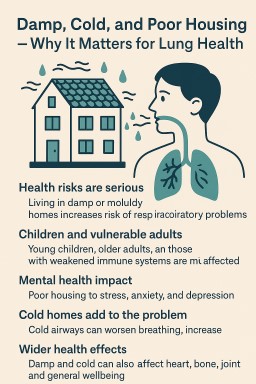
Rain might temporarily reduce airborne spores, but damp conditions indoors (e.g., from leaks or poor ventilation) can allow Aspergillus to grow on walls, furniture, or in bathrooms.

What you can do:

  • Use a dehumidifier indoors and ensure good ventilation.

  • Fix any damp or mould problems promptly.

  • Clean areas like windowsills and shower tiles regularly with anti-fungal solutions* see accompanying post for more details .


🌸 Pollen and Seasonal Changes

  • In ABPA, allergic responses can be triggered or worsened in spring and summer, when other environmental allergens (like pollen or grass) are high.

  • These allergens can amplify immune responses already sensitised to Aspergillus.

What you can do:

  • Monitor pollen forecasts and avoid high-pollen areas on bad days ** see forecast details here.

  • Keep windows closed during peak pollen hours.

  • Consider using HEPA filters in the home.


📉 Barometric Pressure Drops

Some people notice worsened symptoms just before storms or weather changes — this may be due to changes in air pressure affecting breathing or causing low mood and fatigue.

What you can do:

  • Track weather patterns (ie. keep a diary) if you notice recurring patterns with your symptoms.

  • Speak with your care team if you feel you’re more vulnerable during certain types of weather — you might benefit from adjustments to medications or a rescue plan.


🚨 When to Seek Help

If you experience:

  • Oxygen saturations dropping below 92% and not improving within 20–30 minutes,

  • Rapid breathing, chest tightness, or a pounding heart that doesn’t settle,

  • Confusion, faintness, or signs of a flare-up that feels “different” from usual,

Don’t wait — contact 111 or go to A&E. You know your body best, but these signs mean your lungs are struggling.


How to Prepare for Weather Sensitivity

  • Keep a symptom diary linked to weather changes — it helps your specialist spot patterns.

  • Ask your consultant if you should have:

    • A rescue inhaler (e.g., salbutamol),

    • A short-term steroid plan (for ABPA flares),

    • Portable oxygen or a pulse oximeter for home monitoring.

  • Have a weather-safe plan for exercise — walking indoors or using a treadmill can help stay active without exposure.


🧘‍♀️ Final Thought

You can’t control the weather, but you can control your environment and how you respond to it. Understanding how CPA and ABPA react to different conditions helps you stay safe, informed, and in charge of your health.

If you’ve noticed your symptoms worsen in certain weather, don’t hesitate to mention it to your specialist — it’s a valuable piece of your health puzzle.


Food Rich, Nutrient Poor: Food Quality

Micronutrient Deficiency in the UK: What You Need to Know

Micronutrients — including vitamins and minerals such as vitamin D, iron, folate, vitamin B12, iodine, and magnesium — play a crucial role in maintaining good health. Yet, many people in the UK are unknowingly living with deficiencies that can affect energy, immune function, and long-term wellbeing.

This article offers clear guidance for the general UK population and includes specific notes for those with chronic respiratory conditions, such as aspergillosis.


Examples of processed foods

Understanding Micronutrient Deficiency in the UK

Prevalence: Micronutrient deficiency is more widespread than many assume:

  • Vitamin D: About 20% of UK adults are deficient, with up to 60% having suboptimal levels, especially during the winter months.
  • Iron: Nearly half of girls aged 11–18 and one in four women aged 19–64 have iron intakes below the Lower Reference Nutrient Intake.
  • Folate (Vitamin B9): Levels have dropped by 25–28% in recent years, with 89% of women of childbearing age below the threshold for neural tube defect prevention.
  • Vitamin B12: Around 6% of people under 60 and 20% of those over 60 are deficient.
  • Iodine: Affects about 21% of women of childbearing age.
  • Magnesium: Around 50% of women fall short of recommended intake levels.

Hospital Admissions: Cases of hospital admissions linked to micronutrient deficiency have tripled in the past decade, with over 800,000 reported in England and Wales last year.

Food Rich, Nutrient Poor: Although the UK has abundant access to food, modern dietary patterns often prioritise convenience over quality. Highly processed foods, which dominate many diets, are typically energy-dense but nutrient-poor. This means that while caloric intake may be sufficient—or even excessive—essential vitamins and minerals can still be lacking.

Common contributors include:

  • Overconsumption of refined carbohydrates, sugars, and fats.
  • Underconsumption of whole foods like fruits, vegetables, legumes, and whole grains.
  • Loss of nutrients during industrial food processing.
  • Soil depletion affecting nutrient content in produce.

This paradox—being food rich but nutrient poor—helps explain the persistence of deficiencies even in economically developed countries like the UK.

Signs and Symptoms to Watch For: Micronutrient deficiencies often develop gradually, and symptoms may be mistaken for other issues. Common signs include:

  • Vitamin D deficiency: Fatigue, muscle weakness, bone pain, frequent infections, low mood.
  • Iron deficiency: Tiredness, pale skin, shortness of breath, headaches, cold hands and feet, dizziness.
  • Folate deficiency: Fatigue, irritability, mouth sores, poor growth, cognitive issues.
  • Vitamin B12 deficiency: Pins and needles, tiredness, mouth ulcers, difficulty walking, memory problems.
  • Iodine deficiency: Swelling in the neck (goitre), fatigue, weight gain, sensitivity to cold, sluggish thinking.
  • Magnesium deficiency: Muscle cramps, tremors, nausea, poor appetite, abnormal heart rhythms.

Government & NHS Guidance

The UK government and NHS offer reliable, science-backed guidance:

  • NHS Vitamins and Minerals Portal provides information on sources, daily needs, and deficiency symptoms.
  • Eatwell Guide helps you structure a healthy diet visually.
  • SACN (Scientific Advisory Committee on Nutrition) publishes nutrient intake recommendations.
  • Healthy Start Scheme offers free supplements to low-income pregnant women and young children.

Key Nutrient Recommendations

  • Vitamin D: 10 micrograms (400 IU) daily, especially from October to March.
  • Iron: 14.8 mg daily for women aged 19–49; 8.7 mg for others.
  • Folate: 400 micrograms daily for women trying to conceive or pregnant.
  • Vitamin B12: Found in meat, dairy, and fortified foods; vegans and older adults may need supplements.
  • Iodine: Required for healthy thyroid and fetal brain development; found in dairy, seafood, and fortified products.
  • Magnesium: Present in nuts, whole grains, leafy greens; supplements may help if dietary intake is low.

Micronutrient Deficiencies in Men

While women and children are often highlighted in discussions about nutrient shortfalls, men in the UK are also at risk of micronutrient deficiencies. These can have serious effects on energy, immune health, cardiovascular function, and hormone balance.

Common issues in men include:

  • Vitamin D: Deficiency is common due to limited sun exposure. Affects bone health, mood, and immune function.
  • Magnesium: Often low in men with high stress levels, poor diets, or frequent alcohol intake. Symptoms include muscle cramps, fatigue, and heart irregularities.
  • Vitamin B12: Particularly affects older men due to reduced stomach acid. May cause memory problems, numbness, and fatigue.
  • Zinc: Important for testosterone production, immune health, and wound healing. Often low in men with poor diets or high alcohol consumption.
  • Selenium: Essential for sperm production and thyroid health. UK soil is low in selenium, contributing to overall low intake.
  • Iron: Though less common than in women, iron deficiency can affect men—especially due to gastrointestinal conditions, chronic illness, or vegetarian/vegan diets.

Men should be encouraged to eat a varied diet, monitor symptoms of deficiency, and consider blood tests if experiencing fatigue, mood changes, or unexplained physical symptoms.

Example of a balanced diet

Tips for the General Population

  • Balanced Diet: Focus on fruits, vegetables, whole grains, dairy or fortified alternatives, and lean protein.
  • Supplement Wisely: Consider supplements for vitamin D, iron, folate, and B12 if you're at risk.
  • Check Labels: Fortified foods can help meet requirements, especially for B12 and iodine.
  • Regular Health Checks: Blood tests can identify deficiencies early, particularly for at-risk groups.

Special Advice for People with Aspergillosis

Aspergillosis, especially chronic and allergic forms like CPA or ABPA, often affects individuals with compromised lung function and immune vulnerability. Micronutrient status plays a key role in immune resilience and respiratory health.

Important considerations:

  • Vitamin D: Has immunomodulatory properties and may reduce susceptibility to infections. Deficiency is common in those with chronic lung conditions.
  • Iron: Chronic inflammation can alter iron metabolism. Iron supplementation should be guided by lab results to avoid promoting fungal growth.
  • Magnesium & Vitamin B12: Long-term antifungal or corticosteroid use may impact absorption or levels.
  • Antioxidant Nutrients: A diet rich in vitamins A, C, and E may support lung tissue integrity.

Patients with aspergillosis should work closely with their healthcare team, including dietitians if available, to ensure optimal nutrient support as part of their long-term management plan.


Final Thoughts

Micronutrient deficiency is a growing but preventable concern in the UK. Simple actions like eating a varied diet, being aware of individual risk factors, and using targeted supplements can make a substantial difference. Those living with chronic respiratory illnesses, such as aspergillosis, should be particularly proactive in managing their nutritional status to help support better outcomes.

For more information, visit:


Hazards of handing Ivy

Handling ivy (especially overgrown or decaying ivy) can potentially be bad for breathing and may exacerbate aspergillosis, especially in people with chronic lung disease, ABPA, or chronic pulmonary aspergillosis (CPA).

🧾 Why ivy can be a problem:

1. Fungal spores (Aspergillus and others)

  • Ivy—especially old, damp, or decaying ivy—can harbor Aspergillus and other molds on its leaves, stems, and especially in the underlying leaf litter and soil.

  • Disturbing ivy (e.g. cutting, pulling, or clearing) can release spores into the air, increasing your risk of inhalation.

2. Dust and bioaerosols

  • When ivy grows on walls or trees, there's often accumulated moldy organic matter behind or under it.

  • Handling it may release organic dusts, which can irritate the lungs or trigger inflammation or fungal flare-ups in sensitive individuals.

3. Environmental exposure risks

  • For patients with CPA, ABPA, or a weakened immune system, this kind of exposure is discouraged without protective measures.


🛡️ Recommendations if you must handle ivy:

  • Wear a P2 or FFP2/FFP3 respirator mask (not just a cloth or surgical mask).

  • Use gloves and long sleeves to reduce skin exposure.

  • Avoid handling it when it's damp, decaying, or moldy.

  • If possible, ask someone else to remove it or supervise from a distance.

  • Consider spraying ivy with water first to minimize dust/spore release, though this isn’t foolproof.


📌 Summary:

Handling ivy—particularly decaying or damp ivy—can expose you to airborne Aspergillus spores and worsen lung conditions like ABPA or CPA. If you have a form of aspergillosis, it’s best to avoid it entirely or use strict protection.


🌱 Risks of Gardening for ABPA/CPA Patients

  • High fungal spore exposure: Soil, compost, leaf mould, mulch, and rotting vegetation are rich in Aspergillus fumigatus and other mold spores.

  • Spores can trigger ABPA flares or worsen CPA progression, especially in immunocompromised or structurally damaged lungs.

  • Bagged compost is particularly risky—opening bags or mixing damp materials can release a high spore load (documented in outbreaks and case reports).


Benefits of Gardening

  • Mental health: Gardening reduces stress, anxiety, and depression, which are common in chronic lung disease.

  • Physical activity: Gentle exercise helps preserve lung function and general health.

  • Quality of life: A fulfilling hobby with strong therapeutic and social value for many.


🛡️ Risk Reduction Strategies (If Continuing Gardening)

If the patient chooses to keep gardening:

  1. Avoid compost, mulch, and leaf mould – especially bagged compost.

  2. Use sealed, peat-free, low-dust alternatives if composting is essential.

  3. Wear a well-fitted FFP2 or FFP3 respirator when handling soil or dusty material.

  4. Wet down soil before working to reduce airborne dust.

  5. Garden in open air, not greenhouses or sheds, where spores can concentrate.

  6. Shower and change clothes immediately after gardening.

  7. Consider delegating high-risk tasks (e.g. compost turning) to someone else.


🧭 Summary: Risk–Benefit Decision

Patient Type Recommendation
Stable ABPA Can garden with precautions
CPA, mild/stable Garden with strong precautions, avoid compost
CPA, moderate-severe or immunosuppressed Avoid gardening unless cleared by specialist
Recent flare or hospitalization Avoid until stabilized

Ultimately, this should be a shared decision based on:

  • Severity and stability of lung disease

  • Individual mental health benefits

  • Availability of safe gardening practices


Living with Aspergillosis: What You Don’t See

An invisible illness that changes everything.


What is Aspergillosis?

Aspergillosis is a long-term lung condition caused by a common mould (Aspergillus) found in the environment. For most people it’s harmless, but in some it causes serious illness, lung damage, and long-lasting symptoms. It can come in different forms such as:

  • Chronic Pulmonary Aspergillosis (CPA)
  • Allergic Bronchopulmonary Aspergillosis (ABPA)
  • Aspergilloma (fungal ball)

These are not contagious, but they are serious.


Why It's Hard to See

People with aspergillosis may look well but feel incredibly unwell. This condition is invisible but can cause:

  • Constant breathlessness
  • Severe fatigue
  • Chest pain or coughing (sometimes with blood)
  • Frequent infections
  • Side effects from long-term antifungal or steroid treatments

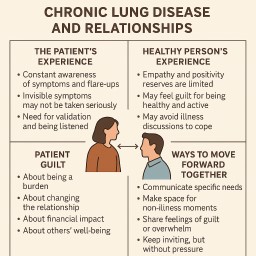
Patients may use walkers, oxygen, or mobility aids some days and not others. That doesn’t mean they are better or faking. This is a fluctuating illness.


"But You Look Fine..."

Looks can be deceiving. People with aspergillosis are often battling infection, inflammation, medication side effects, and mental strain every day.

Please don’t assume someone is well because they don’t look ill. If they cancel plans, rest more than others, or seem tired, it’s not laziness — it’s medical reality.


How You Can Support

  • Listen without judgement
  • Believe what they tell you about how they feel
  • Be flexible and patient
  • Offer practical help (shopping, transport, etc.)
  • Understand their limits can change daily

Final Words

Aspergillosis is an invisible disability. Your understanding makes an enormous difference. With the right support, people with this condition can live meaningful and dignified lives.

To learn more, visit: https://aspergillosis.org  https://www.aspergillosistrust.org/socialmedia

Thank you for taking the time to understand what you can’t always see.


🏊‍♂️ Indoor Pools & Aspergillosis — What You Need to Know

Generally Safe IF:

  • The pool is well-ventilated and well-maintained

  • Chlorination levels are monitored and stable

  • There's no visible mould or damp damage in the building

  • You are not severely immunocompromised or recovering from surgery

In stable CPA or ABPA patients who are not on high-dose immunosuppressants, light swimming in clean indoor pools can be beneficial for:

  • Mild exercise

  • Airway clearance

  • Improving lung capacity and mood


⚠️ Be Cautious If:


Situation Why It Matters
You’re on high-dose steroids or immunosuppressants Increased infection risk from fungal or bacterial spores
The pool area is damp, mouldy, or poorly ventilated Aspergillus spores may thrive in humid corners and vents
You have ongoing lung infection or unstable aspergillosis Exercise and exposure may worsen symptoms
You’re prone to bronchospasm or chlorine sensitivity Chlorinated air may trigger wheezing or chest tightness

🛑 Avoid if:

  • The changing rooms or walls smell musty or show black mould

  • There is visible condensation, damp, or poor ventilation

  • You’ve had recent invasive infection, surgery, or hospitalisation

  • You have uncontrolled ABPA or CPA with frequent exacerbations


✅ Tips for Safer Swimming:

  • Visit during off-peak hours (less aerosolised load)

  • Avoid hot tubs, saunas, and steam rooms connected to the pool

  • Shower immediately after swimming

  • Wear flip-flops to reduce risk of fungal skin infections

  • If breathless or chesty after swimming, hold off and speak to your respiratory team


🧾 Summary:

Yes, swimming in indoor pools can be safe for many with aspergillosis, but only if the environment is clean, dry, and well-maintained — and the patient is not severely immunosuppressed or unstable. Always discuss with your specialist before starting.


🛁 Outdoor Hot Tubs & Aspergillosis — The Key Issues

For someone with aspergillosis (especially chronic pulmonary aspergillosis or ABPA), **outdoor hot tubs are usually not recommended — or at the very least, should be approached with serious caution.


❗ 1. Fungal Exposure Risk (including Aspergillus):

  • Hot tubs — even well-maintained ones — are prone to harbouring fungal spores, biofilms, and moulds, especially in:

    • Filters and jets

    • Under the covers and around the edge

    • The aerosolised mist from bubbles and heat

  • Aspergillus and other moulds can thrive in warm, damp, organic-rich environments — exactly what a hot tub is.

❗ 2. Risk of “Hot Tub Lung” (hypersensitivity pneumonitis):

  • Caused by inhalation of waterborne organisms, especially Mycobacterium avium and fungal spores.

  • Can mimic or worsen chronic lung conditions and is dangerous in someone with underlying aspergillosis.

⚠️ 3. Chlorine or Bromine May Not Be Enough:

  • While disinfection kills many bacteria, fungal spores and biofilm-forming organisms can persist — especially in jets or hard-to-reach areas.


🟡 If a patient insists on using a hot tub, they should:

  • Only use tubs maintained to hospital-grade cleanliness standards (rare in private settings)

  • Avoid if there's any cover of mould, visible residue, or musty smell

  • Use during off-peak times to reduce aerosol exposure

  • Avoid placing head near water jets or breathing in rising steam

  • Limit time in the tub and shower immediately afterward

  • Consider wearing a high-grade mask while near the tub when not submerged


Safer Alternatives for Relaxation:

  • Dry saunas (if tolerated)

  • Warm baths indoors in clean, ventilated bathrooms

  • Gentle hydrotherapy pools with strict water quality controls


🔍 Summary:

For someone with aspergillosis, outdoor hot tubs are generally not recommended due to the risk of fungal aerosol exposure and potential lung flare-ups. Even “clean” tubs can harbour hidden risks.