Dad and the Sneaky Spores

A lovely story commissioned by the Aspergillosis Trust to raise awareness of the condition and to help children understand what it means to live with a family member affected by it. The narrative not only educates readers about Aspergillosis but is also thoughtfully crafted by Christina Gabbitas to foster empathy and understanding.

Dad and the Sneaky Spores : Gabbitas, Christina, Thomas, Rebecca, Hurst, Ursula: Amazon.co.uk: Books


Aspergillosis Awareness: Conversation with Tom Bermingham - European Lung Foundation

Conversation with Tom Bermingham - European Lung Foundation

👨 Meet Tom Bermingham

  • Lives in rural County Wexford, Ireland, with his wife.

  • Works as a Rural Development Manager.

  • Diagnosed with aspergillosis in 2022 after years of lung issues.


🌪️ What Triggered His Aspergillosis

  • He grew sunflowers in a polytunnel; handling decaying heads released dust he inhaled.

  • Later, home renovation stirred up bathroom mould/dust—both likely exposures.


🏥 The Path to Diagnosis

  • 2019: Hospitalised for cavitating pneumonia and diagnosed with bronchiectasis.

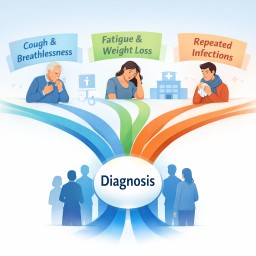
  • Later treated for chronic fatigue syndrome, repeated infections, tiring quickly.

  • Feb 2022: Hospitalised again (17 days), diagnosed with severe adult-onset asthma, oxygen-dependent, with mucus positive for Aspergillus fumigatus.

  • Initially labelled with Chronic Pulmonary Aspergillosis (CPA), treated with steroids, antifungals, inhalers, antibiotics, and fatigue medications.

  • 2024: Diagnosis revised to ABPA + Severe Asthma with Fungal Sensitisation (SAFS).

  • October 2024: Hospitalised for COVID-19 and Pseudomonas lung infection treated via PICC line. European Lung Foundation


💔 How It Affects His Daily Life

  • Mornings bring coughing up “dirty mucus” daily—an unsettling reminder.

  • Extreme fatigue, headaches, regular infections dominate his life.

  • Gave up gardening (risk of soil exposure), community work, and physical chores.

  • Lives with constant fear of infection, medication side effects, and hospitalisations.

  • Chronic disease has made long-term planning impossible; relaxation and mental wellbeing are vital.


🧭 How He Manages

  • Supported by his wife and daughters and his flexible employer.

  • Practices listening to his body: rests when needed.

  • Regular check-ups—including CT scans, lung function, sputum and blood tests—keep his care monitored. European Lung Foundation

  • Accepting limitations while focusing on what he can still do helps his mindset.


✅ Key Insights for Aspergillosis Patients

  • Environmental exposures matter: mould, dust, soil may trigger illness—even long after.

  • Diagnosis can be complex and evolve: often overlaps with asthma, bronchiectasis, ABPA, SAFS.

  • Daily life can change significantly, with physical decline and emotional stress.

  • Support network and personalised care are crucial—family, employer flexibility, specialist monitoring.

  • Self-care and mindset: acceptance, rest, and focusing on abilities, not limitations.


Aspergillosis Awareness: Conversation with Marcela Candeias - European Lung Foundation

Conversation with Marcela Candeias - European Lung Foundation

👩‍⚖️ Meet Marcela Candeias


🩺 Journey to Diagnosis

  • In 2020, Marcela developed a persistent, worsening cough, extreme fatigue, and significant weight loss.

  • She began coughing up thick mucus that turned green and black, culminating in an intense coughing fit lasting several hours.

  • This was the turning point that led her to seek medical help European Lung Foundation.


🩻 What Aspergillosis Felt Like

  • Severe coughing fits and bloody or discoloured phlegm.

  • Physical exhaustion and weight loss.

  • A clear sign that something serious was happening internally, not just a flare-up of old asthma European Lung Foundation.


⏭️ Why It Matters for Patients

  • Aspergillosis can emerge suddenly—even in people with previous mild asthma.

  • Early recognition of changes (e.g. mucus discoloration, fatigue, cough intensity) is crucial.

  • Once symptoms escalate, urgent medical evaluation is essential.


✅ Key Takeaways for Aspergillosis Patients

What to Watch For Why It Matters
🚨 Persistent cough with coloured or black mucus Red flag—seek medical review
Increasing fatigue and weight loss Indicates disease progression
Severe coughing fits or coughing up blood Requires immediate attention

"One of these fits lasted several hours—that was when I knew something was seriously wrong. European Lung Foundation


📌 Patient Action Guide

  1. If you have asthma or COPD and notice new symptoms—especially dark mucus, weight loss, or fatigue—don’t wait.

  2. Tell your GP or lung specialist that you’re concerned about aspergillosis.

  3. Ask about appropriate testing (e.g. imaging, sputum culture, blood markers).

  4. Early diagnosis can lead to timely treatment and better outcomes.


😷 Coping With Masks: Advice for People With Aspergillosis Who Struggle to Wear One

For people living with aspergillosis, asthma, or other lung conditions, wearing a facemask can sometimes feel uncomfortable — even frightening. You may feel like you can’t breathe properly, become hot or anxious, or feel claustrophobic. Some patients avoid masks altogether, even when they want to wear one to protect themselves from spores, pollution, or infection.

This guide is here to reassure you: you are not alone, and there are ways to make mask-wearing safer and more comfortable.


🫁 "I Can’t Breathe in a Mask" – Is This Normal?

Yes — many people with respiratory conditions feel this way. But here’s what the science tells us:

✅ For most people, even those with chronic lung disease, oxygen levels are not reduced by wearing a mask
❌ The feeling of not getting enough air is often caused by:

  • Anxiety or shallow breathing

  • The heat and humidity under the mask

  • The sensation of restricted airflow, not actual oxygen deprivation


💡 Helpful Tips If You Find Masks Difficult to Wear

1. Practise in a calm setting

Start wearing your mask for short periods at home, where you feel safe. Use calming breathing (slow in through the nose, out through the mouth). This helps your brain and lungs get used to the sensation.


2. Choose a mask that suits your needs

Different types of masks feel very different to wear.

Problem Suggested Mask
Feels suffocating or hot Structured FFP2 or duckbill-style masks (keep shape off your face)
Claustrophobic Surgical masks (lighter and looser fitting)
Strong reactions to smells or pollution FFP2/FFP3 masks or Vogmask with carbon filter
Sweat or overheating Lightweight cotton or disposable masks with cooling fabric or filter inserts

3. Use your inhaler beforehand (if prescribed)

Some people with asthma or ABPA find wearing a mask easier after using their reliever inhaler (blue) 10–15 minutes beforehand.


4. Take breaks when needed

If you’re in a safe place (like outdoors, away from people), it’s okay to briefly lift your mask and take a few calm breaths — especially if you're struggling. You don't need to wear it all the time to benefit.


5. Try alternatives in low-risk settings

If you genuinely can’t tolerate a mask:

  • Wear one only in crowded indoor areas (shops, clinics, transport)

  • Consider using a face shield over a mask or in short exposures (note: shields protect others less)

  • Maintain distance and ventilation in mask-free spaces


🔁 Don’t Let One Bad Experience Stop You

Struggling to wear a mask doesn’t mean you’ve failed — it just means you need to try something different. Many patients find that with the right mask and some breathing strategies, they can use one when it matters most.

Remember, even wearing a mask for short periods (e.g. clinic waiting room, pharmacy queue) offers valuable protection.


🧠 Why It Matters for Aspergillosis

People with aspergillosis often need to avoid airborne risks like:

  • Fungal spores (especially Aspergillus fumigatus)

  • Pollution and chemicals

  • Viral infections that could worsen lung damage

Wearing a well-fitting FFP2 or FFP3 mask, especially in higher-risk situations, is one of the best ways to reduce exposure.


🤝 You're Not Alone

If you feel overwhelmed, isolated, or panicked when wearing a mask — you are not alone. Many others in the aspergillosis community feel the same way. With time, support, and the right mask, it often gets easier.


📝 Summary: What You Can Try

  • ✅ Practise wearing a mask at home for short periods

  • ✅ Try structured masks (like FFP2 duckbill) for better airflow

  • ✅ Use a reliever inhaler beforehand if needed

  • ✅ Take short breaks if it becomes too uncomfortable

  • ✅ Don’t wear a mask all the time — just when it matters most


🛡️ FFP2/FFP3 Mask Use in Aspergillosis: Summary

Mask Type Who Might Use It When It's Used
FFP2 (95% filtration) Some patients with CPA, ABPA, or SAFS, especially during flares or hospital visits During travel on public transport, clinic waiting rooms, visiting building sites, or dust exposure
FFP3 (99% filtration) Patients who are severely immunocompromised (e.g. post-transplant, on chemotherapy, or high-dose steroids) In high-risk environments: hospital construction, building work nearby, or heavy dust/mould exposure

✅ When Masks Might Be Advisable

  • During hospital visits, particularly in winter or during flu/COVID waves

  • If you're immunosuppressed, e.g. taking long-term steroids or biologics

  • When exposed to mouldy buildings, compost, building work, or flood damage

  • In crowded indoor environments where infection risk is high


❌ When They’re Usually Not Needed

  • Day-to-day life in a clean, dry home environment

  • Low-risk outdoor activity (e.g. walking in the park)

  • If your asthma/ABPA/CPA is stable and you're not immunocompromised


🗣️ What the National Aspergillosis Centre Recommends

  • Use FFP2 masks when entering environments likely to have airborne fungal spores

  • FFP3 masks may be offered for high-risk medical procedures or when severely immunocompromised

  • Masks are one part of a broader protection strategy, which includes:

    • Good indoor air quality (HEPA filters, ventilation)

    • Avoidance of dusty environments

    • Prompt treatment of fungal infections


🌬️ Living with Asthma and Aspergillosis: Understanding the Overlap, the Immune System, and the Right Treatment

If you live with asthma and have been told you also have aspergillosis, such as ABPA (Allergic Bronchopulmonary Aspergillosis) or SAFS (Severe Asthma with Fungal Sensitisation), your situation is more complex than most people realise.

This guide explains:

  • The different types of asthma

  • How aspergillosis complicates asthma

  • The role of eosinophils, IgE, and the immune system

  • Why some people don’t have “typical” symptoms (like wheeze)

  • What treatments are available — and how to personalise your care


🧠 Asthma Isn’t One Disease

Asthma is a condition where the airways (breathing tubes) become:

  • Inflamed (swollen and irritated)

  • Overreactive to certain triggers (allergens, cold air, infection, etc.)

  • Narrowed and often filled with mucus, making breathing difficult

But not everyone with asthma has the same cause, symptoms, or treatment response. Asthma actually includes many subtypes — and understanding your type is key to getting the right care.


🧬 Common Asthma Types in Aspergillosis

Asthma Type Cause / Trigger Key Features
Allergic asthma IgE-driven allergy to pollen, dust, pets, fungi Common in early-life asthma
Eosinophilic asthma High levels of eosinophils (a white blood cell) Often adult-onset and hard to control
SAFS Allergy to fungi (especially Aspergillus) Severe, steroid-resistant asthma
ABPA Allergic reaction to Aspergillus growing in lungs Very high IgE, eosinophils, mucus, lung damage
Cough-variant asthma Inflammation without wheeze Dry cough as the only symptom
“Silent” asthma Reduced or absent warning signs No wheeze, may present with fatigue, cough or breathlessness only

🫢 New Section: What Is “Silent Asthma”?

“Silent asthma” is not an official medical term, but it’s used to describe:

  • Asthma without the classic wheeze (often just cough or tightness)

  • Or where asthma attacks happen suddenly, without clear warning

This is important because:

  • People may not realise they have asthma

  • Diagnosis may be delayed or missed

  • Flare-ups can be severe or even life-threatening

  • It may occur in people with fungal asthma, ABPA, or airway damage

Silent asthma is especially relevant in:

  • Older adults

  • People with ABPA or SAFS

  • People with cough-variant asthma

  • Anyone whose asthma doesn’t “sound” typical

🧪 Tests like FeNO, spirometry, and blood eosinophil counts are vital for confirming what’s really happening inside the lungs — even if symptoms are subtle.


🔬 Why ABPA Adds Complexity

If you have ABPA, the asthma symptoms are made worse by:

  • A hypersensitive immune reaction to Aspergillus fumigatus

  • Mucus plugging and blocked airways

  • Lung damage (bronchiectasis) that doesn’t improve with inhalers alone

  • A mix of allergic and eosinophilic inflammation

Key signs include:

  • Extremely high IgE levels

  • Raised eosinophils

  • Positive blood tests for Aspergillus

  • Lung CT scan changes


💊 Treatment Options Based on Asthma Type

Treatment Used For
Inhaled corticosteroids (ICS) All types, first-line
Antifungal medications ABPA, SAFS
Oral steroids (e.g. prednisolone) ABPA flares, severe asthma
Biologics (e.g. mepolizumab, omalizumab) Severe allergic or eosinophilic asthma
Chest physiotherapy Mucus clearance in ABPA or bronchiectasis

Each treatment is tailored based on whether your asthma is driven by:

  • IgE (allergy)

  • Eosinophils (inflammation)

  • Fungal exposure or colonisation


📍 What to Discuss with Your Healthcare Team

If you:

  • Have asthma that isn’t well controlled

  • Need frequent steroids

  • Have a chronic cough, thick mucus, or lung damage

  • Have high IgE or eosinophils

  • Or don’t wheeze, but still get breathless or fatigued…

… it’s important to ask your doctor:

  • Could I have ABPA or SAFS?

  • Is there a fungal or eosinophilic component to my asthma?

  • Should I be tested for Aspergillus allergy or IgE?

  • Am I a candidate for biologics or antifungals?


✅ Final Takeaway

Asthma with aspergillosis is more than just “bad asthma” — it’s a complex condition involving allergy, inflammation, fungal exposure, and in some cases, permanent airway changes. Some patients don’t experience wheeze — this is called “silent asthma,” and it deserves just as much attention.

You don’t have to manage this alone — and there are now targeted treatments that can help reduce symptoms, prevent damage, and improve quality of life.


🧭 Self-Health Management: Then, Now, and What’s Coming Next

🧭 Self-Health Management: Then, Now, and What’s Coming Next

Over the past 20 years, the way people manage their health in the UK has changed dramatically — and more changes are on the horizon. For people living with long-term or complex conditions like aspergillosis, asthma, or chronic lung disease, this shift has brought both new opportunities and new burdens.

This article explains what’s changed, what the government is planning, what benefits are hoped for — and what happens if you can’t or don’t want to use online tools.


🕰️ What Was Self-Health Management Like 20 Years Ago?

In the early 2000s:

  • Patients relied heavily on their GP or hospital specialist for every decision.

  • Access to records was limited or non-existent.

  • Health information came from leaflets, GPs, or occasional TV programmes.

  • Appointments were mostly face-to-face and arranged by phone.

  • There was less expectation for people to self-manage complex conditions.


📲 What’s Different Today?

Patients today are expected to:

  • Track symptoms themselves and know when to seek help.

  • Use digital tools like the NHS App, online consultations, and health monitoring apps.

  • Interpret test results, medication side effects, and care plans with less direct support.

  • Coordinate care between services — sometimes across different hospitals or systems.

  • Understand and act on complex health advice, often with less contact from clinicians.

For people with chronic respiratory conditions like CPA or ABPA, this can sometimes improve control — but it can also feel overwhelming, especially when care is fragmented or specialists are hard to reach.


🧑‍⚕️ How Are Healthcare Staff Adapting?

Many GPs, nurses, and hospital teams are trying to:

  • Embrace shared decision-making and educate patients more directly.

  • Offer video, phone, or online consultations when appropriate.

  • Provide tools like self-monitoring diaries, peak flow meters, or oxygen saturation monitors.

  • Rely on electronic triage systems and limit in-person appointments to the most complex cases.

But many are also under pressure. Staff shortages, long waiting lists, and increased demand mean clinicians have less time per patient, making it harder to offer the detailed guidance many people still need.


🏛️ What Is the UK Government Planning for the Future?

The government’s current plans aim to make the NHS more digital, preventative, and self-directed. This is laid out in the NHS Long Term Plan, the Digital Health and Care Strategy, and the Data Saves Lives policy.

Goal Target
Make the NHS App the main access point for care 2025–2026
Move more routine care to remote monitoring and self-management By 2026–2029
Personalise prevention and reduce avoidable illness By 2029
Reduce reliance on face-to-face appointments Ongoing since 2021
Digitise health records across all services By 2025–2027

Patients with long-term conditions are expected to:

  • Manage their own prescriptions

  • Monitor symptoms at home

  • Use digital tools to stay informed and in control

  • Access care only when needed, rather than by default


🎯 What Are the Hoped-For Benefits?

The government promotes these changes as delivering:

✅ Better Outcomes

  • Early intervention, better symptom tracking, and fewer complications.

  • Personalised care plans based on your data and condition.

✅ More Convenient Care

  • Fewer unnecessary visits

  • More control over your own information and appointments

✅ NHS Cost Savings

  • Reducing face-to-face appointments and hospital stays frees up staff time.

  • Less duplication, fewer unnecessary tests, better resource use.


⚠️ But Is It Better for Everyone?

Not necessarily. These benefits are not equally felt by all patients.

🧓 Digital Exclusion Is a Real Problem

  • Around 1 in 5 UK adults struggle with using digital health services.

  • Older adults, people on low incomes, and those with disabilities or learning needs are most affected.

  • Some patients simply don’t feel confident, or don’t trust digital systems.

🧭 What Happens If You’re Left Behind?

Government guidance insists that non-digital options must remain — but this isn’t always consistent. Some patients report:

  • Difficulty reaching practices by phone

  • Online-only booking or consultations

  • Fewer letters and face-to-face reviews

Patients with complex, fluctuating, or rare conditions like aspergillosis may find it harder to get appropriate support without a strong digital presence — especially if care crosses multiple departments or regions.


🧠 So What Needs to Happen?

To make this shift work for everyone, the system must:

  • Protect non-digital access routes (e.g. phone, letter, face-to-face)

  • Offer digital training and support to those who want it

  • Make sure apps and online tools are inclusive and easy to use

  • Involve patients in designing these services — especially those with long-term conditions

  • Keep monitoring for harm or exclusion, and respond quickly


📍 Where Can Patients Get Help Today?

Support Type Where to Find It
🔬 Specialist advice National Aspergillosis Centre, hospital respiratory clinics
👨‍⚕️ Local support GP, pharmacist, practice nurse
📱 Digital tools NHS App, condition-specific apps, NHS websites
🤝 Peer support Online groups, charities, forums (e.g. Asthma + Lung UK, aspergillosis.org)
💬 Advice lines NHS 111, condition-specific helplines

✅ In Summary

The NHS is changing — and patients are expected to change with it. Over 20 years, self-management has gone from optional to expected, and digital care is being rapidly expanded.

For some, this means more control and quicker help. For others, it can feel isolating, confusing, or unsafe. The challenge is to design systems that support everyone — not just the tech-savvy or well-connected.

If you’re living with a long-term condition like aspergillosis, you should never be left managing alone.


🌿 Living with Chronic Pulmonary Aspergillosis (CPA):

Hope, Setbacks, and What “Cure” Really Means

Being diagnosed with chronic pulmonary aspergillosis (CPA) is often overwhelming. You may be on treatment with antifungals like itraconazole (Sporanox) and have already gone through ups and downs — early improvement, then a period of stagnation, and now you're facing a new CT scan with anxiety.

You’re not alone — and this guide brings together the key questions patients often ask, along with helpful real-life insights.


✅ “I Felt Better at First — Then It Stalled. Why?”

This is very common in CPA. In the first few months:

  • Symptoms like cough, breathlessness, and fatigue may improve.

  • CT scans may show fungal balls shrinking or disappearing.
    But then:

  • Symptoms return or stay the same.

  • Scans show little change.

  • Anxiety grows.

This doesn’t mean treatment has failed.
It may just mean you've reached a slower phase of healing. Here's why:

Reason What’s Happening
Antifungal success at first Fungal load drops, but scarring and inflammation remain.
Itraconazole is working But drug levels may be too low — monitoring is essential.
Other lung conditions coexist Like bronchiectasis or NTM, which antifungals don’t treat.
Ongoing exposure to mould Especially from damp buildings, compost, or dust.
Immune response adapts Symptoms may persist even if fungus is under control.

🔁 “Can Things Improve Again?”

Yes — many people improve again after a plateau or setback.

What helps:

  • Check your itraconazole blood level — low levels = poor response.

  • ✅ Consider a switch to another antifungal, like voriconazole or posaconazole.

  • ✅ Ask your team about co-infections, inhaled therapies, or lung physiotherapy.

  • ✅ Monitor your vitamin D, weight, and steroid use (to rule out other causes of symptoms).

  • Keep going — many people improve again with time, adjustments, and support.

🗣️ “I had a dip after three months. We checked my drug levels — they were low. After a small dose change, I felt better again.” — Patient story


💬 “Can CPA Be Cured?”

🩺 What Do We Mean by “Cure”?

In medicine, a cure usually means:

  • The disease is gone,

  • Treatment is no longer needed,

  • There’s no sign of the illness coming back.

But in CPA, a full cure is rare — because the conditions that allowed it to take hold usually remain.


⚠️ Why CPA Is Rarely “Cured” in the Traditional Sense

  • CPA often happens in lungs already damaged by:

    • Tuberculosis (TB)

    • COPD or emphysema

    • Bronchiectasis

    • Allergic bronchopulmonary aspergillosis (ABPA)
      These conditions are chronic and don’t disappear, even if the fungus is controlled.

  • Scars, cavities, and weakened lung tissue remain, and symptoms can return if antifungal treatment is stopped too soon or if reinfection occurs.


✅ So What’s a More Accurate Way to Think About It?

Instead of talking about a cure, specialists use words like:

Term What It Means
Clinical improvement You feel better, symptoms reduce, scans look more stable.
Stability The disease is under control — not progressing.
Remission The infection is quiet or inactive — with or without treatment.
Disease control Long-term treatment is helping manage the condition safely.

📌 Think of CPA like asthma or diabetes — not "gone," but often well controlled.


🟢 Sometimes — CPA can be cured

In a small number of people:

  • The fungus is cleared completely,

  • Symptoms resolve,

  • Antifungals are stopped and not needed again.

This is more likely when:

  • CPA is caught early,

  • The disease is limited to one area,

  • The person has otherwise healthy lungs.


🟡 For Most — CPA is treatable but long-term

You may not fully “get rid of it” — but you can:

  • Live well with it,

  • Keep symptoms under control,

  • Avoid major complications.


🔴 If untreated, CPA can progress

  • Damage spreads,

  • Bleeding may worsen,

  • General health may decline.

That’s why staying on treatment and having regular check-ups is so important.


🔪 What About Surgery?

Surgery can help in some cases — but it depends on your specific situation.

🟢 Surgery may help if:

  • You have a single aspergilloma (fungal ball).

  • You're experiencing repeated bleeding (haemoptysis).

  • The lesion is growing or pressing on nearby structures.

  • Antifungals haven’t worked, or aren’t tolerated.

In these cases, removing part of the lung may stop bleeding, reduce symptoms, and improve quality of life.


🔴 Surgery may not be suitable if:

  • Disease affects both lungs or multiple areas.

  • Your lung function is too low.

  • The lesion is too close to vital structures.

  • You have underlying conditions like COPD, bronchiectasis, or ABPA that wouldn’t improve after surgery.

🩺 If surgery isn’t an option:

You may still benefit from:

  • Bronchial artery embolisation (BAE) — a non-surgical way to stop bleeding.

  • Ongoing antifungal therapy.

  • Symptom management through breathing support and physiotherapy.


💬 What Other Patients Say

Patient Story Outcome
“My fungal ball vanished after 6 months. I’m still on meds but doing well.” Stable with long-term itraconazole
“I plateaued, then improved again after switching drugs.” Switched to posaconazole
“I had surgery after coughing up blood for months. It made a huge difference.” Surgery successful
“I live with scarring, but I’m off meds now and stable.” Clinical remission

🧾 What You Can Do

  • ✅ Ask your doctor to check your itraconazole level if not already done.

  • ✅ Record weekly symptoms — cough, fatigue, breathlessness.

  • ✅ Ask about sputum tests for fungi or bacteria.

  • ✅ Discuss surgery or embolisation if you’re coughing up blood.

  • ✅ Stay hopeful — CPA is manageable, and some people do recover.


❤️ Final Thoughts

CPA is rarely curable in the strictest sense, but that doesn’t mean it’s hopeless.
Many people live full lives with the disease under control. Even if CT scans show lasting changes, what really matters is:
How you feel. How well you breathe. How stable your condition stays.

With antifungal therapy, expert care, and the right support, you are not alone — and you can feel better again.


🛡️ Choosing the Best Air Filter for Aspergillosis – Day & Night

Living with aspergillosis (such as ABPA, CPA, aspergillus bronchitis, or SAFS) means taking extra care to avoid airborne Aspergillus spores, which can be found both outdoors and indoors. One of the most effective ways to protect yourself at home is by using a high-quality air purifier.

This guide will help you choose a purifier that works for you — especially for bedroom use at night, where quiet operation is just as important as clean air.


🎯 Why Use an Air Filter?

  • Aspergillus spores are tiny (2–3 microns), invisible to the eye, and can remain airborne for long periods.

  • Indoor sources include dust, damp areas, stored food, compost, or even indoor plants.

  • A HEPA air purifier can trap these particles, helping reduce airway irritation, infections, or allergic reactions.


✅ What to Look For

Feature Why It Matters
True HEPA Filter Captures ≥99.97% of particles ≥0.3 microns — includes Aspergillus spores
Activated Carbon Filter Helps remove odours, gases, VOCs (optional bonus)
Room Size & CADR Clean Air Delivery Rate (CADR) should match or exceed your room’s size
Quiet Operation For night-time use, look for ≤25–30 dB (whisper-quiet)
Sleep Mode / Dim Lights Prevents disturbance from lights or fan noise overnight
Filter Replacement Easy to change, ideally with indicator for when to replace
No Ozone or Ionisers Avoids irritation to sensitive lungs — stick with mechanical HEPA filtration

🌙 Night-Time Friendly Options

Model Noise (dB) Room Size Notes
Blueair Blue Pure 411 Auto 17 dB Up to 35 m² Super-quiet, ideal for small bedrooms
Levoit Core 300S 24 dB Up to 40 m² Quiet, smart controls, affordable
Philips 3000i AC3033 25 dB Up to 104 m² Excellent for larger spaces, smart app
IQAir Atem Desk <22 dB Personal zone Ultra-quiet, high-quality for desks/bedsides
Dyson Purifier Cool ~24–32 dB Medium–large Stylish, also a fan, more expensive

Tip: Choose a unit slightly larger than your room size for best effect.


💡 Extra Tips for Aspergillosis Patients

  • Vacuum with a HEPA filter weekly

  • Keep humidity below 50% (use a dehumidifier if needed)

  • Avoid ionizers or ozone generators — these can irritate your lungs

  • Close windows at night during high pollen or spore seasons

  • Clean or change filters regularly (check manufacturer’s guide)


🛏 Night Setup Checklist

  1. Place the purifier 1–2 metres from your bed (not right next to your face)

  2. Use “Sleep Mode” or low fan for silent overnight cleaning

  3. Turn off indicator lights (if bright)

  4. Close doors and windows to keep clean air contained

  5. Replace filters every 6–12 months or as prompted


📌 Summary

Must-Have Features Optional but Useful
✅ True HEPA filtration 🌫 Activated carbon filter
✅ Quiet night mode (<25 dB) 📱 Smart controls or auto mode
✅ Right room size / CADR rating 🌡 Monitor for humidity or air quality
✅ No ozone, no ionizers 🔁 Filter change indicator

🗨️ Final Thought

For aspergillosis patients, an air purifier is a worthwhile investment in long-term lung health — especially in sleeping areas where your body is most vulnerable. Choosing the right device helps reduce exposure to fungal spores and improves quality of life, one breath at a time.


🛡️ Staying Safe with Self-Treatment and Complementary Therapies: A Guide for Aspergillosis Patients

Living with a chronic condition like aspergillosis — whether chronic pulmonary aspergillosis (CPA), allergic bronchopulmonary aspergillosis (ABPA), severe asthma with fungal sensitisation (SAFS), or aspergillus bronchitis — can be exhausting. Many patients explore over-the-counter (OTC) products, natural remedies, or complementary therapies to gain a sense of control.

But how can you be sure a product or therapy is safe, effective, and not a waste of money?

This guide aims to help.


🔍 Why Do Patients Try Things on Their Own?

In many countries, it’s common to self-medicate or explore alternative treatments without consulting a healthcare professional. Reasons include:

  • Limited access to specialist care

  • Cultural norms that favour self-management

  • Easy access to remedies and supplements online or in shops

  • Feeling unheard or unsupported in mainstream medical care

Even in the UK, patients with aspergillosis may turn to:

  • Herbal products

  • Nutritional supplements

  • Creams or gels with capsaicin (chilli), turmeric, or menthol

  • Breathing techniques, steam inhalation

  • “Immune-boosting” diets or over-the-counter fungal cleanses

Some of these may be helpful — but not all are safe or worthwhile.


✅ Step 1: How to Check if a Product or Therapy Is Safe

Before trying anything new, ask:

1. Is it approved or regulated in the UK?

Medicines and certain creams should have a Product Licence (PL) number, issued by the Medicines and Healthcare products Regulatory Agency (MHRA).
You can check the licence on the MHRA product registry.

2. Could it interact with your prescribed medications?

  • Some herbal remedies affect azole antifungal drugs (like itraconazole or voriconazole) or oral steroids.

  • Ask your GP (General Practitioner), specialist, or pharmacist before combining treatments.

3. Is it safe to apply or inhale?

  • Never use essential oils, menthol, or herbal mixtures in a nebuliser unless clearly intended for lung use.

  • Avoid applying hot or irritating creams to broken or sensitive skin.

4. Is it mentioned in NHS guidance?

Stick to advice on:


⚠️ Watch Out for Red Flags

Be cautious of any product, practitioner, or website that:

🚩 Red Flag ⚠️ Why It’s a Concern
Claims to “cure” aspergillosis There is no cure — only long-term management
Says it’s “100% natural with no side effects” Natural products can still be harmful
Uses high-pressure sales tactics Legitimate care is never urgent or fear-based
Recommends stopping your prescribed treatment Stopping antifungals or steroids can be dangerous

🧪 Step 2: Look for Evidence, Not Just Testimonials

Some treatments are promising — but we need solid evidence to know they work.

✅ Good sources of trustworthy evidence:


💬 Can You Trust a Pharmacist?

Yes — in most cases, UK pharmacists are highly trained and regulated. However, there are two kinds to be aware of:

Type of Pharmacist What to Know
Retail Pharmacist May sell you products directly; still bound by safety standards
Clinical Pharmacist (in GP surgeries or hospitals) Focused entirely on clinical care and not sales-driven

Both are regulated by the General Pharmaceutical Council (GPhC) and must put patient safety first, regardless of sales.

🟢 Ask them:

  • “Will this interact with my medications?”

  • “Is this supported by NHS or NICE?”

  • “Would this be suitable for someone with CPA or ABPA?”


🧘 What About Complementary Therapies?

Some patients explore:

  • Acupuncture

  • Herbal medicine

  • Osteopathy or chiropractic

  • Reflexology or massage

  • Nutritional therapy

  • Mindfulness and yoga

These may help with:

  • Muscle or joint pain

  • Fatigue and sleep problems

  • Emotional stress or anxiety

They can complement your medical treatment — but should never replace it.

✅ Safe if:

  • Practitioner is registered with a reputable UK body

  • The therapy does not interfere with prescribed medications

  • It is used for symptom relief, not for “cleansing” or treating the infection

❌ Risky if:

  • It’s marketed as a cure for aspergillosis

  • It encourages you to stop medical treatment

  • It is expensive, secretive, or vague about its effects

Reputable UK Registers:

Practitioner Type Regulator / Body
Acupuncturists British Acupuncture Council (BAcC)
Herbalists National Institute of Medical Herbalists (NIMH)
Osteopaths General Osteopathic Council (GOsC)
Chiropractors General Chiropractic Council (GCC)
Nutritionists Association for Nutrition (AfN)

🧾 Summary: A Safer Way to Explore New Treatments

Do This Avoid This
Check the MHRA or NHS website Trusting social media or forums alone
Look for a PL number and regulated status Using unlicensed creams, drops, or nebuliser fluids
Ask your pharmacist or GP about interactions Assuming “natural” means harmless
Use one new treatment at a time Trying multiple new remedies together
Start with low doses or small trial sessions Buying expensive long-term “packages” up front

📘 Real Example: Using Capsaicin Cream for Pain

Some patients with back pain or joint discomfort have tried capsaicin cream (chilli-based), especially if they cannot tolerate non-steroidal anti-inflammatory drugs (NSAIDs) like ibuprofen.

✅ It’s safe for many people when:

  • Applied in small amounts to intact skin

  • Hands are washed after use

  • Used up to 4 times daily

  • Product is licensed (e.g. Zacin® 0.025%)

⚠️ It may cause a burning feeling for the first few days.
Avoid contact with eyes, mouth, or mucous membranes.

Ask a pharmacist before use — especially if you’re on steroids, have skin thinning, or are very sensitive to heat or irritation.


🗂️ Want to Learn More?