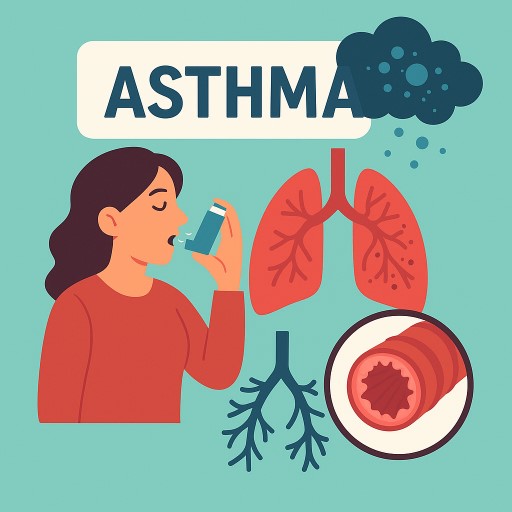
📄 Why Have Asthma Rates Risen Despite Cleaner Air?

It might seem surprising, but even though outdoor air pollution has fallen a lot since the 1970s, asthma is more common today — especially in children. Here's why:

🧼 1. Cleaner Isn’t Always Better for the Immune System

Modern lifestyles mean children are exposed to fewer germs early in life. This can cause the immune system to become over-sensitive, making allergies and asthma more likely. This is called the "hygiene hypothesis."

👩‍⚕️ 2. Better Diagnosis

Asthma is diagnosed much more often now than in the past. In the 1970s, many children with wheezy breathing weren't given a diagnosis. Today, doctors recognise and treat asthma early. That means the numbers look higher — but some of it is due to better awareness.

🏠 3. Indoor Pollution

While outdoor air has improved, indoor air can be a problem:

  • Gas cookers, damp and mould
  • Dust mites and cleaning sprays
  • Less fresh air due to sealed homes These things can all affect breathing and trigger asthma.

🚗 4. Modern Air Pollution Still Affects Us

Pollution from traffic (especially nitrogen dioxide and tiny particles called PM2.5) is still a problem — especially near busy roads. These can irritate lungs and make asthma worse, even at low levels.

⚖️ 5. Lifestyle Factors

Obesity increases the risk of asthma, and more children are now overweight. Children also spend more time indoors and less time being active, which may affect lung health.

🧬 6. Genetics and Early Exposures

Family history matters, and things like antibiotics, pollution, or infections during pregnancy or early life can influence a child’s risk of developing asthma.


✅ Good News

Even though more people have asthma, it’s much better managed today:

  • Inhalers are more effective
  • Fewer people die from asthma
  • Most children and adults with asthma can live full, active lives with the right support

🩺 Has Cleaning Our Air Been Worth It?

Despite the rise in asthma diagnoses, cleaning up the air has been a major public health success:

✔️ Major Benefits:

  • Huge drop in bronchitis, pneumonia, and childhood chest infections
  • Far fewer hospital admissions for acute respiratory illness
  • Respiratory deaths due to coal smoke, sulphur dioxide, and black soot have plummeted
  • Safer air for people with long-term lung conditions like COPD, ABPA, and CPA

🤔 Why Asthma Went Up Anyway:

As the section above explains, asthma is influenced by more than just air pollution:

  • Indoor air, allergens, obesity, early-life exposures, and genetic factors all matter
  • Better detection and survival also increase the number of people living with asthma

🔍 The Bigger Picture:

Even though asthma became more common, the severity of lung disease has dropped for many people thanks to:

  • Better inhalers and treatments
  • Early diagnosis
  • Cleaner air and less exposure to smoke and harmful chemicals

So yes — cleaning the air has been worth it. It’s saved lives and made breathing easier for millions. But like most things in health, it's one part of a much bigger story.

Let your healthcare team know if you have questions — understanding your environment and your own triggers can help you breathe easier, wherever you live.


Living Safely in a Damp or Mould-Prone Home: A Complete Guide for Patients and Families

Introduction

Damp and mould in homes are more than a nuisance — they can cause serious health risks, especially for people with existing lung conditions such as asthma, Allergic Bronchopulmonary Aspergillosis (ABPA), Chronic Pulmonary Aspergillosis (CPA), or weakened immune systems. This guide combines essential knowledge, practical steps, and trusted resources to help you protect your home and your health.


1. Understanding Damp and Mould

Damp and mould are common problems in homes and workplaces, particularly in the UK’s colder, wetter climate. While often seen as cosmetic or minor issues, they can cause significant damage to buildings and pose serious health risks if left untreated. Understanding what causes damp and mould is the first step toward preventing them.


🌧️ What Is Damp?

Damp refers to the presence of unwanted moisture in the structure of a building. It can affect walls, ceilings, floors, windows, and even furniture. Damp conditions create the ideal environment for mould, mildew, rot, and structural damage.

There are several types of damp:

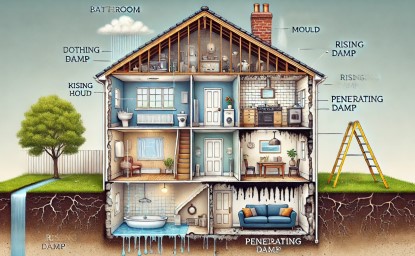
  • Condensation: The most common form, caused by excess moisture in the air settling on cold surfaces. Often seen on windows, external walls, and bathrooms.

  • Rising Damp: Caused by moisture moving up through walls from the ground due to a failed or missing damp-proof course (DPC).

  • Penetrating Damp: Occurs when water enters through defects in the building fabric, such as leaking roofs, broken gutters, or cracked walls.

  • Plumbing Leaks/Internal Damp: Caused by leaking pipes, appliances, or internal fixtures.


🍄 What Is Mould?

Mould is a type of fungus that thrives in damp, humid conditions. It grows on a wide range of surfaces, including plaster, wallpaper, wood, tiles, and fabric. Mould reproduces by releasing microscopic spores into the air.

  • Common indoor moulds include Aspergillus, Cladosporium, and Stachybotrys (black mould).

  • Mould can appear as black, green, brown, or white patches.

  • It often produces a musty or earthy smell, even before it’s visibly noticeable.


🧪 The Damp-Mould Cycle

  1. Excess moisture enters or forms in the property (e.g., from condensation or leaks).

  2. Surfaces stay damp for extended periods—especially where airflow is poor.

  3. Mould spores settle on damp surfaces and begin to grow.

  4. If not cleaned and the cause not addressed, mould spreads and becomes a persistent issue.


🔍 Signs of Damp and Mould

  • Water marks or discoloured patches on walls and ceilings

  • Peeling paint or wallpaper

  • Condensation on windows, especially in the mornings

  • Musty, damp smell

  • Visible mould growth—black, green, or brown spots

  • Damp or humid feeling in the air


✅ Summary: Key Points

  • Damp is caused by excess moisture and can be structural or lifestyle-related

  • Mould thrives in damp environments and spreads via airborne spores

  • Condensation is the most common trigger for mould in UK homes

  • Spotting early signs and understanding causes is essential for effective prevention


Understanding the basics of damp and mould helps you act quickly, avoid costly damage, and create a healthier living or working space.

2. Health Risks of Damp and Mould

Damp and mould in homes and workplaces aren’t just unpleasant—they can pose serious health risks, especially to vulnerable individuals. Prolonged exposure to mould spores and damp environments can affect respiratory health, worsen existing medical conditions, and contribute to overall poor indoor air quality.


🦠 How Damp and Mould Affect Health

Mould releases microscopic spores and mycotoxins into the air. When inhaled, these particles can irritate the lungs, eyes, skin, and immune system. Damp conditions also encourage the growth of dust mites and bacteria, further contributing to health problems.


👶🧓 Who is Most at Risk?

While mould exposure can affect anyone, certain groups are more vulnerable:

  • Babies and young children – developing lungs are more sensitive to airborne irritants

  • Older adults – weakened immune systems or existing conditions increase risk

  • People with asthma or other respiratory conditions – mould can trigger or worsen symptoms

  • Individuals with weakened immune systems – due to illness or treatment

  • Pregnant individuals – due to changes in immune response

  • People with allergies or skin conditions – may experience worsened symptoms


😷 Common Health Effects

Respiratory Issues

  • Coughing, wheezing, shortness of breath

  • Asthma attacks or worsening asthma symptoms

  • Increased risk of chest infections and bronchitis

  • Irritation of the throat and nasal passages

Allergic Reactions

  • Sneezing, runny or blocked nose

  • Red, itchy, or watery eyes

  • Skin rashes and irritation

  • Sinus congestion and headaches

Other Health Concerns

  • Fatigue and difficulty concentrating – linked to poor indoor air quality

  • Fungal infections – in severe cases, especially in immunocompromised individuals

  • Mental health effects – prolonged exposure to poor living conditions, including mould and damp, can contribute to stress, anxiety, and depression


🏥 When to Seek Medical Help

You should consult a doctor if:

  • You or someone in your household experiences persistent coughing, wheezing, or breathing difficulties

  • Asthma symptoms are worsening or becoming harder to control

  • Allergic symptoms appear or intensify after spending time indoors

  • A child, elderly person, or immunocompromised individual is exposed to mould regularly

Doctors may recommend medications, allergy testing, or home environment assessments.


🧼 Prevention Is the Best Protection

  • Fix leaks and ventilate regularly to reduce moisture

  • Clean mould promptly and safely

  • Monitor humidity and condensation levels

  • Use dehumidifiers or air purifiers if needed

  • Act quickly—even small patches of mould can pose a risk


✅ Summary: Health Risks at a Glance

  • Mould can trigger asthma, allergies, and infections

  • Damp environments encourage dust mites and bacteria

  • Vulnerable individuals are at higher risk of health complications

  • Long-term exposure may affect mental wellbeing and indoor air quality

  • Early prevention and treatment are key to protecting health


Maintaining a dry, well-ventilated home is not just about comfort—it's a vital part of protecting your family’s health.

3. Prevention: Keeping Your Home Warm, Dry, and Clean

The most effective way to tackle damp and mould is to stop it before it starts. Prevention focuses on managing moisture, improving airflow, and maintaining a clean, warm environment. Whether you live in a new build or an older property, these proactive steps can greatly reduce the risk of damp and mould developing.


🔥 Keep Your Home Warm

A warm home helps prevent condensation, which is a key cause of mould in colder months.

  • Maintain a consistent temperature (ideally 18–21°C) throughout the day, especially in bedrooms and living areas.

  • Use thermostats and timers to control heating efficiently without wasting energy.

  • Avoid letting rooms get very cold, even when unoccupied—this can cause moisture to condense on cold surfaces.

  • If heating only certain rooms, keep doors closed to retain warmth.


💨 Improve Ventilation

Proper ventilation helps remove moist air generated from daily activities like cooking, bathing, and drying clothes.

  • Open windows for short periods each day, even in winter, to allow fresh air in and moisture out.

  • Use extractor fans in kitchens and bathrooms—and leave them running for 10–15 minutes after use.

  • Install trickle vents or leave window vents open to allow passive airflow.

  • Avoid blocking air bricks or ventilation grilles.

If natural ventilation isn’t enough, consider mechanical ventilation systems, especially in properties prone to damp.


💧 Manage Indoor Moisture

Daily activities release moisture into the air. Limiting and controlling this moisture is key:

  • Dry clothes outside when possible. If indoors, use a room with good ventilation and keep the door closed.

  • Cover pots and pans when cooking, and use extractor fans or open windows.

  • Wipe condensation off windows and walls daily, especially in the mornings.

  • Avoid overfilling wardrobes and cupboards—allow air to circulate around furniture and stored items.

  • Consider using dehumidifiers in damp-prone rooms such as basements or poorly ventilated areas.


🧽 Clean Regularly and Act Early

  • Clean bathrooms and kitchens frequently, focusing on areas where moisture builds up—tiles, window frames, behind furniture.

  • Use anti-mould sprays or vinegar to clean areas prone to black mould.

  • Check hidden spots regularly—behind sofas, in wardrobes, and under windowsills.

  • Tackle early signs of mould as soon as you see them. Small patches can often be safely cleaned before they spread (see Section 4).


🔧 Carry Out Routine Maintenance

Preventing structural damp is just as important as managing daily moisture.

  • Inspect and repair leaks in roofs, windows, gutters, and pipes.

  • Keep gutters and downpipes clear of leaves and debris to avoid overflow.

  • Seal windows and doors to stop rain from entering.

  • Ensure your home’s damp-proof course (DPC) is intact and unobstructed by soil, decking, or external paving.


✅ Summary: Top Prevention Tips

  • Keep rooms consistently warm

  • Ventilate daily—even in cold weather

  • Dry clothes carefully and wipe down condensation

  • Clean high-moisture areas regularly

  • Repair leaks and inspect your home’s exterior

  • Use dehumidifiers and anti-mould products where necessary


By keeping your home warm, dry, and clean, you’ll create an environment where damp and mould are far less likely to thrive. Prevention is always easier—and cheaper—than cure.

4. Safe Mould Cleaning

Cleaning mould safely and effectively is essential to protect your health and prevent it from returning. If mould is not dealt with properly, it can spread quickly and worsen underlying damp problems. This guide outlines how to clean small areas of mould safely and when to call in professional help.


⚠️ Before You Start: Assess the Situation

  • Size Matters: If the mould covers an area larger than 1 square metre, or if it returns frequently, it’s best to consult a professional.

  • Hidden Mould: If you suspect mould behind walls, under floors, or in insulation, do not disturb it—this can release large amounts of spores into the air.

  • Health Warning: People with respiratory conditions (asthma, COPD), allergies, weakened immune systems, or pregnant individuals should avoid cleaning mould themselves.


🧰 What You’ll Need

  • Protective gear:

    • Disposable gloves

    • N95/FFP2 mask or equivalent

    • Safety goggles or protective glasses

  • Cleaning tools:

    • Soft scrubbing brush or cloth

    • Bucket of warm water

    • Spray bottle (optional)

  • Cleaning solution:

    • Mild detergent and warm water, or

    • White vinegar (undiluted), or

    • A mould and mildew remover approved for domestic use (avoid mixing chemicals)

Avoid bleach for porous surfaces—it may remove staining but often doesn’t kill mould roots.


🧼 Step-by-Step Cleaning Process

1. Ventilate the Area

  • Open windows and keep the room well-ventilated during and after cleaning.

  • Close internal doors to prevent spores spreading to other parts of the home.

2. Prepare Safely

  • Put on all protective gear before entering the mould-affected area.

  • Remove or cover nearby soft furnishings and valuables.

3. Apply the Cleaning Solution

  • Spray or apply your chosen cleaning solution directly onto the mouldy surface.

  • Let it sit for a few minutes to loosen the mould.

4. Gently Scrub the Area

  • Use a cloth or soft brush to scrub the area gently.

  • Don’t scrape or use excessive force, as this can damage surfaces and spread spores.

5. Rinse and Wipe

  • Wipe the cleaned area with a clean damp cloth, then again with a dry one.

  • Dispose of all cloths or rags used in a sealed plastic bag.

6. Dry the Area Thoroughly

  • Use fans, heaters, or natural airflow to dry the area completely.

  • Mould will return quickly if surfaces remain damp.


🗑️ Disposal and Clean-Up

  • Double-bag all disposable items (gloves, cloths, etc.) and throw them away in your household rubbish.

  • Wash hands thoroughly after cleaning, even if gloves were worn.

  • Clean tools used in hot soapy water or dispose of them if heavily contaminated.


🧯 Prevent Mould from Returning

  • Address the source of moisture (leaks, condensation, poor ventilation).

  • Use a dehumidifier if humidity remains high.

  • Repaint affected areas with anti-mould paint or sealant.

  • Monitor the space over the following weeks for any signs of return.


👷‍♀️ When to Call in Professionals

You should seek professional help if:

  • The mould covers more than 1m² or appears in multiple rooms

  • The mould returns after cleaning

  • You suspect hidden damp or structural causes

  • The property has vulnerable occupants (elderly, babies, or those with health issues)

Certified mould remediation specialists can safely remove large infestations and identify underlying issues that DIY methods can’t reach.


✅ Summary: Safe Mould Cleaning Tips

  • Wear protective gear and ventilate the room

  • Use mild detergent, vinegar, or mould-specific cleaner—never mix chemicals

  • Clean small areas gently and dispose of contaminated materials safely

  • Dry the area completely after cleaning

  • Address moisture sources to stop mould from returning


By following safe cleaning practices and staying vigilant, you can tackle small-scale mould before it becomes a bigger—and more expensive—problem.

5. Structural Causes of Damp and Mould

Damp and mould are often the result of underlying structural issues in a building. Identifying and addressing these causes is crucial for long-term prevention. Common structural causes include:

  • Roof Leaks: Broken or missing roof tiles and damaged flashing can allow water to seep into the property, leading to damp ceilings and walls.

  • Faulty Gutters and Downpipes: Blocked or leaking gutters and downpipes can overflow, allowing water to run down exterior walls and soak into the structure.

  • Rising Damp: This occurs when moisture from the ground travels up through walls due to a damaged or missing damp-proof course (DPC).

  • Penetrating Damp: Caused by water entering through external walls due to cracks, porous bricks, or faulty rendering.

  • Poor Insulation: Inadequate insulation can lead to cold surfaces inside the home, encouraging condensation and mould growth.

  • Broken Seals Around Windows and Doors: Damaged seals can let in rainwater and allow moisture to build up around frames.

  • Plumbing Issues: Leaking or burst pipes inside walls or under floors can cause hidden damp spots that lead to mould growth.

Regular maintenance and early repairs can help prevent structural damp problems and reduce the risk of mould developing in your home.

6. How to Recognise a Good Damp Surveyor

When dealing with persistent damp or mould problems, hiring a qualified and trustworthy damp surveyor is one of the most important steps you can take. A good surveyor doesn’t just offer a quick fix—they diagnose the root cause and recommend long-term solutions based on evidence, not sales incentives.


👷‍♂️ What is a Damp Surveyor?

A damp surveyor is a building specialist trained to assess the causes and extent of damp, mould, and moisture-related problems in a property. Their role is to:

  • Inspect the building thoroughly

  • Identify the type of damp (e.g., rising, penetrating, condensation)

  • Detect hidden moisture using professional tools

  • Recommend the most appropriate, cost-effective remedy


🏅 Key Qualities of a Good Damp Surveyor

Relevant Qualifications

Look for surveyors with recognised professional credentials, such as:

  • CSRT (Certified Surveyor in Remedial Treatment) – Focused on damp, timber decay, and treatment solutions

  • CSSW (Certified Surveyor in Structural Waterproofing) – For diagnosing and specifying waterproofing systems in below-ground structures

  • Membership with the Property Care Association (PCA) or the Royal Institution of Chartered Surveyors (RICS) is a strong indicator of professionalism and adherence to standards.

Independence and Impartiality

  • Choose an independent surveyor—not one linked to a damp-proofing company.

  • Be cautious of "free surveys" from companies whose main goal is selling you expensive treatments.

  • A good surveyor provides an unbiased assessment based on the building’s condition, not on commission-driven sales.

Experience and Reputation

  • Look for someone with proven experience in diagnosing a range of damp problems, especially in buildings similar to yours (e.g., period properties, flats, basements).

  • Check online reviews, ask for references, or seek recommendations from local homeowners, tradespeople, or your local authority.

Thorough and Methodical Approach

A good damp surveyor will:

  • Inspect the entire property, including loft spaces, basements, and external walls

  • Use a range of diagnostic tools, such as:

    • Moisture meters

    • Thermal imaging cameras

    • Hygrometers (to measure humidity levels)

  • Take time to explain findings clearly and answer your questions

  • Identify not just the symptoms, but the underlying cause of the damp

Detailed Written Report

  • Expect a comprehensive report, not just a brief summary.

  • A quality report should include:

    • Photographic evidence

    • Moisture readings and data

    • Clear explanation of the type(s) of damp

    • Root causes and contributing factors

    • Tailored recommendations for repairs, ventilation, or treatment

    • Estimated costs and timelines (if applicable)


Warning Signs of a Poor Surveyor

  • Overly quick inspections that miss key areas

  • Vague recommendations or pushy sales tactics

  • Offering only one "solution" (usually chemical damp-proofing) without explaining other options

  • No formal qualifications or unclear professional background

  • Inability or refusal to answer technical questions clearly


📍 Where to Find a Good Surveyor

  • Property Care Association (PCA): www.property-care.org

  • Royal Institution of Chartered Surveyors (RICS): www.rics.org

  • Ask your local council, especially if you’re in social or rented housing—they may recommend or provide qualified assessors.


✅ Summary: What to Look for

  • Recognised qualifications (ISSE, CSRT, CSSW, PCA, RICS)

  • Independent, unbiased advice

  • Experience with similar properties

  • Full inspection with professional tools

  • Detailed, clear written report

  • Willingness to answer your questions


Hiring the right damp surveyor can save you from unnecessary work, high costs, and ongoing problems. Take the time to choose someone you can trust—your home and health are worth it.

7. Remediation and Repairs

Once damp or mould has been identified in a property, it's crucial to go beyond surface cleaning and address the root causes. Proper remediation and repair work not only removes visible damage but also prevents future problems, protecting both the building and the health of its occupants.


🛠️ Step-by-Step Remediation Process

1. Identify the Source of Moisture

Before any repairs begin, determine where the moisture is coming from. Common sources include:

  • Leaking pipes or roofs

  • Condensation from poor ventilation

  • Rising or penetrating damp due to structural issues

  • Faulty guttering or downpipes
    A professional damp surveyor can help accurately diagnose the problem.

2. Stop the Moisture at Its Source

  • Fix Leaks: Repair plumbing, roofs, windows, and gutters to stop water ingress.

  • Improve Ventilation: Install extractor fans in kitchens and bathrooms, unblock air vents, and ensure windows can be opened.

  • Install or Repair Damp-Proofing: Address rising damp with a working damp-proof course (DPC) or membrane.

  • Insulate and Heat: Add insulation to cold walls, and maintain a consistent indoor temperature to reduce condensation.

3. Dry Out the Affected Areas

Once the source has been controlled, thoroughly dry out the space:

  • Use dehumidifiers and fans to remove moisture from the air.

  • Keep windows open when safe to do so, or use trickle vents to maintain airflow.

  • Drying may take several days to weeks, depending on the extent of the damp.

4. Remove Damaged or Contaminated Materials

Mould can penetrate porous materials, which often need to be replaced:

  • Remove and safely dispose of contaminated carpets, wallpaper, insulation, or plasterboard.

  • Use sealed plastic bags for disposal and avoid spreading spores.

  • In severe cases, professional removal may be required to ensure safe handling and containment.

5. Clean and Treat Surfaces

Once dry, clean all affected hard surfaces with suitable mould-killing products:

  • Use antifungal sprays, vinegar, or specialised cleaners (avoid bleach on porous surfaces).

  • Wear protective gear—gloves, mask, goggles—when cleaning.

  • Apply mould-resistant sealants or primers before repainting or refinishing.

6. Repair and Refinish

After cleaning and removal:

  • Replaster walls where necessary

  • Repaint with mould-resistant paint

  • Replace floorboards, skirting boards, or ceiling tiles that were removed

These repairs help restore your home and improve its long-term resistance to moisture.


🧰 Preventive Upgrades to Consider

To reduce the risk of recurrence:

  • Install Humidistats: These monitor humidity and automatically trigger ventilation.

  • Improve Insulation: Especially on external walls and in loft spaces.

  • Add Cavity Wall or Loft Insulation: This helps regulate temperature and reduces condensation.

  • Use Anti-Mould Paints and Finishes: Especially in kitchens, bathrooms, and basements.


⚠️ When to Call in Professionals

You should hire professional damp and mould remediation specialists when:

  • The mould covers a large area (more than 1 square metre)

  • You suspect hidden damp behind walls or under floors

  • Occupants have persistent health symptoms related to mould

  • DIY cleaning hasn’t solved the problem, or mould keeps returning

Look for certified professionals (e.g., PCA members or surveyors with CSRT/CSSW credentials) who offer comprehensive diagnostics and long-term solutions.


✅ Summary: Key Remediation Steps

  • Find and fix the source of moisture

  • Dry out affected areas thoroughly

  • Remove damaged materials

  • Clean and treat all surfaces

  • Repair and refinish the space

  • Upgrade ventilation and insulation to prevent return


Proper remediation and repairs are critical to protecting both your property and your health. Don’t settle for cosmetic fixes—deal with damp and mould at the source for long-lasting results.

8. Special Winter Advice

Winter is the most challenging season for managing damp and mould. Cold weather, increased indoor moisture, and reduced ventilation all contribute to the perfect conditions for mould growth. However, with the right preventative steps, you can keep your home or workplace warm, dry, and healthy throughout the colder months.


❄️ Why Winter Increases Risk

  • Condensation: Warm, moist indoor air hits cold surfaces (like windows and external walls), turning into water droplets that can soak into building materials.

  • Limited Ventilation: People tend to keep windows closed in winter, trapping moisture from cooking, showering, and breathing.

  • Higher Humidity Indoors: Drying clothes inside, using heaters, and running hot water increases humidity.

  • Poor Insulation: Cold spots and draughts can cause uneven temperatures and condensation buildup.


🧣 Essential Winter Prevention Tips

🔥 Keep the Home Consistently Warm

  • Set your thermostat to maintain a steady temperature between 18°C and 21°C, even at night.

  • Avoid sudden drops in temperature, which increase condensation.

  • Use programmable timers on your heating system to manage energy use efficiently.

🌬️ Ventilate Without Losing Too Much Heat

  • Open windows briefly (10–15 minutes) each day to refresh stale, humid air—especially in bathrooms and kitchens.

  • Use extractor fans when cooking or bathing, and keep them running for at least 15 minutes after use.

  • Keep internal doors closed while ventilating to contain warm air in other areas.

👕 Dry Clothes with Caution

  • Avoid drying clothes on radiators, which releases large amounts of moisture into the air.

  • If you must dry indoors, use a dedicated room with windows open or use a dehumidifier to absorb the extra moisture.

💧 Monitor and Control Humidity

  • Use a hygrometer to track indoor humidity (ideal range: 40–60%).

  • Place moisture absorbers in corners, wardrobes, or poorly ventilated spaces.

  • Use a dehumidifier in high-risk areas like basements or bathrooms.

🚪 Eliminate Cold Spots and Draughts

  • Seal gaps around doors and windows with draught excluders or weather stripping.

  • Use thick curtains and thermal blinds to keep heat in and cold out.

  • Insulate cold walls where possible to reduce surface condensation.


🧼 Routine Maintenance in Winter

  • Check Gutters and Downpipes: Clear leaves and debris to prevent blockages that can lead to water ingress.

  • Inspect Roofs and Windows: Look for signs of leaks or damage before snow and rain make them worse.

  • Wipe Down Surfaces: Remove condensation from windows and sills every morning with a dry cloth or window vacuum.

  • Keep Furniture Away from Walls: Leave a gap to allow air to circulate and prevent mould from forming behind items.


🚨 Act Quickly at First Signs of Trouble

  • Don’t ignore cold, damp smells or early signs of mould.

  • Clean small patches using safe methods (see Section 7), and address the cause immediately.

  • If problems persist, consider getting a damp survey to check for hidden issues.


✅ Summary: Winter Damp Defence

  • Maintain consistent warmth

  • Ventilate, even in cold weather

  • Control humidity levels

  • Dry laundry carefully

  • Carry out regular inspections

  • Act early if problems develop


By combining good habits with simple adjustments, you can keep damp and mould at bay—even during the coldest months of the year.

9. Damp and Mould at Work

Damp and mould problems can have serious consequences in the workplace, affecting the health and wellbeing of staff, damaging property, and even leading to legal and financial liabilities for employers. Recognising and addressing these issues promptly is essential for maintaining a safe and compliant working environment.


🛠️ Common Causes in the Workplace

  • Poor Ventilation: Many office and commercial buildings rely on sealed environments with artificial climate control. Without proper airflow, moisture builds up—especially in kitchens, toilets, basements, and storage areas.

  • Leaks and Water Ingress: Leaking roofs, faulty windows, damaged plumbing, and burst pipes can introduce moisture into the building’s fabric, leading to persistent damp patches and hidden mould.

  • Condensation: Poor heating and ventilation management can lead to high humidity and condensation, particularly around windows and in cold areas of the building.

  • Structural Defects: Cracks in walls, missing roof tiles, broken guttering, and failed damp-proofing can all allow water to penetrate the structure, especially during heavy rain or freezing conditions.


🩺 Health Risks to Employees

Exposure to damp and mould in the workplace can cause or worsen a range of health conditions, especially for those with asthma, allergies, or weakened immune systems. Common symptoms and issues include:

  • Coughing, wheezing, or shortness of breath

  • Nasal congestion and sinus infections

  • Eye, nose, and throat irritation

  • Headaches, fatigue, and reduced concentration

  • Skin rashes or irritation

  • Aggravation of pre-existing respiratory conditions

Persistent exposure can result in absenteeism, reduced productivity, and long-term health issues for affected staff.


⚖️ Employer Responsibilities (UK)

Under UK health and safety law, employers are legally required to provide a safe, healthy workplace. Relevant legislation includes:

  • Health and Safety at Work etc. Act 1974

  • Workplace (Health, Safety and Welfare) Regulations 1992

  • Control of Substances Hazardous to Health (COSHH) Regulations 2002

Employers must:

  • Carry out regular health and safety risk assessments

  • Address hazards promptly, including damp and mould

  • Provide clean, ventilated, and dry working conditions

  • Respond to employee complaints about indoor air quality

  • Engage professional help if needed to investigate and resolve the issue

Failing to act can result in enforcement action, fines, or compensation claims.


🗣️ What Employees Should Do

  • Report It: Notify a supervisor, facilities manager, or health and safety representative if you notice damp smells, mould growth, or symptoms linked to poor air quality.

  • Document It: Take photos and note dates, symptoms, and any patterns in exposure. Keep a record if problems persist.

  • Know Your Rights: If an employer fails to act, contact your union representative or external bodies such as the Health and Safety Executive (HSE) or Citizens Advice.

  • Look After Your Health: If you experience symptoms, seek medical advice and mention potential workplace exposure.


👷‍♀️ When to Get Professional Help

Employers should engage qualified professionals if:

  • The source of damp is unknown or extensive

  • The mould is widespread (covering more than 1m²)

  • The issue returns after basic cleaning or repairs

  • Staff health complaints are increasing

Professional damp surveyors and remediation contractors can identify structural issues, recommend repairs, and safely remove mould.


✅ Summary: Best Practices for Workplaces

  • Regularly inspect building interiors and exteriors for signs of damp

  • Maintain heating, ventilation, and air conditioning (HVAC) systems

  • Address leaks and maintenance issues immediately

  • Ensure cleaning teams are trained to spot and report mould

  • Keep staff informed and encourage early reporting


Tackling damp and mould in the workplace isn't just about comfort—it's a health and legal responsibility. A proactive approach protects both people and property.

10. Trusted Resources

If you're dealing with damp and mould in your home or workplace, it's important to get accurate information and support from reliable sources. Below are trusted organisations and resources that offer guidance, assistance, and further reading:

Government and Public Health

Housing and Tenant Support

  • Shelter – Offers legal advice and support for tenants facing housing issues, including damp and mould.
    www.shelter.org.uk

  • Citizens Advice – Free guidance on resolving disputes with landlords and understanding your rights.
    www.citizensadvice.org.uk

Technical and Surveyor Support

  • Institute of Specialist Surveyors and Engineers- ISSE run their own specialised high-quality certification & validation www.isse.org.uk
  • Property Care Association (PCA) – Find certified damp and timber specialists, including surveyors with CSRT and CSSW qualifications.
    www.property-care.org

  • Royal Institution of Chartered Surveyors (RICS) – Directory of accredited surveyors and building professionals.
    www.rics.org

Additional Help

  • Local Councils – Many councils offer environmental health services to inspect and act on damp issues in rental properties.

Using these trusted sources can help you make informed decisions and get the right support to effectively manage and resolve damp and mould problems.

Summary Checklist: Top Actions for Damp and Mould Prevention

 Use this quick-reference guide to stay on top of the most effective ways to prevent and manage damp and mould in your home or workplace:


🏠 Keep Your Home Warm and Dry

  • Maintain a consistent indoor temperature (18–21°C)

  • Insulate walls, roofs, and floors properly

  • Use thermostats and timers to manage heating efficiently


💨 Improve Ventilation

  • Open windows regularly, even in winter

  • Use extractor fans in bathrooms and kitchens

  • Install trickle vents or air bricks if needed


🚿 Manage Moisture and Humidity

  • Wipe down windows and cold surfaces daily

  • Use a dehumidifier in high-moisture rooms

  • Dry clothes outside or in a ventilated room


🔧 Fix Structural and Maintenance Issues

  • Repair leaks in roofs, pipes, gutters, and windows promptly

  • Check for cracks in walls and faulty damp-proofing

  • Clean and maintain gutters and downpipes


🧼 Clean Safely and Act Early

  • Clean mould as soon as it appears using safe methods

  • Wear gloves, mask, and eye protection when cleaning

  • Discard mouldy materials that can't be cleaned


🧑‍🔧 Seek Professional Help When Needed

  • Hire a qualified, independent damp surveyor (CSRT/CSSW)

  • Use trusted contractors for repairs and remediation

  • Contact local council or tenants' support if landlord is unresponsive


📅 Be Proactive in Winter

  • Increase ventilation despite colder weather

  • Monitor condensation and damp-prone areas closely

  • Check insulation and seal drafts before winter starts


Regular checks, early action, and good habits are your best defence against damp and mould.


Understanding Chemical Sensitivities in Aspergillosis, Asthma, and Chronic Lung Conditions

Many people living with aspergillosis, asthma, bronchiectasis, or other long-term respiratory illnesses report that they react badly to cleaning products, air fresheners, perfumes, and even strong-smelling personal care items. These reactions are real and can be distressing. This article explains what’s happening, why it affects some people but not others, and what you can do to reduce your risk and feel more in control.


Why Do Some Chemicals and Perfumes Trigger Symptoms?

Many cleaning products and scented items contain volatile organic compounds (VOCs) — chemicals that easily evaporate into the air. These can include:

  • Limonene (used in citrus-scented products)
  • Formaldehyde
  • Ammonia
  • Alcohols and solvents
  • Synthetic perfumes (labelled as "fragrance" or "parfum")

When inhaled, VOCs and other airborne chemicals can irritate the lining of the lungs, especially in people with underlying inflammation, scarring, or hyperresponsive airways. This can lead to symptoms such as:

  • Coughing
  • Wheezing
  • Shortness of breath
  • Chest tightness
  • Brain fog or fatigue in some cases

You don’t need to be allergic to these substances to be affected — in many cases, it’s an irritant or hypersensitivity reaction.


Why Does It Affect Some People But Not Others?

Not everyone reacts the same way to airborne chemicals. Here's why some people are more sensitive:

1. Existing Lung Conditions

People with asthma, aspergillosis (ABPA or CPA), bronchiectasis, or COPD often have airways that are already inflamed or structurally damaged. This makes their lungs more reactive to airborne triggers.

2. Airway Hyperresponsiveness

Some individuals have airways that spasm or swell more easily when exposed to irritants. This may be linked to genetics, prior infections, or chronic inflammation.

3. Sensory or Central Sensitisation

In some people, the nervous system becomes sensitised to strong smells or chemicals — even at levels others might not notice. This can overlap with conditions like fibromyalgia, chronic fatigue syndrome (ME/CFS), or post-viral syndromes.

4. Chemical Intolerance or Multiple Chemical Sensitivity (MCS)

MCS is a controversial but increasingly recognised pattern where people react to small amounts of everyday chemicals. It may involve a mix of biological and neurological factors, but there is no definitive test, and diagnosis remains complex.

5. Environmental History

People who’ve been exposed to mould, solvents, or occupational dust and fumes may become sensitised over time.

6. Anxiety and Conditioned Responses

In some people, particularly those who have previously experienced frightening episodes triggered by smells (such as perfumes or cleaning chemicals), even the scent alone can trigger anticipatory anxiety. This can cause symptoms like breathlessness or tightness even in the absence of a strong chemical exposure. This does not mean the reaction is "in your head" — anxiety can produce real physical effects, especially in people whose airways are already compromised.


Can We Screen for Who’s Most at Risk?

There’s no single test, but risk can be estimated by asking the right questions:

  • Have you had asthma, ABPA, CPA or bronchiectasis?
  • Do you react to air fresheners, perfumes, or cleaning sprays?
  • Do your symptoms worsen in certain environments?

Some clinical tools like FeNO testing, peak flow monitoring, and validated questionnaires (e.g. QEESI) may help identify those at higher risk.

Genetic markers like HLA subtypes are under research but not routinely used.


Practical Steps to Reduce Exposure

  • Choose fragrance-free products (not just “unscented,” which may still contain masking agents).
  • Use microfibre cloths and hot water for everyday cleaning.
  • Avoid aerosols, bleach, ammonia and pine-scented products.
  • Open windows or ventilate well during and after cleaning.
  • Ask family or carers to clean while you’re out of the house if possible.
  • Wear a mask (such as an FFP2/FFP3 or carbon-filter mask) during necessary exposure.

What About Carpet Cleaners and Other Equipment?

Some carpet cleaners or shampoos list ingredients like “amphoteric surfactants.”

  • This term refers to how the chemical behaves (can act as an acid or base) — it has nothing to do with amphotericin, the antifungal drug.
  • However, the perfume or preservatives in these products are more likely to cause symptoms.

If you’re sensitive:

  • Stay out of the area while carpets are being cleaned.
  • Ask someone else to do the cleaning.
  • Air the space thoroughly afterwards.

Summary: You're Not Imagining It

Chemical sensitivity is real. Even though terms like “MCS” remain medically controversial, the impact on daily life is well recognised, especially in people with underlying lung conditions.

You don’t have to justify your symptoms — your body is giving you valid signals. It's okay to set boundaries and make your home and surroundings safer for your health.


🛡️ Staying Safe from Scams: What You Need to Know (UK Advice)

(Patient Information – UK)

Scammers are getting more convincing. They can fake phone numbers, emails, and websites, and may claim to be from your bank, GP, or even a friend. This guide will help you spot scams, protect yourself, and know where to get help.


⚠️ How to Spot a Scam

Common red flags:

  • “Too good to be true” offers or prizes

  • Urgent messages demanding quick action

  • Unexpected contact from banks, services, or government departments

  • Requests for money, PINs, passwords, or personal details

  • Messages or calls pretending to be from someone you know

🔴 Scammers can fake names, phone numbers and websites. Never trust what you see on the screen alone.

Never respond to prize messages if you didn’t enter a competition.


☎️ What If Someone Calls You?

If they ask, “Can I confirm your name?” — stop and think:
Why are they calling you if they don’t already know who you are?

  • Genuine organisations (e.g. HMRC, DWP) may limit what they say at first — but they should know something about you.

  • Ask them to confirm your National Insurance number, address, or reference number — not the other way around.

  • If unsure, hang up and call back using an official number from a trusted source (e.g. your bank card or gov.uk).


🕵️‍♀️ Common Scam: The Fake Bank Text

  • You get a text that looks like it’s from your bank, warning of fraud.

  • A second message follows — from a different number — asking you to call or click to “secure your account.”

❌ This is a scam.
✅ Always call your bank using the number on the back of your bank card, not the one in the message.


🔍 How to Check Links Safely

  • On a computer: Hover your mouse over a link to see where it really goes (at the bottom of your browser).

  • On a mobile phone: Press and hold a link (don’t tap) to preview the full address.

  • If the web address looks strange, don’t click.


🌐 Official UK Bank Websites

Always log in via the official site or app. These are the real domains for major UK banks:

Bank Official Website(s)
Barclays barclays.co.uk, barclays.com
HSBC hsbc.co.uk, hsbc.com
Lloyds Bank lloydsbank.com
Halifax halifax.co.uk
NatWest natwest.com, natwestgroup.com
RBS rbs.co.uk, rbs.com
Santander santander.co.uk
Nationwide nationwide.co.uk
Metro Bank metrobankonline.co.uk
TSB tsb.co.uk
Starling Bank starlingbank.com
Monzo monzo.com
Virgin Money virginmoney.com, uk.virginmoney.com
First Direct firstdirect.com
Chase UK chase.co.uk

⚠️ Don’t trust websites with strange endings or hyphens like -secure, -verify, or .net instead of .co.uk.


🔐 How to Stay Safe

  • Use strong passwords (different for each service)

  • Turn on two-factor authentication (2FA)

  • Keep your devices updated

  • Don’t click on suspicious links or attachments

  • Never move money or give personal info because of a text, call or email

  • Always verify who you’re talking to, especially if they contacted you first


✅ Scam Safety Checklist

  • ☐ Strong passwords + 2FA

  • ☐ Hover or long-press to check web links

  • ☐ Ask for info the caller should already know

  • ☐ Use official websites and phone numbers

  • ☐ Never act under pressure

  • ☐ Report scams to protect yourself and others


📞 Where to Report Scams and Get Help

Here are the most trusted UK sources for scam prevention, support and reporting:

1. Action Fraud (UK police service)

  • 🌐 actionfraud.police.uk

  • ☎️ 0300 123 2040

  • Report all types of fraud and scams (England, Wales, NI)

2. National Cyber Security Centre (NCSC)

3. Citizens Advice – Scams Action

  • 🌐 citizensadvice.org.uk/scams

  • ☎️ Scams Action Helpline: 0808 250 5050 (England) or 0800 043 0281 (Scotland)

  • Friendly help and guidance if you’re unsure or worried

4. Take Five to Stop Fraud (UK Finance)

5. Financial Conduct Authority (FCA)


🧠 Final Advice

  • Scammers rely on panic, pressure, and trust.

  • If something doesn’t feel right — pause, check, and speak to someone you trust.

  • You’re not being rude by questioning it — you’re protecting yourself.

  • If you get caught out don't feel ashamed, most people do at some point. Report and learn.

Damp and Mould in UK Homes: Why It Matters and What You Can Do

❗ Why Damp and Mould Are Dangerous

Damp and mould are not just unsightly. They pose serious health risks, especially for people with:

  • Aspergillosis or other fungal lung diseases
  • Asthma, COPD, or bronchiectasis
  • Weakened immune systems
  • Babies, pregnant women, and older adults

According to the NICE NG149 guidance, exposure to damp and mould can:

  • Trigger asthma attacks, wheezing, coughing, and breathlessness
  • Worsen existing lung conditions such as ABPA or CPA
  • Increase risk of respiratory infections and fungal illnesses
  • Affect mental wellbeing, sleep, and quality of life

⚖️ What the Law Says: Landlord Responsibilities

Under UK law, landlords must make sure homes are fit to live in and free from serious health hazards:

1. Damp and Mould = Category 1 Hazard

2. Fitness for Human Habitation (Homes Act 2018)

  • All rented homes must be safe, dry, and free from serious damp and mould
  • Tenants can take their landlord to court if repairs aren’t made in a reasonable time

3. Landlords Must Act Promptly

  • Landlords must fix the cause of damp/mould (e.g., leaking guttering, blocked hoppers, rising damp), not just cover it up
  • Repairs must be made within a reasonable timeframe, especially where health is affected

4. Councils Can Enforce Action

  • If landlords refuse to act, local authorities can intervene and even carry out repairs themselves

🧱 What Makes a Home Unsafe Due to Damp or Mould?

A home may be considered unsafe if any of the following apply:

  • Visible mould covering walls, ceilings, windowsills, or furniture
  • Persistent musty odours indicating hidden damp
  • Peeling paint, warped skirting boards, or discoloured walls due to moisture
  • Condensation that doesn’t improve with ventilation
  • Damp that leads to recurring respiratory symptoms
  • Evidence of penetrating damp from leaks, poor guttering, or water ingress
  • Cold and humid indoor environments where mould easily regrows

These conditions can meet the threshold for a Category 1 hazard, especially when a vulnerable person lives in the home.


🚫 What to Do If You Are Being Ignored

If your landlord or council does nothing about serious damp and mould, you have options:

1. Keep Evidence

  • Take dated photos of the problem
  • Save copies of emails and letters you’ve sent
  • Keep a record of symptoms or doctor visits

2. Use the Law

  • Take action under the Homes (Fitness for Human Habitation) Act
  • You may be entitled to repairs and compensation for harm to your health or belongings

3. Contact Environmental Health

  • Your local council's Environmental Health team can inspect your home and issue legal notices to your landlord

4. Ask Your Doctor to Support You

  • A simple letter from your GP stating your condition (e.g. aspergillosis) and how mould affects you can help push action

5. Speak to Your MP

  • Your Member of Parliament (MP) can contact the council or housing provider on your behalf

👤 For Patients with Aspergillosis or Lung Conditions

People with aspergillosis, ABPA, CPA, or asthma are especially vulnerable to mould-related illness. NICE guidance NG149 says:

  • Medical evidence is not required to trigger housing action, but
  • Doctors should ask about home conditions if someone’s symptoms worsen
  • Councils and landlords must take urgent action when health is at risk

If you’ve been trying to get help for months or even years with no success, you’re not alone. You are entitled to live in a safe, healthy home.


🏥 Can a GP Refer You Directly to the National Aspergillosis Centre (UK)?

Unfortunately, no — not directly.

The NAC is a tertiary referral centre, meaning that:

  • Referrals must come from a hospital consultant (usually a respiratory or infectious diseases specialist)

  • The NAC cannot accept direct referrals from GPs or from patients themselves

This is due to NHS policy and service structure — not because they don’t want to help.


What Your GP Can Do:

Even though they can’t refer you directly, your GP can advocate on your behalf and help move things forward by:

  1. Writing to your current hospital consultant to request:

    • A second opinion from NAC

    • Transfer of care or joint management with NAC

    • Review of your images, sputum results, and previous history

  2. If your current hospital won’t cooperate, your GP can:

    • Refer you to a different respiratory consultant (at another hospital if needed)

    • Ask that this new consultant considers NAC referral

  3. If your case involves rare, persistent, or poorly controlled lung disease with suspected Aspergillus involvement, the NAC is usually happy to review — but only after that consultant request is made.


📂 What to Send (via the consultant)

Your hospital team (at your GP’s request) should ideally send:

  • Latest CT scans and chest X-rays

  • Sputum culture results

  • Total and specific IgE / Aspergillus IgG

  • A clear clinical history summary

  • Any previous diagnosis letters or clinic notes


🗣️ If You’re Still Not Getting Help

If your current consultants won’t help and your GP is willing, you might also:

  • Ask your GP to refer you to a private respiratory specialist (for one appointment only) who may agree to refer you to NAC from there.

  • Or contact your local Patient Advice and Liaison Service (PALS) to escalate the block in access.


💬 Suggested Wording for Your GP:

“I’ve had long-standing respiratory symptoms with suspected Aspergillus involvement and limited progress under my current hospital team. I understand referral to the National Aspergillosis Centre requires a hospital consultant, but would you be willing to request that my current team (or an alternative respiratory consultant) considers this referral on my behalf?”


💡 Summary:

  • ❌ GPs cannot refer you directly to NAC

  • ✅ Your GP can request your hospital consultant do it — and advocate for you

  • 🛑 If you're being blocked, ask to be referred to another consultant who may be more open to referring to NAC


🥤Itraconazole and What You Drink: A Guide for Aspergillosis Patients

If you’re taking itraconazole for aspergillosis — such as ABPA, CPA, or fungal asthma — you may have been told to take it with fizzy drinks, avoid certain juices, or take it on an empty stomach. It can be confusing.

This guide explains which drinks help, which drinks harm, and how long to wait before or after your dose to make itraconazole work effectively and safely.


💊 Why Does It Matter What You Drink?

Itraconazole needs to be absorbed properly into your body to fight the Aspergillus fungus. But how well it’s absorbed depends on:

  • The form of itraconazole (capsule, liquid, or tablet)

  • The acidity in your stomach

  • The timing of drinks and food around your dose

Some drinks (like fizzy cola or orange juice) can help absorption, especially with capsules. Others (like milk or grapefruit juice) can interfere with absorption or metabolism, making the treatment less effective — or even unsafe.


📦 Forms of Itraconazole: What to Take It With

Form How to Take It Best With Avoid
Capsules (e.g. Sporanox®) Take with food Fizzy cola, orange juice, or cranberry juice — if advised ❌ Milk, tea, coffee, antacids
Oral solution (liquid) Take on an empty stomach (1 hour before or 2 hours after food) ❌ No food or drink (except water) ❌ Fizzy drinks, milk, juice, or food near the dose
Tablets (e.g. Lozanoc®) Follow package instructions (usually with food) ⚠️ Check with your pharmacist ❌ Grapefruit juice, alcohol

Drinks That Can Help (Capsules Only)

If you're taking itraconazole capsules, and you're on acid-suppressing medication or have low stomach acid, your doctor may advise taking the dose with:

  • Fizzy cola (full sugar, not diet)

  • Orange juice

  • Cranberry juice

These drinks help increase stomach acidity and can improve absorption of the capsule form.


Drinks to Avoid — and When

Some drinks reduce how much itraconazole your body absorbs, or interfere with how it’s broken down in the liver.

Drink Why to Avoid It When to Avoid It
Grapefruit juice Can cause dangerously high drug levels by interfering with liver enzymes ❌ Avoid completely
Seville orange juice (used in marmalade) Acts like grapefruit — same risk ❌ Avoid completely
Pomelo or starfruit juice May affect metabolism ❌ Avoid completely
Milk / dairy drinks Neutralises stomach acid, reducing absorption ❌ Wait at least 1 hour before or 2 hours after taking capsules
Tea or coffee Lowers stomach acidity if taken near the dose ❌ Wait at least 1 hour before or 2 hours after taking capsules
Antacids / acid-reducers (e.g. Gaviscon, omeprazole) Reduces stomach acid; affects absorption ❌ Take itraconazole at least 2 hours before or 4 hours after these medicines
Alcohol Can stress the liver and irritate the stomach ⚠️ Avoid at dose time; separate by a few hours if necessary

⏱️ What Does "Well Before or After" Mean?

To safely space out drinks that might interfere:

Drink or Medication Minimum Safe Gap (Before or After Itraconazole Capsules)
Milk / tea / coffee ✅ At least 1 hour before or 2 hours after
Antacids or acid suppressants (e.g. omeprazole) ✅ Take itraconazole 2 hours before or 4 hours after
Food or drink (for oral solution) ✅ Wait 1 hour before and 2 hours after the dose (empty stomach)

You may take a small sip of water with your dose if needed.


🧪 What If It’s Not Working Well?

Doctors may check your itraconazole blood level if:

  • Your symptoms aren’t improving

  • You’re on long-term treatment

  • You're taking other medicines that affect absorption

If levels are too low, they might:

  • Recommend cola or acidic drinks (if you’re on capsules)

  • Change your dose or switch you to the oral solution or tablets

  • Advise taking itraconazole at a different time of day


✅ Summary: What’s Safe, What’s Not

Drink Capsules Oral Solution
Fizzy cola (non-diet) ✅ (if advised)
Orange juice ✅ (if advised)
Cranberry juice ✅ (if advised)
Grapefruit juice
Seville orange juice
Milk / tea / coffee ❌ Close to dose
Water ✅ (small sip only)
Alcohol ⚠️ Limit and separate from dose ⚠️ Limit and separate

🩺 Talk to Your Team

If you're not sure:

  • Ask your pharmacist which form of itraconazole you're on

  • Tell your doctor if you’re on acid-suppressing medication

  • Discuss food and drink timing around your dose — especially if you’re unsure or still have symptoms

Getting itraconazole right is a key part of successfully managing aspergillosis — and just a few small changes in how you take it can make a big difference.


Can You Have ABPA with a Normal CT Scan? Yes — Here’s Why

If you’ve been diagnosed with ABPA (Allergic Bronchopulmonary Aspergillosis) but your HRCT (High-Resolution CT) scan looks normal, you may feel confused — or even wonder if the diagnosis is correct. After all, ABPA is often associated with visible lung damage on scans, right?

The answer is: yes, you can have ABPA with a normal scan — and it’s more common than many people realise.

Let’s break it down.


🧠 What Is ABPA?

ABPA is a condition in which the immune system overreacts to a common environmental fungus, Aspergillus fumigatus. This overreaction leads to:

  • Inflammation in the lungs

  • Wheezing and breathlessness

  • Cough with mucus

  • And, in some cases, damage to the airways over time

It often occurs in people who already have asthma or cystic fibrosis.


🧪 How Is ABPA Diagnosed?

ABPA is not diagnosed by just one test. It’s based on a combination of findings, including:

  • High total IgE (an allergy antibody)

  • Specific IgE to Aspergillus fumigatus (proves sensitivity to the fungus)

  • Blood eosinophilia (a type of allergy-related white blood cell)

  • Clinical symptoms (like wheezing, cough, or mucus plugging)

  • Chest imaging — typically an HRCT scan

But here’s the key point: you don’t need visible lung damage on a scan to be diagnosed with ABPA.


📊 What If Your CT Scan Looks Normal?

This is actually quite common, especially in the early stages of ABPA.

  • No visible lung damage may simply mean the condition has been caught early — before structural changes (like bronchiectasis or mucus plugging) have developed.

  • Some people may go through milder or intermittent flares without developing long-term damage.

  • In certain cases, lung damage may be subtle or not easily seen on the scan, especially if inflammation is mild or temporary.


🆕 What Do the Latest Guidelines Say?

The 2024 update to the ISHAM diagnostic criteria for ABPA (by the International Society for Human and Animal Mycology) recognises that some patients may have ABPA even if their CT scan appears normal.

This form is sometimes called:

  • ABPA-S, where “S” stands for serologic (diagnosis is based on blood tests)

  • It means the allergic reaction is present in the body, even if lung damage hasn’t occurred yet

This updated understanding helps doctors diagnose ABPA earlier, so treatment can begin before lasting damage happens.


💬 What Should You Do If You’re in This Situation?

If you've been diagnosed with ABPA but your scan is normal:

  • Don’t dismiss the diagnosis — it could be accurate and important.

  • Ask your doctor whether your diagnosis fits the 2024 ISHAM criteria.

  • Track your symptoms, IgE levels, and any breathing changes over time.

  • Talk to your healthcare provider about treatment options, which may include:

    • Steroids to reduce inflammation

    • Antifungal medications to reduce fungal exposure in the lungs

    • Biologic treatments if other options aren’t suitable


✅ Key Points to Remember

  • Yes, ABPA can occur with a normal CT scan.

  • Diagnosis is based on immune response and symptoms, not just imaging.

  • Early detection — before damage shows up on scans — is a good thing.

  • Updated guidelines now recognise this form of ABPA as valid and treatable.


If you’re feeling uncertain about your diagnosis, don’t hesitate to ask your doctor for a clear explanation — or consider a second opinion from a respiratory specialist with experience in fungal allergy and ABPA.

The earlier ABPA is identified and treated, the better the chances of keeping your lungs healthy and symptoms under control.


🌿 The Different Forms of ABPA

Understanding Your Diagnosis and What It Means

Allergic Bronchopulmonary Aspergillosis (ABPA) is a condition where your immune system overreacts to a fungus called Aspergillus fumigatus, which can be found in air, soil, and compost. This allergic reaction happens mostly in people with asthma or bronchiectasis.

But not everyone with ABPA has the same experience. Doctors now recognise that ABPA can appear in several different forms or stages, depending on how far it has progressed and what’s happening in your lungs.

Here’s a simple guide to help you understand where you might fit — and what it means for your care.


✅ 1. ABPA-S (Serologic ABPA) — The early stage

This is the mildest form of ABPA. It means your immune system is reacting to Aspergillus, but your lungs haven’t been damaged yet.

What’s usually found:

  • High levels of IgE (allergy antibodies)

  • Positive test for Aspergillus-specific IgE

  • Normal or near-normal scans (X-ray or CT)

  • Asthma or mild chest symptoms

🟢 This form is often picked up with blood tests before any permanent changes in the lungs happen.


🟠 2. ABPA-CB — ABPA with Central Bronchiectasis

This is a more typical form of ABPA, where the ongoing allergic reaction has started to damage your airways. “Bronchiectasis” means some airways have become widened and scarred.

What’s usually found:

  • All of the features above plus

  • Changes on a CT scan showing central bronchiectasis

  • More mucus, coughing, or breathlessness

🟠 This form may need regular treatment to reduce inflammation and protect the lungs.


🔴 3. Severe ABPA — ABPA with frequent flares

This isn’t a separate type, but a more active or harder-to-control version of ABPA.

What’s usually happening:

  • Frequent flare-ups (exacerbations)

  • Need for ongoing steroids or antifungals

  • Possible use of biologic medicines (e.g. Xolair/omalizumab)

  • More serious asthma symptoms

🔴 This form can still be well-managed, but needs close monitoring and a good treatment plan.


⚠️ 4. ABPA-CPF — ABPA with Lung Scarring (Fibrosis)

This is the late stage of ABPA, where ongoing inflammation over many years has caused permanent damage to the lungs. It’s now much rarer thanks to earlier diagnosis and treatment.

What’s usually found:

  • Extensive scarring or fibrosis on lung scans

  • Breathlessness or tiredness

  • May overlap with another condition called chronic pulmonary aspergillosis (CPA)

⚠️ This stage needs careful support, but many people can still manage symptoms and improve quality of life.


📈 How doctors track your ABPA

Some doctors will also use stages to describe how your ABPA is behaving, though this does not comply with the most recent guidelines (ISHAM 2024):

  • Stage 0 – No symptoms, but abnormal blood test

  • Stage 1 – Newly diagnosed (active symptoms)

  • Stage 2 – Responding to treatment

  • Stage 3 – In remission (no active disease)

  • Stage 4 – Flare-up

  • Stage 5 – Long-term lung damage (fibrosis)


🩺 Why this matters to you

Knowing what form of ABPA you have helps you and your healthcare team:

  • Choose the right treatments

  • Decide how often you need scans or blood tests

  • Spot early signs of flare-ups

  • Protect your lungs from long-term damage


💬 Final message:

No matter which form you have, there are treatments that work. Many people with ABPA live full lives with the right support.
If you're unsure what form of ABPA you have, ask your doctor — it can help you understand what to expect and how to take care of your lungs.


🧪 Understanding Blood Tests in ABPA-S

How Aspergillus-specific IgE and Eosinophil Counts Help with Diagnosis

If you’ve been told you might have Allergic Bronchopulmonary Aspergillosis – Serologic type (ABPA-S), you’ve probably had blood tests measuring your Aspergillus-specific IgE and your eosinophil count. These markers help doctors understand whether your immune system is reacting unusually to a common fungus called Aspergillus fumigatus.

This article explains what those tests mean — and why normal results don’t always rule out ABPA-S.


🌾 What is Aspergillus-specific IgE?

This blood test checks whether your immune system is producing allergy antibodies (IgE) against Aspergillus fumigatus. High levels suggest that your body is reacting to this fungus — a key sign in ABPA.

What do the results usually look like in ABPA-S?

  • Above 0.35 kUA/L – this is the minimum level needed for ABPA diagnosis

  • Above 1.5–6.5 kUA/L – this is very common in ABPA-S

  • Above 20 or even 50 kUA/L – these are often seen in more active or severe cases

🔍 Low or normal levels (below 0.35) are rare in ABPA-S unless:

  • You are already receiving treatment

  • You are in remission

  • There was a problem with the test

  • Your condition might be a different type of fungal allergy

So if your Aspergillus-specific IgE is high, that strongly supports the diagnosis. If it’s low, your doctor may retest or look at other factors.


🧬 What is an eosinophil count?

Eosinophils are a type of white blood cell linked to allergic inflammation. In many allergic conditions, including ABPA-S, these levels can go up.

What levels are typical in ABPA-S?

  • Above 500 cells/µL – commonly seen in untreated or active ABPA-S

  • Above 1,500 cells/µL – often seen in flare-ups

  • Below 500 cells/µL – can occur in people with milder disease or if they’ve started treatment

🟡 Normal eosinophils are not rare in ABPA-S
Many people with ABPA-S — especially those already on steroids or antifungals — may have eosinophil levels in the normal range. Up to a third of people with ABPA-S may show normal counts at some point.


🩺 What This Means for You

Test What’s Common in ABPA-S Is It Rare in ABPA-S?
Aspergillus-specific IgE High levels (often >1.5 or 6.5) Low or normal levels are rare
Eosinophils High counts often seen Normal counts are not rare, especially during treatment

So if your blood tests show:

  • High Aspergillus-specific IgE → that strongly supports ABPA-S

  • Normal eosinophils → this does not rule it out


💬 What patients often ask:

“Can I have ABPA-S with normal eosinophils?”

Yes. Especially if you’re already on steroids, or your symptoms are mild, your eosinophil count may appear normal.

“Does a low Aspergillus-specific IgE mean I don’t have ABPA?”

Not necessarily. Your doctor will consider your symptoms, scan results, and other blood tests too. Sometimes the test needs repeating.


🤝 Patient voices matter

If you’ve had these tests and been diagnosed with ABPA-S, sharing your experience can help others feel less alone — and more informed when navigating lab results.


Need help understanding your lab report?

Ask your care team:

  • What was my Aspergillus-specific IgE level?

  • What was my eosinophil count?

  • Are these results typical for someone with ABPA-S like mine?

Understanding your blood tests can help you take more confident steps in managing your condition.