❤️ Thinking About Donating Blood After Aspergillosis or Lung Treatment?

A supportive message for people living with ABPA, CPA, SAFS, and related lung conditions

When you live with aspergillosis or a long-term lung condition, you know what it means to go through difficult treatments, long recoveries, and moments of uncertainty.
So when someone says, “Once I’m well, I’d like to donate blood to help others,” it is an incredibly generous and hopeful act.

Many people in our community wonder whether blood donation is possible after lung surgery, long-term inhalers, antifungals, or biologics. The reassuring answer is:

👉 Yes — some aspergillosis patients can donate blood once fully recovered, but it depends on individual treatments and health status.

And even if you can’t donate, the spirit behind the idea is powerful and meaningful.


🌱 1. Recovery comes first — your health is the priority

Whether you’ve had:

  • ABPA flare-ups

  • CPA treatment

  • bronchoscopy

  • long-term antifungals

  • biologics

  • a lobectomy or wedge resection

…the NHS will want you to be:

  • fully healed

  • breathing comfortably

  • stable in your lung condition

  • free from infection

  • strong enough to safely donate

For major surgery like a lobectomy, this often means several months of recovery before you can even be reviewed for donation.

This protects your health, not just the receiver’s.


💊 2. Medications commonly used for aspergillosis can affect eligibility

NHS Blood and Transplant will look closely at what you’re taking.

Here’s a simple guide:

Often NOT permitted

  • Biologics (e.g., mepolizumab, benralizumab, dupilumab)

  • Long-term immunosuppressants

  • Regular systemic steroids

May require a delay after stopping

  • Itraconazole / voriconazole / posaconazole

  • Recent antibiotic courses

  • Short steroid bursts

Usually fine

  • Inhalers

  • Nebulised saline

  • Montelukast

  • Airway clearance treatments

  • Most pain medicines

Every case is assessed individually — there is no automatic “yes” or “no” for all aspergillosis patients.


🫁 3. Your lung condition does not automatically exclude you

Having ABPA, CPA, bronchiectasis, or SAFS does not automatically prevent blood donation.

What matters is:

  • your condition is stable

  • your oxygen levels are good

  • you are not prone to sudden flare-ups

  • you feel well and strong

Many people with asthma or mild-to-moderate bronchiectasis still donate safely.


🩸 4. Your blood type is always valuable

Whether you’re a universal donor type (O-negative) or any other type, your blood can help save lives.

Even wanting to donate is something to be proud of — especially after everything you’ve been through.


🌟 5. The intention to donate speaks volumes about your strength

People living with aspergillosis know:

  • what it means to struggle for breath

  • how it feels to wait for test results

  • the exhaustion of flare-ups

  • the courage needed for surgery

  • the patience required for long-term treatment

So when someone in this community says:

“If I recover well, I want to donate blood to help someone else.”

…it’s a truly inspiring message of recovery and generosity.


🌈 6. Even if you can’t donate — your kindness still matters

Because of medications or long-term conditions, some people with aspergillosis will be told they can’t donate blood. This is completely normal.

You can still help others by:

  • encouraging friends or family to donate

  • sharing your story to raise awareness

  • supporting patient groups, campaigns, and research

  • simply being there for someone newly diagnosed

Your contribution to the world is not measured by a needle — it’s measured by your compassion.


❤️ Takeaway message

If you want to donate blood after aspergillosis treatment or lung surgery, that’s a beautiful intention. When you’re fully recovered, the NHS can review your health and medications. Whether you can donate or not, the willingness to help others already makes a real difference.


⭐ How to Avoid Being Fooled by Misleading Products, Private Tests and Health Claims

A practical, evidence-based guide for people living with aspergillosis, asthma, bronchiectasis and COPD

People with long-term lung conditions are often targeted by persuasive marketing, “health influencers”, alternative practitioners, and private test companies.
These services frequently exploit fear, frustration, and the very understandable desire for answers.

This expanded guide explains why certain products look scientific, why most are biologically impossible, and how you can protect yourself from being misled or spending money on things that cannot help your condition.

This is about empowerment — never about blaming patients.


🧩 1. Why misleading products look convincing

Companies deliberately use wording and imagery that trigger trust:

  • lab coats

  • microscopes

  • graphs and biological diagrams

  • words like “antifungal”, “immune”, “toxins”, “wellness”, “clinical strength”

These features make a product appear evidence-based — but appearance is not evidence.

Many claims contain a grain of truth, e.g.:

  • “Tea tree oil kills fungus in the lab”

  • “Silver has antimicrobial properties”

  • “This herbal extract reduces inflammation in laboratory tests”

But the missing information is the critical part:

⭐ The lab conditions have nothing to do with the human body.

To “kill fungus in a dish”, companies use concentrations that:

  • would be toxic in humans

  • cannot reach the lung tissue

  • would be broken down in the gut or bloodstream

  • do not survive into the airways

Companies rely on the fact that most customers don’t know this.


🧬 2. “Plausibility comes before testing” — the rule companies hope you don’t know

Scientists follow a simple chain:

1️⃣ Is it plausible?
Can the substance reach the lung?
Does the pathway make sense?

2️⃣ If yes — test it.
If not — don’t.

Products sold online almost always fail at Step 1.

Examples:

Turmeric supplements

Even at huge oral doses, only a tiny amount enters the bloodstream — nowhere near the lung in meaningful levels.

Oregano oil

Kills fungi on metal plates in labs — but the amount needed inside the lung would be toxic.

Silver products

Irritate the lungs and accumulate in tissues — highly implausible as therapy.

Essential oils

Break down long before reaching the airways in meaningful amounts.

Herbal antifungals

Often metabolised by the gut and liver — never reach airways at therapeutic levels.

This is why clinical trials don’t happen —
not because no one has tried,
but because there’s no scientific reason to bother.


🛍️ 3. How companies use “allowed” claims to sound medical

Because these products are not classed as medicines, they must not claim to “treat disease”.
So companies use vague, legally safe wording:

  • “Supports immunity”

  • “Maintains wellness”

  • “Promotes respiratory health”

  • “Contains antifungal botanicals”

  • “Helps with mould exposure”

  • “Advanced detox science”

All of these sound medical but say nothing measurable.

Example:

A supplement cannot say:

  • “Improves aspergillosis symptoms”

But it can say:

  • “Supports healthy immune response”

This tricks the viewer into mentally connecting the dots without the company making any illegal claims.


🧊 4. Air filters — the rare partial exception

Air purifiers can help some people, because they reduce:

  • dust

  • pollen

  • irritants

  • pet dander

  • airborne particulate matter

These changes may ease coughing or wheezing in sensitive people.

BUT…

most devices sold online are far too weak.

A purifier needs:

  • True HEPA H13 filter (not “HEPA-type”)

  • CADR 250–350+ for most rooms

  • Strong fan to turn over room air 4–5 times per hour

Without these, a purifier is just an expensive fan.

What they cannot do:

  • cure aspergillosis

  • remove Aspergillus from the lungs

  • prevent exposure

  • substitute for ventilation

  • fix damp or mould in walls

They improve comfort, not disease.


👩‍⚕️ 5. Why alternative practitioners are so persuasive

Alternative practitioners often:

  • speak with confidence

  • promise personalised care

  • provide long consultations

  • listen sympathetically

  • use scientific-sounding language

  • offer simple explanations for complex symptoms

Their tests and treatments look legitimate, but the problems include:

❌ No training in lung disease

❌ Misunderstanding of immunology

❌ Misuse of lab dish studies

❌ Incorrect interpretation of “toxins”

❌ Selling supplements with no evidence

❌ Recommending dangerous inhaled substances (e.g., oils, peroxide)

❌ Relying on anecdotes, not data

Even well-meaning practitioners can unintentionally cause:

  • lung irritation

  • drug interactions

  • adrenal effects

  • delays in proper NHS treatment

  • unnecessary fear


🧪 6. Private test companies — why their results look real but mean nothing

Common private tests include:

  • mycotoxin urine tests

  • “mould illness panels”

  • detox pathway testing

  • food IgG tests

  • fungal metabolite tests

  • heavy metal hair analysis

  • “immune balance” panels

  • testosterone finger-prick kits

These results are presented with:

  • charts

  • colour-coded ranges

  • expert-sounding commentary

But the key issue is:

⭐ The reference ranges are invented by the company.

Often “high” simply means:

  • “higher than the average of people who bought this test”

Not:

  • higher than healthy people

  • higher than unwell people

  • linked to disease

GPs and consultants cannot act on these results because they are not medically interpretable.


👨‍⚕️ 7. Testosterone tests — a perfect illustration of misleading health screening

Companies advertise:

  • “Tired? Low mood? Low motivation?”

  • “Check your testosterone at home”

  • “Feel younger again”

They use US-style messaging that implies easy treatment.

But in the UK, testosterone treatment requires:

  • symptoms consistent with hypogonadism

  • two morning venous blood tests

  • validated hospital labs

  • endocrine specialist interpretation

  • ruling out multiple other causes

  • testosterone levels fall slowly as part of ageing - it is normal

Finger-prick tests do not meet NHS criteria,
so patients end up:

  • anxious

  • misinformed

  • sold supplements

  • not eligible for NHS treatment

This perfectly mirrors the broader pattern of private testing.


🔍 8. The “curiosity gap”: why people buy tests that GPs won’t order

Patients understandably feel:

  • frustrated

  • curious

  • confused

  • not listened to

  • desperate for answers

When a GP says “That test won’t help,” it can feel like:

  • rejection

  • dismissal

  • obstruction

But the reality is:

⭐ GPs are following evidence-based pathways to protect you.

Most private tests:

  • do not answer a clinical question

  • have false positives

  • trigger unnecessary follow-up scans

  • cause anxiety

  • cannot be interpreted

  • do not influence treatment

Private companies exploit:

  • curiosity

  • frustration

  • the desire for answers

  • the emotional gap left by long waits or unexplained symptoms

But a meaningless test result is worse than no test at all.


🧾 9. Real-world examples: 15 common traps to avoid

1. Mould settle plates

All rooms grow mould on plates — totally meaningless for health.

2. IgG food sensitivity tests

Measure normal immune exposure, not allergies.

3. Finger-prick vitamin tests

Often inaccurate and label normal levels as “borderline”.

4. Lung detox drinks

Nothing you drink detoxes the lungs.

5. Hydrogen peroxide / silver nebulisers

Dangerous. Irritate lungs. Risk chemical burns and pneumonitis.

6. Essential oil diffusers marketed as “antifungal”

Irritate airways; no delivery to lung tissue.

7. Mycotoxin detox programmes

Based on non-diagnoses; push expensive supplements.

8. Immune-boosting products

No supplement boosts immunity in a useful way for aspergillosis.

9. “Black mould blood tests”

No such test exists; ranges are invented.

10. Ozone machines and air ionisers

Harmful to lungs; zero evidence.

11. Anti-mould paint additives

Mask damp; do not impact indoor fungal counts long term.

12. Red-light therapy devices

Cannot penetrate tissue; no lung benefit.

13. Detox foot patches

Turn brown from sweat; total scam.

14. Anti-mould laundry boosters

Irrelevant to aspergillus exposure.

15. Humidifiers sold for “lung support”

Raise humidity → increase mould risk.


🛡️ 10. The Anti-Fooling Checklist

Before you buy anything, ask:

✔ Has this been tested in people with aspergillosis?

✔ Can it physically reach the lungs?

✔ Does NHS medicine recognise or use it?

✔ Are the claims vague? (“supports immunity”)

✔ Are the reference ranges medically valid?

✔ Would my consultant recommend this?

✔ Is this a simple answer to a complex condition?

If any answer is no, it’s a red flag.


11. Golden rule

If a treatment or test genuinely helped aspergillosis, your consultant would already be using it —
not influencers, Amazon sellers, or unregulated US labs.


🌟 12. Final message: It’s not foolishness — it’s human

You are not being “tricked” because you’re naïve.
These products are engineered to be emotionally irresistible.
People with chronic illness are targeted because they are thoughtful, curious, and trying hard to get better.

If you are ever unsure about a product or test:

  • ask NAC/CARES

  • ask your specialist

  • or bring it to your next appointment

You deserve real answers — not false hope.


Why Exposure to Young Children Can Increase Illness in Aspergillosis, ABPA, and Bronchiectasis — and How to Track Viral Outbreaks

Many patients with Allergic Bronchopulmonary Aspergillosis (ABPA), aspergillus-related asthma, or bronchiectasis notice that they become ill far more often when spending time around younger children. This applies whether you work with them, live with them, or spend time with grandchildren or family groups. Here’s why it happens, what other patients experience, and how to monitor viral outbreaks so you can protect yourself.


Why Young Children Increase Illness Risk

1. Young children spread far more respiratory infections

Children under 11:

  • Carry more colds, viruses, and respiratory bugs

  • Shed viruses for longer periods

  • Have high viral loads

  • Are still learning hygiene habits

  • Spend a lot of time in close physical contact with adults

Even small viral infections can cause major lung flares in ABPA and bronchiectasis.


2. Viral infections trigger flare-ups, exacerbations, and pneumonia

With:

  • Bronchiectasis → mucus doesn’t clear properly, so infections “stick”

  • ABPA → airways are inflamed, reactive, and mucus-filled

  • Asthma → viruses are the most common exacerbation trigger

A simple cold in a child can turn into:

  • Fever

  • Chest infection

  • Need for antibiotics

  • Pneumonia

  • Weeks of recovery

This pattern is extremely common.


3. Children spread viruses even when only mildly ill

Some viruses (RSV, adenovirus, flu) spread before symptoms, or for many days after a child appears well.

Adults with lung conditions may experience far more severe symptoms from these same infections.


4. Any indoor, close-contact time increases risk

This includes:

  • Teaching music or classroom work

  • Caring for grandchildren

  • Sitting in cars together

  • Birthday parties, playgroups, soft play

  • Family gatherings

  • Living in the same household

Even short exposures can be enough in winter months.


What Other Aspergillosis Patients Report

Across support groups and clinics:

  • Many patients stay well until grandchildren reach nursery/school age.

  • Switching from high school to primary/elementary teaching often leads to repeated infections.

  • People frequently report more pneumonias in winter when around young children.

This is very common and not your fault.


How to Reduce Risk (Realistically)

1. Improve ventilation

  • Open windows/doors during visits or lessons

  • Use a HEPA air purifier at home or work

  • Avoid long stays in small rooms

2. Control exposure without avoiding children

Shorter visits with good ventilation are safer than long indoor contact.

3. Keep up with airway clearance routines

Vital for preventing infections from settling.

4. Mask during periods of high virus circulation

Especially when RSV, flu, COVID, or “winter bugs” are rising.

5. Stay vaccinated

Flu, pneumococcal, COVID (if eligible), and pertussis if around infants.

6. Get medical review if you're repeatedly unwell

Your team may consider:

  • Prophylactic antibiotics

  • Nebulised saline

  • Optimising inhalers/biologics

  • Checking ABPA control

7. Use Occupational Health if exposure is workplace-related

Ask for:

  • Teaching older groups

  • Ventilation improvements

  • Reduced winter exposure


Where to Get Reliable Information on Viral Outbreaks

Tracking viral activity can help you plan safer weeks and reduce the chance of flare-ups.

1. UK Health Security Agency (UKHSA)

Weekly reports on:

  • Flu

  • COVID

  • RSV

  • Measles and other outbreaks

  • Regional activity levels

Best official national overview. Link


2. GOV.UK Infectious Disease Reports

Lists:

  • Confirmed outbreaks

  • Public health warnings

  • School/nursery clusters

  • Localised alerts


3. Local NHS Trust or ICB Websites

Many publish:

  • Weekly respiratory dashboards

  • Local flu/RSV alerts

  • Outbreak notices for schools and care settings

(Example: Greater Manchester ICB has regular respiratory activity updates.)


4. GP Surgeries & NHS App Alerts

GPs can push:

  • Local viral alerts

  • Flu surges

  • Measles/strep notifications

Often one of the earliest local signals.


5. School/Nursery Letters and Newsletters

Schools must notify families about:

  • Flu/strep outbreaks

  • High absence levels

  • Confirmed clusters

Very useful if you work with or spend time around children.


6. Zoe Health Study App

Crowd-sourced, real-time data on:

  • Colds

  • Flu-like illness

  • COVID

  • Regional spikes

Good for early warning.


7. Local Council Public Health

Check:
[Your council] + “Public Health”
They often post:

  • Local outbreak alerts

  • Enhanced infection-control notices

  • Community virus trends


8. NHS 111 Online Data

Shows real-time spikes in:

  • Cough

  • Fever

  • Chest infections

  • Sore throat or strep symptoms

A useful snapshot of local trends.


Key Message

Yes — any exposure to young children can raise infection risk when you have aspergillosis, ABPA, or bronchiectasis.
Tracking viral outbreaks helps you plan safer contact, adjust your activities, and reduce the chance of pneumonia or flare-ups.


Resources

Here are direct links to trusted resources you can use to monitor viral outbreaks and infection risk (especially helpful for those with ABPA, bronchiectasis, asthma, and other lung conditions):


Understanding Risk from Aspergillosis — and What’s Improving

🧫 How risky is aspergillosis?

The outlook for people with aspergillosis has improved dramatically in the past two decades.
Two things have changed that make a huge difference:

  1. We diagnose it earlier.
    Better scans, blood tests (like galactomannan and PCR), and greater awareness mean the infection or allergic reaction is recognised much sooner.

  2. We treat it better.
    Modern antifungal medicines, steroid-sparing biologics, and specialist clinics have all transformed care and monitoring.


⚖️ Risk of death — managed vs. unmanaged

Type of Aspergillosis If well managed If unmanaged or poorly treated
Allergic (ABPA) Survival > 95 % About 90 % (may progress to chronic lung damage)
Chronic (CPA) 5-year survival ≈ 80–90 % 5-year survival ≈ 50 %
Invasive (IA) 5-year survival ≈ 50–70 % < 20 % (often fatal if untreated)

Across all forms of aspergillosis, the risk of death has fallen by roughly 50 % since the early 2000s.


💊 What’s driven this improvement

  • New antifungal drugs — triazoles (itraconazole, voriconazole, posaconazole, isavuconazole) now form the backbone of long-term therapy.

  • Rapid diagnosis — galactomannan, PCR, and CT scanning detect infection days earlier than before.

  • Improved hospital and ICU care — faster recognition and better ventilation strategies save lives in invasive cases.

  • Specialist clinics and monitoring — regular blood tests, imaging, and drug-level checks prevent deterioration and drug toxicity.

  • Biologic therapies — agents that target allergic inflammation (like anti-IgE or anti-IL-5 biologics) help reduce steroid use and preserve lung function.


🚀 What could make outcomes even better

Researchers and clinicians are optimistic about the next decade.
Future advances are already on the horizon:

Future area How it helps
Next-generation antifungalsOlorofim, Fosmanogepix Active against azole-resistant strains and safer for long-term use
Combination or personalised therapy Matching the right drug and dose to each patient’s response pattern
Routine antifungal-resistance testing Prevents treatment failure by identifying resistant Aspergillus early
Rapid home or bedside testing Detects infection flare-ups before symptoms become severe
Improved imaging and AI-supported analysis Spots fungal cavities or airway changes at an earlier, reversible stage
Global stewardship of agricultural azoles Reduces environmental resistance by limiting unnecessary fungicide use
Patient self-monitoring and digital follow-up Enables early reporting of symptoms and better long-term adherence

⚠️ Potential barriers to further progress

Even with all these advances, several important challenges could slow improvement if left unaddressed:

Barrier Why it matters
Antifungal resistance Aspergillus fumigatus is developing resistance to azoles used both in medicine and agriculture. Resistant strains can make first-line treatment fail unless resistance testing is done.
Delayed or missed diagnosis Symptoms often mimic other lung conditions. Late recognition allows infection or inflammation to cause irreversible damage.
Limited access to specialist care Some regions lack experienced clinicians, diagnostic testing, or antifungal drug availability, increasing global inequality in outcomes.
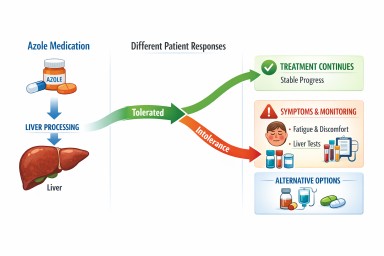
Drug toxicity and interactions Long-term antifungal therapy can affect the liver or interfere with other medicines if not closely monitored.
Environmental change Warmer, wetter climates and increased composting or construction may raise Aspergillus exposure for vulnerable people.
Healthcare strain and cost Long-term follow-up, monitoring, and expensive new drugs may challenge already stretched healthcare systems.

Each of these barriers needs attention through research, public health policy, and education to ensure the gains of the last 20 years continue.


❤️ The key message

Aspergillosis is still a serious disease, but its outlook is far better than it used to be.
With modern antifungals, biologics, and regular monitoring, most people live many years — and new treatments promise even better results.

Patients can help by:

  • Reporting new symptoms early.

  • Keeping up with regular blood and imaging checks.

  • Asking about resistance testing and treatment options.

  • Staying informed about new drugs and trials.


🌅 A hopeful future

In just twenty years, deaths from aspergillosis have halved.
If we continue improving diagnosis, drug development, and resistance control, survival will rise even higher — turning aspergillosis from a life-threatening infection into a long-term but manageable condition for most people.


💬 Healthwatch: Your Local Voice in the NHS

Living with a long-term lung condition such as aspergillosis, asthma, or bronchiectasis often means regular contact with hospitals, GPs, and community clinics.
Sometimes things work well — and sometimes they don’t.
That’s where Healthwatch comes in.

Healthwatch is an independent organisation that represents patients and the public.
It exists to make sure your experiences help shape the way NHS and social-care services are delivered.


🏛️ What is Healthwatch?

Healthwatch was set up by law to be the official voice of patients and the public in health and social care.

There are two levels:

  • Healthwatch England – works nationally to influence NHS and government policy

  • Local Healthwatch – works in every local authority area across England, gathering feedback from people using local services

Healthwatch is not part of the NHS, and it’s not a complaints service, but it does have statutory powers to:

  • Listen to people’s experiences of care

  • Report issues and make recommendations to the NHS, local councils, and care providers

  • Request responses from organisations it investigates

  • Escalate serious concerns to the Care Quality Commission (CQC)

Learn more on the Healthwatch website.


🌿 Why Healthwatch matters to aspergillosis patients

People living with chronic lung disease often face delays, limited understanding, or difficulties accessing ongoing support.
Healthwatch helps make sure those experiences aren’t ignored.

1. Raising the patient voice

You can share your experience of healthcare — good or bad — with your local Healthwatch.
They collect stories from across the community and use them to:

  • Identify patterns (for example, problems with accessing respiratory clinics or antifungal monitoring)

  • Produce reports and recommendations for local NHS decision-makers

  • Push for improvements to long-term care pathways and community support

2. Helping to improve new neighbourhood health hubs

As NHS care moves into the community, Healthwatch plays a key role in making sure new Neighbourhood Health Hubs are:

  • Accessible for people with limited mobility or oxygen needs

  • Located where public transport and parking work for patients

  • Designed with chronic-illness patients in mind, not just short-term care

You can feed in your ideas through Healthwatch about what’s working and what isn’t in new NHS community models.

3. Providing information and signposting

If you’re unsure where to go for care — GP, hospital, or new health hub — or how to complain or appeal a service decision, Healthwatch can point you in the right direction.
They offer clear, local information about:

  • NHS patient transport

  • The Healthcare Travel Costs Scheme (HTCS)

  • Local support groups and community services

4. Supporting patient involvement

Healthwatch works with NHS organisations to include patients and carers in planning and reviewing services.
If you’d like to get involved as a patient representative or share your experience of aspergillosis services, Healthwatch can help you join local working groups or consultations.

5. Spotlighting inequalities

Healthwatch highlights where certain groups are left behind — for example:

  • People with rare or complex conditions

  • Patients in rural or deprived areas

  • Those unable to use digital appointment systems
    This helps ensure people with chronic lung conditions are not overlooked when new community-care models are designed.


⚖️ What Healthwatch can — and can’t — do

✅ Healthwatch can 🚫 Healthwatch can’t
Collect and report your experience to NHS leaders Fix individual clinical problems directly
Influence NHS and council decisions Guarantee faster treatment or appointments
Provide advice on local services and support Replace legal or complaints services
Escalate major safety concerns to the CQC Act as your personal advocate in disputes

Even so, their influence can be powerful — many improvements in NHS access and transport have started with patient stories collected by Healthwatch.


📍 How to contact your local Healthwatch

Every local area has its own Healthwatch website and phone number.
You can find yours at:
👉 Find your local Healthwatch

When you contact them, you can:

  • Fill in a short online form to share your story

  • Ask to join a focus group or consultation

  • Request accessible information or help finding services

  • Subscribe to local updates and reports

If you’d like support from the aspergillosis community, NAC CARES can also help you write or submit your feedback.


💬 Why this matters

“Nothing about us without us.”
Healthwatch exists so that patients — including those with rare and chronic conditions like aspergillosis — can make their experiences count.

By telling your story and feeding back to Healthwatch, you help shape better care for yourself and for others who will face similar challenges in future.


Understanding and Controlling Your Immune System

How your immune system works

Your immune system is your body’s built-in defence and repair network.
It protects you from infection, clears away damaged cells, and helps you heal after illness or injury. But it’s also connected to almost every part of the body — your brain, gut, hormones, and even mood.
When finely balanced, it keeps you healthy. When it becomes over- or under-active, it can cause inflammation, allergies, or long-term conditions such as ABPA or asthma.


🧠 1. Brain and nerves

  • Normal role: Immune cells in the brain (called microglia) keep nerve circuits healthy and remove damaged cells.

  • When things go wrong: Too much inflammation can cause fatigue, “brain fog,” anxiety, or depression — feelings many people experience during infection or flare-ups. Long-term inflammation is linked to memory problems and slower recovery after illness.


❤️ 2. Heart and blood vessels

  • Normal role: Immune cells repair vessel walls and help wounds heal.

  • When things go wrong: Chronic inflammation can thicken arteries (atherosclerosis) or cause rare problems like vasculitis, which affects blood flow. Balancing inflammation helps protect heart and circulation health.


🫁 3. Lungs and airways

  • Normal role: The immune system protects your lungs from germs, clears dust, and repairs tissue after irritation.

  • When things go wrong:

    • In asthma or ABPA, the immune system overreacts to harmless triggers such as Aspergillus spores, pollen, or dust, causing airway swelling, mucus build-up, and breathlessness.

    • In CPA, parts of the immune system struggle to clear fungal infection effectively, leading to chronic inflammation and tissue damage.
      Keeping the immune response balanced — not too weak, not too strong — is the key to long-term lung health.


🍽️ 4. Gut and digestion

  • Normal role: About 70% of your immune cells live in the gut, where they keep a healthy balance of bacteria and prevent harmful microbes leaking into the bloodstream.

  • When things go wrong: Stress, poor diet, or antibiotics can disrupt this balance, increasing inflammation.
    A varied, fibre-rich diet and, in some cases, probiotics can help the gut “educate” the immune system.


💪 5. Muscles, joints, and repair

  • Normal role: Immune cells clear damaged tissue and stimulate repair after exercise or illness.

  • When things go wrong: If the immune system stays “switched on,” joints and muscles can ache or feel weak.
    Fatigue in aspergillosis may be partly due to ongoing low-level inflammation.


🧬 6. Hormones and metabolism

  • Normal role: Hormones like cortisol and adrenaline help keep inflammation under control.

  • When things go wrong:

    • Overactive inflammation can worsen insulin resistance, weight changes, and tiredness.

    • Autoimmune problems can affect glands like the thyroid or adrenal glands (Addison’s disease).
      Managing stress, sleep, and diet all help the immune-hormonal balance.


🩸 7. Blood and bone marrow

  • Normal role: The immune system is built in the bone marrow, producing white cells, red cells, and platelets.

  • When things go wrong: Excessive inflammation raises blood markers such as CRP or eosinophils, often seen during ABPA flare-ups or infection.
    Monitoring these levels helps your specialist adjust treatment safely.


🦴 8. Skin and mucous membranes

  • Normal role: Acts as the body’s first barrier, with immune cells ready to seal wounds or fight germs.

  • When things go wrong: Eczema, psoriasis, and slow-healing wounds can occur when immune balance is disturbed — sometimes as side effects of steroids or other medications.


⚖️ 9. The balance between defence and tolerance

The most important job of your immune system is to tell friend from foe — to destroy invaders but leave your own body unharmed.

  • If it overreacts, you get allergies or autoimmune disease.

  • If it underreacts, infections can take hold more easily.

  • In aspergillosis, both problems can occur together: too little defence against fungus, but too much inflammation once the fungus is detected.


🧩 How Medicine Is Learning to Control the Immune System Better

In the past, we only had blunt tools — like steroids — to “calm” inflammation. These saved lives but also caused side effects.
Today, science is learning to control the immune system more precisely, using targeted treatments, cell therapies, and even lifestyle tools that work with your body’s own defences.


🎯 1. Targeted biologic drugs

These are antibodies made in the lab that block one specific immune signal instead of suppressing everything.

Examples used in asthma and ABPA:

  • Mepolizumab and benralizumab block interleukin-5 (IL-5), reducing eosinophil-driven inflammation.

  • Dupilumab blocks IL-4 and IL-13 pathways, calming allergic inflammation.

Other biologics (like infliximab, tocilizumab, and omalizumab) target immune messengers involved in arthritis, eczema, or autoimmune disease.


💉 2. Vaccines and immune training

Vaccines “teach” the immune system to respond safely and efficiently.
New approaches — such as mRNA vaccines — can be updated quickly and may in future be used to retrain the immune system in chronic diseases, allergies, and even cancer.


⚙️ 3. Immune cell therapies and genetic repair

Researchers can now rebuild parts of the immune system:

  • CAR-T cell therapy modifies a patient’s own T cells to find and destroy cancer.

  • T-reg therapy expands the body’s natural “peacekeeping” cells to prevent autoimmune attack.

  • Gene editing (CRISPR) aims to correct inherited immune problems or fine-tune overactive responses.


🧠 4. Neuro-immune and stress control

Because the brain and immune system constantly talk, therapies that reduce stress or stimulate specific nerves can influence inflammation.

  • Vagus nerve stimulation devices can reduce gut and joint inflammation.

  • Mindfulness, relaxation, and gentle exercise lower stress hormones and improve immune balance — especially in asthma or ABPA, where stress can trigger flares.


🌿 5. Microbiome and metabolic balance

Your gut bacteria, diet, and metabolism shape immune health.

  • A high-fibre, plant-based diet produces short-chain fatty acids that calm inflammation.

  • Probiotic and prebiotic therapies are being studied to restore immune tolerance.

  • Metabolic drugs such as metformin are showing anti-inflammatory effects beyond diabetes care.


🧩 6. Re-teaching immune tolerance

The ultimate goal is to re-educate the immune system so it stops attacking harmless things.

  • Allergen immunotherapy exposes the body to small, increasing doses of allergens to reduce sensitivity.

  • Nanoparticle and peptide therapies are being developed to signal to immune cells that “this is safe,” switching off allergic or autoimmune responses without weakening defences.


👤 7. Personalised immune medicine

Every person’s immune system behaves differently.

  • New blood and genetic tests (“immune phenotyping”) help doctors match patients to the best biologic or antifungal treatment.

  • Artificial intelligence is being used to model individual immune systems — predicting who will respond best to certain drugs.

  • In the future, “immune profiles” may be as common as cholesterol or blood pressure checks.


💬 Living with Aspergillosis: What This Means for You

  • You’re not powerless. Understanding your immune system helps you work with your doctors to find the best balance of antifungal, biologic, and anti-inflammatory treatments.

  • Lifestyle still matters. Stress control, exercise, nutrition, and infection avoidance (e.g. clean air, low mould exposure) all influence immune stability.

  • New hope. Research is rapidly advancing — turning immune control from a guessing game into a precise science.
    The same breakthroughs that transformed cancer and autoimmune care are now informing treatments for allergic and fungal lung disease.


🩺 In summary

Your immune system touches every part of your body — lungs, gut, brain, hormones, and skin.
In aspergillosis, it can become both under-protective and over-reactive, creating the delicate balance specialists are trying to restore.
Modern medicine is learning to tune the immune system like an orchestra, not silence it — calming inflammation when it harms you, and strengthening defence when you need it most.

The future of aspergillosis care lies in immune precision — treating not just infection, but the whole system that responds to it.


🌿 Coping with Exhaustion When Tapering Prednisolone

Coming off prednisolone can leave you feeling unusually tired. This happens because:

  • Your body’s own adrenal glands have been “asleep” while steroids did the work.

  • As the dose drops, your body needs time to start making its own cortisol again.

  • Tiredness and low energy are the most common symptoms during this adjustment.


✅ Tips that may help

1. Pace yourself

  • Don’t expect full energy straight away.

  • Break tasks into smaller chunks, with rests in between.

  • Use a “little and often” approach for activities.

2. Prioritise rest and sleep

  • Listen to your body: extra rest is part of recovery, not weakness.

  • Try to keep a regular bedtime routine to support natural hormone rhythms.

3. Gentle movement

  • Light activity (walking, stretching) can actually boost energy and mood.

  • Avoid pushing too hard — overexertion can worsen fatigue.

4. Balanced diet

  • Aim for regular meals with protein, whole grains, fruit/veg.

  • Stay hydrated — dehydration makes fatigue worse.

  • Limit caffeine or sugar “quick fixes” that lead to energy crashes.

5. Monitor stress

  • Emotional stress increases your body’s demand for cortisol.

  • Try calming activities: breathing exercises, mindfulness, or gentle hobbies.

6. Stay in touch with your team

  • If exhaustion is severe, worsening, or you develop dizziness, faintness, low blood pressure, or nausea → contact your doctor urgently.

  • These can be signs your body is struggling with adrenal insufficiency, and your taper may need adjusting.


⚠️ Important reminders

  • Never stop prednisolone suddenly unless your doctor tells you to.

  • Carry a steroid card or alert bracelet if you are tapering — in case of emergencies.

  • If you get unwell (infection, surgery, severe stress), you may temporarily need a higher steroid dose.


👉 Key message:
Tiredness during tapering is very common. Self-care, pacing, and staying in close contact with your healthcare team can help you get through this phase more smoothly.


Why Medicines in the UK Come in Blister Packs – and What’s Being Done About the Waste

Many patients with aspergillosis (or other long-term conditions) notice something frustrating when they collect prescriptions: medicines often come in tiny blister packs, with only a few tablets per box. For example, azithromycin often arrives in boxes of just three tablets. When a longer course is needed, the pharmacy has to give you several boxes – leading to mountains of card and plastic waste.

So why does the UK stick with blister packs instead of using larger recyclable bottles? And is anything being done to cut down on the waste?


Why the UK prioritises blister packs

Blister packs are not just a packaging choice – they are built into how medicines are licensed and regulated in the UK and Europe. The main reasons are:

  1. Safety and tamper protection

    • Each tablet is sealed in its own compartment, so it’s clear if a dose has been tampered with.

    • Bottles are harder to secure once opened.

  2. Stability of the medicine

    • Some drugs break down if exposed to moisture, air, or light.

    • A blister pack protects each tablet until the moment it’s taken, which can extend shelf-life.

  3. Dosing and adherence

    • Blisters help patients (and carers) see how many doses have been taken.

    • For short antibiotic courses, blister packs help doctors prescribe “one strip = one course.”

  4. Child safety

    • Blisters are harder for small children to open compared with bottles, even those with child-resistant caps.

  5. Regulatory approval

    • When a company licenses a medicine, the tests are carried out on that specific packaging.

    • To switch to bottles, companies would have to repeat expensive stability tests and resubmit to the MHRA.

These factors explain why UK pharmacies almost always supply the manufacturer’s blister pack, rather than re-dispensing tablets into bottles (as is common in the US).


The problem: waste and inefficiency

While blisters have advantages, they cause problems for patients and the NHS:

  • Waste of card and plastic: multiple boxes and layers of packaging for what could fit into one small bottle.

  • Cost and storage: pharmacies spend time opening and combining packs; patients are left with unnecessary clutter.

  • Recycling difficulties: blister packs are made of mixed plastic and foil, which are very hard to recycle in normal household systems.


What’s being done to reduce packaging waste

There is now a growing effort across the NHS, regulators, and industry to tackle this problem. Key developments include:

1. Greener NHS programme

  • The NHS has pledged to reach net zero by 2040.

  • Medicines are a big part of its carbon footprint, and packaging is specifically highlighted as an area for improvement.

  • Suppliers will increasingly be judged on how sustainable their packaging is when the NHS decides what to buy.

2. Original Pack Dispensing (OPD) reform (England, 2025)

  • From January 2025, pharmacists in England will be allowed to dispense up to 10% more or less than prescribed if it allows them to give patients the full original pack.

  • This reduces the need to cut up blister strips or re-package tablets, helping both safety and efficiency.

3. Extended Producer Responsibility (EPR) for packaging (2025)

  • All large companies must start reporting on the recyclability of their packaging.

  • Packs that are harder to recycle (like plastic-foil blisters) will face higher fees, pushing manufacturers to redesign them.

4. Industry innovation (CiPPPA)

  • A group called the Circularity in Primary Pharmaceutical Packaging Accelerator (CiPPPA) is working with the MHRA and industry to test new blister materials that are easier to recycle.

5. Pharmacy leadership

  • The Royal Pharmaceutical Society and local NHS teams are producing guides for “greener pharmacies,” encouraging steps to reduce medicine and packaging waste.


What this means for patients

Right now, the small packs are still the norm – especially for antibiotics and antifungals. But over the next few years we may start to see:

  • Larger, recyclable pack sizes becoming available.

  • Pharmacies having more flexibility to supply original packs instead of splitting them.

  • New materials being trialled to replace mixed-plastic blisters.

In the meantime, patients can:

  • Return unused medicines (and their packaging) to the pharmacy for safe disposal.

  • Ask their pharmacist if combining packs is possible (sometimes they can reduce excess boxes).

  • Support “greener pharmacy” initiatives by raising awareness of the waste problem.


In short: The UK prioritises blister packs for safety, stability, and child protection, but the waste they generate is a real issue. Change is coming slowly, through NHS net zero commitments, new regulations, and industry projects – but for now, patients still see the frustration of multiple half-empty boxes.


🧾 A Patient’s Guide: How to Raise Concerns About Possible Vitamin or Mineral Deficiencies

🌱 Why this matters

People with chronic lung conditions such as aspergillosis, asthma, bronchiectasis, or ABPA often feel fatigued, weak, or run down. Sometimes these symptoms are partly caused by a vitamin or mineral deficiency (e.g. iron, vitamin D, B12). But testing is not automatically offered in the NHS unless there are clear reasons.

Knowing how to raise the concern makes it more likely your GP will take it seriously and order the right tests.


🩺 Why GPs won’t “just run a full panel of tests”

  • Cost and resources: Lab tests are expensive. Panels covering 10+ nutrients aren’t routinely funded.

  • Evidence-based practice: Guidelines (like NICE) advise testing only if there’s a clear clinical reason — not just curiosity.

  • Safety: Too much of certain vitamins (like iron or vitamin D in sarcoidosis) can be harmful if taken unnecessarily.

So rather than asking for “a panel,” it’s best to highlight specific risks or symptoms.


🔍 How to suggest you may have a deficiency

  1. Link to your symptoms

    • Fatigue, pale skin, shortness of breath → ferritin (iron)

    • Muscle weakness, bone pain → vitamin D & calcium

    • Tingling, memory issues → B12 & folate

    • Frequent infections → vitamin D, iron, zinc (though zinc is rarely tested on the NHS)

  2. Refer to your condition or treatment

    • Steroid use: raises risk of osteoporosis → vitamin D & calcium testing often justified.

    • Antifungal medication: can affect liver function & absorption → may influence nutrient status.

    • Sarcoidosis: special caution with vitamin D → specialist testing sometimes needed.

    • Kidney/liver disease: changes how nutrients are processed.

  3. Use guideline evidence

    • NICE, BNFC or patient charities often recommend when a test is justified.

    • Bringing a leaflet (e.g. SarcoidosisUK on vitamin D) can support your case.

  4. Frame it as safety, not curiosity

    • Instead of “I’d like a full vitamin panel,” try:
      “I’ve had ongoing fatigue and a self-test showed my ferritin was low. NICE guidelines mention testing ferritin in these situations. Could we check that?”


🛒 What about over-the-counter (OTC) tests?

You can buy some blood spot kits privately from Boots, Superdrug, or online (Thriva, Medichecks, Forth). These can give helpful information — but they’re not a replacement for GP care.

Test Available OTC? Notes
Ferritin (Iron stores) ✅ Widely available Good first check if you have fatigue or anaemia risk.
Vitamin D (25-hydroxy) ✅ Widely available Most popular; bone/muscle health.
Vitamin B12 / Folate ✅ Available online Useful if you have fatigue, memory issues, neuropathy.
Magnesium, Zinc, Selenium ⚠️ Some private labs only More expensive; less reliable finger-prick accuracy.
Omega-3 index ⚠️ Niche Measures fatty acid balance.
Calcium ❌ Not OTC Needs venous blood in hospital.
Active vitamin D (1,25-dihydroxy) ❌ Not OTC Needed in sarcoidosis; specialist only.

⚠️ Important:

  • OTC kits vary in quality; stick to UKAS-accredited labs.

  • GPs may not act on private results unless they cross NHS thresholds.

  • Self-supplementing without medical oversight can be risky — e.g. iron overload, or vitamin D worsening sarcoidosis.


⚖️ Why this approach matters

  • Helps your GP match your request to clinical guidelines.

  • Reduces the chance of being dismissed as “just worried.”

  • Protects you from the risks of self-supplementing without knowing your true levels.


✅ Key Takeaways

  • Don’t ask for “everything” — focus on the nutrients most relevant to your condition, treatment, and symptoms.

  • Use published guidance or patient resources to back up your request.

  • OTC tests exist for iron, vitamin D, and B12, but they’re not a substitute for GP advice.

  • Testing is about patient safety (avoiding both deficiency and harm from unnecessary supplements).


🧾 Vitamins & Minerals in Aspergillosis: What Patients Should Know

Living with aspergillosis (ABPA, CPA or other forms) and its treatments can affect your body’s levels of certain vitamins and minerals. Some of these nutrients are important for bone strength, energy, and the immune system.

But ⚠️ taking supplements without advice can be harmful. Always check with your doctor or specialist team before buying or using vitamins or minerals.


🌟 Common Deficiencies in Aspergillosis

1. Vitamin D & Calcium

  • Why important: Strong bones, healthy immune system.

  • Why low: Long-term steroids and less sunlight.

  • Problems if low: Weak bones, higher risk of fractures, tiredness.

  • ⚠️ Too much can cause kidney damage — only take on medical advice.


2. Magnesium

  • Why important: Muscle strength, energy, nerve function.

  • Why low: Some antifungal or reflux medicines reduce levels.

  • Problems if low: Muscle cramps, weakness, tiredness.

  • ⚠️ High doses can upset the heart and kidneys — medical supervision is essential.


3. Iron

  • Why important: Carries oxygen in the blood.

  • Why low: Chronic illness, poor appetite, blood loss.

  • Problems if low: Tiredness, breathlessness, pale skin.

  • ⚠️ Aspergillus uses iron to grow — taking iron when you don’t need it can make infection worse.


4. Zinc

  • Why important: Healing, immunity, skin health.

  • Why low: Chronic illness or poor diet.

  • Problems if low: Slow wound healing, infections, taste changes.

  • ⚠️ High zinc can block copper absorption and damage health.


5. B Vitamins (B12, Folate, B6)

  • Why important: Energy, blood health, nerve function.

  • Why low: Poor absorption, weight loss, some medicines.

  • Problems if low: Fatigue, pins and needles, anemia.

  • ⚠️ Over-supplementation can also cause problems — needs testing first.


6. Vitamin A

  • Why important: Keeps lung lining healthy.

  • Why low: Poor diet, chronic illness.

  • Problems if low: Weaker lung defences, more infections.

  • ⚠️ Too much vitamin A can be toxic (especially to the liver).


7. Vitamin K

  • Why important: Normal blood clotting.

  • Why low: Gut bacteria disruption from antibiotics/antifungals.

  • Problems if low: Easy bruising, bleeding gums, nosebleeds.

  • ⚠️ Vitamin K can interfere with warfarin and other blood thinners.


🩺 Safe Steps for Patients

  • ✅ Ask your doctor about vitamin D and calcium checks (especially if on steroids).

  • ✅ Routine blood tests can check iron, B12, folate, magnesium, zinc.

  • ✅ Take supplements only if prescribed — many interact with antifungal medicines.

  • ✅ Don’t buy “high-dose” vitamins or minerals online or in shops without advice.

  • ✅ Ask your team about a dietitian referral if you are struggling with appetite or weight.

  • ✅ Bone scans (DEXA) may be needed to monitor steroid-related bone loss.


📌 Key message

People with aspergillosis are more likely to have low levels of vitamin D, calcium, magnesium, iron, zinc, and B vitamins.
These can affect your energy, bones, and immune system.
👉 Supplements can help — but only when checked, prescribed, and monitored by your healthcare team.