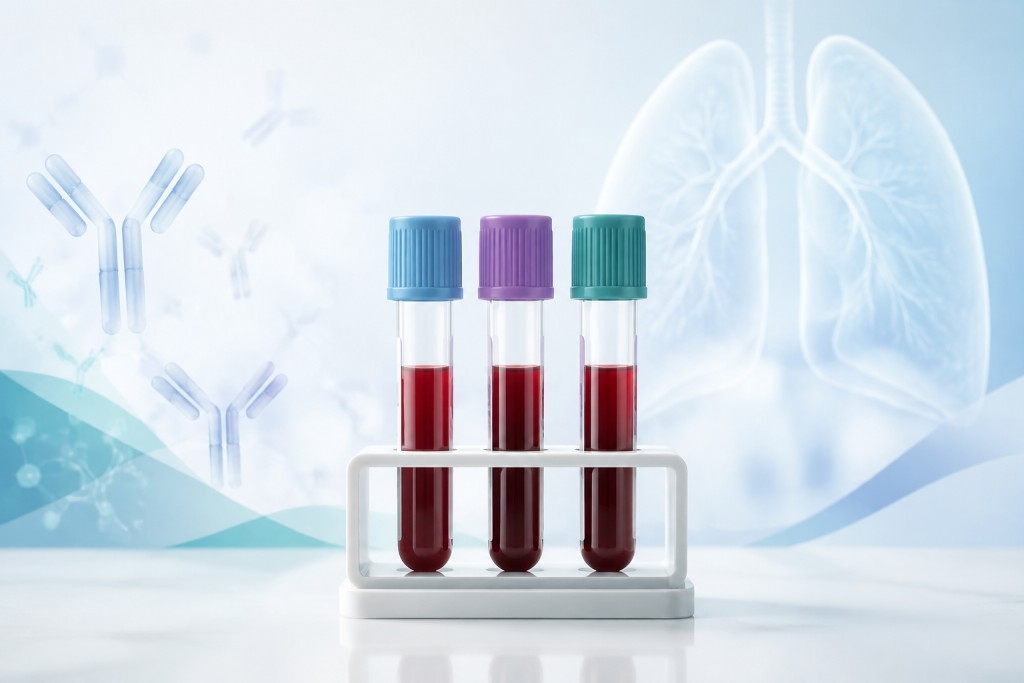
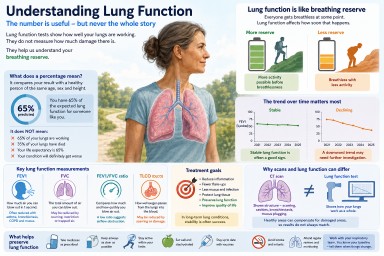
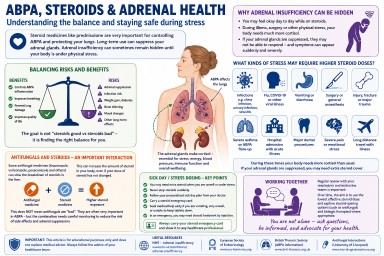
Recurrent chest infections not responding to antibiotics infographic showing ABPA and CPA pathways

When ‘chest infections’ don’t respond: when to suspect ABPA or CPA (Patient guide)

Patients presenting with recurrent “chest infections” that do not respond to antibiotics are common in primary and secondary care. In a subset of these cases, the underlying cause may not be bacterial, but related to fungal disease or immune-mediated responses to Aspergillus.

This article summarises when to suspect allergic bronchopulmonary aspergillosis (ABPA) or chronic pulmonary aspergillosis (CPA), and how to move from repeated empirical treatment to a more structured diagnostic approach.


Key clinical message

Repeated antibiotic-treated exacerbations with limited response, particularly when symptoms improve with steroids and then relapse, should prompt reconsideration of the diagnosis.


When to suspect ABPA or CPA

Consider aspergillosis-related disease in patients with:

  • Recurrent “chest infections” with poor or inconsistent antibiotic response
  • Steroid-responsive symptoms with relapse on reduction or cessation
  • Persistent or unexplained radiological abnormalities
  • Underlying lung disease:
    • Asthma
    • Bronchiectasis
    • Chronic obstructive pulmonary disease (COPD)
    • Previous tuberculosis or lung damage
  • Raised or previously documented abnormalities in:
    • Total IgE
    • Eosinophils
    • Aspergillus-specific markers (if previously tested)

These features are not diagnostic in isolation but should raise suspicion when seen together.


ABPA vs CPA: clinical distinction

Feature ABPA CPA
Primary mechanism Immune-mediated (allergic) Chronic fungal infection
Typical background Asthma, bronchiectasis Structural lung disease, prior TB, COPD
Steroid response Often marked Variable (may improve symptoms but not disease)
Antibiotic response Limited Limited
Radiology Mucus plugging, bronchiectasis Cavities, fungal balls, fibrosis

Common pitfalls in practice

  • Repeated empirical antibiotics despite poor response
  • Short courses of steroids without a long-term management plan
  • Reliance on chest X-ray alone in persistent or atypical cases
  • Failure to recognise patterns across multiple consultations or admissions

These patterns can lead to prolonged diagnostic delay, which is well described in CPA and ABPA.


Suggested diagnostic approach

1. Reassess the working diagnosis

When standard treatment fails, explicitly reconsider whether the presentation remains consistent with bacterial infection.

2. Imaging

  • Escalate from chest X-ray to CT thorax where appropriate
  • Look for:
    • Cavitation
    • Fungal ball (aspergilloma)
    • Mucus plugging
    • Bronchiectasis

3. Blood tests

  • Total IgE
  • Eosinophil count
  • Aspergillus-specific IgE and IgG (where available)

4. Microbiology / further testing

Depending on context, consider sputum culture, fungal markers, or specialist input.


The steroid–relapse pattern

A common clinical scenario:

Exacerbation → steroids → improvement → relapse

This should raise suspicion of an underlying inflammatory or fungal-driven process rather than recurrent bacterial infection alone.


When to consider referral

Referral to a specialist centre (e.g. National Aspergillosis Centre, Manchester) may be appropriate where:

  • Diagnosis remains uncertain
  • Symptoms are persistent or progressive despite treatment
  • Antifungal therapy is being considered or not tolerated
  • Radiology suggests CPA or complex disease

Referral decisions should be made in the context of overall patient condition, comorbidities, and goals of care.


Why diagnosis is often delayed

  • Overlap with common respiratory conditions
  • Partial response to standard therapies
  • Fragmentation across care settings
  • Limited exposure to aspergillosis in routine practice

Recognising the pattern is often the key step in reducing delay.


Practical takeaways

  • If antibiotics are not working, reconsider the diagnosis
  • If steroids repeatedly improve symptoms, ask why
  • Use CT imaging to clarify persistent abnormalities
  • Aim for a clear, shared management plan

Guidelines and further reading

Which guideline should I use?
In UK practice, the British Thoracic Society (BTS) statement provides the most directly applicable clinical guidance. The ISHAM guidelines offer detailed international consensus, particularly for ABPA. Both are complementary and widely used.

  • British Thoracic Society (BTS)
    Clinical Statement on Aspergillus-related chronic pulmonary disease
    UK guidance covering diagnosis and management of ABPA, CPA, and related conditions.
    View BTS clinical statement
  • International Society for Human and Animal Mycology (ISHAM)
    Revised clinical practice guidelines for allergic bronchopulmonary aspergillosis/mycoses
    International consensus guidance on diagnosis, classification, and management of ABPA.
    View ISHAM guideline (European Respiratory Journal)
  • Chronic Pulmonary Aspergillosis (CPA) guidelines
    Denning DW et al. Chronic pulmonary aspergillosis: rationale and clinical guidelines for diagnosis and management
    View PubMed record

Further professional resources

For clinician-focused guidance, referral pathways, and educational material:

https://aspergillosis.org/information-for-professionals/


This article is intended for educational purposes and should be interpreted in the context of individual clinical judgement.


Why Headaches Can Occur in Aspergillosis

Last reviewed: March 2026

Key Points

  • Headaches are relatively common in people living with aspergillosis, but they usually have multiple contributing causes.
  • Common causes include sinus involvement, inflammation, sleep disturbance, and medication effects.
  • Antifungal medicines such as itraconazole may improve some symptoms indirectly but can also occasionally cause headaches.
  • Patterns (timing, location, triggers) can help identify likely causes, but headaches are rarely due to one factor alone.
  • New, severe, or unusual headaches should always be assessed by a healthcare professional.

Table of Contents

Overview

Many people living with aspergillosis report headaches at some point during their illness. These headaches can vary in type, severity, and timing, and may be confusing—especially when they change over time or seem linked to treatment.

In most cases, headaches are not caused by a single factor. Instead, they reflect a combination of:

  • local effects (such as sinus pressure)
  • immune system activity
  • medication effects
  • sleep and general health factors

Understanding these different contributors can help make sense of symptoms and support more informed discussions with your clinical team.

Sinus involvement (common cause)

When Aspergillus affects the sinuses (sometimes called fungal sinusitis), this can directly cause headaches.

This happens because:

  • sinus drainage becomes blocked
  • pressure builds up in the sinus cavities
  • the lining of the sinuses becomes inflamed

Typical features:

  • pain or pressure in the forehead, cheeks, or behind the eyes
  • worsening when bending forward
  • a feeling of fullness or congestion

This is one of the most direct ways aspergillosis can lead to headaches.

Inflammation and immune response

Even when the sinuses are not directly involved, the body’s immune response to fungal material can cause systemic effects.

The immune system releases signalling molecules (such as cytokines) that can:

  • increase inflammation
  • affect blood vessels
  • trigger headache pathways

This type of headache can feel similar to a “flu-like” or inflammatory headache.

Allergic-type responses (e.g. ABPA)

In conditions such as Allergic Bronchopulmonary Aspergillosis (ABPA), the immune system reacts strongly to Aspergillus.

This may involve:

  • allergic pathways
  • histamine and related mediators
  • ongoing airway inflammation

Possible symptoms:

  • head pressure or discomfort
  • fluctuating headaches
  • a “foggy” or unwell feeling

These headaches are often less clearly localised than sinus-related pain.

Medication effects

Some treatments used in aspergillosis can contribute to headaches.

Antifungal medications (e.g. itraconazole):

  • headache is a recognised side effect in some people
  • effects vary between individuals

Steroids (if prescribed):

  • can affect sleep and mood
  • may influence blood pressure
  • can indirectly contribute to headaches

Medication effects can sometimes overlap with disease-related symptoms, making patterns harder to interpret.

Sleep disturbance and night symptoms

Sleep disruption is common in chronic lung conditions.

Possible contributors include:

  • night-time coughing
  • breathlessness
  • discomfort or anxiety

Poor sleep can lead to:

  • morning headaches
  • increased sensitivity to pain
  • fatigue-related headaches

Breathing and oxygen levels

In some people with more advanced lung involvement:

  • oxygen levels may be slightly reduced
  • breathing effort may increase

This can contribute to:

  • morning headaches
  • fatigue and cognitive symptoms

Not all patients experience this, but it is an important factor in some cases.

General health factors

Headaches can also be influenced by general aspects of living with a long-term condition:

  • dehydration
  • fatigue
  • reduced activity levels
  • stress or anxiety

These factors can contribute to tension-type headaches or make other headache types more noticeable.

Understanding headache patterns

Looking at patterns can sometimes help identify likely contributors.

  • Facial pressure worse on bending: may suggest sinus involvement
  • Early morning headaches: may relate to sleep or breathing patterns
  • Fluctuating or “wave-like” symptoms: may reflect inflammation or immune activity
  • New headaches after starting medication: may be treatment-related

However, these are general observations only and do not replace clinical assessment.

Headaches in Aspergillosis: Interactive Decision Aid

This tool helps patients and carers think about common patterns that can contribute to headaches in aspergillosis. It does not diagnose the cause of a headache.

It is designed to support discussion with a healthcare professional and highlight possible contributors such as sinus involvement, inflammation, medication effects, sleep disturbance, and breathing-related factors.

Important: This tool is for general information only. It cannot determine the cause of an individual’s symptoms and does not replace medical advice. If you are concerned about headaches or changes in symptoms, please speak to your healthcare team.

1. Where is the pain mainly felt?


2. When is it most noticeable?


3. What does it feel like?


4. What other features are present?


5. Are there any red flags?


Possible contributors

This panel highlights common patterns only. It is not a diagnosis and does not replace medical assessment.

These are possible patterns only and are not a diagnosis.
This tool is intended to support discussion and reflection. If your headaches are new, worsening, or concerning, speak to your healthcare team.
Select your answers and click Show possible contributors.

Common questions

Are headaches a recognised symptom of aspergillosis?

They can occur, but are usually indirect and caused by associated factors such as sinus disease or inflammation.

Can antifungal treatment improve headaches?

In some cases, yes—if symptoms are linked to fungal-related inflammation. However, antifungals can also occasionally cause headaches as a side effect.

Are “histamine-type” headaches part of aspergillosis?

Some patients describe symptoms in this way, but the underlying mechanism is often more complex than histamine alone.

Why do my headaches change over time?

This is common and may reflect changes in inflammation, treatment, sleep, or overall health.

When to seek medical advice

You should seek medical advice if you experience:

  • new or unusually severe headaches
  • headaches that are worsening over time
  • neurological symptoms (e.g. vision changes, weakness, confusion)
  • fever, neck stiffness, or other concerning symptoms

If you are unsure whether your headaches are related to aspergillosis, treatment, or another cause, it is important to discuss this with your healthcare team.

Summary

Headaches in people with aspergillosis are usually caused by a combination of factors rather than a single issue.

The most common contributors include:

  • sinus involvement
  • immune and inflammatory responses
  • sleep disturbance
  • medication effects

Understanding patterns and changes over time can be helpful, but medical assessment is important if symptoms are new, severe, or concerning.

Author and review

Prepared for: aspergillosis.org

Audience: Patients and non-specialist readers

Important: This article is for general information only and does not replace individual medical advice.

References

  1. Patterson TF et al. (2016). Practice Guidelines for the Diagnosis and Management of Aspergillosis.
    PMID: 27365388
  2. Denning DW et al. (2016). Chronic pulmonary aspergillosis guidelines.
    PMID: 26699723
  3. Chakrabarti A et al. (2009). Fungal sinusitis: a categorization and definitional schema.
    PMID: 19522756

Why Do My “Histamine” Headaches Improve on Itraconazole?

Last reviewed: March 2026

Key Points

  • Itraconazole is an antifungal medicine. It is not an antihistamine.
  • Some people notice that symptoms such as headaches, flushing, or a “histamine-type” feeling become shorter or less intense after starting treatment.
  • This is most likely because itraconazole reduces the fungal burden and the immune response it triggers, rather than blocking histamine directly.
  • Symptoms that happen in the early hours of the morning may also be influenced by the body’s natural day-night rhythm.
  • Changes in symptoms can be helpful clues, but headaches can have more than one cause.

Table of Contents

Overview

Some people taking itraconazole for non-lung or lung forms of aspergillosis notice that symptoms they describe as “histamine-type” symptoms, such as headaches, flushing, pressure, or a general sense of inflammatory overload, become shorter or less severe.

A typical pattern might be:

  • Symptoms start overnight, for example, around 2 am
  • Symptoms previously lasted most of the day
  • Symptoms are now settling much earlier after starting treatment

This can be confusing, especially when the symptoms feel similar to a histamine reaction. The important point is that itraconazole does not work like an antihistamine, but it can reduce symptoms indirectly if a fungal process is contributing to them.

What is itraconazole and how does it work?

Itraconazole is an antifungal medicine used to treat infections caused by fungi such as Aspergillus.

It works by interfering with the production of ergosterol, an essential part of the fungal cell membrane. This weakens the fungus and helps reduce fungal growth and survival in the body.

As the fungal burden falls, the immune system may be less strongly stimulated, and that can lead to a reduction in inflammation-related symptoms.

So although itraconazole does not block histamine directly, it may reduce the underlying trigger that is causing the body to react.

What do people mean by “histamine dump” headaches?

“Histamine dump” is not a formal medical diagnosis, but some patients use it as a practical way of describing symptoms such as:

  • sudden headaches, especially overnight or early in the morning
  • flushing or a feeling of heat
  • pressure in the head or sinuses
  • a sense of being “wired”, agitated, or unwell

These symptoms may involve histamine, but they can also reflect broader inflammation, immune activation, mast cell activity, or other signalling chemicals in the body.

Why might symptoms improve on itraconazole?

If itraconazole is helping, it is most likely doing so indirectly. There are several possible reasons for this.

1. Reduced fungal burden

If fungal material in the body is reduced, there may be less for the immune system to react to. That can mean less inflammatory signalling overall.

2. Reduced immune activation

Fungi can stimulate the immune system in ways that lead to inflammation and, in some people, histamine-related symptoms. If antifungal treatment lowers that stimulus, symptoms may become less intense or settle more quickly.

3. Shorter inflammatory response

Some people find that the symptom still begins, but does not “run on” for as long. For example, a headache that used to last from 2am until late afternoon may now settle by 5am.

Why do symptoms often happen at night?

The body has a natural circadian rhythm, a 24-hour cycle that affects hormones, inflammation, sleep, and immune activity.

  • Some inflammatory signals can be more noticeable overnight
  • Cortisol rises in the early morning, and helps suppress inflammation

Does this mean histamine is the main problem?

Not necessarily. Symptoms may involve multiple pathways, including immune response to fungi, general inflammation, mast cell activity, and sinus pressure.

Common questions

Does itraconazole act like an antihistamine?

No. It does not block histamine receptors.

Why are my symptoms improving but not gone?

This is common and may reflect partial control of the underlying trigger.

Does this prove Aspergillus is the cause?

No. It suggests a possible link but does not confirm causation.

Will symptoms continue to improve?

Possibly, but responses vary between individuals.

When to seek medical advice

  • new or severe headaches
  • neurological symptoms (vision, speech, balance)
  • worsening or persistent symptoms
  • concerns about medication side effects

Summary

Itraconazole does not directly affect histamine but may reduce symptoms by lowering fungal burden and immune activation.

Author and review

Prepared for: aspergillosis.org

Audience: Patients and non-specialist readers

Important: This does not replace individual medical advice.

References

  1. Patterson TF, Thompson GR 3rd, Denning DW, et al. (2016).
    Practice Guidelines for the Diagnosis and Management of Aspergillosis.
    View on PubMed (PMID: 27365388)
  2. Denning DW et al. (2016).
    Chronic pulmonary aspergillosis guidelines.
    View on PubMed (PMID: 26699723)
  3. Barnes PJ, Adcock IM (2009).
    Circadian rhythm in airway disease.
    View on PubMed (PMID: 19336589)
  4. Stone KD et al. (2010).
    IgE, mast cells, and eosinophils.
    View on PubMed (PMID: 20176269)

A Drop of Blood, Real-Time Answers

Last reviewed: 20 March 2026
Audience: Patients, carers, families, and non-specialists
Topic: Point-of-care monitoring of antifungal drug levels

New bedside testing for antifungal drugs — and why patients welcome it

For many people taking antifungal medicines, blood tests are an important part of care. These tests help doctors check whether the amount of medicine in the body is too low, too high, or about right.

A new type of technology is being developed to do this much more quickly, using just a single drop of blood placed onto a specialised chip. Instead of sending blood away to a laboratory and waiting days for a result, this kind of test may be able to provide an answer much more quickly, sometimes during the clinic visit itself.

Patients in a recent focus group responded very positively to this idea. They welcomed not only the technology itself, but also what it could mean for their care: less waiting, less uncertainty, fewer trips to hospital, and more personalised treatment.

Key points

  • A new test can measure antifungal drug levels from a drop of blood.
  • The blood is placed on a specialised chip containing tiny sensors.
  • Results may be available much faster than standard laboratory testing.
  • This could help doctors adjust treatment more quickly and more precisely.
  • Patients in a focus group strongly welcomed the technology.
  • Reported benefits included less anxiety, fewer hospital visits, and more confidence in treatment decisions.

What is this new test?

This is a type of point-of-care test. That means it is designed to be used close to the patient, such as in a clinic or at the bedside, rather than sending the sample away to a central laboratory.

In this case, the aim is to measure the level of an antifungal drug in the blood from a very small sample, sometimes just a finger-prick drop. The drop of blood is placed onto a specialised chip. That chip contains tiny channels and sensors that can detect the amount of drug present.

People sometimes describe this type of system as a “lab on a chip” because it performs some of the work of a laboratory in a very small device.

How does the technology work?

The exact science varies between devices, but the general idea is similar.

  1. A small blood sample is taken.
    This may be from a finger prick rather than a larger blood draw.
  2. The blood is placed onto a specialised chip.
    The chip is designed to handle a tiny volume of blood.
  3. The blood moves through microscopic channels.
    These channels guide the sample to the parts of the chip that do the measurement.
  4. Sensors on the chip detect the antifungal drug.
    These sensors are designed to recognise the drug or react to it in a measurable way.
  5. A reader produces a result.
    A connected device reads the signal from the chip and estimates the drug level.

Some systems use electrical signals, some use light, and some use chemical reactions. Patients do not need to understand all the engineering details to understand the main point: the chip is acting like a mini laboratory.

A simple way to think about it is this:

Instead of sending your blood sample to a distant laboratory, this technology brings part of the laboratory to your fingertip.

Why do antifungal drug levels matter?

Some antifungal medicines need careful monitoring because the “right” level can be quite important.

If the drug level is too low, the medicine may not work well enough. If the drug level is too high, side effects may become more likely.

This can be especially relevant for antifungal drugs such as:

  • itraconazole
  • voriconazole
  • posaconazole

Drug levels can vary from person to person for many reasons, including:

  • how well the body absorbs the medicine
  • interactions with other medicines
  • differences in liver function and metabolism
  • changes in health over time

At present, monitoring usually involves sending blood to a laboratory. That works, but it can mean delays. Results may not come back quickly enough to guide decisions during the clinic appointment itself.

A faster bedside test could help clinicians make treatment decisions more quickly and could support more personalised care.

What did patients say about it?

In the patient focus group, this technology was widely welcomed. Patients were not only interested in the novelty of the test. They also recognised several practical benefits that could make day-to-day care easier and safer.

1. Faster results could reduce anxiety

Many patients described the stress of waiting for test results. Waiting can create a sense of uncertainty: Is the treatment working? Is the dose correct? Are side effects more likely?

A test that gives much quicker results was seen as reassuring. Instead of waiting days, patients liked the idea of getting answers much sooner, possibly while still in clinic.

2. Fewer visits could reduce the burden of care

For many people with chronic lung conditions or long-term illness, going to hospital is not a small task. Travel, parking, breathlessness, fatigue, mobility problems, and long waits can make even a short appointment exhausting.

Patients felt that a faster and simpler test could reduce some of this burden, especially if it could be built into a normal appointment or eventually be offered closer to home.

3. More personalised dosing felt important

Patients often understand from experience that medicines do not affect everyone in the same way. One person may tolerate a treatment well, while another may have side effects or absorb the medicine differently.

Because of this, patients valued the idea that treatment could be adjusted based on their own measured drug level, rather than relying only on standard dosing. This gave a stronger sense that care was being tailored to the individual.

4. Closer monitoring gave reassurance about safety

Antifungal drugs can be very helpful, but patients also know that some of them can have side effects and interactions. That can make treatment feel worrying, especially over longer periods.

Patients said that being able to check drug levels more quickly and more easily could help them feel safer. It suggested that treatment was being watched closely rather than left unchecked between appointments.

5. Immediate results could help patients feel more involved

Another important theme was involvement. Patients often feel that blood is taken, results disappear into the system, and decisions come later without much real-time discussion.

By contrast, a bedside result creates the possibility of discussing the number there and then. Patients felt this could help them better understand their treatment and feel more involved in decisions about dose changes and ongoing care.

6. It seemed to fit better with real life

Patients repeatedly emphasised that long-term treatment has to fit around real lives, not just clinic systems. Many welcomed the idea of a test that was quicker, simpler, and potentially more convenient.

In that sense, what patients welcomed was not just a chip or a machine, but a model of care that felt more responsive and more human-centred.

What could this mean for future care?

If this technology proves accurate, reliable, and affordable, it could support a different way of monitoring antifungal treatment.

Possible future benefits could include:

  • drug level testing during the clinic appointment itself
  • faster dose adjustment when levels are too high or too low
  • closer monitoring when starting or changing treatment
  • fewer repeat visits just to check blood levels
  • potential future use in community settings or, one day, at home

It is important to be realistic. New technologies must be carefully tested before they become routine. They need to be shown to be accurate, dependable, and practical in real healthcare settings.

Even so, patients clearly recognised the potential. For them, this is not just about speed. It is about moving toward care that is:

  • more responsive
  • more personalised
  • more convenient
  • less anxiety-provoking

Common questions

Is this available now?

Usually not as a routine test in most healthcare settings. It is still being developed and studied, although interest in this type of monitoring is growing.

Will this replace ordinary blood tests?

Not immediately. Standard laboratory testing is still important. New bedside systems may first be used alongside existing methods while they are being evaluated and introduced.

Would this work for every antifungal drug?

Not necessarily. Some devices may be designed for specific drugs first. Wider use would depend on the technology and the evidence supporting it.

Could this be used at home?

Possibly one day, but that is likely to depend on how reliable, affordable, and easy to use the technology becomes. For now, clinic or bedside use is the more immediate possibility.

Why is a drop-of-blood test appealing to patients?

Because it may mean quicker answers, less uncertainty, fewer hospital trips, and more confidence that treatment decisions are based on what is happening in their own body.

When to seek medical advice

You should contact your healthcare team if you:

  • develop new or worsening side effects from your antifungal medicine
  • feel your treatment is not helping
  • have concerns about drug interactions with other medicines
  • are unsure whether to continue, stop, or change your medication

A new bedside test could support treatment decisions, but it would not replace medical advice. Symptoms, scans, blood tests, and clinical review would still matter.

Final thoughts

This new chip-based bedside technology may sound futuristic, but the reason patients welcomed it is very straightforward.

They saw the possibility of care that is faster, clearer, safer, and better adapted to real life.

In other words, this is about more than measuring a drug level from a drop of blood. It is about moving away from delayed, one-size-fits-all monitoring and toward real-time, personalised, patient-centred care.

In one sentence

A tiny chip and a drop of blood could help doctors adjust antifungal treatment more quickly — and patients believe that could make care less stressful, less burdensome, and more personal.


Author: Graham Atherton and ChatGPT draft support

For review by: National Aspergillosis Centre / relevant clinical or research reviewer

Note: This article is for general information and should not be used as a substitute for medical advice.


When Symptoms Are Real but Answers Are Not: Understanding Uncertainty

Last reviewed: 18 March 2026

Who this page is for: Patients, carers, and clinicians trying to understand what it means when symptoms persist but a clear diagnosis has not yet been found.

Key points

  • Many people experience a period where symptoms are real but no clear diagnosis has been made.
  • This can sometimes feel like being told “nothing is wrong” or “it is all in your head”.
  • In most cases, this reflects uncertainty in the system, not disbelief from clinicians.
  • Conditions such as aspergillosis can take time to become recognisable.
  • Physical and psychological factors can overlap—but unexplained symptoms are still real symptoms.
  • Clear communication and ongoing review are key to moving forward.

The experience many patients describe

During a long diagnostic journey, many people reach a point where they hear phrases such as:

  • “Your tests are normal”
  • “We can’t find anything serious”
  • “It may be stress or anxiety contributing”

Even when these words are carefully chosen, they can feel like:

“Nothing is wrong” or “it’s all in my head”

This can be one of the most difficult parts of the journey—especially when symptoms are ongoing, disruptive, and clearly real.

Why this happens

This situation usually reflects the limits of current medical systems rather than a lack of concern.

Tests do not always give clear answers

Modern medicine relies heavily on tests. But for many conditions—including chronic pulmonary aspergillosis (CPA)—tests may:

  • be negative early on
  • show unclear or borderline results
  • require interpretation over time

This creates a gap between:

  • what the patient is experiencing
  • what can currently be measured

Medicine is designed to provide answers

Clinicians are trained to explain symptoms and reassure patients. When no clear diagnosis is available, they may turn to explanations such as:

  • stress
  • anxiety
  • functional symptoms

These are real and valid factors—but if introduced too early, they can feel like the search has stopped.

Time pressure

Short consultations can mean:

  • less time to explain uncertainty
  • less opportunity to validate patient experience
  • simplified explanations that lose nuance

What doctors mean vs what patients hear

Communication gaps can occur even when intentions are good.

Often, the issue is not what is said—but how it is understood.

What may be said What may be heard
“Your tests are normal” “Nothing is wrong”
“We haven’t found a cause yet” “There is no cause”
“Stress may be contributing” “It’s all in your head”

Understanding this gap can help both patients and clinicians move forward more constructively.

A critical clarification

Not having a diagnosis is not the same as not having a disease.

Unexplained symptoms are still real symptoms.

Medicine does not always have immediate answers—especially for conditions that develop slowly or do not fit standard patterns.

Physical and psychological overlap

It is important to take a balanced view.

  • Physical illness can lead to anxiety, fatigue, and distress
  • Anxiety can worsen physical symptoms such as breathlessness

This relationship is two-way, not either/or.

The problem arises when psychological explanations replace further investigation, rather than sitting alongside it.

Why this matters in aspergillosis

Conditions such as aspergillosis often:

  • develop gradually
  • have non-specific symptoms
  • require multiple tests over time

This makes periods of uncertainty more likely, particularly before a diagnosis such as allergic bronchopulmonary aspergillosis (ABPA) or CPA is confirmed.

You can read more about this in Why Aspergillosis Is So Hard to Diagnose.

What patients can do

  • Keep a record of symptoms and how they change over time
  • Ask what the current working diagnosis is
  • Ask when the situation should be reviewed
  • Share concerns clearly, but remain open to different explanations

Helpful questions include:

  • “What else could this be?”
  • “What would make you reconsider the diagnosis?”
  • “When should we review this again?”

A shared understanding

This situation is not about:

  • patients being dismissed
  • clinicians not caring

It reflects a deeper reality:

Medicine does not always have immediate answers—especially for complex or evolving conditions.

The goal is to keep the process open, respectful, and moving forward.

Common questions

Does this mean doctors think I’m imagining symptoms?

No. It usually reflects uncertainty rather than disbelief.

Can stress really affect physical symptoms?

Yes—but this should not stop appropriate medical investigation.

What should I do if I feel dismissed?

Ask for clarification, a review plan, or a second opinion if needed.


Clinical Trials and Emerging Diagnostics for Aspergillus Infections

How new diagnostic technologies may improve detection of Aspergillus lung infections

Last reviewed: March 2026
Author: Graham Atherton


Key points

  • Diagnosing Aspergillus lung infections can be challenging because symptoms often resemble other lung diseases.
  • Doctors usually combine CT scans, blood tests and microbiology tests to make a diagnosis.
  • Researchers are developing new diagnostics that detect fungal DNA, fungal molecules, or drug-resistant strains.
  • Emerging tools include PCR tests, antigen detection, rapid tests, sequencing technologies and artificial intelligence imaging.
  • This page focuses on Aspergillus infections rather than allergic conditions such as Allergic Bronchopulmonary Aspergillosis, Severe Asthma with Fungal Sensitisation, or Aspergillus bronchitis.
  • Many of these newer technologies are being studied in clinical trials and research programmes worldwide.

Table of contents


1. Important note: infection vs allergy

This article focuses on diagnosing Aspergillus infections of the lungs, particularly:

  • Chronic Pulmonary Aspergillosis
  • Aspergillus nodules
  • Aspergilloma (fungal ball)
  • Subacute invasive aspergillosis

These conditions involve the fungus growing in lung tissue or in pre-existing lung cavities.

This is different from allergic Aspergillus disease, such as:

  • Allergic Bronchopulmonary Aspergillosis (ABPA)
  • Severe Asthma with Fungal Sensitisation (SAFS)
  • Aspergillus bronchitis (which overlaps with airway disease rather than the classic cavity-forming infections discussed here)

In allergic disease, diagnosis focuses more on immune reactions, such as IgE antibodies, eosinophils, allergy testing and markers of Type 2 inflammation.

This page therefore focuses mainly on diagnostics for Aspergillus infection rather than allergy. A separate article can cover immune diagnostics in allergic Aspergillus disease.


2. Why better diagnostics are needed

Chronic Pulmonary Aspergillosis often develops in people who already have damaged lungs, for example from:

  • tuberculosis
  • Chronic Obstructive Pulmonary Disease
  • bronchiectasis
  • sarcoidosis
  • previous severe lung infections
  • lung surgery

Symptoms may include:

  • chronic cough
  • breathlessness
  • fatigue
  • weight loss
  • coughing up blood
  • chest discomfort

These symptoms are not specific, meaning they can occur in many other lung diseases.

Aspergillus is also very common in the environment, so detecting it in sputum does not always mean it is causing disease. Sometimes it may simply be present without invading tissue or causing progressive damage.

For these reasons, diagnosing chronic aspergillosis usually requires multiple tests interpreted together, rather than relying on one result alone.


3. How Aspergillus infections are diagnosed today

Doctors usually combine three main types of evidence.

Diagnostic method What it shows
CT scan Structural lung changes such as cavities, nodules or fungal balls
Blood tests The body's immune response to Aspergillus
Microbiology tests Evidence of the fungus itself

The most important blood test for many patients with Chronic Pulmonary Aspergillosis is Aspergillus IgG antibodies.

CT scans are also critical because they can reveal features such as:

  • lung cavities
  • fungal balls
  • nodules
  • thickened cavity walls
  • progressive lung destruction or scarring

Microbiology may include sputum culture, bronchoscopy samples, microscopy, molecular testing and antigen detection.

No single test is perfect. Doctors usually look at the whole picture: symptoms, scan findings, blood tests, microbiology, and how things change over time.


4. Detecting the immune response vs detecting the fungus

Some diagnostic tests detect how the body reacts to Aspergillus, while others try to detect the fungus itself.

Immune response tests

Examples include:

  • Aspergillus IgG antibodies
  • general inflammatory markers

These tests show that the immune system has encountered Aspergillus, but they do not always prove that the fungus is currently active, growing, or causing ongoing damage.

Direct fungal detection

Other tests look for components of the fungus itself.

Test What it detects
PCR Aspergillus DNA
Galactomannan Fungal cell wall molecules
Beta-D-glucan Fungal structural components
Culture Growth of the fungus in the laboratory

These tests can sometimes provide more direct evidence that fungal material is present.

Why not rely only on the immune response?

Immune-response tests are extremely useful, but they are indirect. They tell us what the body is doing, not necessarily what the fungus is doing at that moment.

Antibodies may remain raised for quite a long time, may change only slowly, and may vary from person to person. Some patients also produce weaker immune responses than others.

By contrast, tests that detect fungal DNA or fungal cell wall components may sometimes give a better sense that fungal material is actually present in the lungs.

The footprints analogy

A useful way to understand this difference is:

  • Immune response tests are like seeing footprints in the snow – they show that someone has been there.
  • Direct fungal tests are like seeing the person themselves – they show that the organism is present.

In practice, doctors usually combine both kinds of evidence to make the diagnosis more reliable.


5. Simple diagram: two ways of looking for Aspergillus disease

Two broad diagnostic approaches

Approach Examples Main question
Looking for the body's response Aspergillus IgG, inflammation markers Has the immune system reacted to Aspergillus?
Looking for the fungus itself PCR, galactomannan, Beta-D-glucan, culture Is fungal material present?
Looking for damage caused in the lungs CT scan Has Aspergillus or another disease caused structural lung change?

This is why diagnosis is usually based on a combination of evidence rather than any single test.


6. DNA testing (PCR diagnostics)

Polymerase Chain Reaction, usually shortened to PCR, detects the DNA of Aspergillus fungi.

These tests can be performed on samples such as:

  • sputum
  • bronchoscopy samples
  • lung tissue

Advantages of PCR include:

  • faster results than fungal culture
  • detection of very small amounts of fungus
  • possible detection even when cultures are negative

However, PCR also has challenges. It may detect fungal material even when it is not clearly causing disease, and methods are not yet fully standardised across all laboratories.

Even so, PCR is one of the most important emerging tools in fungal diagnostics and is increasingly used in specialist centres.


7. Fungal antigen detection

Some tests look for molecules released by fungal cells. These are often called antigen tests.

Galactomannan

Galactomannan is a molecule found in the cell wall of Aspergillus.

It is already widely used in diagnosing invasive aspergillosis and is being studied more closely in chronic forms of disease as well.

Beta-D-glucan

Beta-D-glucan is a structural component found in the cell walls of many fungi.

Raised levels can suggest fungal infection somewhere in the body, although it is not specific for Aspergillus alone.

Researchers are interested in how these markers might be used alongside CT, antibody testing and PCR to improve accuracy.


8. Rapid diagnostic tests

Researchers are also developing rapid antigen tests that can detect fungal molecules within minutes.

These tests work in a similar way to a simple strip test and may offer:

  • quick results
  • minimal laboratory equipment
  • possible use in clinics with fewer resources

These tests are promising, but they still need careful evaluation to show how accurate and reliable they are in real patients with chronic Aspergillus disease.


9. Breath diagnostics

Fungi release small chemicals called volatile organic compounds. Some experimental devices aim to detect these compounds in exhaled breath.

If successful, breath testing could provide:

  • completely non-invasive testing
  • rapid screening
  • repeat testing over time without invasive procedures

This remains an early and experimental field, but it is attractive because it could make testing much easier for patients.


10. Sequencing technologies and the lung microbiome

Modern sequencing technologies can analyse all microbial DNA in a sample.

This means they may identify:

  • fungi
  • bacteria
  • viruses

These approaches may help doctors understand mixed infections and the broader lung microbiome, especially in people with bronchiectasis or complex chronic lung disease.

In the future, sequencing may help explain why some patients have persistent symptoms or repeated flares involving more than one organism.


11. Detecting antifungal resistance

Some strains of Aspergillus fumigatus have developed resistance to azole antifungal drugs.

Newer diagnostic tests can detect genetic mutations linked to drug resistance, especially in the CYP51A gene.

Earlier detection of resistance could help doctors:

  • choose effective antifungal drugs sooner
  • avoid ineffective treatment
  • improve long-term outcomes

This is an important area of research because antifungal resistance is a growing international concern.


12. Artificial intelligence and CT imaging

Artificial intelligence is increasingly being explored as a way to analyse CT scans more precisely.

These systems may eventually help doctors:

  • detect subtle lung changes earlier
  • measure cavity size or progression more consistently
  • monitor disease over time
  • compare scans more accurately

Artificial intelligence is unlikely to replace expert radiologists or specialist teams, but it may become a useful support tool.


13. Flowchart: how doctors diagnose chronic Aspergillus infection

Typical diagnostic pathway

Symptoms
persistent cough, breathlessness, fatigue, weight loss, coughing up blood

CT scan
looking for cavities, fungal balls, nodules, scarring or progressive damage

Blood tests
especially Aspergillus IgG and general inflammatory markers

Microbiology
sputum, bronchoscopy, culture, PCR, antigen tests

Clinical interpretation
combining symptoms, imaging, blood tests and microbiology

Diagnosis and follow-up
deciding whether this is infection, colonisation, another lung condition, or mixed disease

This flowchart is simplified, but it shows the basic principle: diagnosis depends on combining evidence.


14. The future diagnostic pathway

In the future, diagnosing Aspergillus infection may involve several rapid tests used together.

A possible pathway could look like this:

Symptoms → CT scan → fungal antigen test → PCR confirmation → resistance testing

This approach could allow:

  • faster diagnosis
  • more personalised treatment
  • earlier detection of complications
  • better treatment monitoring

The aim is not necessarily to replace older tests, but to make the whole diagnostic process earlier, clearer and more precise.


15. Common questions patients ask

Why can Aspergillus infection take time to diagnose?

Because no single test can confirm the disease on its own. Doctors usually need to combine scan findings, blood tests, microbiology and the clinical history.

Why do some tests detect antibodies while others detect the fungus?

Antibody tests show how the immune system has reacted. Molecular and antigen tests try to show whether fungal material is present. Both are useful, but they answer slightly different questions.

Why is a CT scan so important?

A CT scan shows whether there is structural lung damage such as cavities, nodules or fungal balls. This helps doctors judge whether Aspergillus is likely to be causing disease rather than simply being present.

Are these new diagnostics available now?

Some are already used in specialist centres, but many are still being evaluated in clinical trials and research studies.

Will these newer tests replace existing blood tests?

Probably not completely. More likely, they will be used alongside existing tests to improve accuracy and speed.


16. When to seek medical advice

You should seek medical advice if you have symptoms such as:

  • persistent cough
  • worsening breathlessness
  • unexplained fatigue
  • weight loss
  • coughing up blood
  • new or worsening chest pain

These symptoms can have many causes, but they should be assessed properly, especially if you already have underlying lung disease.


17. References

  • Denning DW, Cadranel J, Beigelman-Aubry C, Ader F, Chakrabarti A, Blot S, Ullmann AJ, Dimopoulos G, Lange C; European Society for Clinical Microbiology and Infectious Diseases and European Respiratory Society. Chronic pulmonary aspergillosis: rationale and clinical guidelines for diagnosis and management. Eur Respir J. 2016 Jan;47(1):45-68. doi: 10.1183/13993003.00583-2015. PMID: 26699723.
  • Kosmidis C, Denning DW. The clinical spectrum of pulmonary aspergillosis. Thorax. 2015 Mar;70(3):270-7. doi: 10.1136/thoraxjnl-2014-206291. Epub 2014 Oct 29. PMID: 25354514.
  • Takazono T, Izumikawa K. Recent Advances in Diagnosing Chronic Pulmonary Aspergillosis. Front Microbiol. 2018 Aug 17;9:1810. doi: 10.3389/fmicb.2018.01810. PMID: 30174658; PMCID: PMC6107790.

Author and review information

This page is intended for patients, carers, and non-specialist clinicians. It provides general educational information and should not replace individual medical advice.


Systemic fungal infections: why speed, diagnosis and stewardship matter

Systemic fungal infections — including aspergillosis, candidiasis, cryptococcosis, mucormycosis and pneumocystis pneumonia — are medical emergencies. When diagnosis or treatment is delayed, mortality rises sharply. This comprehensive review brings together current understanding of how these infections arise, why they are so difficult to diagnose, and what is needed to improve outcomes.

Why fungal infections are often missed

Unlike many bacterial infections, systemic fungal infections can be hard to confirm quickly. Fungal organisms are often present in low numbers, may be released intermittently into the bloodstream, and can be difficult to grow in standard cultures. As a result, no single test is usually sufficient, and clinicians often need a combination of imaging, cultures, antigen tests, molecular tests (PCR), and histopathology.

Because delay can be fatal, antifungal treatment is frequently started on clinical suspicion alone — especially in critically ill or immunocompromised patients. The paper emphasises that this approach is often necessary, but it must be paired with a clear diagnostic strategy.

Antifungal stewardship: knowing when to stop

A central message of the paper is that diagnostic tests are just as important for stopping treatment as for starting it. Antifungal drugs can be toxic, interact with many other medicines, and drive antifungal resistance if used unnecessarily.

The authors stress that:

  • Diagnostic results should be actively reviewed

  • Antifungal therapy should be stopped or stepped down if infection is not supported by evidence

  • This approach protects patients and preserves antifungal effectiveness

Antifungal resistance is a growing threat

Antifungal resistance is no longer rare. The review highlights:

  • Azole resistance in Aspergillus, including cryptic species

  • Rising resistance in several Candida species

  • The global spread of multidrug-resistant Candida auris

Because of this, the authors recommend that all clinically relevant fungal isolates are identified to species level and tested for antifungal susceptibility wherever possible. Making assumptions about drug sensitivity is increasingly unsafe.

Aspergillosis: a broad spectrum of disease

The paper clearly outlines the many forms of aspergillosis, ranging from:

  • Allergic disease (such as allergic bronchopulmonary aspergillosis)

  • Chronic pulmonary aspergillosis, often in people with underlying lung damage

  • Subacute and acute invasive disease, particularly in immunocompromised or critically ill patients

Importantly, the review notes that aspergillosis is not limited to severely immunocompromised people. Chronic and subacute forms often occur in individuals with structural lung disease who are otherwise immunocompetent.

Climate change and emerging fungal risks

One of the most forward-looking sections of the paper addresses how climate change and natural disasters are altering fungal disease patterns. Rising environmental temperatures, flooding, storms and environmental disruption are:

  • Increasing exposure to environmental fungi

  • Enabling fungi to adapt to higher temperatures

  • Contributing to outbreaks after natural disasters and trauma

  • Expanding fungal diseases into new geographic regions

The authors argue that fungal infections must be considered part of future public health and healthcare resilience planning.

Key take-home messages

  • Systemic fungal infections are time-critical medical emergencies

  • Diagnosis usually requires multiple tests, not a single result

  • Early antifungal treatment is often necessary — but must be reviewed

  • Diagnostics are essential for safe antifungal stewardship

  • Antifungal resistance is a real and growing problem

  • Climate change is reshaping fungal epidemiology and risk


Free access to the full article

Elsevier has provided free access to the full paper for a limited time (no registration required):

👉 https://authors.elsevier.com/a/1mZqR4qdNoJLH2
🗓️ Available until 28 March 2026

This article is recommended reading for patients wanting a deeper understanding of fungal disease, as well as clinicians, microbiology teams, and healthcare planners.


Can blood tests help predict if chronic pulmonary aspergillosis will come back?

This study from the National Aspergillosis Centre (NAC) looked at people with chronic pulmonary aspergillosis (CPA) who had completed antifungal treatment and asked a simple question:

Can blood tests tell us who is more likely to relapse after treatment stops?


What the researchers did

Doctors reviewed patients with CPA who had:

  • Taken antifungal treatment for at least 6 months

  • Stopped treatment because they were clinically stable

They then followed these patients to see who stayed well and who relapsed, and compared this with their blood test results at the time treatment stopped.


What they found

  • About 1 in 4 patients had a relapse after stopping treatment

  • People whose Aspergillus IgG blood test was still high at the end of treatment were much more likely to relapse

  • Patients whose IgG level had fallen to a lower level did not relapse in this study

  • Signs of Aspergillus allergy or sensitisation also increased relapse risk

  • CT scan appearances and treatment length alone were not reliable predictors


Why this matters for patients

This means that:

  • Blood tests may help doctors decide when it is safe to stop treatment

  • Some people may need closer follow-up or longer treatment

  • Follow-up can be more personalised, rather than “one size fits all”

Importantly, a relapse does not mean treatment failed — it reflects how persistent this infection can be in damaged lungs.


Key takeaway

A simple blood test at the end of treatment may help predict who needs closer monitoring for CPA relapse.

This research supports a more individualised approach to long-term CPA care.


Wearable devices and aspergillosis

Are they useful yet – and which ones are the most accurate?

The short answer

Wearable devices do not diagnose aspergillosis and cannot tell what is causing symptoms.
However, some wearables are now good enough to provide useful background information about how your body is coping over time.

Their value lies in:

  • spotting gradual deterioration

  • recognising patterns over weeks or months

  • supporting conversations with your clinical team

They are not a replacement for scans, blood tests, sputum cultures, lung function tests, or specialist review.


What wearables can realistically help with

For people with:

  • Chronic Pulmonary Aspergillosis (CPA)

  • Allergic Bronchopulmonary Aspergillosis (ABPA)

  • Aspergillus bronchitis

  • Aspergillosis with bronchiectasis or asthma

wearables can sometimes help answer:

  • “Am I slowly getting worse, or is this just a bad patch?”

  • “Has my recovery from exertion changed?”

  • “Are my nights becoming more disrupted?”

They are most useful for long-term trends, not day-to-day decisions.


The signals that matter most

From both patient experience and respiratory clinical practice, these signals tend to be most meaningful:

1. Activity tolerance

  • Falling step count over weeks

  • Needing longer to recover after usual activity

  • Avoiding activity you previously managed

➡ Often one of the earliest signs of deterioration.


2. Resting heart rate

  • A persistent rise from your own baseline

  • Especially if not explained by infection, fever, medication or stress

➡ Often reflects physiological strain before symptoms become obvious.


3. Sleep quality

  • Frequent night waking

  • Shortened or fragmented sleep

  • Feeling unrefreshed despite enough hours in bed

➡ Poor sleep often accompanies worsening respiratory symptoms or medication effects.


4. Oxygen saturation (SpO₂) trends

  • Repeated low readings

  • Drops overnight or with exertion

  • Patterns that persist over days or weeks

Trends matter far more than single readings.
➡ Dedicated oxygen monitors are usually more reliable than watches.


What about ECG and breathing rate?

These features are often misunderstood. They are not useless, but they are supportive rather than central in aspergillosis care.

ECG (heart rhythm)

Some wearables can record a single-lead ECG, which may detect:

  • atrial fibrillation

  • sustained rhythm abnormalities

This can be helpful if someone develops:

  • new palpitations

  • breathlessness out of proportion to lung symptoms

  • dizziness or faintness

➡ ECG does not provide information about Aspergillus activity or lung disease progression.


Breathing (respiratory) rate

Most wearables estimate breathing rate indirectly, usually during sleep.

Breathing-rate trends may:

  • support a sense that breathing effort has increased

  • highlight disrupted sleep linked to respiratory load

➡ It cannot distinguish fungal disease from asthma, infection, anxiety or medication effects.


Medication and age matter — a lot

When clinicians interpret wearable data, they always consider:

  • antifungal medicines (e.g. azoles)

  • steroids (current or past)

  • asthma and allergy treatments

  • other long-term conditions

  • age-related physiological change

Common medication effects seen on wearables

  • higher resting heart rate

  • poorer sleep

  • fatigue

  • reduced activity tolerance

These are common and expected and do not automatically mean disease progression.

As we age:

  • recovery slows

  • sleep becomes lighter

  • heart-rate variability reduces

  • oxygen dips more easily overnight

➡ Always compare data to your own baseline, not to “normal” values.


Environment and everyday factors strongly affect readings

Often more than lung disease itself

Wearables measure signals through the skin and movement, not directly from the lungs.

This makes them highly sensitive to environment and daily circumstances.

Many “abnormal” readings reflect conditions around you, not worsening aspergillosis.


Temperature (especially cold)

Cold causes blood vessels in the skin to narrow, which can lead to:

  • falsely low oxygen readings

  • erratic heart-rate data

  • missing or failed measurements

Common situations:

  • cold bedrooms

  • winter walks

  • sleeping with arms outside the duvet

➡ A low oxygen reading in the cold is often technical, not medical.


Altitude and air pressure

At higher altitude (even modest):

  • oxygen saturation normally falls

  • breathing rate may rise

  • sleep may worsen

Examples:

  • flying

  • holidays in hilly or mountainous areas

  • high-rise accommodation

➡ This is normal physiology, not disease progression.


Air quality, humidity and heat

Poor air quality or high humidity can cause:

  • faster breathing

  • increased heart rate

  • worse sleep

  • reduced activity tolerance

➡ Wearables detect body stress, not its cause.


Sleep environment

Sleep data is very sensitive to:

  • noise

  • light

  • room temperature

  • uncomfortable bedding

A poor sleep score often reflects environmental disruption, not lung decline.


Movement, posture and coughing

Night-time data can be affected by:

  • coughing

  • restless sleep

  • sleeping on the arm wearing the device

➡ Night data is often noisy and imperfect.


Hydration, alcohol and meals

  • dehydration → higher heart rate

  • alcohol → worse sleep and altered breathing rate

  • heavy evening meals → raised heart rate

These effects are temporary and not signs of deterioration.


Stress and anxiety

Stress can:

  • raise heart rate

  • increase breathing rate

  • worsen sleep

Wearables cannot distinguish stress from illness, and worrying about readings can make readings worse — a common feedback loop.


What wearables cannot do (important)

  • They cannot diagnose aspergillosis

  • They cannot identify fungal flares

  • They cannot separate cause from effect

  • They cannot replace specialist investigations

They provide context, not answers.


The most accurate consumer devices (2025–26)

Best overall smartwatches

  • Apple Watch (Series 9 / Ultra 2) – excellent heart-rate accuracy, ECG, good sleep trends

  • Withings ScanWatch 2 – health-focused, ECG and oxygen, long battery life

  • Garmin Venu 3 / Epix Pro – excellent activity and recovery tracking

Best non-watch wearables

  • Oura Ring (Gen 3) – strong overnight physiology and sleep trends

  • Wellue O2Ring / similar continuous oximeters – more reliable oxygen trends than watches

These are listed because of better accuracy and consistency, not because they are diagnostic devices.


Can wearable data cause over-worry?

Yes — and this is common, especially in people with long-term lung disease.

Wearables can sometimes:

  • increase anxiety

  • encourage constant checking

  • turn normal variation into worry

  • make people feel unwell even when stable

This is not a personal weakness.

When wearables help

  • checked occasionally

  • viewed over weeks or months

  • used to support (not replace) symptoms

When wearables stop helping

  • if they increase anxiety

  • if they disrupt sleep

  • if numbers override how you feel

➡ It is entirely reasonable to reduce use or stop.


How specialists actually prioritise information

In real aspergillosis care, clinicians still focus on:

  1. How you feel

  2. What you can do

  3. Symptoms and sputum

  4. Imaging and tests

  5. Medication history

Wearable data sits well below these.


The bottom line

  • ✔ Wearables are becoming useful for monitoring trends

  • ✔ ECG and breathing rate add context and safety, not answers

  • ✔ Medication, age and environment strongly affect readings

  • ❌ Wearables do not diagnose aspergillosis

  • ✔ If a device increases anxiety, stepping back is sensible


Antifungal Medicines: Dosing, Monitoring, and the Role of Specialist Care

A detailed reference for patients and non-specialist clinicians


1. Why antifungal treatment is different from most medicines

Oral antifungal medicines—especially azole antifungals—are essential for treating long-term fungal diseases such as chronic pulmonary aspergillosis and allergic bronchopulmonary aspergillosis.

They differ from many common medicines because they:

  • Have a narrow margin between effectiveness and toxicity

  • Behave very differently between individuals

  • Are often taken for months or years, not days

  • Interact with many commonly prescribed drugs

For these reasons, antifungal treatment requires individualised dosing, monitoring, and specialist input, rather than a standard fixed dose.


2. What “pharmacokinetics” means (plain language)

Pharmacokinetics describes what the body does to a drug:

  1. Absorption – how well the drug enters the bloodstream from the gut

  2. Distribution – how effectively it reaches tissues such as the lungs

  3. Metabolism – how quickly the liver breaks it down

  4. Elimination – how the drug leaves the body

Differences at any of these stages explain why the same dose can be ineffective for one person and toxic for another.


3. Different generations of azole antifungals behave differently

Each generation of azole antifungal was designed to improve effectiveness, but chemical changes also altered how the body handles the drug.

First-generation azoles (older drugs)

Examples

  • Ketoconazole

  • Fluconazole (limited activity against Aspergillus)

Key features

  • Variable absorption

  • Shorter half-life

  • Less reliable lung penetration

Clinical relevance

  • Rarely used now for chronic aspergillosis


Second-generation azoles (mainstay treatment)

Examples

  • Itraconazole

  • Voriconazole

  • Posaconazole

Key features

  • Excellent lung and tissue penetration

  • Highly variable metabolism between people

  • Strong interaction with liver enzymes

Clinical relevance

  • Very effective

  • Blood levels vary widely

  • Dose adjustment and monitoring are often essential


Newer azoles

Example

  • Isavuconazole

Key features

  • More predictable absorption

  • Long, stable half-life

  • Fewer extreme peaks and troughs

Clinical relevance

  • Often better tolerated long-term

  • Monitoring still important, but dosing may be more stable


4. Why the “right dose” matters so much

Too little antifungal

  • Infection not adequately controlled

  • Symptoms persist or worsen

  • Risk of antifungal resistance

  • Fewer future treatment options

Too much antifungal

  • Liver irritation or damage

  • Nausea, appetite loss

  • Neurological or visual side effects

  • Drug accumulation, especially with long-term use

The aim is always the lowest dose that effectively controls the fungus.

https://ars.els-cdn.com/content/image/3-s2.0-B9780123868824000189-f18-07-9780123868824.jpg

5. How clinicians know whether the dose is right

No single test determines this. The correct dose is identified when three elements align:

1️⃣ Blood level testing (therapeutic drug monitoring)

  • Measures how much drug is actually in the bloodstream

  • Helps identify:

    • Under-dosing

    • Target-range dosing

    • Toxic levels

2️⃣ Clinical response

  • Symptoms stabilise or improve

  • Fewer flare-ups or complications

  • Better day-to-day function

3️⃣ Safety monitoring

  • Liver and kidney blood tests

  • Review of side effects

  • Ongoing assessment of drug interactions

Only when effectiveness and safety are both acceptable is the dose considered “right”.


6. Why the right dose can change over time

A dose that was correct initially may later need adjustment because of:

  • Weight or body-composition changes

  • Age-related metabolic changes

  • New medications (including antibiotics or steroids)

  • Changes in liver or kidney function

  • Gradual drug accumulation during long-term therapy

Regular review is therefore expected and appropriate.


7. Is it sometimes impossible to find a stable dose?

Yes. For a minority of patients, a perfectly balanced dose cannot be found.

Reasons include:

  • Extremely fast or slow drug metabolism

  • A very narrow safety window

  • Long-term toxicity despite “acceptable” blood levels

  • Unavoidable interacting medications

  • Liver, kidney, or neurological vulnerability

  • Partial or full antifungal resistance

In these cases, the dose that controls the fungus and the dose that causes side effects may overlap.

This reflects biological limits, not treatment failure.


8. What clinicians do when a stable dose cannot be achieved

Options may include:

  • Switching to a different azole with different pharmacokinetics

  • Using modified dosing schedules (split dosing, slower titration)

  • Accepting a lower suppressive dose rather than full eradication

  • Considering non-azole antifungals where appropriate

  • Prioritising symptom control and quality of life

All are intentional, safety-focused decisions.


9. The central role of the specialist pharmacist

Specialist pharmacists are key to safe antifungal care, particularly for long-term azole therapy.

They play a critical role in:

Interpreting drug levels

  • Assessing whether a level is truly low or high

  • Accounting for dose timing and formulation

  • Preventing unnecessary or unsafe dose changes

Managing drug–drug interactions

Azoles interact with many common medicines, including:

  • Steroids and inhalers

  • Heart rhythm drugs

  • Blood thinners

  • Anti-epileptics

  • Pain medications

The specialist pharmacist:

  • Reviews the full medication list

  • Anticipates interactions before harm occurs

  • Advises on adjusting both interacting drugs

Individualising dosing

When standard doses do not work, they help design:

  • Non-standard doses

  • Split dosing schedules

  • Slow titration plans

  • Alternative azoles with different pharmacokinetics

Protecting patients during long-term treatment

They monitor:

  • Trends in liver and kidney tests

  • Signs of cumulative toxicity

  • Whether symptoms may be drug-related rather than disease-related

Coordinating care

They act as a bridge between:

  • Laboratory results

  • Clinical decision-making

  • Patient experience

https://www.omnicare.com/wp-content/uploads/omnicare-services-overview-02-expert-consultant.jpg

Their involvement often changes management, not just fine-tunes it.


10. Where antifungal drug level testing is done in the UK

In the UK, antifungal drug level testing is centralised.

  • Blood samples are taken locally

  • Samples are sent to specialist reference laboratories, most commonly the
    Mycology Reference Centre Manchester

  • Results are returned to the local clinical team for interpretation

Patients managed through specialist services such as the
National Aspergillosis Centre
benefit from integrated expertise in antifungal pharmacology, imaging, and long-term monitoring.

This process is routine and standard for antifungal care.


11. Key reassurance for patients

  • Dose changes are normal and expected

  • Side effects are often biology-driven, not your fault

  • Blood tests make treatment safer, not riskier

  • Switching drugs is a planned strategy, not giving up


12. One-paragraph summary

Antifungal medicines—particularly azole antifungals—have complex and highly variable behaviour in the body, with a narrow balance between effectiveness and toxicity. Safe use requires individualised dosing, therapeutic drug monitoring, symptom review, and long-term safety checks. Specialist pharmacists play a central role in interpreting drug levels, managing interactions, and tailoring treatment. For some patients, a perfectly balanced dose cannot be achieved, and alternative strategies are required. This reflects biological complexity, not failure, and the overarching aim is always effective fungal control with the best possible long-term safety and quality of life.