🌿 Why do I get thick, yellow mucus in the morning?

Many people with asthma, ABPA (allergic bronchopulmonary aspergillosis) or sinus problems notice that first thing in the morning they cough up or “hook out” very thick, sticky, yellow mucus from the back of the throat or nose.
It can feel like glue — stringy, rubbery, and slow to move.

The good news is:
👉 This doesn’t automatically mean that Aspergillus fungus is growing in your sinuses.


💧 Why it happens

At night, mucus naturally becomes thicker because:

  • You breathe more through your mouth while sleeping, which dries the nose and throat.

  • Mucus sits still instead of draining, so it concentrates and thickens.

  • If you already have sinus inflammation or allergies, your mucus glands make even more.

  • It often drains down the back of the throat (post-nasal drip), where it collects until morning.

This combination makes for a lumpy, sticky “plug” that only shifts once you’re up and moving around.


🧠 When might fungus be involved?

If the sinuses become colonised with Aspergillus or another fungus, there are usually extra clues, such as:

  • Blocked nose or pressure that doesn’t improve with sprays or rinses

  • One-sided pain or discharge

  • Dark, rubbery, or green-grey plugs rather than yellow mucus

  • Loss of smell

  • CT or endoscopy showing thick debris or “fungal balls”

If these are present, an ENT specialist can look directly into the sinuses and, if needed, take a small sample for fungal culture or order a CT scan.


🩺 What helps most people

You can often manage the morning mucus with simple measures:

  • Saline nasal rinses (like Sterimar, NeilMed, or salt-water sprays) — thin mucus and wash out allergens or fungal dust.

  • Warm fluids or gentle steam to moisten airways.

  • Topical nasal steroid sprays (if prescribed) — reduce swelling and mucus production.

  • Plenty of hydration through the day.

  • Avoid over-using decongestant sprays, which can make congestion worse in the long run.

If mucus stays thick, coloured, or difficult to clear for more than a few weeks — or you develop sinus pressure, pain, or smell loss — ask for a review by your ENT or respiratory team.


🟢 Key message

Thick yellow mucus in the morning is usually a sign of dryness and overnight build-up, not an active fungal infection.

Regular rinsing, good hydration, and controlling sinus inflammation usually keep things under control.

Fungal colonisation is much less common — and when it happens, there are usually other warning signs that your clinician can check.


Understanding and Controlling Your Immune System

How your immune system works

Your immune system is your body’s built-in defence and repair network.
It protects you from infection, clears away damaged cells, and helps you heal after illness or injury. But it’s also connected to almost every part of the body — your brain, gut, hormones, and even mood.
When finely balanced, it keeps you healthy. When it becomes over- or under-active, it can cause inflammation, allergies, or long-term conditions such as ABPA or asthma.


🧠 1. Brain and nerves

  • Normal role: Immune cells in the brain (called microglia) keep nerve circuits healthy and remove damaged cells.

  • When things go wrong: Too much inflammation can cause fatigue, “brain fog,” anxiety, or depression — feelings many people experience during infection or flare-ups. Long-term inflammation is linked to memory problems and slower recovery after illness.


❤️ 2. Heart and blood vessels

  • Normal role: Immune cells repair vessel walls and help wounds heal.

  • When things go wrong: Chronic inflammation can thicken arteries (atherosclerosis) or cause rare problems like vasculitis, which affects blood flow. Balancing inflammation helps protect heart and circulation health.


🫁 3. Lungs and airways

  • Normal role: The immune system protects your lungs from germs, clears dust, and repairs tissue after irritation.

  • When things go wrong:

    • In asthma or ABPA, the immune system overreacts to harmless triggers such as Aspergillus spores, pollen, or dust, causing airway swelling, mucus build-up, and breathlessness.

    • In CPA, parts of the immune system struggle to clear fungal infection effectively, leading to chronic inflammation and tissue damage.
      Keeping the immune response balanced — not too weak, not too strong — is the key to long-term lung health.


🍽️ 4. Gut and digestion

  • Normal role: About 70% of your immune cells live in the gut, where they keep a healthy balance of bacteria and prevent harmful microbes leaking into the bloodstream.

  • When things go wrong: Stress, poor diet, or antibiotics can disrupt this balance, increasing inflammation.
    A varied, fibre-rich diet and, in some cases, probiotics can help the gut “educate” the immune system.


💪 5. Muscles, joints, and repair

  • Normal role: Immune cells clear damaged tissue and stimulate repair after exercise or illness.

  • When things go wrong: If the immune system stays “switched on,” joints and muscles can ache or feel weak.
    Fatigue in aspergillosis may be partly due to ongoing low-level inflammation.


🧬 6. Hormones and metabolism

  • Normal role: Hormones like cortisol and adrenaline help keep inflammation under control.

  • When things go wrong:

    • Overactive inflammation can worsen insulin resistance, weight changes, and tiredness.

    • Autoimmune problems can affect glands like the thyroid or adrenal glands (Addison’s disease).
      Managing stress, sleep, and diet all help the immune-hormonal balance.


🩸 7. Blood and bone marrow

  • Normal role: The immune system is built in the bone marrow, producing white cells, red cells, and platelets.

  • When things go wrong: Excessive inflammation raises blood markers such as CRP or eosinophils, often seen during ABPA flare-ups or infection.
    Monitoring these levels helps your specialist adjust treatment safely.


🦴 8. Skin and mucous membranes

  • Normal role: Acts as the body’s first barrier, with immune cells ready to seal wounds or fight germs.

  • When things go wrong: Eczema, psoriasis, and slow-healing wounds can occur when immune balance is disturbed — sometimes as side effects of steroids or other medications.


⚖️ 9. The balance between defence and tolerance

The most important job of your immune system is to tell friend from foe — to destroy invaders but leave your own body unharmed.

  • If it overreacts, you get allergies or autoimmune disease.

  • If it underreacts, infections can take hold more easily.

  • In aspergillosis, both problems can occur together: too little defence against fungus, but too much inflammation once the fungus is detected.


🧩 How Medicine Is Learning to Control the Immune System Better

In the past, we only had blunt tools — like steroids — to “calm” inflammation. These saved lives but also caused side effects.
Today, science is learning to control the immune system more precisely, using targeted treatments, cell therapies, and even lifestyle tools that work with your body’s own defences.


🎯 1. Targeted biologic drugs

These are antibodies made in the lab that block one specific immune signal instead of suppressing everything.

Examples used in asthma and ABPA:

  • Mepolizumab and benralizumab block interleukin-5 (IL-5), reducing eosinophil-driven inflammation.

  • Dupilumab blocks IL-4 and IL-13 pathways, calming allergic inflammation.

Other biologics (like infliximab, tocilizumab, and omalizumab) target immune messengers involved in arthritis, eczema, or autoimmune disease.


💉 2. Vaccines and immune training

Vaccines “teach” the immune system to respond safely and efficiently.
New approaches — such as mRNA vaccines — can be updated quickly and may in future be used to retrain the immune system in chronic diseases, allergies, and even cancer.


⚙️ 3. Immune cell therapies and genetic repair

Researchers can now rebuild parts of the immune system:

  • CAR-T cell therapy modifies a patient’s own T cells to find and destroy cancer.

  • T-reg therapy expands the body’s natural “peacekeeping” cells to prevent autoimmune attack.

  • Gene editing (CRISPR) aims to correct inherited immune problems or fine-tune overactive responses.


🧠 4. Neuro-immune and stress control

Because the brain and immune system constantly talk, therapies that reduce stress or stimulate specific nerves can influence inflammation.

  • Vagus nerve stimulation devices can reduce gut and joint inflammation.

  • Mindfulness, relaxation, and gentle exercise lower stress hormones and improve immune balance — especially in asthma or ABPA, where stress can trigger flares.


🌿 5. Microbiome and metabolic balance

Your gut bacteria, diet, and metabolism shape immune health.

  • A high-fibre, plant-based diet produces short-chain fatty acids that calm inflammation.

  • Probiotic and prebiotic therapies are being studied to restore immune tolerance.

  • Metabolic drugs such as metformin are showing anti-inflammatory effects beyond diabetes care.


🧩 6. Re-teaching immune tolerance

The ultimate goal is to re-educate the immune system so it stops attacking harmless things.

  • Allergen immunotherapy exposes the body to small, increasing doses of allergens to reduce sensitivity.

  • Nanoparticle and peptide therapies are being developed to signal to immune cells that “this is safe,” switching off allergic or autoimmune responses without weakening defences.


👤 7. Personalised immune medicine

Every person’s immune system behaves differently.

  • New blood and genetic tests (“immune phenotyping”) help doctors match patients to the best biologic or antifungal treatment.

  • Artificial intelligence is being used to model individual immune systems — predicting who will respond best to certain drugs.

  • In the future, “immune profiles” may be as common as cholesterol or blood pressure checks.


💬 Living with Aspergillosis: What This Means for You

  • You’re not powerless. Understanding your immune system helps you work with your doctors to find the best balance of antifungal, biologic, and anti-inflammatory treatments.

  • Lifestyle still matters. Stress control, exercise, nutrition, and infection avoidance (e.g. clean air, low mould exposure) all influence immune stability.

  • New hope. Research is rapidly advancing — turning immune control from a guessing game into a precise science.
    The same breakthroughs that transformed cancer and autoimmune care are now informing treatments for allergic and fungal lung disease.


🩺 In summary

Your immune system touches every part of your body — lungs, gut, brain, hormones, and skin.
In aspergillosis, it can become both under-protective and over-reactive, creating the delicate balance specialists are trying to restore.
Modern medicine is learning to tune the immune system like an orchestra, not silence it — calming inflammation when it harms you, and strengthening defence when you need it most.

The future of aspergillosis care lies in immune precision — treating not just infection, but the whole system that responds to it.


🌿 Covid-19 and ABPA / Bronchiectasis: What Patients Need to Know

Many patients with ABPA, bronchiectasis, and asthma ask:

“If I test positive for Covid, am I at higher risk, and do I need antivirals or steroids?”
“Is Covid still a dangerous infection now that everyone has had it many times?”

Here’s what’s important right now.


🎯 Why you may be at higher risk

Having ABPA, bronchiectasis, or asthma doesn’t guarantee severe illness, but it does put you at higher risk compared to the average healthy adult. This means you are more likely to experience:

  1. More severe Covid illness – infections can trigger worse chest symptoms (wheeze, shortness of breath, cough).

  2. Secondary infections – bronchiectasis makes it easier for bacteria to grow in mucus after a viral infection.

  3. Flares of existing disease – Covid can set off asthma attacks or ABPA flare-ups.

  4. Slower recovery – fatigue, breathlessness, and extra sputum can last longer.

⚠️ Important: “Higher risk” does not mean you will definitely become very unwell. Many people with chronic lung disease still have mild Covid and recover fully at home.


✅ Current Covid treatments in the UK (2025)

  1. Antivirals / monoclonal antibodies

    • People with conditions like ABPA, bronchiectasis, or severe asthma may be eligible for medicines such as Paxlovid or Molnupiravir.

    • These must usually be started within 5 days of symptoms or a positive test.

    • Access is through the NHS Covid Medicines Delivery Unit (CMDU), often arranged via NHS 111 or your GP.

  2. Steroids

    • Oral steroids (prednisolone) are not routinely given for Covid unless oxygen levels drop, or you already take them for your lung condition.

    • If your asthma/ABPA flares, follow your specialist’s guidance on when to start rescue steroids.

  3. Antibiotics

    • Covid is viral, so antibiotics don’t treat it directly.

    • But if your doctor suspects a bacterial infection (e.g. in bronchiectasis), they may prescribe something like doxycycline.


🧾 Practical steps if you test positive

  • Call NHS 111 or your GP: Tell them you have ABPA/bronchiectasis/asthma and ask about referral for antivirals.

  • Monitor symptoms closely:

    • Use a pulse oximeter if you have one (seek help if oxygen ≤94%).

    • Watch for worsening breathlessness, chest pain, or confusion.

  • Keep safe at home: Ventilate rooms, use masks if possible, and wash hands often — though once exposed, focus mainly on monitoring and treatment.


🚨 When to seek urgent help

  • Severe shortness of breath

  • Oxygen levels ≤92–94%

  • Chest pain, confusion, or sudden collapse
    → Call 999


❓ Is Covid still dangerous in 2025?

Why it feels less dangerous now

  • Vaccination and immunity: Most people have had jabs and multiple infections, so later bouts are usually milder.

  • Variants: Current strains spread more easily but often cause less pneumonia than the original virus.

  • Better treatments: Antivirals and steroids (when needed) are widely available.

Why it can still be dangerous

  • Vulnerable groups: People with lung disease, weakened immunity, or older age are still more likely to need hospital care.

  • Exacerbations: Even mild Covid can set off asthma or ABPA flares, or worsen bronchiectasis infections.

  • Long Covid: Some people continue to develop fatigue, breathlessness, or brain fog lasting weeks to months.

  • Hospital admissions: Lower than during the pandemic, but NHS hospitals still see severe cases every winter.

👉 In summary: For most healthy people, Covid now feels like a bad cold or flu. For people with ABPA, bronchiectasis, or severe asthma, it can still be a dangerous infection — which is why monitoring and access to antivirals remain important.


✅ Key message

With ABPA and bronchiectasis, you are more vulnerable to complications from Covid. Most people still recover at home, but you may be eligible for antivirals. Steroids are only used if your underlying condition flares or if your oxygen drops. Stay alert, act quickly if symptoms worsen, and reach out for NHS support as soon as you test positive.


National Aspergillosis Centre Video Recordings

NAC Monthly Patient Meetings

The NAC monthly patient meetings provide a friendly, supportive, and informative space for anyone living with aspergillosis or related conditions. Hosted by the National Aspergillosis Centre (NAC), these sessions bring together patients, carers, and healthcare professionals to:

  • share personal experiences

  • ask questions in a safe environment

  • hear the latest updates on treatments, research, and self-care strategies

🎥 Watch past sessions
Our YouTube channel now has 87 recordings, covering everything from expert talks to personal patient stories. Whatever your stage in the journey — newly diagnosed or managing your condition for years — you’ll find something helpful and relatable.

👉 Browse all recordings here


Recent Highlights

  • September — Explored how Artificial Intelligence can support patients in finding trustworthy information. We also answered community questions about biologic medications, looking at what research tells us about their long-term effectiveness in asthma and ABPA.

  • August — Focused on new biologics for severe asthma, discussing why they don’t always work for everyone, and why some patients see benefits fade over time.

  • July — Shared updates from the British Thoracic Society meeting in Manchester, plus further insights into what the future may hold for biologic treatments.


💡 Whether you want practical advice, the latest medical updates, or simply the chance to connect with others who truly understand your journey, the NAC monthly meetings are here for you.


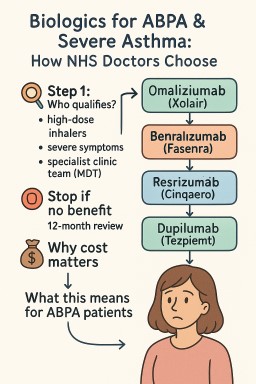
💊 Biologics for ABPA & Severe Asthma: How NHS Doctors Choose

Biologics are modern injection or infusion treatments that target the immune system. They can help people with Allergic Bronchopulmonary Aspergillosis (ABPA) by reducing inflammation, cutting down on steroid use, and lowering flare-ups.

In the UK, consultants must follow NICE (National Institute for Health and Care Excellence) guidance, which sets both clinical criteria and cost-effectiveness rules.


🔎 Step 1: Who qualifies?

  • You must already be on high-dose inhalers and still have severe symptoms.

  • Decisions are made by a specialist severe asthma / ABPA clinic team (MDT).

  • Blood tests, flare history, and steroid use are all considered.


🧭 Step 2: Which biologic?

Consultants match the drug to the type of inflammation you have:

Pathway / Clues Possible Biologic Notes
IgE-allergic (allergic tests positive, high IgE) Omalizumab (Xolair) Works best if perennial allergies are driving symptoms.
Eosinophilic (high eosinophil counts, frequent flare-ups, or long-term steroid use) Mepolizumab (Nucala) or Benralizumab (Fasenra) NHS requires doctors to choose the least-expensive if both fit.
Eosinophils ≥400 + frequent flare-ups Reslizumab (Cinqaero, IV drip) Less used, but an option if IV therapy is acceptable.
Still severe after above / not eligible Dupilumab (Dupixent) Also helps if you have eczema or nasal polyps.
Any type, severe with ≥3 flare-ups or on daily steroids Tezepelumab (Tezspire) Works even if blood tests don’t show high eosinophils or IgE.

🛑 Step 3: Stop if no benefit

NICE requires a 12-month review.

  • If your flare-ups or daily steroid dose haven’t fallen enough (usually by ≥50%), treatment should stop.


💷 Why cost matters

  • The NHS only funds biologics judged “cost-effective.”

  • If two drugs are equally suitable, consultants must use the least-expensive one.

  • This doesn’t mean you won’t get the right drug — but sometimes doctors must justify why one biologic is better for you personally.


📌 What this means for ABPA patients

  • ABPA is not directly covered by NICE guidance, but the same biologics are often used if you also meet asthma criteria.

  • Main goals:

    • Reduce oral steroids (prednisolone) and their side-effects.

    • Control flare-ups and lung damage.

  • Evidence supports omalizumab, mepolizumab, benralizumab, and dupilumab in ABPA; tezepelumab has less data so far.


Bottom line:
Biologics can be life-changing for ABPA patients, but the NHS pathway means the choice depends on your blood results, flare history, steroid needs — and cost-efficiency rules. If one option doesn’t work, another may still be possible.


Information on Allergic BronchoPulmonary Aspergillosis (ABPA) / SAFS – For Family and Friends

Print out or share electronically

WHAT IT IS
ABPA (Allergic Bronchopulmonary Aspergillosis) and SAFS (Severe Asthma with Fungal Sensitisation) are allergic reactions to a common fungus, Aspergillus. In some people with asthma, the immune system overreacts to spores in the air, causing inflammation, swelling, and mucus plugs in the lungs.

WHAT IT'S NOT

  • Not contagious – you can't catch it.

  • Not poor hygiene – Aspergillus is everywhere in the air.

  • Not the patient's fault – flare-ups happen because of the condition, not something they did or didn't do.

WHY AREN'T OTHERS AFFECTED?
Most people's lungs clear these spores easily. In ABPA/SAFS the immune system reacts too strongly – more likely with long-standing asthma, severe allergies, damaged airways (e.g., bronchiectasis), or a genetic tendency. It's not weakness or lifestyle choices – often just lung history and bad luck.

TYPICAL SYMPTOMS

  • Wheezing, cough (sometimes with mucus plugs)

  • Breathlessness

  • Severe fatigue

  • Sometimes coughing up blood

WORST SYMPTOMS

  • Mucus plugs – thick, sticky clumps blocking airways, making breathing suddenly harder.

  • Intense coughing – can be exhausting, cause chest pain, and disrupt sleep.

TREATMENT

  • Anti-inflammatory medicines (often steroids)

  • Antifungals to reduce Aspergillus in the airways

  • Biologics for severe asthma/allergic inflammation

  • Monitoring with blood tests, breathing tests, and scans

THE REALITY
This condition can dominate daily life. On bad days the person may not be able to do much at all. Energy and breathing can change day-to-day (even hour-to-hour). If plans are cancelled, it isn't a lack of interest – it's the illness. Flare-ups can also make people feel short-tempered – a natural reaction to frustration, not a lack of care. Many people also live with a constant awareness of environmental risks – weighing up every new place or activity for dust, damp, or spores. This can feel exhausting and may lead them to avoid situations that others wouldn’t think twice about.

LOOKING AHEAD

  • With good control – Many people manage their symptoms well, reduce flare-ups, and keep active with the right treatment and avoidance of triggers.

  • Risks – Without good control, repeated flare-ups can slowly damage the lungs and lead to bronchiectasis.

  • Change over time – Some improve and need less treatment; others have ongoing ups and downs. Early action on flare-ups makes a big difference.

ENVIRONMENTAL TRIGGERS & PROTECTION
Some people with ABPA or SAFS have to avoid dust, mould, strong smells, smoke, and damp places – these can trigger flare-ups. Activities like gardening, compost turning, or DIY can be risky because they release fungal spores into the air. Wearing a well-fitting mask (e.g., FFP2/FFP3) can help reduce exposure – it's about staying well, not being antisocial.

HOW FRIENDS AND FAMILY CAN BEST HELP

  • Be flexible with plans – energy and breathing can change suddenly; last-minute cancellations aren't personal.

  • Help avoid triggers – choose low-dust, low-mould venues and activities.

  • Support treatment routines – lifts to appointments, collecting prescriptions, or reminders if welcome.

  • Listen without judgement – let them share symptoms and frustrations.

  • Encourage safe activities – suggest hobbies and outings with low environmental risk.

  • Show affection and reassurance – a hug, a kind message, or checking in can mean a lot.

MORE INFORMATION & SUPPORT
National Aspergillosis Centre (UK): https://mft.nhs.uk/wythenshawe/services/infectious-diseases/national-aspergillosis-centre/
Patient information & community: https://aspergillosis.org


📘 What is ABPA? (Allergic Bronchopulmonary Aspergillosis)

Patient handout for A&E staff who ask what aspergillosis is.

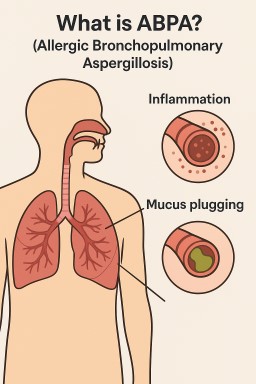
What is ABPA?

ABPA is an allergic lung condition caused by the immune system overreacting to the fungus Aspergillus. It mainly affects people with asthma or cystic fibrosis.

When Aspergillus spores are inhaled, most people clear them without issue. In ABPA, the immune system sees these spores as dangerous and mounts a strong inflammatory response. This leads to asthma-like symptoms, mucus plugging, and can result in permanent lung damage (bronchiectasis) if left untreated.


Symptoms

  • Worsening breathlessness

  • Wheezing, chest tightness

  • Coughing up thick, often brown mucus

  • Fever, fatigue, or feeling generally unwell

  • Unintentional weight loss (advanced cases)


Diagnosis

  • History of asthma or cystic fibrosis

  • High IgE levels and positive Aspergillus-specific IgE

  • Eosinophilia (raised white blood cells)

  • Sputum culture or PCR positive for Aspergillus

  • Chest imaging showing mucus plugging or bronchiectasis


Treatment

  • Oral corticosteroids (e.g. prednisolone) to reduce inflammation

  • Antifungal medication (e.g. itraconazole) to lower fungal burden

  • Biologic therapies (e.g. omalizumab or benralizumab) in some patients

  • Regular monitoring by respiratory or infectious diseases specialists


Key Points for A&E:

✅ ABPA is an allergic lung disease, not a classical infection
✅ Can present with severe asthma, mucus plugging, or type 2 respiratory failure
✅ Requires early recognition and often systemic steroids and antifungal therapy
✅ Take bloods (IgE, eosinophils, CRP), consider chest imaging, and review oxygen status


📍 For specialist support:

National Aspergillosis Centre (NAC)
🏥 Wythenshawe Hospital, Manchester University NHS Foundation Trust
🌐 NAC homepage on MFT website https://mft.nhs.uk/wythenshawe/services/infectious-diseases/national-aspergillosis-centre/
🌐 www.aspergillosis.org

📞 Daytime contact: 0161 291 2891 or 0161 291 4362
📞 Urgent out-of-hours: Call Wythenshawe switchboard on 0161 998 7070
📢 Ask for the on-call Infectious Diseases Consultant


🫁 Is It an ABPA Flare or a Bronchiectasis Flare? How to Tell the Difference

If you have aspergillosis, especially ABPA (Allergic Bronchopulmonary Aspergillosis) and bronchiectasis, it can be hard to know which one is flaring up when your lungs feel worse. They often overlap — but there are some clues that can help.


🔍 How the Two Conditions Are Different

Feature ABPA Flare (Allergic Reaction to Aspergillus) Bronchiectasis Flare (Infection in Damaged Airways)
Main cause Your immune system reacting to Aspergillus Infection in widened, inflamed airways
Symptoms you may notice - Chest tightness or wheezing
- Thick, sticky mucus
- Feeling more tired
- Occasional low-grade fever
- Wet cough with more sputum
- Sputum changes colour (green/yellow)
- Fever, chills, or general unwell feeling
How it starts May come on gradually or after exposure to damp/mould Often starts after a cold or virus
What helps most Steroids (inhaled or oral), sometimes biologics Antibiotics and chest physiotherapy
What tests may show - Raised IgE or eosinophils
- CT may show mucus plugs
- Raised CRP or white cells
- Sputum may grow bacteria or fungus
What to ask your doctor “Is my IgE or eosinophil count up?” “Do I need a sputum test or antibiotics?”

🧭 What Can You Do as a Patient?

  • 📝 Keep a symptom diary – especially note changes in:

    • Sputum colour or amount

    • Wheezing or chest tightness

    • Tiredness or sleep quality

  • 🧪 Ask for the right tests:

    • Blood tests like IgE and eosinophils for ABPA

    • CRP, white blood count, and sputum tests for bronchiectasis

  • 🩺 Don’t guess or self-treat – steroids and antibiotics work in different ways, and using the wrong one can make things worse or mask important signs.


💬 Final Thought

It's very common for people with aspergillosis to feel confused by flare-ups — you're not alone. Learning to spot your own patterns, and getting support from your specialist team, can make a real difference.


🧵 Why Am I Getting More “Plugs” This July?

A message for aspergillosis patients

July is often a time when people with aspergillosis feel a bit better — but sometimes, things don’t go quite to plan. If you’ve suddenly started getting more mucus “plugs” or are struggling to clear your chest, here are some possible reasons:


🔍 Common Reasons for More Mucus or Plugs in Summer

Possible Cause Why it might affect you now
Fungal spores are high July and August bring very high outdoor levels of Aspergillus, Cladosporium, and other moulds – especially on dry, windy days or after cutting grass. These can trigger inflammation and more mucus.
Pollen season continues Even though tree pollen has gone, grass, weed, and cereal pollen are still in the air. These can worsen symptoms for people with ABPA or asthma.
Humidity or storms Sudden weather changes, humid air, or storms can make breathing more difficult and mucus harder to shift. Some people call this "thunderstorm asthma."
Air pollution (ozone) Sunny weather increases ozone and air pollution – both can irritate your airways.
Low-level infection or flare-up If your mucus is thicker, darker, or smells different, it might be a sign of a fungal or bacterial flare-up, even without a high temperature.
Hydration or medication changes Less water, skipping nebulisers, or changes in routine can make mucus stickier.
Blocked sinuses Post-nasal drip from fungal sinusitis can make it feel like mucus is always sitting in your throat or upper chest.

✅ What You Can Do

  • Drink more fluids, especially warm water or squash

  • Use saline in your nebuliser to loosen thick mucus

  • Do your chest clearance exercises more often – flutter device, ACBT, or huffing

  • Don’t skip antifungals, inhalers, or mucolytics like carbocisteine

  • Consider a nasal rinse if your sinuses feel blocked

  • Keep windows closed on high spore or high pollen days

  • Speak to your team if things don’t settle – you may need a review or antibiotics


⚠️ When to Get Checked

  • You're coughing up yellow, green or brown mucus

  • Mucus smells bad or has blood in it

  • You feel more breathless or more tired

  • You’ve needed to increase your nebuliser use


💬 You're Not Alone

Many patients with aspergillosis get more mucus at this time of year — even when the sun’s out! Don’t assume it’s “just the weather.” Sometimes it’s a sign that your lungs or sinuses are reacting to invisible spores in the air.


Biologics and Long Term Side Effects

What Are Biologics?

Biologics are targeted treatments made from living cells. They work by blocking parts of the immune system that cause inflammation — for example:

  • IL-4, IL-5, IL-13: linked to eosinophilic inflammation

  • IgE: linked to allergies and ABPA

They are not immunosuppressants like steroids or chemotherapy, but rather immune modulators.


💊 Long-Term Side Effects – What Do We Know?

👨‍⚕️ What research and experience show:

Biologic Used for Long-term safety known? Side effects most reported
Omalizumab (Xolair) Allergic asthma, ABPA 20+ years of use Injection site reactions, headache, very rare anaphylaxis
Mepolizumab (Nucala) Eosinophilic asthma, CPA 10+ years Fatigue, headache, shingles (rare), mild infections
Benralizumab (Fasenra) Severe asthma, CPA ~6–7 years Headache, pharyngitis, injection site issues
Dupilumab (Dupixent) Asthma, eczema, nasal polyps 6–8 years Eye dryness/redness, cold sores, joint pain (rare)
Tezepelumab (Tezspire) Severe asthma ~2 years Sore throat, joint pain, injection site reactions

⚠️ Possible Long-Term Concerns (but rare)

  • Infections: Some concern about slightly increased risk of herpes zoster (shingles) or respiratory viruses, but overall risk is very low compared to steroids.

  • Immunogenicity: Your body might develop antibodies to the drug over time, reducing its effect — this is more a loss of benefit, not a dangerous side effect.

  • Cancer risk: No consistent evidence linking asthma/ABPA biologics to cancer.

  • Unknowns: Because some biologics are new (e.g. tezepelumab), we don't yet have 20-year data — but so far the safety profile is reassuring.


🩺 Compared to Oral Steroids

Treatment Side Effects Over Time
Steroids (e.g. prednisolone) Weight gain, diabetes, infections, bone thinning, cataracts, adrenal suppression
Biologics Mostly minor – injection site pain, headache, mild infection risk, rare allergic reaction

So in most cases, biologics reduce the need for steroids and therefore reduce long-term harm.


💬 Patient Experience

Most patients report:

  • Improved quality of life

  • Reduced asthma/ABPA attacks

  • Fewer hospital visits

  • Very few stop due to side effects


✅ Summary

Question Answer
Do biologics have long-term side effects? Usually mild and rare; mostly injection reactions or mild infections
Are they safer than long-term steroids? Yes, especially over years
Should I be worried? Not usually — but always monitor with your team
How long have they been used? 6–20+ years, depending on the biologic, with very good safety data