Many people living with aspergillosis, asthma, or bronchiectasis notice that their symptoms change with the seasons.
This is no coincidence — environmental factors such as temperature, humidity, pollen, spores, and viral infections all vary through the year, and these can strongly influence both lung health and allergic or fungal disease.
Understanding these patterns can help you plan ahead, reduce exposure, and know when to take extra care.
🌸 Spring: Pollen and Early Spore Season
As temperatures rise, tree pollen (especially birch, oak, and plane) and Aspergillus spores begin to increase in outdoor air.
For people with Allergic Bronchopulmonary Aspergillosis (ABPA) or Severe Asthma with Fungal Sensitisation (SAFS), this can trigger cough, wheeze, and chest tightness.
-
Keep an eye on Met Office pollen and spore forecasts.
-
Open windows on dry days, but check for signs of mould indoors, especially around windows and bathrooms.
-
If you notice symptoms flaring every spring, let your respiratory team know — small medication adjustments may help.
📊 Data source: Met Office spore count data.
☀️ Summer: Soil, Compost, and Renovation Hazards
Warm, humid conditions mean fungi thrive — especially outdoors.
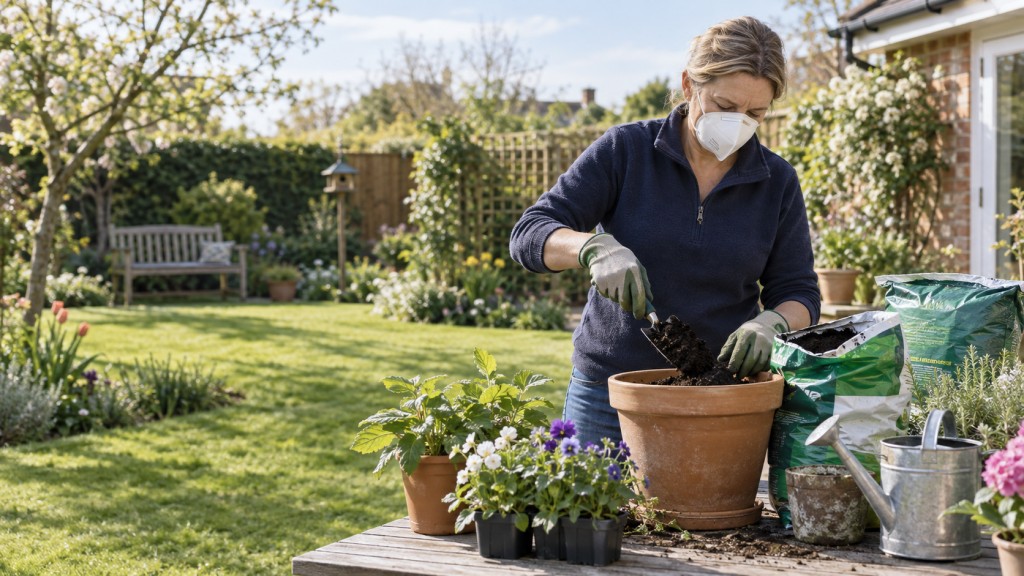
Compost heaps, garden soil, and grass cuttings can release very high levels of Aspergillus spores.
People with chronic lung disease, ABPA, or Chronic Pulmonary Aspergillosis (CPA) are at greater risk of exacerbations during this period.
-
If gardening or using compost, wear gloves and an FFP2/FFP3 mask.
-
Avoid turning compost heaps or cleaning bird feeders if you are immunocompromised.
-
Keep home humidity below 60% and ventilate well during warm spells.
🪴 Source: Protective mask and compost safety advice.
🍂 Autumn: Damp Homes and Viral Load
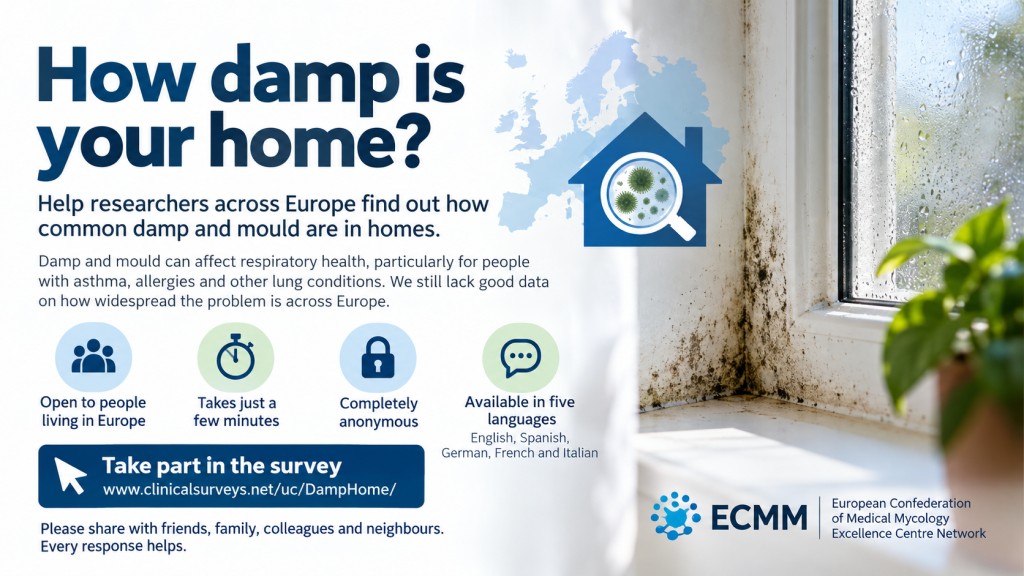
As the weather cools, we close windows and turn on heating — trapping moisture indoors.
This increases damp and mould growth, particularly in poorly ventilated areas.
At the same time, colds, flu, and RSV infections surge, all of which can make fungal or allergic conditions worse.
-
Use a dehumidifier and ensure air can circulate behind furniture.
-
Check for leaks, condensation, or cold corners.
-
Stay up to date with flu and COVID vaccinations if eligible.
💧 Source: Aspergillosis.org damp guidance.
❄️ Winter: Indoor Season and Medication Review
Outdoor spore levels are lowest in winter, but indoor exposure dominates — from bathrooms, humidifiers, and heating systems.
Viral infections remain a major trigger for asthma and ABPA flare-ups, and antifungal or steroid treatments may need review.
-
Keep homes warm but ventilated where possible.
-
Review your treatment plan with your clinical team, especially if you’re using steroids or biologics.
-
Contact your GP or specialist early if you notice an increase in cough, breathlessness, or mucus plugs.
🧭 Key Takeaway
Aspergillosis and asthma flare-ups often follow the seasons:
| Season | Main Risks | Take Action |
|---|---|---|
| Spring | Pollen, outdoor spores | Monitor counts, check home for mould |
| Summer | Compost, soil, renovation dust | Use masks/gloves, avoid heavy exposure |
| Autumn | Damp homes, viruses | Dehumidify, ventilate, manage infections |
| Winter | Indoor air, viruses | Keep warm, review treatment |
By spotting your personal pattern, you and your care team can plan ahead — reducing exacerbations and staying well all year.

Did this page help you?
Tell us in one minute