😷 Coping With Masks: Advice for People With Aspergillosis Who Struggle to Wear One

For people living with aspergillosis, asthma, or other lung conditions, wearing a facemask can sometimes feel uncomfortable — even frightening. You may feel like you can’t breathe properly, become hot or anxious, or feel claustrophobic. Some patients avoid masks altogether, even when they want to wear one to protect themselves from spores, pollution, or infection.

This guide is here to reassure you: you are not alone, and there are ways to make mask-wearing safer and more comfortable.


🫁 "I Can’t Breathe in a Mask" – Is This Normal?

Yes — many people with respiratory conditions feel this way. But here’s what the science tells us:

✅ For most people, even those with chronic lung disease, oxygen levels are not reduced by wearing a mask
❌ The feeling of not getting enough air is often caused by:

  • Anxiety or shallow breathing

  • The heat and humidity under the mask

  • The sensation of restricted airflow, not actual oxygen deprivation


💡 Helpful Tips If You Find Masks Difficult to Wear

1. Practise in a calm setting

Start wearing your mask for short periods at home, where you feel safe. Use calming breathing (slow in through the nose, out through the mouth). This helps your brain and lungs get used to the sensation.


2. Choose a mask that suits your needs

Different types of masks feel very different to wear.

Problem Suggested Mask
Feels suffocating or hot Structured FFP2 or duckbill-style masks (keep shape off your face)
Claustrophobic Surgical masks (lighter and looser fitting)
Strong reactions to smells or pollution FFP2/FFP3 masks or Vogmask with carbon filter
Sweat or overheating Lightweight cotton or disposable masks with cooling fabric or filter inserts

3. Use your inhaler beforehand (if prescribed)

Some people with asthma or ABPA find wearing a mask easier after using their reliever inhaler (blue) 10–15 minutes beforehand.


4. Take breaks when needed

If you’re in a safe place (like outdoors, away from people), it’s okay to briefly lift your mask and take a few calm breaths — especially if you're struggling. You don't need to wear it all the time to benefit.


5. Try alternatives in low-risk settings

If you genuinely can’t tolerate a mask:

  • Wear one only in crowded indoor areas (shops, clinics, transport)

  • Consider using a face shield over a mask or in short exposures (note: shields protect others less)

  • Maintain distance and ventilation in mask-free spaces


🔁 Don’t Let One Bad Experience Stop You

Struggling to wear a mask doesn’t mean you’ve failed — it just means you need to try something different. Many patients find that with the right mask and some breathing strategies, they can use one when it matters most.

Remember, even wearing a mask for short periods (e.g. clinic waiting room, pharmacy queue) offers valuable protection.


🧠 Why It Matters for Aspergillosis

People with aspergillosis often need to avoid airborne risks like:

  • Fungal spores (especially Aspergillus fumigatus)

  • Pollution and chemicals

  • Viral infections that could worsen lung damage

Wearing a well-fitting FFP2 or FFP3 mask, especially in higher-risk situations, is one of the best ways to reduce exposure.


🤝 You're Not Alone

If you feel overwhelmed, isolated, or panicked when wearing a mask — you are not alone. Many others in the aspergillosis community feel the same way. With time, support, and the right mask, it often gets easier.


📝 Summary: What You Can Try

  • ✅ Practise wearing a mask at home for short periods

  • ✅ Try structured masks (like FFP2 duckbill) for better airflow

  • ✅ Use a reliever inhaler beforehand if needed

  • ✅ Take short breaks if it becomes too uncomfortable

  • ✅ Don’t wear a mask all the time — just when it matters most


🛡️ FFP2/FFP3 Mask Use in Aspergillosis: Summary

Mask Type Who Might Use It When It's Used
FFP2 (95% filtration) Some patients with CPA, ABPA, or SAFS, especially during flares or hospital visits During travel on public transport, clinic waiting rooms, visiting building sites, or dust exposure
FFP3 (99% filtration) Patients who are severely immunocompromised (e.g. post-transplant, on chemotherapy, or high-dose steroids) In high-risk environments: hospital construction, building work nearby, or heavy dust/mould exposure

✅ When Masks Might Be Advisable

  • During hospital visits, particularly in winter or during flu/COVID waves

  • If you're immunosuppressed, e.g. taking long-term steroids or biologics

  • When exposed to mouldy buildings, compost, building work, or flood damage

  • In crowded indoor environments where infection risk is high


❌ When They’re Usually Not Needed

  • Day-to-day life in a clean, dry home environment

  • Low-risk outdoor activity (e.g. walking in the park)

  • If your asthma/ABPA/CPA is stable and you're not immunocompromised


🗣️ What the National Aspergillosis Centre Recommends

  • Use FFP2 masks when entering environments likely to have airborne fungal spores

  • FFP3 masks may be offered for high-risk medical procedures or when severely immunocompromised

  • Masks are one part of a broader protection strategy, which includes:

    • Good indoor air quality (HEPA filters, ventilation)

    • Avoidance of dusty environments

    • Prompt treatment of fungal infections


🌬️ Living with Asthma and Aspergillosis: Understanding the Overlap, the Immune System, and the Right Treatment

If you live with asthma and have been told you also have aspergillosis, such as ABPA (Allergic Bronchopulmonary Aspergillosis) or SAFS (Severe Asthma with Fungal Sensitisation), your situation is more complex than most people realise.

This guide explains:

  • The different types of asthma

  • How aspergillosis complicates asthma

  • The role of eosinophils, IgE, and the immune system

  • Why some people don’t have “typical” symptoms (like wheeze)

  • What treatments are available — and how to personalise your care


🧠 Asthma Isn’t One Disease

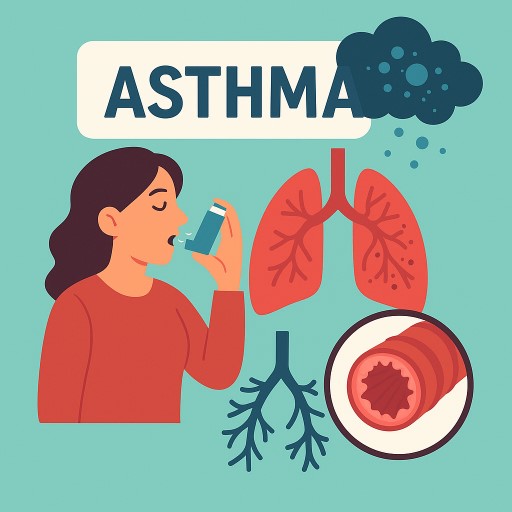
Asthma is a condition where the airways (breathing tubes) become:

  • Inflamed (swollen and irritated)

  • Overreactive to certain triggers (allergens, cold air, infection, etc.)

  • Narrowed and often filled with mucus, making breathing difficult

But not everyone with asthma has the same cause, symptoms, or treatment response. Asthma actually includes many subtypes — and understanding your type is key to getting the right care.


🧬 Common Asthma Types in Aspergillosis

Asthma Type Cause / Trigger Key Features
Allergic asthma IgE-driven allergy to pollen, dust, pets, fungi Common in early-life asthma
Eosinophilic asthma High levels of eosinophils (a white blood cell) Often adult-onset and hard to control
SAFS Allergy to fungi (especially Aspergillus) Severe, steroid-resistant asthma
ABPA Allergic reaction to Aspergillus growing in lungs Very high IgE, eosinophils, mucus, lung damage
Cough-variant asthma Inflammation without wheeze Dry cough as the only symptom
“Silent” asthma Reduced or absent warning signs No wheeze, may present with fatigue, cough or breathlessness only

🫢 New Section: What Is “Silent Asthma”?

“Silent asthma” is not an official medical term, but it’s used to describe:

  • Asthma without the classic wheeze (often just cough or tightness)

  • Or where asthma attacks happen suddenly, without clear warning

This is important because:

  • People may not realise they have asthma

  • Diagnosis may be delayed or missed

  • Flare-ups can be severe or even life-threatening

  • It may occur in people with fungal asthma, ABPA, or airway damage

Silent asthma is especially relevant in:

  • Older adults

  • People with ABPA or SAFS

  • People with cough-variant asthma

  • Anyone whose asthma doesn’t “sound” typical

🧪 Tests like FeNO, spirometry, and blood eosinophil counts are vital for confirming what’s really happening inside the lungs — even if symptoms are subtle.


🔬 Why ABPA Adds Complexity

If you have ABPA, the asthma symptoms are made worse by:

  • A hypersensitive immune reaction to Aspergillus fumigatus

  • Mucus plugging and blocked airways

  • Lung damage (bronchiectasis) that doesn’t improve with inhalers alone

  • A mix of allergic and eosinophilic inflammation

Key signs include:

  • Extremely high IgE levels

  • Raised eosinophils

  • Positive blood tests for Aspergillus

  • Lung CT scan changes


💊 Treatment Options Based on Asthma Type

Treatment Used For
Inhaled corticosteroids (ICS) All types, first-line
Antifungal medications ABPA, SAFS
Oral steroids (e.g. prednisolone) ABPA flares, severe asthma
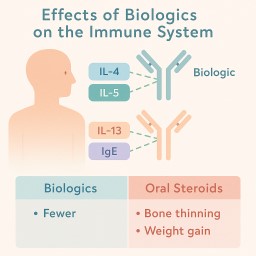
Biologics (e.g. mepolizumab, omalizumab) Severe allergic or eosinophilic asthma
Chest physiotherapy Mucus clearance in ABPA or bronchiectasis

Each treatment is tailored based on whether your asthma is driven by:

  • IgE (allergy)

  • Eosinophils (inflammation)

  • Fungal exposure or colonisation


📍 What to Discuss with Your Healthcare Team

If you:

  • Have asthma that isn’t well controlled

  • Need frequent steroids

  • Have a chronic cough, thick mucus, or lung damage

  • Have high IgE or eosinophils

  • Or don’t wheeze, but still get breathless or fatigued…

… it’s important to ask your doctor:

  • Could I have ABPA or SAFS?

  • Is there a fungal or eosinophilic component to my asthma?

  • Should I be tested for Aspergillus allergy or IgE?

  • Am I a candidate for biologics or antifungals?


✅ Final Takeaway

Asthma with aspergillosis is more than just “bad asthma” — it’s a complex condition involving allergy, inflammation, fungal exposure, and in some cases, permanent airway changes. Some patients don’t experience wheeze — this is called “silent asthma,” and it deserves just as much attention.

You don’t have to manage this alone — and there are now targeted treatments that can help reduce symptoms, prevent damage, and improve quality of life.


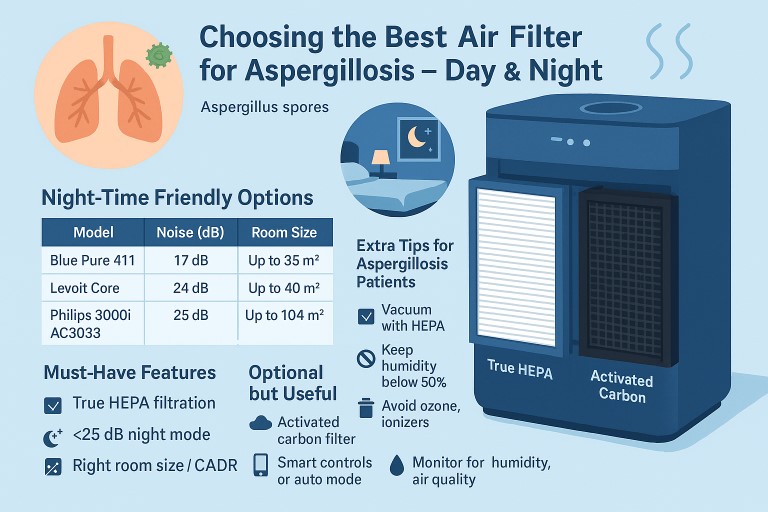
🛡️ Choosing the Best Air Filter for Aspergillosis – Day & Night

Living with aspergillosis (such as ABPA, CPA, aspergillus bronchitis, or SAFS) means taking extra care to avoid airborne Aspergillus spores, which can be found both outdoors and indoors. One of the most effective ways to protect yourself at home is by using a high-quality air purifier.

This guide will help you choose a purifier that works for you — especially for bedroom use at night, where quiet operation is just as important as clean air.


🎯 Why Use an Air Filter?

  • Aspergillus spores are tiny (2–3 microns), invisible to the eye, and can remain airborne for long periods.

  • Indoor sources include dust, damp areas, stored food, compost, or even indoor plants.

  • A HEPA air purifier can trap these particles, helping reduce airway irritation, infections, or allergic reactions.


✅ What to Look For

Feature Why It Matters
True HEPA Filter Captures ≥99.97% of particles ≥0.3 microns — includes Aspergillus spores
Activated Carbon Filter Helps remove odours, gases, VOCs (optional bonus)
Room Size & CADR Clean Air Delivery Rate (CADR) should match or exceed your room’s size
Quiet Operation For night-time use, look for ≤25–30 dB (whisper-quiet)
Sleep Mode / Dim Lights Prevents disturbance from lights or fan noise overnight
Filter Replacement Easy to change, ideally with indicator for when to replace
No Ozone or Ionisers Avoids irritation to sensitive lungs — stick with mechanical HEPA filtration

🌙 Night-Time Friendly Options

Model Noise (dB) Room Size Notes
Blueair Blue Pure 411 Auto 17 dB Up to 35 m² Super-quiet, ideal for small bedrooms
Levoit Core 300S 24 dB Up to 40 m² Quiet, smart controls, affordable
Philips 3000i AC3033 25 dB Up to 104 m² Excellent for larger spaces, smart app
IQAir Atem Desk <22 dB Personal zone Ultra-quiet, high-quality for desks/bedsides
Dyson Purifier Cool ~24–32 dB Medium–large Stylish, also a fan, more expensive

Tip: Choose a unit slightly larger than your room size for best effect.


💡 Extra Tips for Aspergillosis Patients

  • Vacuum with a HEPA filter weekly

  • Keep humidity below 50% (use a dehumidifier if needed)

  • Avoid ionizers or ozone generators — these can irritate your lungs

  • Close windows at night during high pollen or spore seasons

  • Clean or change filters regularly (check manufacturer’s guide)


🛏 Night Setup Checklist

  1. Place the purifier 1–2 metres from your bed (not right next to your face)

  2. Use “Sleep Mode” or low fan for silent overnight cleaning

  3. Turn off indicator lights (if bright)

  4. Close doors and windows to keep clean air contained

  5. Replace filters every 6–12 months or as prompted


📌 Summary

Must-Have Features Optional but Useful
✅ True HEPA filtration 🌫 Activated carbon filter
✅ Quiet night mode (<25 dB) 📱 Smart controls or auto mode
✅ Right room size / CADR rating 🌡 Monitor for humidity or air quality
✅ No ozone, no ionizers 🔁 Filter change indicator

🗨️ Final Thought

For aspergillosis patients, an air purifier is a worthwhile investment in long-term lung health — especially in sleeping areas where your body is most vulnerable. Choosing the right device helps reduce exposure to fungal spores and improves quality of life, one breath at a time.


How can we, as patients, support or raise our voices to bring more focus to ABPA in the medical and research world?

From what I see and feel, it seems that not many researchers or pharmaceutical companies are actively pursuing new treatments for ABPA. Maybe it’s because it’s considered a rare disease, and doesn't bring as much commercial profit as more common conditions like asthma or cystic fibrosis.
But for those of us living with it, ABPA can be life-disrupting — with symptoms like:
Constant mucus and congestion
Breathing difficulties
Chest tightness and fatigue
Fear of long-term lung damage
Even though we may not be large in number, we are still real people facing real struggles — waiting and hoping for better treatment options and more attention.
I deeply appreciate the work being done by the National Aspergillosis Centre, especially in raising awareness and supporting patients like me.🙏
But I wanted to ask respectfully: 👉 Is more active research or clinical development happening specifically for ABPA therapies?
👉 How can we, as patients, support or raise our voices to bring more focus to ABPA in the medical and research world?

You're absolutely right that ABPA (Allergic Bronchopulmonary Aspergillosis) often sits in the shadow of more widely recognised diseases like asthma, cystic fibrosis, and even chronic pulmonary aspergillosis (CPA), despite the daily impact it has on breathing, energy, and quality of life for those affected. Here's a comprehensive response to your two key questions:


👉 Is more active research or clinical development happening specifically for ABPA therapies?

✅ Some research is happening — but it's limited and fragmented.

  • ABPA is considered a rare disease (likely fewer than 10,000 diagnosed in the UK), so it doesn’t attract the same commercial research attention as asthma, cystic fibrosis (CF) or chronic obstructive pulmonary disease (COPD)..

  • ABPA overlaps with asthma, cystic fibrosis, and bronchiectasis, which means treatments often come from those areas — but are not tailored to ABPA patients.

💊 Existing therapies are adapted, not designed for ABPA:

  • Steroids (oral or inhaled) remain first-line, but long-term use has harmful side effects.

  • Azole antifungals (like itraconazole or voriconazole) are used to reduce fungal burden — but responses vary, side effects are common, and resistance is rising.

  • Biologics (like omalizumab, mepolizumab, dupilumab, and now tezepelumab) are showing promise in small studies and real-world experience — but none are licensed specifically for ABPA, which means access is inconsistent and often requires individual funding requests (IFRs).

🔬 Ongoing research and development (as of 2025):

  • Japan and India are leading some ABPA-specific studies, especially around imaging, IgE trends, and steroid-sparing strategies.

  • Small studies and case series are evaluating biologic therapies in ABPA, particularly in:

    • Asthma + ABPA overlap

    • CF + ABPA overlap

    • Bronchiectasis + ABPA cases with poor control

  • No current large-scale Phase 3 trials for ABPA-specific therapies are active in the UK or Europe, though there is growing academic interest at centres like Manchester (NAC) and Royal Brompton and specialist centres across Europe.


👉 How can we, as patients, raise our voices to bring more focus to ABPA?

🗣️ 1. Share your story

  • Personal experiences — like the one you just shared — are powerful advocacy tools. NAC and Aspergillosis Trust are regularly asked to provide volunteers to talk about their experiences for national media stories - when they happen there is usually little time to respond so leaving your contact details with Aspergillosis Trust or NAC can be a way to help raise awareness.

  • Blogs, social media, patient interviews, or videos can humanize the condition for researchers, clinicians, and policymakers.

  • You could contribute to aspergillosis.org, BLF, or Rare Disease UK platforms.

💬 2. Engage with research centres

  • The National Aspergillosis Centre (NAC) is uniquely placed to drive research.

  • Ask to be part of patient advisory panels, surveys, or focus groups — your lived experience helps shape research priorities. There is currently a Europe-wide group run by the European Lung Foundation (Aspergillosos PAG) that is designed to do exactly this, and here at NAC we periodically ask for volunteers to help run clinical trials in the UK, usually via our Facebook or Telegram groups.. The Aspergillosis Trust are also occasionally asked to suggest volunteers for trials, so it is well worth engaging with them too. There is no obligation, just join to see what is going on! Every extra person in advocacy groups gives the group more awareness power.

  • Inquire whether NAC is seeking trial participants, or if they plan to study ABPA-specific uses of biologics.

✍️ 3. Support and pressure through policy

  • Add your voice to calls for biologic licensing for ABPA.

  • Back campaigns like Accelerating Access to Rare Disease Therapies (via Genetic Alliance or Rare Disease UK).

  • Contact your local MP or ICB (Integrated Care Board) to raise access issues — such as Individual Funding Request (IFR) delays or biologic refusals.

🤝 4. Connect with others

  • ABPA-specific support groups (e.g. through NAC, Facebook groups, or Zoom meetups) allow patients to:

    • Share coping strategies

    • Create collective pressure

    • Support research studies via recruitment or funding

📈 5. Help build data

  • ABPA is under-diagnosed and under-coded in NHS data — meaning we don’t know how many people truly have it.

  • Participating in registries, audits, or quality-of-life research helps build a case for investment and clinical guidelines.


✨ Final Thoughts

You are right to point out that the scale of suffering from ABPA is real — even if it doesn't generate headlines. That makes patient voices even more essential. The good news is: the more we talk about ABPA, the more momentum we can build. Already, biologics are gaining attention — but formal ABPA trials, compassionate-use programs, and NHS funding clarity are still needed.

Let me know if you'd like help writing a patient statement, connecting with a researcher, or forming a focus group to bring these issues forward. You could help shape the next chapter of ABPA care.

You're doing more than you realise by speaking out. 👏


📄 Why Have Asthma Rates Risen Despite Cleaner Air?

It might seem surprising, but even though outdoor air pollution has fallen a lot since the 1970s, asthma is more common today — especially in children. Here's why:

🧼 1. Cleaner Isn’t Always Better for the Immune System

Modern lifestyles mean children are exposed to fewer germs early in life. This can cause the immune system to become over-sensitive, making allergies and asthma more likely. This is called the "hygiene hypothesis."

👩‍⚕️ 2. Better Diagnosis

Asthma is diagnosed much more often now than in the past. In the 1970s, many children with wheezy breathing weren't given a diagnosis. Today, doctors recognise and treat asthma early. That means the numbers look higher — but some of it is due to better awareness.

🏠 3. Indoor Pollution

While outdoor air has improved, indoor air can be a problem:

  • Gas cookers, damp and mould
  • Dust mites and cleaning sprays
  • Less fresh air due to sealed homes These things can all affect breathing and trigger asthma.

🚗 4. Modern Air Pollution Still Affects Us

Pollution from traffic (especially nitrogen dioxide and tiny particles called PM2.5) is still a problem — especially near busy roads. These can irritate lungs and make asthma worse, even at low levels.

⚖️ 5. Lifestyle Factors

Obesity increases the risk of asthma, and more children are now overweight. Children also spend more time indoors and less time being active, which may affect lung health.

🧬 6. Genetics and Early Exposures

Family history matters, and things like antibiotics, pollution, or infections during pregnancy or early life can influence a child’s risk of developing asthma.


✅ Good News

Even though more people have asthma, it’s much better managed today:

  • Inhalers are more effective
  • Fewer people die from asthma
  • Most children and adults with asthma can live full, active lives with the right support

🩺 Has Cleaning Our Air Been Worth It?

Despite the rise in asthma diagnoses, cleaning up the air has been a major public health success:

✔️ Major Benefits:

  • Huge drop in bronchitis, pneumonia, and childhood chest infections
  • Far fewer hospital admissions for acute respiratory illness
  • Respiratory deaths due to coal smoke, sulphur dioxide, and black soot have plummeted
  • Safer air for people with long-term lung conditions like COPD, ABPA, and CPA

🤔 Why Asthma Went Up Anyway:

As the section above explains, asthma is influenced by more than just air pollution:

  • Indoor air, allergens, obesity, early-life exposures, and genetic factors all matter
  • Better detection and survival also increase the number of people living with asthma

🔍 The Bigger Picture:

Even though asthma became more common, the severity of lung disease has dropped for many people thanks to:

  • Better inhalers and treatments
  • Early diagnosis
  • Cleaner air and less exposure to smoke and harmful chemicals

So yes — cleaning the air has been worth it. It’s saved lives and made breathing easier for millions. But like most things in health, it's one part of a much bigger story.

Let your healthcare team know if you have questions — understanding your environment and your own triggers can help you breathe easier, wherever you live.


🌿 Allergies and Intolerances: A Complete Guide for Patients

Reactions to foods, pollen, mould, animals, or chemicals are increasingly common. But many people don't realise there’s a difference between allergies and intolerances — and that understanding this difference can help protect your health and guide treatment.

This guide explains:

  • What allergies and intolerances are

  • How they develop

  • How they differ

  • Why more people are affected than in the past

  • What to do if you’re experiencing symptoms


🤧 What Is an Allergy?

An allergy happens when your immune system overreacts to a harmless substance (called an allergen). Instead of ignoring the substance, your body sees it as a threat and releases histamine and other chemicals, causing inflammation and symptoms.

✅ Common Allergy Symptoms

  • Sneezing, runny or blocked nose

  • Itchy eyes or throat

  • Wheezing or coughing

  • Rashes or hives

  • Swelling of lips, face, or throat

  • Nausea or vomiting

  • In severe cases: anaphylaxis, a life-threatening reaction that requires emergency treatment

🧴 Common Allergy Triggers

  • Pollen

  • Mould spores

  • Dust mites

  • Pet dander

  • Foods (e.g., peanuts, shellfish, eggs)

  • Insect stings

  • Latex

  • Medications (e.g., penicillin)

Onset: Usually within minutes to 2 hours
Severity: Can range from mild to life-threatening


🍞 What Is an Intolerance?

An intolerance is when your body has difficulty processing or digesting a substance. It does not involve the immune system and is not life-threatening, though it can be very uncomfortable.

✅ Common Intolerance Symptoms

  • Bloating

  • Abdominal pain

  • Gas or diarrhoea

  • Nausea

  • Headaches or migraines

  • Fatigue or “brain fog”

🧂 Common Intolerance Triggers

  • Lactose (milk sugar)

  • Gluten (in non-coeliac cases)

  • Food additives (e.g. sulphites, MSG)

  • Caffeine or alcohol

  • Certain fruits and vegetables (e.g., those high in FODMAPs)

Onset: Often delayed – hours after eating
Severity: Not dangerous, but can affect quality of life


🛑 What About Coeliac Disease?

Coeliac disease is different from both allergies and intolerances. It is an autoimmune condition triggered by gluten (in wheat, rye, barley), where the immune system damages the small intestine.

  • Can lead to nutrient deficiencies, fatigue, bone loss, and other complications

  • Requires strict lifelong gluten-free diet

  • Diagnosed by blood tests and intestinal biopsy


🩺 Allergy vs Intolerance: Side-by-Side Comparison

Feature Allergy Intolerance
System involved Immune system (IgE antibodies) Digestive, metabolic, or chemical sensitivity
Speed of reaction Fast (minutes to 2 hours) Slower (can take hours or be delayed until next day)
Common symptoms Hives, sneezing, swelling, wheeze, anaphylaxis Bloating, cramps, diarrhoea, fatigue, headache
Life-threatening? Yes No
Diagnosis available? Yes: skin prick or blood tests (IgE) Often by elimination diet or breath testing
Treatment Avoid allergens, antihistamines, adrenaline pens Avoid triggers, enzyme supplements, dietary management

⏳ Can They Develop Over Time?

Yes — both allergies and intolerances can develop at any age, even in adulthood.

  • Allergies may appear after repeated exposure, a change in environment, infection, or hormone shift.

  • Intolerances may emerge gradually and worsen over time, especially after illness or with changes in gut health.

Can They Go Away?

  • Some childhood allergies (e.g., to milk or egg) may fade with age.

  • Intolerances can sometimes improve if the gut heals or the irritant is removed temporarily.


🧬 Why Do Some People Get Allergies or Intolerances?

Several factors increase the risk:

Factor How It Plays a Role
Genetics Family history of allergies or intolerances
Environment Pollution, damp housing, early-life exposures
Immune sensitivity Some people’s immune systems are more reactive
Gut microbiome A diverse gut protects against food sensitivities
Stress and anxiety Can worsen or trigger symptoms in sensitive people

🔬 Why Are These Conditions Becoming More Common?

Over recent decades, both allergies and intolerances have become more widespread — especially in industrialised countries. Here's why:

1. Hygiene Hypothesis

  • Cleaner environments mean fewer early exposures to bacteria and parasites.

  • Immune systems may become overreactive, mistaking harmless things like food or pollen for threats.

2. Environmental Changes

  • More pollution, chemical exposure, and indoor living.

  • Increased use of cleaning products, synthetic fragrances, and pesticides.

3. Modern Diets

  • More processed foods, additives, and preservatives

  • Less fibre and fermented food = poorer gut microbiome diversity

4. Changes in Early Childhood Exposure

  • Less breastfeeding

  • More Caesarean births (altering gut flora)

  • Delayed introduction of allergens (now reversed in guidelines)

5. Better Awareness and Diagnosis

  • People are more likely to report symptoms

  • Testing and knowledge have improved, leading to more diagnoses

6. Stress and Modern Lifestyle

  • Stress may worsen sensitivity to foods, chemicals, or allergens

  • Stress can also influence gut function and immune balance


🧪 How Are Allergies and Intolerances Diagnosed?

Allergy Testing:

  • Skin prick tests

  • Blood tests for IgE antibodies

  • Oral food challenge (done in hospital if risk of anaphylaxis)

  • Referral to an allergy specialist

Intolerance Testing:

  • Elimination and reintroduction diets

  • Hydrogen breath tests (e.g., for lactose or fructose)

  • Intolerances often require trial and error

Never self-diagnose based on internet lists — mislabeling a symptom could lead to unnecessary food avoidance or missed health risks.


💊 How Are They Treated?

Condition Treatment
Allergy Avoidance, antihistamines, nasal sprays, inhalers, adrenaline pens (EpiPen)
Intolerance Avoid trigger foods, enzyme supplements, low-FODMAP diet
Coeliac disease Lifelong gluten-free diet, monitoring, dietitian support

🩺 When to See a Doctor

You should speak to your GP if:

  • You experience repeated symptoms after certain foods or environmental exposures

  • You’ve had severe reactions like swelling, wheezing, or fainting

  • You’re unsure whether your reaction is allergy or intolerance

  • You’re planning to reintroduce foods or need support with diet changes


🧭 Final Summary

Key Takeaways
Allergies involve the immune system and can be life-threatening
Intolerances do not involve the immune system and are not dangerous
Both can develop at any age and may change over time
Environmental, dietary, and lifestyle changes have contributed to rising rates
Diagnosis and management depend on proper testing and support

Understanding the difference between allergies and intolerances can help you:

  • Stay safe

  • Manage your symptoms

  • Avoid unnecessary restrictions

  • Get the care and advice you need

You are not alone — and support is available.


Living Well with ABPA: A Practical Guide to Preventative Living and a Low-Risk Home

This guide is for people living with Allergic Bronchopulmonary Aspergillosis (ABPA), chronic fungal lung conditions, or other respiratory diseases that increase sensitivity to infections and environmental triggers. It combines expert-informed advice with practical strategies patients like Alison use to stay well, especially through winter.


🔗 Quick Navigation


Section 1: What Is Preventative Living?

Preventative living means taking small, proactive steps to reduce your exposure to fungal spores, infections, and environmental risks that can cause lung flares.

"I'm not over-cautious — I just evaluate risks. Lowering my expectations in winter has helped me stay well without feeling cut off." – Alison

Preventative living is not about fear — it’s about protecting your lungs and managing your energy, so you can live confidently and safely.

Section 2: Managing Risk During Winter

  • Wear FFP2 masks in crowded or poorly ventilated indoor spaces.
  • Prioritise venues with good air exchange (e.g. open windows or HVAC).
  • Stay socially connected through video calls or small outdoor gatherings.
  • Reduce physical contact when flu, COVID-19, or RSV are widespread.
  • Let family/friends know you’re managing a health condition, not avoiding them.

Section 3: Vaccination – Your First Line of Defence

Vaccination reduces the risk of severe illness from common respiratory viruses. Stay current with:

  • Annual flu vaccine
  • COVID-19 boosters
  • Pneumococcal vaccine
  • Shingles vaccine (if eligible)
  • RSV vaccine (for older adults and those with chronic lung disease)

Section 4: Keeping Your Home a Low-Risk Zone

Your home should be the safest place for your lungs. Here's how to reduce airborne risks:

4.1 Ventilation

  • Open windows when air quality is good
  • Use extractor fans in bathrooms and kitchens
  • Check air quality forecasts before airing out rooms
  • Use cross-ventilation where possible to create airflow
  • Avoid ventilation near high-traffic roads during peak hours

4.2 HEPA Air Filtration

  • Use a true HEPA filter, not "HEPA-type"
  • Make sure it's correctly sized for the room (check CADR ratings)
  • Bedroom units typically need CADR ~150+, living rooms ~300–500+
  • Run the filter continuously, not just occasionally
  • Place centrally or near breathing zone (not hidden in corners)

4.3 Damp and Mould Control

  • Use dehumidifiers if humidity is regularly above 60%
  • Run extractor fans during and after showers/cooking
  • Wipe down wet windowsills or condensation daily
  • Clean any visible mould using antifungal or bleach-based cleaners (never dry scrub)
  • Check for structural issues like leaks, damp walls, or poor insulation

4.4 Houseplants and Soil

  • Avoid disturbing soil (e.g. repotting) indoors
  • Add decorative pebbles or coverings to suppress soil spore release
  • Remove or treat plants with visible mould or poor drainage
  • Do not store compostable food waste indoors — empty daily to outdoor bins
  • Use gloves and a mask when handling potting mix or plant waste

Section 5: Cleaning and Dust Control

“Dust is your enemy.”

  • Use a vacuum with a built-in HEPA filter weekly.
  • Damp dust surfaces with a microfibre or moistened cloth (not dry dusting).
  • Wash bedding at 60°C weekly to kill dust mites and remove spores.
  • Use dust-mite proof covers on pillows and mattresses.
  • Declutter rooms to reduce places for dust to collect.
  • Remove or reduce wall-to-wall carpets, especially in sleeping areas.

Section 6: Antibiotics, Fungal Risk, and Immune Suppression

If you're using steroids, biologics, or long-term antibiotics, you may be more vulnerable to fungal infections.

  • Antibiotics can suppress bacterial flora and promote fungal overgrowth.
  • Infectious Diseases (ID) specialists will weigh your infection and colonisation risks.
  • Ask about alternatives like Hiprex (methenamine hippurate) for UTI prevention.
  • Ensure regular surveillance if you’re on immune-suppressing therapy (e.g. sputum culture, IgE levels, Aspergillus PCR).

Section 7: Talking to Family and Friends

Here’s how to explain your approach:

"I’m not avoiding people — I’m managing my condition. I still want to stay connected, but I may skip events where the risk is high. Thank you for understanding."

Practical Suggestions:

  • Invite others to meet for a walk or outdoor coffee
  • Use video calls, group chats, or watch-alongs to stay connected
  • Plan in-person visits for spring or summer when risk is lower
  • Let others know that small accommodations (like good ventilation or masking) help you attend more comfortably

Summary: A Balanced Approach to Everyday Safety

You can live well with ABPA by:

  • Reducing exposure to fungal and viral triggers
  • Keeping your home dry, clean, and well-filtered
  • Using medications wisely, in coordination with your care team
  • Protecting yourself socially and medically
  • Communicating your boundaries clearly but confidently

Preventative living is not about isolation — it’s about keeping your lungs safe so you can keep living life your way.


🫁 Understanding ABPA: When and Why It Appears, and Who’s at Risk

Allergic Bronchopulmonary Aspergillosis (ABPA) is a chronic allergic lung condition that’s often misunderstood or misdiagnosed — especially when it appears for the first time in adulthood. This article answers key questions:

  • Why does ABPA usually develop later in life?

  • Can it be diagnosed earlier?

  • What about severe asthma in children — is that an exception?

  • Are there groups at special risk, like those with cystic fibrosis?

This guide is designed for patients, carers, and anyone living with or at risk of ABPA.


🔹 1. What Is ABPA?

ABPA is a hypersensitivity reaction (not a fungal infection) to the fungus Aspergillus fumigatus, which is found in the air we breathe.

In people with asthma, cystic fibrosis (CF), or structurally damaged lungs, Aspergillus can settle in the airways and trigger a strong allergic immune response, causing:

  • Swollen and inflamed airways

  • Mucus build-up that’s hard to clear

  • Worsening of asthma or coughing

  • Irreversible lung damage (e.g. bronchiectasis) if untreated


🔎 2. Why Is ABPA Usually Diagnosed in Adulthood?

Despite being linked to asthma — often a childhood condition — most cases of ABPA are diagnosed in adulthood, typically between ages 20 and 50.

Why? Because ABPA is only diagnosed when several things happen at the same time:

  • High total IgE levels

  • Positive Aspergillus-specific IgE or IgG

  • Lung symptoms like wheezing, cough, mucus

  • CT evidence of mucus plugging or early bronchiectasis

A person might be allergic to Aspergillus (sensitised) for years without having ABPA. Only when their immune system crosses a certain threshold — sometimes after a viral illness, fungal exposure, or change in immune function — does full ABPA emerge.

This helps explain why many people are diagnosed for the first time in their 30s or later, even with a history of asthma.


🧒 3. Is ABPA Ever Diagnosed in Childhood?

Yes — but it’s rare.

There are a few specific exceptions:

🔸 A. Cystic Fibrosis (CF)

  • ABPA is much more common in people with CF — including older children and teenagers.

  • CF causes thick mucus and impaired airway clearance, which promotes persistent exposure to Aspergillus.

  • That’s why CF care guidelines include annual ABPA screening from a young age.

🔸 B. Severe asthma in childhood

  • Children with very severe or poorly controlled asthma may have:

    • High IgE

    • Mucus build-up

    • Sensitisation to Aspergillus

  • These children may develop fungal allergic airway disease or be labelled as having SAFS (Severe Asthma with Fungal Sensitisation).

  • Full ABPA may still not be diagnosed until later adolescence or adulthood — but these cases may represent a kind of “pre-ABPA.”

🔸 C. Rare immune disorders

  • Conditions like hyper-IgE syndrome (HIES) or chronic granulomatous disease may cause early ABPA-like features.

  • These are rare and usually managed by immunology specialists.


⚖️ 4. What’s the Difference Between ABPA, SAFS, and Sensitisation?

Condition Description Age group
Aspergillus sensitisation Immune system reacts to fungus, but no lung damage or ABPA symptoms Any age
SAFS Severe asthma + Aspergillus allergy, but does not meet full ABPA criteria Mostly teens and adults
ABPA Allergy to Aspergillus + lung damage, high IgE, mucus, flare-ups Usually adults, sometimes teens with CF

🧪 5. Could a Screening Test Detect ABPA Earlier?

Not currently — but research is ongoing.

Today, ABPA is diagnosed based on a set of criteria (IgE levels, imaging, symptoms), not a single test. That means:

  • Early warning signs may be present for years

  • But ABPA is only diagnosed once enough features appear together

A future screening test for “pre-ABPA” could:

  • Identify at-risk individuals earlier

  • Allow close monitoring

  • Help start treatment at the first signs of disease

This wouldn’t “prevent” ABPA in every case, but could reduce its severity and protect lung function.


💡 6. Can ABPA Be Prevented?

We can’t fully prevent ABPA — but we can reduce risk and prevent long-term damage:

Strategy What It Helps Prevent
Reduce fungal exposure (damp, compost, hay) Immune flare-ups, new sensitisation
Monitor at-risk patients (CF, severe asthma) Missed early signs
Treat asthma or CF aggressively Mucus build-up and fungal colonisation
Investigate persistent cough/mucus or asthma flares Delayed ABPA diagnosis
Use steroids/antifungals/biologics when needed Inflammation, progression to bronchiectasis

📘 7. Summary: Key Takeaways

Question Answer
Is ABPA a childhood disease? No, it’s usually diagnosed in adults, even those with childhood asthma
Can it appear in children? Rarely — mostly in CF, severe asthma, or immune disorders
Why isn’t it diagnosed earlier? It requires multiple features to appear at the same time
Can it be stopped before it starts? Possibly in future — early monitoring could reduce damage, even if it doesn’t prevent ABPA
What should I do? Avoid triggers, manage asthma/CF well, seek early specialist input for unexplained symptoms

🗣️ Patient Tip

“If you’ve just been diagnosed in your 30s, 40s or later — that doesn’t mean it was missed. It means it’s finally been recognised, and now you can get the right treatment.”


Understanding ABPA: A Patient Guide to Managing Allergic Bronchopulmonary Aspergillosis

Being newly diagnosed with ABPA (Allergic Bronchopulmonary Aspergillosis) can feel overwhelming, especially when faced with complicated information online. You may hear about disease stages, possible complications, and unfamiliar terms. This guide is here to reassure you: ABPA is a manageable condition, and with the right treatment and monitoring, many people live full and active lives.


What Is ABPA?

ABPA is an allergic reaction in your lungs caused by a fungus called Aspergillus fumigatus. It's more likely to affect people with existing lung conditions such as:

  • Asthma
  • Bronchiectasis
  • Cystic fibrosis (in some cases)

The immune system overreacts to the presence of Aspergillus, leading to inflammation, mucus buildup, and sometimes long-term lung changes.


Can ABPA Become CPA?

Some people worry that ABPA might turn into CPA (Chronic Pulmonary Aspergillosis), a separate fungal lung infection.

  • This only happens in a small number of people, usually those with severe lung damage or cavities.
  • If ABPA is well-managed early, the chances of developing CPA are very low.
  • Your care team can monitor for this with scans and blood tests.

The 5 Stages of ABPA: What Do They Mean?

The stages of ABPA are used by doctors to describe how the disease behaves, not to predict life expectancy.

Stage What It Means
1 Acute: Flare-up with symptoms and high IgE
2 Response to treatment
3 Remission: Symptoms and inflammation settle
4 Relapse: New flare-up after remission
5 Fibrotic: Long-term scarring in the lungs

Even Stage 5 is not a death sentence. Some people live in this stage for many years with stable symptoms. It just means that some lung changes have become permanent.


Key Goals of ABPA Management

With the right care, people with ABPA can:

  • Prevent long-term lung damage
  • Reduce flare-ups
  • Stay active and independent

Your treatment may include:

  • Corticosteroids to reduce inflammation
  • Antifungal medications (like itraconazole) to reduce fungal burden
  • Biologics (like omalizumab or dupilumab) in some cases
  • Mucus clearance physiotherapy
  • Environmental control to reduce exposure to mould and dust

What You Can Do to Stay Well

  • Stick to your treatment plan and attend regular check-ups
  • Monitor symptoms like coughing, mucus, breathlessness or chest pain
  • Practice good airway clearance techniques
  • Avoid triggers: e.g., mould, compost, damp areas
  • Seek support: Patient groups, nurses, respiratory therapists can help

Final Reassurance

Being diagnosed in February means you are still early in your journey, and that’s a good thing. You have time to learn, adapt, and manage your condition.

ABPA does not mean you are dying — it means you are living with a chronic condition that can be controlled with the right tools and knowledge.

You are not alone, and with support, you can live well with ABPA.