🫁 ABPA Treatment: Why Are Steroids First, Even if They Can Increase Fungal Growth?

If you've been diagnosed with Allergic Bronchopulmonary Aspergillosis (ABPA), you may have heard that treatment often starts with oral steroids like prednisolone. But ABPA is triggered by a reaction to the Aspergillus fungus — so why use a treatment that might actually let that fungus grow more?

It’s a great question. This guide explains why steroids are still often the first step, what other treatments are available, and when they might be used.


🌿 What Is ABPA?

ABPA is not an infection — it’s an allergic immune reaction in the lungs to the fungus Aspergillus fumigatus. This overreaction causes:

  • Lung inflammation

  • Mucus plugging

  • Breathlessness and wheezing

  • Possible long-term lung damage (e.g., bronchiectasis)

People with asthma or cystic fibrosis are more likely to develop ABPA.


💊 Why Are Steroids Usually the First Treatment?

🔥 The key problem in ABPA is inflammation, not the fungus itself.

Steroids like prednisolone are often used first because they:

  • Act quickly to calm the allergic immune reaction

  • Reduce inflammation and mucus

  • Help relieve symptoms fast (wheezing, tight chest, breathlessness)

  • Prevent long-term damage if started early

Even though steroids may allow some fungal growth, their fast action against inflammation is often more important — especially in flare-ups.


🍄 What About Antifungal Treatments?

Antifungals like itraconazole or posaconazole reduce the amount of Aspergillus in the lungs. This helps to:

  • Reduce allergic triggers

  • Prevent future flare-ups

  • Lower the need for steroids

However, antifungals:

  • Take weeks to work

  • Don’t control inflammation well on their own during a flare

  • Can have side effects and interact with other medications

➡️ That’s why they are often used after steroids, or alongside them — especially in people who flare up often or need steroids long term.


🧬 What About Biologics?

Biologic therapies like:

  • Omalizumab (anti-IgE)

  • Dupilumab (blocks IL-4 and IL-13)

  • Mepolizumab (anti-IL-5)

…are used to help regulate the immune system in patients who:

  • Can’t tolerate steroids

  • Have frequent relapses

  • Need ongoing treatment despite antifungals

Biologics can help:

  • Reduce steroid use

  • Lower flare frequency

  • Improve asthma control

But they’re not yet approved as first-line treatments and are generally reserved for more complex or persistent cases.


✅ What Happens If My Symptoms Are Mild?

Good question. In mild ABPA (e.g. stable breathing, low IgE, no major lung damage), specialists may:

  • Monitor closely before starting any treatment

  • Try antifungals alone, especially if steroid use is risky

However, regular follow-up is essential to make sure inflammation doesn’t silently worsen.


🔄 Typical ABPA Treatment Steps

Stage Treatment
First flare or moderate symptoms Steroids (short course) ± antifungals
Steroid side effects or long-term use Add antifungals
Recurrent or steroid-dependent ABPA Add or switch to biologics
Mild symptoms and stable lungs Possibly antifungals first (specialist decision)

🧘 Staying Well with ABPA

  • Follow your treatment plan closely

  • Keep lungs clear with mucus clearance techniques

  • Avoid damp, mouldy environments

  • Keep up with regular check-ups and lung tests

  • Let your team know if symptoms return


🗨️ In Summary

Steroids are still first-line because they work fast to stop inflammation.
Antifungals and biologics are important longer-term options that help reduce fungal triggers and flare-ups — and may reduce or even replace steroids over time.

Every ABPA patient is different, and your care should be tailored to you.


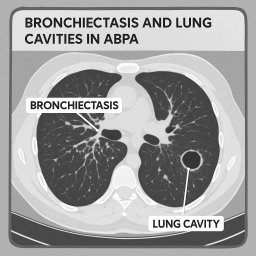
🫁 Understanding ABPA, Bronchiectasis & Lung Cavities

A Patient’s Guide to What Happens in the Lungs – and What You Can Do About It


🌿 What is ABPA?

Allergic Bronchopulmonary Aspergillosis (ABPA) is a condition where the lungs react strongly to a common fungus called Aspergillus. This overreaction causes inflammation in the airways, making it harder to clear mucus and increasing the risk of flare-ups.

Many people with asthma or cystic fibrosis are more likely to develop ABPA, but it can affect others too.


🌀 What Happens to the Lungs?

Over time, repeated inflammation and mucus build-up can affect the structure of the airways. Here’s what can happen:

1. Bronchiectasis

  • The airways (bronchi) become widened and thickened.

  • This makes it harder to clear mucus, which can lead to more infections.

  • In ABPA, this usually affects the central parts of the lungs.

🔸 Bronchiectasis is not the same as a lung cavity. It’s a change in the shape of the airways, not a hole in the lung.


2. Lung Cavities (Less Common)

  • These are air-filled spaces that form when a small area of lung tissue is damaged or infected.

  • Cavities are less common in ABPA but can happen after repeated inflammation or infection.

  • They may look worrying on a scan, but often they are just monitored and don’t cause major issues unless they become infected.


🩺 What About Lung Function?

ABPA and bronchiectasis can affect lung function, especially if not caught early.

  • Spirometry tests may show lower results if the airways are blocked or inflamed.

  • Some people improve after treatment; others may see a gradual decline.

  • Most patients still breathe well at rest, and many stay active with proper care.


🌬️ Will Cavities Leak Air?

This is a common worry. The answer is: usually not.

  • Most cavities in ABPA are not at risk of bursting or leaking.

  • Sudden breathlessness or chest pain should always be checked, but leaks (pneumothorax) are rare in ABPA.


📉 Does Everyone Get Cavities?

Not at all.

  • Around 50–90% of ABPA patients get some bronchiectasis.

  • Only a minority go on to develop true cavities.

  • Early treatment and regular check-ups help reduce the risk of further lung changes.


🧪 What About Oxygen Levels?

Many people with ABPA — even with bronchiectasis — still have normal oxygen levels (SpO₂):

  • Most rest between 95–98%

  • During a flare or infection, it might dip a little

  • If oxygen drops below 92%, your team may check more closely


🧘 What Can I Do to Stay Well?

  • 🩺 Stick to your treatment plan – antifungals, inhalers, or steroids if prescribed

  • 💨 Clear mucus regularly – ask about airway clearance techniques

  • 🧼 Avoid damp, mouldy environments

  • 🍎 Stay active and eat well

  • 📆 Attend check-ups and lung function tests

  • 🚭 Avoid smoking or vaping (these can worsen damage)


💬 A Final Word

Having ABPA and some lung changes doesn’t mean life has to stop. Many people continue to live active, fulfilling lives. Even with bronchiectasis or small cavities, the focus is on prevention, staying stable, and getting support when needed.


Managing ABPA: How to Protect Your Lungs and Stay Well

If you’ve been diagnosed with ABPA (Allergic Bronchopulmonary Aspergillosis), you’re probably already working to control inflammation and clear mucus from your lungs. These are essential steps—but there’s more you can do to protect your lung function and prevent long-term damage.

This guide will help you understand what matters most in managing ABPA and feeling your best.


✅ The Basics: What You're Probably Already Doing

1. Keep Inflammation Low

  • This means reducing your IgE levels and calming the immune system.

  • Your doctor may prescribe:

    • Steroids (like prednisolone)

    • Antifungal medication (like itraconazole or voriconazole)

    • In some cases, biologic treatments like omalizumab or mepolizumab

2. Clear Mucus Regularly

  • Mucus can trap infection and block your airways.

  • You might be using:

    • Airway clearance techniques (like chest physiotherapy or postural drainage)

    • Nebulised medications (saline or bronchodilators)

    • Mucus-thinning medicines (like carbocisteine or NAC)

These two steps are essential, but they’re not the whole picture.


💡 What Else Can Help You Stay Well?

3. Prevent Chest Infections

ABPA can lead to bronchiectasis, a condition where your airways get scarred and damaged. To help prevent this:

  • Treat infections early

  • Get regular chest scans to monitor changes

  • Stay up to date with vaccines (flu, pneumonia, COVID, etc.)

  • Your doctor may consider low-dose antibiotics if infections are frequent

4. Avoid Fungal Exposure

Aspergillus is a fungus found in the environment, especially in:

  • Compost, soil, or damp leaves (gardening can be risky)

  • Mouldy or damp areas in homes

  • Older buildings with water damage

Use air filters, wear a mask when needed, and keep your living space clean and dry.

5. Look After Your Overall Lung Health

  • Pulmonary rehabilitation (specialist-guided breathing and exercise therapy) can improve your stamina and lung function.

  • Practice breathing exercises daily.

  • Stay physically active in ways that are manageable for you.

6. Take Care of Your Body

Steroids can cause side effects over time, like bone thinning and fragile skin.

  • Make sure you're getting enough calcium and vitamin D

  • Ask your doctor about a bone density (DEXA) scan

  • Eat a balanced, anti-inflammatory diet and stay hydrated

7. Look After Your Mental Health

Living with ABPA can be exhausting. Fatigue, breathlessness, and medical side effects can affect your mood and confidence.

  • Track how you’re feeling—physically and emotionally

  • Talk to your care team about fatigue or mental health support if needed

  • You’re not alone—support groups and patient communities can really help


🗣️ Talk to Your Doctor About:

  • Biologic treatments (like omalizumab or mepolizumab) — these may help reduce steroid use

  • Sputum testing to catch early infections

  • Specialist referral to a severe asthma or lung clinic if needed


🧭 Summary: What to Focus On

What to Manage Why It Matters
Inflammation (IgE levels) Reduces flare-ups and long-term damage
Mucus clearance Keeps airways open and lowers infection risk
Chest infections Slows or prevents bronchiectasis
Environmental exposure Reduces fungal triggers
Exercise & breathing Supports stronger lungs and energy levels
Bone and general health Counters effects of long-term steroid use
Mental wellbeing Helps you stay strong and supported

Final Tip

Managing ABPA is a long-term journey, but you're not alone. With the right care, medications, and lifestyle changes, many people with ABPA are able to stabilise their condition and keep their lungs as healthy as possible.


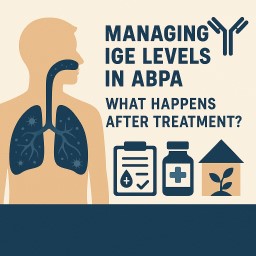
📘 Managing IgE Levels in ABPA: What Happens After Treatment?

If you have ABPA (Allergic Bronchopulmonary Aspergillosis), you’ve likely been told your IgE levels are high. Many patients ask:

“Once my IgE goes down with treatment, how do I keep it down without staying on steroids or antifungals forever?”

This guide explains why IgE is important, how it’s treated, and what long-term steps you can take to stay well.


🧪 What is IgE and Why Is It High in ABPA?

IgE (Immunoglobulin E) is an antibody your immune system makes in response to allergens. In ABPA, your immune system overreacts to Aspergillus, a common fungus, causing inflammation in the lungs. This leads to:

  • High total IgE levels (often over 1,000–10,000 IU/mL)

  • Symptoms like coughing, wheezing, and mucus plugs

  • Lung changes on scans, if untreated


🎯 Treatment Goals

Treatment aims to:

  • Lower inflammation

  • Reduce the fungal burden

  • Bring IgE levels down (a marker that your inflammation is settling)

  • Prevent long-term lung damage

You might be treated with:

  • Oral steroids (e.g. prednisolone)

  • Antifungal tablets (e.g. itraconazole or voriconazole)

These medications help bring IgE levels down, sometimes dramatically. But they can’t usually be taken forever — long-term use may cause side effects.


🔄 After IgE Drops – What Next?

Even after successful treatment, ABPA can flare up again. So the key questions become:

How do we keep IgE low?
How do we prevent future flare-ups?


🧭 Long-Term Management Options

1. Close Monitoring

  • IgE is checked every 2–6 months

  • Doctors look for a doubling in IgE — this can mean a flare is starting

  • Regular chest scans and lung function tests are also used to spot changes early

2. Tapering Medication

  • Steroids are slowly reduced, not stopped suddenly

  • Your doctor will watch for any return of symptoms or rise in IgE

3. Biologic Treatments

Some newer medications can help long-term, especially if you:

  • Have frequent flare-ups

  • Can’t reduce steroids safely

  • Have asthma or eosinophilic inflammation

These include:

  • Omalizumab (anti-IgE antibody)

  • Mepolizumab / Benralizumab (target eosinophils)

  • Dupilumab (blocks part of the allergy pathway)

Biologics are usually injections given every 2–4 weeks, and can help reduce relapses and steroid need.


🏡 Lifestyle & Environmental Tips

Reducing your exposure to Aspergillus can help keep IgE from rising again.

🔹 Avoid:

  • Damp or moldy areas

  • Compost, rotting leaves, hay, or soil dust

  • Rooms with poor ventilation

🔹 Use:

  • Ventilate your home well (eg open windows/extractor fans)

  • A HEPA-filter air purifier at home

  • An FFP2/FFP3 mask when doing dusty activities (gardening, cleaning mold)

🥗 Eat for Immune Support:

  • Anti-inflammatory foods (vegetables, oily fish, berries)

  • Reduce sugar (high sugar may promote inflammation)

  • Stay well hydrated

  • Ask your doctor about vitamin D — it may help regulate immunity


📅 Follow-up Schedule (General examples, yours may differ)

Time Since Treatment What to Expect
1–3 months Blood tests (IgE, eosinophils), lung check
3–6 months Check for symptoms, possibly repeat IgE
6–12 months CT scan or lung function, if needed
After 1 year Stable patients may have annual reviews

Let your team know if any symptoms return — even if your last IgE result was stable.


🧠 Final Thoughts

  • You may always have “elevated” IgE compared to someone without ABPA — that’s okay. The goal is stability, not “zero IgE”.

  • Many patients live well with ABPA for years by learning to manage flare-ups early and avoiding fungal exposure.

  • Ask your clinic about your personal IgE pattern — some people flare with small changes; others don’t.

  • Support groups and educational resources (like aspergillosis.org) can help you stay informed and confident.


📩 Have questions for your team?

Bring these up at your next appointment:

  • Can I reduce my medication safely?

  • Could I benefit from a biologic?

  • How often should I check my IgE?

  • How can I reduce exposure at home?


Can You Have ABPA with a Normal CT Scan? Yes — Here’s Why

If you’ve been diagnosed with ABPA (Allergic Bronchopulmonary Aspergillosis) but your HRCT (High-Resolution CT) scan looks normal, you may feel confused — or even wonder if the diagnosis is correct. After all, ABPA is often associated with visible lung damage on scans, right?

The answer is: yes, you can have ABPA with a normal scan — and it’s more common than many people realise.

Let’s break it down.


🧠 What Is ABPA?

ABPA is a condition in which the immune system overreacts to a common environmental fungus, Aspergillus fumigatus. This overreaction leads to:

  • Inflammation in the lungs

  • Wheezing and breathlessness

  • Cough with mucus

  • And, in some cases, damage to the airways over time

It often occurs in people who already have asthma or cystic fibrosis.


🧪 How Is ABPA Diagnosed?

ABPA is not diagnosed by just one test. It’s based on a combination of findings, including:

  • High total IgE (an allergy antibody)

  • Specific IgE to Aspergillus fumigatus (proves sensitivity to the fungus)

  • Blood eosinophilia (a type of allergy-related white blood cell)

  • Clinical symptoms (like wheezing, cough, or mucus plugging)

  • Chest imaging — typically an HRCT scan

But here’s the key point: you don’t need visible lung damage on a scan to be diagnosed with ABPA.


📊 What If Your CT Scan Looks Normal?

This is actually quite common, especially in the early stages of ABPA.

  • No visible lung damage may simply mean the condition has been caught early — before structural changes (like bronchiectasis or mucus plugging) have developed.

  • Some people may go through milder or intermittent flares without developing long-term damage.

  • In certain cases, lung damage may be subtle or not easily seen on the scan, especially if inflammation is mild or temporary.


🆕 What Do the Latest Guidelines Say?

The 2024 update to the ISHAM diagnostic criteria for ABPA (by the International Society for Human and Animal Mycology) recognises that some patients may have ABPA even if their CT scan appears normal.

This form is sometimes called:

  • ABPA-S, where “S” stands for serologic (diagnosis is based on blood tests)

  • It means the allergic reaction is present in the body, even if lung damage hasn’t occurred yet

This updated understanding helps doctors diagnose ABPA earlier, so treatment can begin before lasting damage happens.


💬 What Should You Do If You’re in This Situation?

If you've been diagnosed with ABPA but your scan is normal:

  • Don’t dismiss the diagnosis — it could be accurate and important.

  • Ask your doctor whether your diagnosis fits the 2024 ISHAM criteria.

  • Track your symptoms, IgE levels, and any breathing changes over time.

  • Talk to your healthcare provider about treatment options, which may include:

    • Steroids to reduce inflammation

    • Antifungal medications to reduce fungal exposure in the lungs

    • Biologic treatments if other options aren’t suitable


✅ Key Points to Remember

  • Yes, ABPA can occur with a normal CT scan.

  • Diagnosis is based on immune response and symptoms, not just imaging.

  • Early detection — before damage shows up on scans — is a good thing.

  • Updated guidelines now recognise this form of ABPA as valid and treatable.


If you’re feeling uncertain about your diagnosis, don’t hesitate to ask your doctor for a clear explanation — or consider a second opinion from a respiratory specialist with experience in fungal allergy and ABPA.

The earlier ABPA is identified and treated, the better the chances of keeping your lungs healthy and symptoms under control.


Understanding IgE Levels in ABPA: What They Mean, How They Change, and What to Expect

If you’ve been diagnosed with Allergic Bronchopulmonary Aspergillosis (ABPA) or are being assessed for it, you may have heard that your IgE level is high. This can feel alarming, especially if treatment hasn’t yet been started. You might be wondering: What does a high IgE actually mean? How do treatments affect it? And what happens if treatment is stopped?

This article aims to explain what IgE levels tell us in ABPA, how they change over time, and how they’re used to guide treatment.


🧪 What is IgE and Why Is It Important in ABPA?

IgE (Immunoglobulin E) is a type of antibody made by your immune system when it overreacts to allergens. In ABPA, the immune system has an allergic-type response to the fungus Aspergillus fumigatus, which is commonly found in the environment. This immune overreaction leads to inflammation in the lungs, mucus buildup, and potential long-term lung damage.

A raised total IgE level:

  • Helps support a diagnosis of ABPA.

  • Is used by doctors to track how active the disease is.

  • Can help monitor how well treatment is working, and whether the disease is flaring up again.

While a high IgE level alone doesn’t always mean you feel worse, it often reflects that the allergic inflammation is active and needs managing.


💊 How Is IgE Reduced in ABPA?

Treatments for ABPA aim to bring down inflammation in the lungs, and when that happens, IgE levels often fall as well. There are three main types of treatment:

1. Steroids (e.g. prednisolone)

  • These are often used as the first treatment for ABPA.

  • They can bring down IgE levels within a few weeks, and help improve breathing and reduce mucus.

  • However, when steroids are stopped, IgE levels often rise again unless other treatments are also used.

2. Biologic therapies (e.g. omalizumab, mepolizumab, dupilumab)

  • These newer treatments target specific parts of the immune system that drive allergic inflammation.

  • They may help keep IgE levels lower over the long term and reduce the need for steroids.

  • In some cases, IgE may remain stable for months or years while on biologics, though responses vary from person to person.

3. Antifungal medication (e.g. itraconazole, voriconazole)

  • These drugs reduce the amount of Aspergillus in the lungs, which may reduce the allergic reaction.

  • They may help stabilise IgE levels but are usually not enough on their own for active ABPA.


⏱️ What Happens When Treatment Stops?

One of the most common concerns among patients is how long IgE stays low once treatment is stopped.

  • After stopping steroids, IgE levels often begin to rise again within a few weeks to a few months, especially if no other treatment is in place.

  • After stopping biologics, the return of symptoms and rise in IgE may happen more slowly — over several months — but varies from person to person.

  • If fungal exposure continues (e.g. in a damp or mouldy home), or the underlying immune reaction stays active, IgE is more likely to increase again.

It’s important to remember that monitoring IgE over time helps your doctor decide whether ABPA is active again and whether a change in treatment is needed.


🧠 Why Might Treatment Be Delayed?

Not everyone with a high IgE level is started on treatment right away. Your doctor may be:

  • Waiting for more information, such as CT scan results or lung function tests.

  • Being cautious about starting long-term steroids, especially if you've had side effects before.

  • Considering alternative treatment options like antifungals or biologics.

  • Monitoring to see if symptoms improve on their own or remain stable.

If you're not receiving treatment and you're unsure why, it's completely reasonable to ask for clarification — or to seek a second opinion.


👥 What Do Other Patients Say?

Many people with ABPA share similar experiences:

  • “Steroids helped quickly, but the effect didn’t last after I stopped.”

  • “I’ve been stable on a biologic and haven’t needed steroids in months.”

  • “It took a long time to get diagnosed — I had to ask lots of questions and push for answers.”

  • “My IgE rose again when I was exposed to damp or dusty environments.”

Your experience might be different, but it can be helpful to hear from others and learn what has worked for them.


Key Points to Remember

  • A raised IgE level is a common and important feature of ABPA.

  • IgE usually falls during treatment and rises again when treatment stops — especially if nothing else is done to control the inflammation.

  • Steroids work quickly, but effects often wear off without long-term planning.

  • Biologics and antifungals may help maintain lower IgE and reduce flares.

  • If you feel uncertain about your care, seeking a second opinion is perfectly appropriate.


Tip: Keep a personal record of your IgE levels, symptoms, and any treatments you're on. This can help you and your doctor spot patterns and make informed decisions together.


🌿 The Different Forms of ABPA

Understanding Your Diagnosis and What It Means

Allergic Bronchopulmonary Aspergillosis (ABPA) is a condition where your immune system overreacts to a fungus called Aspergillus fumigatus, which can be found in air, soil, and compost. This allergic reaction happens mostly in people with asthma or bronchiectasis.

But not everyone with ABPA has the same experience. Doctors now recognise that ABPA can appear in several different forms or stages, depending on how far it has progressed and what’s happening in your lungs.

Here’s a simple guide to help you understand where you might fit — and what it means for your care.


✅ 1. ABPA-S (Serologic ABPA) — The early stage

This is the mildest form of ABPA. It means your immune system is reacting to Aspergillus, but your lungs haven’t been damaged yet.

What’s usually found:

  • High levels of IgE (allergy antibodies)

  • Positive test for Aspergillus-specific IgE

  • Normal or near-normal scans (X-ray or CT)

  • Asthma or mild chest symptoms

🟢 This form is often picked up with blood tests before any permanent changes in the lungs happen.


🟠 2. ABPA-CB — ABPA with Central Bronchiectasis

This is a more typical form of ABPA, where the ongoing allergic reaction has started to damage your airways. “Bronchiectasis” means some airways have become widened and scarred.

What’s usually found:

  • All of the features above plus

  • Changes on a CT scan showing central bronchiectasis

  • More mucus, coughing, or breathlessness

🟠 This form may need regular treatment to reduce inflammation and protect the lungs.


🔴 3. Severe ABPA — ABPA with frequent flares

This isn’t a separate type, but a more active or harder-to-control version of ABPA.

What’s usually happening:

  • Frequent flare-ups (exacerbations)

  • Need for ongoing steroids or antifungals

  • Possible use of biologic medicines (e.g. Xolair/omalizumab)

  • More serious asthma symptoms

🔴 This form can still be well-managed, but needs close monitoring and a good treatment plan.


⚠️ 4. ABPA-CPF — ABPA with Lung Scarring (Fibrosis)

This is the late stage of ABPA, where ongoing inflammation over many years has caused permanent damage to the lungs. It’s now much rarer thanks to earlier diagnosis and treatment.

What’s usually found:

  • Extensive scarring or fibrosis on lung scans

  • Breathlessness or tiredness

  • May overlap with another condition called chronic pulmonary aspergillosis (CPA)

⚠️ This stage needs careful support, but many people can still manage symptoms and improve quality of life.


📈 How doctors track your ABPA

Some doctors will also use stages to describe how your ABPA is behaving, though this does not comply with the most recent guidelines (ISHAM 2024):

  • Stage 0 – No symptoms, but abnormal blood test

  • Stage 1 – Newly diagnosed (active symptoms)

  • Stage 2 – Responding to treatment

  • Stage 3 – In remission (no active disease)

  • Stage 4 – Flare-up

  • Stage 5 – Long-term lung damage (fibrosis)


🩺 Why this matters to you

Knowing what form of ABPA you have helps you and your healthcare team:

  • Choose the right treatments

  • Decide how often you need scans or blood tests

  • Spot early signs of flare-ups

  • Protect your lungs from long-term damage


💬 Final message:

No matter which form you have, there are treatments that work. Many people with ABPA live full lives with the right support.
If you're unsure what form of ABPA you have, ask your doctor — it can help you understand what to expect and how to take care of your lungs.


🧪 Understanding Blood Tests in ABPA-S

How Aspergillus-specific IgE and Eosinophil Counts Help with Diagnosis

If you’ve been told you might have Allergic Bronchopulmonary Aspergillosis – Serologic type (ABPA-S), you’ve probably had blood tests measuring your Aspergillus-specific IgE and your eosinophil count. These markers help doctors understand whether your immune system is reacting unusually to a common fungus called Aspergillus fumigatus.

This article explains what those tests mean — and why normal results don’t always rule out ABPA-S.


🌾 What is Aspergillus-specific IgE?

This blood test checks whether your immune system is producing allergy antibodies (IgE) against Aspergillus fumigatus. High levels suggest that your body is reacting to this fungus — a key sign in ABPA.

What do the results usually look like in ABPA-S?

  • Above 0.35 kUA/L – this is the minimum level needed for ABPA diagnosis

  • Above 1.5–6.5 kUA/L – this is very common in ABPA-S

  • Above 20 or even 50 kUA/L – these are often seen in more active or severe cases

🔍 Low or normal levels (below 0.35) are rare in ABPA-S unless:

  • You are already receiving treatment

  • You are in remission

  • There was a problem with the test

  • Your condition might be a different type of fungal allergy

So if your Aspergillus-specific IgE is high, that strongly supports the diagnosis. If it’s low, your doctor may retest or look at other factors.


🧬 What is an eosinophil count?

Eosinophils are a type of white blood cell linked to allergic inflammation. In many allergic conditions, including ABPA-S, these levels can go up.

What levels are typical in ABPA-S?

  • Above 500 cells/µL – commonly seen in untreated or active ABPA-S

  • Above 1,500 cells/µL – often seen in flare-ups

  • Below 500 cells/µL – can occur in people with milder disease or if they’ve started treatment

🟡 Normal eosinophils are not rare in ABPA-S
Many people with ABPA-S — especially those already on steroids or antifungals — may have eosinophil levels in the normal range. Up to a third of people with ABPA-S may show normal counts at some point.


🩺 What This Means for You

Test What’s Common in ABPA-S Is It Rare in ABPA-S?
Aspergillus-specific IgE High levels (often >1.5 or 6.5) Low or normal levels are rare
Eosinophils High counts often seen Normal counts are not rare, especially during treatment

So if your blood tests show:

  • High Aspergillus-specific IgE → that strongly supports ABPA-S

  • Normal eosinophils → this does not rule it out


💬 What patients often ask:

“Can I have ABPA-S with normal eosinophils?”

Yes. Especially if you’re already on steroids, or your symptoms are mild, your eosinophil count may appear normal.

“Does a low Aspergillus-specific IgE mean I don’t have ABPA?”

Not necessarily. Your doctor will consider your symptoms, scan results, and other blood tests too. Sometimes the test needs repeating.


🤝 Patient voices matter

If you’ve had these tests and been diagnosed with ABPA-S, sharing your experience can help others feel less alone — and more informed when navigating lab results.


Need help understanding your lab report?

Ask your care team:

  • What was my Aspergillus-specific IgE level?

  • What was my eosinophil count?

  • Are these results typical for someone with ABPA-S like mine?

Understanding your blood tests can help you take more confident steps in managing your condition.


🏥 Surgery in Patients with ABPA or CPA: Can It Worsen Symptoms, and Should It Proceed?

Patients with Aspergillus-related lung diseases, such as Allergic Bronchopulmonary Aspergillosis (ABPA) and Chronic Pulmonary Aspergillosis (CPA), sometimes report worsened symptoms after undergoing surgery under general anaesthetic. While this is a recognised clinical pattern, it does not mean surgery should be avoided. Instead, it requires preparation and close perioperative management to reduce risk.


🔍 Can Surgery Worsen Aspergillosis Symptoms?

Yes — and here's why:

✳️ 1. Airway Irritation from Intubation

  • Endotracheal tubes can irritate airways already inflamed by ABPA or structurally altered by CPA.

  • Mechanical ventilation can impair mucus clearance and exacerbate cough or infection.

✳️ 2. Postoperative Immunosuppression

  • Surgery temporarily suppresses immune function.

  • Perioperative corticosteroids or stress-induced immune suppression can permit fungal flare-ups or reactivation.

✳️ 3. Impaired Mucus Clearance

  • Pain, immobility, and sedation reduce the patient’s ability to cough and clear secretions.

  • In CPA or ABPA, this can lead to plugging, fungal regrowth, or secondary bacterial infection.

✳️ 4. Drug Interactions

  • Azole antifungals (e.g. itraconazole, posaconazole) interact with many anaesthetics, opioids, and steroids.

  • These interactions can alter drug levels, reduce antifungal efficacy, or increase toxicity risk.

✳️ 5. Stress and Inflammation

  • Surgical stress may worsen the inflammatory or allergic component of ABPA.

  • CPA-related cavities may bleed or become re-infected post-op.


✅ Should Surgery Still Go Ahead?

Yes — surgery can and often should proceed when it is medically indicated.

Delaying needed procedures (e.g. for cancer, fractures, or pain relief) can lead to worse outcomes than the potential risks related to aspergillosis.


🛡️ Recommended Precautions

🔷 Pre-Operative Planning

  • Ensure all care teams are aware of the diagnosis.

  • Review lung imaging, baseline oxygenation, and current antifungal/steroid regimens.

  • Arrange for pre-op airway clearance if sputum is a concern.

🔷 Antifungal Management

  • Continue antifungal therapy through the perioperative period.

  • Use IV formulations if oral administration isn’t possible.

  • Check for drug interactions with anaesthetic or post-op medications.

🔷 Steroid Cover (ABPA and CPA on steroids)

  • Patients on chronic steroids may need perioperative hydrocortisone supplementation (adrenal cover).

  • Apply “sick day rules” or use the patient’s adrenal insufficiency plan, if applicable.

🔷 Post-Op Monitoring

Watch for:

  • Worsening cough, breathlessness, or sputum

  • Fever or signs of secondary infection

  • Raised IgE (in ABPA) or haemoptysis (in CPA)

  • Any signs of antifungal failure or drug toxicity


⚠️ When Might Surgery Be Delayed?

Consider postponing non-urgent surgery if:

  • There is active haemoptysis

  • The patient has uncontrolled inflammation or fungal burden

  • A recent scan shows expanding cavities or new infiltrates

  • Antifungal resistance is suspected or not yet managed


💬 Key Message for Patients

“Having ABPA or CPA doesn’t mean you can’t have surgery — but we do need to take extra care around your airways, your antifungal treatment, and your recovery. With the right team and planning, we can safely support you through your procedure.”


Allergic Bronchopulmonary Aspergillosis (ABPA) Without Asthma: A Hidden Reality

Most people – including many doctors – associate Allergic Bronchopulmonary Aspergillosis (ABPA) almost exclusively with asthma or cystic fibrosis. In fact, the current diagnostic criteria for ABPA often assume the presence of asthma as a prerequisite. But what happens when a patient has all the features of ABPA… without ever having had asthma?

This article explores the possibility – and growing recognition – of ABPA without asthma.


🔍 What Is ABPA?

ABPA is an allergic (hypersensitivity) reaction to the fungus Aspergillus fumigatus, which can colonise the lungs and cause:

  • Severe allergic inflammation

  • Damage to lung tissue (bronchiectasis)

  • High levels of IgE (often >1000 IU/mL)

  • Positive skin tests or blood tests for Aspergillus

Traditionally, ABPA is diagnosed in people with asthma or cystic fibrosis, where the airways are already vulnerable.


❗But Can ABPA Occur Without Asthma?

Yes. Though uncommon, there are confirmed cases where ABPA occurs in people who:

  • Do not have asthma

  • Have no wheeze, breathlessness or variability in symptoms

  • Show no reversibility on a bronchodilator test

  • May not respond to inhaled corticosteroids

This presentation is now increasingly recognised – particularly:

  • After viral infections like COVID-19

  • In people exposed to environmental moulds

  • In those with no personal or family history of asthma


🧪 Diagnostic Clues

Patients with ABPA but no asthma typically still show:

  • Very high total IgE levels

  • Positive Aspergillus-specific IgE and IgG

  • Radiological changes like central bronchiectasis

  • Sometimes eosinophilia in blood

But they do not show:

  • Classic asthma symptoms (e.g. wheeze, reversible breathlessness)

  • Improvement with bronchodilators

  • Variable peak flow readings


🧬 How Might This Happen?

There are a few theories:

  • Some people have a strong allergic immune response (IgE-driven) to Aspergillus alone, even without underlying asthma

  • COVID-19 and other infections may prime the immune system or damage airways enough to allow fungal colonisation

  • Not all bronchial hypersensitivity is asthma — the airway inflammation in ABPA is unique and not always “asthmatic” in pattern


✅ What Tests Can Help Confirm or Rule Out Asthma?

For patients who have ABPA but no clear asthma symptoms:

  • Bronchodilator reversibility test → May be negative

  • Methacholine or histamine challenge test → Gold standard for confirming asthma

  • FeNO test → Measures eosinophilic airway inflammation (may be high in both ABPA and asthma)

  • Peak flow monitoring → Often stable in ABPA without asthma

These tests can help clarify the diagnosis and prevent mislabeling patients as asthmatic when they are not.


🧭 Why Does It Matter?

Correct diagnosis matters because:

  • Not all ABPA patients benefit from inhaled corticosteroids or asthma drugs

  • Treatment should be tailored — e.g. antifungals and oral steroids for ABPA, but not unnecessary asthma medications

  • Misdiagnosis may delay the right treatment and overburden patients


🩺 A Call to Clinicians

If a patient has high IgE, bronchiectasis, and strong Aspergillus sensitisation — but no clinical asthma — consider ABPA without asthma.

Request confirmatory tests before labeling someone asthmatic for life. In these rare cases, asthma criteria do not fully apply — but the patient still needs support for ABPA.


🧾 Summary

Feature ABPA With Asthma ABPA Without Asthma
Wheeze/breathlessness Common May be absent
Bronchodilator response Often positive Usually negative
Total IgE High High
Aspergillus IgE/IgG Positive Positive
Imaging (HRCT) Bronchiectasis Bronchiectasis

🙋 What Can Patients Do?

If you’ve been diagnosed with ABPA but don’t believe you have asthma:

  • Ask your doctor about further testing to confirm or rule out asthma

  • Keep a record of your symptoms, peak flow (if used), and medication response

  • Discuss your IgE levels, CT scan results, and whether other diagnoses (e.g. chronic pulmonary aspergillosis) might apply

