🌧️ Damp Homes and Aspergillosis: Why This Matters

If you live with aspergillosis, asthma, or other chronic lung conditions, your home environment plays a vital role in how well you stay.
Dampness, mould, and poor ventilation allow fungi — including Aspergillus — to grow and release spores into the air. Breathing in these spores can irritate airways, trigger allergic reactions, or worsen infection risk.

That’s why the NAC CARES team has gathered the latest UK policy, research, and practical guidance on this issue — all now available on our new information hub:
👉 Damp Homes – UK Policy and Research


🏠 What’s New on the Aspergillosis.org Damp Homes Page

Over the past week, the NAC CARES team has published a series of new articles and updates that help you:

1. Understand the Health Risks

  • How damp and mould can worsen breathing symptoms or trigger flare-ups in conditions like Chronic Pulmonary Aspergillosis (CPA) and Allergic Bronchopulmonary Aspergillosis (ABPA).

  • Why people with weakened lungs or immune systems are especially at risk.

  • The hidden signs of mould exposure — condensation, musty odours, or discoloured walls — even when no visible black mould is seen.

2. Learn About Your Rights and What to Do

  • What to check if you rent your home and find damp or mould.

  • Step-by-step guidance on how to report problems, who is responsible for fixing them, and what help is available if landlords or councils don’t act.

  • Links to official UK guidance, including the Awaab’s Law updates, which strengthen tenants’ rights to safe housing.

3. Keep Up with the Latest Research and Policy

  • Summaries of recent UK housing and health studies connecting damp homes to respiratory illness.

  • Insights into national policy changes — including new housing safety standards and public health responses.

  • Easy-to-read summaries of scientific studies showing how mould affects airways and immune response in vulnerable patients.


🧰 How to Use the New Page

  1. Start with the main hub: Damp Homes – UK Policy and Research.
    This gathers all the latest NAC CARES articles, research links, and resources in one place.

  2. Explore by topic:

    • Health & Risk – what damp means for your lungs.

    • Practical Advice – how to spot and deal with mould.

    • Policy & Research – what the UK government and researchers are doing to address the problem.

  3. Take action:
    Use the linked materials when talking with your GP, local council, or housing officer. Having official NHS and government evidence can help you get faster results.


💬 Key Takeaways for Aspergillosis Patients

  • Keep your home dry, warm, and well-ventilated.

  • Report damp or mould promptly to landlords or housing providers — and keep written records.

  • If your symptoms worsen and you suspect environmental triggers, speak with your care team at NAC or your respiratory specialist.

  • Use the NAC CARES Damp Homes page as a trusted, evidence-based guide to understanding your risks and your rights.


 Share your feedback about your care at the National Aspergillosis Centre

There’s now a new way to read and share patient feedback about local NHS hospitals online. All comments come directly from patients and carers.
If you’ve been seen by the National Aspergillosis Centre (NAC) at Wythenshawe Hospital and would like to tell us about your experience, please visit the feedback page for North Manchester General Hospital.

That’s because NAC sits within the Infectious Diseases service, which is managed through North Manchester as part of the new Manchester University NHS Foundation Trust (MFT) structure.
You might even be the first person to leave a comment!
We know the route is a little indirect, and we really appreciate you taking the time to share your thoughts — your feedback helps us improve care for everyone.

💬 Healthwatch: Your Local Voice in the NHS

Living with a long-term lung condition such as aspergillosis, asthma, or bronchiectasis often means regular contact with hospitals, GPs, and community clinics.
Sometimes things work well — and sometimes they don’t.
That’s where Healthwatch comes in.

Healthwatch is an independent organisation that represents patients and the public.
It exists to make sure your experiences help shape the way NHS and social-care services are delivered.


🏛️ What is Healthwatch?

Healthwatch was set up by law to be the official voice of patients and the public in health and social care.

There are two levels:

  • Healthwatch England – works nationally to influence NHS and government policy

  • Local Healthwatch – works in every local authority area across England, gathering feedback from people using local services

Healthwatch is not part of the NHS, and it’s not a complaints service, but it does have statutory powers to:

  • Listen to people’s experiences of care

  • Report issues and make recommendations to the NHS, local councils, and care providers

  • Request responses from organisations it investigates

  • Escalate serious concerns to the Care Quality Commission (CQC)

Learn more on the Healthwatch website.


🌿 Why Healthwatch matters to aspergillosis patients

People living with chronic lung disease often face delays, limited understanding, or difficulties accessing ongoing support.
Healthwatch helps make sure those experiences aren’t ignored.

1. Raising the patient voice

You can share your experience of healthcare — good or bad — with your local Healthwatch.
They collect stories from across the community and use them to:

  • Identify patterns (for example, problems with accessing respiratory clinics or antifungal monitoring)

  • Produce reports and recommendations for local NHS decision-makers

  • Push for improvements to long-term care pathways and community support

2. Helping to improve new neighbourhood health hubs

As NHS care moves into the community, Healthwatch plays a key role in making sure new Neighbourhood Health Hubs are:

  • Accessible for people with limited mobility or oxygen needs

  • Located where public transport and parking work for patients

  • Designed with chronic-illness patients in mind, not just short-term care

You can feed in your ideas through Healthwatch about what’s working and what isn’t in new NHS community models.

3. Providing information and signposting

If you’re unsure where to go for care — GP, hospital, or new health hub — or how to complain or appeal a service decision, Healthwatch can point you in the right direction.
They offer clear, local information about:

  • NHS patient transport

  • The Healthcare Travel Costs Scheme (HTCS)

  • Local support groups and community services

4. Supporting patient involvement

Healthwatch works with NHS organisations to include patients and carers in planning and reviewing services.
If you’d like to get involved as a patient representative or share your experience of aspergillosis services, Healthwatch can help you join local working groups or consultations.

5. Spotlighting inequalities

Healthwatch highlights where certain groups are left behind — for example:

  • People with rare or complex conditions

  • Patients in rural or deprived areas

  • Those unable to use digital appointment systems
    This helps ensure people with chronic lung conditions are not overlooked when new community-care models are designed.


⚖️ What Healthwatch can — and can’t — do

✅ Healthwatch can 🚫 Healthwatch can’t
Collect and report your experience to NHS leaders Fix individual clinical problems directly
Influence NHS and council decisions Guarantee faster treatment or appointments
Provide advice on local services and support Replace legal or complaints services
Escalate major safety concerns to the CQC Act as your personal advocate in disputes

Even so, their influence can be powerful — many improvements in NHS access and transport have started with patient stories collected by Healthwatch.


📍 How to contact your local Healthwatch

Every local area has its own Healthwatch website and phone number.
You can find yours at:
👉 Find your local Healthwatch

When you contact them, you can:

  • Fill in a short online form to share your story

  • Ask to join a focus group or consultation

  • Request accessible information or help finding services

  • Subscribe to local updates and reports

If you’d like support from the aspergillosis community, NAC CARES can also help you write or submit your feedback.


💬 Why this matters

“Nothing about us without us.”
Healthwatch exists so that patients — including those with rare and chronic conditions like aspergillosis — can make their experiences count.

By telling your story and feeding back to Healthwatch, you help shape better care for yourself and for others who will face similar challenges in future.


🏥 NHS Neighbourhood Health Hubs: How Community Care Will Work for People with Aspergillosis and Asthma

The NHS is changing how healthcare is delivered — with more care moving closer to home and fewer hospital visits.
A new model called Neighbourhood Health Services (or Neighbourhood Health Hubs) is being rolled out across England from late 2025, and it could make a real difference for people living with aspergillosis, asthma, bronchiectasis, and other long-term respiratory conditions.


🌍 Why care is moving into the community

The goal is to:

  • Bring care to where people live, not just in large hospitals

  • Reduce waiting times by shifting routine tests and reviews out of hospital clinics

  • Join up GPs, nurses, pharmacists, and hospital specialists into one local team

  • Focus on prevention, self-management, and early support

These reforms come from the government’s Healthcare on Your Doorstep announcement (September 2025), supported initially by £10 million across 43 pilot areas in England.


🧑‍⚕️ What a “Neighbourhood Health Hub” looks like

A one-stop local health centre bringing together:

  • GPs and practice nurses

  • Respiratory nurses, physiotherapists, and pharmacists

  • Mental-health and wellbeing workers

  • Dietitians, occupational therapists, and social-prescribing link staff

  • Voluntary and community organisations (e.g. NAC CARES, Asthma + Lung UK)

Some hubs will connect directly to Community Diagnostic Centres (CDCs) – local sites providing CT, MRI, X-ray, lung-function and blood tests through the NHS England diagnostics programme.
The aim is for one joined-up team to share your records and plan your care locally.


🩺 How hubs work with your GP and A&E

The new hubs are designed to fill the gap between GP surgeries and hospitals – giving extra support when you’re too unwell to manage alone but don’t need emergency care.

Home → GP Practice → Neighbourhood Health Hub → Hospital / A&E

🏠 Your GP surgery

You’ll stay registered with your usual GP. They remain in charge of your prescriptions, results, and overall care.
Your GP can now refer you to a Neighbourhood Health Hub for things that need a wider team – for example:

  • Antifungal monitoring or blood tests

  • Lung-function or CT scans

  • Flare-up review by respiratory nurses

  • Fatigue or wellbeing support

🧑‍⚕️ The Neighbourhood Health Hub

You might go here instead of hospital for:

  • Same-day assessment of an infection or flare-up

  • Bloods, ECGs, or scans ordered by your GP

  • Physiotherapy, airway-clearance or rehabilitation

  • Medication reviews with a pharmacist

  • Appointments with dietitians or mental-health staff

  • Practical help from link workers (see below)

🚨 A&E (Emergency Department)

Still essential for serious problems such as:

  • Sudden or severe breathlessness not relieved by treatment

  • Coughing up blood

  • Chest pain, fainting, or collapse

  • High fever with confusion
    If unsure, call NHS 111 or 999 in an emergency.


🔁 When to use which service

Situation Who decides Where you’ll be seen
Routine check-up or repeat prescription You / GP GP surgery
Specialist review or complex medication GP / consultant Neighbourhood Hub
Mild flare-up needing same-day care NHS 111 / GP Hub or GP
Emergency or life-threatening symptoms NHS 111 / 999 A&E / hospital
Diagnostic tests GP / hospital referral Community Diagnostic Centre

All sites will share your digital care record so results and updates reach your GP and hospital team automatically.


🧑‍🤝‍🧑 Link workers and care coordinators – local help through your GP

Every GP practice and neighbourhood team now has link workers (also called care coordinators or social prescribers).
They’re there to help you navigate healthcare and community support. They can:

  • Arrange or advise on transport for appointments

  • Help complete travel cost reimbursement or benefit forms

  • Connect you with volunteer driver schemes or local charities

  • Find exercise, wellbeing, or peer-support groups

  • Support with fatigue, isolation, or anxiety

Ask your GP reception or Neighbourhood Hub to refer you to the link worker, or request a call-back via the NHS App.


🚗 Transport and accessibility

🚐 NHS Patient Transport Service (PTS)

If you can’t use public transport for medical reasons (for example, oxygen use, mobility difficulties, or severe fatigue), you may qualify for free NHS transport.
Your GP, link worker, or hospital can book this for you through the regional PTS (for example, NWAS in the North West).

💷 Healthcare Travel Costs Scheme (HTCS)

If you’re on a low income or certain benefits, you can reclaim travel expenses under the HTCS.
Bring your appointment letter and proof of eligibility, or ask your link worker to help with the form.

🚙 Community & volunteer transport

Each Integrated Care System (ICS) works with local councils and charities such as Age UK, Mind, or Good Neighbour schemes to run community minibuses and volunteer driver services.
Ask your link worker or hub team for local options.

🅿️ Accessibility

All new and refurbished hubs must include:

  • Blue Badge parking and drop-off zones

  • Wheelchair-friendly entrances and toilets

  • Seating and oxygen-safe waiting areas

  • Negotiated free or reduced parking in shared sites


🧭 At a glance

Issue What’s planned What to do now
Public transport Sites chosen to be local, but not always central Check routes before your visit
NHS Patient Transport Still available for medical need Ask GP or link worker to book
Travel-cost reimbursement Continue via HTCS Keep proof of benefit
Community / volunteer drivers Expanding under ICB–VCS partnerships Request info via link worker
Disabled parking / drop-off Required at new sites Confirm when booking

🪶 A message from the aspergillosis community

For many people with lung disease, “local care” only works if it’s accessible care.
Groups such as NAC CARES, Asthma + Lung UK, and Healthwatch are urging NHS leaders to:

  • Design transport and parking into every new site

  • Ask about mobility and oxygen needs when booking

  • Fund local volunteer schemes

  • Provide dedicated link workers at every hub and GP practice

If you struggle to reach appointments, tell your clinic or Healthwatch — your feedback shapes how services develop.


🧾 Questions to ask before your first visit

  1. 🚗 Is there Blue Badge or patient parking on site?

  2. 🚌 What public-transport links serve the hub?

  3. 🚐 Can the clinic arrange NHS Patient Transport?

  4. 💷 Can I claim travel costs under the HTCS scheme?

  5. ♿ Is the building accessible for wheelchairs or oxygen users?

  6. 💨 Are there rest areas for people who get breathless?

  7. 🧑‍🤝‍🧑 Can my carer or partner attend with me?

  8. 👩‍💼 Is there a link worker who can help with transport or forms?

  9. 🕓 Are there quiet waiting spaces to reduce infection risk?

Having these answers before your appointment makes your visit smoother and safer.


💬 Final thought

“Neighbourhood care” isn’t about replacing your GP or A&E — it’s about bridging the gap.
The new hubs aim to bring together your GP, hospital specialists, and community teams in one local setting, providing earlier help, fewer hospital journeys, and care designed around your life, not your postcode.


🔎 Behind the Headlines: Is this an NHS Expansion or a Shift?

Many people wonder whether this is new investment or a reshuffle of existing NHS services.

🧱 What’s really happening

  • The Neighbourhood Health Service is not a new tier of the NHS, but a redesign of how GP, hospital, and community teams work together.

  • The focus is on moving care out of hospitals and into local clinics, using the same staff and budgets more effectively.

  • Hospitals will still handle emergencies and complex cases, but routine tests, reviews, and education will move into the hubs.

⚖️ Expansion or movement?

Area Expansion Reorganisation
Buildings Some new or refurbished hubs and diagnostics centres Many reusing existing GP or community facilities
Staffing Some new link workers, pharmacists, and AHPs Most existing NHS staff redeployed across neighbourhoods
Funding £10m pilot investment + diagnostic capital No major long-term new funding yet announced
Patient benefit Easier access, joined-up records May reduce hospital appointments rather than add capacity

💬 What this means

For patients, it should feel like an expansion — more care, closer to home —
but in reality it’s a shift of where and how NHS services are delivered, not a large-scale increase in total NHS resources.

⚠️ Risks and opportunities

Opportunities Risks
Easier local access Risk of hospital clinics closing before hubs fully staffed
Joined-up records Depends on IT integration
Focus on prevention May feel like hospital services are being reduced
Better continuity Needs clear accountability (GP vs hub)

🧩 Summary

The new neighbourhood model is a reorganisation within the NHS, not a separate expansion.
It aims to use existing staff, buildings, and budgets more efficiently — giving patients with chronic conditions like aspergillosis and asthma easier access to care and support in their own communities.


Integrated Care Boards (ICBs): What They Are and How Patients Can Contact Them

What is an ICB?

  • An Integrated Care Board (ICB) is the NHS organisation that replaced Clinical Commissioning Groups (CCGs) in July 2022.

  • Each ICB plans and funds NHS services across a large region (1–3 million people).

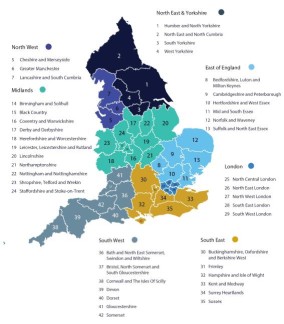
  • England has 42 ICBs, covering the whole country (see full list plus contact details here).

  • They hold the NHS budget locally, decide which services are provided, and work with councils and community organisations.

  • Scotland, Wales and Northern Ireland have a different system

Why might a patient need to contact an ICB?

Patients don’t normally deal with ICBs day-to-day (you’ll usually go to your GP, hospital, or local Patient Advice and Liaison Service). But there are situations where you may want or need to reach out:

  • Feedback or complaints about NHS services that can’t be resolved at GP or hospital level.

  • Service changes – ICBs must consult the public when they change how services are delivered (e.g. reorganising clinics, closing or merging hospital departments).

  • Patient voice – ICBs have teams dedicated to patient and public involvement. You can join forums, respond to surveys, or attend public meetings.

  • Access to care – if you are struggling to access a specialist service or want to know what’s available in your area, ICBs can advise.

  • Equality of access – raising concerns if a particular group or community is being left behind.


How can a patient contact an ICB?

  • Patient Experience / Engagement Teams: Every ICB has an email and phone number for patients. Look for “Get Involved” or “Contact Us” on their website.

  • PALS escalation: If PALS (Patient Advice and Liaison Service) can’t resolve your concern, they can refer it up to the ICB.

  • Public board meetings: ICBs must hold regular meetings in public where patients can submit questions.

  • Healthwatch: Your local Healthwatch can raise issues directly with the ICB on your behalf.


In summary:
Patients usually don’t need to contact an ICB for routine issues, but if you want your voice heard about service changes, access problems, or unresolved complaints, the ICB is the organisation responsible for commissioning services in your area.


Comparing Health Systems: NHS vs Insurance-Based Models

Healthcare looks very different depending on where you live, and it can be informative to look at the pros and cons of each system.
The UK’s NHS model is often contrasted with insurance-based systems such as those in the US and Germany. All aim to look after patients, but they differ in cost, access, caution with new medicines, and their contribution to research.


1. Funding and Access

NHS (UK)

  • Publicly funded through taxation.

  • Care is free at the point of use.

  • Limited co-payments (e.g. prescriptions in England, but free in Scotland/Wales/NI).

Insurance-Based (US, Germany)

  • US: Mix of private insurance, employer-based plans, and public programs (Medicare/Medicaid). Patients often pay premiums, deductibles, and co-pays.

  • Germany: Statutory health insurance (public) plus private options. Patients contribute through payroll and some co-payments.

Equity difference: The NHS ensures universal coverage. Insurance systems can create gaps — in the US, uninsured or underinsured patients face very high bills.


2. Cost

  • United States: ~16–17% of GDP, >$12,000 per person per year.

  • Germany: ~11–12% of GDP, ~$6,000–7,000 per person.

  • United Kingdom: ~10% of GDP, ~$4,500 per person.

Insurance-based systems are much more expensive overall. The NHS achieves lower cost per head but sometimes with tighter rationing.


3. Approach to New Medicines

NHS (cautious, evidence-driven)

  • Drugs are appraised by NICE (National Institute for Health and Care Excellence).

  • Only those proven clinically effective and cost-effective are routinely available.

  • Access can be slower, but ensures sustainability and safety.

Insurance-Based (faster, autonomy-driven)

  • Once a drug is licensed (FDA in US, EMA in EU), doctors may prescribe it, often off-label.

  • Patients may be offered newer or experimental options earlier.

  • Shared decision-making: “This might help, here are the risks, do you want to try it?”

Trade-off: Insurance systems offer earlier access, but higher risk of side effects, wasted cost, and overuse. NHS offers more consistency but less flexibility.


4. Risks of Wide Access

Allowing rapid use of new drugs can lead to:

  • Harm to patients:

    • US:

      • Vioxx (rofecoxib) was widely prescribed for arthritis before long-term data was available → later linked to tens of thousands of excess heart attacks and strokes.

      • Opioid overprescribing (encouraged by drug companies, reimbursed by insurers) fuelled a public health crisis, with millions addicted and >500,000 deaths.

    • Germany: Wider acceptance of MCAS and other “working diagnoses” sometimes leads to long-term medication without solid evidence, exposing patients to risks without clear benefit.

  • Harm from NHS caution:

    • UK:

      • Cystic fibrosis drug Orkambi: available in the US and Germany years earlier, but withheld in the UK until 2019 due to cost-effectiveness debate → children and young adults missed out on years of treatment.

      • Cancer immunotherapies: delays in NICE approval have meant some patients only got access through special trials or not at all, potentially shortening survival.


5. Doctor–Patient Conversations

  • Insurance systems: “You may have this condition, and drug X or Y might help. It’s your choice.”

  • NHS: “We know you have this condition. X is proven and available. Y is unproven or not funded, so we cannot recommend it.”

✅ Insurance systems emphasise autonomy and options. The NHS emphasises evidence and fairness.


6. UK Private Healthcare vs US Healthcare

It’s tempting to think the UK private sector is equivalent to the US system, but they are very different.

UK Private Care

  • Covers about 10–12% of the population, mainly for elective surgery, scans, and faster consultant appointments.

  • Usually funded by employer insurance or self-pay.

  • Still relies on the NHS for emergencies and complex care.

  • New medicines still follow NICE approval — patients don’t usually get earlier access to unapproved drugs.

US Healthcare

  • Insurance-based and the default system, covering almost everyone.

  • Patients pay premiums, deductibles, and co-pays — bills can be catastrophic without good cover.

  • Emergencies are treated but still billed.

  • Patients may access new drugs and technology earlier, but often at very high cost.

Bottom line: UK private care is an add-on to the NHS, giving faster access but within the same medical framework. The US system is entirely insurance-driven, with no NHS-style universal fallback.


7. Research Strengths

  • Insurance-based systems (esp. US):

    • Huge budgets (NIH + pharma).

    • Early adoption → more real-world data.

    • Specialist centres attract rare-disease patients.

  • NHS system:

    • Unified data across the whole population.

    • Ability to run massive pragmatic trials cheaply (e.g. RECOVERY during COVID: identified dexamethasone as life-saving within weeks).

    • More representative recruitment because care is universal.

Together they complement each other:

  • New drugs are often developed and trialled first in the US/Germany.

  • Large-scale validation and population-level studies often happen in the UK.


8. Which System Is “Better”?

It depends what you value most:

  • Insurance-based systems:

    • More expensive

    • Faster access to innovation

    • More choice and autonomy

    • Higher risk of harm and inequality

  • NHS:

    • Less expensive

    • Slower, more cautious

    • Equitable and universal

    • Sometimes frustratingly restrictive


✅ Bottom Line

No system is perfect.

  • Insurance-based systems favour speed, choice, and innovation — but have caused harm through early adoption of unsafe drugs, opioid overuse, and inequitable access.

  • The NHS favours equity, safety, and sustainability — but has harmed patients by delaying access to life-saving treatments while cost-effectiveness was debated.

  • UK private healthcare is not a parallel US-style system: it is simply a faster lane within the NHS framework, not an alternative to universal coverage.

The reality is that both types of systems need each other: innovations often emerge in the US/Germany, while the NHS provides the gold standard for large-scale testing and equitable delivery.


Autumn 2025 COVID-19 Booster – What Aspergillosis Patients Need to Know

The UK Health Security Agency (UKHSA) has updated who will be offered the COVID-19 booster this autumn. The programme is now more limited than in 2024, so it’s important to know if you qualify.


Who will be offered the booster?

You can get a free COVID-19 booster this autumn if you are:

  • Aged 75 or over

  • Living in a care home for older adults

  • Aged 6 months or older and immunosuppressed

This is a change from 2024, when everyone aged 65+ and many other clinical risk groups were included.


What “immunosuppressed” means

Many people with aspergillosis fall into this category. You may be considered immunosuppressed if you are:

  • Taking systemic steroids for more than a month

  • Receiving biologic therapy or other immunomodulatory medication

  • Living with a condition that affects your immune system

  • Having had chemotherapy, radiotherapy, or a transplant

If you’re unsure whether this applies to you, check with your GP or hospital specialist.


Timing of the booster

  • Boosters are usually offered at least 6 months after your last dose, including the spring booster.

  • Even if you’ve never had a COVID-19 vaccine before, you can still get one this autumn if you are in one of the eligible groups.


Why this matters for aspergillosis patients

People with aspergillosis often have weaker lungs and higher risks from infections. If your immune system is also suppressed by medication or illness, COVID-19 can be more severe. The booster offers added protection during the winter months.


💙 Key advice:

  • If you are immunosuppressed or over 75, you should be offered the vaccine.

  • If you think you qualify but haven’t received an invitation, speak to your GP or specialist.

  • Don’t delay — protecting yourself against COVID-19 is especially important when living with aspergillosis.


📌 Full details from UKHSA: Who’s eligible for the 2025 COVID-19 vaccine or autumn booster


Drug Safety in the UK: What Aspergillosis Patients Need to Know

Living with aspergillosis often means taking powerful medicines for a long time — antifungals, steroids, antibiotics, or even biologics. These treatments can be life-saving, but they can also cause side effects, especially when used together. It’s natural to wonder: How do we know these drugs are safe? What happens if something goes wrong?

This article explains how drug safety is managed in the UK, what happens when rare problems occur, and what resources patients can use to protect themselves.


How Medicine Safety Works

Before a drug is approved:
Every new medicine goes through several phases of clinical trials. These trials are not just about proving that the drug works (efficacy) — they are also about proving it is safe enough to use in people. Researchers record every possible side effect, monitor blood tests, and look for safety signals as well as improvements in the illness.

However, trials have limits. They usually include only a few thousand participants, so they can reliably detect common side effects but not very rare ones. For example, if a side effect happens in 1 in 100,000 people, and a trial only studies 50,000, it may not appear at all.

After a drug is approved:
Once a medicine is prescribed to thousands or millions of people, those rare side effects start to appear. For example, in the first million patients, perhaps 10 cases may be reported. That’s not manipulation — it’s just the maths of large numbers.


How Do Doctors Link a Side Effect to a Medicine?

When someone develops a new symptom, it isn’t always obvious whether it’s caused by their illness, another condition, or the medicine they’re taking. Linking a side effect to a drug usually involves several steps:

  1. Timing – Did the symptom start soon after beginning the medicine? Did it improve when the medicine was stopped? Timing is often the strongest clue.

  2. Known side effect profile – Doctors check if the symptom has been reported before in trials, studies, or drug safety updates.

  3. Other explanations – Could it be the underlying condition (like aspergillosis) or another drug? All possible causes are reviewed.

  4. Drug interactions – Many side effects come from the way medicines interact, rather than one drug alone. Antifungals like itraconazole and voriconazole interact with steroids, antibiotics, and heart drugs.

  5. Rechallenge (rarely used) – Sometimes a drug is restarted to see if the side effect returns. This can provide strong evidence but is only done when absolutely necessary.

  6. Patient reporting – A single case may not prove much, but when dozens of patients report the same issue, patterns become clear.

🔎 Key message: It’s not always quick or simple to prove a side effect. That’s why your own observations — when it started, how it feels, what other medicines you’re on — are so valuable to your doctors and to the Yellow Card system.


What Happens to Those Patients?

  • Every case is recorded and investigated. Regulators like the MHRA (Medicines and Healthcare products Regulatory Agency) look for patterns.

  • If a link is confirmed, they can issue warnings, add monitoring requirements, restrict use, or withdraw the drug.

  • For the patients affected, the drug is usually stopped, and supportive treatment is given. Sadly, in some cases, harm cannot be reversed.

This is why reporting side effects is so important. Each individual case helps build the full safety picture and protects others in the future.


Is This “Experimenting on Patients”?

It can sometimes feel that way — because new medicines are still watched closely after approval, and some harms are only seen later.

But there’s an important distinction:

  • Clinical trials are the experiments, and they are about safety as much as efficacy. Every trial phase collects safety data, and a medicine cannot be approved unless it is shown to be safe enough for use.

  • Post-marketing monitoring is not an experiment — it’s a safety net that exists for all medicines, because no trial is ever large enough to catch every very rare problem.

Patients aren’t being experimented on after approval, but your experience does matter. Every report adds to knowledge and helps keep medicines safe for everyone.


Who Is Liable If Harm Occurs?

  • Negligence (e.g. wrong dose, ignoring abnormal tests): the prescriber or hospital may be liable.

  • Defective product or hidden data: the manufacturer may be held responsible, sometimes through compensation schemes or legal action.

  • Very rare, unpredictable events despite correct use: liability is often less clear, and compensation is not guaranteed.

This can feel unfair. A few patients may suffer harm without anyone being “at fault.” That’s why strong safety monitoring and reporting are so essential.


Balancing Benefit and Risk

If 10 people out of a million are harmed, 999,990 people may have been helped — often in life-saving ways. That doesn’t make the harm any less real, but it explains why regulators still approve medicines with very rare risks: the benefit to the vast majority outweighs the small chance of harm, as long as those harms are recognised and acted on quickly.

Looking forward, science may allow us to predict who is at risk of those 1-in-a-million harms (through genetics or biomarkers) and screen them out — so that only those who can benefit safely receive the drug.


Key UK Drug Safety Resources

Here are the most useful resources for patients in the UK:


What Aspergillosis Patients Need to Remember

Because aspergillosis often requires long-term, powerful medicines like itraconazole, voriconazole, posaconazole, steroids, or biologics, patients are more likely to:

  • Experience side effects

  • Need regular blood tests to check drug levels

  • Take multiple medicines with possible interactions

Three key takeaways:

  1. Know where to look – check NHS Medicines A–Z or your medicine leaflet (eMC) if you’re unsure about a side effect.

  2. Report problems – use the Yellow Card scheme to flag any suspected reaction.

  3. Stay in touch with your team – never stop or change your medicine without advice, but do share new symptoms with your GP or specialist promptly.


Bottom line: Clinical trials test both safety and effectiveness, but no study can capture every rare event. That’s why medicines continue to be monitored after approval, and why patient reporting is so important. By working together — patients, doctors, and regulators — we make medicines safer for everyone.


Working With Your Medical Team: What Every Patient With Aspergillosis Needs to Know

Modern antifungal treatments, and many of the medicines used alongside them, can be life-saving. They help control infections that would otherwise cause severe damage to the lungs and other organs. But these medicines are also powerful, and like all strong treatments, they sometimes carry risks.

One patient recently shared that they developed nerve damage (neuropathy) while taking antifungal medication, but did not mention it to their doctor because they did not know it could be a side effect. Sadly, problems like this can sometimes become permanent if not spotted early.

This raises an important question: what do patients need to know about their responsibilities when taking medicines like antifungals, and more broadly, when living with aspergillosis?


From passive role to partnership

In the past, healthcare often worked in one direction: the doctor gave instructions, and the patient was expected to follow them. Patients were mostly passive, with little chance to ask questions or take part in decisions.

The NHS is now moving towards a very different way of working: partnership.

This means:

  • Doctors and nurses share their medical knowledge.

  • Patients share their experiences of living with their condition.

  • Together, both sides decide what treatment and care will work best.


Why doctors sometimes hesitate about side effects

Some patients are surprised to learn that not all doctors automatically tell patients about possible side effects. Why is this?

  • Some worry about causing anxiety or putting patients off treatment.

  • Others fear the nocebo effect — where simply knowing about a side effect can make someone more likely to notice it.

  • They may also feel that handing over a long list of possible effects is overwhelming.

But when it comes to antifungals and other long-term, powerful medicines, not knowing can be dangerous. If patients do not know what to look for, they may ignore early signs of serious problems until it is too late.

The best approach is balance:

  • Patients don’t need to memorise an endless list.

  • They do need a clear, short list of the most important and urgent symptoms to look out for — and to know what to do if they appear.


Medicines: what patients should do

  • Take medicines as prescribed – antifungals, inhalers, steroids, or biologics must be taken on schedule. Missing doses can reduce effectiveness or drive resistance.

  • Do not stop suddenly – especially steroids. Always follow tapering advice.

  • Check for interactions – antifungals can clash with common medicines such as statins, blood pressure tablets, and painkillers. Always tell your team about new prescriptions, over-the-counter drugs, or supplements.

  • Use the same pharmacy if possible – so interactions are checked consistently.


Monitoring your health

  • Attend all scheduled tests – blood work, lung function, CT scans. These can reveal hidden changes before you feel them.

  • Know your “normal” – keep track of oxygen levels (if you use a pulse oximeter), peak flow, sputum colour, cough, and breathlessness.

  • Spot infections early – worsening cough, fever, or new sputum colour may mean infection or flare-up. Report these quickly.


Communication with your team

  • Bring notes to clinic – write down questions and symptoms so nothing is forgotten.

  • Be open and honest – if you’ve missed doses, struggled with side effects, or found treatment difficult, let your team know.

  • Keep contact details handy – know who to call if problems arise (specialist nurse, hospital helpline, GP).


Lifestyle and prevention

  • Reduce exposure to moulds – avoid compost heaps, rotting leaves, damp basements, and building dust. If you cannot avoid them, wear an FFP2/3 mask.

  • Protect your lungs – keep up with vaccinations (flu, COVID-19, pneumococcal).

  • Support your overall health – eat well, stay as active as you can, and rest when needed.

  • Look after your mental health – chronic illness is stressful. Patient groups, counselling, or peer support can make a big difference.


Self-management skills

  • Recognise flare-ups – learn the difference between ABPA flare, CPA progression, and bacterial infection symptoms.

  • Know your rescue plan – what to do if you suddenly worsen (extra inhalers, antibiotics, or emergency help).

  • Keep records – note symptoms, hospital visits, and medication changes. This helps spot long-term patterns.

  • Be part of decisions – ask about benefits, risks, and alternatives of treatments. Care should fit your life as well as your lungs.


Where to find reliable information on medicines

Many patients say the leaflet in the medicine box is written in tiny print or feels overwhelming. You do have other options:

  • Ask your clinical team or pharmacist — they can give you a short list of the most important side effects to watch for and explain what’s urgent.

  • Check the BNF (British National Formulary) online — the NHS makes this trusted reference free to the public at bnf.nice.org.uk. It lists side effects, drug:drug interactions, and safety notes.

  • Use NHS.uk — clear pages on most medicines, written in plain English.

  • Patient support organisations — such as the National Aspergillosis Centre or relevant charities, which often provide tailored advice.

If you’re unsure, it’s always safer to ask rather than guess.


The bigger picture: partnership

In the past, doctors made decisions and patients followed instructions. Today, with complex conditions like aspergillosis, patients are central members of the care team.

  • You notice problems first.

  • You take daily responsibility for medication.

  • You decide when to seek help.

This isn’t about shifting the whole burden onto patients — it’s about recognising that care works best when it is a true partnership.


Key message

👉 If you notice something new, strange, or worrying while on antifungal medication — however small — tell your healthcare team. Don’t assume it’s not important.

And remember: safe, effective treatment is a two-way street. Your role as a patient is not just to take medicines, but to observe, record, communicate, and partner with your team. That partnership is what keeps you safe and makes your treatment work.


NHS England - You and Your GP: Key Points for NHS Patients Managing Aspergillosis

You and your general practice (YYGP) has been developed to help patients understand what to expect from their general practice and how they can get the best from their GP team. YYGP also enables patient to provide feedback or raise concerns with their GP Practice, Healthwatch or the integrated care board. The contract requires every GP practice to have linked to the NHS England YYGP document on their website, no later than 1 October 2025.


1. Accessing Your GP

  • Opening hours: Your GP is typically open 8:00 – 18:30, Monday to Friday. You can walk in, call, or use the NHS App or practice website to contact them NHS England.

  • If closed: For urgent but non-emergency needs, use 111 online or by calling 111 NHS England.

  • In an emergency: If symptoms are life-threatening (e.g., sudden severe breathing issues), go to A&E or call 999 NHS England.

2. Making an Appointment

  • When you contact your GP—whether by phone, online, or in person—they’ll assess your condition and respond within one working day with next steps NHS England.

  • This could include:

    • A face-to-face appointment

    • A phone consultation

    • A text message with advice

    • A recommendation to consult a pharmacy or another NHS service NHS England.

This prompt response is especially important for aspergillosis fluctuations or side effects from antifungal treatments.

3. Who You'll See

  • You may be seen by a GP, nurse, or pharmacist.

  • If you have a designated carer, they can speak on your behalf (with your permission).

  • If you prefer a specific healthcare professional you trust, request them—though waits might be longer NHS England.

  • Seeing the same clinician regularly can be beneficial for managing complex, long-term conditions like aspergillosis NHS England.

4. Support for Additional Needs

  • If English isn't your first language, you can request interpretation services when booking an appointment.

  • If you need extra help—like longer appointments, a quiet space, wheelchair access, or materials in accessible formats—just let the practice know; they'll try to accommodate NHS England.

5. Changing or Selecting a GP

  • You can find or switch to a GP using the NHS website (“Find a GP”) or by contacting local practices directly NHS England.

  • No ID, NHS number, or proof of address is needed to register—even if you’re homeless or your immigration status is uncertain NHS England.

  • If a practice cannot register you, they must explain their decision in writing within 14 days NHS England.

6. Referral and Treatment Flexibility

  • If your GP refers you to a specialist (e.g., respiratory consultant), you often have the right to choose your hospital or clinic NHS England.

7. Free Care & Private Work

  • GP services are free, including appointments and treatments.

  • Extra services like insurance letters may incur a fee NHS England.

8. Being a Helpful Patient

  • Prepare for appointments: list symptoms, treatment concerns, and questions in advance.

  • Be punctual or cancel in good time to avoid delays for others.

  • Use the NHS App or website to book appointments, refill prescriptions, and view test results.

  • Turn on App notifications to stay updated with messages from your practice NHS England.

  • Order repeat prescriptions well ahead—especially vital when managing antifungal medications—to avoid running out NHS England.

  • Consider joining the Patient Participation Group at your practice to share feedback and help improve services NHS England.

9. Sharing Feedback or Concerns

  • To raise concerns, talk to your practice manager first.

  • If needed, you can escalate feedback to your local Integrated Care Board (ICB).

  • You can also reach out to your local Healthwatch (an independent NHS watchdog) for confidential advice and support NHS England.


Why This Matters for Aspergillosis Patients

Aspergillosis often requires ongoing monitoring, regular breathing tests, imaging, and antifungal therapy adjustments. Timely access to GP services, continuity of care, and preparedness all enhance your ability to manage flare-ups or side effects effectively.


Handy Checklist (for easy reference)

Task
Contact GP promptly for new or worsening symptoms
Prepare questions ahead—e.g., changes in breathing, treatment effects
Use NHS App to manage appointments and medications
Order repeat prescriptions early to maintain drug access
Request support services if needed (interpretation, accessibility)
Provide feedback to improve your experience and others'