ABPA: Can I sit in my garden or walk down the street without a mask?

If you have any of:

  • Asthma
  • Bronchiectasis
  • ABPA (Allergic Bronchopulmonary Aspergillosis)

These conditions mean you are more vulnerable to airborne irritants (like dust, mold spores, pollen), but you don't have to avoid fresh air or being outside completely — in fact, getting fresh air (safely) is good for your lungs and mental health!

🌿 Can you sit outside in your garden?

✅ YES, you can sit in your garden in most conditions.
BUT:

  • Pick dry, low-wind days: avoid sitting outside right after heavy rain (high mold spores) or on very windy days (lots of dust/spores stirred up).
  • Avoid sitting close to compost piles, damp flowerbeds, rotting leaves, or dense shrubs (these are spore-rich).
  • Sit on patios, decks, or paved areas where mold exposure is much lower.
  • Early morning or late afternoon can be better — spores peak late morning after sunrise warmth.
  • Keep a lightweight FFP2/N95 mask nearby: you don't need it all the time, but if the wind picks up or gardeners start mowing nearby, pop it on.

💬 Simple rule:

If it feels fresh and dry, and you’re sitting away from compost/disturbed soil, you don’t need a mask just to sit outside.

🚶‍♂️ Can you walk down the street without a mask?

✅ YES, most of the time you can walk outdoors without a mask.
BUT:

  • If you’re walking on a paved road or path, you are very unlikely to encounter dangerous mold levels.
  • Avoid walking near construction work, gardening teams, or heavy dust clouds — that's when spores/dust are stirred up and masking becomes smart.
  • On windy, dusty days (especially dry, hot ones), consider carrying a mask and using it if needed.
  • No mask needed for most calm, dry-day strolls on sidewalks or quiet streets.

💬 Simple rule:

Calm weather + paved street = no mask needed.
Dusty, windy, or fresh mowing nearby = mask if needed.

🧠 How cautious should you be?

You don't need to be hyper-cautious like never going outside.
Instead, target your precautions:

High-risk = gardening, compost, disturbed soil, renovations → mask up.

Low-risk = sitting on patio, walking on pavement, shopping inside well-kept buildings → usually no mask, but have one handy.

🔵 Think of it as:

Environment Precaution

  • Fresh air, paved patio Enjoy! No mask needed
  • Heavy soil disturbance, leaf mold Mask on
  • Dust clouds, building work nearby Mask on
  • Calm walk down street No mask needed
  • Visiting park after rain Mask if very moldy

❤️ Final tips for you

  • Still enjoy outdoors — it's good for your breathing and wellbeing!
  • Protect during risky moments, not constantly.
  • Carry a lightweight valved FFP2/N95 mask in a pocket or small bag — so it’s easy to react if the environment changes (e.g., dust storm, grass cutting nearby).

Doenload our super simple "Garden and Street Safety Checklist" that you could print and pop by the door?
(Quick reminders like "Windy? Take a mask" make life so much easier 🌸)

Resources

​Given your health conditions—Asthma, Bronchiectasis, and ABPA (Allergic Bronchopulmonary Aspergillosis)—it's crucial to monitor airborne mould levels to manage your symptoms effectively. While there isn't a dedicated national airborne mould forecast service in the UK, several resources can help you stay informed about mould spore levels and take appropriate precautions:​

🌿 Airborne Mould & Fungal Spore Forecasts
University of Worcester – Pollen and Fungal Spore Forecast
The University of Worcester provides weekly forecasts for pollen and fungal spores. As of late April 2025, fungal spore levels are reported as low to moderate, with Pleospora spores being more prevalent during mild, dry weather. Please note that this forecast is currently specific to the West Midlands region. ​
Worcester University

🌿 AccuWeather
AccuWeather – Mould Allergy Forecast
AccuWeather offers mould allergy forecasts for various locations, including Manchester. These forecasts indicate the daily risk levels of mould allergies, ranging from low to extreme, based on current weather conditions. ​
AccuWeather

🌿 Clarityn Pollen Tracker
While primarily focused on pollen, Clarityn's tracker provides insights into different allergen levels, including mould spores, by analyzing environmental data. ​
Clarityn

🏠 Indoor Air Quality & Mould

Considering your sensitivities, it might be beneficial to assess and manage indoor mould levels. See Link

✅ Practical Tips for Managing Mould Exposure
Monitor Weather Conditions: Mould spore levels often rise during mild, damp conditions. Staying indoors during such times can reduce exposure.​

Ventilation: Ensure your home is well-ventilated to prevent moisture buildup, which can promote mould growth.​

Avoid Disturbing Mould-Prone Areas: Activities like raking leaves or walking through damp wooded areas can release spores into the air. Limit such activities when possible.​

Use Air Purifiers: High-efficiency particulate air (HEPA) filters can help reduce airborne mould spores indoors.​


🌿 Garden and Street Safety Checklist (for Asthma, Bronchiectasis & ABPA)

Before Sitting in the Garden:

  • Is it dry and not just rained?

  • Is it not too windy?

  • Am I away from disturbed soil, compost, rotting leaves?

  • Is my seat on a patio, paved area, or clean decking?

  • Do I have a mask handy just in case?

Before Walking Down the Street:

  • Is it a calm day (not dusty or very windy)?

  • Am I walking on a paved surface (not muddy parks or woods)?

  • Are there no visible dust clouds (e.g., construction, gardeners)?

  • Do I have a light mask in my pocket or bag just in case?

Weather & Mould Risk:

  • Check local weather: If it’s wet + warm = higher spore risk.

  • If unsure, check Accuweather Mould Allergy Forecast or University of Worcester spore report.

When to Put the Mask ON:

  • Smell of mustiness or mold?

  • Visible dust, gardening, or mowing nearby?

  • Wind suddenly picks up dust or leaves?

  • Itchy throat, sneezing, wheeze starting?

🎯 Golden rule:
If it's a calm paved walk or dry garden sitting → enjoy without a mask.
If it's dusty, windy, damp, or you feel symptoms starting → mask up.


Little Extras to Pack:

  • Lightweight FFP2/N95 mask (valved if you get breathless easily)

  • Hand sanitizer (for after handling mask)

  • Lip balm (masks can dry lips on breezy days)

  • Tissues (for sneezing/itchy nose)


📱 Garden & Street Safety Checklist (Quick Mobile Version)


🌿 Before Sitting in the Garden

  • Dry weather? (not just rained)

  • Not windy?

  • Sitting on patio/decking (not near soil/compost)?

  • Mask nearby just in case?


🚶‍♂️ Before Walking Down the Street

  • Calm day (not dusty or windy)?

  • Walking on pavement?

  • No dust clouds or gardeners nearby?

  • Mask in pocket just in case?


🌦️ Weather & Mould Risk

  • Wet + warm = higher spore risk.

  • Check AccuWeather or University of Worcester forecast.


😷 When to Put the Mask ON

  • Smell mustiness or mold?

  • Visible dust or soil around?

  • Wind picks up dust/leaves?

  • Itchy throat, sneeze, wheeze starting?


🎯 Golden Rule

  • Calm paved walk → no mask needed.

  • Dusty, windy, damp → mask on.


👜 Little Extras to Pack

  • Lightweight FFP2/N95 mask

  • Hand sanitizer

  • Lip balm

  • Tissues


📋 Tip:

Save this note pinned on your phone’s homescreen or as a favourite note!

Garden & Street Safety Mobile Checklist - rtf version

Garden_Street_Safety_Mobile_Checklist  - txt version

Garden Street Safety Mobile Checklist - PDF version

📱 How to Pin Your Checklist to Your Phone Homescreen


🍏 For iPhone (Apple iOS)

(best for the PDF version)

  1. Open the mobile PDF link in Safari.
    (Use this link if you haven’t yet.)

  2. Tap the Share icon (square with arrow pointing up) at the bottom of the screen.

  3. Scroll down and select Add to Home Screen.

  4. You can rename it (e.g., "Safety Checklist") if you want.

  5. Tap Add.

✅ Done!
You’ll now have an icon on your homescreen — just tap it to open the checklist instantly.


🤖 For Android (Samsung, Google Pixel, etc.)

(works great for either the PDF or TXT version)

For PDF method:

  1. Open the PDF link in Chrome.

  2. Tap the 3 dots menu (top right).

  3. Tap Add to Home screen.

  4. Rename it if you want ("Checklist" or "Mask Safety").

  5. Tap Add and confirm.

Alternatively for Text method (TXT file):

  • Open the text file in your Notes app or Google Keep.

  • Save it as a pinned note or favorite for super quick access.

✅ Done!
Now, one tap on your homescreen opens your safety guide whenever you step outside.


When and Where It's Most Important to Wear a Mask with ABPA


✅ High-risk Times and Places

  • Gardening, especially mowing, composting, raking leaves, or dealing with soil (soil is full of Aspergillus spores).

  • Damp environments like basements, greenhouses, or cellars.

  • Renovation sites, building dust, or anywhere with fresh plaster, insulation, or old wood (spores cling to building materials).

  • Forests and woodlands (especially after rain — mold thrives in moisture).

  • Healthcare settings during flu season or outbreaks (protecting yourself from viruses is important too, because infections can trigger ABPA flares).

  • Cleaning chores, especially vacuuming, dusting, or disturbing carpets and curtains.

  • Public transport in cold, damp weather (mold and bacteria load can be high).

  • Post-flood environments or after water leaks at home.

💬 In your own home, if there’s no dampness or visible mold and good ventilation, you probably don't need a mask — it’s mainly in higher-exposure situations.


✅ Advantages of a Valved Mask

Valved masks (e.g., most reusable respirators, and many disposable FFP3 types) have:

  • Easier breathing: the valve lets exhaled air out easily.

  • Less heat buildup: cooler and more comfortable over long periods.

  • Reduced condensation: prevents fogging up glasses or causing dampness inside the mask.

  • Better tolerance: if you have lung disease (like asthma or ABPA), it's easier to wear longer.

🚩 Small downside:

  • The valve only protects you — it doesn’t filter your exhaled air.
    (Not a big issue unless you're in a clinical setting needing to protect others.)


✅ Tradeoff: Ease of Breathing vs Filtration Grade

  • FFP2 / N95:

    • Good balance — easier to breathe through, decent spore protection (~95% filtration).

    • Often enough for general outdoor use, shopping, mild-risk areas.

  • FFP3 / N99:

    • Harder to breathe through, especially if unvalved.

    • Best for high-risk mold areas like compost heaps, construction sites, or if you’re having a flare.

    • Might feel too "heavy" for long wear unless it’s a valved type.

🔵 Summary tip:
If you're just gardening lightly or commuting, an N95/FFP2 valved mask is usually enough.
If you’re deep cleaning a moldy room or working in heavy dust, use an FFP3/N99 valved respirator.


✅ Simple Decision Guide

Situation Recommended Mask
Light gardening, commuting FFP2/N95 (preferably valved)
Heavy gardening, composting FFP3/N99 (valved for easier breathing)
Dusty renovation sites FFP3/N99 (valved if possible)
Shopping, public transport FFP2/N95 (valved or unvalved)
Deep mold cleanup (home) FFP3/N99 (valved) + gloves + goggles


🛒 Disposable Masks (good for occasional or one-off use)

FFP2 / N95 level (easy breathing, decent protection)

  • 3M Aura 9320+ FFP2

    • Very light and foldable.

    • Comfortable for lung conditions.

    • Good for gardening, shopping, light public exposure.

    • ✅ Often recommended for sensitive patients.

  • Honeywell SuperOne 3205 FFP2

    • Another reliable, lightweight option.


FFP3 / N99 level (higher protection, harder breathing unless valved)

  • 3M 8833 FFP3 Valved

    • Comfortable, valved, excellent filtration.

    • Good for heavier work: mold cleanup, compost, dusty work.

    • ✅ Easier to breathe than unvalved FFP3 masks.

  • Moldex 3405 FFP3 Valved

    • Very robust, strong seal.

    • Lasts a little longer than cheap masks if worn occasionally.


♻️ Reusable Masks (better if you need regular protection, costs less over time)

Medium protection (P2/N95 filter level)

  • Cambridge Mask Pro (N99/P2)

    • Washable and reusable for months.

    • Filters bacteria, dust, mold spores, pollution.

    • Valved. Easier breathing.

    • ✅ Good for daily wear like commuting, light gardening.

  • Respro Ultralight Mask (with P2 filter)

    • Super breathable, designed for people with breathing conditions.

    • Good for moderate outdoor use.

    • Comes with exchangeable filters.


Maximum protection (P3/N99+ filter level)

  • 3M 6502QL Half Face Respirator + P3 filters

    • Heavy-duty, excellent for serious mold or renovation work.

    • Super comfortable and rugged.

    • ✅ Replace only the filters, not the whole mask.

    • Quick latch for easy removal without touching the face.

  • Sundstrom SR100 Half Mask + P3 filters

    • Medical-quality.

    • Softer silicone facepiece (more comfortable for sensitive skin).

    • Used a lot in hospitals and mold remediation industries.


🔵 Simple Buying Tip

  • If you only need it occasionally (e.g., gardening, shopping): 3M Aura 9320+ (FFP2) disposable or Cambridge Mask Pro reusable.

  • If you often work around soil/mold/dust: 3M 8833 (FFP3) disposable or 3M 6502QL + P3 filters reusable.


🧹 Maintenance Note for Reusable Masks

  • Replace filters every 20–40 hours of use, or when breathing gets harder.

  • Wash the mask body (if washable) every few weeks depending on use.


🌿 Light Daily-Use Masking Routine for ABPA

Main goal:
➡️ Use the mask only when exposure risk is meaningful — not all the time.
➡️ Protect your lungs without exhausting yourself unnecessarily.


1. At Home

🏠 No mask needed if:

  • Your home is clean, dry, and free of visible mold.

  • You have good ventilation (open windows when safe).

🚩 Wear a mask briefly if:

  • Vacuuming, dusting, or cleaning old areas.

  • Dealing with any leaks, damp, airing out old furniture, or cleaning mold-prone spots (bathroom corners, etc).

✅ Suggested mask: FFP2/N95 valved or easy-breathing type.


2. Outdoors

🌳 No mask needed for:

  • Calm walks on pavement, shops, errands in dry weather.

😷 Mask recommended if:

  • Gardening (especially digging, mowing, handling compost or soil).

  • Visiting parks/forests after rain (lots of spores in the air).

  • Heavy pollen or high dust days (pollen can aggravate lungs too).

✅ Suggested mask: FFP2/N95 valved for light tasks; FFP3/N99 for heavier tasks like compost turning.


3. Healthcare / Public Places

🏥 Mask recommended:

  • Hospitals, GP waiting rooms, crowded buses/trains.

  • Flu season (extra protection from viruses that could flare ABPA).

✅ Suggested mask: FFP2/N95 (valved or unvalved depending on comfort).


4. Renovation Sites / High Dust Work

🛠️ Always mask up:

  • Building work, sanding, plastering, any demolition dust.

  • Cleaning out garages, sheds, attics.

✅ Suggested mask: FFP3/N99 (definitely valved for comfort).


Golden Rule


Condition Mask Type Mask Duration
Light errands, dry weather None or FFP2/N95 Only if crowded or dusty
Gardening (light soil) FFP2/N95 While handling soil/mulch
Compost, heavy gardening FFP3/N99 Whole task, then remove
Indoor cleaning (dusty) FFP2/N95 or FFP3/N99 While vacuuming/dusting
Renovation/building dust FFP3/N99 Full task duration
Hospital, public transport FFP2/N95 During visit or journey

🧡 Helpful Habit Tips

  • Have 2–3 masks ready: a lighter one for errands, a tougher one for risky tasks.

  • Keep one in your bag for sudden dust or unexpected situations.

  • Don’t wear a mask longer than necessary — take it off once you’re in a clean, safe space.

  • Prioritize "higher risk" activities rather than masking 24/7.


🎒 ABPA Ready Kit: What to Keep Handy

1. Mask Types

  • 1 × FFP2/N95 mask (light errands, shops, public transport)
    ➔ Example: 3M Aura 9320+ or Cambridge Mask Pro.

  • 1 × FFP3/N99 mask (gardening, dusty places, high exposure)
    ➔ Example: 3M 8833 or Moldex 3405.

  • (Optional) 1 × spare lightweight mask — in case the first gets wet, dirty, or lost.


2. Storage

  • Sealable plastic bag or small container (for clean masks)

  • Separate bag/container for used masks (if you're not near a bin)

(Important: Used masks can pick up spores — don't mix clean and dirty ones.)


3. Extras

  • Small hand sanitizer — after mask handling.

  • Travel pack of tissues — handy if lungs get irritated or you need to wipe hands before mask removal.

  • Spare gloves (optional, for gardening or heavy dust tasks)

  • Lip balm — masks can dry your lips over long periods.

  • Tiny notebook or phone note — keep track of filter change dates if using a reusable mask.


4. Home “Grab Zone”

  • Small basket, drawer, or box by the front door or garage.

  • Keep masks, gloves, and sanitizer together.

  • Quick access = less forgetting = more lung protection without stress.


🛒 Sample Ready Kit List (in one bag)


Item Quantity
FFP2/N95 mask (light use) 1–2
FFP3/N99 mask (heavy duty) 1
Clean storage bag/container 1
Dirty storage bag/container 1
Hand sanitizer 1 small
Pack of tissues 1 pack
Gardening gloves (optional) 1 pair
Lip balm 1 small

🔵 Mini Pro Tip

If you want to make life even easier:

  • Colour code your masks (e.g., white for shopping, blue for gardening).

  • Write a quick label (“Garden Only” / “Shops Only”) on a tiny sticky note inside your bag.


🛑 Symptoms or Signs That Suggest You Should Put a Mask On

Breathing/Lung Clues:

  • Sudden tightness in your chest.

  • Wheezing or whistling sounds when breathing.

  • Shortness of breath without much effort.

  • Increased coughing, especially dry or tickly cough.

  • Feeling of heaviness or irritation deep in your lungs.

Throat/Nose Clues:

  • Itchy throat or scratchy feeling — an early allergic-type reaction to spores.

  • Runny nose or sudden sneezing (could mean spore or dust exposure).

  • Mucus thickening suddenly (your airways trying to trap irritants).

Skin/Eye Clues:

  • Itchy eyes or watering after walking outside or entering a new area.

  • Mild rash or itch on face or neck after being in a dusty or moldy place. (Some ABPA patients are very skin-sensitive to mold-rich air.)

Environmental Clues (no symptoms yet but danger signs):

  • You smell mustiness or mold (even if faint).

  • You see visible dust clouds (gardening, building work, vacuuming).

  • It’s warm and damp outside (high spore counts rise sharply after rain).

  • You are entering an older building, basement, greenhouse, or shed.


🎯 Quick Rule of Thumb

If you notice... Action
Itchy throat or nose Mask up!
Coughing or chest tightness Mask up + move to cleaner air
Musty/mold smell Mask up before staying longer
Entering a damp/dusty space Mask on immediately

🔵 Extra tip: Pre-Emptive Masking

If you're about to do something that you already know triggers you (e.g., gardening, cleaning),
put the mask on before symptoms start.
It’s much better to stay ahead of exposure than to catch up once symptoms flare.


Mini Visual Reminder

Before Symptoms: Mask when entering dusty, damp, or old environments.
First Symptoms (itchy throat, coughing, wheeze): Mask immediately and consider moving to clean air.
After Symptoms (worsening cough, wheeze): Mask + STOP exposure immediately, seek fresh air or inhalers if prescribed.


Which specialists do we need to help manage aspergillosis?

When dealing with aspergillosis you’ll want a multidisciplinary team or at least access to the right specialists. Here’s a breakdown of who can help, why they’re important, and how they might support a no-steroid or steroid-sparing approach:


🫁 1. Respiratory Consultant (Pulmonologist)

Why:

  • They’re the lead experts for lung diseases like ABPA and CPA.

  • They can interpret HRCTs, monitor lung function, and guide antifungal and biologic therapy.

  • Experienced ones will know about steroid-sparing regimens and how to handle medication allergies or side effects.

Look for:

  • A specialist with experience in fungal lung diseases, asthma with fungal sensitization, or bronchiectasis.

  • Often linked with centers that collaborate with microbiologists and infectious disease teams.


💊 2. Infectious Disease (ID) Consultant

Why:

  • They understand fungal infections and antifungal medications deeply.

  • They’re especially helpful if there's drug resistance, intolerance, or interactions with other conditions (like adrenal insufficiency or kidney problems).

  • Also useful in CPA or suspected invasive disease.


🧬 3. Clinical Immunologist / Allergist

Why:

  • Especially helpful in ABPA, where the immune system’s allergic reaction is the main issue.

  • They can assess IgE levels, sensitization patterns, and recommend biologics like omalizumab (anti-IgE) or mepolizumab (anti-IL-5).

  • Essential when corticosteroids are contraindicated.


🧠 4. Endocrinologist

Why:

  • If you’re steroid-allergic or have adrenal insufficiency (as you do), they’re crucial for managing hormone balance, preventing crises, and advising on alternatives.

  • They can help monitor your HPA axis (especially if you were previously on steroids).


🧪 5. Medical Microbiologist / Mycologist

Why:

  • Behind the scenes but essential: they interpret fungal cultures, PCRs, and sensitivities.

  • Can guide antifungal selection and resistance issues.

  • Some major centers have a mycology reference lab—these are gold-standard for Aspergillus workups.


🏥 6. Specialist Aspergillosis Centres

Examples in the UK:

These centres bring together pulmonology, infectious disease, microbiology, immunology, and research. They’re the most likely to support non-steroid options and offer cutting-edge care.


👩‍⚕️ Other Useful Roles

  • GP / Primary Care Doctor – coordinates care and helps with prescriptions, monitoring side effects, and referrals.

  • Respiratory Physiotherapist – helps improve lung clearance and function, especially if avoiding systemic meds.

  • Pharmacist – keeps an eye on interactions and helps manage antifungal regimens.


Which types of medical practitioners can we rely on for illness in general, and why?

Which types of medical practitioners can we rely on for illness in general, and why? That’s a really smart way to think about navigating healthcare. Whether it’s a long-term condition, a mystery illness, or just keeping well, here’s a rundown of who can help, and what each brings to the table.


👩‍⚕️ 1. General Practitioner (GP) / Primary Care Doctor

Why:

  • Your first point of contact.

  • Coordinates your overall care.

  • Knows your history, medications, and context.

  • Can spot red flags, order initial tests, and refer you to specialists.

Trust for:

  • Ongoing care, prescriptions, chronic illness monitoring.

  • Referrals to appropriate specialists.

  • Managing multiple conditions together.


🏥 2. Specialist Consultants

Why:

  • Deep expertise in a particular system or illness (e.g., lungs, heart, kidneys, neurology, skin).

  • Offer diagnosis, long-term management, and access to newer treatments.

Types to know:

  • Respiratory Physician – lungs, asthma, COPD, infections, ABPA, CPA, etc.

  • Cardiologist – heart issues, blood pressure, rhythm problems.

  • Neurologist – brain and nervous system.

  • Nephrologist – kidneys.

  • Gastroenterologist – digestive system.

  • Rheumatologist – autoimmune and inflammatory disease.

  • Endocrinologist – hormones, diabetes, thyroid, adrenal glands.

  • Dermatologist – skin, rashes, allergy-related problems.

  • Haematologist – blood disorders.

  • Infectious Disease – complex infections, immune-related infections.


🧠 3. Psychologist / Psychiatrist

Why:

  • Health isn't just physical. Chronic illness can bring anxiety, depression, fatigue, trauma.

  • Psychologists support coping, adjustment, and therapy.

  • Psychiatrists focus on medical treatment for mental health.


💉 4. Pharmacist

Why:

  • Medication experts.

  • Can advise on side effects, drug interactions, and how to take meds safely.

  • Some can do blood pressure checks, minor illness prescribing, and reviews.


🧪 5. Specialist Nurses

Why:

  • Often work alongside consultants (e.g., asthma nurse, diabetes nurse).

  • Provide detailed care, education, and monitoring.

  • Easier to access and often more time to talk through things.


🧬 6. Clinical Immunologist / Allergist

Why:

  • Especially useful in undiagnosed illnesses, fatigue syndromes, immune dysfunction, unusual infections, or multiple sensitivities.


🧘‍♀️ 7. Allied Health Professionals

  • Physiotherapists – recovery, mobility, lung clearance, joint problems.

  • Occupational Therapists – daily living support, adaptations, fatigue pacing.

  • Dietitians – nutrition support for chronic conditions or allergies.

  • Speech & Language Therapists – voice, swallowing, and breathing coordination.


💻 8. Specialist Centres / Multidisciplinary Teams

Why:

  • Some conditions need a joined-up approach. These centres pool multiple experts in one team.

  • Great for rare, chronic, or complex conditions like autoimmune disease, rare infections, or multisystem illness.


🔎 Bonus: Second Opinions

Sometimes, even the best doctors don’t have all the answers. Getting a second opinion—especially from someone in a specialist centre—can unlock progress or new treatment options.

Why We Rely on Medically Trained Practitioners

Medically trained practitioners—such as doctors, nurses, physiotherapists, and pharmacists—are trusted because they follow science-based training, clinical guidelines, and ethical standards. They:

  • Use evidence to guide decisions
  • Are trained to diagnose and treat a wide range of health conditions
  • Understand the interactions and risks of different treatments
  • Are accountable to professional regulatory bodies

When choosing someone to support your care, it's important to make sure they are registered with a professional body, which means they are properly trained, regulated, and insured.

Here are examples of registered professional groups in the UK:

  • GMC – General Medical Council (doctors)
  • NMC – Nursing and Midwifery Council (nurses, midwives)
  • HCPC – Health and Care Professions Council (physiotherapists, dietitians, paramedics, and others)
  • GPhC – General Pharmaceutical Council (pharmacists)
  • CNHC – Complementary and Natural Healthcare Council (some complementary therapists)
  • BAcC – British Acupuncture Council (acupuncturists)
  • GOsC – General Osteopathic Council (osteopaths)
  • GCC – General Chiropractic Council (chiropractors)

Choosing someone from these groups helps ensure you receive safe, professional, and accountable care.

  1. Always tell your doctor or nurse about any therapies, supplements, or herbal products you're using.
  2. Don’t stop prescribed treatments unless your doctor agrees.
  3. Choose qualified practitioners who are registered with a professional body (like CNHC, BAcC, or HCPC).
  4. Start slowly and track your symptoms.
  5. Use trusted sources for health information (NHS, hospital websites, academic studies).

🧠 What Is Functional Medicine?

Functional medicine is a systems-based, root-cause approach to health. It often includes:

  • Extensive lifestyle and nutritional interventions

  • Gut health, inflammation, and hormone balancing

  • Personalised lab tests

  • Use of supplements and sometimes herbal medicine

  • Emphasis on long appointments and listening to patient history

It’s sometimes practised by conventionally trained doctors who’ve moved toward a holistic model.


📊 What Evidence Supports It?

Areas with Evidence Backing:

  1. Nutrition and Anti-inflammatory Diets

    • Strong evidence that Mediterranean-style and low-inflammatory diets improve outcomes in:

      • Asthma

      • Rheumatoid arthritis

      • IBS

      • Type 2 diabetes

      • Depression

    • Functional medicine often emphasises whole-food diets, removal of triggers (gluten, dairy), and gut healing.

  2. Mind-Body Practices

    • Meditation, breathwork, cognitive-behavioural therapy (CBT), and trauma-informed care show clear benefits for:

      • Anxiety and depression

      • Chronic pain and fatigue

      • Breathing-related anxiety

    • These are often core components of integrative or functional care.

  3. Supplement Use

    • Evidence supports:

      • Vitamin D for immunity and asthma support (including ABPA)

      • Magnesium for muscle and nerve health

      • B12 and folate in neuropathy

      • Omega-3s for inflammation

    • Functional medicine practitioners often use lab-guided supplementation.

  4. Patient-centred care model

    • Evidence shows longer consultations, continuity of care, and active listening improve outcomes in chronic illness, even without radical therapies.


❌ Where Evidence Is Weaker or Emerging:

  • Many supplement protocols and “gut healing” programs are not yet backed by large clinical trials.

  • Some tests used in functional medicine (e.g., food intolerance panels, microbiome mapping) lack standardisation and clinical validation.

  • Functional medicine can be very expensive, and quality varies a lot between practitioners.

  • Some critics argue it can promote over-testing and unnecessary restrictions.


📚 Scientific Studies & Reviews

Area Summary of Evidence
Asthma & Diet Anti-inflammatory diets (Mediterranean, DASH) reduce exacerbations (Cochrane, 2021)
Gut-Lung Axis Emerging research on gut health affecting lung inflammation (2020 reviews in Frontiers in Immunology)
Functional Medicine model One study at Cleveland Clinic showed improved outcomes vs standard care for chronic disease after 6–12 months (Journal of the American Medical Association, 2020)
Stress & Breathing Disorders CBT, mindfulness and pacing improve asthma, COPD and chronic breathlessness (NICE guidelines)

🩺 So—Should You Consider It?

Possibly yes, if:

  • You're looking to reduce reliance on medications like corticosteroids

  • You want to explore nutrition, breathwork, and natural anti-inflammatory strategies

  • You work with a qualified, experienced practitioner who respects your current treatments and doesn’t ask you to stop them

But approach with caution, if:

  • You're being sold expensive supplements, unvalidated tests, or restrictive diets without clear rationale

  • You're being advised to abandon proven therapies like antifungals or steroids without a safe taper


✅ How to Proceed Safely:

  • Choose a practitioner who is medically trained (e.g. GP, nurse, or naturopathic doctor with evidence-based credentials)

  • Ask for collaboration with your respiratory or infectious disease team

  • Focus on nutrition, anxiety management, physical rehab, and reducing inflammation as starting points

  • Be skeptical of miracle cures or overly rigid protocols


Considering Complementary or Alternative Therapies? Here's What You Need to Know

Outside of intensive care units, aspergillosis is usually a chronic disease that is lifelong. It can be difficult to keep a consistent quality of life while being treated for Chronic Pulmonary Aspergillosis (CPA) or Allergic Bronchopulmonary Aspergillosis (ABPA) as the medications used are powerful with potential for causing side effects and interfering with some of your other medications. Understandably, many longer-term patients look for more answers from unconventional complementary or alternative medicine practitioners, so how can we help them do that safely? This article sets out to help:

Introduction. Many people living with chronic illness, pain, fatigue, or breathing issues turn to complementary therapies to feel better, reduce side effects, and support their overall well-being. This guide will help you make safe, informed choices if you're thinking about including complementary approaches alongside your usual medical care.


What Are Complementary Therapies? Complementary therapies are treatments used alongside your usual medical care. They are different from "alternative therapies," which are used instead of conventional medicine. When used correctly, complementary therapies can help improve quality of life, reduce symptoms, and support emotional well-being.

Examples include:

  • Meditation and mindfulness
  • Nutritional therapy
  • Gentle movement (like yoga, tai chi)
  • Acupuncture
  • Massage therapy
  • Herbal supplements

Is There Any Evidence They Work? Some complementary therapies have been studied and show real benefits:

  • Mind-body practices (like breathing exercises, meditation, and CBT) are proven to help with anxiety, breathlessness, and chronic pain.
  • Nutrition and anti-inflammatory diets (like the Mediterranean diet) support overall health and reduce inflammation.
  • Acupuncture may help some people with pain, nausea, or fatigue.
  • Certain supplements (like vitamin D, magnesium, and omega-3s) are helpful if you have a deficiency.

Not all therapies have strong evidence. Some can be expensive or unnecessary. It's important to talk to your healthcare team and do your research.


How to Use Complementary Therapies Safely

  1. Always tell your doctor or nurse about any therapies, supplements, or herbal products you're using.
  2. Don’t stop prescribed treatments unless your doctor agrees.
  3. Choose qualified practitioners who are registered with a professional body (like CNHC, BAcC, or HCPC).
  4. Start slowly and track your symptoms.
  5. Use trusted sources for health information (NHS, hospital websites, academic studies).

Questions to Ask Before Trying a New Therapy

  • What are you hoping this therapy will help with?
  • Is there scientific evidence to support it?
  • What are the risks or side effects?
  • Is the practitioner qualified and insured?
  • Could it interfere with my medications or condition?

Examples of Safe and Evidence-Based Complementary Therapies

Goal Therapy Evidence Level
Reduce anxiety or breathlessness Mindfulness, breathing physio Strong
Support joint and muscle pain Tai chi, massage, acupuncture Moderate
Improve energy and wellbeing Nutrition support, yoga Moderate to strong
Manage inflammation Anti-inflammatory diet, omega-3s Strong


Considering Alternative Therapies? What You Should Know

Alternative therapies are treatments that are used instead of conventional medical care. Some people turn to them out of frustration, fear of side effects, or belief in more “natural” healing methods.

While some approaches may seem appealing, it's important to understand the risks, limitations, and lack of regulation that often surround alternative therapies.


What Counts as an Alternative Therapy? Common examples include:

  • Using only herbal remedies or detoxes instead of prescribed medications
  • Rejecting chemotherapy or antibiotics for serious illness
  • Relying on homeopathy for infections or chronic disease
  • Unregulated “energy healing” or “cleanses” with no scientific backing

Risks of Using Alternative Therapies Instead Of Medical Care

Risk Why It Matters
Delayed treatment Can allow serious conditions to worsen (e.g., cancer, infection, asthma flare)
Interactions with meds Herbs and supplements can interfere with prescription drugs
False claims Some therapies promise cures with no proof, wasting time and money
Unregulated practitioners No licensing means anyone can offer therapy with no safety checks

What Does the Evidence Say?

  • Homeopathy: Consistently shown to perform no better than placebo in high-quality studies.
  • “Detox” treatments: Most are not evidence-based; your liver and kidneys already detox your body.
  • Raw food or extreme diets: Can lead to malnutrition or worsen chronic illness.
  • Anti-vaccine or anti-medical ideologies: Can be harmful and undermine public health.

Some alternative therapies have spiritual or emotional value, but they should not replace evidence-based treatment for serious health conditions.

Why Do Alternative Practitioners Offer These Treatments? Not all alternative practitioners are motivated by money. Many genuinely believe in the value of their approach, often drawing on personal experiences or longstanding traditions. Their justifications may include:

  • A belief in the body's natural ability to heal itself
  • Disappointment with conventional medicine's limits
  • Cultural or spiritual views of illness and healing
  • A desire to offer more time, empathy, or individualised care

That said, it’s also true that some providers operate in unregulated markets and may promote costly or unproven treatments. Patients should stay informed, ask critical questions, and seek practitioners who work ethically and transparently.


Safer Ways to Explore Holistic Health If you’re drawn to alternative ideas because you want:

  • Fewer medications
  • More control
  • A natural approach
  • Better quality of life

Talk to your doctor or nurse about complementary options that are safe, evidence-based, and compatible with your condition.


Final Thoughts Complementary therapies can be a valuable part of your health journey when used wisely. They are not a replacement for medical treatment, but they can complement it beautifully. Stay informed, ask questions, and work with your healthcare team to find what works best for you.

Want to know more? Talk to your GP, specialist nurse, or physiotherapist about safe ways to explore complementary care. They may also be able to refer you to trusted practitioners.
Read NHS Complementary and Alternative Medicine


🏡 How to Keep a Home Dry and Mould-Free: A Practical Guide

With a tailored appendix for different home types

Mould and damp are more than just unsightly—they can damage your home, trigger health issues, and worsen respiratory conditions. The key to staying mould-free is simple in principle: control moisture. But in practice, it takes a smart combination of habits, ventilation, insulation, and sometimes, a little investment.

Here’s everything you need to know.


🌫️ Understanding Damp and Mould

What causes damp?

  • Condensation – the most common cause, especially in colder months.

  • Penetrating damp – moisture seeping in from outside (leaks, cracks, faulty gutters).

  • Rising damp – water coming up through walls from the ground (more rare, especially with modern damp proofing).

  • Leaks and plumbing issues – a hidden drip can cause major mould over time.

Why mould forms

Mould thrives where there’s moisture, poor ventilation, and cool surfaces. Kitchens, bathrooms, corners, and wardrobes are typical problem spots.


✅ Daily Habits to Prevent Damp and Mould

1. Ventilate every day

  • Open windows for at least 10–15 minutes daily, even in winter.

  • Use trickle vents if your windows have them.

  • Leave internal doors open when appropriate to keep air moving.

  • Use kitchen and bathroom extractor fans during and after use (20 minutes is ideal).

2. Control moisture indoors

  • Put lids on pots while cooking.

  • Dry clothes outside or with a vented tumble dryer. Avoid air-drying indoors unless a dehumidifier is running.

  • Don’t overfill wardrobes and cupboards—they need airflow.

  • Wipe condensation from windows and sills daily during colder months.

3. Use a dehumidifier

  • Especially useful in winter or poorly ventilated rooms.

  • Aim to keep indoor humidity between 40–60%.

  • A small digital hygrometer can help you monitor humidity levels.


🧰 Maintenance and Improvements

1. Insulate your home properly

  • Warm walls are less likely to attract condensation.

  • Consider:

    • Cavity wall insulation

    • Loft insulation

    • Double or triple glazing

2. Fix sources of external damp

  • Check roof tiles, flashing, and gutters.

  • Ensure rainwater drains away from the building.

  • Seal around windows and doors where gaps appear.

  • Check for damp patches after heavy rain.

3. Maintain heating wisely

  • Keep your home at a steady temperature—fluctuations cause condensation.

  • Even low background heating in unused rooms helps.

  • Smart thermostats can help balance efficiency and dryness.


🚫 What NOT to Do

  • Don’t block air bricks or cover trickle vents.

  • Don’t ignore a small patch of mould—it spreads quickly.

  • Don’t use bleach on porous surfaces—it can only slow mould growth for a short time. There are more persistent alternatives available - see appendix below.


🧼 Treating Mould Safely

If you find mould:

  1. Wear gloves and a mask (especially with asthma, COPD, or ABPA).

  2. Use a mould-killing spray (look for fungicidal properties—not just bleach).

  3. Wipe with a disposable cloth, and discard after use.

  4. Do not dry brush mould—it releases spores.

  5. For persistent mould, consider professional removal.


👃 Protecting Sensitive Individuals

If you or someone in your home has asthma, allergies, or a lung condition:

  • Be especially vigilant about damp signs.

  • Keep a portable dehumidifier in bedrooms or living spaces.

  • Avoid carpeting in damp-prone rooms (e.g., bathrooms).

  • Consider HEPA-filtered air purifiers.


💡 Final Tips

  • Check behind furniture and under windowsills regularly—mould hides in still air.

  • If mould keeps returning in the same place, it’s a sign of a deeper issue (insulation or leak).

  • In colder months, consider heat recovery ventilators (HRVs) or positive input ventilation (PIV) systems for constant fresh airflow without heat loss.


🧾 Checklist Summary

Task How Often
Open windows Daily
Wipe window condensation Daily (in winter)
Use extractor fans Every use
Dry clothes properly Always
Check for leaks Monthly
Clean bathroom/kitchen walls Weekly
Use dehumidifier As needed
Check gutters/roof Seasonally

🌟 In Summary

Keeping a home mould-free is really about mastering three things:

  1. Moisture control

  2. Good ventilation

  3. Timely maintenance

You don’t need to spend a fortune—but you do need to be consistent. With just a few good habits and the right tools, you can create a dry, healthy living space that protects both your home and your health.


🧽Appendix: Alternatives to Bleach for Cleaning Mould

While bleach can remove surface mould, it doesn’t always kill the roots—especially on porous surfaces like plaster, wood, or grout. It can also irritate lungs and skin, which is risky for people with asthma, allergies, or other respiratory issues.

Here are safer and often more effective alternatives:


1. White Vinegar (undiluted)

  • Naturally antifungal and antibacterial.

  • Spray directly on mould, leave for 1 hour, then scrub and rinse.

  • Can be followed up with baking soda for tougher patches.


2. Hydrogen Peroxide (3%)

  • Mild bleaching effect without harsh fumes.

  • Spray on, let it fizz for 10 minutes, scrub, and wipe clean.

  • Avoid mixing with vinegar—it forms peracetic acid, which is irritating.


3. Baking Soda

  • Gentle, non-toxic, and deodorizing.

  • Mix with water to form a paste for scrubbing.

  • Works well in combination with vinegar.


4. Tea Tree Oil

  • Mix 1 teaspoon with 1 cup of water in a spray bottle.

  • Leave on surface—no need to rinse.

  • Natural antifungal, but can be costly.


5. Commercial Mould Cleaners (Non-Bleach)

  • Look for products labelled fungicidal and biodegradable.

  • Many are formulated for asthma/allergy-safe use.


Tip: Always wear gloves and a mask when cleaning mould, and ventilate the area well.

📎 Appendix: Adapting to Your Home Type

Different homes face different moisture challenges. Here's how to stay mould-free whether you're in a flat, cottage, or basement flat.


🏢 A. Living in a Flat

Common issues:

  • Limited window access or airflow.

  • Shared walls can conceal leaks or spread moisture.

  • Some flats restrict structural changes (like ventilation systems).

Key tips:

  • Use extractor fans religiously, especially in windowless bathrooms or kitchens.

  • Dehumidifiers are essential—compact ones work well in bedrooms or wardrobes.

  • Open windows in opposite directions (if possible) for cross-ventilation.

  • Avoid drying clothes indoors unless a vented dryer or dehumidifier is running.

  • Check walls and ceilings near shared plumbing (e.g., adjacent bathrooms) for signs of hidden leaks.

  • If condensation gathers on double-glazed windows, clean the drainage channels (weep holes).


🏡 B. Living in a Cottage or Older Property

Common issues:

  • Stone or solid walls retain moisture.

  • Poor insulation and historic windows.

  • Ventilation often lacking.

  • Prone to rising damp and penetrating damp.

Key tips:

  • Consider breathable wall treatments like limewash or mineral paint (avoid modern plastic-based paints).

  • Use dehumidifiers in cold or musty rooms.

  • Install positive input ventilation (PIV) to introduce fresh, dry air from the loft space.

  • Check and maintain guttering and drains—blockages often cause external damp patches.

  • Lift furniture slightly off exterior walls to allow air to circulate.

  • Avoid blocking air bricks or floor vents—they’re vital in older homes.


🧱 C. Living in a Basement Flat

Common issues:

  • Naturally colder and damper.

  • Less sunlight = slower drying.

  • Susceptible to groundwater seepage, leaks, and poor airflow.

Key tips:

  • Use high-capacity dehumidifiers year-round.

  • Consider wall tanking or damp-proof membranes if persistent damp is structural.

  • Ventilate by opening high and low windows (if available) to create air movement.

  • Invest in a combined humidistat and extractor system for bathrooms and kitchens.

  • Use mould-resistant paint and avoid storing items directly against external walls.

  • If condensation forms regularly, consider internal insulation or dry lining systems (with professional advice).

  • Be proactive about drainage checks and raise the issue with landlords/building managers if problems arise.


💡 Final Thought

No matter where you live—above ground, below, or in an older stone home—you can control moisture with the right combination of ventilation, maintenance, and daily habits. Some properties may take more effort or investment, but mould isn’t inevitable.


I have a positive blood test for aspergillosis, when will I start being treated?

A positive blood test (I’m guessing you mean for Aspergillus antibodies or antigens?) can be a key part of the diagnosis, but treatment decisions usually depend on the full clinical picture, not just one result.

Here’s a general idea of how things are typically assessed and when hospitals begin treatment:


🩺 1. What Type of Blood Test Was It?

There are several “positive” results that could show up in blood tests related to aspergillosis:

  • Aspergillus IgE or IgG antibodies (often used for ABPA or CPA diagnosis)

  • Galactomannan or beta-D-glucan (used more for invasive disease)

  • Eosinophil count / total IgE (helpful in ABPA)

So it’s important to know which test came back positive, and what condition is suspected.


🔍 2. When Do Hospitals Start Treatment?

Treatment usually starts when a combination of the following is met:

  • Clear symptoms (e.g. breathlessness, cough, sputum, weight loss, fatigue)

  • Consistent scan findings (like lung cavities, infiltrates, or mucus plugging)

  • Positive blood tests

  • Sometimes confirmed sputum culture or biopsy

Depending on the condition:

▪️ ABPA (Allergic Bronchopulmonary Aspergillosis):

  • Treated with steroids and/or antifungals when symptoms and blood results match

  • Early treatment helps avoid lung damage

▪️ CPA (Chronic Pulmonary Aspergillosis):

  • Treatment starts when scans and symptoms show progression, often with positive IgG

  • Long-term antifungal therapy may be offered

▪️ Invasive Aspergillosis:

  • Immediate treatment — often IV antifungals — if suspected, especially in immunocompromised patients


🕑 3. Not All Positive Results Mean Treatment Right Away

Sometimes, a positive result means you’ll be:

  • Monitored regularly (watch-and-wait approach)

  • Sent for more scans or sputum tests

  • Assessed by a specialist team (like a respiratory or infectious diseases clinic)


📞 What to Do Next:

If you're not sure what your result means, ask your GP or hospital team:

  • Which test was positive?

  • What diagnosis are they considering?

  • Do I need treatment now or further investigations?


💬 You're not alone — many people here have been through that “positive result but no clear plan yet” stage. Keep asking questions and pushing for clarity. And if you'd like help interpreting the result letter (with personal details removed), some people here may be able to share their experience.


“What I Wish Every Doctor Knew About Aspergillosis”

A quick guide for junior doctors and general clinicians from patients living with Aspergillus-related conditions.


🦠 1. Aspergillus Isn’t Rare – It’s Just Underdiagnosed

  • Aspergillus is everywhere — in air, soil, compost, buildings.

  • For people with asthma, bronchiectasis, COPD, TB damage, or immune issues, it can cause serious illness.

  • ABPA, CPA, SAFS, and invasive aspergillosis are all real, distinct, and increasingly recognised conditions.

🧩 If a patient has persistent cough, breathlessness, mucus, or lung cavities — consider fungal disease.


🔬 2. The Right Tests Make All the Difference

When symptoms don’t improve or don’t match classic asthma/COPD patterns, ask for:

  • Aspergillus-specific IgE

  • Total IgE

  • Aspergillus IgG

  • Sputum culture & fungal PCR

  • HRCT chest (not just plain X-ray)

These tests are often missed unless someone thinks of them. Many patients go undiagnosed for years.


💊 3. Standard Inhalers Don’t Help Much – And Sometimes Make It Worse

  • Patients may not respond well to bronchodilators or inhaled steroids alone.

  • Fungal disease may need:

    • Oral corticosteroids (ABPA)

    • Antifungals (itraconazole, voriconazole, etc.)

    • Physiotherapy and airway clearance

    • Long-term follow-up

Think beyond asthma — especially when patients say their treatment isn’t working.


🧭 4. Aspergillosis Doesn’t Only Flare in Autumn

  • Symptoms can worsen any time of year.

  • Triggers include damp housing, indoor mold, infections, and environmental exposure.

  • Delaying treatment because it’s “not autumn” can be dangerous.


🧠 5. Listen to Patients – They Often Know Their Condition Better Than Anyone

  • Many of us have lived with this for years and have been misdiagnosed or dismissed before.

  • We aren’t trying to self-diagnose — we’re trying to help you help us.

Respecting lived experience builds trust and improves care.


🏥 6. The National Aspergillosis Centre (NAC) in Manchester Exists

  • If you're unsure how to proceed, they are a world-leading centre of expertise.

  • They support patients across the UK and provide diagnostic advice and treatment plans.

  • Consider reviewing any clinic letters from NAC or contacting them for guidance.

  • National Aspergillosis Centre - Wythenshawe Hospital

📄 Optional “One-liner” for Doctors to Note:

“Consider Aspergillus-related lung disease in patients with chronic respiratory symptoms and underlying airway disease, particularly when symptoms are recurrent, severe, or unresponsive to standard therapy.”


​Survey of current national and international guidance to reduce risk of exposure to Aspergillus spp. in healthcare settings

The article reviews existing guidelines aimed at minimizing the risk of Aspergillus exposure in hospitals and clinics throughout the world. Aspergillus is a common mold that can cause serious infections, especially in individuals with weakened immune systems or chronic lung conditions.

Key Points for Patients:

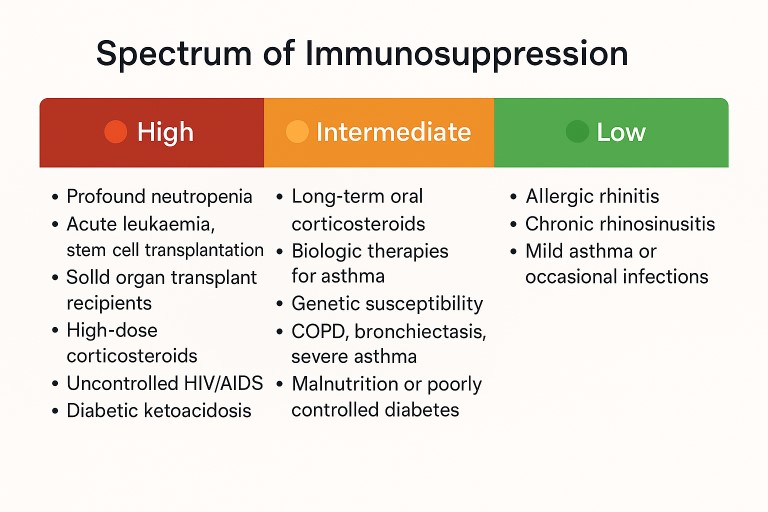
  • Vulnerable Groups: Patients with compromised immune systems (such as those undergoing chemotherapy or organ transplants) and individuals with chronic lung diseases are at higher risk of Aspergillus infections.

  • Preventive Measures in Healthcare Settings: The article emphasizes the importance of infection control practices in hospitals to protect at-risk patients. These measures include maintaining proper ventilation systems, using HEPA filters, and implementing protective protocols during construction or renovation activities within healthcare facilities.

  • Need for Consistent Guidelines: The review highlights that while various national and international guidelines exist, there is a need for more consistent and comprehensive recommendations to effectively reduce Aspergillus exposure in healthcare environments.

What This Means for You:

  • Stay Informed: If you are at risk, be aware of the infection control practices in place at your healthcare facility.

  • Advocate for Safety: Don't hesitate to ask healthcare providers about the measures they take to prevent mold exposure, especially during hospital stays or treatments.

  • Personal Precautions: Follow any advice given by your healthcare team regarding personal protective measures, such as wearing masks or avoiding certain areas during hospital visits.

For more detailed information, you can access the full article here: ScienceDirect Article