Help Us Explore a New Treatment for Chronic Pulmonary Aspergillosis (CPA)

We’re Recruiting for a Clinical Trial of Interferon-Gamma (IFNγ)

We’re looking for people with chronic pulmonary aspergillosis (CPA) to take part in an exciting clinical trial testing a new treatment approach using interferon-gamma (IFNγ) — a substance that could help the immune system fight the Aspergillus infection more effectively.


What is CPA?

CPA is a long-term lung infection caused by the fungus Aspergillus. It usually affects people with chronic lung diseases like COPD or those who’ve had tuberculosis (TB) in the past. Over time, CPA can cause:

  • Enlarging cavities in the lungs

  • Recurrent chest infections

  • Persistent coughing and fatigue

  • Worsening breathlessness and reduced quality of life

It’s a progressive condition and can be hard to diagnose early. Around 3,600 people are living with CPA in the UK. Without effective treatment, CPA can be life-limiting — up to 4 in 10 people may die within five years of diagnosis.


Current Treatment Challenges

Treatment typically involves long-term antifungal medication, but:

  • Only about 60% of patients improve

  • Treatment can be lifelong, with relapses common

  • There is only one class of oral antifungals available

  • Side effects and high costs are frequent problems

This is why we urgently need better treatment options.


Why Interferon-Gamma?

Our research suggests that many CPA patients may have a weakened immune response, particularly a lower production of interferon-gamma (IFNγ) — a natural substance that helps the body fight fungal infections like Aspergillus.

In small studies, giving IFNγ to patients who didn’t respond to antifungals showed fewer lung flares, fewer hospital stays, and better quality of life. It’s already used safely in other NHS treatments — now we want to explore its role in CPA.


What This Trial Involves

We’re running a randomised clinical trial to test IFNγ in CPA. Here’s what to expect:

  • You must be starting antifungal treatment for CPA

  • You’ll be randomly placed in one of two groups:

    • One group receives IFNγ + antifungals for 12 weeks

    • The other group receives antifungals only

  • We’ll monitor:

    • Changes in lung CT scans

    • Quality-of-life scores

    • Any side effects or problems with tolerability

The trial will include 50 participants in total (25 in each group) and is expected to run until August 2026.


Why Your Participation Matters

By joining this study, you’ll help us find out whether IFNγ could:

  • Improve treatment outcomes

  • Shorten the duration of therapy

  • Prevent relapses

  • Potentially benefit others with chronic lung diseases

If successful, this could lead to a larger trial and possibly a new standard treatment for CPA.


Interested in Taking Part?

You may be eligible if you:

  • Have been diagnosed with CPA

  • Are about to start antifungal treatment

  • Are willing to attend follow-up appointments for 12 weeks

👉 Click here for full details and how to take part


Steroid-induced insomnia

Steroid-induced insomnia is a common and frustrating side effect of corticosteroid medications like prednisolone, dexamethasone, or hydrocortisone — especially when taken for conditions like aspergillosis, adrenal insufficiency, or inflammatory diseases.


🧠 Why it Happens

Corticosteroids affect the brain’s sleep-wake cycle and increase levels of cortisol-like hormones, which can make you feel:

  • Wired or overstimulated

  • Restless or anxious

  • Unable to fall asleep or stay asleep

Even low-to-moderate doses can affect sensitive sleepers, especially when taken in the afternoon or evening.


🕒 Tips to Manage It

1. Take Steroids in the Morning (if possible - discuss with your doctor)

Mimics the body’s natural cortisol rhythm and reduces sleep disruption.

2. Create a Wind-Down Routine

Try calming activities in the evening — reading, gentle music, warm bath, breathing exercises.

3. Avoid Stimulants After 2 PM

That includes caffeine, nicotine, and even long naps.

4. Sleep Hygiene Helps

  • Keep your room cool and dark

  • Avoid screens at least an hour before bed

  • Stick to a regular sleep schedule

5. Melatonin (with caution)

Some doctors may suggest melatonin to reset sleep patterns — but always ask first, especially if you're on multiple meds.


💊 Medical Support

If insomnia is severe or long-lasting:

  • Your doctor might adjust your steroid dose or timing

  • A short course of sleep aids may be prescribed if needed

  • Sometimes adding a mood stabilizer or sedating medication at night (like mirtazapine or a low-dose antihistamine) is helpful


Managing the stress of having a chronic disease, could it even be PTSD?

What is the best way for a patient to manage the stress of having a chronic disease, worrying about lung bleeds – even PTSD?
That’s such an important and very human question. Living with a chronic disease—especially one that involves the lungs, like ABPA or CPA, and the looming fear of lung bleeds or hemoptysis—can be deeply traumatic. For many people, the psychological toll becomes as heavy as the physical one.

Let’s look at some of the best ways patients can manage chronic illness-related stress, especially when it edges into PTSD territory:


🧠 1. Acknowledge It’s Trauma

  • First: you’re not overreacting. Living with the constant threat of something like a lung bleed is traumatic.

  • Repeated hospital visits, coughing up blood, uncertainty—it can leave a person hypervigilant, anxious, and emotionally worn out.


🗣️ 2. Trauma-Informed Therapy

  • PTSD-like symptoms (flashbacks, panic, avoidance) can respond really well to therapies like:

    • CBT (Cognitive Behavioural Therapy)

    • EMDR (Eye Movement Desensitisation and Reprocessing) – especially useful for medical trauma

    • ACT (Acceptance & Commitment Therapy) – often used in chronic illness

  • Ask for a therapist familiar with chronic illness or health-related trauma.

🧾 You can usually request a referral from your GP, or seek out private therapy if accessible.


🧘 3. Mind-Body Practices

Some proven stress-reducing tools:

  • Breathwork (even just gentle box breathing: in 4s, hold 4s, out 4s, hold 4s)

  • Mindfulness (not just meditation, but moment-by-moment grounding)

  • Yoga or tai chi (adapted for lung health if needed)

  • Trauma-informed movement: gentle, non-triggering physical activity can help discharge stress.


💬 4. Peer Support (Online or In Person)

  • Talking to people who get it can massively reduce isolation.

  • Look for groups for:

    • Chronic lung disease / aspergillosis

    • Rare disease communities

    • Health anxiety or chronic illness PTSD

🌐 Aspergillosis Trust and NTM Patient Care UK sometimes link patients to support forums.


📖 5. Create a Health Toolkit or “Plan”

One big part of PTSD is the loss of control. Building a personal toolkit helps:

  • Written action plan for what to do during a flare or bleed (with your doctor)

  • Keep emergency contacts + hospital info handy

  • Have a “go bag” ready if hospital visits are frequent

  • Set up a small win routine (e.g., meds, hydration, small walk, rest)


💊 6. Medication Support (If Needed)

  • If panic, anxiety, or intrusive thoughts are severe, short-term or long-term medication can help.

  • SSRIs, low-dose beta blockers for panic symptoms, or sleep support may be part of care.

  • Work with a GP or psychiatrist who understands both mental health and chronic disease.


🧡 7. Give Yourself Credit and Kindness

This is hard. You’re surviving a reality most people can’t imagine. The fear is real. The strength it takes to keep going with all that fear is real too.


If you’d like, I can help you draft a personal “resilience plan” based on your needs—something tangible to refer to when you’re overwhelmed.

Let’s create a Personal Resilience Plan tailored to someone living with a chronic lung condition (like ABPA or CPA), with anxiety around lung bleeds and possible PTSD-like stress. This plan is meant to help you feel more grounded, supported, and in control, even when things feel overwhelming.


🛡️ Your Personal Resilience Plan

For Managing Chronic Illness, Lung Bleed Anxiety, and PTSD-Related Stress


🧭 1. Grounding Statement (Your “North Star”)

“I live with a serious condition, but I am not alone. I have tools, people, and plans that help me stay steady, even in scary moments.”

Use this when panic or flashbacks arise.


🧰 2. Emergency Action Plan

Having a clear plan for “what to do if…” takes the edge off the unknown.

In case of a suspected lung bleed:

  • Stay calm, sit upright, lean slightly forward.

  • Call 999 (or your emergency contact) if bleeding is profuse or you feel faint.

  • Notify hospital/clinic (add number here: __________)

  • Use oxygen if prescribed. Avoid lying flat.

  • Bring your go bag with essentials (see below).

Go Bag Checklist:

  • Hospital letters

  • Medication list

  • Emergency contact numbers

  • Water, charger, snacks, headphones

  • Comfort item (photo, small item that grounds you)


💬 3. People to Call/Text When You’re Struggling

Name Contact Role
GP / Specialist Nurse [Name] – [Number] Medical support
Friend or Family Member [Name] – [Number] Emotional support
Therapist / Mental Health Contact [Name] – [Number] Grounding and talking it through
Crisis Line 116 123 (Samaritans, 24/7 UK) Non-judgmental emotional support

🧠 4. PTSD & Anxiety Coping Tools

Choose 2–3 from each category that resonate with you:

🌬️ In-the-Moment Grounding Techniques:

  • Box breathing: In for 4, hold 4, out 4, hold 4

  • 5-4-3-2-1 grounding: Name 5 things you see, 4 you feel, 3 you hear, 2 you smell, 1 you taste

  • Hold a cold item (ice cube or chilled bottle) — physical sensation brings you back to the present

✍️ Ongoing Processing Tools:

  • Keep a “bad day journal” just to vent — no need for polish

  • Write letters to your past self (“You got through that.”) or future self (“Here’s what helps next time.”)

📱 Helpful Apps:

  • Insight Timer (free guided breathing + trauma-sensitive meditations)

  • MindShift CBT (helps reframe anxious thoughts)

  • PTSD Coach (developed by clinicians, good for triggers + tracking)


🧘 5. Daily Resilience Routine (Small Wins Only)

Design this with chronic illness in mind — flexible and compassionate:

  • 🌞 Wake up + check-in (1–10: how’s body/mind today?)

  • 💊 Meds + hydration

  • 👣 Gentle movement (walk to garden, stretch, or none if flaring)

  • 📓 1 thing I’m grateful for, 1 thing I’m proud of

  • 🌙 Wind-down: calm music, bath, story podcast


💡 6. Medical Empowerment

  • Keep a written copy of your diagnosis, meds, and hospital plan

  • Ask your doctor for a specific protocol for what to do if bleeding recurs

  • Track symptoms via app or paper log — this helps you feel seen and them spot patterns


🧑‍🤝‍🧑 7. Support Network

Consider joining:

For more general guidance, try NHS PTSD webpages


HEPA filters & heat to reduce exposure to allergens

Patients with forms of aspergillosis like ABPA can be highly allergic to fungal and many other airborne allergens. For some, relief can be found by ensuring the levels of airborne allergens in the home are as low as possible—this means removing as much dust as possible and removing sources of dust in the home.

Fungal spore fragments can be extremely small so air filters and vacuum cleaners have to have HEPA-grade filtration systems in order to be effective. NB there are some air cleaning systems that do not use filtration as a means to remove particles, instead they use heat (see bottom of page).

For those that use HEPA filters it is important that the correct grade of HEPA filtration is provided:

HEPA (High-Efficiency Particulate Air) filters are classified into different grades based on their filtration efficiency. The most commonly used classification is from ISO 29463 (based on EN 1822-1), which divides HEPA filters into E (Efficiency), H (High Efficiency), and U (Ultra-Low Penetration Air - ULPA) categories.

HEPA Filter Grades and Their Uses

Filter Class Efficiency (MPPS - Most Penetrating Particle Size, ~0.1-0.3 μm) Common Applications
E10 ≥ 85% Pre-filters in air purification systems
E11 ≥ 95% Air conditioning systems, HVAC filters
E12 ≥ 99.5% General air filtration, residential HEPA vacuum cleaners
H13 ≥ 99.95% Medical facilities, clean rooms, operating theaters
H14 ≥ 99.995% Pharmaceutical industry, laboratories, high-end medical applications
U15 ≥ 99.9995% Semiconductor manufacturing, critical research labs
U16 ≥ 99.99995% Nuclear and hazardous material containment
U17 ≥ 99.999995% Highly sensitive biological or radioactive environments

Key Uses of Different HEPA Grades

  1. E10-E12: Used in standard HVAC systems, air purifiers, and vacuum cleaners.
  2. H13-H14: Common in hospitals, clean rooms, and biosafety labs where high air purity is needed.
  3. U15-U17 (ULPA): Found in pharmaceutical manufacturing, semiconductor industries, and nuclear facilities.

For medical conditions like ABPA, HEPA H13 or H14 filters are recommended in home air purifiers and hospital settings to reduce airborne Aspergillus spores.

Heat-based filtration

Some domestic air purifiers use heat-based filtration to neutralize airborne contaminants. These typically work by heating air to a high temperature to kill bacteria, viruses, mould spores, and other pathogens before cooling them down and releasing them into the room.

Types of Heat-Based Air Cleaners

  1. Thermodynamic Sterilization (TSS) Air Purifiers

    • Uses a ceramic core heated to ~200°C (392°F) to destroy airborne microorganisms.
    • No filters, so there’s no need for replacements.
    • Example: Airfree air purifiers (popular in allergy-sensitive households).
  2. Hybrid Heat & Filtration Systems

    • Combines heat sterilization with HEPA filters or activated carbon.
    • Example: Some high-end medical-grade air purifiers integrate thermal disinfection.

Advantages

Kills mold, bacteria, and viruses rather than just trapping them.
No filter replacements (TSS models).
Silent operation (as some don’t use fans).

Disadvantages

Limited particle filtration—doesn’t remove dust, pet dander, or allergens like a HEPA filter does.
Slower purification compared to fan-driven systems.

Best Use Cases

  • Allergy and asthma sufferers (e.g., ABPA) who want a maintenance-free solution.
  • People sensitive to mold and bacteria in humid environments.
  • Homes with immunocompromised individuals needing sterile air.

How the UK evaluates new drugs for use in the NHS

The UK evaluates expensive drugs for cost-effectiveness primarily through the National Institute for Health and Care Excellence (NICE) and other bodies like the Scottish Medicines Consortium (SMC). The evaluation is based on clinical effectiveness, cost-effectiveness, and impact on NHS resources.

Key Aspects of Evaluation

1. Cost-Effectiveness Analysis (CEA) using QALYs

  • NICE uses the Quality-Adjusted Life Year (QALY) as a measure to assess whether a drug provides sufficient health benefits relative to its cost.
  • If the ICER is below £20,000–£30,000 per QALY, the drug is typically considered cost-effective.
  • For certain severe or rare diseases, NICE may allow a higher cost per QALY threshold (e.g., up to £100,000 for very rare conditions under the Highly Specialised Technologies (HST) program).

2. Budget Impact Test

  • If a drug is expected to cost the NHS more than £20 million per year, NICE may negotiate with the manufacturer for a Managed Access Agreement (MAA) or phased introduction to spread costs.

3. Clinical Evidence & Real-World Data

  • NICE considers clinical trial data, real-world effectiveness, and patient-reported outcomes.
  • The NHS Commercial Medicines Directorate may negotiate confidential pricing agreements (e.g., rebates or discounts).

4. NHS England & Special Cases

  • For cancer drugs, the Cancer Drugs Fund (CDF) allows faster access while gathering more real-world data.
  • The Innovative Medicines Fund (IMF) supports non-cancer drugs with promising early data but uncertain long-term benefits.

5. Scotland & Wales

  • The Scottish Medicines Consortium (SMC) and the All Wales Medicines Strategy Group (AWMSG) perform similar cost-effectiveness evaluations for their health systems.

Example: Cost-Effectiveness Evaluation of Omalizumab in the UK

Omalizumab (Xolair) is a monoclonal antibody used for severe allergic asthma and chronic spontaneous urticaria (CSU). Its cost-effectiveness for NHS use was evaluated by NICE based on clinical benefit, quality of life improvement, and economic impact.


1. How is the benefit of Omalizumab calculated?

A. Clinical Benefits (Health Gains)

  • Clinical trials show reduced asthma exacerbations, hospitalizations, and improved symptom control.
  • Fewer oral corticosteroid (OCS) bursts, reducing side effects (osteoporosis, diabetes risk).
  • Improved quality of life due to fewer symptoms and better lung function.

B. Quality-Adjusted Life Years (QALY) Calculation

  • Without treatment: Patients may experience frequent asthma attacks, reliance on oral corticosteroids, and reduced quality of life (e.g., QALY score = 0.50).
  • With Omalizumab: Patients have fewer exacerbations, reduced hospital stays, and improved daily function (e.g., QALY score = 0.72).
  • QALYs gained = 0.72 - 0.50 = 0.22**

**NOTE that for Omalizumab initial ICER calculation would have been £8000/26000 (ie. cost of drug) divided by 0.22 (QALY gained) which equals £40-100 000 ie. well above the usual approval threshold of £20-30 000. NHS presumably negotiated a way around that problem to allow approval of Omalizumab.


2. Cost-Effectiveness of Omalizumab

A. NHS Cost Evaluation

  • Omalizumab cost: ~£8,000–£26,000 per patient per year (depending on dosage).
  • Cost savings: Fewer hospitalizations, ICU admissions, and OCS-related complications.
  • NICE’s ICER threshold is £20,000–£30,000 per QALY.

B. NICE Decision on Cost-Effectiveness

  • For severe allergic asthma: Approved, as the ICER was ~£28,000 per QALY, within the acceptable NHS threshold.
  • For chronic urticaria: Initially not approved due to an ICER > £50,000 per QALY, but later funded under special circumstances.

3. Special NHS Funding Mechanisms

  • Managed Access Agreements (MAA): Discounted pricing for eligible patients.
  • Real-World Data Collection: Continued monitoring of benefits via the Severe Asthma Registry.

ABPA & CPA: Patient priorities

We have launched a new section that lists the commonest symptoms reported by our patient groups and offers tips on how to manage them.

WAD QoL 2025

In Their Words: CPA & ABPA


I Have ABPA and feel worse if I sleep with windows open

Some people with Allergic Bronchopulmonary Aspergillosis (ABPA) have mentioned that they feel worse after sleeping while opening windows at night. Here are some possible factors:
  1. Increased Allergen Exposure Outdoor Allergens: Opening windows can allow pollen, mould spores, and other allergens to enter, triggering respiratory symptoms. This is especially true during certain seasons (e.g., spring and fall).
      Mould Growth: If mould levels are high outdoors, particularly in damp or humid conditions, this can worsen symptoms in sensitive individuals.
  2. Temperature and Humidity Changes Cold Air: Cooler air at night can constrict airways, leading to increased asthma or allergy symptoms in some individuals.
      Humidity Levels: Increased humidity can promote mold growth and worsen respiratory issues, particularly for those with ABPA.
  3. Air Quality Pollution and Irritants: Urban areas may have higher levels of pollutants or other irritants at night, affecting respiratory health.
    Odours: Nighttime activities (e.g., grilling, yard work) may introduce smoke or other irritants into the air.
  4. Nighttime Symptoms Circadian Rhythms: Some people experience more pronounced respiratory symptoms at night due to natural variations in body functions and hormone levels.
      Increased Sensitivity: Allergic individuals may be more sensitive to changes in their environment during the night when they are less distracted by daily activities.
  5. Exposure to Pets or Dust Mites Indoor Allergens: Opening windows can stir up dust or expose individuals to pet dander and dust mites, exacerbating symptoms.Recommendations If opening windows leads to discomfort:
      Keep Windows Closed: Especially during high pollen or mold seasons.
      Use Air Purifiers: HEPA filters can help reduce allergens indoors.
      Monitor Air Quality: Check local air quality indexes, particularly for mold and pollen counts eg. IQAir- Install an APP on your phone that tracks where you are and tells you what the local levels of pollution are.
      Consult a Healthcare Provider: Discuss symptoms and management strategies, including potential adjustments to medication. If you’re experiencing significant discomfort, it may be helpful to maintain a controlled indoor environment to minimize exposure to allergens.

    In the UK, allergy season typically runs from March to November, with different types of pollen causing symptoms at different times. 

    Tree pollen 

    • The first wave of symptoms for some people, usually from late March to mid-May
    • Hazel and birch trees are common culprits

    Grass pollen 

    • The main cause of pollen in the UK from mid-May to July
    • There are usually two peaks, one in early June and another in early July

    Weed pollen 

    • It can start in June and last into autumn
    • Dock and mugwort are common weeds that cause pollen

    Other allergens 

    • Mould can be a problem in late summer/autumn until the first frosts
    • House dust mites and pet allergens can cause year-round symptoms

    Factors affecting pollen 

    • Weather conditions like temperature, wind, and rainfall can affect pollen counts
    • Where you live can affect when and how severe symptoms are
    • Urban areas tend to have lower pollen counts than rural areas
    You can check the pollen forecast on the Met Office website. 
For more details on mould allergy, see Asthma UK

How the NHS funds medications

As we regularly refer to how the NHS decides what medications to fund, I thought it worthwhile to describe how drug funding works in the UK. It is pretty complicated so at the lowest level of detail I would summarise as follows.

In the UK, drug funding depends on where and how the treatment is prescribed—through the NHS, private healthcare, or research programs. Here's how different types of drugs, including biologics for severe asthma, are funded:

1. NHS Funding (Primary & Secondary Care)
Most medicines are funded through the NHS, but how they are approved and prescribed varies:
a) NICE & SMC Approval (England & Scotland)
  • The National Institute for Health and Care Excellence (NICE) assesses whether a drug is cost-effective for NHS use in England and Wales.
  • In Scotland, the Scottish Medicines Consortium (SMC) performs a similar role.
  • If approved, the drug is added to NHS formularies, meaning it can be prescribed and funded.
b) Individual Funding Requests (IFRs)
  • If a drug is not routinely funded, a clinician can apply for Individual Funding Requests (IFRs) to request NHS coverage in special cases. These funding requests are made to your local NHS Integrated Care Board (ICB) (England - other UK countries have their own systems) who are responsible for managing drug costs
c) High-Cost Drugs & Specialist Prescribing
  • Some biologics (e.g., Benralizumab, Mepolizumab, Tezepelumab) are classified as high-cost drugs and can only be prescribed in specialist NHS clinics, such as severe asthma centres.
  • NHS England funds these under commissioned services, separate from standard GP prescribing.
2. Prescription Charges in England
  • In England, most adults pay £9.65 per prescription item (2024 rate).
  • However, many patients qualify for free prescriptions (e.g., those with long-term conditions, low income, or exemptions).
  • Prepayment Certificates (PPCs) allow unlimited prescriptions for a fixed cost.
💡 Scotland, Wales, and Northern Ireland offer free prescriptions to all residents.
3. Private Prescriptions & Insurance
  • Private healthcare patients must pay the full cost of their medication unless covered by private insurance.
  • Some private insurers (like Bupa, AXA, or Vitality) partially or fully cover biologics if deemed medically necessary.
4. Clinical Trials & Early Access
  • Some new biologics not yet NHS-approved can be accessed through clinical trials.
  • The Early Access to Medicines Scheme (EAMS) allows patients with severe conditions to access promising new treatments before full approval.
5. Hospital Funding (Secondary Care)
  • Some high-cost drugs are funded directly by NHS England or hospital trusts rather than standard NHS prescription budgets.
  • These include biologics that must be administered in hospital settings (e.g., Reslizumab).
Summary
  • NICE/SMC decides which drugs get NHS funding.
  • Some biologics require specialist clinics.
  • Prescriptions are free in Scotland/Wales/NI but cost £9.65 per item in England.
  • Private prescriptions & insurance are alternatives for non-NHS-funded treatments.
  • Clinical trials or EAMS may offer early access to new drugs.

Chronic pulmonary aspergillosis – a guide for the general physician

This collaborative article reviews chronic pulmonary aspergillosis (CPA) from the perspective of a multidisciplinary team comprising of respiratory physicians, radiologists, mycologists, dietitians, pharmacists, physiotherapists and palliative care specialists. The review synthesises current knowledge on CPA, emphasising the intricate interplay between clinical, radiological, and microbiological aspects. We highlight the importance of assessing each patient as a multidisciplinary team to ensure personalised treatment strategies and a holistic approach to patient care.

Link to review


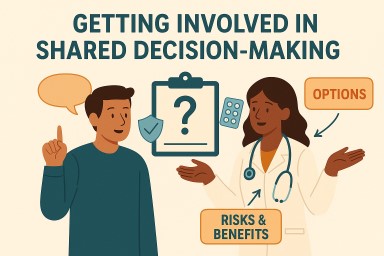
Thinking about joining a clinical trial? What are your concerns?

Running clinical trials are how doctors and researchers improve your treatment and care, and how new forms of diagnosis for aspergillosis are advanced. It is particularly difficult to get volunteers when the number of people affected by a disease is small – and aspergillosis is one of those diseases. If we can’t get enough people in trials then the value of that work is weakened and there can be less chance that a new treatment will be made available, or a new way to diagnose those at risk from aspergillosis might be delayed.

That said, there are many perfectly good reasons why someone may not volunteer, and it is a very personal decision. If trials are not for you for any reason then you must not feel compelled to do so. We recently ran a poll on our Facebook group to try to identify some concerns that people may feel with volunteering. The most frequent were:

  1. I live too far away.
    This is fair enough. Most trials are based in or close to large cities and will ask you to travel to the trial centre regularly. There is no point in joining a trial if that journey is arduous and you would be unlikely to be able to travel at any point.
  2. Worried about side effects.
    Side effects happen when you are taking many medications and may well happen if you are taking a new treatment. However you will have a dedicated member of staff looking after you to remedy any that crop up, and if the worst happens and you cannot tolerate the side effect you can leave the trial with our thanks. You are always in control.
  3. I am worried that I might be asked to stop taking my current medication and be given the placebo.
    Before trials are run in the UK and many other countries they all must be passed by an ethics committee. The rules of ethics are guided by a number of national and international bodies to ensure ethical conduct, patient safety, and scientific validity. Allowing one arm of a trial to leave patients untreated for an infectious disease is generally unethical and unlikely to be approved, particularly if effective treatments are available. In most cases a test drug will be offered with standard treatment and compared with a placebo also with standard treatment. Neither arm will be untreated. NB once a new drug has gone through this phase and been shown to be effective at controlling eg aspergillosis, then it may be offered on its own during the next trial if ethics agree.
  4. I rarely hear about any trial that I might be able to volunteer for.
    Most people will hear about a trial when they are asked to join one by their doctor. Most doctors running a trial will check that you fall within the specific trial criteria before approaching you. This saves time but of course, it can only be successful if you see enough appropriate patients to ask, which is why specialist centres with lots of patients run so many trials. If you do not attend a specialist centre but would like to be assessed to participate in a trial you can ask your doctors or do your own research – click on the link below.

UK Clinical trials for aspergillosis

Thanks for considering taking part in a clinical trial.