Asthma & Lung: 5 tips to help you breathe better and stay well
Dr Andy offers five tips to help you breathe better and stay well.
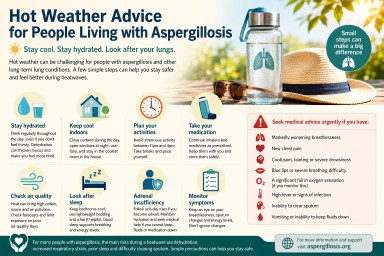
We know that things like hay fever, air pollution and hot weather can make breathing more difficult and stop you doing the things you love. Our clinical lead, Dr Andy, offers five tips to help you breathe better and stay well. Head to our website to find more easy-to-follow tips and advice to improve your breathing during the warmer months: https://orlo.uk/v9JT2
🌾 Dietary Fibre and Disease Prevention: Why We Need to Eat More Fibre
Fibre is no longer just about bowel regularity. Modern research shows that dietary fibre plays a fundamental role in overall health, immune regulation, and chronic disease prevention. Low-fibre diets are now being linked to a growing list of physical and mental health conditions, with multiple sclerosis (MS) among the most recent examples.
🔍 What Is Dietary Fibre?
Fibre is the indigestible part of plant-based foods that helps regulate digestion, supports beneficial gut bacteria, and contributes to metabolic and immune function. The two main types are:
- Soluble fibre: dissolves in water, forms a gel-like substance, and helps control blood sugar and cholesterol
- Insoluble fibre: adds bulk to stool and supports bowel regularity
🚨 How Much Fibre Do We Need?
- UK recommendation: 25–30g/day for adults
- Average intake: only around 18g/day
- This means most people are getting 25–40% less fibre than they need
🩺 Diseases Linked to Low Fibre Intake
A growing body of evidence links low-fibre diets to:
Digestive & Gastrointestinal Disorders
- Constipation
- Diverticular disease
- Haemorrhoids
- Irritable bowel syndrome (IBS)
Metabolic and Cardiovascular Diseases
- Type 2 diabetes (via insulin resistance and glucose spikes)
- Obesity (through reduced satiety and changes to the microbiome)
- High cholesterol
- Cardiovascular disease
Cancer
- Colorectal cancer risk is significantly reduced by high-fibre diets (especially cereal fibre)
Inflammatory & Autoimmune Conditions
- Multiple sclerosis (MS): recent research links gut microbial imbalance, worsened by low fibre, to inflammation and autoimmunity
- Inflammatory bowel disease (IBD): fibre can help regulate gut inflammation in some forms
- Rheumatoid arthritis and asthma: animal studies suggest protective roles
Brain and Mental Health
- Anxiety and depression: linked to gut-brain axis disruption when fibre is insufficient
- Neuroinflammation: fibre supports short-chain fatty acid production (e.g. butyrate), which helps reduce inflammation that affects brain and mood
🧬 Why Fibre Matters for the Gut Microbiome
Fibre is the main energy source for beneficial gut bacteria. These microbes ferment fibre into:
- Short-chain fatty acids (SCFAs) like butyrate, propionate, and acetate
- These SCFAs:
- Nourish the gut lining
- Modulate immune responses
- Reduce systemic inflammation
- Influence brain function via the gut–brain axis
Low fibre leads to:
- Less microbial diversity
- More pro-inflammatory bacteria
- Greater permeability of the gut wall ("leaky gut")
🥦 How to Increase Fibre Intake
🥣 Everyday Fibre-Rich Food Ideas
Here are some simple, everyday options to help boost your fibre intake, with estimated fibre content:
| Food Item | Approximate Fibre (g) per Serving |
|---|---|
| Muesli (40g serving with fruit & seeds) | 6–8g |
| Porridge oats (40g) | 4g |
| Wholemeal toast (2 slices) | 5–6g |
| Nut butter (1 tbsp) | 1–2g |
| Lentil or bean soup (1 bowl) | 7–10g |
| Chickpeas in salad (half cup) | 6g |
| Brown rice (1 cup cooked) | 3–4g |
| Quinoa (1 cup cooked) | 5g |
| Berries (1 cup) | 4–8g (depending on type) |
| Apple or pear (with skin) | 3–4g |
| Banana (medium) | 3g |
| Nuts or seeds (30g handful) | 2–4g |
| Air-popped popcorn (3 cups) | 3–4g |
🚫 Common Low-Fibre Foods
Many widely consumed foods contain very little or no dietary fibre, especially if they are highly processed or refined. Examples include:
| Food Item | Approximate Fibre (g) |
| White bread (2 slices) | 1g or less |
| White rice (1 cup cooked) | 0.5–1g |
| White pasta (1 cup cooked) | 1–2g |
| Processed breakfast cereals | 1–2g |
| Biscuits and cakes | <1g per portion |
| Ready meals (typical portion) | 1–2g |
| Crisps / potato chips (25g) | <1g |
| Soft drinks, fruit juice (250ml) | 0g |
| Cheese, meat, and eggs | 0g |
These low-fibre foods dominate many modern diets. Without mindful inclusion of whole plant foods, it is easy to fall well below the recommended fibre intake.
💡 Is It Easy to Reach the Target? These can be rotated across meals and snacks to easily reach your fibre goals without drastic changes.
⚖️ What If Fibre Causes Looser Bowels?
It's not uncommon for people to experience looser stools, more frequent bowel movements, or mild bloating when increasing fibre intake too quickly. This usually happens because:
- The gut bacteria are adjusting to more fermentable material
- Insoluble fibre speeds up gut transit time
The good news:
- These effects are usually temporary and settle within a few days to a couple of weeks
- You can achieve a happy medium by:
- Increasing fibre gradually over 1–2 weeks
- Including both soluble (e.g. oats, pulses, fruit) and insoluble (e.g. wholemeal bread, bran) fibre
- Drinking plenty of water
If symptoms continue, consult a GP or dietitian—especially if you have conditions like IBS or IBD that affect gut sensitivity.
✅ Summary
| Area of Health | Fibre Benefits |
| Gut & digestion | Regularity, reduced IBS/diverticulitis |
| Heart & metabolism | Lower cholesterol, improved glucose control, satiety |
| Immune system | Less inflammation, gut barrier protection |
| Mental health | Gut–brain axis modulation, reduced neuroinflammation |
| Cancer prevention | Lower colorectal cancer risk |
🌿 Special Note for People with Aspergillosis
If you are living with aspergillosis, especially chronic forms like CPA or ABPA, or regularly take medications such as antifungals, corticosteroids, or antibiotics, fibre is particularly important:
- Antibiotics can disrupt gut microbiota, reducing beneficial bacteria and fibre fermentation
- Steroids can impair immune regulation and blood sugar control, both of which benefit from high-fibre diets
- Antifungals and long-term illness may alter digestion or appetite, making a high-quality, fibre-rich diet even more essential
Maintaining a healthy gut environment through a fibre-rich diet may help support immunity, reduce inflammation, and improve resilience to infection and medication side effects.
📢 Final Note
Fibre is now a front-line defence against modern disease. It's one of the most underconsumed but powerful nutrients for preventing chronic illness, improving resilience, and nurturing a healthy gut microbiome.
Recent links to conditions like multiple sclerosis highlight just how far-reaching fibre’s impact may be—making it more than a digestive aid, but a foundation of systemic health.
💙 Disability Verification and Support for People with Aspergillosis in the UK
Living with aspergillosis—whether it's chronic pulmonary aspergillosis (CPA), allergic bronchopulmonary aspergillosis (ABPA), or another form—can have a significant impact on daily life. Many people find that fatigue, breathlessness, medication side effects, and other long-term symptoms affect their ability to work, care for themselves, or maintain independence.
If your condition is affecting your daily activities, you may be entitled to disability support, financial help, or adjustments at work or home. This guide explains how to get your disability recognised and verified in the UK, who can help, and how this varies across age groups and types of disability.
✅ What Counts as a Disability?
Under the Equality Act 2010, a person is classed as disabled if they have:
“A physical or mental impairment that has a substantial and long-term negative effect on their ability to carry out normal day-to-day activities.”
Many people with aspergillosis meet this definition—especially if they experience breathlessness, fatigue, pain, or recurrent infections over months or years.
📋 How Can You Prove or Verify Your Disability?
There is no single "disability certificate" in the UK. Instead, different systems accept different types of evidence, depending on what support you are applying for.
1. Benefit Award Letters
These are the most commonly accepted form of disability evidence:
- Personal Independence Payment (PIP)
- Disability Living Allowance (DLA) (for under 16s)
- Attendance Allowance (for over State Pension age)
- Employment and Support Allowance (ESA) (Support Group)
- Industrial Injuries Disablement Benefit
Where to get it: Contact the DWP or check your online account for a copy of your award letter.
2. NHS Medical Letters
Ask your GP or consultant to write a letter that:
- Confirms your diagnosis (e.g. CPA, ABPA)
- Describes the symptoms and how they affect your daily life
- Explains any treatments you need (e.g. antifungals, oxygen, steroids)
- States any long-term prognosis or care needs
3. Blue Badge and Disabled Bus Pass
- Blue Badge: Available from your local council for parking needs
- Disabled Bus Pass: Also issued locally; often requires proof of benefits or medical need
4. Occupational Therapy Assessment
- NHS or council-based OTs can assess your ability to manage daily tasks and recommend adaptations or support.
- Access via GP or Adult Social Care team.
5. Workplace or Education Support
- Occupational Health assessments may recommend reasonable adjustments such as flexible hours, remote work, or cleaner air environments.
- You may be eligible for Access to Work grants.
6. PIP and Other Benefit Assessments
- Assessments focus on how your condition affects daily tasks like mobility, personal care, medication management, and communication.
🔢 Do We Get a Disability Percentage?
In the UK, disability is not usually measured as a percentage. Most systems use functional assessments or point-based scoring.
The Exception: Industrial Injuries Disablement Benefit (IIDB)
- Uses a percentage system based on the extent of permanent disablement from a work-related condition.
For Everyone Else:
- PIP, DLA, and ESA use points-based systems.
- Employers, schools, and councils assess need based on impact, not percentage.
🡥 Who Can Help You with Disability Assessment?
| Professional / Service | Role & When to Use |
|---|---|
| GP or Specialist Consultant | Confirm diagnosis and functional impact for letters and forms |
| Occupational Therapist (NHS) | Assess your ability to manage daily tasks, recommend home aids/adaptations |
| Occupational Health (Work) | Recommend workplace adjustments under Equality Act |
| Adult Social Care (Council) | Assess for care support and home adaptation funding |
| Citizens Advice / Disability Charities | Help with forms, appeals, and understanding your rights |
| National Aspergillosis Centre (NAC) | May provide supporting letters for housing or benefits if you're under their care |
👶 Children and Young People
Under 16
- Claim Disability Living Allowance (DLA)
- Apply for an Education, Health and Care Plan (EHCP) if they have learning or developmental needs
- Get support from social care and school SENCOs
Age 16–25
- Transition to PIP for disability benefits
- EHCP can continue to age 25 if still in education
- Access workplace/education adjustments and Access to Work
- Shift from Children’s Services to Adult Social Care at 18
👵 Older Adults (Typically Age 65+)
Attendance Allowance
- For care needs only (not mobility)
- Not means-tested
Care and Support Needs
- Request a Care Act assessment from local council
- May result in home care, adaptations, or care home funding
NHS Continuing Healthcare
- For those with severe, complex needs
- Fully funded by NHS; not means-tested
Blue Badge Scheme
- Still accessible based on breathlessness or mobility limitation
Carer Support
- Carer's Assessment available
- Access to Carer’s Allowance or respite care
🧠 Mental Illness and Long-Term Invisible Disabilities
Mental health conditions and other non-visible disabilities (e.g. chronic fatigue, fibromyalgia, autism, long COVID) are also recognised under the Equality Act if they are long-term and impact daily life.
Differences in Assessment
- Focus is on non-physical activities:
- Planning and following journeys
- Managing therapy or medication
- Social interaction
- Decision-making
Key Evidence
- GP letters
- Psychiatrist or psychologist reports
- Occupational therapy or carer evidence
Support Services
- Community mental health teams (CMHT)
- Crisis teams, counselling, and talking therapies
- Supported housing or assisted living
Reasonable Adjustments
- Flexible schedules, quiet spaces, remote work
- Mental health support plans at school, university, or work
Advocacy
- Mind, Rethink, Disability Rights UK, and VoiceAbility provide advocacy, appeals help, and representation
📚 Summary Table
| Area | Physical Disabilities | Mental Health / Invisible Disability | Children | Older Adults |
| Benefit | PIP / ESA | PIP / ESA | DLA | Attendance Allowance |
| Social Care | Adult Social Care assessment | Adult Social Care or MH services | Children’s Services | Adult Social Care |
| Education/Work Support | Access to Work, OH reports | Access to Work, reasonable adjustments | EHCP, SENCO | Retirement/flexible options |
| Blue Badge | Based on mobility | Based on anxiety/severe distress for travel | May be available | Common for respiratory limits |
| Evidence Needed | Consultant, OT, GP | Psychiatrist, GP, carer, advocate | School or paediatric reports | GP, consultant, OT |
| Advocacy Support | Citizens Advice, Scope | Mind, Rethink, Disability Rights UK | IPSEA, Contact | Age UK, Carers UK |
🙏 Final Tips
- Keep copies of all letters, forms, and award notices.
- If your condition fluctuates, keep a symptom diary to show variable impact.
- Apply for assessments early as processes can take time.
- If you need help applying, speak to Citizens Advice or a local disability advocacy service.
- The National Aspergillosis Centre may be able to support patients with evidence for housing, benefit, or support applications.
🤔 Is It Aspergillus or Asthma Causing the Mucus?
It’s often a combination — here’s how they can overlap:
| Condition | What It Might Do |
|---|---|
| Aspergillosis (e.g. ABPA or Aspergillus bronchitis) | Causes thick, sticky mucus with fungal elements and inflammation. Often leads to coughing up plugs or brown mucus. |
| Asthma | Can increase mucus production, especially if poorly controlled or if triggered by allergens (including Aspergillus). |
| Both together | May cause ongoing mucus, irritation, and airway narrowing that makes it harder to clear, despite constant coughing. |
If you're seeing more mucus than usual, it could mean:
-
A flare-up of fungal activity
-
A reaction to something environmental (e.g. pollen, dust, damp)
-
Or simply a bad asthma spell with more inflammation
🧼 The ‘Bottle Brush’ Analogy
An image of wanting to "scrub" the airways is very real — many describe the feeling of:
-
Something stuck that won’t budge
-
Needing a deep clean they can’t reach with coughing
-
Wishing there were tools to physically clear the airways
✅ What You Can Try to Help Clear the Mucus
Here are real methods people find helpful (with advice from a respiratory physio):
-
Airway Clearance Devices (like a ‘brush’ for your lungs!):
-
Flutter or Acapella devices: use vibration and pressure to loosen mucus
-
Positive Expiratory Pressure (PEP) therapy: helps open and clear airways
(You can ask your team for one, or see if your hospital physio provides them.)
-
-
Breathing & Huff Coughing Techniques:
-
Controlled deep breaths, then a huff (a strong open-mouthed exhale like steaming up a mirror) instead of hacking coughs
-
This moves mucus from deep down to the top of the lungs where it’s easier to shift
-
-
Positioning/Gravity Drainage (Postural Drainage):
-
Certain positions help drain mucus from different lobes of the lungs — especially useful for bronchiectasis or ABPA.
-
-
Steam with Caution:
-
Mild steam inhalation (e.g. from a shower) can loosen secretions — just avoid essential oils or herbs if you’re sensitive.
-
-
Hydration and Mucolytics:
-
Staying hydrated helps thin the mucus.
-
Some are prescribed carbocisteine to reduce mucus stickiness.
-
-
Speak to your team if:
-
The mucus is changing in colour or amount
-
You feel more breathless
-
You’re unsure if it’s a fungal flare or asthma spike
-
They might check for infection, offer a sputum test, or tweak your medication.
🗣️ Patient Voices
“I felt like I had cobwebs or glue in my lungs. The flutter device gave me back a sense of control — I still have to work at it, but I don’t feel as helpless.”
“When I learned to huff cough and did it properly, I was amazed at how much came up. It's not a miracle, but it made me feel cleaner inside.”
🫁 Mucus Plugging in Aspergillosis: What It Is, Why It Happens, and What It Means
For patients with ABPA, CPA, Aspergillus bronchitis, or asthma
🔍 What Is a Mucus Plug?
A mucus plug is a thick clump of sticky mucus that becomes trapped in your lungs. It can block airways, cause coughing, and make breathing more difficult. In people with aspergillosis, this is common — but the type, location, and cause of the mucus can vary.
🧪 What Causes Mucus Plugging?
Your lungs naturally make mucus to protect against germs and irritants. But in fungal or allergic lung disease, this mucus may:
-
Be produced in excess
-
Become too thick or sticky
-
Get trapped due to airway damage
Aspergillosis-related causes include:
-
ABPA (Allergic Bronchopulmonary Aspergillosis) – inflammation causes thick, sticky mucus
-
Aspergillus bronchitis – fungus lives in mucus, producing biofilms
-
CPA (Chronic Pulmonary Aspergillosis) – may lead to mucus due to structural damage
-
Bronchiectasis – airways are widened and can no longer clear mucus properly
🧬 Are All Mucus Plugs the Same?
No. Mucus plugs vary in colour, texture, cause, and treatment. Here's how they differ:
| Type of Plug | What You Might See | What It Could Mean | Common in... |
|---|---|---|---|
| Sticky, stringy | Clear/yellow, like glue | Allergic inflammation | ABPA, asthma |
| Rubbery or solid | Brown, rubbery, “slug-like” | Allergic + fungal mix | ABPA, Aspergillus bronchitis |
| Green or smelly | Thick, foul-smelling | Infection (bacteria) | Bronchiectasis |
| Foamy or frothy | Clear/white, bubbly | Non-infectious irritation | COPD, asthma |
| Black or speckled | May contain fungal specks | Fungal growth | CPA, fungal bronchitis |
🖼️ What Do Mucus Plugs Look Like on a CT Scan?
Below are real examples of CT scan findings showing mucus plugging in different forms of aspergillosis and related conditions.
🧷 1. Finger-in-glove sign (ABPA)
Mucus in large airways appears like fingers inside a glove. This is common in allergic fungal airway disease.
➡ Seen in: ABPA, bronchiectasis with fungal colonisation
📍 Note: Branching tubular opacities filled with mucus.
🌿 2. Tree-in-bud pattern
Small airway blockage — plugs in the tiniest branches of the lungs. Common in infection, inflammation, and Aspergillus bronchitis.
➡ Seen in: Aspergillus bronchitis, asthma, CPA with superinfection
📍 Note: Tiny dots and lines in a tree-like shape.
🧱 3. Lung collapse (atelectasis) from plug
A large mucus plug can block a main airway, causing collapse of part of the lung.
➡ Seen in: Severe ABPA, CPA, patients with weakened cough reflex
📍 Note: Whiteout of part of lung where plug is blocking airflow.
📸 Example CT Findings

1. Bronchiectasis + mucus plug
Area in the left lower lung shows dilated bronchi filled with mucus—classic for bronchiectasis with mucoid impaction

2. Extensive bronchiectasis with plugs
Widespread thick-walled airway dilatation accompanied by mucus plugs (black arrows) and consolidation (black arrowheads)

3. Luminal plugging in small airways
Subtle luminal opacities in peripheral bronchi—the “tree‑in‑bud” pattern common in asthma, COPD, and infections.

4. Atelectasis (part of the lung has collapsed or isn’t fully inflating) due to mucus plugging
Consolidation and small airway blockage leading to lung collapse, highlighted by arrows in the upper lobe.
💡 Clinical Takeaways
| Feature | What it indicates |
|---|---|
| Mucoid impaction | Large airway fungal/allergic plugs (e.g., ABPA) or bronchiectasis |
| Tree‑in‑bud | Small-airway infection/inflammation (e.g., TB, PCD, asthma) |
| Atelectasis | Complete blockage, leading to collapse and consolidation |
| Persistent luminal plugs | Associated with worse airflow obstruction and symptoms in COPD/asthma |
✅ Next Steps / Applications
-
These CT examples are valuable for educational use—they illustrate the different patterns seen in mucus plugging across disease types.
-
Radiologists often use these signs to help diagnose and tailor management (infection, allergy, structural lung disease).
-
If your patients or students need simplified visuals, these scans paired with annotations (e.g., arrows, labels) can make great teaching tools.
🧠 What Does It Feel Like?
People often say:
“It felt like something was stuck and wouldn’t come out.”
“I finally coughed up a rubbery strand — like glue.”
“Once it cleared, I could breathe better instantly.”
🧼 How Are Mucus Plugs Treated?
Treatment depends on the underlying cause:
✅ Medications
-
Steroids – reduce inflammation in ABPA and asthma
-
Antifungals – lower fungal load (e.g., itraconazole, posaconazole)
-
Mucolytics – thin mucus (e.g., carbocisteine, hypertonic saline)
-
Antibiotics – treat bacterial infections
✅ Airway Clearance Techniques
-
Respiratory physio – helps you learn how to shift mucus
-
Devices – flutter valve, PEP mask, Acapella
-
Inhaled/nebulised therapy – opens airways and loosens plugs
⚠️ Always speak to your clinical team before starting a new technique.
🧪 Can Coughing Up a Plug Help Diagnosis?
Yes! If you cough up a rubbery, large, or unusual plug, it can be:
-
Tested for fungus, bacteria, or allergy cells (eosinophils)
-
Sent for culture to detect Aspergillus
-
Helpful in guiding or confirming diagnosis of ABPA or Aspergillus bronchitis
👣 Key Points for Aspergillosis Patients
| Question | Answer |
|---|---|
| Is mucus plugging common? | Yes, especially in ABPA, CPA, and bronchiectasis |
| Are all mucus plugs the same? | No – they vary in size, shape, colour, and cause |
| What should I do if I cough one up? | Tell your doctor – it may be useful to test |
| Can it be seen on scans? | Yes – CT can show where plugs are and how severe |
| Can it be treated? | Yes – treatments include steroids, antifungals, mucolytics, and physio |
When Antifungals Fail: One Patient’s Recovery from Subacute Invasive Aspergillosis After Surgery
Subacute Invasive Aspergillosis (SAIA) is a rare and serious lung infection caused by the Aspergillus fungus. It often affects people who are immunocompromised—whether due to illness or medications like immunosuppressants—and typically sits between chronic and acute invasive forms in severity.
🧬 A Patient's Story from Australia
“I was diagnosed with SAIA after being treated with immunosuppressants for an autoimmune condition. Over seven months, I tried three different antifungal medications—but the infection persisted. I was still producing thick mucus and felt systemically unwell, almost like I had a constant infection running through me.
Four weeks ago, I underwent a wedge resection—a type of surgery where the affected part of my lung was removed. Since then, my symptoms have completely resolved. I’m no longer coughing or feeling septic.
My infectious diseases specialist plans to keep me on posaconazole for 12 months, with monthly galactomannan blood tests to catch any recurrence early.
I’ve found there’s very little published about surgery for SAIA, so I hope my experience might help others.”
🧪 What Is SAIA?
SAIA is a slowly progressive lung infection that develops over weeks to months. Unlike acute invasive aspergillosis, which moves quickly, SAIA often occurs in people with some degree of immune suppression but who aren’t completely immunocompromised.
It can present with:
-
Persistent cough
-
Low-grade fever
-
Fatigue
-
Mucus production
-
Progressive lung damage
Standard treatment involves long-term antifungal therapy, often with drugs like:
-
Itraconazole
-
Voriconazole
-
Posaconazole
But in some cases—like this patient’s—antifungal therapy alone isn’t enough.
🛠️ When Is Surgery Used for SAIA?
Surgery, including wedge resection, may be considered when:
-
Antifungal medications are not effective
-
The infection is localized to one part of the lung
-
There is persistent or worsening lung damage
-
Patients are fit enough to undergo surgery
🔍 What Does the Evidence Say?
Although not commonly performed, surgery for aspergillosis is documented in medical literature, especially in cases of:
-
Chronic pulmonary aspergillosis (CPA)
-
Fungal nodules
-
Subacute forms like SAIA
Key studies:
-
A U.S. study of >100,000 aspergillosis cases found that only 4.8% underwent surgery, usually for treatment failure or severe complications.
-
A Chinese study of 85 CPA patients showed a relapse rate of only 7% post-surgery, with most patients improving dramatically.
-
A UK case series described 30 patients having lung resections over 15 years, showing surgery is safe and effective when performed in experienced centres.
🔄 What Happens After Surgery?
Even after a successful resection, follow-up antifungal treatment is often continued to prevent recurrence. Monitoring usually includes:
-
Regular imaging (CT scans)
-
Galactomannan blood tests (to detect fungal components)
-
Symptom tracking
This is typically guided by a multidisciplinary team involving infectious diseases, respiratory, and thoracic surgery specialists.
🎯 Key Takeaways
-
SAIA is uncommon, and when antifungals fail, surgery can be life-changing.
-
Wedge resection is a lung-sparing procedure that removes just the infected portion, offering good outcomes when the disease is localised.
-
Ongoing antifungal therapy and monitoring are critical to long-term success.
-
Your story adds to a growing but still limited body of knowledge and may help inform future treatment decisions and encourage further research.
If you are a patient or clinician navigating SAIA and struggling with antifungal treatment, this story may offer hope—and a reminder that surgical options, though rarely needed, can be effective when used judiciously.
🧵 Why Am I Getting More “Plugs” This July?
A message for aspergillosis patients
July is often a time when people with aspergillosis feel a bit better — but sometimes, things don’t go quite to plan. If you’ve suddenly started getting more mucus “plugs” or are struggling to clear your chest, here are some possible reasons:
🔍 Common Reasons for More Mucus or Plugs in Summer
| Possible Cause | Why it might affect you now |
|---|---|
| Fungal spores are high | July and August bring very high outdoor levels of Aspergillus, Cladosporium, and other moulds – especially on dry, windy days or after cutting grass. These can trigger inflammation and more mucus. |
| Pollen season continues | Even though tree pollen has gone, grass, weed, and cereal pollen are still in the air. These can worsen symptoms for people with ABPA or asthma. |
| Humidity or storms | Sudden weather changes, humid air, or storms can make breathing more difficult and mucus harder to shift. Some people call this "thunderstorm asthma." |
| Air pollution (ozone) | Sunny weather increases ozone and air pollution – both can irritate your airways. |
| Low-level infection or flare-up | If your mucus is thicker, darker, or smells different, it might be a sign of a fungal or bacterial flare-up, even without a high temperature. |
| Hydration or medication changes | Less water, skipping nebulisers, or changes in routine can make mucus stickier. |
| Blocked sinuses | Post-nasal drip from fungal sinusitis can make it feel like mucus is always sitting in your throat or upper chest. |
✅ What You Can Do
-
Drink more fluids, especially warm water or squash
-
Use saline in your nebuliser to loosen thick mucus
-
Do your chest clearance exercises more often – flutter device, ACBT, or huffing
-
Don’t skip antifungals, inhalers, or mucolytics like carbocisteine
-
Consider a nasal rinse if your sinuses feel blocked
-
Keep windows closed on high spore or high pollen days
-
Speak to your team if things don’t settle – you may need a review or antibiotics
⚠️ When to Get Checked
-
You're coughing up yellow, green or brown mucus
-
Mucus smells bad or has blood in it
-
You feel more breathless or more tired
-
You’ve needed to increase your nebuliser use
💬 You're Not Alone
Many patients with aspergillosis get more mucus at this time of year — even when the sun’s out! Don’t assume it’s “just the weather.” Sometimes it’s a sign that your lungs or sinuses are reacting to invisible spores in the air.
Other forms of aspergillosis: 🛡️ Tracheobronchial Aspergillosis (TBA), A Rare Airway Form of Aspergillus Infection
🌿 What is Tracheobronchial Aspergillosis?
Tracheobronchial aspergillosis (TBA) is a rare type of aspergillosis that affects the large airways (the trachea and bronchi), rather than the deeper parts of the lungs. It happens when Aspergillus, a common environmental mould, starts to grow in the airways, either sitting in mucus or, in severe cases, invading the airway wall itself.
❗How Rare Is It?
TBA is uncommon — even among people who already have aspergillosis.
It is mostly seen in:
-
Very unwell hospitalised patients
-
People with severe immune suppression
-
Patients in intensive care units (ICU)
🧠 If you have ABPA, CPA, asthma, or chronic sinus issues, your risk of developing TBA is usually very low, unless your immune system becomes severely weakened.
🔍 What Causes It?
The Aspergillus fungus is found everywhere — but in some people with weak defences, it can take hold in the airways. Depending on the type and severity, this can cause:
-
Thick fungal mucus or plugs in the airways
-
Persistent coughing or wheezing
-
Breathlessness
-
In serious cases, damage to the airway lining or even bleeding
🚨 Who Is Most at Risk?
People most at risk of invasive or serious TBA include those who are:
| High-Risk Group | Why They're at Risk |
|---|---|
| ICU patients on ventilators | Damaged airways + suppressed local immunity |
| Patients with severe viral pneumonias (e.g. COVID-19, influenza) | Airways inflamed and vulnerable |
| Stem cell or organ transplant recipients | Profound immune suppression |
| Cancer patients undergoing chemotherapy | Low white blood cells (neutropenia) |
| People on high-dose steroids or immunosuppressants | Weakens the body's response to fungal growth |
| People with COPD or bronchiectasis in critical care | Pre-damaged airways and infection risk |
🧬 What About People with CPA, ABPA, or Asthma?
Many people living with:
-
Chronic Pulmonary Aspergillosis (CPA)
-
Allergic Bronchopulmonary Aspergillosis (ABPA)
-
Asthma with fungal sensitisation (SAFS)
…may worry that Aspergillus in their lungs or sinuses could spread to their airways.
🟢 Good news: TBA is not common in these groups unless:
-
You become severely immunocompromised (e.g. after a transplant or due to high-dose steroids)
-
You are admitted to ICU or receive strong immunosuppressive therapy
If you are on replacement doses of steroids (e.g. for adrenal insufficiency) or biologics for asthma, your risk is generally low, especially if you are also on antifungal treatment when needed.
🧪 How Is TBA Diagnosed?
Doctors may consider TBA if someone at risk develops:
-
New or worsening cough
-
Mucus that won’t clear
-
Breathing difficulties
-
Signs of bleeding in the airways
Diagnosis may involve:
-
Bronchoscopy (looking into the lungs with a camera)
-
Bronchoalveolar lavage (BAL) to test for Aspergillus DNA or galactomannan
-
CT scans of the chest
💊 How Is TBA Treated?
Treatment depends on whether the infection is simply growing in mucus or is invading tissue:
| Type of TBA | Treatment |
|---|---|
| Fungal growth in mucus only | Bronchoscopic removal of plugs ± antifungals if immunocompromised |
| Inflammation of airway lining | Oral or inhaled antifungals, possibly systemic therapy if symptoms persist |
| Tissue-invasive TBA | Urgent treatment with voriconazole or isavuconazole, often for 6–12 weeks; sometimes with amphotericin or an echinocandin |
✅ Summary for Aspergillosis Patients
| Question | Answer |
|---|---|
| Is TBA common? | ❌ No — it is rare |
| Who usually gets it? | ICU patients, transplant recipients, cancer patients, or those with severe immune suppression |
| Can people with CPA or ABPA get TBA? | 🟠 Possibly — but only if their immunity becomes severely weakened |
| Are replacement steroids or asthma biologics risky? | 🟢 Not usually — especially if antifungal cover is used when needed |
| Is it treatable? | ✅ Yes — if caught early and treated appropriately with antifungals |
🧠 Final Advice
If you have any form of aspergillosis, it's important to work closely with your clinical team. Most people will never develop TBA. But if you are on strong immune-suppressing treatment or become very unwell in hospital, make sure your team is aware of your history. With careful monitoring and the right treatment, outcomes can be good.
🛡️ Understanding Your Risk: Aspergillosis, Steroids, and the Immune System
If you’ve been diagnosed with an Aspergillus-related condition, such as chronic pulmonary aspergillosis (CPA), ABPA, or a fungal ball (aspergilloma), you might wonder:
“Am I immunocompromised? And do steroids or biologics put me at more risk?”
The answers depend on your underlying health, medications, and how your body responds to Aspergillus.
🌍 Aspergillus is Common — But Not Harmless
Aspergillus is a type of mould found everywhere — in soil, air, and dust. Most people breathe it in daily without problems. But in some people, it can:
-
Trigger an allergic reaction (ABPA or fungal sinusitis)
-
Cause infection in damaged lungs (CPA or aspergilloma)
-
Spread aggressively in those with very weak immune systems (invasive aspergillosis)
Understanding your level of immune defence helps explain your risk and how your treatment should be managed.
🧬 Levels of Immunocompromise: What They Mean
Immunosuppression isn't black-and-white — it's a spectrum. Here's how it applies to people with or at risk of aspergillosis:
🔴 High-Level Immunosuppression (High Risk)
-
Recent chemotherapy or bone marrow transplant
-
Stem cell or organ transplant
-
Severe neutropenia (very low white blood cell count)
-
High-dose steroids (e.g. ≥20 mg prednisolone daily for weeks)
-
Uncontrolled HIV/AIDS
-
Intensive care or mechanical ventilation
🧠 These people are at risk of serious, fast-spreading infections — including invasive aspergillosis (IA), which is rare but life-threatening.
🟠 Moderate Immunosuppression (Common in Aspergillosis Patients)
-
Long-term low-to-moderate steroids (e.g. <10–15 mg prednisolone)
-
Biologics for asthma (e.g. omalizumab, benralizumab)
-
Chronic lung disease (COPD, bronchiectasis, asthma)
-
Diabetes, malnutrition, or genetic immune traits
-
Previous TB, sarcoidosis, or other lung damage
🧠 This group is at greater risk of chronic forms of aspergillosis — especially CPA, ABPA, and aspergillus bronchitis.
🟢 Low or No Immunosuppression (Low Risk)
-
People with well-controlled asthma or sinusitis
-
Those on occasional short courses of steroids
-
No major lung or immune conditions
🧠 This group is unlikely to develop aspergillosis.
💊 What if You Already Have Aspergillosis?
If you’ve been diagnosed with CPA, ABPA, aspergilloma, or sinus disease caused by Aspergillus, some treatments may still increase your vulnerability if not carefully managed.
❗ Steroids (e.g. Prednisolone)
-
Help control inflammation (especially in ABPA)
-
But also suppress immunity, making it easier for Aspergillus to grow
-
Can worsen CPA or increase risk of bleeding in aspergilloma
-
Risk rises with higher doses and longer courses
🟠 If steroids are needed, they should usually be combined with antifungal medication (like itraconazole or voriconazole) to keep fungal growth in check.
❗ Biologics for Asthma (e.g. Omalizumab, Mepolizumab)
-
Target allergic inflammation without broadly suppressing the immune system
-
Don’t usually increase the risk of invasive fungal infections
-
May slightly alter how your immune system responds to Aspergillus
🟠 Biologics can be helpful in ABPA and severe asthma, but regular monitoring is still important.
🔍 Summary Table: Common Risk Factors and What They Mean
| Factor | What It Does | What to Watch For |
|---|---|---|
| Long-term steroids | Suppress immune cells, reduce inflammation | Use with antifungals; monitor closely |
| Biologics for asthma | Modulate immune pathways (e.g. IgE, IL-5) | Safe in most; watch for subtle effects |
| TB, sarcoid, or other lung scarring | Leaves cavities that allow fungal growth | Regular scans and blood tests |
| Diabetes or malnutrition | Affects immune function and tissue repair | Keep well-managed |
| Low white blood cells (neutropenia) | Limits ability to fight fungal infection | Urgent action needed if fever or unwell |
| Lung diseases (COPD, asthma, bronchiectasis) | Reduce local lung defences | Increases risk of CPA, ABPA, or colonisation |
✅ What Can You Do to Stay Safe?
-
Take antifungals as prescribed, especially if you're on steroids or biologics
-
Avoid unnecessary long-term steroid use — use the lowest dose for the shortest time
-
Report new or worsening symptoms early — especially breathlessness, coughing blood, fatigue, or sinus pain
-
Have regular follow-ups with your respiratory or infectious diseases team
-
Don’t stop any medication suddenly — especially steroids — without medical advice
💬 Final Reassurance
Having aspergillosis doesn’t mean you’re severely immunocompromised — but some treatments can increase your risk if not managed carefully. With the right balance of antifungals, asthma treatments, and medical support, many people live well with ABPA, CPA, and related conditions.
Other forms of Aspergillosis
The majority of patients with aspergillosis will have forms that affect their lungs, as of course, that is where most exposure to Aspergillus occurs when we inhale the spores. There are, however, many more areas of our bodies that can be infected with Aspergillus. The sites of infection are much more difficult for spores to reach, so these forms of aspergillosis are much rarer compared with pulmonary forms, but they do occasionally happen, and as this is a website concerned with all forms of aspergillosis, we will try to summarise each form in this series of articles.
If you have been diagnosed with one of these rarer forms of aspergillosis you are welcome to join our support groups on Facebook, but be sure to explain which form you have, in any questions that you may ask, to avoid confusion. Different forms of aspergillosis can be treated in very different ways so be sure that the information you read is relevant to your aspergillosis.
There has long been a listing of other forms of aspergillosis in the treatment section of the Aspergillus & Aspergillosis website. These articles are intended for medical specialists so we will attempt to interpret them here for patients & non-specialists and also provide updated information where appropriate.
- Acute Invasive Aspergillus Sinusitis (AIAFS)
- Airways (tracheobronchial)
- Aspergillus Empyema
- Aspergillus Endocarditis