Telecare Devices and the UK Digital Switchover: What Aspergillosis Patients and Carers Need to Know

Background By the end of 2025, traditional landline telephone networks in the UK will be phased out and replaced by digital (VoIP) systems delivered via broadband. This national "Digital Switchover" affects anyone using landline-based devices, including many telecare systems vital to people with chronic illnesses like chronic pulmonary aspergillosis (CPA), ABPA, and SAFS.

This document provides clear guidance for aspergillosis patients and carers concerned about how this change affects telecare equipment such as fall alarms, pendant buttons, and GPS trackers.


Why This Matters for Aspergillosis Patients Many people with aspergillosis rely on telecare to remain safe at home. These may include:

  • Fall detectors
  • Emergency pendant alarms
  • Door sensors
  • GPS trackers
  • Daily wellbeing check-in devices

These systems were typically connected to analogue landlines. Once the switch to digital phone lines is made, some older devices may stop working correctly unless they are upgraded or adapted.


What Changes with the Digital Switchover?

Feature Current (Analogue Landline) Future (Digital via Broadband)
Phone line works during power cuts Yes No (unless battery backup is added)
Telecare devices plug into phone socket Yes Only with compatible router or adapter
Works independently of broadband Yes No, relies on internet connection

Common Concerns and Solutions

  1. "Will my current telecare alarm still work?"
    • Possibly not. Many older alarms won't function over digital broadband lines.
    • Solution: Ask your alarm provider if your device is VoIP compatible or if they can supply a digital-ready or cellular version.
  2. "Will full fibre broadband stop my telecare from working?"
    • Not automatically, but older devices may be incompatible.
    • Solution: If switching to full fibre, ensure your telecare system can plug into the new router or ask about an analogue telephone adapter (ATA) with battery backup.
  3. "What happens during a power cut?"
    • Digital lines go down unless you have a UPS (Uninterruptible Power Supply) or the telecare device is cellular-based.
  4. "Can I upgrade to something more future-proof?"
    • Yes. Many councils and private providers now offer mobile-enabled alarms with built-in SIM cards and GPS.
    • These do not rely on landlines or home Wi-Fi.

What You Should Do Now

  1. Contact your telecare provider
    • Ask if your current device is digital-compatible.
    • Request upgrade options if needed.
  2. Speak to your broadband provider
    • Let them know you use telecare. Ask about battery backup or compatibility.
  3. Contact your local Adult Social Care team
    • Many councils are offering free or subsidised upgrades to digital or mobile telecare.
  4. Test your system
    • Before and after switching broadband providers, run a test call with your alarm provider.

Summary As the UK phases out analogue landlines, it's essential for patients and carers to act early. Ensuring your telecare system is compatible with digital broadband will help maintain your independence and safety. Monitoring your oxygen saturation may also support early detection of lung health changes.


Resources for Further Help

If you have questions or need help contacting the right services, the National Aspergillosis Centre support team can guide you.


🧭 Self-Health Management: Then, Now, and What’s Coming Next

🧭 Self-Health Management: Then, Now, and What’s Coming Next

Over the past 20 years, the way people manage their health in the UK has changed dramatically — and more changes are on the horizon. For people living with long-term or complex conditions like aspergillosis, asthma, or chronic lung disease, this shift has brought both new opportunities and new burdens.

This article explains what’s changed, what the government is planning, what benefits are hoped for — and what happens if you can’t or don’t want to use online tools.


🕰️ What Was Self-Health Management Like 20 Years Ago?

In the early 2000s:

  • Patients relied heavily on their GP or hospital specialist for every decision.

  • Access to records was limited or non-existent.

  • Health information came from leaflets, GPs, or occasional TV programmes.

  • Appointments were mostly face-to-face and arranged by phone.

  • There was less expectation for people to self-manage complex conditions.


📲 What’s Different Today?

Patients today are expected to:

  • Track symptoms themselves and know when to seek help.

  • Use digital tools like the NHS App, online consultations, and health monitoring apps.

  • Interpret test results, medication side effects, and care plans with less direct support.

  • Coordinate care between services — sometimes across different hospitals or systems.

  • Understand and act on complex health advice, often with less contact from clinicians.

For people with chronic respiratory conditions like CPA or ABPA, this can sometimes improve control — but it can also feel overwhelming, especially when care is fragmented or specialists are hard to reach.


🧑‍⚕️ How Are Healthcare Staff Adapting?

Many GPs, nurses, and hospital teams are trying to:

  • Embrace shared decision-making and educate patients more directly.

  • Offer video, phone, or online consultations when appropriate.

  • Provide tools like self-monitoring diaries, peak flow meters, or oxygen saturation monitors.

  • Rely on electronic triage systems and limit in-person appointments to the most complex cases.

But many are also under pressure. Staff shortages, long waiting lists, and increased demand mean clinicians have less time per patient, making it harder to offer the detailed guidance many people still need.


🏛️ What Is the UK Government Planning for the Future?

The government’s current plans aim to make the NHS more digital, preventative, and self-directed. This is laid out in the NHS Long Term Plan, the Digital Health and Care Strategy, and the Data Saves Lives policy.

Goal Target
Make the NHS App the main access point for care 2025–2026
Move more routine care to remote monitoring and self-management By 2026–2029
Personalise prevention and reduce avoidable illness By 2029
Reduce reliance on face-to-face appointments Ongoing since 2021
Digitise health records across all services By 2025–2027

Patients with long-term conditions are expected to:

  • Manage their own prescriptions

  • Monitor symptoms at home

  • Use digital tools to stay informed and in control

  • Access care only when needed, rather than by default


🎯 What Are the Hoped-For Benefits?

The government promotes these changes as delivering:

✅ Better Outcomes

  • Early intervention, better symptom tracking, and fewer complications.

  • Personalised care plans based on your data and condition.

✅ More Convenient Care

  • Fewer unnecessary visits

  • More control over your own information and appointments

✅ NHS Cost Savings

  • Reducing face-to-face appointments and hospital stays frees up staff time.

  • Less duplication, fewer unnecessary tests, better resource use.


⚠️ But Is It Better for Everyone?

Not necessarily. These benefits are not equally felt by all patients.

🧓 Digital Exclusion Is a Real Problem

  • Around 1 in 5 UK adults struggle with using digital health services.

  • Older adults, people on low incomes, and those with disabilities or learning needs are most affected.

  • Some patients simply don’t feel confident, or don’t trust digital systems.

🧭 What Happens If You’re Left Behind?

Government guidance insists that non-digital options must remain — but this isn’t always consistent. Some patients report:

  • Difficulty reaching practices by phone

  • Online-only booking or consultations

  • Fewer letters and face-to-face reviews

Patients with complex, fluctuating, or rare conditions like aspergillosis may find it harder to get appropriate support without a strong digital presence — especially if care crosses multiple departments or regions.


🧠 So What Needs to Happen?

To make this shift work for everyone, the system must:

  • Protect non-digital access routes (e.g. phone, letter, face-to-face)

  • Offer digital training and support to those who want it

  • Make sure apps and online tools are inclusive and easy to use

  • Involve patients in designing these services — especially those with long-term conditions

  • Keep monitoring for harm or exclusion, and respond quickly


📍 Where Can Patients Get Help Today?

Support Type Where to Find It
🔬 Specialist advice National Aspergillosis Centre, hospital respiratory clinics
👨‍⚕️ Local support GP, pharmacist, practice nurse
📱 Digital tools NHS App, condition-specific apps, NHS websites
🤝 Peer support Online groups, charities, forums (e.g. Asthma + Lung UK, aspergillosis.org)
💬 Advice lines NHS 111, condition-specific helplines

✅ In Summary

The NHS is changing — and patients are expected to change with it. Over 20 years, self-management has gone from optional to expected, and digital care is being rapidly expanded.

For some, this means more control and quicker help. For others, it can feel isolating, confusing, or unsafe. The challenge is to design systems that support everyone — not just the tech-savvy or well-connected.

If you’re living with a long-term condition like aspergillosis, you should never be left managing alone.


🧾 Getting a Second Opinion for Aspergillosis: What If Your Hospital Refuses?

Many patients living with aspergillosis or allergic bronchopulmonary aspergillosis (ABPA) ask for a second opinion — often from a national centre like the National Aspergillosis Centre (NAC) in Manchester or from another specialist elsewhere in the UK. But sometimes, hospitals resist sending your case outside their own department.

Here’s what’s happening, why it might occur, and what you can do.


🤔 Why Would a Hospital Refuse an Outside Opinion?

It’s understandably frustrating when you’ve asked for expert help and your local hospital insists on keeping things “in-house.” Here are some reasons this might happen:

1. Internal Referral Rules

Hospitals sometimes have a policy to refer to another consultant within their own department first. They may consider this a “second opinion,” even if it’s not truly independent.

2. Cost and Complexity

Referrals to another NHS trust — especially across health boards or into England (e.g. to NAC) — can involve extra steps and costs. Some hospitals prefer to avoid that unless they feel there’s no choice.

3. Professional Sensitivities

Some doctors may feel a national second opinion implies criticism of their care, even if your request is made respectfully.

4. Lack of Awareness

Some clinicians aren’t fully aware of what the National Aspergillosis Centre offers — or may underestimate how complex aspergillosis, ABPA, or recurrent fungal infections can be.


🧑‍⚕️ But Isn’t a Specialist Opinion My Right as an NHS Patient?

Yes. If your GP or hospital team believes it’s clinically appropriate, you have the right to be referred to another NHS consultant — including one outside your local area.

The NAC is nationally commissioned by NHS England to provide care for people with chronic aspergillosis. They accept referrals from across the UK.


💷 Why Private Care Might Not Be an Option

Some patients consider going private when local NHS referrals are blocked — but private care often means:

  • Paying for new scans, blood tests, and sputum cultures

  • No direct access to previous NHS records

  • Higher costs than expected, especially for complex tests

If you can’t afford this, you are not alone, and there are still NHS options available.


🧭 What You Can Do Next

Here are practical steps if you're being blocked from getting a second opinion:

✅ 1. Restate Your Request Clearly

Ask your GP (or write yourself) to reply to the hospital and explain:

  • You are specifically asking for an opinion from a national expert service (e.g. NAC or Dr Iain Page in Edinburgh).

  • This is not a rejection of their care, but a request for specialist reassurance, diagnosis support, or treatment planning.

✅ 2. Ask for a Tertiary Centre Referral

Use the term “tertiary referral” — this means a referral to a national or highly specialised NHS service.

✅ 3. Raise It with PALS

If you're still being blocked, contact your local Patient Advice and Liaison Service (PALS) or NHS complaints team. Explain:

  • You have a rare/complex condition,

  • You’ve asked for a national review,

  • And you’ve been offered only an internal opinion.

✅ 4. Get support on NAC Support Facebook Group

  • https://www.facebook.com/groups/aspergillussupport/

💬 In Summary

  • You’re not being difficult — you’re advocating for your health.

  • It is reasonable and often necessary to seek input from specialists like those at the NAC.

  • If you’ve been told “no,” it may be due to policies or misunderstandings — not a reflection on your need for better care.

  • Keep asking, and if needed, involve your GP, or PALS.


🌿 Living with Chronic Pulmonary Aspergillosis (CPA):

Hope, Setbacks, and What “Cure” Really Means

Being diagnosed with chronic pulmonary aspergillosis (CPA) is often overwhelming. You may be on treatment with antifungals like itraconazole (Sporanox) and have already gone through ups and downs — early improvement, then a period of stagnation, and now you're facing a new CT scan with anxiety.

You’re not alone — and this guide brings together the key questions patients often ask, along with helpful real-life insights.


✅ “I Felt Better at First — Then It Stalled. Why?”

This is very common in CPA. In the first few months:

  • Symptoms like cough, breathlessness, and fatigue may improve.

  • CT scans may show fungal balls shrinking or disappearing.
    But then:

  • Symptoms return or stay the same.

  • Scans show little change.

  • Anxiety grows.

This doesn’t mean treatment has failed.
It may just mean you've reached a slower phase of healing. Here's why:

Reason What’s Happening
Antifungal success at first Fungal load drops, but scarring and inflammation remain.
Itraconazole is working But drug levels may be too low — monitoring is essential.
Other lung conditions coexist Like bronchiectasis or NTM, which antifungals don’t treat.
Ongoing exposure to mould Especially from damp buildings, compost, or dust.
Immune response adapts Symptoms may persist even if fungus is under control.

🔁 “Can Things Improve Again?”

Yes — many people improve again after a plateau or setback.

What helps:

  • Check your itraconazole blood level — low levels = poor response.

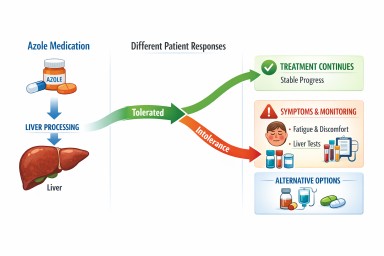
  • ✅ Consider a switch to another antifungal, like voriconazole or posaconazole.

  • ✅ Ask your team about co-infections, inhaled therapies, or lung physiotherapy.

  • ✅ Monitor your vitamin D, weight, and steroid use (to rule out other causes of symptoms).

  • Keep going — many people improve again with time, adjustments, and support.

🗣️ “I had a dip after three months. We checked my drug levels — they were low. After a small dose change, I felt better again.” — Patient story


💬 “Can CPA Be Cured?”

🩺 What Do We Mean by “Cure”?

In medicine, a cure usually means:

  • The disease is gone,

  • Treatment is no longer needed,

  • There’s no sign of the illness coming back.

But in CPA, a full cure is rare — because the conditions that allowed it to take hold usually remain.


⚠️ Why CPA Is Rarely “Cured” in the Traditional Sense

  • CPA often happens in lungs already damaged by:

    • Tuberculosis (TB)

    • COPD or emphysema

    • Bronchiectasis

    • Allergic bronchopulmonary aspergillosis (ABPA)
      These conditions are chronic and don’t disappear, even if the fungus is controlled.

  • Scars, cavities, and weakened lung tissue remain, and symptoms can return if antifungal treatment is stopped too soon or if reinfection occurs.


✅ So What’s a More Accurate Way to Think About It?

Instead of talking about a cure, specialists use words like:

Term What It Means
Clinical improvement You feel better, symptoms reduce, scans look more stable.
Stability The disease is under control — not progressing.
Remission The infection is quiet or inactive — with or without treatment.
Disease control Long-term treatment is helping manage the condition safely.

📌 Think of CPA like asthma or diabetes — not "gone," but often well controlled.


🟢 Sometimes — CPA can be cured

In a small number of people:

  • The fungus is cleared completely,

  • Symptoms resolve,

  • Antifungals are stopped and not needed again.

This is more likely when:

  • CPA is caught early,

  • The disease is limited to one area,

  • The person has otherwise healthy lungs.


🟡 For Most — CPA is treatable but long-term

You may not fully “get rid of it” — but you can:

  • Live well with it,

  • Keep symptoms under control,

  • Avoid major complications.


🔴 If untreated, CPA can progress

  • Damage spreads,

  • Bleeding may worsen,

  • General health may decline.

That’s why staying on treatment and having regular check-ups is so important.


🔪 What About Surgery?

Surgery can help in some cases — but it depends on your specific situation.

🟢 Surgery may help if:

  • You have a single aspergilloma (fungal ball).

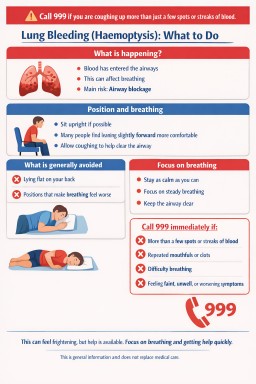
  • You're experiencing repeated bleeding (haemoptysis).

  • The lesion is growing or pressing on nearby structures.

  • Antifungals haven’t worked, or aren’t tolerated.

In these cases, removing part of the lung may stop bleeding, reduce symptoms, and improve quality of life.


🔴 Surgery may not be suitable if:

  • Disease affects both lungs or multiple areas.

  • Your lung function is too low.

  • The lesion is too close to vital structures.

  • You have underlying conditions like COPD, bronchiectasis, or ABPA that wouldn’t improve after surgery.

🩺 If surgery isn’t an option:

You may still benefit from:

  • Bronchial artery embolisation (BAE) — a non-surgical way to stop bleeding.

  • Ongoing antifungal therapy.

  • Symptom management through breathing support and physiotherapy.


💬 What Other Patients Say

Patient Story Outcome
“My fungal ball vanished after 6 months. I’m still on meds but doing well.” Stable with long-term itraconazole
“I plateaued, then improved again after switching drugs.” Switched to posaconazole
“I had surgery after coughing up blood for months. It made a huge difference.” Surgery successful
“I live with scarring, but I’m off meds now and stable.” Clinical remission

🧾 What You Can Do

  • ✅ Ask your doctor to check your itraconazole level if not already done.

  • ✅ Record weekly symptoms — cough, fatigue, breathlessness.

  • ✅ Ask about sputum tests for fungi or bacteria.

  • ✅ Discuss surgery or embolisation if you’re coughing up blood.

  • ✅ Stay hopeful — CPA is manageable, and some people do recover.


❤️ Final Thoughts

CPA is rarely curable in the strictest sense, but that doesn’t mean it’s hopeless.
Many people live full lives with the disease under control. Even if CT scans show lasting changes, what really matters is:
How you feel. How well you breathe. How stable your condition stays.

With antifungal therapy, expert care, and the right support, you are not alone — and you can feel better again.


🛡️ Choosing the Best Air Filter for Aspergillosis – Day & Night

Living with aspergillosis (such as ABPA, CPA, aspergillus bronchitis, or SAFS) means taking extra care to avoid airborne Aspergillus spores, which can be found both outdoors and indoors. One of the most effective ways to protect yourself at home is by using a high-quality air purifier.

This guide will help you choose a purifier that works for you — especially for bedroom use at night, where quiet operation is just as important as clean air.


🎯 Why Use an Air Filter?

  • Aspergillus spores are tiny (2–3 microns), invisible to the eye, and can remain airborne for long periods.

  • Indoor sources include dust, damp areas, stored food, compost, or even indoor plants.

  • A HEPA air purifier can trap these particles, helping reduce airway irritation, infections, or allergic reactions.


✅ What to Look For

Feature Why It Matters
True HEPA Filter Captures ≥99.97% of particles ≥0.3 microns — includes Aspergillus spores
Activated Carbon Filter Helps remove odours, gases, VOCs (optional bonus)
Room Size & CADR Clean Air Delivery Rate (CADR) should match or exceed your room’s size
Quiet Operation For night-time use, look for ≤25–30 dB (whisper-quiet)
Sleep Mode / Dim Lights Prevents disturbance from lights or fan noise overnight
Filter Replacement Easy to change, ideally with indicator for when to replace
No Ozone or Ionisers Avoids irritation to sensitive lungs — stick with mechanical HEPA filtration

🌙 Night-Time Friendly Options

Model Noise (dB) Room Size Notes
Blueair Blue Pure 411 Auto 17 dB Up to 35 m² Super-quiet, ideal for small bedrooms
Levoit Core 300S 24 dB Up to 40 m² Quiet, smart controls, affordable
Philips 3000i AC3033 25 dB Up to 104 m² Excellent for larger spaces, smart app
IQAir Atem Desk <22 dB Personal zone Ultra-quiet, high-quality for desks/bedsides
Dyson Purifier Cool ~24–32 dB Medium–large Stylish, also a fan, more expensive

Tip: Choose a unit slightly larger than your room size for best effect.


💡 Extra Tips for Aspergillosis Patients

  • Vacuum with a HEPA filter weekly

  • Keep humidity below 50% (use a dehumidifier if needed)

  • Avoid ionizers or ozone generators — these can irritate your lungs

  • Close windows at night during high pollen or spore seasons

  • Clean or change filters regularly (check manufacturer’s guide)


🛏 Night Setup Checklist

  1. Place the purifier 1–2 metres from your bed (not right next to your face)

  2. Use “Sleep Mode” or low fan for silent overnight cleaning

  3. Turn off indicator lights (if bright)

  4. Close doors and windows to keep clean air contained

  5. Replace filters every 6–12 months or as prompted


📌 Summary

Must-Have Features Optional but Useful
✅ True HEPA filtration 🌫 Activated carbon filter
✅ Quiet night mode (<25 dB) 📱 Smart controls or auto mode
✅ Right room size / CADR rating 🌡 Monitor for humidity or air quality
✅ No ozone, no ionizers 🔁 Filter change indicator

🗨️ Final Thought

For aspergillosis patients, an air purifier is a worthwhile investment in long-term lung health — especially in sleeping areas where your body is most vulnerable. Choosing the right device helps reduce exposure to fungal spores and improves quality of life, one breath at a time.


📁 Coping with Steroid Side Effects and Finding Balance: A Guide for Aspergillosis Patients

Living with chronic forms of aspergillosis—such as chronic pulmonary aspergillosis (CPA), allergic bronchopulmonary aspergillosis (ABPA), severe asthma with fungal sensitisation (SAFS), or Aspergillus bronchitis—often means taking corticosteroids like prednisolone or hydrocortisone. These powerful medicines can be life-saving, but they also come with physical and emotional side effects, especially at high doses or when taken over long periods.

This guide is here to support you with practical tips, patient stories, and advice on reducing steroids while maintaining your quality of life.


🔊 What Do Steroids Do?

Steroids reduce inflammation and calm overactive immune responses. They're commonly used in aspergillosis to:

  • Manage allergic reactions (e.g. in ABPA)
  • Control lung inflammation
  • Treat adrenal insufficiency or steroid withdrawal symptoms

🔁 Why Reducing Steroids Can Be So Difficult

Steroids are very effective but also powerful. Tapering the dose can cause:

  • Return of pain, fatigue, breathing problems, or inflammation
  • Steroid withdrawal symptoms (fatigue, low mood, joint pain)
  • Adrenal suppression if the body has stopped making its own cortisol

Many patients report:

“I reduced by 1mg and everything fell apart.” “I want to be on less, but life is unbearable when I try.”

You are not failing. Finding the right dose is a balance between lowering risks and keeping your life manageable.


🛋 Common Side Effects and What You Can Do

Side Effect Tips to Cope
Increased appetite Plan balanced meals, high-fibre snacks, drink water, be kind to yourself
Weight gain / swelling Gentle movement, reduce salt, try pressotherapy (discuss with your team)
Mood swings or anxiety Talk about it, track your feelings, ask about counselling or peer support
Insomnia Avoid caffeine late, consider timing of dose, try a calming bedtime routine
"Moon face" / puffiness Often fades when dose is reduced; hydrate and moisturise
Muscle/joint pain or weakness Gentle stretches, walking, low-impact activity, speak to a physio if needed
Bruising/thin skin Moisturise, protect from bumps, avoid strong detergents
Raised blood sugar Eat regularly, reduce sugary drinks, ask about monitoring if concerned
Bone thinning Ask about calcium, vitamin D, or bone-protecting medications
Adrenal suppression Never stop suddenly; always taper with a doctor's guidance

👥 Real Patient Stories and Analogies

🐻 Alison's Bears

“There are two bears inside me. Prednisone Bear is wild and wants to eat and sleep and snap. But Rusty McTravel Bear is my real self—gentle, curious, slowly trying to get back on the road. I’ve learned to recognise the first and nurture the second.”

🏎️ The Revving Car

“Being on steroids sometimes feels like a car with the engine revving but the brakes on. You’re buzzing, but you’re stuck. Try easing the brakes: take a walk, make tea, do something simple to use the energy.”


🚩 Finding Your Balance: When Less Isn't Always Better

✅ Go slow

  • Taper in small steps—as little as 0.5–1mg at a time
  • Wait several weeks between reductions

✅ Keep a steroid diary

  • Note dose, mood, sleep, symptoms, activity
  • This helps identify your "minimum effective dose"

✅ Accept that a small maintenance dose may be necessary

  • You are not failing if you need 2mg, 5mg, or 7.5mg long-term
  • The goal is a life worth living, not perfection

✅ Ask about alternatives

  • Inhaled steroids, antifungals, or biologics might help reduce systemic steroid use

✅ Consider adrenal testing

  • Especially if you feel unwell during tapering or on low doses

🛏️ Other Strategies That May Help

  • Pressotherapy for leg pain and swelling
  • Mindfulness or breathing exercises for anxiety or insomnia
  • Peer support (online or in person)
  • Short-term plans: some patients use a "rescue dose" plan for flare-ups
  • Talk to your care team: never reduce on your own without guidance

💼 Summary

Reducing or living with steroids is not just about doses. It’s about protecting your body and your sense of self. If a small daily dose keeps you functioning, that is not weakness—it’s balance.

You are not alone. Many in the aspergillosis community are navigating this same path.

“The right dose is the one where I can breathe, move, smile — and still feel like myself.”


🛡️ Staying Safe with Self-Treatment and Complementary Therapies: A Guide for Aspergillosis Patients

Living with a chronic condition like aspergillosis — whether chronic pulmonary aspergillosis (CPA), allergic bronchopulmonary aspergillosis (ABPA), severe asthma with fungal sensitisation (SAFS), or aspergillus bronchitis — can be exhausting. Many patients explore over-the-counter (OTC) products, natural remedies, or complementary therapies to gain a sense of control.

But how can you be sure a product or therapy is safe, effective, and not a waste of money?

This guide aims to help.


🔍 Why Do Patients Try Things on Their Own?

In many countries, it’s common to self-medicate or explore alternative treatments without consulting a healthcare professional. Reasons include:

  • Limited access to specialist care

  • Cultural norms that favour self-management

  • Easy access to remedies and supplements online or in shops

  • Feeling unheard or unsupported in mainstream medical care

Even in the UK, patients with aspergillosis may turn to:

  • Herbal products

  • Nutritional supplements

  • Creams or gels with capsaicin (chilli), turmeric, or menthol

  • Breathing techniques, steam inhalation

  • “Immune-boosting” diets or over-the-counter fungal cleanses

Some of these may be helpful — but not all are safe or worthwhile.


✅ Step 1: How to Check if a Product or Therapy Is Safe

Before trying anything new, ask:

1. Is it approved or regulated in the UK?

Medicines and certain creams should have a Product Licence (PL) number, issued by the Medicines and Healthcare products Regulatory Agency (MHRA).
You can check the licence on the MHRA product registry.

2. Could it interact with your prescribed medications?

  • Some herbal remedies affect azole antifungal drugs (like itraconazole or voriconazole) or oral steroids.

  • Ask your GP (General Practitioner), specialist, or pharmacist before combining treatments.

3. Is it safe to apply or inhale?

  • Never use essential oils, menthol, or herbal mixtures in a nebuliser unless clearly intended for lung use.

  • Avoid applying hot or irritating creams to broken or sensitive skin.

4. Is it mentioned in NHS guidance?

Stick to advice on:


⚠️ Watch Out for Red Flags

Be cautious of any product, practitioner, or website that:

🚩 Red Flag ⚠️ Why It’s a Concern
Claims to “cure” aspergillosis There is no cure — only long-term management
Says it’s “100% natural with no side effects” Natural products can still be harmful
Uses high-pressure sales tactics Legitimate care is never urgent or fear-based
Recommends stopping your prescribed treatment Stopping antifungals or steroids can be dangerous

🧪 Step 2: Look for Evidence, Not Just Testimonials

Some treatments are promising — but we need solid evidence to know they work.

✅ Good sources of trustworthy evidence:


💬 Can You Trust a Pharmacist?

Yes — in most cases, UK pharmacists are highly trained and regulated. However, there are two kinds to be aware of:

Type of Pharmacist What to Know
Retail Pharmacist May sell you products directly; still bound by safety standards
Clinical Pharmacist (in GP surgeries or hospitals) Focused entirely on clinical care and not sales-driven

Both are regulated by the General Pharmaceutical Council (GPhC) and must put patient safety first, regardless of sales.

🟢 Ask them:

  • “Will this interact with my medications?”

  • “Is this supported by NHS or NICE?”

  • “Would this be suitable for someone with CPA or ABPA?”


🧘 What About Complementary Therapies?

Some patients explore:

  • Acupuncture

  • Herbal medicine

  • Osteopathy or chiropractic

  • Reflexology or massage

  • Nutritional therapy

  • Mindfulness and yoga

These may help with:

  • Muscle or joint pain

  • Fatigue and sleep problems

  • Emotional stress or anxiety

They can complement your medical treatment — but should never replace it.

✅ Safe if:

  • Practitioner is registered with a reputable UK body

  • The therapy does not interfere with prescribed medications

  • It is used for symptom relief, not for “cleansing” or treating the infection

❌ Risky if:

  • It’s marketed as a cure for aspergillosis

  • It encourages you to stop medical treatment

  • It is expensive, secretive, or vague about its effects

Reputable UK Registers:

Practitioner Type Regulator / Body
Acupuncturists British Acupuncture Council (BAcC)
Herbalists National Institute of Medical Herbalists (NIMH)
Osteopaths General Osteopathic Council (GOsC)
Chiropractors General Chiropractic Council (GCC)
Nutritionists Association for Nutrition (AfN)

🧾 Summary: A Safer Way to Explore New Treatments

Do This Avoid This
Check the MHRA or NHS website Trusting social media or forums alone
Look for a PL number and regulated status Using unlicensed creams, drops, or nebuliser fluids
Ask your pharmacist or GP about interactions Assuming “natural” means harmless
Use one new treatment at a time Trying multiple new remedies together
Start with low doses or small trial sessions Buying expensive long-term “packages” up front

📘 Real Example: Using Capsaicin Cream for Pain

Some patients with back pain or joint discomfort have tried capsaicin cream (chilli-based), especially if they cannot tolerate non-steroidal anti-inflammatory drugs (NSAIDs) like ibuprofen.

✅ It’s safe for many people when:

  • Applied in small amounts to intact skin

  • Hands are washed after use

  • Used up to 4 times daily

  • Product is licensed (e.g. Zacin® 0.025%)

⚠️ It may cause a burning feeling for the first few days.
Avoid contact with eyes, mouth, or mucous membranes.

Ask a pharmacist before use — especially if you’re on steroids, have skin thinning, or are very sensitive to heat or irritation.


🗂️ Want to Learn More?


🌿 Living Well with Aspergillosis: Understanding the Role of Palliative Care

Many people think palliative care is only for those at the very end of life. But that’s a common misconception — especially for people living with aspergillosis, including chronic pulmonary aspergillosis (CPA), ABPA, or aspergillus bronchitis.

Palliative care is not about giving up. It’s about living better, with more comfort, dignity, and control — no matter how far along you are in your illness.


💬 What Is Palliative Care?

Palliative care is specialist medical support for people with serious, long-term, or life-limiting illnesses. It focuses on:

  • Managing symptoms like pain, breathlessness, or fatigue

  • Providing emotional and psychological support

  • Helping you plan ahead for the future

  • Supporting families and carers

✅ It can be given alongside antifungal or active treatments and is not limited to the last weeks or months of life.


🌟 How Can It Help People with Aspergillosis?

People living with aspergillosis often face unpredictable flare-ups, side effects from long-term treatment, hospital admissions, and emotional strain. Palliative care can help with:

✅ 1. Symptom Control

Manage persistent symptoms such as:

  • Breathlessness

  • Chest pain or discomfort

  • Coughing

  • Fatigue

  • Side effects from antifungal or steroid use

✅ 2. Emotional and Mental Health Support

Chronic illness can lead to anxiety, depression, or fear of decline. Palliative teams include trained counsellors and therapists.

✅ 3. Practical Support

Physiotherapists, occupational therapists, and social workers can help with equipment, managing daily tasks, and staying independent.

✅ 4. Family and Carer Support

Caring for someone with aspergillosis can be exhausting and emotionally tough. Palliative care includes carer support, respite advice, and bereavement services.

✅ 5. Planning Ahead

Advance care planning helps you express your wishes for future treatment, care, or emergencies — so your preferences are known and respected.


🧭 Who Can Receive Palliative Care?

Anyone with serious symptoms, emotional distress, or planning needs related to a chronic or progressive illness — even if you’re still on active treatment.

✅ Core criteria include:

  • Ongoing symptoms that are hard to control

  • Emotional or psychological distress

  • Progressive disease or declining health

  • Complex care needs for you or your family

  • Multiple hospital admissions or infections

Tools like the Supportive and Palliative Care Indicators Tool (SPICT) or your GP's Gold Standards Framework register may be used to support a referral, but your experience matters most.


❌ What If You’re Told “You’re Not Ready”?

If you’re told, “you’re not ready for palliative care yet,” remember:

  • Needing help now means you’re ready.

  • Palliative care is about quality of life — not prognosis.

  • It’s common for healthcare professionals to associate palliative care only with end-of-life, but that’s outdated thinking.

💬 What to Say

If dismissed, try:

“I understand palliative care is about improving quality of life at any stage. I’d really value support now with symptoms and planning ahead.”

Or:

“I’m not asking to stop treatment. I want help managing the impact this illness is having on my life.”

If needed, request a second opinion or contact your local hospice directly. Many offer advice even without a referral.


🕰️ When Should I Ask for Palliative Care?

The best time is as early as you feel you need extra support. Don't wait for a crisis.

Research shows that early palliative care:

  • Improves quality of life

  • Reduces hospital visits

  • Can even extend life in some cases

  • Helps you and your loved ones feel more in control


📞 How to Access Palliative Care

Step What to Do
1. Talk to your GP or hospital team Ask if there’s a palliative care or community team you can speak to. You don’t need to be near the end of life.
2. Ask about local services Find out if there’s a hospice outreach nurse, home visits, or symptom clinic nearby.
3. Contact a hospice directly Many offer support to people with respiratory conditions, even if you're not staying with them.
4. Ask for a holistic needs assessment You're entitled to one after being diagnosed with a serious or long-term condition. It can highlight unmet needs.
5. Reach out to charities and support lines See below for trusted sources of advice and emotional support.

🧭 Useful Contacts and Resources

  • Marie Curie Support Line: 0800 090 2309 – Emotional and practical advice

  • Macmillan Cancer Support: 0808 808 0000 – Also helps with non-cancer conditions like chronic lung disease

  • Hospice UK Directory: www.hospiceuk.org – Find your local hospice

  • NHS Website: www.nhs.uk – Search “palliative care” for general information

  • Compassion in Dying: www.compassionindying.org.uk – Advance care planning resources


💬 Final Thought

Palliative care is not about giving up — it’s about living well with support. For aspergillosis patients facing ongoing symptoms, uncertainty, or stress, this kind of care can be transformative.

📢 You have the right to ask for help. Don’t wait until someone tells you it’s time — the right time is when you feel you need it.


Acid Reflux and Lung Health: What Aspergillosis Patients Should Know

Living with aspergillosis already means managing delicate lung health — so when acid reflux (GERD) or silent reflux (LPR) starts affecting your breathing or causing discomfort, it’s important to know what’s going on and what can be done to help.

This article explains how reflux can impact the lungs, why it may be especially important for aspergillosis patients, and what steps you can take to reduce the risk of further lung irritation or damage.


🔄 What Is Acid Reflux?

GERD (Gastroesophageal Reflux Disease) occurs when stomach acid regularly flows back into the food pipe (esophagus). Sometimes, this acid can reach the throat or even be breathed into the lungs — especially during sleep — causing aspiration. This is more common than people think and is often silent (without heartburn).


🫁 Why Does It Matter for Aspergillosis?

For those with chronic pulmonary aspergillosis (CPA), ABPA, or aspergillus bronchitis, the lungs are already inflamed or damaged. Repeated exposure to stomach acid or bile from reflux can:

  • Worsen coughing and breathlessness

  • Mimic or worsen asthma and wheezing

  • Trigger new infections or inflammation

  • Possibly accelerate lung damage, especially if reflux goes untreated

  • Confuse your diagnosis (e.g. is it infection, inflammation, or reflux?)

In some cases, reflux and aspiration can contribute to lung conditions like bronchiectasis — which is often seen in people with aspergillosis.


🔍 Symptoms to Watch For

If you’re living with aspergillosis and experience any of the following, reflux could be playing a role:

  • Chronic cough or throat clearing

  • Wheezing not relieved by inhalers

  • Chest tightness or “burning” sensation

  • Sour taste in the mouth, especially in the morning

  • Hoarseness or sore throat

  • Waking up gasping or choking

  • Repeated chest infections

These symptoms may be worse after eating or when lying flat.


🧪 Diagnosing Reflux Aspiration

Ask your doctor about the following tests if reflux is suspected:

  • 24-hour pH and impedance testing: Measures acid and non-acid reflux

  • Barium swallow or endoscopy: Checks for structural issues

  • Lung function tests: Identify asthma-like patterns

  • CT scan: To detect aspiration-related changes like bronchiectasis

  • Sputum tests: To rule out infection


💊 Treatment Options (and What Helps Most)

Lifestyle Tips

  • Raise the head of your bed 6–8 inches

  • Avoid eating 2–3 hours before lying down

  • Eat smaller meals more frequently

  • Avoid reflux triggers (spicy, fatty, or acidic foods, caffeine, chocolate)

  • Maintain a healthy weight if possible

Medications

  • Proton Pump Inhibitors (PPIs) like omeprazole: reduce stomach acid

  • H2 Blockers like ranitidine or famotidine

  • Prokinetic agents: Improve stomach emptying (check local availability)

  • Always take reflux medications under medical guidance, especially if you’re also taking antifungals (to avoid drug interactions)

Surgical Options

  • Fundoplication: Strengthens the barrier between stomach and esophagus

  • LINX device: A newer, less invasive option using magnetic beads

These may be considered if reflux is proven and not controlled with medications.


🤝 A Joined-Up Approach: Respiratory + Gastro Teams

Many patients benefit most when their respiratory doctor and gastroenterologist work together. For example:

  • Treating reflux may improve cough and wheeze

  • Addressing aspiration may reduce lung infections

  • Reflux control may improve response to antifungal treatment

If you’re under a specialist for aspergillosis and have reflux symptoms, let them know — a referral to a gastroenterologist may be appropriate.


🧠 Summary: Reflux and Aspergillosis

Concern Reflux Connection
Cough and throat clearing ✅ Common sign
Worsening lung symptoms ✅ Possible
Chest infections ✅ Aspiration risk
Poor response to inhalers ✅ Reflux-related inflammation
Lung scarring/bronchiectasis ❗ Possible with repeated aspiration

🫶 You’re Not Alone

Many people with aspergillosis struggle with reflux or silent aspiration without realising it. The good news is that recognising the issue early — and getting the right help — can protect your lungs and improve your quality of life.

Speak to your team, keep a symptom diary, and don’t hesitate to push for answers. Every little improvement in reflux control helps your lungs, too.


Key Shifts to Reinvent the NHS - The 10 Year plan

The plan introduces three radical shifts to modernize the NHS and secure its future:

  1. 🏥 Hospital → Community

    • Build a Neighbourhood Health Service: community health centres open 6 days/week for 12 hours/day

    • Provide integrated care closer to home—GPs, diagnostics, mental health, rehab, dentists, pharmacists, and even social support

    • Aim to reduce reliance on hospitals and cut waiting lists

  2. 📱 Analogue → Digital

    • Transform the NHS App into a “doctor in your pocket”—for appointments, advice, care plans, and self-referral

    • Embed AI to reduce admin, transcribe consultations, and support clinical decision-making

  3. 🛡️ Sickness → Prevention

    • Emphasize early intervention through more health checks, screenings, vaccines, and public health services

    • Shift funding towards community and preventative care, away from reactive hospital-based services


🏗 Underpinning Measures

To support these shifts, the plan introduces:

  • A new operating model & statutory framework to streamline the NHS structure

  • Transparency and accountability through metrics and patient feedback

  • Workforce transformation, including new training and wellbeing support

  • Innovation strategy harnessing genomics, AI, and tech

  • Financial reform via value-based funding—where providers are rewarded for outcomes


🔍 What This Means for You

  • Access to GP advice and care should be faster and more local – with reduced “8 am scramble”

  • More services like scans, mental healthcare, rehab, smoking cessation, and job support delivered at local centres

  • Greater convenience—use the App to manage care, book appointments, or message clinicians

  • Stronger focus on staying healthy—through screening, prevention, and early treatment support


🧩 Challenges & Expert Views

  • Funding & staffing: A £29 billion investment is pledged, but staffing shortages and infrastructure needs remain concerns

  • Implementation: Organisations like the King’s Fund highlight the absence of operational details and worry pilot projects may lead to regional variation

  • Behavioural shift: Success depends on NHS culture evolving—from reactive treatment to proactive, tech-enabled care


✍️ Final Take

The 10‑Year Health Plan represents a transformative vision: bring care closer to home, empower patients digitally, and focus on prevention. With strong backing from Starmer and Health Secretary Streeting, it aims to reshape NHS services by 2035. While optimism is growing, the effectiveness of implementation and securing resources will determine whether it truly delivers for patients and staff.