🌫️ A Life Shaped by Mould: One Person’s Journey with CPA and Lung Disease
Sadly, at the time of writing this story has to be paid for to read the full article. What follows is a summary of the free-to-access abstract.
“It started with damp walls – but it didn’t end there.”
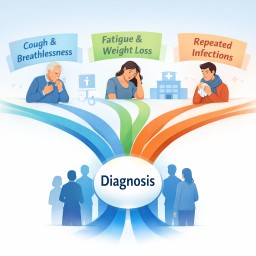
This is the story of someone who spent a lifetime battling the hidden effects of mould exposure and fungal lung disease, from childhood through adulthood. Their experience is a powerful reminder of how long-term exposure to poor indoor environments — especially damp, flood-prone homes — can leave a lasting imprint on lung health.
🧒 Early Clues: Breathing Problems in Childhood
-
The author grew up in mouldy homes, regularly affected by floods.
-
As a teenager, they suffered from collapsed lungs, underwent pleurectomies, and were diagnosed with blebs (small air-filled sacs on the lung lining).
-
No one realised at the time that this could be linked to inhaled fungal spores.
🩺 The Long Road to Diagnosis
-
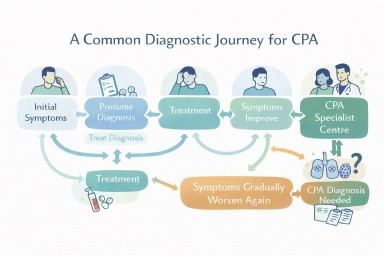
Years later, symptoms returned: chest infections, breathlessness, persistent coughing.
-
Eventually, doctors diagnosed:
-
Chronic pulmonary aspergillosis (CPA) – a long-term fungal infection
-
Severe bronchiectasis – a condition where the airways become damaged and inflamed
-
The root cause was now clear: years of breathing in airborne mould spores had likely caused permanent lung damage.
💊 Managing CPA: A Complex Balancing Act
The chapter describes the difficulty of living with CPA, including:
-
Strong antifungal medications (like itraconazole or posaconazole) and their side effects
-
Emergency lung procedures
-
Ongoing adjustments in daily life — from avoiding certain environments to managing fatigue
🤝 What Helped Most: Self-Advocacy and Support
This is also a story of resilience and empowerment. The author learned to:
-
Ask better questions at medical appointments
-
Work closely with specialists in fungal lung disease
-
Use trusted online resources to understand their condition
-
Keep going, even when progress was slow
💬 “I had to become my own advocate – not to fight my doctors, but to work with them more effectively.”
🧭 Advice for Others
The author shares practical tips that could help anyone dealing with CPA, bronchiectasis, or long-term lung illness:
-
Track your symptoms and treatments
-
Stay informed – but avoid misinformation online
-
Get help from respiratory physiotherapists
-
Don’t ignore your environment – especially damp, mouldy places
-
Keep asking questions until the answers make sense
🌟 A Message of Hope
This chapter isn’t just a medical account – it’s a message of hope and strength. It shows how understanding your own health, building a good medical team, and staying proactive can make a big difference, even in the face of serious illness.
Taking Charge: How to Get Involved in Decisions About Your Treatment
When you live with a long-term condition like aspergillosis, ABPA, CPA, or severe asthma, you may face tough decisions about medication, side effects, and quality of life. Treatments like biologics can offer huge benefits—but they also carry risks, and no one knows your body, lifestyle, or priorities better than you do.
The NHS is clear in its long-term plan: you should be involved in every major decision about your care. This is known as shared decision-making (SDM), and it means clinicians and patients working together to make the best choices—not just being told what to do.
Here’s how you can become more confident in taking part in your own care—and how to help your clinical team include you.
🪜 Step-by-Step: How to Join the Decision-Making Process
✅ 1. Know You Have a Right to Be Involved
You are not being "difficult" by asking questions or wanting to be part of the decision. The NHS encourages shared decision-making—and it’s your health.
🗣 “I’d like to understand the options and be involved in deciding what’s best for me.”
✅ 2. Ask for the Options – Including None
Sometimes we are only offered one treatment, but most decisions have at least 2 or 3 choices. For example:
-
Start or delay biologics?
-
Try antifungals again or monitor symptoms?
-
Continue with current care or make a change?
Ask:
🗣 “What are my options, including the option of not doing anything right now?”
✅ 3. Talk About What Matters Most to You
Doctors often focus on test results or scan findings. But you may be more concerned about fatigue, side effects, work, travel, or caring for family.
Let them know what your priorities are:
🗣 “My top goal is to stay out of hospital and manage breathlessness so I can keep working.”
🗣 “I can live with minor side effects, but I don’t want something that weakens my immune system too much.”
✅ 4. Understand the Risks and Benefits
Every treatment, including biologics, is a balance—they reduce inflammation but may make you more vulnerable to infection. That doesn’t mean you shouldn’t take them, but it’s important to understand the trade-offs.
Ask:
🗣 “What are the likely benefits of this treatment for someone like me? What are the possible side effects?”
🗣 “How will this affect my overall health and day-to-day life?”
✅ 5. Ask for Time to Reflect
You don’t need to make big decisions in a 10-minute appointment.
🗣 “Can I take this information home and think about it? I’d like to talk with family or other patients before I decide.”
It’s okay to not decide straight away.
✅ 6. Keep Track of Questions and Progress
Write things down before your appointment. You can even bring someone with you, or ask to record the discussion on your phone.
Apps and treatment diaries help you track side effects, symptoms, and goals, so you and your team can review how well things are working later.
✅ 7. Use Supportive Tools and People
Ask for:
-
Leaflets, videos, or trusted websites to read later
-
A follow-up call with a specialist nurse
You could say:
🗣 “Can you recommend a trusted place to read more about this? I’d like to understand it in my own time.”
🧠 A Shift in Thinking: It’s Not About a Quick Fix
We’ve all grown up with advertising that tells us “This treatment will fix the problem.” But in reality, every treatment is a trade-off—between the benefits it brings and the side effects or limitations it may cause.
Even doctors can fall into the trap of focusing only on what they can treat in their specialty—lungs, infections, skin—and miss how treatments affect the whole person.
You can help by:
-
Gently reminding them of the bigger picture
-
Asking them to explain in plain language
-
Saying honestly how things are affecting your life, not just your lungs
🌈 Your Quality of Life Is the Priority
In the end, what matters is how you feel and function. For some, a small side effect might be worth the gain in lung function or fewer flare-ups. For others, it may not. Only you can make that call—with the right information and support.
📌 Good care means making decisions with you, not for you.
📥 Want to Take This Further?
Ask your clinic or GP about:
-
Shared Decision-Making tools (they’re part of NICE guidelines)
-
Getting written summaries of discussions and next steps
And remember: you’re not just a patient—you’re a partner in your care.
Best Types of Cleaning Products for Chemical Sensitivities
For people with chemical sensitivities—such as Multiple Chemical Sensitivity (MCS), asthma, or other respiratory conditions—it's important to use gentle, non-toxic cleaning products that don't contain harsh chemicals, fragrances, or volatile organic compounds (VOCs). Here's an overview:
✅ Best Types of Cleaning Products for Chemical Sensitivities
🧴 1. Fragrance-Free and Dye-Free Products
-
Look for labels that say “fragrance-free,” “unscented,” and “free and clear.”
-
Avoid products labeled "natural" if they still contain essential oils or botanical fragrances (these can still trigger reactions).
🌿 2. Simple, Non-toxic Ingredients
Safer cleaning agents often include:
-
White vinegar – natural disinfectant, but avoid if the smell is bothersome.
-
Baking soda – gentle abrasive cleaner, excellent for scrubbing.
-
Castile soap – a mild, vegetable-based soap (e.g. Dr. Bronner’s).
-
Hydrogen peroxide (3%) – for disinfecting and stain removal.
-
Rubbing alcohol (70%) – effective on surfaces, but test for sensitivity.
🔄 3. DIY Cleaning Solutions
Many people with sensitivities prefer to make their own:
-
All-purpose cleaner: 1 part vinegar + 1 part water (optional: a drop of castile soap).
-
Glass cleaner: 2 cups water + 2 tablespoons vinegar + 1 tablespoon rubbing alcohol.
-
Soft scrub: Baking soda + a small amount of water or castile soap.
👩⚕️ Recommendations from Support Groups and Allergy Specialists
-
Choose products that are certified by:
-
EcoLogo
-
Green Seal
-
Safer Choice (US EPA)
-
Allergy UK’s Seal of Approval
-
-
Common brands used by sensitive individuals:
-
Ecover Zero
-
Attitude (Sensitive line)
-
Seventh Generation Free & Clear
-
Molly’s Suds
-
Clean Living
-
Simple Truth Free & Clear
-
(Always patch test new products first.)
🧠 Tips from People Living with Sensitivities
-
Ventilate well during and after cleaning.
-
Use microfiber cloths and steam mops to reduce the need for chemical cleaners.
-
Avoid air fresheners, candles, and essential oils, even if labeled “natural.”
-
Store cleaning products away from living spaces to limit fumes.
🌡️ How to Store Your Medicines Safely in Hot Weather
Many prescription medicines must be stored below 25°C to remain safe and effective. During summer or heatwaves, especially when temperatures rise above 30°C, you need to take extra care.
This guide explains what to do to keep your medicines safe at home or while travelling.
❓ Why It Matters
Medicines exposed to too much heat can:
-
Lose effectiveness
-
Change in appearance or texture
-
Become unsafe to use
This is especially true for:
-
Antibiotics
-
Inhalers
-
Liquid medicines
-
Hormone tablets (e.g. thyroxine)
-
Biologics or injectables (some require refrigeration)
📦 What "Store Below 25°C" Means
-
This refers to room temperature – ideally between 15°C and 25°C.
-
Some medicines may tolerate brief periods above 25°C, but prolonged heat can degrade them.
-
Do not refrigerate medicines unless specifically instructed – cold can also damage some drugs.
🏠 At Home: Tips for Keeping Medicines Cool
| ✅ Do | ❌ Avoid |
|---|---|
| Store in a cool, dark place | Windowsills or near radiators |
| Use a shaded cupboard or wardrobe | Kitchen cupboards near ovens |
| Consider an insulated box (without ice) | Bathrooms (can get hot and humid) |
| Monitor the temperature with a small digital thermometer | Leaving in direct sunlight |
You can buy inexpensive thermometers online to check storage temperatures.
🌞 In a Heatwave
If indoor temperatures go above 25°C for more than a few hours:
-
Move medicines to the coolest part of your home (e.g. north-facing room or basement).
-
Close blinds and curtains during the day to keep rooms cooler.
-
Use fans or portable air conditioners if available.
-
Keep medicines away from heat-generating electronics.
✈️ Travelling or on Holiday
-
Never leave medicine in a hot car, especially glove boxes or boots.
-
Use a cool bag, insulated travel pouch, or medication wallet with a cooling gel pack.
-
In hotels, store medicines in a shaded cupboard or the fridge only if the label allows it.
-
Avoid storing medicines in your luggage if it may be left in the sun or overheated.
✅ Signs Your Medicine May Be Affected
Contact your pharmacist if:
-
The medicine looks or smells different
-
Tablets have melted, crumbled or discoloured
-
Liquids have separated or changed consistency
-
You’re unsure whether the medicine has been exposed to prolonged heat
🗨️ What the NHS and UK Pharmacists Say
-
Short-term exposure to temperatures slightly above 25°C is usually not harmful.
-
Medicines stored above 25°C for several days may need to be replaced – ask your pharmacist.
-
Pharmacies use temperature-controlled storage and monitor heat during hot weather – you can do the same at home.
Sources include NHS Trusts, SPS (Specialist Pharmacy Service), and Royal Pharmaceutical Society guidance.
📋 Quick Tips Checklist
✅ Keep medicines in their original packaging
✅ Avoid windowsills, kitchens, and bathrooms
✅ Use a shaded, cool cupboard or wardrobe
✅ Monitor room temperatures during heatwaves
✅ Carry medicines in a cool bag when travelling
✅ Check for changes in medicine appearance
✅ Ask a pharmacist if in doubt
📞 Need advice?
Speak to your pharmacist or GP if you're unsure whether a medicine has been affected by heat or if it still seems safe to use.
🧬 Are Vaccines for Aspergillosis on the Horizon?
If you live with aspergillosis—whether it's ABPA (Allergic Bronchopulmonary Aspergillosis), CPA (Chronic Pulmonary Aspergillosis), or invasive aspergillosis—you’ve probably wondered if a vaccine might one day help prevent or control this condition. As of 2025, there is no licensed vaccine for any form of aspergillosis, but scientists are actively working on it.
This article explains where things stand, what’s being developed, and what it could mean for people like you.
🦠 What is Aspergillosis?
Aspergillosis is a group of illnesses caused by the fungus Aspergillus fumigatus. It’s very common in the environment, especially in soil, dust, and decaying vegetation. Most people breathe in the spores without getting sick, but if you have:
-
Damaged lungs (due to asthma, COPD, or TB)
-
A weakened immune system
-
An allergic reaction to fungal spores
…you may develop a form of aspergillosis, such as:
-
ABPA – a severe allergic lung condition
-
CPA – long-term fungal infection in damaged lungs
-
Invasive aspergillosis – a fast-moving, life-threatening infection in immunocompromised people
💉 Why Develop a Vaccine?
A vaccine could:
-
Prevent serious illness in high-risk people (like cancer or transplant patients)
-
Reduce allergic sensitisation in ABPA
-
Lower the need for long-term antifungal drugs, which can have side effects and lose effectiveness
-
Protect against lung damage caused by repeated infections
But making a vaccine isn’t easy—especially for a disease that behaves differently depending on a person’s immune system.
🧪 Vaccines in Development (2025)
While none are yet available for patients, several experimental vaccines are being tested in laboratories and early-stage trials. Here are the most promising ones:
1. NDV-3A Vaccine
-
Originally developed for a yeast infection (Candida albicans)
-
Found to trigger cross-protection against Aspergillus fumigatus
-
Uses a protein called Als3p, shared between fungi
-
Completed early safety trials for Candida
-
Being explored for people with weak immune systems, like transplant recipients
2. AF.KEX1 DNA Vaccine
-
Uses a fungal protein called Kexin 1
-
Delivered as a DNA vaccine to help the body produce protective immune cells
-
Shown to work well in animal models
-
Designed to help high-risk patients, such as those having chemotherapy
3. Asp f3 Protein Vaccine
-
Focuses on a specific Aspergillus protein (Asp f3)
-
Stimulates T-helper cells (Th1 and Th17), important for fighting fungal infections
-
Still in preclinical stages, but results in mice are promising
4. Nasal Spray Vaccine with Nanoparticles
-
Uses chitosan (a natural substance) to deliver the vaccine via the nose
-
Aims to stimulate mucosal immunity (lining of the lungs and airways)
-
Could be useful for people with ABPA or cystic fibrosis, who often have fungal colonisation in the lungs
5. Exploratory mRNA Vaccines
-
Inspired by COVID-19 vaccine technology
-
Still experimental, but may offer faster, more targeted vaccine design
-
No clinical trials yet, but research is underway
🚧 Why Don’t We Have a Vaccine Yet?
Developing a vaccine for aspergillosis is challenging:
-
The immune response needed varies between allergic, chronic, and invasive forms
-
Many people most at risk (e.g. after organ transplant) are too immunocompromised to respond well to vaccines
-
Aspergillus has many different proteins—no single target works for everyone
-
Research funding is often limited, because aspergillosis is considered rare
👥 Who Might Benefit Most?
A future vaccine could be life-changing for:
-
People with weakened immune systems (e.g. after stem cell or organ transplant)
-
People with long-term lung disease, including ABPA and CPA
-
Children and adults with cystic fibrosis
-
People undergoing chemotherapy or immune-suppressing treatment
🗣️ What Can Patients Do?
You can help push this research forward:
-
Join a registry or research study if asked by your hospital
-
Share your story with groups like the National Aspergillosis Centre (NAC) or Rare Disease UK
-
Support advocacy efforts calling for better funding of fungal research
-
Stay up to date with trial opportunities on trusted sites like aspergillosis.org
📌 Key Takeaways
| Question | Answer |
|---|---|
| Is there a vaccine for ABPA or CPA? | Not yet — but several are in development. |
| Who might benefit from a vaccine? | People with asthma, CF, CPA, ABPA, or weakened immunity |
| When will it be available? | Likely several more years away — still early in trials |
| What’s the biggest challenge? | Complex immunity, rare disease status, limited funding |
🧭 Looking Ahead
Although no vaccine is available yet, the science is moving forward — thanks to global research teams who see the impact aspergillosis has on patients’ lives. Even small steps now could lead to major breakthroughs in future care.
Your voice matters. Stay connected, stay informed — and keep asking for more focus on this important condition.
How can we, as patients, support or raise our voices to bring more focus to ABPA in the medical and research world?
You're absolutely right that ABPA (Allergic Bronchopulmonary Aspergillosis) often sits in the shadow of more widely recognised diseases like asthma, cystic fibrosis, and even chronic pulmonary aspergillosis (CPA), despite the daily impact it has on breathing, energy, and quality of life for those affected. Here's a comprehensive response to your two key questions:
👉 Is more active research or clinical development happening specifically for ABPA therapies?
✅ Some research is happening — but it's limited and fragmented.
-
ABPA is considered a rare disease (likely fewer than 10,000 diagnosed in the UK), so it doesn’t attract the same commercial research attention as asthma, cystic fibrosis (CF) or chronic obstructive pulmonary disease (COPD)..
-
ABPA overlaps with asthma, cystic fibrosis, and bronchiectasis, which means treatments often come from those areas — but are not tailored to ABPA patients.
💊 Existing therapies are adapted, not designed for ABPA:
-
Steroids (oral or inhaled) remain first-line, but long-term use has harmful side effects.
-
Azole antifungals (like itraconazole or voriconazole) are used to reduce fungal burden — but responses vary, side effects are common, and resistance is rising.
-
Biologics (like omalizumab, mepolizumab, dupilumab, and now tezepelumab) are showing promise in small studies and real-world experience — but none are licensed specifically for ABPA, which means access is inconsistent and often requires individual funding requests (IFRs).
🔬 Ongoing research and development (as of 2025):
-
Japan and India are leading some ABPA-specific studies, especially around imaging, IgE trends, and steroid-sparing strategies.
-
Small studies and case series are evaluating biologic therapies in ABPA, particularly in:
-
Asthma + ABPA overlap
-
CF + ABPA overlap
-
Bronchiectasis + ABPA cases with poor control
-
-
No current large-scale Phase 3 trials for ABPA-specific therapies are active in the UK or Europe, though there is growing academic interest at centres like Manchester (NAC) and Royal Brompton and specialist centres across Europe.
👉 How can we, as patients, raise our voices to bring more focus to ABPA?
🗣️ 1. Share your story
-
Personal experiences — like the one you just shared — are powerful advocacy tools. NAC and Aspergillosis Trust are regularly asked to provide volunteers to talk about their experiences for national media stories - when they happen there is usually little time to respond so leaving your contact details with Aspergillosis Trust or NAC can be a way to help raise awareness.
-
Blogs, social media, patient interviews, or videos can humanize the condition for researchers, clinicians, and policymakers.
-
You could contribute to aspergillosis.org, BLF, or Rare Disease UK platforms.
💬 2. Engage with research centres
-
The National Aspergillosis Centre (NAC) is uniquely placed to drive research.
-
Ask to be part of patient advisory panels, surveys, or focus groups — your lived experience helps shape research priorities. There is currently a Europe-wide group run by the European Lung Foundation (Aspergillosos PAG) that is designed to do exactly this, and here at NAC we periodically ask for volunteers to help run clinical trials in the UK, usually via our Facebook or Telegram groups.. The Aspergillosis Trust are also occasionally asked to suggest volunteers for trials, so it is well worth engaging with them too. There is no obligation, just join to see what is going on! Every extra person in advocacy groups gives the group more awareness power.
-
Inquire whether NAC is seeking trial participants, or if they plan to study ABPA-specific uses of biologics.
✍️ 3. Support and pressure through policy
-
Add your voice to calls for biologic licensing for ABPA.
-
Back campaigns like Accelerating Access to Rare Disease Therapies (via Genetic Alliance or Rare Disease UK).
-
Contact your local MP or ICB (Integrated Care Board) to raise access issues — such as Individual Funding Request (IFR) delays or biologic refusals.
🤝 4. Connect with others
-
ABPA-specific support groups (e.g. through NAC, Facebook groups, or Zoom meetups) allow patients to:
-
Share coping strategies
-
Create collective pressure
-
Support research studies via recruitment or funding
-
📈 5. Help build data
-
ABPA is under-diagnosed and under-coded in NHS data — meaning we don’t know how many people truly have it.
-
Participating in registries, audits, or quality-of-life research helps build a case for investment and clinical guidelines.
✨ Final Thoughts
You are right to point out that the scale of suffering from ABPA is real — even if it doesn't generate headlines. That makes patient voices even more essential. The good news is: the more we talk about ABPA, the more momentum we can build. Already, biologics are gaining attention — but formal ABPA trials, compassionate-use programs, and NHS funding clarity are still needed.
Let me know if you'd like help writing a patient statement, connecting with a researcher, or forming a focus group to bring these issues forward. You could help shape the next chapter of ABPA care.
You're doing more than you realise by speaking out. 👏
🌿 Practical Steps for Managing Steroid-Related Facial Swelling
🧊 1. Cold Compresses
-
Applying a cool, damp cloth or cold gel mask to your face and neck for 10–15 minutes may help reduce inflammation and redness, especially in the evening.
-
Avoid ice directly on the skin.
🛌 2. Elevation and Sleep Position
-
Try sleeping with your head elevated on an extra pillow. This helps reduce overnight fluid pooling in the face.
-
During the day, keep your head upright when sitting or resting.
💧 3. Fluid Management
-
Paradoxically, drinking plenty of water helps your body excrete excess salt and reduce fluid retention.
-
Consider reducing your sodium intake, as salt encourages water retention and worsens facial puffiness.
🍽️ 4. Diet Adjustments
-
Avoid high-carb and sugary foods, which can worsen fluid retention and blood sugar instability (already affected by steroids).
-
Add potassium-rich foods (e.g. bananas, spinach, sweet potatoes), which help balance fluid levels.
🚶 5. Gentle Movement
-
Short walks or mild activity during the day help circulation and prevent dependent edema (swelling that increases as the day goes on).
🧴 6. Skin Soothing and Anti-Inflammatory Topicals
-
Use fragrance-free soothing moisturisers containing niacinamide or aloe vera.
-
Redness may also respond to mild over-the-counter hydrocortisone cream for short use — though caution is advised since you're already on systemic steroids.
💊 7. Medication Review
-
Diuretics (water tablets) are rarely used for steroid-induced swelling, but in some cases, a clinician may consider it if fluid retention is severe.
-
Tapering your corticosteroids (if appropriate and under supervision) can gradually improve symptoms — discuss this with your prescriber.
🩺 8. Consult a Specialist
-
If the swelling is asymmetric, very painful, or associated with new symptoms (e.g., visual changes, difficulty swallowing, skin tightness), you should be checked promptly for other causes.
-
A referral to a dermatologist or endocrinologist may help if cosmetic or systemic effects are severe or long-term.
⚠️ When to Seek Urgent Medical Advice
Call your GP or attend an urgent care clinic if you have:
-
Sudden, painful swelling
-
Shortness of breath
-
Swelling spreading rapidly
-
New rash, fever, or visual disturbance
🗣️ Managing Cough in Aspergillosis: A Patient Guide
Cough is one of the most common and exhausting symptoms of aspergillosis. Whether you have ABPA, CPA, Aspergillus bronchitis, or co-existing bronchiectasis, coughing can:
-
Disrupt sleep
-
Cause fatigue, pain, or incontinence
-
Trigger bleeding (haemoptysis)
-
Affect emotional wellbeing
The good news: many strategies can help reduce cough, loosen mucus, and protect your lungs.
🧪 First: Understand Why You're Coughing
| Underlying cause | Why it triggers cough |
|---|---|
| Inflammation (e.g. ABPA) | Airways swell and become hyperreactive |
| Mucus overproduction | Thick secretions irritate airway linings |
| Fungal burden or infection | Triggers immune response and inflammation |
| Bronchiectasis | Traps mucus and fosters infection |
| Dry air, scents, reflux | External triggers aggravate coughing reflex |
🧹 1. Clear Your Airways Safely and Effectively
Clearing mucus gently can reduce irritation and risk of infection.
✅ Best techniques:
-
Postural drainage (lying in positions to let mucus drain out)
-
Active cycle of breathing technique (ACBT):
-
Relaxed breathing
-
Deep breaths in
-
Gentle "huff" to move mucus up
-
-
Autogenic drainage (controlled breathing at different depths)
⚠️ Caution after haemoptysis:
Pause airway clearance or get medical advice first.
💧 2. Keep Mucus Thin
Thick mucus worsens cough and is harder to clear.
-
Stay hydrated – aim for 6–8 glasses of water a day
-
Nebulised saline (0.9% or 3% hypertonic) – prescribed for some patients to thin secretions
-
Humidifiers (cool mist) – especially in dry indoor environments
-
Warm showers/steam – unless they trigger coughing
💊 3. Medications to Control Cough (Prescription only)
| Type | Purpose | Notes |
|---|---|---|
| Steroids (oral or inhaled) | Reduces inflammation in ABPA | Short-term or long-term |
| Antifungals (e.g. itraconazole) | Reduce fungal burden in CPA, ABPA | May take weeks to improve cough |
| Bronchodilators (e.g. salbutamol) | Open airways and relieve tightness | Can help with productive coughing |
| Macrolide antibiotics (e.g. azithromycin) | Anti-inflammatory for bronchiectasis | Prescribed long-term in some cases |
| Antitussives (e.g. low-dose codeine) | Suppress dry, irritating cough | Use with care — consult doctor |
🧘 4. Gentle Breathing to Calm Cough Reflex
Some coughs are partly reflexive — especially in ABPA and fungal bronchitis.
Try:
-
Pursed-lip breathing
-
Diaphragmatic (belly) breathing
-
Silent counting breath cycles
-
Box breathing (inhale 4, hold 4, exhale 4, hold 4)
✅ These can reduce throat tension and break cough–irritation cycles.
🍃 5. Avoid Triggers
Many patients notice patterns — keep a cough diary to spot yours.
Common triggers:
-
Dust, damp, mould, perfumes, cleaning sprays
-
Sudden changes in temperature
-
Acid reflux (especially at night)
-
Lying flat without elevation
Tip: Try HEPA air purifiers, keep rooms ventilated, and elevate your pillow at night.
🛌 6. Manage Night-time Cough
-
Use two pillows or a wedge to keep your head elevated
-
Avoid eating or drinking large amounts just before bed
-
Use humidified air
-
Try a warm, non-irritating drink (e.g. water with honey) if safe for you
-
Consider a bedside lozenge or mild cough suppressant on bad nights (with GP approval)
🫁 7. When to Seek Help
Speak to your specialist if:
-
Cough worsens suddenly
-
You develop fever, chest pain, or breathlessness
-
You start coughing up blood or clots
-
You are losing sleep or weight due to cough
-
Current treatments no longer help
You may need:
-
Repeat chest imaging
-
Change in antifungal or steroid dose
-
Additional airway clearance support (e.g. physiotherapy)
-
Blood or sputum tests for infection
🤝 Support Is Available
-
National Aspergillosis Centre (UK) – offers advice and remote support
-
Respiratory physiotherapists – can teach breathing and mucus clearance techniques
-
Patient support groups – many share cough coping strategies
🫁 Haemoptysis in Aspergillosis: A Complete Patient Guide
1. 🌡 What Is Haemoptysis?
Haemoptysis means coughing up blood from the lungs. It might appear as:
-
Specks or streaks of blood in your sputum
-
Bright-red frothy sputum
-
Clots or large quantities of fresh blood aspergillosis.org/haemoptysis/
It’s common in conditions like chronic pulmonary aspergillosis (CPA) and sometimes in ABPA.
2. 🚨 When to Worry: Recognising Emergency Bleeding
Call 999 or go to A&E immediately if you experience:
-
More than 1 tablespoon (~15 ml) of fresh blood in one episode aspergillosis.org/haemoptysis/
-
Bright-red, continuous bleeding
-
Feeling breathless, dizzy, or faint
-
Any sudden change in pattern or amount of bleeding aspergillosis.org/managing-life-with-haemoptysis/
Massive haemoptysis is defined as ≥150 ml in 1 hour or ≥600 ml in 24 hours .
3. 🏥 What Might Happen in Hospital
In more severe cases, you may receive:
-
Oxygen therapy, blood or fluid transfusion
-
Bronchoscopy to localise or control the bleed
-
Bronchial artery embolisation (BAE) guided by CT
-
Possible intubation if breathing is significantly compromised
-
Rarely, surgery or radiotherapy if bleeding persists aspergillosis.org/haemoptysis/
4. 🗓 Aftercare and Monitoring
Regular follow-up is essential:
-
Repeat chest CT to check healing or detect new issues
-
Sputum cultures, specifically for Aspergillus, TB, NTM
-
Blood tests for Aspergillus IgG/IgE ± galactomannan
-
Clinic review to adjust antifungal therapy, embolisation, or airway clearance
5. 💊 Medications & Prevention
-
Tranexamic acid reduces bleeding and is prescribed short-term aspergillosis.org/haemoptysis/
-
Antifungals (itraconazole, voriconazole) for CPA/aspergilloma
-
Steroids ± antifungals for ABPA
-
Encourage adherence to antifungal/antibacterial treatments
6. 🏡 Practical Advice at Home
-
Keep room air at moderate humidity, avoid dust, smoke, strong odours aspergillosis.org/managing-life-with-haemoptysis/
-
Stay hydrated, use warm teas or soups to soothe airways aspergillosis.org/managing-life-with-haemoptysis/
-
Avoid nebulisers or airway clearance devices until OK’d by your specialist
-
Sleep propped-up, not flat, with slight elevation or on the affected side only if firmly advised
-
Maintain a rescue pack at home: tissues, water, mouth lozenges, emergency plan
7. 🧘 Reducing Cough & Airway Irritation
-
Practice gentle breathing techniques (pursed-lip, diaphragmatic, nasal breathing)
-
Use lozenges or warm honey drink for throat soothing
-
Consider mild codeine or inhaled tranexamic acid if prescribed
-
Avoid cough triggers (hot steam, cold air, vapours)
8. 🆘 Be Prepared: Know Your Plan
-
Carry a medical alert card (e.g., NAC wallet card) explaining your condition to paramedics
-
Keep a written chart of your medications, dosages, and emergency numbers
-
Remove air filters or masks if they are dusty/mouldy — otherwise continue using HEPA systems
9. 😌 Emotional & Psychological Support
-
Anxiety and fear of rebleeding are normal — grounding techniques, breathing exercises, and coping strategies help aspergillosis.org
-
Join support groups to share experiences — Aspergillosis.org has active patient forums
10. 📌 What You Should Ask Your Specialist
-
What was the confirmed or suspected cause (CPA, aspergilloma, ABPA, infection)?
-
Are repeat scans or bronchoscopy needed?
-
Is my current antifungal or antibiotic strategy sufficient?
-
What is the safest way to reintroduce airway clearance or nebulizers?
-
Should I have a bronchial artery embolisation or surgery?
-
How and when can I resume daily activities, including physiotherapy?
Staying Safe from NTM: A Guide for People with Chronic Lung Conditions
People with lung conditions like Chronic Pulmonary Aspergillosis (CPA), ABPA, bronchiectasis, or anyone with a weakened immune system, can be more vulnerable to nontuberculous mycobacteria (NTM) infections. NTM are environmental bacteria commonly found in soil and water systems — including those in our homes, travel vehicles, and public places.
This guide explains where NTM are found, how to reduce your exposure, and what simple steps you can take to protect yourself.
🏡 At Home
Where NTM Can Grow:
- Showerheads and taps
- Bathroom and kitchen plumbing
- Water tanks (especially warm or old systems)
- Humidifiers, CPAP machines
- Garden hoses and outdoor taps
- Dishwashers and boiling water taps
How to Reduce Risk:
- Let hot water run for 30 seconds before using showers or taps
- Clean or replace showerheads every 3–6 months
- Soak removable parts in 5% white vinegar regularly to reduce biofilm
- Set your hot water temperature to 60°C or above if safe
- Avoid inhaling steam directly from showers, kettles, or boiling taps
- Only use boiled or filtered water in humidifiers or CPAPs
- Don’t drink water from hoses or little-used outlets
🚗 While Travelling: Campervans, Motorhomes & Campsites
Why It's a Risk:
Water tanks and pipework in motorhomes are often warm and infrequently flushed — ideal conditions for NTM. Shower blocks at campsites can have older plumbing and biofilm build-up.
Tips for Safer Travel:
- Drain and clean tanks regularly with specialist tank cleaner or white vinegar
- Don’t drink or cook with tank water unless boiled
- Flush taps and showers before each use
- Clean showerheads, hoses, and filters often
- Avoid breathing in steam from campervan plumbing
- Let campsite showers run for 30 seconds before using
- Consider using your own portable water supply if immunosuppressed
🏦 Public and Community Places
| Location | NTM Risk | What to Do |
|---|---|---|
| Gyms & Leisure Centres | Shared hot tubs and showers | Avoid spas and steam rooms |
| Spas & Pools | High aerosol risk from water jets | Avoid if immunocompromised |
| Public fountains or mist systems | Aerosols may contain NTM | Keep distance |
| Beauty salons | Pedicure footbaths, misters | Ask about cleaning routines |
| Gardens and compost | Soil and water aerosols | Wear a mask and gloves when gardening |
🧰 What About Vinegar?
5% white vinegar (acetic acid) is helpful for disrupting biofilms and reducing NTM contamination in pipes, tanks, and showerheads.
How to Use Safely:
- Soak parts like showerheads for 30–60 minutes, then rinse
- Never mix vinegar with bleach
- Use to flush campervan water systems
Vinegar is not a steriliser, but it may help reduce exposure by breaking down NTM habitats.
🙏 Final Advice
| Do: | Don’t: |
| Flush taps and showers weekly | Inhale hot steam to face |
| Clean with vinegar or tank cleaner | Use untreated water in nebulisers |
| Use boiled or filtered water | Drink from hoses or unknown sources |
| Ask about hygiene in shared spaces | Touch face after soil or garden work |
If you're living with CPA, ABPA or bronchiectasis, small steps can go a long way in reducing your exposure to NTM. Discuss your personal risk with your medical team, and let them know if you have concerns while at home, travelling, or in shared spaces.