🛡️ Staying Safe from Scams: What You Need to Know (UK Advice)

(Patient Information – UK)

Scammers are getting more convincing. They can fake phone numbers, emails, and websites, and may claim to be from your bank, GP, or even a friend. This guide will help you spot scams, protect yourself, and know where to get help.


⚠️ How to Spot a Scam

Common red flags:

  • “Too good to be true” offers or prizes

  • Urgent messages demanding quick action

  • Unexpected contact from banks, services, or government departments

  • Requests for money, PINs, passwords, or personal details

  • Messages or calls pretending to be from someone you know

🔴 Scammers can fake names, phone numbers and websites. Never trust what you see on the screen alone.

Never respond to prize messages if you didn’t enter a competition.


☎️ What If Someone Calls You?

If they ask, “Can I confirm your name?” — stop and think:
Why are they calling you if they don’t already know who you are?

  • Genuine organisations (e.g. HMRC, DWP) may limit what they say at first — but they should know something about you.

  • Ask them to confirm your National Insurance number, address, or reference number — not the other way around.

  • If unsure, hang up and call back using an official number from a trusted source (e.g. your bank card or gov.uk).


🕵️‍♀️ Common Scam: The Fake Bank Text

  • You get a text that looks like it’s from your bank, warning of fraud.

  • A second message follows — from a different number — asking you to call or click to “secure your account.”

❌ This is a scam.
✅ Always call your bank using the number on the back of your bank card, not the one in the message.


🔍 How to Check Links Safely

  • On a computer: Hover your mouse over a link to see where it really goes (at the bottom of your browser).

  • On a mobile phone: Press and hold a link (don’t tap) to preview the full address.

  • If the web address looks strange, don’t click.


🌐 Official UK Bank Websites

Always log in via the official site or app. These are the real domains for major UK banks:

Bank Official Website(s)
Barclays barclays.co.uk, barclays.com
HSBC hsbc.co.uk, hsbc.com
Lloyds Bank lloydsbank.com
Halifax halifax.co.uk
NatWest natwest.com, natwestgroup.com
RBS rbs.co.uk, rbs.com
Santander santander.co.uk
Nationwide nationwide.co.uk
Metro Bank metrobankonline.co.uk
TSB tsb.co.uk
Starling Bank starlingbank.com
Monzo monzo.com
Virgin Money virginmoney.com, uk.virginmoney.com
First Direct firstdirect.com
Chase UK chase.co.uk

⚠️ Don’t trust websites with strange endings or hyphens like -secure, -verify, or .net instead of .co.uk.


🔐 How to Stay Safe

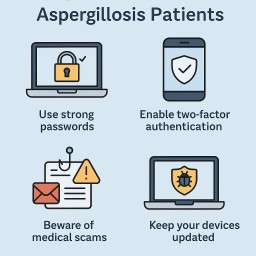
  • Use strong passwords (different for each service)

  • Turn on two-factor authentication (2FA)

  • Keep your devices updated

  • Don’t click on suspicious links or attachments

  • Never move money or give personal info because of a text, call or email

  • Always verify who you’re talking to, especially if they contacted you first


✅ Scam Safety Checklist

  • ☐ Strong passwords + 2FA

  • ☐ Hover or long-press to check web links

  • ☐ Ask for info the caller should already know

  • ☐ Use official websites and phone numbers

  • ☐ Never act under pressure

  • ☐ Report scams to protect yourself and others


📞 Where to Report Scams and Get Help

Here are the most trusted UK sources for scam prevention, support and reporting:

1. Action Fraud (UK police service)

  • 🌐 actionfraud.police.uk

  • ☎️ 0300 123 2040

  • Report all types of fraud and scams (England, Wales, NI)

2. National Cyber Security Centre (NCSC)

3. Citizens Advice – Scams Action

  • 🌐 citizensadvice.org.uk/scams

  • ☎️ Scams Action Helpline: 0808 250 5050 (England) or 0800 043 0281 (Scotland)

  • Friendly help and guidance if you’re unsure or worried

4. Take Five to Stop Fraud (UK Finance)

5. Financial Conduct Authority (FCA)


🧠 Final Advice

  • Scammers rely on panic, pressure, and trust.

  • If something doesn’t feel right — pause, check, and speak to someone you trust.

  • You’re not being rude by questioning it — you’re protecting yourself.

  • If you get caught out don't feel ashamed, most people do at some point. Report and learn.

🕵️‍♀️ Protecting Your Privacy as a Member of National Aspergillosis Centre Support (UK)

A guide for staying anonymous outside the group while still taking part inside

The National Aspergillosis Centre Support (UK) Facebook group is a private but visible group. That means:

  • Only members can see your posts, comments, and activity inside the group

  • But anyone on Facebook can find the group name, description, and see how many members it has

  • And people who visit the group page (such as your friends or the public) may see your name and profile photo in the member list

This is a safe, supportive space — but we understand that some members prefer to keep their involvement private from friends, family, employers, or the wider Facebook community.

Here’s how you can protect your privacy and remain as anonymous as you wish outside the group.


🔐 What Is Visible to Non-Members?

Non-members (including your Facebook friends) cannot see:

  • Any posts, comments, photos, or questions you share in the group

  • Who you’re interacting with in the group

  • What you react to or how often you post

But they can see:

  • That you are a member of the group (if they visit the group page)

  • Your name and profile picture in the group member list

  • That the group is titled “National Aspergillosis Centre Support (UK)” — which some people prefer to keep private


How to Protect Your Identity Outside the Group

1. 🧑‍💻 Use a Privacy-Conscious Name

You can use a shortened or modified version of your real name, such as:

  • First name + middle name

  • A shortened surname (e.g. Jane S. or Jo Samuel)

  • A pseudonym that still sounds plausible

⚠️ Avoid completely fake names (e.g. “Invisible Fungus”) — Facebook may flag them.


2. 🖼️ Choose a Neutral Profile Picture

Instead of a facial photo, consider using:

  • A photo of nature

  • A quote or piece of artwork

  • A blurred or abstract image

This helps maintain your privacy if someone visits the group member list.


3. 🔧 Adjust Your Facebook Privacy Settings

Go to Settings & Privacy > Settings > Privacy and update the following:

Setting Recommended
Who can see your friends list? Only Me
Who can look you up using email/phone? Only Me
Do you want search engines to link to your profile? No
Who can see what others post on your timeline? Only Me
Who can see posts you’re tagged in? Only Me

4. 👤 Hide the Group from Your Profile

Even though this is a private group, Facebook may show it on your profile under "Groups."

To remove it:

  • Go to your profile

  • Scroll to the Groups section

  • Click the three dots (…) next to “National Aspergillosis Centre Support (UK)”

  • Select “Hide from profile”


5. 🙈 Use Anonymous Posting for Sensitive Questions (If Enabled)

We are exploring whether anonymous posting can be enabled in the group. When switched on:

  • Other members see your post as “Anonymous Member”

  • Admins and moderators can still see who posted for safety reasons

Let an admin know if this feature would be helpful for you.


6. 📱 Avoid Linking Your Activity to Outside Apps or Pages

  • Don’t share group posts on your timeline (they won’t be visible, but it may confuse others)

  • Avoid linking group activity to external apps (like Instagram or other health platforms)

  • Use caution when interacting with group members on your public profile


🧾 Summary: Stay Anonymous Outside the Group

Tip Why It Helps
Use a modified or shortened name Reduces traceability outside the group
Use a neutral profile image Makes you harder to identify in the group list
Change privacy settings Stops Facebook from exposing your activity or connections
Hide group from your profile Prevents others from seeing your group involvement
Use anonymous posting (if available) Keeps your name hidden in sensitive discussions

💬 Final Note from the Admin Team

We understand that aspergillosis is a sensitive condition, and you have every right to protect your identity while still seeking support. This group exists to help — safely, kindly, and confidentially. If you’re ever unsure about how your name or photo appears, or you need support to adjust your settings, please message one of the admin team privately. We’ll help however we can.


After Antifungal Treatment: Can Aspergillosis Come Back?

If you’ve finished a course of antifungal treatment for aspergillosis, it’s natural to wonder:
“Is the fungus gone for good?”
“Can it come back — and if so, when?”

This article explains what patients with aspergillosis need to know about recurrence, timelines, and the factors that increase the risk of the infection returning.


🧠 What Is Aspergillosis?

Aspergillosis is caused by breathing in spores from a common fungus called Aspergillus fumigatus. Many people breathe in these spores without getting ill, but those with asthma, chronic lung disease, or a weakened immune system may develop one of several types of aspergillosis, such as:

  • Allergic Bronchopulmonary Aspergillosis (ABPA)

  • Chronic Pulmonary Aspergillosis (CPA)

  • Severe asthma with fungal sensitivity (SAFS)

  • Invasive Aspergillosis (mainly in severely immunocompromised patients)

Each of these conditions behaves differently — and the chances of the fungus coming back depend on the type you have.


🔄 Can Aspergillosis Come Back After Treatment?

Yes, it can. Even after a full course of antifungal medication, Aspergillus can return — either because it was never fully cleared, or because it’s been inhaled again from the environment.

Some people stay well for years after treatment. Others may experience a return of symptoms within months. There is no single timeline that fits everyone.


⏱️ When Might Aspergillosis Come Back?

Time After Treatment Could It Return? Why It Might Happen
Immediately Yes The infection was suppressed but not cleared fully
Within a few months Common Especially if there is lung damage, asthma, or exposure to fungal spores
After 1–2 years Possible New flare-ups can occur with environmental triggers or immune changes
Never Possible In some cases, the infection does not return — especially with early treatment and no underlying lung disease

🧩 What Increases the Risk of Aspergillosis Coming Back?

Several factors make recurrence more likely:

1. Type of Aspergillosis

  • ABPA and SAFS often flare up from time to time, especially with exposure to mould or allergens.

  • CPA usually requires long-term management and can relapse even after prolonged treatment.

  • Acute invasive aspergillosis needs close monitoring, especially in those with weak immune systems.

2. Stopping Treatment Too Early

  • If antifungal treatment is stopped before the fungus is fully under control, symptoms can return quickly.

3. Environmental Exposure

  • Aspergillus spores are common in the air — especially in places like:

    • Compost heaps

    • Garden soil

    • Damp buildings

    • Renovation sites or dust

    • Ploughed fields
  • Continued exposure may lead to reinfection or flare-ups.

4. Weakened Immune System or Damaged Lungs

  • People with bronchiectasis, asthma, COPD, or past lung infections are more at risk of recurrence.

  • Those on immunosuppressive treatments or with adrenal insufficiency may also be more vulnerable.


How Can You Reduce the Risk of Recurrence?

  • Complete the full course of antifungal medication, even if symptoms improve early.

  • Discuss with your doctor whether you need ongoing or maintenance therapy (especially in CPA or ABPA).

  • Avoid known triggers — especially mould, compost, disturbed soil, damp environments, or construction dust.

  • Use a respirator mask (e.g. FFP2) when gardening or exposed to dusty air.

  • Monitor your health regularly:

    • Keep track of IgE levels (if you have ABPA)

    • Watch for changes in breathing or new coughing

    • Attend scheduled CT scans or blood tests as advised


💬 What Do Other Patients Say?

“I felt great after treatment, but within a few months my symptoms started to creep back.”

“It was only after I started long-term antifungal treatment that I stabilised.”

“Whenever I’m around compost or old sheds, I wear a mask — it really helps.”


🩺 What Should You Ask Your Doctor?

Here are some questions you may wish to discuss at your next appointment:

  • “Do I need a longer course or maintenance antifungal treatment?”

  • “What are the signs that it might be coming back?”

  • “How can I protect myself from re-exposure?”

  • “Would regular blood tests or scans help monitor for recurrence?”


🧭 Final Thoughts

Aspergillosis is often a long-term condition, especially in people with underlying lung problems. Finishing a course of antifungal treatment is a big step — but follow-up care and prevention strategies are just as important.

If you’re concerned about recurrence or not sure what the plan is after treatment, it’s perfectly reasonable to ask your doctor for a clear long-term strategy.

You’re not alone — and with the right support and information, many people live well with aspergillosis.


Understanding IgE Levels in ABPA: What They Mean, How They Change, and What to Expect

If you’ve been diagnosed with Allergic Bronchopulmonary Aspergillosis (ABPA) or are being assessed for it, you may have heard that your IgE level is high. This can feel alarming, especially if treatment hasn’t yet been started. You might be wondering: What does a high IgE actually mean? How do treatments affect it? And what happens if treatment is stopped?

This article aims to explain what IgE levels tell us in ABPA, how they change over time, and how they’re used to guide treatment.


🧪 What is IgE and Why Is It Important in ABPA?

IgE (Immunoglobulin E) is a type of antibody made by your immune system when it overreacts to allergens. In ABPA, the immune system has an allergic-type response to the fungus Aspergillus fumigatus, which is commonly found in the environment. This immune overreaction leads to inflammation in the lungs, mucus buildup, and potential long-term lung damage.

A raised total IgE level:

  • Helps support a diagnosis of ABPA.

  • Is used by doctors to track how active the disease is.

  • Can help monitor how well treatment is working, and whether the disease is flaring up again.

While a high IgE level alone doesn’t always mean you feel worse, it often reflects that the allergic inflammation is active and needs managing.


💊 How Is IgE Reduced in ABPA?

Treatments for ABPA aim to bring down inflammation in the lungs, and when that happens, IgE levels often fall as well. There are three main types of treatment:

1. Steroids (e.g. prednisolone)

  • These are often used as the first treatment for ABPA.

  • They can bring down IgE levels within a few weeks, and help improve breathing and reduce mucus.

  • However, when steroids are stopped, IgE levels often rise again unless other treatments are also used.

2. Biologic therapies (e.g. omalizumab, mepolizumab, dupilumab)

  • These newer treatments target specific parts of the immune system that drive allergic inflammation.

  • They may help keep IgE levels lower over the long term and reduce the need for steroids.

  • In some cases, IgE may remain stable for months or years while on biologics, though responses vary from person to person.

3. Antifungal medication (e.g. itraconazole, voriconazole)

  • These drugs reduce the amount of Aspergillus in the lungs, which may reduce the allergic reaction.

  • They may help stabilise IgE levels but are usually not enough on their own for active ABPA.


⏱️ What Happens When Treatment Stops?

One of the most common concerns among patients is how long IgE stays low once treatment is stopped.

  • After stopping steroids, IgE levels often begin to rise again within a few weeks to a few months, especially if no other treatment is in place.

  • After stopping biologics, the return of symptoms and rise in IgE may happen more slowly — over several months — but varies from person to person.

  • If fungal exposure continues (e.g. in a damp or mouldy home), or the underlying immune reaction stays active, IgE is more likely to increase again.

It’s important to remember that monitoring IgE over time helps your doctor decide whether ABPA is active again and whether a change in treatment is needed.


🧠 Why Might Treatment Be Delayed?

Not everyone with a high IgE level is started on treatment right away. Your doctor may be:

  • Waiting for more information, such as CT scan results or lung function tests.

  • Being cautious about starting long-term steroids, especially if you've had side effects before.

  • Considering alternative treatment options like antifungals or biologics.

  • Monitoring to see if symptoms improve on their own or remain stable.

If you're not receiving treatment and you're unsure why, it's completely reasonable to ask for clarification — or to seek a second opinion.


👥 What Do Other Patients Say?

Many people with ABPA share similar experiences:

  • “Steroids helped quickly, but the effect didn’t last after I stopped.”

  • “I’ve been stable on a biologic and haven’t needed steroids in months.”

  • “It took a long time to get diagnosed — I had to ask lots of questions and push for answers.”

  • “My IgE rose again when I was exposed to damp or dusty environments.”

Your experience might be different, but it can be helpful to hear from others and learn what has worked for them.


Key Points to Remember

  • A raised IgE level is a common and important feature of ABPA.

  • IgE usually falls during treatment and rises again when treatment stops — especially if nothing else is done to control the inflammation.

  • Steroids work quickly, but effects often wear off without long-term planning.

  • Biologics and antifungals may help maintain lower IgE and reduce flares.

  • If you feel uncertain about your care, seeking a second opinion is perfectly appropriate.


Tip: Keep a personal record of your IgE levels, symptoms, and any treatments you're on. This can help you and your doctor spot patterns and make informed decisions together.


🩹 Caring for Fragile Skin and Wounds When You're on Long-Term Steroids

A practical guide for patients and carers

If you take long-term steroid medication (such as prednisolone or hydrocortisone), you may have noticed your skin becoming thinner, more fragile, and slower to heal. Even a small bump can cause the skin to split or bleed, and wounds can sometimes leave behind rolled-up or crumpled skin edges.

This guide offers practical, gentle steps to help you manage these wounds safely and support healing.


💥 Why does steroid-thinned skin split so easily?

Steroids weaken the skin by:

  • Thinning the outer layers

  • Reducing collagen and connective tissue

  • Making small blood vessels more fragile

This makes the skin prone to tearing and bruising, especially on the arms, chest, and legs — even from minor knocks or pressure.


🩸 What to do if your skin splits and bleeds

Step-by-step first aid:

  1. Clean gently

    • Use lukewarm water and mild soap or saline

    • Pat dry — don’t scrub

  2. Stop bleeding

    • Apply light pressure with a clean cloth or sterile gauze

    • Be patient — bleeding may take longer to stop

  3. Protect the wound

    • Apply a non-stick dressing (e.g. Melolin, Mepilex, or Adaptic)

    • Secure gently with paper tape or soft bandage — avoid sticky plasters that may damage skin when removed

  4. Keep it moist

    • Use a simple ointment like Vaseline, Epaderm, or Cetraben

    • Moisture helps the skin heal more quickly and reduces scabbing

  5. Watch for infection

    • Look out for redness spreading, pus, warmth, or pain

    • If this happens, contact your GP or nurse


🟣 What if there’s rolled-up skin around the wound?

This is common when the top layer of skin tears and crumples. Here's what to do:

✅ If the skin is still attached:

  • Do not pull or cut it off

  • Gently lay it back over the wound like a natural dressing

  • Cover with a moist, non-stick dressing

✅ If it’s dead or dry:

  • Leave it in place for now

  • Ask a nurse or GP to remove it safely at your next dressing change

❌ Do not try to trim it yourself

Even small cuts can lead to bleeding, infection, or more tearing. Let a professional assess it first.


🧴 Daily skin care to prevent splits and bruising

  • Moisturise daily with thick creams (like Cetraben, Epaderm, or Diprobase)

  • Wear soft clothing to reduce rubbing

  • Use padding or bandages on vulnerable areas (e.g. forearms) if you're active

  • Avoid harsh soaps and antiseptics like Dettol or TCP

  • Use paper tape or silicone dressings to avoid trauma when removing plasters


🗣️ Talk to your healthcare team if:

  • Wounds are slow to heal

  • You're getting frequent tears or bruises

  • You’ve noticed signs of infection

  • You need help with dressings or pain relief

  • You're unsure about your steroid dose or if you're on replacement therapy

You may benefit from a review by a nurse, pharmacist, or dermatologist who can suggest extra skin protection or dressing supplies.


💬 Final reassurance:

If your skin is tearing more easily, it’s not your fault — it’s a known effect of steroids, and there are gentle, effective ways to protect yourself.
Don’t hesitate to ask for help with wound care — and always speak up if something doesn’t feel right.


🌿 The Different Forms of ABPA

Understanding Your Diagnosis and What It Means

Allergic Bronchopulmonary Aspergillosis (ABPA) is a condition where your immune system overreacts to a fungus called Aspergillus fumigatus, which can be found in air, soil, and compost. This allergic reaction happens mostly in people with asthma or bronchiectasis.

But not everyone with ABPA has the same experience. Doctors now recognise that ABPA can appear in several different forms or stages, depending on how far it has progressed and what’s happening in your lungs.

Here’s a simple guide to help you understand where you might fit — and what it means for your care.


✅ 1. ABPA-S (Serologic ABPA) — The early stage

This is the mildest form of ABPA. It means your immune system is reacting to Aspergillus, but your lungs haven’t been damaged yet.

What’s usually found:

  • High levels of IgE (allergy antibodies)

  • Positive test for Aspergillus-specific IgE

  • Normal or near-normal scans (X-ray or CT)

  • Asthma or mild chest symptoms

🟢 This form is often picked up with blood tests before any permanent changes in the lungs happen.


🟠 2. ABPA-CB — ABPA with Central Bronchiectasis

This is a more typical form of ABPA, where the ongoing allergic reaction has started to damage your airways. “Bronchiectasis” means some airways have become widened and scarred.

What’s usually found:

  • All of the features above plus

  • Changes on a CT scan showing central bronchiectasis

  • More mucus, coughing, or breathlessness

🟠 This form may need regular treatment to reduce inflammation and protect the lungs.


🔴 3. Severe ABPA — ABPA with frequent flares

This isn’t a separate type, but a more active or harder-to-control version of ABPA.

What’s usually happening:

  • Frequent flare-ups (exacerbations)

  • Need for ongoing steroids or antifungals

  • Possible use of biologic medicines (e.g. Xolair/omalizumab)

  • More serious asthma symptoms

🔴 This form can still be well-managed, but needs close monitoring and a good treatment plan.


⚠️ 4. ABPA-CPF — ABPA with Lung Scarring (Fibrosis)

This is the late stage of ABPA, where ongoing inflammation over many years has caused permanent damage to the lungs. It’s now much rarer thanks to earlier diagnosis and treatment.

What’s usually found:

  • Extensive scarring or fibrosis on lung scans

  • Breathlessness or tiredness

  • May overlap with another condition called chronic pulmonary aspergillosis (CPA)

⚠️ This stage needs careful support, but many people can still manage symptoms and improve quality of life.


📈 How doctors track your ABPA

Some doctors will also use stages to describe how your ABPA is behaving, though this does not comply with the most recent guidelines (ISHAM 2024):

  • Stage 0 – No symptoms, but abnormal blood test

  • Stage 1 – Newly diagnosed (active symptoms)

  • Stage 2 – Responding to treatment

  • Stage 3 – In remission (no active disease)

  • Stage 4 – Flare-up

  • Stage 5 – Long-term lung damage (fibrosis)


🩺 Why this matters to you

Knowing what form of ABPA you have helps you and your healthcare team:

  • Choose the right treatments

  • Decide how often you need scans or blood tests

  • Spot early signs of flare-ups

  • Protect your lungs from long-term damage


💬 Final message:

No matter which form you have, there are treatments that work. Many people with ABPA live full lives with the right support.
If you're unsure what form of ABPA you have, ask your doctor — it can help you understand what to expect and how to take care of your lungs.


🧾 Why Do Some People Need Higher Doses of Antifungal Medication?

If you're being treated for ABPA or another aspergillosis-related condition, you might wonder why your doctor has prescribed you a higher or lower dose of your antifungal medication than someone else. You're not alone—this is a common and important question.

The answer is that antifungal medicines don't work the same way in everyone. Your dose may need adjusting based on how your body handles the medication.

🔍 Here's why doses can vary from person to person:
1. Absorption differences
Some antifungal medicines (like itraconazole capsules) are harder for the body to absorb.

Things like what you eat, how acidic your stomach is, or even other medications can affect how well your body takes in the drug.

For example, acid blockers like omeprazole can reduce absorption.

2. How your body processes the drug
Your liver breaks down antifungal medicines.

Some people process them very quickly (which can make the drug less effective), while others process them slowly (which can increase side effects).

This is due to genetic differences, and you can’t predict it without blood tests.

3. Other medications you're taking
Some drugs interfere with antifungals, making them work less well or increasing side effects.

Your doctor might need to adjust your antifungal dose to compensate.

4. Your weight and body size
People with larger body size or more body fat may need a slightly higher dose to get the drug to the right level in the lungs.

5. How severe your condition is
If your ABPA or infection is more severe, your doctor may aim for a higher drug level in your body to make sure it works well.

🧪 Why do I need blood tests?
To make sure your antifungal is working properly, your doctor might check blood levels of the drug. This helps:

Avoid side effects if the level is too high

Make sure it’s effective if the level is too low

This is especially important for itraconazole and voriconazole.

✅ Key points to remember:
Your dose is personalised to you.

Don’t compare your dose to someone else’s—it’s not a one-size-fits-all treatment.

Always take your medication exactly as prescribed, and let your doctor know if you’re taking any new medicines, including over-the-counter ones.


Are there withdrawal effects once voriconazole is stopped?

There are no classic withdrawal effects in the way we think of for drugs like steroids, opioids, or benzodiazepines when voriconazole is stopped. However, some patients do experience transient symptoms or rebound effects, especially if the drug was managing an active infection or inflammation.

Here’s what you should know:


What Usually Happens When Voriconazole Is Stopped?

1. No physiological withdrawal syndrome

  • Voriconazole does not cause dependence or withdrawal at a chemical level.

  • You don’t need to taper it for pharmacological reasons — it can generally be stopped abruptly.


⚠️ But Some Symptoms May Still Appear

These aren’t “withdrawal” symptoms in the classical sense, but can occur:

A. Return of underlying symptoms

  • If the aspergillosis was only partially controlled, symptoms like cough, chest pain, or fatigue may recur.

  • Especially in CPA or ABPA, stopping antifungals too soon can cause flare-ups.

B. Immune rebound

  • Very rarely, immune reconstitution reactions (like in ABPA or after neutropenia) may occur as the immune system re-engages with fungal antigens.

  • This is not true withdrawal, but a host response shift.

C. Psychological or sensory changes

  • Some patients who had visual disturbances or strange dreams while on voriconazole report a brief “readjustment” period after stopping (often relief, but occasionally some lingering discomfort).

  • These effects usually resolve quickly.


👩‍⚕️ What To Watch For After Stopping

Symptom Likely Cause What to Do
Return of cough, sputum, fatigue Infection flaring again Recheck IgE, CRP, imaging, sputum
Headache, dizziness Rarely linked to stopping, more likely underlying illness or fatigue Monitor; seek review if worsening
Mood shifts, anxiety Possibly related to underlying illness stress, or stopping long-term meds Supportive care, discuss with clinician

🧾 Summary

  • No true withdrawal syndrome with voriconazole

  • Symptoms that return are usually related to underlying disease or immune changes

  • Best to stop under specialist advice, ideally with a plan for monitoring over 2–6 weeks


🧠 Understanding Health Evidence: A Guide for Patients

This guide helps patients and the public understand how to judge the quality of health information, especially around treatments, supplements, and medical claims.


📚 Menu

  1. How Science Works
  2. Assessing the Strength of Evidence
  3. Trusting Online Medical Information
  4. Scientific Journal Quality and Bias
  5. Herbal Remedies and Industry Influence
  6. Unrecognised Syndromes and Clinics
  7. Predatory Journals and Peer Review

🔬 How Science Works

Medical advice and treatments are ideally based on well-tested science. Here’s how that process usually works:

  1. Research is done by scientists who ask questions and collect data.
  2. Peer review: Experts examine the study to ensure it’s fair and thorough.
  3. Publication: If it passes peer review, it's published.
  4. Replication: Other researchers try to repeat it. If they can't, confidence in the findings drops.

One study rarely proves something on its own. Medical certainty comes when multiple high-quality studies agree.


📊 Assessing the Strength of Evidence

🔎 Use these steps to check whether a claim is solid or uncertain:

  • Is it based on one study or a pattern of studies?
  • Has the result been replicated by others?
  • Is it a randomised controlled trial, or a weaker type (like a case report)?
  • Does it appear in a systematic review or meta-analysis?
  • Was it published in a known, peer-reviewed journal?

Always check with a trusted clinician if unsure.


🌐 Trusting Online Medical Information

Look out for:

✅ NHS, NICE, university, or respected charity sources ✅ References to studies or expert guidelines ✅ Recently published or reviewed content ❌ Claims that sound too good to be true ❌ Articles trying to sell you something

Good places to check information:


🧾 Scientific Journal Quality and Bias

Even good journals may publish studies with industry funding. That’s not wrong by itself, but look out for signs of bias:

  • Conflict of interest statements (often near the beginning or end)
  • Funding sources: Drug companies vs. independent organisations
  • How results are framed: Are benefits overstated? Risks ignored?
  • Compare with other studies: Are the results too good to be true?

The strongest evidence comes from independent replication.


🌿 Herbal Remedies and Industry Influence

Some believe herbal treatments are suppressed by drug companies. In truth:

  • Most herbal products haven’t had large, well-run trials.
  • Companies don’t fund them because they can’t be patented.
  • It’s not suppression — it’s a lack of commercial incentive.

Even if early research looks good, we need repeatable, well-controlled studies to ensure safety and effectiveness.

Doctors can’t recommend unproven treatments — not because they don’t work, but because we don’t yet know enough.


⚠️ Unrecognised Syndromes and Clinics

Some private clinics promote treatments for self-defined syndromes. They often:

  • Rely on a few early or small studies
  • Use unrecognised diagnostic tools
  • Sell unproven or expensive treatments

Mainstream medicine needs strong, repeated evidence before accepting a new condition or treatment. It’s about safety and evidence, not disbelief or conspiracy.

⚖️ Is It Legal — and Ethical?

In many countries, including the UK, it is legal for clinics to offer non-mainstream treatments if they do not break safety, advertising, or professional conduct laws. However, legality does not always mean ethical acceptability.

Offering treatments that are unsupported by high-quality evidence may be seen by many as amoral or unethical, especially when:

  • Patients are vulnerable or desperate
  • Treatments are expensive
  • Claims are overstated or misleading
  • Alternatives with better evidence are not discussed

Healthcare professionals are expected to put patient welfare before profit, be transparent about evidence limitations, and avoid offering false hope. Patients should always ask questions, seek second opinions, and verify claims with trusted sources.

Some private clinics promote treatments for self-defined syndromes.

They often:

  • Rely on a few early or small studies
  • Use unrecognised diagnostic tools
  • Sell unproven or expensive treatments

Mainstream medicine needs strong, repeated evidence before accepting a new condition or treatment. It’s about safety and evidence, not disbelief or conspiracy.

Other examples of self-defined or poorly validated syndromes promoted by certain clinics include:

  • Adrenal fatigue (not the same as adrenal insufficiency)
  • Leaky gut syndrome (distinct from recognised intestinal permeability disorders)
  • Multiple chemical sensitivity (MCS)
  • Chronic Lyme disease (as distinct from recognised post-treatment Lyme syndrome)
  • Sick building syndrome (& similar relating to treating those in a damp home)

These conditions are often treated with:

  • Specialised tests with unclear scientific validity
  • Supplements, detox regimes, or off-label drug use
  • Expensive personalised programmes with limited oversight

📉 Predatory Journals and Peer Review

Some journals publish low-quality or unreviewed research for money. Warning signs:

❌ Generic names, vague editorial boards, fast publication ✅ Indexed in PubMed, Web of Science, or Scopus ✅ Member of COPE or listed in DOAJ

Peer-reviewed journals differ in quality. Just because something is published doesn’t mean it’s reliable.


🏥 Surgery in Patients with ABPA or CPA: Can It Worsen Symptoms, and Should It Proceed?

Patients with Aspergillus-related lung diseases, such as Allergic Bronchopulmonary Aspergillosis (ABPA) and Chronic Pulmonary Aspergillosis (CPA), sometimes report worsened symptoms after undergoing surgery under general anaesthetic. While this is a recognised clinical pattern, it does not mean surgery should be avoided. Instead, it requires preparation and close perioperative management to reduce risk.


🔍 Can Surgery Worsen Aspergillosis Symptoms?

Yes — and here's why:

✳️ 1. Airway Irritation from Intubation

  • Endotracheal tubes can irritate airways already inflamed by ABPA or structurally altered by CPA.

  • Mechanical ventilation can impair mucus clearance and exacerbate cough or infection.

✳️ 2. Postoperative Immunosuppression

  • Surgery temporarily suppresses immune function.

  • Perioperative corticosteroids or stress-induced immune suppression can permit fungal flare-ups or reactivation.

✳️ 3. Impaired Mucus Clearance

  • Pain, immobility, and sedation reduce the patient’s ability to cough and clear secretions.

  • In CPA or ABPA, this can lead to plugging, fungal regrowth, or secondary bacterial infection.

✳️ 4. Drug Interactions

  • Azole antifungals (e.g. itraconazole, posaconazole) interact with many anaesthetics, opioids, and steroids.

  • These interactions can alter drug levels, reduce antifungal efficacy, or increase toxicity risk.

✳️ 5. Stress and Inflammation

  • Surgical stress may worsen the inflammatory or allergic component of ABPA.

  • CPA-related cavities may bleed or become re-infected post-op.


✅ Should Surgery Still Go Ahead?

Yes — surgery can and often should proceed when it is medically indicated.

Delaying needed procedures (e.g. for cancer, fractures, or pain relief) can lead to worse outcomes than the potential risks related to aspergillosis.


🛡️ Recommended Precautions

🔷 Pre-Operative Planning

  • Ensure all care teams are aware of the diagnosis.

  • Review lung imaging, baseline oxygenation, and current antifungal/steroid regimens.

  • Arrange for pre-op airway clearance if sputum is a concern.

🔷 Antifungal Management

  • Continue antifungal therapy through the perioperative period.

  • Use IV formulations if oral administration isn’t possible.

  • Check for drug interactions with anaesthetic or post-op medications.

🔷 Steroid Cover (ABPA and CPA on steroids)

  • Patients on chronic steroids may need perioperative hydrocortisone supplementation (adrenal cover).

  • Apply “sick day rules” or use the patient’s adrenal insufficiency plan, if applicable.

🔷 Post-Op Monitoring

Watch for:

  • Worsening cough, breathlessness, or sputum

  • Fever or signs of secondary infection

  • Raised IgE (in ABPA) or haemoptysis (in CPA)

  • Any signs of antifungal failure or drug toxicity


⚠️ When Might Surgery Be Delayed?

Consider postponing non-urgent surgery if:

  • There is active haemoptysis

  • The patient has uncontrolled inflammation or fungal burden

  • A recent scan shows expanding cavities or new infiltrates

  • Antifungal resistance is suspected or not yet managed


💬 Key Message for Patients

“Having ABPA or CPA doesn’t mean you can’t have surgery — but we do need to take extra care around your airways, your antifungal treatment, and your recovery. With the right team and planning, we can safely support you through your procedure.”