Aspergillosis & Asthma: When Risks Peak Through the Year
Many people living with aspergillosis, asthma, or bronchiectasis notice that their symptoms change with the seasons.
This is no coincidence — environmental factors such as temperature, humidity, pollen, spores, and viral infections all vary through the year, and these can strongly influence both lung health and allergic or fungal disease.
Understanding these patterns can help you plan ahead, reduce exposure, and know when to take extra care.
🌸 Spring: Pollen and Early Spore Season
As temperatures rise, tree pollen (especially birch, oak, and plane) and Aspergillus spores begin to increase in outdoor air.
For people with Allergic Bronchopulmonary Aspergillosis (ABPA) or Severe Asthma with Fungal Sensitisation (SAFS), this can trigger cough, wheeze, and chest tightness.
-
Keep an eye on Met Office pollen and spore forecasts.
-
Open windows on dry days, but check for signs of mould indoors, especially around windows and bathrooms.
-
If you notice symptoms flaring every spring, let your respiratory team know — small medication adjustments may help.
📊 Data source: Met Office spore count data.
☀️ Summer: Soil, Compost, and Renovation Hazards
Warm, humid conditions mean fungi thrive — especially outdoors.
Compost heaps, garden soil, and grass cuttings can release very high levels of Aspergillus spores.
People with chronic lung disease, ABPA, or Chronic Pulmonary Aspergillosis (CPA) are at greater risk of exacerbations during this period.
-
If gardening or using compost, wear gloves and an FFP2/FFP3 mask.
-
Avoid turning compost heaps or cleaning bird feeders if you are immunocompromised.
-
Keep home humidity below 60% and ventilate well during warm spells.
🪴 Source: Protective mask and compost safety advice.
🍂 Autumn: Damp Homes and Viral Load
As the weather cools, we close windows and turn on heating — trapping moisture indoors.
This increases damp and mould growth, particularly in poorly ventilated areas.
At the same time, colds, flu, and RSV infections surge, all of which can make fungal or allergic conditions worse.
-
Use a dehumidifier and ensure air can circulate behind furniture.
-
Check for leaks, condensation, or cold corners.
-
Stay up to date with flu and COVID vaccinations if eligible.
💧 Source: Aspergillosis.org damp guidance.
❄️ Winter: Indoor Season and Medication Review
Outdoor spore levels are lowest in winter, but indoor exposure dominates — from bathrooms, humidifiers, and heating systems.
Viral infections remain a major trigger for asthma and ABPA flare-ups, and antifungal or steroid treatments may need review.
-
Keep homes warm but ventilated where possible.
-
Review your treatment plan with your clinical team, especially if you’re using steroids or biologics.
-
Contact your GP or specialist early if you notice an increase in cough, breathlessness, or mucus plugs.
🧭 Key Takeaway
Aspergillosis and asthma flare-ups often follow the seasons:
| Season | Main Risks | Take Action |
|---|---|---|
| Spring | Pollen, outdoor spores | Monitor counts, check home for mould |
| Summer | Compost, soil, renovation dust | Use masks/gloves, avoid heavy exposure |
| Autumn | Damp homes, viruses | Dehumidify, ventilate, manage infections |
| Winter | Indoor air, viruses | Keep warm, review treatment |
By spotting your personal pattern, you and your care team can plan ahead — reducing exacerbations and staying well all year.
🏠 Awaab’s Law: What It Means for Social Housing Tenants
Awaab’s Law is one of the most important housing reforms in years.
It aims to protect tenants from damp, mould and unsafe living conditions — problems that can seriously affect health, especially for people with asthma, bronchiectasis or fungal lung disease.
The law starts to take effect in October 2025 and is named in memory of Awaab Ishak, a two-year-old who tragically died from prolonged exposure to damp and mould in a housing association flat in Rochdale.
His case led to new, legally enforceable time limits for social landlords to investigate and repair health hazards in rented homes.
📜 Where the Law Comes From
Awaab’s Law forms part of the Social Housing (Regulation) Act 2023.
It adds a new legal duty (Section 10A) to the Landlord and Tenant Act 1985, requiring every social landlord to comply with “prescribed requirements” about how quickly hazards must be investigated and repaired.
These rules are set out in the Awaab’s Law Regulations, published on GOV.UK, and enforced by the Regulator of Social Housing.
👥 Who the Law Covers
Awaab’s Law applies to:
-
Social landlords in England, such as housing associations and local authorities
-
Tenants living in social housing under secure, assured, or introductory tenancy agreements
Awaab’s Law does not yet apply to:
-
Private landlords or the private rented sector (PRS)
-
Owner-occupiers or leaseholders
The Government has confirmed that lessons from this law will inform future private-rented-sector reforms.
(Official source: GOV.UK – Awaab’s Law Guidance)
🏘️ What Is Social Housing?
Social housing is housing owned or managed by public or not-for-profit organisations and rented out at below-market rates to people in housing need.
It provides secure, long-term homes and is regulated by the Regulator of Social Housing.
(Official source: Regulator of Social Housing – GOV.UK)
🧱 Who Provides It
-
Local authorities (councils) – council housing
-
Housing associations – independent, not-for-profit registered providers
-
Charitable or community landlords – smaller providers that must still meet national standards
These organisations are known as registered providers under the Housing and Regeneration Act 2008.
💰 How Social Housing Differs from Other Tenancies
| Feature | Social Housing | Private Rented Housing | Shared Ownership / Leasehold |
|---|---|---|---|
| Who owns it | Council / housing association | Private landlord / company | Part tenant part provider |
| Rent level | Below market (50–80%) | Market rate | Rent on unsold share + mortgage |
| Tenancy type | Secure / assured (long-term) | Assured shorthold (short-term) | Leasehold ownership |
| Regulation | Regulator of Social Housing | Local authority & housing law | Leasehold law |
| Repair standards | Decent Homes Standard + Awaab’s Law | General HHSRS duties | As defined in lease |
| Who qualifies | Based on housing need | Anyone meeting market criteria | Specific financial criteria |
⚙️ What Landlords Must Do Under Awaab’s Law
Social landlords must:
-
Investigate reported hazards quickly
-
Provide written findings after inspection
-
Repair and make safe within legal deadlines
-
Offer temporary accommodation if the home cannot be made safe in time
These duties cover damp and mould and any emergency hazard posing serious risk to health or safety.
🕒 Timeframes Landlords Must Follow
| Stage | Time Allowed | Example |
|---|---|---|
| Emergency hazard | Make safe immediately / within 24 hours | Gas leak, severe mould, electrical fault |
| Significant hazard | Investigate within 10 working days | Damp, cold, structural issues |
| Tenant update | Written summary within 3 working days | Explain findings + repairs |
| If not safe in time | Provide alternative accommodation | Until repairs complete |
(Source: GOV.UK – Draft Guidance)
💬 Why Mould and Damp Matter
Damp and mould are common and dangerous in UK housing and can worsen or trigger asthma, ABPA, CPA, and COPD.
The English Housing Survey (2023) found 1 in 10 social homes had damp or mould problems.
Mould exposure can cause:
-
Asthma flare-ups and new respiratory infections
-
Worsening of fungal lung disease
-
Eye, throat, and skin irritation
Awaab’s Law recognises that poor building design and ventilation, not “tenant lifestyle,” are usually to blame.
🏘️ Why Shared and Multiple-Occupancy Homes Are Higher Risk
Buildings converted into Houses in Multiple Occupation (HMOs) are prone to damp and mould because they:
-
House many people in small spaces
-
Were often converted without proper ventilation or insulation
-
Rely on multiple tenants to report and manage repairs
HMOs are mainly in the private rented sector and not covered by Awaab’s Law.
They are regulated separately under the Housing Act 2004 and inspected by councils using the Housing Health and Safety Rating System (HHSRS).
These homes frequently house students, low-income workers, and people with chronic illness, making damp-related respiratory illnesses a particular concern.
🧱 Why HMOs Need Stronger Oversight
Local authorities can issue Improvement Notices or prosecute landlords for neglecting repairs, but Awaab’s Law’s fixed deadlines do not yet apply.
Government statements indicate future reforms will extend similar protections to private and HMO tenants.
💬 Why This Matters for Health
For anyone with chronic lung disease (ABPA, CPA, asthma, bronchiectasis), damp and mould can trigger flare-ups and new infections.
Awaab’s Law now forces social landlords to act promptly within set legal time limits.
Tenants can:
-
Use the landlord’s complaints procedure
-
Contact the Housing Ombudsman Service
-
Report serious risks to the Regulator of Social Housing or local council
🏛️ Does Awaab’s Law Apply to MOD, NHS, and Other Service Housing?
No — not directly.
Awaab’s Law covers registered social housing providers in England (local authorities and housing associations).
It does not extend to housing owned or managed by the Ministry of Defence (MOD), NHS Trusts, or other public-service employers, unless they are formally registered social landlords (which is rare).
| Housing Type | Covered by Awaab’s Law? | Notes |
|---|---|---|
| Council / Housing Association Homes | ✅ Yes | Registered providers under the Regulator of Social Housing |
| Private Rented Sector | ❌ No (not yet) | May be included in future reforms |
| MOD (Service Family Accommodation) | ❌ No | Managed by Defence Infrastructure Organisation; standards set by policy, not law |
| NHS Staff Accommodation | ❌ No | Governed by occupational licence terms and health & safety law |
| University or Key Worker Housing | ❌ No | Treated as private or institutional housing |
| Charitable / Supported Housing | ⚠️ Sometimes | Only if registered with the Regulator of Social Housing |
These providers must still maintain safe conditions under Health and Safety law, but they do not yet have the same legal repair timescales as social landlords.
The Government has stated that principles from Awaab’s Law may be used to improve MOD and NHS housing standards in future.
(Sources: legislation.gov.uk, GOV.UK – Awaab’s Law Guidance, Parliament.uk HCWS423)
🧩 Summary
| Key Point | What It Means |
|---|---|
| Who it covers | Tenants in social housing (England only) |
| What it covers | Damp, mould, and serious health hazards |
| When it starts | From 27 October 2025 |
| Who it excludes | Private, MOD, NHS and service housing |
| Why it matters | Protects tenants from unsafe homes and poor health |
| Who enforces it | Regulator of Social Housing / Local Authorities |
| Official sources | GOV.UK / legislation.gov.uk / Parliament.uk |
🔗 Official References
Damp, Mould and Health: Be Careful About Unvalidated Tests and “Detox” Treatments
Updated 2025 – by the NAC CARES team
When you’re desperate for answers
If you live in a damp or mouldy home and your health has suffered, it’s natural to want clear answers. Many people experience coughing, fatigue, sinus trouble or breathing problems and wonder if mould exposure could be the cause.
Unfortunately, the internet is full of misleading claims about “toxic mould”, “biotoxin illness”, or “mould detox”. Some websites and private clinics sell unvalidated medical tests or promote expensive supplements claiming to “flush mould toxins” or “reverse mould illness”.
People often turn to these options out of frustration and desperation when they feel ignored or dismissed by health or housing services. But it’s important to know that these tests and products are not scientifically proven — and in some cases, they may cause harm.
The truth about “mould illness” testing
At present, there is no validated medical test that can prove a person is ill because of mould exposure in their home.
Tests often sold online or through private clinics — such as urine mycotoxin tests, mould antibody panels, or chronic inflammatory response syndrome (CIRS) profiles — are not recognised by the NHS, NICE, or the World Health Organization.
These tests may detect trace amounts of mould-related compounds that appear even in healthy people. There are no agreed normal or abnormal levels, and results can vary dramatically between labs. This means a “positive” test result does not prove illness or guide treatment.
When functional, integrative, or alternative practitioners use these tests
It’s not just online sellers. Some functional medicine, integrative health, or alternative practitioners — including some with medical or allied health qualifications — also use these same mould or mycotoxin tests in private practice.
They may genuinely want to help and believe in “root cause medicine,” but:
-
Many of these tests have never been validated in peer-reviewed clinical studies.
-
Their results cannot reliably distinguish between normal environmental exposure to fungi and actual infection or allergy.
-
People are sometimes told they have “mould toxicity” or “mycotoxin poisoning” without any scientific evidence.
Why this matters
-
It can lead to unnecessary fear and anxiety.
-
Patients may spend hundreds or thousands of pounds on testing, supplements, or “detox” treatments that do not work.
-
Most importantly, genuine medical conditions — like aspergillosis, asthma, or COPD — may be diagnosed late or missed entirely.
Even if the practitioner sounds credible, unvalidated tests remain unvalidated.
If it isn’t approved by NICE, the NHS, or recognised respiratory specialists, it isn’t a reliable diagnostic test.
The risks of “detox” and self-treatment
Many websites and practitioners also recommend “detox” products such as activated charcoal, bentonite clay, chlorella, ozone therapy, or special anti-fungal diets. None of these have been proven to remove mould or mycotoxins from the body.
Some are unsafe or can interact dangerously with prescribed medicines — especially antifungal or steroid treatments used for aspergillosis. Others can damage the gut, lungs or kidneys.
No supplement, spray, or air treatment can replace medical therapy or proper repair of damp housing.
Why these products are still allowed to be sold
These tests and supplements often remain on sale because of regulatory loopholes:
-
They’re marketed as “wellness” or “informational” tests rather than diagnostic tools.
-
Supplements are classed as foods, not medicines — they must be safe, but not proven effective.
-
Many sellers are based overseas, outside UK or EU enforcement.
That’s why public awareness is crucial. Legal does not mean scientifically valid.
If you see misleading health claims, you can report them to:
What is proven to help
Here’s what current evidence supports:
-
Talk to your NHS doctor or respiratory specialist. They can arrange validated tests for fungal disease and lung health.
-
Fix the source of damp or mould. That’s the key to protecting your health — not detox kits.
-
Seek help early from housing officers, environmental health, or Citizens Advice if your home is unsafe.
-
Work with your care team — they can support housing letters or referrals if damp is affecting your condition.
See our practical guides:
If you feel dismissed or desperate
You’re not alone. Many people living in damp conditions feel frustrated and unheard. But unvalidated tests and detox programmes will not provide the answers you deserve.
You will get more meaningful, safer support through:
-
Your GP, respiratory or infectious disease team
-
Housing advocacy services and local councils
-
Peer support groups such as our Aspergillosis Patients & Carers Community
🛡️ Why We Take a Cautious Approach
Some people wonder whether organisations like ours are “allied to big pharma” or dismiss alternative approaches because of financial or legal pressures.
The truth is: we are cautious because of evidence and patient safety, not loyalty to industry.
-
We recommend only treatments or tests that are scientifically proven to be safe and effective.
-
NHS and charity organisations must follow regulatory standards and cannot endorse unvalidated products.
-
Our priority is protecting patients from harm, wasted resources, and delays in care.
Being cautious doesn’t mean rejecting innovation. If a new antifungal therapy, dietary approach, or environmental test is genuinely effective, it will be validated through peer-reviewed research — and we will share it.
Until then, our guidance focuses on evidence-based medicine and environmental interventions, because those are proven to help people with aspergillosis.
Key message
Damp and mould can make you unwell — but there is no quick test, no secret biomarker, and no miracle detox that can prove or cure it.
Stick with evidence-based medicine, protect your living environment, and seek support from trustworthy sources.
Save your money, protect your health, and trust science.
When Sleep Won’t Come: Coping with Anxiety and Restless Nights in Aspergillosis
“My GP prescribed 5 mg diazepam. I’m desperate for sleep. Could I take more than this, do you think?” — R, ABPA patient
R’s words echo the experience of many people living with aspergillosis. Between breathlessness, coughing, and the anxiety that chronic illness brings, nights can become long, restless, and exhausting. Sleep problems are one of the most common — and most distressing — challenges faced by people with Aspergillus-related lung disease.
But when medication doesn’t seem to help, it’s important to know what’s safe and what other strategies might make a difference.
💊 Understanding Diazepam and Sleep Medication
Diazepam (Valium) is sometimes prescribed by GPs to help with acute anxiety or severe insomnia. However, it’s a powerful sedative, and taking more than prescribed can be dangerous — leading to confusion, slowed breathing, or even overdose, especially if mixed with alcohol or other medications.
If your prescribed dose isn’t helping, don’t increase it on your own. Contact your GP or specialist nurse; they can safely adjust your treatment or explore alternative medications that are gentler and more effective for long-term sleep support.
🌙 Safer, Soothing Sleep Strategies
While medication can help in the short term, many people with aspergillosis find that calming the body and mind before bed can make a big difference over time.
🫁 1. The 4–7–8 Breathing Technique
-
Inhale quietly through your nose for 4 seconds
-
Hold for 7 seconds
-
Exhale slowly through your mouth for 8 seconds
Repeat several times — this pattern lowers your heart rate and helps trigger your body’s relaxation response.
🧘 2. Progressive Muscle Relaxation
-
Start from your toes: tense the muscles for 5 seconds, then release.
-
Move upward through your body — legs, stomach, shoulders, face.
This can reduce muscle tension from coughing or pain, and helps the mind unwind.
🧠 3. Grounding Exercise (5–4–3–2–1)
If anxiety or breathlessness make your thoughts spiral:
-
5 things you can see
-
4 things you can touch
-
3 things you can hear
-
2 things you can smell
-
1 thing you can taste
This brings your attention gently back to the present moment.
🛏️ 4. Your Sleep Environment
-
Keep lights dim and screens off before bed.
-
Try a cool, comfortable room (around 18°C).
-
Avoid clock-watching — it increases stress.
-
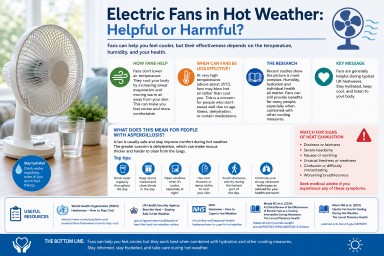
Gentle background noise, like soft music or a fan, can help mask coughing or household sounds.
❤️ When to Reach Out
If you’re still struggling, please reach out for help — to your GP, specialist team, or the Aspergillosis Trust or NAC Patient Support Group.
And if you ever feel overwhelmed or hopeless, you’re not alone. In the UK, you can call Samaritans (116 123) for free, 24 hours a day.
As R’s story reminds us, it’s okay to feel desperate for rest — but help is available, and there are safe, gentle ways to support your body and mind until better nights return.
💚 Living With Aspergillus fumigatus and Starting Antifungal Treatment
Question: “I have Aspergillus fumigatus and I’d like to ask a few questions.
After starting antifungal treatment, how long did it take before you noticed improvement or a stop in the bleeding cough?
Has anyone reached a stable condition or full recovery?
Please share your experiences — it would really help to hear from you.” 💚
🌿 A Supportive Note
Many people ask this question when they first begin treatment — and it’s a very normal concern. Aspergillus fumigatus can cause a range of lung problems such as chronic pulmonary aspergillosis (CPA), aspergilloma, or Allergic Bronchopulmonary Aspergillosis (ABPA), and each responds differently to antifungal therapy.
Improvement can take time and patience.
Some notice changes within weeks, while for others, it can take several months before symptoms start to ease or stabilise.
💊 Understanding How Antifungal Treatment Works
Antifungal medicines — such as itraconazole, voriconazole, or posaconazole — don’t destroy Aspergillus overnight.
They work by slowing or stopping fungal growth, allowing the body’s immune system and lung healing processes to gradually take over.
Because these infections are often chronic, the goal is usually to:
-
Control symptoms
-
Prevent further damage
-
Reduce inflammation and flare-ups
-
Stabilise lung function
For most patients, this means aiming for long-term stability rather than complete eradication of the fungus.
⏳ How Long Before You Feel Better?
Every patient is different, but this is a general pattern doctors often see:
| Time after starting treatment | What you might notice |
|---|---|
| First few weeks | Some reduction in coughing or mucus; fewer night sweats; side effects settling as your body adjusts. |
| 1–3 months | Energy may start to improve; less coughing or blood in sputum; breathing slightly easier. |
| 3–6 months | Signs of stability — symptoms no longer worsening, CT scans showing improvement, or blood markers (e.g. Aspergillus IgG) falling. |
| 6–12 months | Some people achieve remission or long-term stability. For others, antifungal therapy continues as maintenance. |
If you have a fungal ball (aspergilloma), improvements are often slower, and sometimes bleeding episodes take longer to settle.
🩸 About Bleeding (Haemoptysis)
Coughing up blood can be one of the most distressing symptoms.
It usually improves once antifungals reduce inflammation, but if bleeding continues:
-
Doctors may prescribe tranexamic acid to help the blood clot more easily.
-
In some cases, embolisation (a targeted procedure to seal a bleeding blood vessel) may be needed.
-
Ongoing bleeding should always be reported — even small amounts — so your team can reassess treatment or check for infection changes.
🫁 Why “Stable” Can Be a Positive Outcome
Although “cure” is possible in some early or mild cases, most people live with aspergillosis as a chronic condition.
With consistent antifungal therapy, airway clearance, and monitoring, many reach a stable stage — where symptoms are minimal, life feels more predictable, and flare-ups are rare.
This stability is a real success.
It means your body and treatment are keeping the infection under control, preventing further lung damage.
💚 Real Experiences
Patients often describe:
-
Energy and breathlessness improving slowly
-
Bleeding stopping after several months
-
A new sense of normality once medication side effects settle
Some take antifungals for a set course (e.g. 6–12 months), while others remain on long-term maintenance to stay stable.
It’s common for treatment to be adjusted based on blood levels, side effects, or new sputum results.
💬 Patient Voices
Many people in our community say they wish they’d known:
-
“Improvement isn’t quick — it’s gradual, but it does come.”
-
“Side effects can be managed — don’t stop without advice.”
-
“It’s okay to ask your team what ‘stable’ looks like for you.”
-
“You’re not alone — others have been through this too.”
🧭 Looking After Yourself Along the Way
-
Keep up airway clearance (physiotherapy, saline nebulisers, or airway devices).
-
Attend regular clinic appointments for blood levels and liver tests.
-
Report side effects early — dose adjustments or switching antifungals often helps.
-
Maintain good nutrition and hydration.
-
Reach out for emotional support. Living with a chronic infection can be mentally exhausting; anxiety and fatigue are common.
💬 We’d Love to Hear From You
If you’ve been through antifungal treatment, please share your story:
-
How long it took before you felt a difference
-
What helped you most
-
How you manage side effects or flare-ups
Your experience could make a real difference to someone who’s just starting this journey. 💚
🌟 Vitamin B12 (Cobalamin) and Iron – What Patients Should Know
People living with chronic lung or fungal conditions sometimes develop low vitamin B12 or iron, especially if appetite, diet, or absorption are affected.
Here’s how to understand your results and treatment options.
🌟 Vitamin B12 (Cobalamin)
✅ What’s a Normal B12 Level?
| Level (pmol/L) | What It Means |
|---|---|
| > 300 | Normal |
| 200–300 | Borderline – may need extra tests (e.g. MMA or homocysteine) |
| < 200 | Deficiency likely |
Some labs report B12 in ng/L — the ranges are similar. Your doctor will interpret them based on the lab reference range.
⚠️ What Happens If B12 Is Low?
Low B12 can cause:
-
Fatigue and weakness
-
Brain fog or memory issues
-
Numbness or tingling in hands or feet
-
Low mood or irritability
-
In severe cases, nerve damage
💉 B12 Treatment
| Cause | Typical Treatment |
|---|---|
| Dietary deficiency (e.g. vegan diet) | High-dose oral B12 tablets or injections |
| Pernicious anaemia (autoimmune) | Lifelong B12 injections every 8–12 weeks |
| Malabsorption (gut issues) | Long-term injections often required |
In the UK, injections are usually hydroxocobalamin 1 mg every 2–3 months for maintenance, after an initial “loading phase” (several doses over 2 weeks).
🌟 Iron (Ferritin and Haemoglobin)
✅ Key Iron Markers
| Test | Normal Range (Women) | What Low Levels Mean |
|---|---|---|
| Ferritin | 30–200 µg/L (some doctors prefer >50) | Reflects iron stores — low = iron deficiency |
| Haemoglobin | 120–160 g/L | Measures oxygen-carrying capacity — low = anaemia |
You can have low iron without anaemia (low ferritin, normal Hb) or both together.
💉 Iron Infusions (e.g. Ferinject)
Used when:
-
Iron tablets don’t work or cause side effects
-
Iron levels are very low or symptoms severe
-
Ongoing blood or iron loss (e.g. heavy periods, inflammatory bowel disease)
Iron infusions raise levels more quickly than tablets. Some people need repeat infusions every 6–12 months depending on the cause.
🔄 Ongoing Monitoring and Follow-Up
| Condition | Typical Follow-Up |
|---|---|
| Low B12 (pernicious anaemia) | Injections for life; blood tests yearly |
| Low B12 (diet-related) | May stop if diet improves and levels remain stable |
| Iron deficiency (no bleeding cause) | Tablets for 3–6 months, then reassess |
| Chronic iron loss (e.g. periods, IBD) | Maintenance iron or repeat infusions |
✅ Reliable Information Sources
📣 Final Advice
If you’re unsure about your test results or treatment:
-
Ask your GP for a copy of your blood test results
-
Request a referral to a dietitian or haematologist
-
Agree a treatment plan and review dates
Always let your healthcare team know if you’re feeling more tired, dizzy, or unwell — sometimes simple tests and supplements make a big difference.
🎢 Life as a Patient

Living with chronic illness is often described as a journey, but that word can feel far too calm. In truth, it’s more like a modern roller coaster — fast, unpredictable, and full of twists that catch you off guard.
There are the high climbs, when medication works, energy returns, and hope builds quietly in your chest. Then there are the sudden drops, when symptoms flare, infections hit, or test results turn against you. But what really defines the experience are the loops and spirals — the disorienting moments that spin you upside down, when you’re not sure which way is forward, or how long it will take to steady yourself again.
Each turn tests your courage, your patience, and your ability to keep holding on. Sometimes you’re screaming inside while smiling on the outside. Other times, you find small moments of stillness even as the track twists beneath you — the deep breath between the storms.
And through it all, you learn:
-
To adapt rather than control.
-
To brace and breathe rather than fight every turn.
-
To appreciate those who stay beside you in the carriage, even when the ride is rough.
The roller coaster of illness is not one anyone chooses to board. But it teaches something profound — that strength isn’t about never being scared; it’s about showing up, again and again, when the world flips upside down.
Living Between What My Body Needs and What the World Expects

Sometimes it feels as if people grow tired of hearing about illness or fatigue. They encourage us to “think positively,” as if mindset alone could repair the body or quiet exhaustion.
But chronic illness doesn’t work like that. It’s a daily negotiation between two inner voices — one saying, “You need to rest,” and the other whispering, “You still have responsibilities.” That constant tug-of-war leaves many of us feeling trapped between what our body needs and what life demands.
Even small things — such as changes in weather, sleep patterns, or stress — can tip the balance. We learn to pace ourselves, to weigh every decision, to ration energy. And still, the world around us often sees only the surface: “You look well.”
The Other Side of Positivity
For those who don’t live with chronic illness, this can be difficult to face. Often, people cling to optimism not because they’re unkind, but because they don’t want to confront the truth — that illness can be long-term, unpredictable, and out of anyone’s control.
Positivity can become a shield: a way of keeping the world steady and reassuring when faced with something that can’t be fixed. Saying “You’ll be fine” or “Stay strong” helps them feel hopeful, even if it leaves us feeling unseen.
Understanding that this comes from discomfort, fear, or helplessness rather than indifference can make those moments a little easier.
Where Real Connection Starts
Real empathy sits somewhere between positivity and honesty — where people can acknowledge pain without losing hope.
Most of the world won’t fully understand chronic fatigue or the mental gymnastics it takes to stay balanced until they experience it themselves. But by sharing what it’s really like, we give others the chance to learn — just as society learns to understand invisible struggles like dyslexia or digital exclusion.
Understanding begins when we listen without needing to fix. Sometimes the greatest kindness is simply to say, “That sounds hard — how are you managing today?”
Aspergillus Saga — July 2024 to June 2025: Searching for the Invisible
In this compelling personal account, a patient describes her year-long journey battling what ultimately was identified as subacute invasive aspergillosis. She walks us through months of worsening symptoms, repeated rounds of antifungals, diagnostic uncertainty, and the pivotal decision to undergo lung surgery. The turning point: removal of a single lesion led to a rapid resolution of systemic infection signs, with follow-up therapy and monitoring guided by her infectious disease team. Her story highlights how, with very little precedent in medical literature, patients and clinicians sometimes must walk together on uncharted ground.
👉 Read the full article here:
“Aspergillus Saga – July 2024 to June 2025: Searching for the Invisible” Beauty for Ashes
🌦️ Understanding Corticosteroid Mood Swings
Alison shared something that will resonate with many of us:
“Recognising that prednisone mood swings are very unpredictable is a good reminder as I feel like I am up and down so much of late. Yesterday’s swap to half hydrocortisone and half prednisone probably took a bit of adjusting too. Better day today though — I even got out to pick up my campervan that had been in for service. Felt really good to be driving it again and as the weather improves, I live in hope that I might get to use it this year!” 😊🤔
💭 Why mood can change on corticosteroids
Steroid medicines such as prednisone, prednisolone, and hydrocortisone affect many systems in the body — including brain chemistry.
When levels go up or down (for example when changing dose or type), it’s common to feel:
-
Irritable or anxious one day, low or tired the next
-
More emotional than usual — tears or frustration come quickly
-
Sleep disturbance, vivid dreams, or early waking
-
Short bursts of energy or restlessness, followed by a “crash”
These changes don’t mean you’re “losing control” — they reflect how sensitive the brain is to shifts in cortisol, the hormone steroids replace or supplement.
⚖️ Why switching between steroids can feel bumpy
Prednisone and hydrocortisone are both corticosteroids but have different potencies and timings:
| Steroid | Approx. equivalent dose (anti-inflammatory) | Typical duration of action |
|---|---|---|
| Hydrocortisone | 20 mg ≈ 5 mg prednisolone | Short-acting (6–8 hours) |
| Prednisone/Prednisolone | 5 mg | Longer-acting (12–36 hours) |
When switching or mixing them, the body’s rhythm of cortisol can temporarily feel off — like jet lag for your stress hormones. It often settles after a few days.
🌞 Tips that may help
-
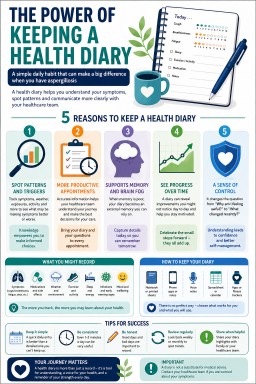
Keep a simple mood or energy diary — it helps you and your clinician see patterns.
-
Take doses at consistent times, usually in the morning, unless advised otherwise.
-
Build in gentle activity or time outdoors — small wins, like Alison’s campervan trip, really lift mood.
-
Avoid caffeine or alcohol spikes if feeling restless or irritable.
-
Tell your clinician if mood swings are severe or prolonged — dose adjustment or slower tapering may help.
💬 In Alison’s words
“Better day today.”
Sometimes that’s the victory — one step, one better day, one bit of normality returning.