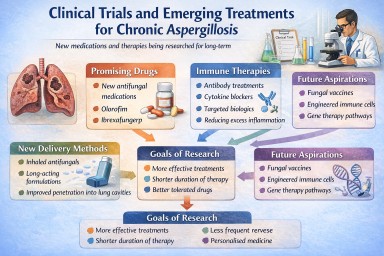
🧪 Why New Antifungal Trials Start with Invasive Aspergillosis
When you hear about promising new antifungal medicines such as Olorofim or Fosmanogepix, you may wonder why the first studies always seem to involve people with invasive aspergillosis — not those with chronic pulmonary aspergillosis (CPA) or allergic bronchopulmonary aspergillosis (ABPA).
It might seem unfair, especially when chronic forms of aspergillosis are so common and long-lasting.
But there are good reasons why research has to begin with invasive disease.
Here’s how it works — and why it’s still good news for everyone living with aspergillosis.
⚠️ 1. Invasive Aspergillosis Is the Most Dangerous Form
Invasive aspergillosis happens when Aspergillus spreads deep into the lungs or bloodstream, usually in people with a very weak immune system — for example, after chemotherapy, transplant, or high-dose steroid use.
Without prompt treatment, it can be fatal within days or weeks.
Because it is so serious, regulators such as the MHRA (UK), EMA (Europe) and FDA (USA) allow new drugs for invasive infections to be tested and reviewed much faster than they would for less urgent diseases.
This approach means that if a new antifungal proves helpful and safe, it can reach patients in greatest need more quickly — often saving lives while also building the data needed for later studies in other conditions.
📈 2. It’s Easier to Measure Whether the Drug Works
For invasive disease, the goal is very clear:
The infection either clears up, or it doesn’t.
That makes the results of a study straightforward to interpret.
With chronic or allergic aspergillosis, improvement takes much longer to measure:
-
Scans may take months to show change,
-
Symptoms can fluctuate naturally, and
-
Other lung problems (like COPD or bronchiectasis) can confuse the results.
So trials in chronic disease need larger patient numbers and longer follow-up, which are expensive and take years. Starting with invasive aspergillosis lets researchers get the essential safety and efficacy answers first.
🧾 3. The Regulatory Framework Focuses on Invasive Disease
Drug-approval rules for antifungals were originally designed for the most life-threatening infections.
Official guidance documents — from the EMA, FDA and others — describe exactly how to test new drugs for invasive fungal infections, but there are no formal international standards yet for chronic or allergic aspergillosis.
That means developers start where the rules are clear — and then adapt once regulators, researchers, and clinicians agree on what a “successful outcome” looks like for chronic disease.
⚖️ 4. Safety and Ethics Come First
When a new antifungal is in early testing, doctors don’t yet know all its side-effects or how it behaves during long-term use.
For ethical reasons, it’s safer to begin in patients with very few other treatment options, where the potential benefit outweighs the risk.
As safety data builds up — including how the medicine interacts with other drugs — it becomes safer to test in people with more stable chronic conditions such as CPA.
🩺 5. Once Proven Safe, Use Can Expand
Once a drug like Olorofim or Fosmanogepix:
-
works well in invasive aspergillosis,
-
has solid safety data, and
-
earns its first licence,
the manufacturer and research partners (such as the National Aspergillosis Centre) can propose new studies in CPA or other forms of aspergillosis.
By then, regulators already know the drug’s risk profile, dosing, and monitoring needs — so further approvals for chronic disease can move faster.
🧩 In Summary
| Reason | Why invasive aspergillosis comes first |
|---|---|
| Urgency | It’s the most life-threatening form, so ethics allow faster testing |
| Clear results | Success or failure can be measured more easily |
| Existing standards | Regulatory guidance already written for invasive disease |
| Safety first | Starts with people who have no other treatment |
| Builds the base | Data from invasive disease supports later CPA/ABPA trials |
🌱 Looking Ahead
Starting with invasive aspergillosis is a gateway, not a dead-end.
Every study adds vital knowledge about how these new antifungals work, how safe they are, and which patients might benefit most.
Once enough evidence exists, clinical trials can — and almost certainly will — expand to include chronic pulmonary aspergillosis (CPA) and possibly even allergic forms of the disease.
So while the research focus may begin with the most critical cases, the progress made there ultimately helps everyone living with aspergillosis.
🩺 Why New Antifungal Medicines Aren’t for Everyone (Yet)
When new medicines are announced, it’s natural to wonder:
“If they’re better than what we already have, why can’t everyone start using them straight away?”
Two new antifungal drugs — Olorofim and Fosmanogepix — are generating real excitement because they work in completely new ways and could help people whose fungal infections no longer respond to existing treatments.
But before any new drug becomes widely available, it must go through a careful process to make sure it’s safe, effective, affordable, and used in the right patients. Here’s why most people with aspergillosis will still be treated with existing antifungal medicines for now.
🧪 1. They’re Still Being Tested
Olorofim and Fosmanogepix are still classed as investigational medicines.
That means they have shown promise in early studies — especially for severe or drug-resistant infections — but they are not yet approved for general medical use.
Regulators such as the MHRA (UK), EMA (Europe), and FDA (USA) require large, carefully controlled studies to confirm:
-
that the drugs are safe for different types of patients,
-
that they work as well as or better than existing treatments, and
-
that the benefits clearly outweigh any risks.
Until that evidence is complete, they can only be prescribed within clinical trials or under special compassionate-use programmes at specialist hospitals.
💨 2. Different Types of Aspergillosis Need Different Treatments
Aspergillosis isn’t one single disease. It includes:
-
Invasive aspergillosis, a dangerous infection in people with weak immune systems.
-
Chronic pulmonary aspergillosis (CPA), a long-term infection in people with lung damage.
-
Allergic bronchopulmonary aspergillosis (ABPA), an allergic reaction rather than a true infection.
The new antifungals are currently being tested only for invasive aspergillosis — the most severe form.
They haven’t yet been studied in chronic or allergic forms like CPA or ABPA, so we don’t yet know if they would work or be safe for those conditions.
💊 3. Current Medicines Still Work Well for Most Patients
Existing antifungal drugs such as itraconazole, voriconazole, posaconazole, and isavuconazole remain effective for most people with aspergillosis.
Doctors already know:
-
how to monitor their levels in the blood,
-
how to manage side-effects, and
-
how to combine them safely with other medicines.
New drugs can bring new possibilities — but they can also bring unknown side-effects or interactions. Doctors need strong, long-term evidence before changing large numbers of patients to new treatments.
💷 4. Cost and Access Take Time
Developing antifungal drugs takes years and costs millions of pounds.
When a new medicine is finally approved, it is often very expensive at first.
In the UK, every new treatment must go through NICE (the National Institute for Health and Care Excellence).
NICE checks:
-
how well it works,
-
how safe it is, and
-
whether the NHS can afford to provide it fairly to all who need it.
Only once NICE recommends a drug can NHS England fund it for routine use — and even then, it may be limited to certain hospitals or patient groups at first.
⚖️ 5. A Step-by-Step Approach Keeps Patients Safe
New medicines are introduced gradually — starting with people who have no other treatment options.
If they prove safe, effective, and affordable in that group, their use can be expanded step by step to include more patients and other forms of disease.
This careful rollout protects patients from unexpected risks and helps prevent early resistance, so the drugs stay effective for longer.
🧭 6. Who Decides When a New Antifungal Can Be Used for CPA?
Bringing a new antifungal from its first approval to wider use in chronic diseases like CPA involves several levels of decision-making:
1️⃣ The Manufacturer
Companies such as Shionogi Europe (Olorofim) or Basilea/Pfizer (Fosmanogepix) design the trials and decide which conditions to test first — usually the most life-threatening ones.
If early results are good, they can plan new studies for CPA or other chronic lung infections.
2️⃣ Clinical Researchers and Specialist Centres
Centres such as the National Aspergillosis Centre (NAC) collect real-world data from patients who receive these drugs through compassionate-use programmes.
If several patients with CPA improve, these results may encourage formal CPA-specific trials.
3️⃣ Regulatory Authorities
Bodies such as the MHRA (UK), EMA (Europe), or FDA (USA) decide which diseases a drug can officially be marketed for.
To add CPA as a licensed use, the company must submit:
-
new clinical trial data,
-
long-term safety information, and
-
a formal request to extend the drug’s licence.
Until that happens, doctors can only prescribe it for CPA off-label — usually within strict hospital governance systems.
4️⃣ NICE and NHS England
Even after regulatory approval, NICE must review cost and benefit before the NHS can fund the drug for CPA.
Without a positive NICE recommendation, it can’t be routinely prescribed in the UK.
5️⃣ Specialist Clinical Networks
Finally, once approved and funded, expert groups like the NAC and national respiratory networks decide how and when the drug should be used — for example:
-
only for patients with azole-resistant CPA,
-
after all standard options have failed, and
-
with careful monitoring.
This information is then built into national and local treatment guidelines.
🔄 Example Pathway: Olorofim’s Future Use for CPA
| Stage | Who acts | What happens |
|---|---|---|
| 1️⃣ | Shionogi | Gains approval for invasive aspergillosis |
| 2️⃣ | NAC & academic partners | Report successful CPA case studies |
| 3️⃣ | Shionogi + NAC | Launch a formal CPA clinical trial |
| 4️⃣ | MHRA / EMA | Extend licence to include CPA |
| 5️⃣ | NICE | Reviews cost-effectiveness for CPA |
| 6️⃣ | NHS England | Approves CPA use in NHS centres |
🩸 In Summary
| Reason | Why we can’t all switch now |
|---|---|
| Still in trials | Not yet fully approved for use |
| Different diseases | Only tested for invasive aspergillosis so far |
| Known vs unknown | Established drugs work well for most people |
| Cost and access | NHS approval and funding take time |
| Safe rollout | New drugs introduced step-by-step |
🌱 Looking Ahead
Both Olorofim and Fosmanogepix represent the most promising antifungal advances in decades.
If they continue to perform well in trials, they could become vital options for people whose infections no longer respond to standard medicines — and, in time, for chronic conditions like chronic pulmonary aspergillosis (CPA).
For now, the safest and most effective approach remains to use proven antifungals under expert supervision, while keeping a close watch on these exciting new developments.
🌿 New Antifungal Medicines on the Horizon: Olorofim and Fosmanogepix
For many years, doctors have relied on the same small group of antifungal drugs — mainly azoles (like itraconazole and voriconazole), amphotericin, and echinocandins. These have saved lives, but some fungi are becoming resistant, and some people can’t tolerate them because of side-effects or drug interactions.
Two completely new antifungal medicines — Olorofim and Fosmanogepix — are now in the final stages of research. They work in new ways and could help patients whose infections no longer respond to current treatments.
🧬 Olorofim (by F2G Ltd, UK)
How it works:
Olorofim blocks a vital process that fungi need to make DNA. It belongs to a brand-new group called orotomides, and works very differently from other antifungals.
Which infections it targets first:
-
The first planned use will be for people with invasive mould infections (for example, Aspergillus fumigatus and some rare moulds) when existing medicines don’t work or can’t be used.
-
It is especially promising for azole-resistant Aspergillus, which is becoming more common.
How it might help in the future:
Although early studies are focused on severe infections in people with weak immune systems, Olorofim has also shown good results in some patients with chronic pulmonary aspergillosis (CPA) who could not take azoles.
Once it is licensed, hospitals such as the National Aspergillosis Centre may be able to use it for difficult or resistant cases of CPA on a specialist-approval basis.
When it might be available:
F2G has completed late-stage studies and is preparing for regulatory approval.
If all goes well, Olorofim could be available around 2026–2027 in some countries, with the UK likely to follow once it is approved and adopted by the NHS.
⚗️ Fosmanogepix (by Basilea and Pfizer)
How it works:
Fosmanogepix (converted in the body to manogepix) blocks the fungus from making a protective coating around its cell surface. This prevents it from growing and spreading. It belongs to another new group of antifungal drugs.
Which infections it targets first:
-
The first major study is for Candida bloodstream infections (candidemia) and other serious yeast infections.
-
A second study focuses on invasive mould infections, including aspergillosis, in patients with few treatment options.
How it might help in the future:
Once approved for invasive infections, Fosmanogepix could later be tested in longer-term or chronic lung infections, such as CPA, if it proves safe for long-term use.
When it might be available:
-
The first approval (for Candida) may come around 2027.
-
The aspergillosis trial is still running and not expected to finish before 2028–2029, so that indication will follow later.
🩺 What This Means for People with Aspergillosis
| Drug | New or existing? | First use likely for | Could later help with | When available (approx.) |
|---|---|---|---|---|
| Olorofim | New class (orotomide) | Invasive Aspergillus and resistant moulds | Difficult or resistant cases of chronic pulmonary aspergillosis (CPA) | 2026–2027 |
| Fosmanogepix | New class (Gwt1 inhibitor) | Candida bloodstream infections | Invasive mould infections, possibly CPA later | 2027–2029 |
🧩 In summary
-
These two drugs represent the first completely new antifungal classes in decades.
-
They are being tested mainly for life-threatening fungal infections where current medicines fail.
-
Once approved, they may offer new options for people with resistant or difficult-to-treat forms of aspergillosis, including some patients with CPA.
-
They are not yet available on prescription, but progress looks very promising.
Understanding Risk from Aspergillosis — and What’s Improving
🧫 How risky is aspergillosis?
The outlook for people with aspergillosis has improved dramatically in the past two decades.
Two things have changed that make a huge difference:
-
We diagnose it earlier.
Better scans, blood tests (like galactomannan and PCR), and greater awareness mean the infection or allergic reaction is recognised much sooner. -
We treat it better.
Modern antifungal medicines, steroid-sparing biologics, and specialist clinics have all transformed care and monitoring.
⚖️ Risk of death — managed vs. unmanaged
| Type of Aspergillosis | If well managed | If unmanaged or poorly treated |
|---|---|---|
| Allergic (ABPA) | Survival > 95 % | About 90 % (may progress to chronic lung damage) |
| Chronic (CPA) | 5-year survival ≈ 80–90 % | 5-year survival ≈ 50 % |
| Invasive (IA) | 5-year survival ≈ 50–70 % | < 20 % (often fatal if untreated) |
Across all forms of aspergillosis, the risk of death has fallen by roughly 50 % since the early 2000s.
💊 What’s driven this improvement
-
New antifungal drugs — triazoles (itraconazole, voriconazole, posaconazole, isavuconazole) now form the backbone of long-term therapy.
-
Rapid diagnosis — galactomannan, PCR, and CT scanning detect infection days earlier than before.
-
Improved hospital and ICU care — faster recognition and better ventilation strategies save lives in invasive cases.
-
Specialist clinics and monitoring — regular blood tests, imaging, and drug-level checks prevent deterioration and drug toxicity.
-
Biologic therapies — agents that target allergic inflammation (like anti-IgE or anti-IL-5 biologics) help reduce steroid use and preserve lung function.
🚀 What could make outcomes even better
Researchers and clinicians are optimistic about the next decade.
Future advances are already on the horizon:
| Future area | How it helps |
|---|---|
| Next-generation antifungals – Olorofim, Fosmanogepix | Active against azole-resistant strains and safer for long-term use |
| Combination or personalised therapy | Matching the right drug and dose to each patient’s response pattern |
| Routine antifungal-resistance testing | Prevents treatment failure by identifying resistant Aspergillus early |
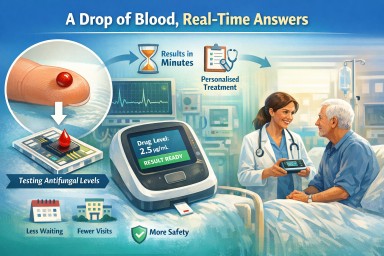
| Rapid home or bedside testing | Detects infection flare-ups before symptoms become severe |
| Improved imaging and AI-supported analysis | Spots fungal cavities or airway changes at an earlier, reversible stage |
| Global stewardship of agricultural azoles | Reduces environmental resistance by limiting unnecessary fungicide use |
| Patient self-monitoring and digital follow-up | Enables early reporting of symptoms and better long-term adherence |
⚠️ Potential barriers to further progress
Even with all these advances, several important challenges could slow improvement if left unaddressed:
| Barrier | Why it matters |
|---|---|
| Antifungal resistance | Aspergillus fumigatus is developing resistance to azoles used both in medicine and agriculture. Resistant strains can make first-line treatment fail unless resistance testing is done. |
| Delayed or missed diagnosis | Symptoms often mimic other lung conditions. Late recognition allows infection or inflammation to cause irreversible damage. |
| Limited access to specialist care | Some regions lack experienced clinicians, diagnostic testing, or antifungal drug availability, increasing global inequality in outcomes. |
| Drug toxicity and interactions | Long-term antifungal therapy can affect the liver or interfere with other medicines if not closely monitored. |
| Environmental change | Warmer, wetter climates and increased composting or construction may raise Aspergillus exposure for vulnerable people. |
| Healthcare strain and cost | Long-term follow-up, monitoring, and expensive new drugs may challenge already stretched healthcare systems. |
Each of these barriers needs attention through research, public health policy, and education to ensure the gains of the last 20 years continue.
❤️ The key message
Aspergillosis is still a serious disease, but its outlook is far better than it used to be.
With modern antifungals, biologics, and regular monitoring, most people live many years — and new treatments promise even better results.
Patients can help by:
-
Reporting new symptoms early.
-
Keeping up with regular blood and imaging checks.
-
Asking about resistance testing and treatment options.
-
Staying informed about new drugs and trials.
🌅 A hopeful future
In just twenty years, deaths from aspergillosis have halved.
If we continue improving diagnosis, drug development, and resistance control, survival will rise even higher — turning aspergillosis from a life-threatening infection into a long-term but manageable condition for most people.
Understanding Risk: How Common Is “Rare”?
When doctors talk about risk, it can sound worrying — especially when you’re already living with a lung condition.
But every day, we all take small, managed risks without realising it.
Understanding how everyday risks compare with medical or vaccine risks helps put the numbers into perspective — and shows why treatment is almost always worth it.
🚶♀️ Everyday activities carry small risks
Everyday life is full of tiny risks we accept because the benefits are clear — exercise, travel, independence, and social connection.
| Activity | Estimated risk of serious harm | Equivalent comparison |
|---|---|---|
| Driving a car for 250 miles | About 1 in 1 million chance of fatal accident | Roughly the same as the risk of a severe vaccine reaction |
| Cycling for 30 minutes | About 1 in 3 million | Similar to being struck by lightning in your lifetime |
| Walking near traffic for a day | Around 1 in 15 million | Negligible, but not zero |
| Taking a domestic flight (UK) | Less than 1 in 10 million chance of fatal accident | Far safer than most road journeys |
| Catching flu during winter | Around 1 in 10 chance of getting ill | Much higher risk than most medicine side effects |
We don’t think of these activities as “dangerous” because the benefit far outweighs the risk — just as it does with most treatments.
💊 Medicines and vaccines we take safely every day
Most common medicines have mild, short-lived side effects. Serious reactions are possible but extremely rare.
| Medicine | Typical mild effects | Serious reactions (approx. frequency) | Comment |
|---|---|---|---|
| Paracetamol (acetaminophen) | Nausea, rash | Serious liver injury ≈ 1 in 100,000 (usually after overdose) | Very safe when taken correctly |
| Ibuprofen | Heartburn, upset stomach | Ulcer or stomach bleed ≈ 1 in 1,000 if used long term | Safer when taken with food |
| Amoxicillin | Diarrhoea, mild rash | Severe allergic reaction ≈ 1 in 5,000–10,000 | Rare but recognised |
| Influenza vaccine | Sore arm, tiredness | Severe allergic reaction ≈ 1 in 1 million | Prevents thousands of serious infections yearly |
| COVID-19 vaccine | Mild flu-like symptoms (≈ 1 in 10) | Severe allergic reaction ≈ 1 in 100,000 | Benefits far outweigh risks |
| Oral steroids (short course) | Increased appetite, insomnia | Major side effects only with prolonged use | Vital during ABPA or asthma flares |
⚕️ What does “serious side effect” really mean?
When you read about serious reactions in medical leaflets or vaccine information, it doesn’t necessarily mean life-changing.
The term “serious” has a specific medical meaning, used by the MHRA, EMA, and WHO.
A reaction is called serious if it:
-
leads to hospitalisation,
-
is life-threatening at the time,
-
causes temporary disability or incapacity,
-
results in death, or
-
causes a birth defect.
👉 It’s about medical urgency, not always long-term harm.
In reality, most serious reactions are short-lived and fully reversible with prompt treatment.
For example:
-
An anaphylactic reaction to a vaccine is medically serious because it needs immediate care — but nearly everyone recovers completely once treated.
-
A high fever or rash that requires a day in hospital may be serious in reporting terms, but causes no permanent damage.
By contrast, life-changing reactions (such as nerve injury or organ failure) are extraordinarily rare — far rarer than being struck by lightning.
“When doctors say ‘serious reaction’, they mean something that needs urgent medical attention — not something that will leave you permanently unwell.”
🩺 More common health risks we all face
While medicine risks are very small, the everyday risks to life and health are much higher — especially if conditions go untreated.
| Health event or cause | Approximate annual risk (UK adult) | Lifetime risk | Notes |
|---|---|---|---|
| Heart attack | Around 1 in 200–300 per year | 1 in 4 men, 1 in 6 women | Increases with age, smoking, and high blood pressure |
| Stroke | Around 1 in 250 per year | About 1 in 5 adults | Preventable with healthy lifestyle and medication |
| Cancer (any type) | Around 1 in 125 per year | Around 1 in 2 people in their lifetime | Most treatable when found early |
| Serious road accident | About 1 in 15,000 per year | Around 1 in 100 lifetime | Far higher than a vaccine reaction |
| Severe flu needing hospital care | Around 1 in 500 per winter | Higher for people with lung disease | Preventable by flu vaccination |
| Fatal asthma attack | About 1 in 100,000 per year | Higher in uncontrolled asthma | Preventable with good management |
| COVID-19 death (current UK levels) | Around 1 in 2,000–5,000 per year for older/vulnerable adults | Major reason vaccination still matters | |
| Lightning strike | About 1 in 15 million per year | Around 1 in 300,000 lifetime | Benchmark for “extremely rare” risk |
⚖️ Making sense of the numbers
-
A 1 in 1,000 risk means one person in a large GP practice might experience it.
-
A 1 in 100,000 risk means one person in a football stadium crowd.
-
A 1 in 1 million risk is so rare that most doctors never see it in their career.
So when you hear that a serious vaccine reaction occurs in one in a million people, that’s about the same as:
-
being struck by lightning once in your life, or
-
winning a small lottery prize several times in a row.
❤️ The real takeaway
The greatest risks to life and health are the common diseases we can prevent or treat — not the rare side effects of treatment.
Every vaccine or medicine is carefully assessed so that its benefits far outweigh its risks, especially for people with asthma, ABPA, bronchiectasis, or weakened immunity.
Treatments don’t add danger — they reduce the much bigger risks from infection, inflammation, and lung damage.
🧭 Key message
We all live with risk, but:
-
Most everyday and health-related risks are far greater than the tiny chance of a medicine reaction.
-
Managing your lung condition well — with the right treatment, vaccines, and follow-up — protects your lungs and lengthens your life.
-
The safest path is always informed care, not avoidance through fear.
Aspergillosis & Asthma: When Risks Peak Through the Year
Many people living with aspergillosis, asthma, or bronchiectasis notice that their symptoms change with the seasons.
This is no coincidence — environmental factors such as temperature, humidity, pollen, spores, and viral infections all vary through the year, and these can strongly influence both lung health and allergic or fungal disease.
Understanding these patterns can help you plan ahead, reduce exposure, and know when to take extra care.
🌸 Spring: Pollen and Early Spore Season
As temperatures rise, tree pollen (especially birch, oak, and plane) and Aspergillus spores begin to increase in outdoor air.
For people with Allergic Bronchopulmonary Aspergillosis (ABPA) or Severe Asthma with Fungal Sensitisation (SAFS), this can trigger cough, wheeze, and chest tightness.
-
Keep an eye on Met Office pollen and spore forecasts.
-
Open windows on dry days, but check for signs of mould indoors, especially around windows and bathrooms.
-
If you notice symptoms flaring every spring, let your respiratory team know — small medication adjustments may help.
📊 Data source: Met Office spore count data.
☀️ Summer: Soil, Compost, and Renovation Hazards
Warm, humid conditions mean fungi thrive — especially outdoors.
Compost heaps, garden soil, and grass cuttings can release very high levels of Aspergillus spores.
People with chronic lung disease, ABPA, or Chronic Pulmonary Aspergillosis (CPA) are at greater risk of exacerbations during this period.
-
If gardening or using compost, wear gloves and an FFP2/FFP3 mask.
-
Avoid turning compost heaps or cleaning bird feeders if you are immunocompromised.
-
Keep home humidity below 60% and ventilate well during warm spells.
🪴 Source: Protective mask and compost safety advice.
🍂 Autumn: Damp Homes and Viral Load
As the weather cools, we close windows and turn on heating — trapping moisture indoors.
This increases damp and mould growth, particularly in poorly ventilated areas.
At the same time, colds, flu, and RSV infections surge, all of which can make fungal or allergic conditions worse.
-
Use a dehumidifier and ensure air can circulate behind furniture.
-
Check for leaks, condensation, or cold corners.
-
Stay up to date with flu and COVID vaccinations if eligible.
💧 Source: Aspergillosis.org damp guidance.
❄️ Winter: Indoor Season and Medication Review
Outdoor spore levels are lowest in winter, but indoor exposure dominates — from bathrooms, humidifiers, and heating systems.
Viral infections remain a major trigger for asthma and ABPA flare-ups, and antifungal or steroid treatments may need review.
-
Keep homes warm but ventilated where possible.
-
Review your treatment plan with your clinical team, especially if you’re using steroids or biologics.
-
Contact your GP or specialist early if you notice an increase in cough, breathlessness, or mucus plugs.
🧭 Key Takeaway
Aspergillosis and asthma flare-ups often follow the seasons:
| Season | Main Risks | Take Action |
|---|---|---|
| Spring | Pollen, outdoor spores | Monitor counts, check home for mould |
| Summer | Compost, soil, renovation dust | Use masks/gloves, avoid heavy exposure |
| Autumn | Damp homes, viruses | Dehumidify, ventilate, manage infections |
| Winter | Indoor air, viruses | Keep warm, review treatment |
By spotting your personal pattern, you and your care team can plan ahead — reducing exacerbations and staying well all year.
🧠 Article 2: Why Awareness Matters – Staying Safe and Confident on Aspergillosis Treatment
Subtitle: How understanding your medicines can protect you and improve your quality of life.
💬 Awareness Means Safety
For people managing aspergillosis or related lung conditions, awareness isn’t just about learning facts — it’s about staying safe.
Knowing how your treatment works, what to expect, and who to ask for help gives you control and confidence.
1️⃣ Awareness Builds Understanding
Understanding each medicine’s purpose helps you:
-
Recognise genuine warning signs early.
-
Avoid anxiety over mild or harmless side effects.
-
Know when something needs professional advice.
Example: a patient who knows voriconazole can cause brief light sensitivity won’t panic, but they will report a new rash or jaundice straight away.
2️⃣ Awareness Improves Communication
Informed patients are better partners in care.
You can explain symptoms clearly, ask the right questions, and notice how medicines affect you.
This helps doctors and nurses tailor treatment quickly and safely.
3️⃣ Awareness Supports Safer Treatment
Many aspergillosis patients take multiple interacting medicines — antifungals, steroids, antibiotics, and sometimes biologics.
Being aware of potential interactions means you can prevent problems before they happen.
You can check interactions using the official
👉 BNF Interactions Checker – NICE Medicines Guidance
(Free, reliable, and used by UK healthcare professionals.)
💡 Tip: If you find a possible interaction online, don’t stop any medicine yourself. Take a screenshot or note and discuss it with your pharmacist or specialist.
🧴 Awareness Includes Working With Your Pharmacist
Pharmacists — both hospital and community — are a vital part of your care team.
They are medicine specialists who can:
-
Review your prescriptions for clashes between antifungals, steroids, and other drugs.
-
Advise how to take medicines for best absorption (for example, itraconazole with food, not with omeprazole).
-
Explain potential side effects and how to manage them safely.
-
Contact your GP or hospital consultant if adjustments are needed.
Whenever you start or stop a medicine — even an over-the-counter painkiller or herbal supplement — let your pharmacist know.
They can quickly check your full medication list using the same professional databases doctors use.
🧭 Remember: Your pharmacist is your first safety checkpoint.
They’re there to protect you, clarify confusion, and help your medicines work safely together.
4️⃣ Awareness Builds Confidence and Control
Long-term illness can feel unpredictable.
Understanding your medicines helps you:
-
Manage flare-ups calmly.
-
Recognise early changes and act quickly.
-
Feel more confident talking with your care team.
Research shows that informed patients have fewer hospital admissions, better symptom control, and improved wellbeing.
⚖️ Balanced Information
Awareness is only helpful if it’s accurate.
Stick to trusted sources such as:
-
aspergillosis.org
-
Your hospital’s patient information leaflets
-
Local or hospital pharmacists who can explain details clearly
Avoid social-media “miracle cures” or alarming headlines that lack evidence.
🌱 The Bottom Line
Awareness doesn’t just make you more knowledgeable — it makes you safer.
Learn what each medicine does, recognise early warning signs, and use trusted resources like the BNF Interactions Checker and your pharmacist to keep your treatment on track.
Awareness turns uncertainty into confidence — and confidence into better health.
🔗 Related Resource
Managing Side Effects of Aspergillosis Treatments » — detailed guide to medicines, monitoring, and how pharmacists and doctors work together to keep you safe.
🩺 Article 1: Managing Side Effects of Aspergillosis Treatments
Subtitle: What to expect, how to recognise problems early, and when to ask for help.
💊 Why This Matters
People living with aspergillosis, bronchiectasis, or Primary Ciliary Dyskinesia (PCD) often take several medicines for months or even years.
These drugs are vital for controlling infection, inflammation, and allergic reactions — but they can also cause side effects or drug interactions.
Being aware of what’s normal, what’s not, and when to seek help helps you stay safe while getting the most from treatment.
⚗️ Antifungal Medicines
Antifungal (azole) drugs are the backbone of treatment for Chronic Pulmonary Aspergillosis (CPA) and Allergic Bronchopulmonary Aspergillosis (ABPA).
They control infection but can affect the liver, heart, or skin, so regular blood monitoring is essential.
Itraconazole (Sporanox® / generic)
Used for long-term control in CPA and ABPA.
-
Common: tiredness, nausea, ankle swelling, blurred vision.
-
Serious: yellowing skin/eyes, dark urine, shortness of breath.
-
Tips:
-
Take with a main meal or fizzy drink (acidic stomach aids absorption).
-
Avoid taking it with omeprazole or similar acid-reducing drugs, as these block absorption.
-
Have regular liver-function and drug-level blood tests.
-
Report ankle swelling or jaundice immediately.
-
Voriconazole (Vfend®)
Used when itraconazole isn’t effective or tolerated.
-
Common: temporary visual flashes or blurred vision, sunlight sensitivity, mild headache.
-
Serious: severe rash, blistering, or long-term skin-cancer risk from sunlight.
-
Tips:
-
Always use SPF 30+ sun cream, even in winter.
-
Avoid prolonged sun exposure.
-
Report any visual change, rash, or fatigue promptly.
-
Blood monitoring checks for safe drug levels.
-
Posaconazole (Noxafil®)
Used for resistant infections or as a second-line therapy.
-
Common: nausea, diarrhoea, fatigue.
-
Serious: liver inflammation, low potassium (causing muscle cramps or irregular heartbeat).
-
Tips:
-
Take with a main meal or full-fat snack.
-
Report unexplained muscle weakness or palpitations.
-
Keep up with blood tests.
-
Isavuconazole (Cresemba®)
A newer antifungal option that may cause fewer interactions.
-
Common: headache, mild nausea, ankle swelling.
-
Tips:
-
Continue regular liver and kidney checks.
-
Report any new swelling, fatigue, or breathlessness.
-
💨 Corticosteroids
(Prednisolone, Methylprednisolone, Hydrocortisone)
These reduce inflammation and allergic response in ABPA and asthma.
They are powerful — but long-term use can affect weight, mood, bones, and hormone balance.
-
Common: increased appetite, fluid retention, mood swings, difficulty sleeping.
-
Long-term: thinning bones, higher blood sugar, adrenal suppression.
-
Tips:
-
Never stop suddenly — always taper under medical advice.
-
Carry a Steroid Emergency Card.
-
Ask about bone protection (vitamin D, calcium, bisphosphonates).
-
See your GP if you feel very tired, dizzy, or unwell.
-
🧬 Biologic Treatments
(Mepolizumab, Benralizumab, Omalizumab)
These injection-based medicines target inflammation or allergic responses in severe asthma or ABPA.
-
Common: mild injection-site soreness, tiredness, headache.
-
Occasional: mild fever or muscle aches.
-
Serious: allergic swelling of lips, tongue, or throat.
-
Tips:
-
Record any mild reactions.
-
If you develop swelling or difficulty breathing, call 999 immediately.
-
💊 Long-Term Antibiotics
(Azithromycin, inhaled colomycin, tobramycin)
Used to reduce bacterial infections in bronchiectasis or PCD.
-
Common: stomach upset, diarrhoea, mild throat irritation.
-
Long-term: tinnitus or hearing loss (especially with azithromycin).
-
Tips:
-
Have periodic hearing checks.
-
Rinse mouth and nebuliser after inhaled antibiotics.
-
Report ringing in the ears, severe diarrhoea, or rash.
-
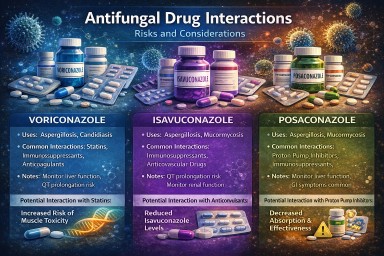
⚠️ Drug Interactions
Antifungal medicines (especially azoles) can interfere with many common drugs, including:
-
Steroids (e.g., prednisolone, fluticasone) — may increase steroid levels.
-
Reflux medicines (e.g., omeprazole, lansoprazole) — reduce antifungal absorption.
-
Statins and warfarin — increase risk of side effects or bleeding.
-
Some antihistamines and antibiotics — can affect heart rhythm.
These interactions can be complex — always check before starting or stopping any medication.
✅ Check it yourself:
You can use the official BNF Interactions Checker (NICE Medicines Guidance) to see if two medicines are known to interact.
Simply type the names (e.g., itraconazole and prednisolone) and it will show the risk level, what the interaction does, and what clinicians usually recommend.
If unsure, show the result to your GP, pharmacist, or hospital team — they can interpret it for your situation.
🚨 When to Seek Help
Call your specialist or GP urgently if you notice:
-
Yellowing of skin or eyes
-
Severe rash, blistering, or peeling
-
New ankle swelling or breathlessness
-
Sudden fatigue or dark urine
-
Visual changes or increased photosensitivity
-
Ringing in the ears or hearing loss
If you feel acutely unwell, do not stop your medication abruptly — contact your hospital team or emergency services.
🔗 Next read: Why Awareness Matters – Staying Safe and Confident on Aspergillosis Treatment »
⚠️ Omeprazole and PPIs: What’s Behind the Recent Warning?
Recently, several newspapers – including The Mirror – reported that a “BBC doctor” had issued a warning to anyone taking omeprazole, a commonly prescribed drug for acid reflux and heartburn.
So, is this something new, or just another media scare? Let’s look at what the evidence actually says – and what it means if you’re living with aspergillosis, bronchiectasis, or other chronic lung diseases.
💊 What Are PPIs?
Proton Pump Inhibitors (PPIs) such as omeprazole, lansoprazole, and esomeprazole are medicines that reduce stomach acid.
They’re often used to:
-
Treat reflux, indigestion, or stomach ulcers
-
Protect the stomach from irritation caused by anti-inflammatory drugs or steroids
They’re very effective and widely prescribed — millions of people in the UK take them every day.
⚠️ Why the Headlines?
The recent news stories stem from a discussion on BBC Morning Live, where GP Dr Punam Krishan highlighted the potential long-term side effects of PPIs.
Although these aren’t “new discoveries”, they serve as an important reminder that long-term PPI use should be reviewed regularly.
🧠 What the Evidence Shows
Research over the past decade has shown that taking PPIs for a long time or at high doses can lead to several possible side effects:
| Possible Issue | What Happens | Why It Matters |
|---|---|---|
| Infections | Higher risk of gut infections such as Clostridioides difficile and bacterial overgrowth | Stomach acid normally helps kill harmful bacteria; reducing it alters the balance |
| Changes in gut microbiome | Loss of protective “friendly” bacteria | May influence digestion, immunity, and inflammation |
| Reduced absorption of nutrients | Low magnesium, iron, or vitamin B12 | Can lead to tiredness, cramps, or anaemia |
| Bone health | Slightly higher risk of fractures with very long-term use | May relate to calcium absorption |
| Kidney and heart effects (rare) | Observed in some studies | Still being researched |
Most of these risks are small, and for many people the benefits outweigh them — but it’s still important to make sure you’re taking the lowest effective dose and that your doctor reviews the need for it periodically.
🫁 Why It Matters for Aspergillosis and Lung Conditions
If you have aspergillosis, bronchiectasis, or Primary Ciliary Dyskinesia (PCD), there are extra reasons to think carefully about long-term PPI use:
-
Microbiome connections: The gut and lungs are linked through what’s called the gut–lung axis. Disturbances in gut bacteria can affect immune responses elsewhere in the body — possibly including the lungs.
-
Infection control: PPIs can slightly increase the risk of bacterial or fungal overgrowth in the gut. While this doesn’t directly cause lung infection, it may influence the body’s balance between helpful and harmful microbes.
-
Medication interactions: Some antifungal medicines (like itraconazole or posaconazole) rely on stomach acidity for absorption — so PPIs can reduce their effectiveness. Your specialist will usually time doses or adjust medication accordingly.
-
Reflux and aspiration: On the other hand, reflux itself can worsen lung disease if acid is inhaled into the lungs — so stopping PPIs suddenly can make things worse. Always discuss any change with your doctor first.
🩺 What You Can Do
If you take omeprazole or another PPI:
-
Check why you’re on it – Is it for reflux, ulcer protection, or another reason?
-
Review the dose and duration – Many people can step down to a lower dose or switch to on-demand use once symptoms are controlled.
-
Don’t stop suddenly – Stopping PPIs abruptly can cause a rebound in acid production and make symptoms flare.
-
Ask about alternatives – Some people can switch to H2-blockers (e.g. ranitidine-type medicines), or use lifestyle changes such as avoiding late meals, raising the bedhead, and reducing caffeine or alcohol.
-
Discuss with your specialist team – Particularly if you’re also on antifungal or antibiotic treatments, as interactions can occur.
🧩 Key Takeaway
The recent headlines about omeprazole are not new, but they highlight a genuine issue:
PPIs are very useful drugs — but long-term use should always be reviewed to make sure the benefits outweigh the risks.
For most people, there’s no need to panic.
Just make sure you:
-
Use the lowest effective dose
-
Review your need for PPIs at least once a year
-
Discuss any concerns with your respiratory or gastroenterology team
🔗 Useful References
-
NHS Guidance: Proton Pump Inhibitors – Risks and Review Advice
-
PrescQIPP PPI Safety Review (UK 2023) – Long-term safety and deprescribing guidance
-
Gut (BMJ): Proton pump inhibitors and gut microbiota: cause for concern? (Gut 2016;65:740–748)
🧬 From Scottish Discovery to American Pharmacy Shelf: The Story of Brensocatib
Sometimes a medicine begins life in one country but reaches patients first in another. The new bronchiectasis drug brensocatib is a perfect example — discovered in Scotland, yet first approved for use in the United States.
Here’s how that happens, and what it tells us about how new treatments make their way to patients.
1️⃣ Discovery in Dundee
At the University of Dundee, scientists in the Drug Discovery Unit (DDU) were studying how certain white blood cells called neutrophils can cause long-term lung damage.
They identified an enzyme, DPP1 (dipeptidyl peptidase I), that activates destructive substances inside these cells.
Blocking DPP1 could calm inflammation without wiping out the body’s defences.
Their research produced a promising new compound — later named brensocatib — which safely switched off this process in lab studies.
2️⃣ Partnering to Go Global
Turning an early discovery into a medicine is an enormous task.
It costs hundreds of millions of pounds and can take 10–15 years.
The Dundee team partnered with Insmed, a biotechnology company based in New Jersey, USA, which had the funding and international trial experience to move brensocatib into large clinical studies.
3️⃣ Worldwide Trials
Insmed led major trials involving hundreds of people with non-cystic fibrosis bronchiectasis in hospitals across North America, Europe, and Asia.
Results showed that brensocatib reduced flare-ups and improved quality of life.
Because Insmed’s main offices and regulatory team are in the U.S., they submitted their results first to the U.S. Food and Drug Administration (FDA).
4️⃣ U.S. Approval
In 2025, the FDA approved brensocatib — the first drug of its kind to treat bronchiectasis.
American patients can now access it while other countries complete their reviews.
5️⃣ What Happens Next in the UK
In the UK, every new medicine goes through two steps:
-
The Medicines and Healthcare products Regulatory Agency (MHRA) checks that it is safe and effective.
-
Then NICE (the National Institute for Health and Care Excellence) reviews how well it works for its cost and decides whether the NHS should fund it.
NICE is expected to make its decision on brensocatib in July 2026.
Even if approved, it may first be offered to those with the most severe or frequent flare-ups while more real-world data are gathered.
💷 What Dundee Gained from Its Discovery
Although Dundee handed over development to a U.S. company, the university continues to benefit in several ways:
-
Financial return: Dundee receives upfront payments, milestone fees for each stage of progress, and royalties on global sales.
These funds support new drug discovery projects, student training, and research facilities. -
Scientific impact: Brensocatib’s success highlights the strength of the Drug Discovery Unit’s model, showing that UK universities can produce world-class medicines.
-
Future partnerships: Dundee’s achievement attracts new collaborations and investment, ensuring that more early discoveries have a route to reach patients.
So while the drug is made and sold by Insmed, Dundee’s scientists — and their reinvested funding — continue to play a role in future breakthroughs.
🏭 Manufacturing: Turning Discovery into a Real Medicine
Once a new drug is approved, it still has to be produced safely, at scale, and consistently.
This is often a completely separate operation from the research or licensing stage.
For brensocatib, the chemical process that makes the active ingredient was developed by Dundee and Insmed scientists early on, but large-scale manufacturing is now carried out by specialist pharmaceutical plants under strict international standards known as Good Manufacturing Practice (GMP).
Because brensocatib is a small-molecule oral drug (a tablet, not an injection), it’s made in high-tech chemical manufacturing facilities, not hospitals or biologics plants.
These sites are often in Europe, the U.S., or Asia, depending on where the supply chains, raw materials, and quality-control systems are strongest.
Manufacturing is expensive — it must ensure every tablet is identical in purity, strength, and safety — but it’s also where economies of scale help keep the cost manageable once global production ramps up.
For the NHS and NICE, manufacturing details matter too, because:
-
They affect cost-effectiveness (how much the NHS will pay per course of treatment).
-
They influence availability — whether the company can supply enough medicine to meet demand once approved in the UK.
So, while the discovery began in Dundee and the approval started in the U.S., manufacturing is the bridge that makes it real — transforming a scientific idea into a medicine that can be prescribed to patients worldwide.
🌍 Why This Matters
This journey shows how scientific discovery is global.
A breakthrough can start in a Scottish laboratory, be developed with American funding, tested around the world, manufactured across several continents, and eventually come back to help patients in the UK.
It’s a reminder that international collaboration — between researchers, funders, manufacturers, and regulators — is what turns good science into real treatments.