

COVID Vaccines: Yes, There Is Some Risk — But COVID Infection Causes Far More Harm
People living with aspergillosis, CPA, ABPA, bronchiectasis, asthma or sarcoidosis often feel understandably anxious about vaccination.
Concerns about myocarditis, side effects, and frightening stories online are completely normal.
But when you compare the risks of the vaccine with the risks of COVID infection, a clear picture emerges:
⚠️ The vaccine carries some risk
🚨 COVID infection carries far, far more risk — and affects almost everyone
This article explains that difference clearly and honestly.
1. COVID vaccines can cause harm — but this is rare
No medical treatment is risk-free.
A very small number of people experience:
-
Fever
-
Fatigue
-
Headache
-
Swollen glands
-
Sore arm
-
Mild myocarditis (usually short-lived, rare, and mostly in young men)
Serious reactions such as hospitalisation or anaphylaxis are extremely rare — roughly 1–2 cases per million doses.
We should acknowledge this openly.
2. Almost everyone has had COVID in the last five years
Across the UK and most of the world, over 90% of adults now show antibodies from a past COVID infection, even if they didn’t realise they had it.
Many infections felt like a cold or passed unnoticed, but the body still experienced real risks:
-
heart inflammation
-
blood clots
-
lung inflammation
-
long-term fatigue
-
worsening of existing lung disease
Many people have had COVID more than once, and the risks increase with repeated infections.
So when we compare vaccine risk with infection risk, we’re not discussing a rare scenario — we are talking about something nearly everyone has already experienced, often multiple times.
3. COVID vaccines have prevented millions of hospitalisations and deaths
Global studies estimate that:
-
In the first year alone, COVID vaccines prevented around 19 million deaths worldwide.
-
WHO Europe reports more than 1.4 million lives saved in Europe alone.
-
A wider analysis suggests vaccines prevented over half of all potential hospitalisations and severe outcomes across many countries.
A simple way to think about it:
For every serious vaccine reaction, the vaccine prevents tens of thousands of hospitalisations and deaths.
This benefit is especially important for people with:
-
chronic lung disease
-
aspergillosis
-
bronchiectasis
-
asthma
-
immune suppression
-
long-term steroid use
For these groups, the protective effect of vaccination is greater than average, because COVID complications are more dangerous.
4. COVID infection causes far more harm than the vaccine
This is the crucial point.
COVID infection is 30–100 times more likely to cause myocarditis than the vaccine.
And infection-related myocarditis is:
-
more severe
-
more likely to require hospital care
-
more likely to leave long-term effects
COVID infection also increases the risk of:
-
blood clots
-
heart attacks
-
strokes
-
lung scarring
-
long COVID
-
ICU admission
-
worsening of asthma, ABPA, CPA and bronchiectasis
And the risk of death from infection is hundreds of times higher than the risk from vaccination.
5. Why scare stories feel louder than scientific facts
Scary individual stories spread quickly online.
But they are rare.
What we don’t see in the same dramatic way:
-
“Thousands of vulnerable patients avoided severe illness because they were vaccinated.”
-
“Vaccination prevented hospital admissions this week.”
-
“Most myocarditis cases after vaccination recover fully within days.”
Positive outcomes never go viral — but they happen constantly.
6. What this means for people with aspergillosis
COVID infection can:
-
trigger ABPA flares
-
worsen CPA cavities
-
increase mucus blockage
-
increase breathlessness
-
raise the risk of secondary fungal infections
-
accelerate lung damage
-
lead to hospitalisation
Vaccination significantly reduces all of these risks.
For most people with aspergillosis, vaccination is far safer than repeated COVID infections.
7. A supportive message for anyone still unsure
“It's true the vaccine carries some risk — all medicines do.
But COVID infection carries far, far more risk, and nearly everyone has had it at least once already.
Vaccination is the option that best protects your heart, your lungs, and your long-term health.”
Fungal Vaccines: What New Research Could Mean for Aspergillosis Patients
Based on the 2025 Journal of Clinical Investigation commentary on emerging fungal vaccine science
Why fungal vaccines matter
Fungal infections remain a major global health problem, causing an estimated 3.8 million deaths per year. Yet despite this huge burden, there are currently no licensed vaccines to prevent or treat fungal disease.
For people living with aspergillosis—including chronic pulmonary aspergillosis (CPA), allergic bronchopulmonary aspergillosis (ABPA), severe asthma with fungal sensitisation (SAFS), and Aspergillus bronchitis—this gap is very real.
Treatments often involve long-term antifungal medications, steroids, or biologics, and symptoms may recur despite therapy.
A new scientific commentary in the Journal of Clinical Investigation highlights major progress in fungal vaccine research and suggests that vaccines may become important tools for both prevention and treatment in the future.
A new breakthrough: the Eng2 fungal antigen
Researchers studying serious fungal infections in North and South America have identified an enzyme called endoglucanase-2 (Eng2) that triggers a strong immune response:
-
It protected mice from Blastomyces, Histoplasma, and Coccidioides infections.
-
People recovering from these infections show memory CD4 T-cell responses to Eng2.
This suggests two important possibilities:
1. A preventive vaccine
A future vaccine could reduce the risk of developing serious fungal infections—especially in people with weakened immune systems or chronic lung disease.
2. A therapeutic vaccine
Unlike most vaccines, a therapeutic vaccine would be given after infection to support the immune system and help clearance—similar to how post-exposure rabies or hepatitis A vaccines work.
This second application is particularly relevant to aspergillosis.
Why fungal vaccines may be especially useful in Aspergillus disease
Although the study did not focus on Aspergillus specifically, the commentary highlights several reasons why Aspergillus vaccines are scientifically realistic.
1. Fungi are surprisingly easy to vaccinate against in animal studies
Many fungal antigens have already shown strong protective effects in experimental models.
Unlike viruses such as HIV or tuberculosis—where vaccines are extremely difficult—fungal pathogens often respond well to:
-
Antibody-based immunity
-
T-cell immunity
Both would be valuable in Aspergillus-related disease.
2. Aspergillosis mainly affects people with weakened or inflamed lungs
This makes it exactly the kind of disease where a vaccine could:
-
Reduce fungal burden in the airways
-
Decrease inflammation
-
Support existing treatments
-
Reduce flare-ups and symptoms
3. A therapeutic vaccine may arrive before a preventive vaccine
Chronic fungal diseases (especially CPA and Aspergillus bronchitis) develop slowly and persist for months or years.
This gives time for a vaccine to stimulate the immune system during ongoing treatment.
A therapeutic vaccine could:
-
Enhance the effect of antifungal drugs
-
Reduce the amount of fungus growing in cavities or bronchiectatic airways
-
Lower inflammation and antibody levels
-
Potentially reduce the need for long-term steroids or biologics in ABPA
4. A combination (“multivalent”) vaccine is possible
The Eng2 research shows that one antigen may not protect against all fungal species.
However, a “cocktail” vaccine—using several fungal proteins—could cover multiple fungi, including Aspergillus.
What this could mean for different aspergillosis conditions
For CPA (Chronic Pulmonary Aspergillosis)
A therapeutic vaccine might help:
-
Reduce fungal load in cavities
-
Improve long-term control
-
Support patients who can’t tolerate antifungals
-
Reduce reliance on prolonged azole therapy
For ABPA (Allergic Bronchopulmonary Aspergillosis)
ABPA is an allergic reaction rather than a true infection.
But reducing the amount of Aspergillus in the airways could:
-
Decrease IgE levels
-
Reduce flare frequency
-
Lower the need for steroids
-
Improve asthma control
For SAFS and Aspergillus bronchitis
A vaccine could potentially:
-
Reduce airway colonisation
-
Improve symptom control
-
Reduce the cycle of infection → inflammation → airway damage
What this means for patients today
It is important to be clear:
There is no Aspergillus vaccine available yet.
However, the science is moving faster than ever.
The commentary highlights:
-
Multiple experimental vaccines have already worked in animals
-
Some fungal vaccines have reached early human trials
-
mRNA technology (used for COVID vaccines) could accelerate development
-
High-risk groups—including people with chronic lung disease—would be early candidates
For the aspergillosis community, this research is a major step forward, offering hope for safer and more effective long-term management.
For clinicians: why this matters now
Non-specialist clinicians may want to be aware that:
-
Vaccine-based immunotherapy may become part of fungal disease management
-
Therapeutic vaccines could work alongside antifungals, rather than replacing them
-
Advances in antigen identification (e.g., Eng2) create realistic pathways for Aspergillus-specific research
-
Patient groups with chronic fungal or allergic disease may benefit significantly from immunological boosting
As fungal disease continues to rise worldwide, vaccination represents a promising future tool in managing both invasive and chronic fungal illnesses.
Looking ahead
While fungal vaccines are “so needed, so feasible, and yet still far off,” the momentum is building.
For people living with aspergillosis—often for many years—the possibility of vaccines offers genuine hope for:
-
Better control
-
Improved quality of life
-
Reduced treatment burden
-
Less risk of long-term complications
This new research marks an important step on that journey.
⭐ Recent Aspergillosis Research Updates (Week 48)
24 Nov 2025 — Collated new articles (curated highlights)
Top takeaways (clinician focus)
- Burden & mortality: US death‑certificate analysis reinforces substantial aspergillosis‑attributable mortality; IA codes dominate—useful for advocacy and service planning (Walsh et al., CID 2025; PMID 41284728).
- Diagnostics (CPA/ABPA & TB‑survivors): Senegalese post‑TB cohort preprint compares ELISA vs rapid serology for chronic Aspergillus infection—signals for programmatic screening but peer review pending (medRxiv PPR1125158).
- Therapeutics & TDM: Multiple papers underscore voriconazole therapeutic drug monitoring nuances (beyond‑therapeutic levels; contribution of N‑oxide metabolite); anticipate practice pearls for ICU and complex cases.
- Immunology & host‑directed therapy: IL‑37 review summarises antifungal‑modulating effects (↓NLRP3 signalling in murine aspergillosis). Casadevall editorial argues fungal vaccines are feasible (incl. aspirational protection for transplant recipients).
- Comorbidity interfaces: Case data link ABPA with pleuro‑parenchymal Aspergillus infection; ECMO after heart transplant carries notable IA risk; A. niger conidia seen intracellularly in lung‑Tx cytology—diagnostic clue.
- Antifungal susceptibility: Eastern India cohort provides local susceptibility mapping across ABPA/CPA/aspergilloma/IPA phenotypes—supports regional stewardship.
- Policy/consensus: Asia Fungal Working Group Delphi consensus for mold pneumonia in resource‑limited settings—helpful for regional protocols.
Organised evidence table (with copy‑ready links)
- Aspergillosis‑attributable mortality (USA) — administrative/death‑certificate study
Clin Infect Dis (2025) — Walsh TJ et al.
PMID: 41284728
https://pubmed.ncbi.nlm.nih.gov/41284728/ - Post‑TB cohort screening for chronic Aspergillus infection (ELISA vs RDT) — preprint
medRxiv (2025) — Mariama T et al.
PPR: PPR1125158
https://www.medrxiv.org/ (search PPR1125158) - Voriconazole TDM — beyond‑therapeutic levels in ICU IFI
BMC Infect Dis (2025) — Lee YC et al.
PMID: 41275081
https://pubmed.ncbi.nlm.nih.gov/41275081/ - Voriconazole N‑oxide metabolite in TDM (case)
Farm Hosp (2025) — Orozco Cifuentes I et al.
PMID: 41274859
https://pubmed.ncbi.nlm.nih.gov/41274859/ - Antifungal susceptibility of respiratory Aspergillus isolates (Eastern India)
MicrobiologyOpen (2025) — Nikhil A et al.
PMID: 41250899; PMCID: PMC12624224
https://pubmed.ncbi.nlm.nih.gov/41250899/
https://europepmc.org/article/PMC/12624224 - IL‑37 in respiratory disease (incl. aspergillosis models) — review
Front Immunol (2025)
PMCID: PMC12640846
https://europepmc.org/article/PMC/12640846 - Fungal vaccines — feasibility editorial (aspergillosis included)
J Clin Invest (2025) — Casadevall A
PMID: 41243962; PMCID: PMC12618062
https://pubmed.ncbi.nlm.nih.gov/41243962/
https://europepmc.org/article/PMC/12618062 - Expert consensus: off‑label/novel antimicrobials (aspergillosis contexts cited)
JAC Antimicrob Resist (2025)
PMCID: PMC12641089
https://europepmc.org/article/PMC/12641089 - ABPA with pleuro‑parenchymal aspergillus infection — case
J Postgrad Med (2025) — Spalgais S et al.
PMID: 41277380
https://pubmed.ncbi.nlm.nih.gov/41277380/ - Aspergillus endophthalmitis post‑phaco — failed salvage — case
Int Ophthalmol (2025) — Huang Z
PMID: 41247646
https://pubmed.ncbi.nlm.nih.gov/41247646/ - Heart Tx on ECMO — infections incl. IA — cohort
Transplant Direct (2025) — Swiss Transplant Cohort
PMID: 41268061; PMCID: PMC12629377
https://pubmed.ncbi.nlm.nih.gov/41268061/
https://europepmc.org/article/PMC/12629377 - Mold pneumonia in resource‑limited Asia — Delphi consensus
Med Mycol (2025) — Asia Fungal Working Group
PMID: 41251327
https://pubmed.ncbi.nlm.nih.gov/41251327/ - A. niger conidia intracellular in AMs — lung Tx cytology clue — case
Acta Microbiol Immunol Hung (2025)
PMID: 41269231
https://pubmed.ncbi.nlm.nih.gov/41269231/ - Out‑of‑pocket expenditure & QoL in CPA vs PTLD — comparative study
J Infect Chemother (2025) — Titiyal R et al.
PMID: 41274342
https://pubmed.ncbi.nlm.nih.gov/41274342/ - Destroyed lung pneumonectomy — complications; CPA/haemoptysis associations
J Surg Res (2025) — Yu L et al.
PMID: 41270587
https://pubmed.ncbi.nlm.nih.gov/41270587/ - Severe asthma immunity — activation signature independent of fungal sensitisation
Mucosal Immunol (2025) — Plumpton EL et al.
PMID: 41270906
https://pubmed.ncbi.nlm.nih.gov/41270906/ - COVID‑19 & aspergillosis context — perspective linking co‑infection to chronicity risks
Elife (2025) — Henrich TJ et al.
PMID: 41247781; PMCID: PMC12622966
https://pubmed.ncbi.nlm.nih.gov/41247781/
https://europepmc.org/article/PMC/12622966 - NTM lung disease outcomes (Italian tertiary centre) — comorbidity context
Sci Rep (2025) — Carli SM et al.
PMID: 41249256; PMCID: PMC12623857
https://pubmed.ncbi.nlm.nih.gov/41249256/
https://europepmc.org/article/PMC/12623857 - Mixed mucor + IA coinfection in aplastic anaemia — fatal case
J Med Case Rep (2025) — Javaherchian P et al.
PMID: 41272805; PMCID: PMC12639702
https://pubmed.ncbi.nlm.nih.gov/41272805/
https://europepmc.org/article/PMC/12639702 - Sporotrichosis host genes; IA incidence observation — methods paper
Sci Rep (2025) — Tang Z et al.
PMID: 41272147; PMCID: PMC12638995
https://pubmed.ncbi.nlm.nih.gov/41272147/
https://europepmc.org/article/PMC/12638995 - SFTS complicated by IPA — prediction nomogram
BMC Infect Dis (2025) — Yan R et al.
PMID: 41275152
https://pubmed.ncbi.nlm.nih.gov/41275152/ - Data resources landscape incl. Aspergillosis datasets — review
J Med Syst (2025) — Pokutnaya D et al.
PMID: 41273456; PMCID: PMC12640313
https://pubmed.ncbi.nlm.nih.gov/41273456/
https://europepmc.org/article/PMC/12640313 - Cell metabolism study using CAPA cohort as comparator
Cell Mol Life Sci (2025) — Vasilogiannakopoulou T et al.
PMID: 41258438; PMCID: PMC12630439
https://pubmed.ncbi.nlm.nih.gov/41258438/
https://europepmc.org/article/PMC/12630439 - Preprint: antibiotics → impaired neutrophil anti‑Aspergillus immunity (mouse)
BioRxiv (2025) — Aufiero MA & Hohl TM
PPR: PPR1122060
https://www.biorxiv.org/ (search PPR1122060) - Preprint: HosA HDAC in A. fumigatus virulence
BioRxiv (2025) — Liu H et al.
PPR: PPR1121973
https://www.biorxiv.org/ (search PPR1121973) - Pulmonary mucormycosis with necrotising pneumonia — differential includes aspergillosis
BMC Pulm Med (2025) — Duong‑Minh N et al.
PMID: 41254633; PMCID: PMC12625637
https://pubmed.ncbi.nlm.nih.gov/41254633/
https://europepmc.org/article/PMC/12625637 - Clove (S. aromaticum) essential oil in rabbit aspergillosis — preclinical
Research Square (2025) — Shokrpoor S et al.
PPR: PPR1121622
https://www.researchsquare.com/ (search PPR1121622) - Cross‑country multimodal evidence: Aspergillus & biliary atresia — hypothesis‑generating
Gut Pathog (2025) — Huang SW et al.
PMID: 41250124; PMCID: PMC12621361
https://pubmed.ncbi.nlm.nih.gov/41250124/
https://europepmc.org/article/PMC/12621361
⚠️ Flu Season Warning: UK Flu Cases Are Now Surging — Dominated by a Drifted H3N2 Strain
The UK flu season has begun much earlier and much faster than usual, and cases are now surging across the country. The UK Health Security Agency (UKHSA) confirms that the dominant strain this year is a drifted influenza A(H3N2) variant (sub-clade K). This strain now accounts for the vast majority of flu cases in people tested.
🔥 Why this flu season is different
-
Almost all flu cases are influenza A, and around 84% of typed cases are H3N2.
This pattern is consistent across community, GP and hospital surveillance. -
The H3N2 strain circulating is genetically drifted, meaning it has evolved away somewhat from the reference vaccine strain.
UKHSA has publicly confirmed this drift. -
This increases the risk of infection spreading rapidly — which is exactly what is happening now.
🛡️ Does the flu vaccine still work?
Yes — despite the drift, UKHSA reports that the 2025–26 flu vaccine still provides important protection, including:
-
~70–75% effectiveness in children
-
~30–40% effectiveness in adults
This means vaccination dramatically reduces severity, even if it does not fully prevent infection.
⚠️ Why this matters for people with lung conditions
If you have:
-
ABPA (Allergic Bronchopulmonary Aspergillosis)
-
Bronchiectasis
-
Asthma
-
Chronic lung disease
…you are at higher risk of: -
pneumonia
-
severe chest infections
-
hospitalisation
-
long recovery times
H3N2 seasons are historically worse for adults and people with underlying respiratory disease.
🔺 What you should do now
1. Get vaccinated immediately
If you haven’t had your flu jab yet, do not wait.
The season is already surging and accelerating earlier than usual.
2. Be extremely cautious in high-risk environments
-
Schools
-
Public transport
-
Healthcare settings
-
Large indoor gatherings
-
Poorly ventilated rooms
3. Use winter protection behaviours
-
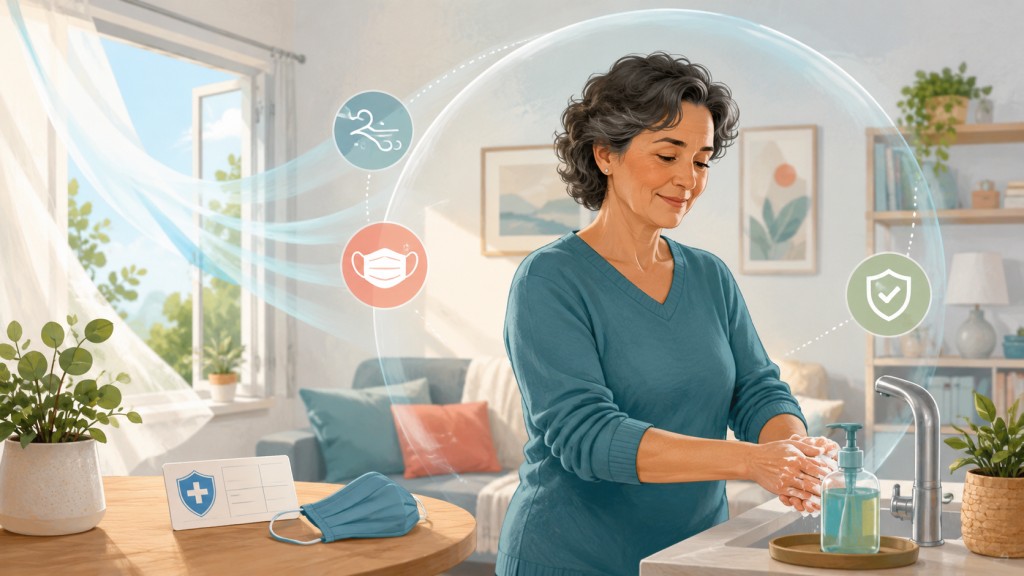
Ventilate indoor spaces
-
Consider wearing a mask in crowded indoor areas
-
Wash hands frequently
-
Avoid contact with people who are unwell
4. If you become ill — act fast
For anyone with ABPA, bronchiectasis or asthma:
-
A sudden fever
-
A sharp rise in cough
-
Change in sputum
-
Chest tightness
-
Breathing changes
…should be treated as early warning signs.
Contact your GP or respiratory team quickly, as secondary pneumonia is more likely in H3N2 seasons.
Summary
Flu is now surging across the UK, driven by a drifted H3N2 strain, and people with underlying lung disease should take this season particularly seriously.
Vaccination remains strongly protective, but additional precautions are vital during this rapid upswing in cases.
Understanding Risk: How Common Is “Rare”?
When doctors talk about risk, it can sound worrying — especially when you’re already living with a lung condition.
But every day, we all take small, managed risks without realising it.
Understanding how everyday risks compare with medical or vaccine risks helps put the numbers into perspective — and shows why treatment is almost always worth it.
🚶♀️ Everyday activities carry small risks
Everyday life is full of tiny risks we accept because the benefits are clear — exercise, travel, independence, and social connection.
| Activity | Estimated risk of serious harm | Equivalent comparison |
|---|---|---|
| Driving a car for 250 miles | About 1 in 1 million chance of fatal accident | Roughly the same as the risk of a severe vaccine reaction |
| Cycling for 30 minutes | About 1 in 3 million | Similar to being struck by lightning in your lifetime |
| Walking near traffic for a day | Around 1 in 15 million | Negligible, but not zero |
| Taking a domestic flight (UK) | Less than 1 in 10 million chance of fatal accident | Far safer than most road journeys |
| Catching flu during winter | Around 1 in 10 chance of getting ill | Much higher risk than most medicine side effects |
We don’t think of these activities as “dangerous” because the benefit far outweighs the risk — just as it does with most treatments.
💊 Medicines and vaccines we take safely every day
Most common medicines have mild, short-lived side effects. Serious reactions are possible but extremely rare.
| Medicine | Typical mild effects | Serious reactions (approx. frequency) | Comment |
|---|---|---|---|
| Paracetamol (acetaminophen) | Nausea, rash | Serious liver injury ≈ 1 in 100,000 (usually after overdose) | Very safe when taken correctly |
| Ibuprofen | Heartburn, upset stomach | Ulcer or stomach bleed ≈ 1 in 1,000 if used long term | Safer when taken with food |
| Amoxicillin | Diarrhoea, mild rash | Severe allergic reaction ≈ 1 in 5,000–10,000 | Rare but recognised |
| Influenza vaccine | Sore arm, tiredness | Severe allergic reaction ≈ 1 in 1 million | Prevents thousands of serious infections yearly |
| COVID-19 vaccine | Mild flu-like symptoms (≈ 1 in 10) | Severe allergic reaction ≈ 1 in 100,000 | Benefits far outweigh risks |
| Oral steroids (short course) | Increased appetite, insomnia | Major side effects only with prolonged use | Vital during ABPA or asthma flares |
⚕️ What does “serious side effect” really mean?
When you read about serious reactions in medical leaflets or vaccine information, it doesn’t necessarily mean life-changing.
The term “serious” has a specific medical meaning, used by the MHRA, EMA, and WHO.
A reaction is called serious if it:
-
leads to hospitalisation,
-
is life-threatening at the time,
-
causes temporary disability or incapacity,
-
results in death, or
-
causes a birth defect.
👉 It’s about medical urgency, not always long-term harm.
In reality, most serious reactions are short-lived and fully reversible with prompt treatment.
For example:
-
An anaphylactic reaction to a vaccine is medically serious because it needs immediate care — but nearly everyone recovers completely once treated.
-
A high fever or rash that requires a day in hospital may be serious in reporting terms, but causes no permanent damage.
By contrast, life-changing reactions (such as nerve injury or organ failure) are extraordinarily rare — far rarer than being struck by lightning.
“When doctors say ‘serious reaction’, they mean something that needs urgent medical attention — not something that will leave you permanently unwell.”
🩺 More common health risks we all face
While medicine risks are very small, the everyday risks to life and health are much higher — especially if conditions go untreated.
| Health event or cause | Approximate annual risk (UK adult) | Lifetime risk | Notes |
|---|---|---|---|
| Heart attack | Around 1 in 200–300 per year | 1 in 4 men, 1 in 6 women | Increases with age, smoking, and high blood pressure |
| Stroke | Around 1 in 250 per year | About 1 in 5 adults | Preventable with healthy lifestyle and medication |
| Cancer (any type) | Around 1 in 125 per year | Around 1 in 2 people in their lifetime | Most treatable when found early |
| Serious road accident | About 1 in 15,000 per year | Around 1 in 100 lifetime | Far higher than a vaccine reaction |
| Severe flu needing hospital care | Around 1 in 500 per winter | Higher for people with lung disease | Preventable by flu vaccination |
| Fatal asthma attack | About 1 in 100,000 per year | Higher in uncontrolled asthma | Preventable with good management |
| COVID-19 death (current UK levels) | Around 1 in 2,000–5,000 per year for older/vulnerable adults | Major reason vaccination still matters | |
| Lightning strike | About 1 in 15 million per year | Around 1 in 300,000 lifetime | Benchmark for “extremely rare” risk |
⚖️ Making sense of the numbers
-
A 1 in 1,000 risk means one person in a large GP practice might experience it.
-
A 1 in 100,000 risk means one person in a football stadium crowd.
-
A 1 in 1 million risk is so rare that most doctors never see it in their career.
So when you hear that a serious vaccine reaction occurs in one in a million people, that’s about the same as:
-
being struck by lightning once in your life, or
-
winning a small lottery prize several times in a row.
❤️ The real takeaway
The greatest risks to life and health are the common diseases we can prevent or treat — not the rare side effects of treatment.
Every vaccine or medicine is carefully assessed so that its benefits far outweigh its risks, especially for people with asthma, ABPA, bronchiectasis, or weakened immunity.
Treatments don’t add danger — they reduce the much bigger risks from infection, inflammation, and lung damage.
🧭 Key message
We all live with risk, but:
-
Most everyday and health-related risks are far greater than the tiny chance of a medicine reaction.
-
Managing your lung condition well — with the right treatment, vaccines, and follow-up — protects your lungs and lengthens your life.
-
The safest path is always informed care, not avoidance through fear.
🌿 Covid-19 and ABPA / Bronchiectasis: What Patients Need to Know
Many patients with ABPA, bronchiectasis, and asthma ask:
“If I test positive for Covid, am I at higher risk, and do I need antivirals or steroids?”
“Is Covid still a dangerous infection now that everyone has had it many times?”
Here’s what’s important right now.
🎯 Why you may be at higher risk
Having ABPA, bronchiectasis, or asthma doesn’t guarantee severe illness, but it does put you at higher risk compared to the average healthy adult. This means you are more likely to experience:
-
More severe Covid illness – infections can trigger worse chest symptoms (wheeze, shortness of breath, cough).
-
Secondary infections – bronchiectasis makes it easier for bacteria to grow in mucus after a viral infection.
-
Flares of existing disease – Covid can set off asthma attacks or ABPA flare-ups.
-
Slower recovery – fatigue, breathlessness, and extra sputum can last longer.
⚠️ Important: “Higher risk” does not mean you will definitely become very unwell. Many people with chronic lung disease still have mild Covid and recover fully at home.
✅ Current Covid treatments in the UK (2025)
-
Antivirals / monoclonal antibodies
-
People with conditions like ABPA, bronchiectasis, or severe asthma may be eligible for medicines such as Paxlovid or Molnupiravir.
-
These must usually be started within 5 days of symptoms or a positive test.
-
Access is through the NHS Covid Medicines Delivery Unit (CMDU), often arranged via NHS 111 or your GP.
-
-
Steroids
-
Oral steroids (prednisolone) are not routinely given for Covid unless oxygen levels drop, or you already take them for your lung condition.
-
If your asthma/ABPA flares, follow your specialist’s guidance on when to start rescue steroids.
-
-
Antibiotics
-
Covid is viral, so antibiotics don’t treat it directly.
-
But if your doctor suspects a bacterial infection (e.g. in bronchiectasis), they may prescribe something like doxycycline.
-
🧾 Practical steps if you test positive
-
Call NHS 111 or your GP: Tell them you have ABPA/bronchiectasis/asthma and ask about referral for antivirals.
-
Monitor symptoms closely:
-
Use a pulse oximeter if you have one (seek help if oxygen ≤94%).
-
Watch for worsening breathlessness, chest pain, or confusion.
-
-
Keep safe at home: Ventilate rooms, use masks if possible, and wash hands often — though once exposed, focus mainly on monitoring and treatment.
🚨 When to seek urgent help
-
Severe shortness of breath
-
Oxygen levels ≤92–94%
-
Chest pain, confusion, or sudden collapse
→ Call 999
❓ Is Covid still dangerous in 2025?
Why it feels less dangerous now
-
Vaccination and immunity: Most people have had jabs and multiple infections, so later bouts are usually milder.
-
Variants: Current strains spread more easily but often cause less pneumonia than the original virus.
-
Better treatments: Antivirals and steroids (when needed) are widely available.
Why it can still be dangerous
-
Vulnerable groups: People with lung disease, weakened immunity, or older age are still more likely to need hospital care.
-
Exacerbations: Even mild Covid can set off asthma or ABPA flares, or worsen bronchiectasis infections.
-
Long Covid: Some people continue to develop fatigue, breathlessness, or brain fog lasting weeks to months.
-
Hospital admissions: Lower than during the pandemic, but NHS hospitals still see severe cases every winter.
👉 In summary: For most healthy people, Covid now feels like a bad cold or flu. For people with ABPA, bronchiectasis, or severe asthma, it can still be a dangerous infection — which is why monitoring and access to antivirals remain important.
✅ Key message
With ABPA and bronchiectasis, you are more vulnerable to complications from Covid. Most people still recover at home, but you may be eligible for antivirals. Steroids are only used if your underlying condition flares or if your oxygen drops. Stay alert, act quickly if symptoms worsen, and reach out for NHS support as soon as you test positive.
Autumn 2025 COVID-19 Booster – What Aspergillosis Patients Need to Know
The UK Health Security Agency (UKHSA) has updated who will be offered the COVID-19 booster this autumn. The programme is now more limited than in 2024, so it’s important to know if you qualify.
Who will be offered the booster?
You can get a free COVID-19 booster this autumn if you are:
-
Aged 75 or over
-
Living in a care home for older adults
-
Aged 6 months or older and immunosuppressed
This is a change from 2024, when everyone aged 65+ and many other clinical risk groups were included.
What “immunosuppressed” means
Many people with aspergillosis fall into this category. You may be considered immunosuppressed if you are:
-
Taking systemic steroids for more than a month
-
Receiving biologic therapy or other immunomodulatory medication
-
Living with a condition that affects your immune system
-
Having had chemotherapy, radiotherapy, or a transplant
If you’re unsure whether this applies to you, check with your GP or hospital specialist.
Timing of the booster
-
Boosters are usually offered at least 6 months after your last dose, including the spring booster.
-
Even if you’ve never had a COVID-19 vaccine before, you can still get one this autumn if you are in one of the eligible groups.
Why this matters for aspergillosis patients
People with aspergillosis often have weaker lungs and higher risks from infections. If your immune system is also suppressed by medication or illness, COVID-19 can be more severe. The booster offers added protection during the winter months.
💙 Key advice:
-
If you are immunosuppressed or over 75, you should be offered the vaccine.
-
If you think you qualify but haven’t received an invitation, speak to your GP or specialist.
-
Don’t delay — protecting yourself against COVID-19 is especially important when living with aspergillosis.
📌 Full details from UKHSA: Who’s eligible for the 2025 COVID-19 vaccine or autumn booster
🧬 Are Vaccines for Aspergillosis on the Horizon?
If you live with aspergillosis—whether it's ABPA (Allergic Bronchopulmonary Aspergillosis), CPA (Chronic Pulmonary Aspergillosis), or invasive aspergillosis—you’ve probably wondered if a vaccine might one day help prevent or control this condition. As of 2025, there is no licensed vaccine for any form of aspergillosis, but scientists are actively working on it.
This article explains where things stand, what’s being developed, and what it could mean for people like you.
🦠 What is Aspergillosis?
Aspergillosis is a group of illnesses caused by the fungus Aspergillus fumigatus. It’s very common in the environment, especially in soil, dust, and decaying vegetation. Most people breathe in the spores without getting sick, but if you have:
-
Damaged lungs (due to asthma, COPD, or TB)
-
A weakened immune system
-
An allergic reaction to fungal spores
…you may develop a form of aspergillosis, such as:
-
ABPA – a severe allergic lung condition
-
CPA – long-term fungal infection in damaged lungs
-
Invasive aspergillosis – a fast-moving, life-threatening infection in immunocompromised people
💉 Why Develop a Vaccine?
A vaccine could:
-
Prevent serious illness in high-risk people (like cancer or transplant patients)
-
Reduce allergic sensitisation in ABPA
-
Lower the need for long-term antifungal drugs, which can have side effects and lose effectiveness
-
Protect against lung damage caused by repeated infections
But making a vaccine isn’t easy—especially for a disease that behaves differently depending on a person’s immune system.
🧪 Vaccines in Development (2025)
While none are yet available for patients, several experimental vaccines are being tested in laboratories and early-stage trials. Here are the most promising ones:
1. NDV-3A Vaccine
-
Originally developed for a yeast infection (Candida albicans)
-
Found to trigger cross-protection against Aspergillus fumigatus
-
Uses a protein called Als3p, shared between fungi
-
Completed early safety trials for Candida
-
Being explored for people with weak immune systems, like transplant recipients
2. AF.KEX1 DNA Vaccine
-
Uses a fungal protein called Kexin 1
-
Delivered as a DNA vaccine to help the body produce protective immune cells
-
Shown to work well in animal models
-
Designed to help high-risk patients, such as those having chemotherapy
3. Asp f3 Protein Vaccine
-
Focuses on a specific Aspergillus protein (Asp f3)
-
Stimulates T-helper cells (Th1 and Th17), important for fighting fungal infections
-
Still in preclinical stages, but results in mice are promising
4. Nasal Spray Vaccine with Nanoparticles
-
Uses chitosan (a natural substance) to deliver the vaccine via the nose
-
Aims to stimulate mucosal immunity (lining of the lungs and airways)
-
Could be useful for people with ABPA or cystic fibrosis, who often have fungal colonisation in the lungs
5. Exploratory mRNA Vaccines
-
Inspired by COVID-19 vaccine technology
-
Still experimental, but may offer faster, more targeted vaccine design
-
No clinical trials yet, but research is underway
🚧 Why Don’t We Have a Vaccine Yet?
Developing a vaccine for aspergillosis is challenging:
-
The immune response needed varies between allergic, chronic, and invasive forms
-
Many people most at risk (e.g. after organ transplant) are too immunocompromised to respond well to vaccines
-
Aspergillus has many different proteins—no single target works for everyone
-
Research funding is often limited, because aspergillosis is considered rare
👥 Who Might Benefit Most?
A future vaccine could be life-changing for:
-
People with weakened immune systems (e.g. after stem cell or organ transplant)
-
People with long-term lung disease, including ABPA and CPA
-
Children and adults with cystic fibrosis
-
People undergoing chemotherapy or immune-suppressing treatment
🗣️ What Can Patients Do?
You can help push this research forward:
-
Join a registry or research study if asked by your hospital
-
Share your story with groups like the National Aspergillosis Centre (NAC) or Rare Disease UK
-
Support advocacy efforts calling for better funding of fungal research
-
Stay up to date with trial opportunities on trusted sites like aspergillosis.org
📌 Key Takeaways
| Question | Answer |
|---|---|
| Is there a vaccine for ABPA or CPA? | Not yet — but several are in development. |
| Who might benefit from a vaccine? | People with asthma, CF, CPA, ABPA, or weakened immunity |
| When will it be available? | Likely several more years away — still early in trials |
| What’s the biggest challenge? | Complex immunity, rare disease status, limited funding |
🧭 Looking Ahead
Although no vaccine is available yet, the science is moving forward — thanks to global research teams who see the impact aspergillosis has on patients’ lives. Even small steps now could lead to major breakthroughs in future care.
Your voice matters. Stay connected, stay informed — and keep asking for more focus on this important condition.
COVID-19 Associated Pulmonary Aspergillosis (CAPA) for Expert Patients and non-Specialist Clinicians
Expert Information for Patients, GPs, and Specialist Nurses
🔎 What Is CAPA?
CAPA is a form of invasive pulmonary aspergillosis (IPA) that develops in patients with severe COVID-19, particularly those in intensive care units (ICU) with acute respiratory distress syndrome (ARDS). It is an opportunistic fungal infection caused by Aspergillus fumigatus, occurring without traditional risk factors such as neutropenia.
CAPA is part of the broader group of IAPA (Influenza-Associated Pulmonary Aspergillosis) and VAPA (Viral-Associated Pulmonary Aspergillosis).
🧬 Pathophysiology
-
Severe viral pneumonia (COVID-19) damages the airway epithelium.
-
Inhaled Aspergillus spores invade damaged lung tissue.
-
Corticosteroids (e.g. dexamethasone), immunomodulators (e.g. tocilizumab), and prolonged ventilation increase susceptibility.
👥 Who Is at Risk?
Primarily affects patients with:
-
Severe COVID-19 pneumonia, especially those with:
-
ICU admission
-
Mechanical ventilation
-
ARDS
-
-
Corticosteroid therapy or IL-6 inhibitors (e.g. tocilizumab)
-
Underlying lung disease (COPD, asthma)
-
Diabetes mellitus
📍 CAPA may occur even in immunocompetent individuals due to local lung immune disruption.
⚠️ Clinical Features
Often non-specific and difficult to distinguish from worsening COVID-19:
-
Persistent or worsening respiratory failure
-
New pulmonary infiltrates on imaging
-
Fever despite antibacterial therapy
-
Haemoptysis or pleuritic chest pain (less common)
-
Increased oxygen or ventilatory support requirement
🧪 Diagnosis
CAPA is challenging to diagnose and relies on clinical suspicion, radiology, and mycological evidence.
Diagnostic Tools:
-
CT Chest:
-
Nodules, cavitations, halo sign (often non-specific in COVID)
-
-
Bronchoscopy with BAL:
-
Galactomannan (BAL GM ≥1.0 = probable CAPA)
-
Culture and PCR for Aspergillus
-
-
Serum Galactomannan or β-D-glucan:
-
May be positive but less sensitive than BAL
-
-
Histopathology (rarely obtained due to ICU setting)
Diagnostic Categories (ECMM/ISHAM 2020):
-
Proven: histology showing fungal invasion
-
Probable: radiology + mycology from BAL
-
Possible: suggestive clinical picture + limited microbiology
💊 Treatment
First-Line:
-
Voriconazole (IV or oral)
-
Isavuconazole (alternative with fewer side effects)
-
Consider liposomal amphotericin B if azole resistance or intolerance
Additional Considerations:
-
Therapeutic drug monitoring (TDM) required for voriconazole
-
Duration: typically 6–12 weeks depending on response and immune status
-
Minimise immunosuppression where possible
Empirical antifungal therapy may be started in ICU when suspicion is high, even before full confirmation.
🧾 Monitoring
-
Respiratory function
-
Repeat imaging to assess progression or resolution
-
Serum galactomannan
-
Liver function, renal function, and drug levels
-
Screen for drug interactions (especially with azoles)
📚 More Information
-
CAPA is a recently recognised entity, requiring close coordination between ICU, respiratory, and infectious disease teams.
-
Early antifungal treatment improves outcomes, but diagnosis is often delayed due to overlapping features with COVID-19 pneumonia.
-
Resources: ECMM/ISHAM CAPA definitions, aspergillosis.org
COVID-19 News
[et_pb_section fb_built="1" _builder_version="4.16" custom_padding="0px||0px||true|false" global_colors_info="{}" theme_builder_area="post_content"][et_pb_row _builder_version="4.16" background_size="initial" background_position="top_left" background_repeat="repeat" global_colors_info="{}" theme_builder_area="post_content"][et_pb_column type="4_4" _builder_version="4.16" custom_padding="|||" global_colors_info="{}" custom_padding__hover="|||" theme_builder_area="post_content"][et_pb_text _builder_version="4.21.0" background_size="initial" background_position="top_left" background_repeat="repeat" hover_enabled="0" global_colors_info="{}" theme_builder_area="post_content" sticky_enabled="0"]
COVID-19 App no longer in use
The NHS COVID-19 app, which alerted close contacts of a positive case and provides the latest health advice about the virus, closed on 27 April 2023.
Over the past year, the success of the vaccination programme, increased access to treatments and high immunity in the population has enabled the government to target its COVID-19 services, meaning the app is no longer needed. The knowledge, technology and lessons learnt from the app will be used to help inform planning and response to future pandemic threats.
It is important that people continue to follow the latest guidance to protect themselves and others:
This includes reporting NHS lateral flow test results on GOV.UK. Those eligible for COVID-19 treatment must report their result so the NHS can contact them about treatment.
COVID-19 vaccination spring programme
The 2023 spring coronavirus (COVID-19) booster programme is now underway. A spring booster dose is being offered to:
- adults aged 75 years and over
- residents in a care home for older adults
- individuals aged 5 years and over who are immunosuppressed
Those eligible can book their vaccination on the National Booking Service or NHS App.
The last date for the public to book spring boosters will be 30 June 2023.
The offer of a first and second dose of the COVID-19 vaccine will also come to an end for many people on 30 June. After this date, the NHS offer will become more targeted to those at increased risk, usually during seasonal campaigns.
[/et_pb_text][/et_pb_column][/et_pb_row][/et_pb_section]


