COVID-19 Associated Pulmonary Aspergillosis (CAPA) for Expert Patients and non-Specialist Clinicians

Expert Information for Patients, GPs, and Specialist Nurses


🔎 What Is CAPA?

CAPA is a form of invasive pulmonary aspergillosis (IPA) that develops in patients with severe COVID-19, particularly those in intensive care units (ICU) with acute respiratory distress syndrome (ARDS). It is an opportunistic fungal infection caused by Aspergillus fumigatus, occurring without traditional risk factors such as neutropenia.

CAPA is part of the broader group of IAPA (Influenza-Associated Pulmonary Aspergillosis) and VAPA (Viral-Associated Pulmonary Aspergillosis).


🧬 Pathophysiology

  • Severe viral pneumonia (COVID-19) damages the airway epithelium.

  • Inhaled Aspergillus spores invade damaged lung tissue.

  • Corticosteroids (e.g. dexamethasone), immunomodulators (e.g. tocilizumab), and prolonged ventilation increase susceptibility.


👥 Who Is at Risk?

Primarily affects patients with:

  • Severe COVID-19 pneumonia, especially those with:

    • ICU admission

    • Mechanical ventilation

    • ARDS

  • Corticosteroid therapy or IL-6 inhibitors (e.g. tocilizumab)

  • Underlying lung disease (COPD, asthma)

  • Diabetes mellitus

📍 CAPA may occur even in immunocompetent individuals due to local lung immune disruption.


⚠️ Clinical Features

Often non-specific and difficult to distinguish from worsening COVID-19:

  • Persistent or worsening respiratory failure

  • New pulmonary infiltrates on imaging

  • Fever despite antibacterial therapy

  • Haemoptysis or pleuritic chest pain (less common)

  • Increased oxygen or ventilatory support requirement


🧪 Diagnosis

CAPA is challenging to diagnose and relies on clinical suspicion, radiology, and mycological evidence.

Diagnostic Tools:

  • CT Chest:

    • Nodules, cavitations, halo sign (often non-specific in COVID)

  • Bronchoscopy with BAL:

    • Galactomannan (BAL GM ≥1.0 = probable CAPA)

    • Culture and PCR for Aspergillus

  • Serum Galactomannan or β-D-glucan:

    • May be positive but less sensitive than BAL

  • Histopathology (rarely obtained due to ICU setting)

Diagnostic Categories (ECMM/ISHAM 2020):

  • Proven: histology showing fungal invasion

  • Probable: radiology + mycology from BAL

  • Possible: suggestive clinical picture + limited microbiology


💊 Treatment

First-Line:

  • Voriconazole (IV or oral)

  • Isavuconazole (alternative with fewer side effects)

  • Consider liposomal amphotericin B if azole resistance or intolerance

Additional Considerations:

  • Therapeutic drug monitoring (TDM) required for voriconazole

  • Duration: typically 6–12 weeks depending on response and immune status

  • Minimise immunosuppression where possible

Empirical antifungal therapy may be started in ICU when suspicion is high, even before full confirmation.


🧾 Monitoring

  • Respiratory function

  • Repeat imaging to assess progression or resolution

  • Serum galactomannan

  • Liver function, renal function, and drug levels

  • Screen for drug interactions (especially with azoles)


📚 More Information

  • CAPA is a recently recognised entity, requiring close coordination between ICU, respiratory, and infectious disease teams.

  • Early antifungal treatment improves outcomes, but diagnosis is often delayed due to overlapping features with COVID-19 pneumonia.

  • Resources: ECMM/ISHAM CAPA definitions, aspergillosis.org


Allergic Bronchopulmonary Aspergillosis (ABPA) for Expert Patients and non-Specialist Clinicians

Expert Information for Patients, GPs, and Specialist Nurses


🔎 What Is ABPA?

ABPA is a complex hypersensitivity reaction to Aspergillus fumigatus colonising the airways. It is not a fungal infection in the classic sense, but rather an exaggerated immune response — particularly involving IgE and eosinophils — seen in people with asthma or cystic fibrosis (CF).

It leads to recurrent inflammation, mucus plugging, and bronchial damage (including central bronchiectasis) if untreated.


🧬 Disease Mechanism

  • Type I and III hypersensitivity to A. fumigatus

  • Chronic airway inflammation causes mucus impaction and permanent lung damage

  • Associated with elevated total and specific IgE, eosinophilia, and recurrent flares


👥 Who Is at Risk?

  • Moderate to severe asthma

  • Cystic fibrosis

  • Rarely, patients with bronchiectasis or other chronic airway disease

ABPA is often underdiagnosed, especially in adults with difficult-to-control asthma.


⚠️ Common Symptoms

  • Worsening asthma control

  • Wheeze and chest tightness

  • Cough with thick mucus plugs

  • Shortness of breath

  • Intermittent low-grade fever

  • Haemoptysis (less common, usually mild)

  • Fatigue and poor response to inhaled steroids alone


🧪 Diagnosis

Diagnosis is based on a combination of clinical, radiological, and immunological features.

Core Investigations:

  1. Total IgE ≥1000 IU/mL (or >500 in treated patients)

  2. Aspergillus-specific IgE positive

  3. Aspergillus-specific IgG (or precipitating antibodies)

  4. Blood eosinophilia (>0.5 x10⁹/L typically)

  5. Chest CT: central bronchiectasis, mucus plugging (“finger-in-glove”), fleeting infiltrates

  6. Sputum culture or PCR positive for A. fumigatus

Diagnostic Criteria:

Use updated ISHAM criteria (2024 version preferred) combining major and minor features.


💊 Treatment

First-Line:

  • Oral corticosteroids (e.g. prednisolone) – cornerstone of flare management

    • Typically tapered over 3–6 months

Adjunct:

  • Itraconazole or posaconazole – reduces antigen burden and steroid need

    • 3–6 months or longer; monitor liver function and drug levels

Steroid-Sparing Options:

  • Biologics (increasingly used, especially in steroid-dependent or relapsing patients):

    • Omalizumab (anti-IgE)

    • Mepolizumab, Benralizumab (anti-IL-5)

    • Dupilumab, Tezepelumab (emerging options)


🧾 Monitoring

  • Total IgE every 1–3 months (a 25–50% rise may indicate relapse)

  • Pulmonary function tests (FEV1, peak flow)

  • Repeat CT if clinical deterioration or poor steroid response

  • Sputum cultures in persistent symptoms (to exclude Aspergillus bronchitis)


⚠️ Complications

  • Progression to bronchiectasis

  • CPA (if antifungals are stopped prematurely in chronic cases)

  • Recurrent flares leading to irreversible damage

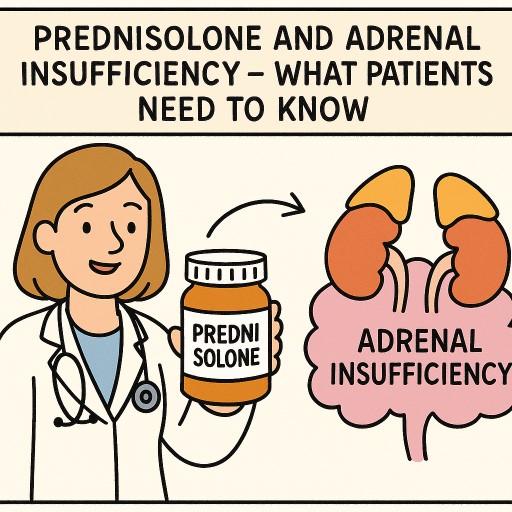
  • Steroid side effects (weight gain, osteoporosis, adrenal suppression)


📚 More Information

  • Specialist referral: patients should be considered for referral to the National Aspergillosis Centre (NAC) or local respiratory immunology team for persistent/recurrent ABPA.

  • Patient support: aspergillosis.org, CF Trust, Asthma + Lung UK

  • Key guidelines: Guidance


Aspergillus Tracheobronchitis (ATB) for Expert patients and non-Specialist Clinicians

Expert Information for Patients, GPs, and Specialist Nurses


🔎 What Is Aspergillus Tracheobronchitis?

Aspergillus tracheobronchitis (ATB) is a rare but serious form of airway-invasive aspergillosis that primarily affects the trachea and large bronchi, rather than the lung parenchyma. It occurs predominantly in immunocompromised patients and may present with obstructive airway symptoms or respiratory failure.

ATB can exist on a spectrum from superficial colonisation to ulcerative or pseudomembranous invasion of the bronchial wall.


🧬 Pathophysiology

  • Inhaled Aspergillus spores adhere to and invade damaged airway mucosa.

  • Occurs more commonly when local airway immunity is impaired (e.g. in transplant recipients or critical illness).

  • May co-exist with invasive pulmonary aspergillosis (IPA) or appear in isolation.


👥 Who Is at Risk?

High-risk groups include:

  • Lung transplant recipients

  • Hematopoietic stem cell transplant patients

  • Severe COPD or structural airway disease

  • Patients with prolonged corticosteroid use

  • Critically ill or mechanically ventilated patients

  • COVID-19 or influenza patients (sometimes overlapping with CAPA/IAPA)


⚠️ Clinical Presentation

Symptoms depend on the degree of airway obstruction and depth of invasion:

  • Cough (dry or productive)

  • Worsening breathlessness

  • Stridor or wheeze

  • Hoarseness or vocal changes

  • Fever unresponsive to antibiotics

  • Haemoptysis (may be life-threatening)

  • Airway obstruction or collapse in advanced cases

ATB may be mistaken for tracheobronchial malignancy, infection, or stenosis.


🧪 Diagnosis

Bronchoscopy is essential for diagnosis:

  • Direct visualisation of:

    • Ulceration

    • Pseudomembranes

    • Plaques

    • Necrotic debris

  • Biopsies may reveal fungal hyphae invading mucosa.

Microbiological Investigations:

  • Culture and PCR for Aspergillus from BAL or brushings

  • BAL galactomannan

  • Serum galactomannan or β-D-glucan may be supportive

  • CT chest may be normal or show airway thickening, bronchial wall invasion, or tree-in-bud opacities


💊 Treatment

Systemic Antifungals:

  • Voriconazole is first-line

  • Isavuconazole or liposomal amphotericin B if azole intolerant or resistant

Airway Management:

  • Debridement or bronchoscopic removal of pseudomembranes in severe obstruction

  • Airway stenting in refractory strictures

  • Nebulised antifungals (e.g. amphotericin B) may be used as adjunct in selected cases

Prompt initiation of antifungal therapy is vital. Delays can lead to respiratory failure or death.


🧾 Monitoring

  • Clinical response: breathlessness, cough, fever

  • Repeat bronchoscopy in some cases

  • CT imaging of airways

  • Antifungal drug levels

  • Liver and renal function


📚 More Information

  • ATB is under-recognised, especially in non-neutropenic or critically ill patients.

  • Should be considered in transplant recipients or ICU patients with persistent respiratory symptoms and negative bacterial cultures.

  • Referral to respiratory, infectious diseases, and ICU teams is essential.

  • Resources: aspergillosis.org ; BTS Statement on  aspergillosis


Aspergillus Bronchitis for Expert Patients and non-Specialist Clinicians

Expert Information for Patients, GPs, and Specialist Nurses


🔎 What Is Aspergillus Bronchitis?

Aspergillus bronchitis is a chronic fungal infection of the airways by Aspergillus fumigatus (or rarely other Aspergillus species), seen in individuals with structural lung disease or impaired mucociliary clearance. Unlike ABPA, it is not allergic in origin and does not involve systemic invasion, but is characterised by persistent fungal colonisation with active infection.


🧬 Pathophysiology

  • Chronic colonisation of the conducting airways by Aspergillus

  • Local immune dysfunction (but not systemic immunosuppression)

  • Low-grade inflammation and increased mucus production

  • Often coexists with bronchiectasis, COPD, or CF


👥 Who Is at Risk?

Most commonly seen in patients with:

  • Bronchiectasis (non-ABPA)

  • Cystic fibrosis

  • COPD or asthma with sputum production

  • Post-viral or structural airway damage

  • Chronic antibiotic or corticosteroid use

Not typically seen in severely immunocompromised hosts (in whom invasive aspergillosis is more likely).


⚠️ Common Symptoms

  • Persistent productive cough

  • Thick sputum often yellow or green

  • Worsening breathlessness or wheeze

  • Chronic sputum positivity for Aspergillus

  • Mild fever or malaise (but often afebrile)

  • Poor response to antibiotics alone

Symptoms may resemble chronic bacterial bronchitis or overlap with infective exacerbations of bronchiectasis.


🧪 Diagnosis

Diagnosis requires a combination of clinical and microbiological evidence, with exclusion of ABPA and CPA.

Diagnostic Features:

  1. Chronic productive cough (>4 weeks)

  2. Repeated isolation of Aspergillus from sputum or BAL

  3. Elevated Aspergillus IgG (typically present)

  4. Normal or mildly elevated total IgE (typically <1000 IU/mL)

  5. Absence of cavitary lesions or ABPA features on CT

  6. Response to antifungal treatment supports diagnosis

🛑 Exclude:

  • ABPA (IgE >1000, eosinophilia, central bronchiectasis)

  • CPA (cavities, weight loss, radiological progression)


💊 Treatment

First-Line:

  • Oral antifungals (usually for 3–6 months)

    • Itraconazole (first choice)

    • Voriconazole or posaconazole (if resistant/intolerant)

  • Monitor drug levels and LFTs

Adjuncts:

  • Physiotherapy and airway clearance techniques

  • Nebulised saline or mucolytics

  • Treat co-infections (e.g. Pseudomonas) where relevant

In patients with CF, consider co-management with a specialist CF team.


🧾 Monitoring

  • Sputum cultures to monitor persistence or clearance

  • Aspergillus IgG levels

  • Symptoms (sputum, breathlessness)

  • Liver function and drug monitoring

  • Periodic CT imaging if symptoms worsen or haemoptysis occurs


📚 More Information


Aspergillus Sinusitis for Expert Patients and non-Specialist Clinicians

Expert Information for Patients, GPs, and Specialist Nurses


🔎 What Is Aspergillus Sinusitis?

Aspergillus sinusitis refers to fungal involvement of the paranasal sinuses by Aspergillus species, especially A. fumigatus. It spans a spectrum from benign colonisation to destructive invasive disease, depending on the host’s immune status.

There are four main clinical forms, with distinct presentations and treatment approaches.


🧬 Main Forms

Type Description Typical Host
Allergic Fungal Rhinosinusitis (AFRS) A hypersensitivity reaction with nasal polyps and allergic mucin Atopic patients (often young adults)
Fungal Ball (Mycetoma) A dense fungal plug within a sinus cavity, non-invasive Immunocompetent individuals
Chronic Invasive Fungal Sinusitis Slowly progressive mucosal and bony invasion Diabetics, immunosuppressed
Acute Invasive Fungal Sinusitis Rapidly destructive, vascular invasion, necrosis Severely immunocompromised (e.g. neutropenic, transplant recipients)

👥 Who Is at Risk?

Depends on form:

🟩 AFRS:

  • Asthma, eczema, allergic rhinitis

  • Nasal polyps

  • Fungal IgE sensitisation (esp. Aspergillus)

🟨 Fungal Ball:

  • Older adults

  • Dental work (esp. upper molars with root involvement)

  • Chronic sinus blockage or prior surgery

🟧 Chronic Invasive:

  • Long-term corticosteroid or immunosuppressive use

  • Poorly controlled diabetes

🟥 Acute Invasive:

  • Haematological malignancies

  • Bone marrow/stem cell transplant

  • Neutropenia or severe COVID-19


⚠️ Clinical Features

Symptom Common To
Nasal congestion, discharge All forms
Facial pain or pressure All forms
Nasal polyps AFRS
Foul smell or thick mucus Fungal ball
Eye pain, proptosis, visual changes Invasive forms
Fever, systemic illness Invasive forms
Black eschar or necrosis Acute invasive sinusitis (medical emergency)

🧪 Diagnosis

Initial Evaluation:

  • Nasal endoscopy: mucosal thickening, polyps, or black necrosis

  • CT scan: sinus opacification, bone erosion, hyperdense lesions

  • MRI: assesses orbital or intracranial extension in invasive cases

Microbiology & Histopathology:

  • Direct microscopy or fungal stain (e.g. GMS)

  • Culture for Aspergillus spp.

  • Aspergillus-specific IgE/IgG in AFRS

  • Tissue biopsy is essential in invasive disease


💊 Treatment

🟩 AFRS:

  • Functional endoscopic sinus surgery (FESS) to clear sinuses

  • Oral and topical corticosteroids

  • Antifungals (controversial; may reduce recurrence)

  • Allergen immunotherapy in selected cases

🟨 Fungal Ball:

  • Surgical removal only (FESS)

  • No systemic antifungal needed unless complications arise

🟧 Chronic Invasive:

  • Surgical debridement

  • Long-term oral antifungals (e.g. voriconazole, posaconazole)

  • Monitor drug levels and imaging

🟥 Acute Invasive:

  • Urgent surgical debridement

  • High-dose IV antifungals (voriconazole or liposomal amphotericin B)

  • Reversal of immunosuppression

  • High mortality if delayed — requires ICU and ID team coordination


🧾 Monitoring

  • Repeat imaging for resolution (especially invasive forms)

  • Symptom scores for AFRS and post-FESS recovery

  • Antifungal levels and LFTs if systemic therapy used

  • Endoscopic surveillance in high-risk or relapsing patients


📚 More Information


🌐 Trusted Online Resources for Palliative and Supportive Care

1. Marie Curie UK

🔗 https://www.mariecurie.org.uk
One of the UK’s leading providers of end-of-life support.

  • Clear guides on what palliative care is

  • Advice on symptom management, emotional support, and practical issues

  • Online chat and helpline: 0800 090 2309

  • Information for families and carers


2. Hospice UK

🔗 https://www.hospiceuk.org
National charity supporting over 200 hospices in the UK.

  • Search tool to find local hospice services

  • Guidance on advance care planning, DNACPR, and choosing care settings

  • Support for people receiving palliative care at home


3. NHS: Palliative and End of Life Care

🔗 https://www.nhs.uk/conditions/end-of-life-care/
Official NHS overview of palliative care.

  • Describes when and how palliative care is offered

  • Explains where care can happen (home, hospital, hospice)

  • Advice on legal planning, such as Advance Decisions and Lasting Power of Attorney


4. Dying Matters / Good Life, Good Death, Good Grief (Scotland)

🔗 https://www.goodlifedeathgrief.org.uk
Scottish-based initiative that helps people plan ahead.

  • Leaflets on how to talk about death and dying

  • "Planning Ahead" toolkit for people with long-term illness

  • Supports both patients and professionals


5. Compassion in Dying

🔗 https://www.compassionindying.org.uk
Specialist in advance care planning and patient rights.

  • Downloadable Advance Statement and Advance Decision forms

  • Free support to write a Living Will

  • Helpline: 0800 999 2434


6. Palliative Care Adult Network Guidelines (PCANG)

🔗 https://book.pallcare.info/
Clinical guidelines, but useful for patients seeking clarity on symptom control (e.g. breathlessness, cough, fatigue).


7. Silver Chain (International)

🔗 https://www.silverchain.org.au/
Australian site with good explainer videos and practical patient stories — relevant to any patient needing home-based palliative care or telehealth.


Chronic Pulmonary Aspergillosis (CPA) for Expert Patients and Non-Specialist Clinicians

Expert Information for Patients, GPs, and Specialist Nurses


🔎 What Is CPA?

Chronic Pulmonary Aspergillosis (CPA) is a long-term fungal lung infection caused by Aspergillus, typically A. fumigatus. It occurs in individuals with underlying lung damage and can progress slowly over months to years. It includes several subtypes ranging from cavitary lesions to fibrosing disease and fungal balls (aspergillomas).


🧬 Subtypes of CPA

Subtype Description
Simple aspergilloma Fungal ball within a pre-existing lung cavity
Chronic cavitary pulmonary aspergillosis (CCPA) Multiple cavities ± fungal balls; progressive
Chronic fibrosing pulmonary aspergillosis Advanced form with fibrosis and volume loss
Subacute invasive aspergillosis (SAIA) Intermediate between CPA and invasive disease; more rapid progression over weeks to months
Aspergillus nodules Discrete nodules without cavitation; may mimic malignancy

👥 Who Is at Risk?

CPA typically affects people with pre-existing lung disease or immune dysfunction, including:

  • Tuberculosis (old or active)

  • COPD and emphysema

  • Bronchiectasis

  • Sarcoidosis

  • Prior pneumothorax

  • Lung cancer or surgery

  • Diabetes mellitus

  • Low-dose or chronic steroid use


⚠️ Common Symptoms

CPA symptoms often evolve insidiously over >3 months:

  • Chronic productive cough

  • Haemoptysis (may be mild or massive)

  • Fatigue and weight loss

  • Breathlessness

  • Chest discomfort

  • Fever (occasional)


🧪 Diagnosis

Diagnosis of CPA requires the combination of:

  1. Symptoms ≥3 months

  2. Imaging:

    • CT chest: cavitary lesions, pleural thickening, aspergilloma, fibrotic changes

  3. Microbiology:

    • Positive sputum culture, PCR, or histopathology for A. fumigatus

  4. Serology:

    • Elevated Aspergillus IgG antibodies (essential for diagnosis)

  5. Exclusion of other diseases:

    • Especially active TB, malignancy, and bacterial infections


💊 Treatment

First-Line:

  • Oral triazole antifungals (minimum 6 months, often longer)

    • Itraconazole

    • Voriconazole

    • Posaconazole

  • Therapeutic drug monitoring is crucial

Additional:

  • Inhaled antifungals (e.g. amphotericin B) in selected cases

  • Surgery for localised disease or life-threatening haemoptysis (if fit)

  • Bronchial artery embolisation for bleeding control

  • Physiotherapy and nutritional support


🧾 Monitoring

  • CT scan every 3–6 months during treatment

  • Aspergillus IgG titres to monitor disease activity

  • Liver function and antifungal levels (monthly at minimum)

  • Symptom tracking (cough, energy, weight, breathlessness)


📚 More Information


Thinking About Supportive (Palliative) Care

Support for living well with chronic aspergillosis

If you’re living with chronic pulmonary aspergillosis (CPA), ABPA, or a long-term lung condition, you may have wondered what help is available when things become harder to manage. You may be feeling more tired, more breathless, or just unsure what the future holds.

One type of support that many people find helpful is palliative care – though a better word might be supportive care. This isn’t just about end of life. It’s about making sure you have the right support to feel as well as you can, for as long as you can. Try to seek it out earlier rather than leaving it to late. Many patient find that they get a big improvement in their quality of life, and that is important for the carer as well as the patient.

💬 What Is Supportive (Palliative) Care?
Supportive care means looking after all parts of your wellbeing — not just the illness.
It helps with:

  • Controlling symptoms like breathlessness, pain, cough, or fatigue
  • Improving your daily quality of life
  • Support for anxiety, low mood, or fear
  • Making plans for your future care and treatment
  • Supporting your family or carers

You don’t need to stop treatment (like antifungal medicines or inhalers). In fact, many people receive supportive care alongside ongoing treatment.

✅ When Might It Help?
You might want to ask about this type of care if:

  • You’re having more flare-ups or hospital stays
  • Your energy or breathing is getting worse
  • You’re finding treatment difficult to manage
  • You want to talk about the future, or make plans
  • You’re feeling overwhelmed, low, or unsure what to expect

It’s about being proactive, not giving up.

📄 Planning Ahead: Being in Control of Your Care
Planning ahead helps you stay in control and gives peace of mind to you and your family.

This might include:

  • Saying where you would like to be cared for (home, hospital, hospice)
  • Writing down what matters most to you
  • Choosing someone to speak for you if you can't (Lasting Power of Attorney)
  • Deciding whether you want to be resuscitated if your heart stops (DNACPR form)

You don’t have to decide everything at once — and your choices can change over time.

🏡 Where Can Supportive Care Be Provided?
You don’t have to go to a hospice to get help. Supportive care can be arranged:

  • At home – with help from nurses or a palliative care team
  • In hospital, especially if symptoms become hard to manage
  • In a hospice, which can also offer outpatient care or short stays
  • Through phone or video calls with nurses or support services

Ask your GP, hospital team, or nurse about what’s available in your area.

💛 Why Talking Now Can Help

  • Many people delay talking about supportive care — but starting the conversation early can help you feel more secure and more in control.
  • You’re not giving up. You’re choosing the kind of care that respects your values and helps you live well.

“I wish I’d asked sooner. It wasn’t about dying — it was about living better.”

📞 What You Can Do Next
Talk to your GP, consultant, or nurse and ask:

  • “Can I speak to someone about supportive care and planning ahead?”
  • Ask about local palliative care services or advance care planning
  • Let your family or carers know your thoughts and wishes
  • Supportive online resources

Why the Microbiome Matters for Aspergillosis Patients

Looking after the microbiome is increasingly recognised as important for people with aspergillosis, especially those with chronic pulmonary aspergillosis (CPA), ABPA, or recurrent infections. Many of these patients are on long-term antifungals, corticosteroids, or antibiotics — all of which can disrupt the body’s natural microbial balance.

Here’s a patient-focused guide with practical advice:

🦠 Why the Microbiome Matters for Aspergillosis Patients
Your microbiome (especially in the gut, lungs, and skin) plays a vital role in:

  • Regulating the immune system
  • Protecting against harmful microbes
  • Supporting digestion and nutrient absorption
  • Possibly influencing lung inflammation and fungal balance

✅ Practical Steps to Support Your Microbiome
1. Be Aware of Medications That Disrupt the Microbiome

  • Antifungal medications (e.g. itraconazole, voriconazole) can affect fungal balance beyond the lungs.
  • Broad-spectrum antibiotics kill good gut bacteria as well as infections.
  • Steroids (oral or inhaled) may also affect gut and respiratory flora.

👉 Ask your team whether regular use is necessary or whether treatment can be pulsed or minimised during stable phases.

2. Eat to Support Gut Health

  • Include prebiotic fibres: oats, onions, leeks, bananas, chicory, garlic, asparagus
  • Add fermented foods (if tolerated): yoghurt (live cultures), kefir, sauerkraut, kimchi, miso
  • Include polyphenol-rich foods: berries, green tea, olive oil, nuts
  • ❗ Avoid unpasteurised or homemade ferments if immunocompromised — check with your specialist first.

3. Consider Probiotics — with Caution

  • Some evidence suggests benefit after antibiotics, especially in reducing gut side effects.
  • Not all probiotics are equal; discuss with your clinical team if you:
    • Are on long-term antifungals
    • Are immunosuppressed
    • Have had recent hospitalisation or central lines

👉 Probiotics may be risky in certain patients (e.g. severe immunosuppression or gut damage).

4. Stay Active and Manage Stress

  • Moderate physical activity supports a healthier microbiome.
  • Chronic stress and poor sleep can negatively affect gut flora.

5. Avoid Overuse of Antimicrobials

  • Don’t use antiseptic mouthwashes, medicated shampoos, or antibacterial soaps routinely.
  • Only use topical antifungals or antibiotics where medically advised.

6. Lung Microbiome: Avoid Over-sanitising

  • Inhaled antifungals (e.g. amphotericin B) may affect lung flora but are sometimes essential.
  • Good airway clearance, physiotherapy, and hydration help maintain a stable lung environment.

💬 What to Ask Your Doctor

  • Could gut support (prebiotics or probiotics) help during or after treatment?
  • Are any medications I’m on harming my microbiome unnecessarily?
  • Could faecal microbiota transplant (FMT) ever be an option in my case?
  • What dietary changes would benefit me, given my medications?

⚠️ Warning Signs for Possible Aspergillosis in Primary Care

We often state that a GP does not need to know all the details of what aspergillosis is, they just need to know what the warning signs might be so that they know when they should refer the patient to their local hospital specialist. What are those warning signs?

🟠 1. Asthma Not Responding to Guidelines-Based Treatment

  • Poor control despite high-dose inhaled steroids or long-acting bronchodilators

  • Frequent oral steroid bursts (>2 in a year)

  • Persistent cough or breathlessness between attacks

  • Thick or brown mucus plugs coughed up

🟢 Ask: “Are you still having symptoms even though you’re taking all your preventers?”


🟠 2. Recurrent Chest Infections

  • Multiple antibiotic courses (especially in bronchiectasis or COPD patients)

  • Sputum samples that repeatedly show Aspergillus or colonising fungi

  • Chest x-rays showing cavities, nodules, or persistent infiltrates

🟢 Ask: “Have you had several chest infections this year that needed antibiotics or steroids?”


🟠 3. Unexplained Fatigue, Weight Loss, or Night Sweats

  • Especially if imaging shows lung abnormalities or patient is immunocompromised

  • May indicate CPA, not just asthma

🟢 Ask: “Have you lost weight without trying, or felt unusually tired for weeks?”


🟠 4. Pre-existing Lung Conditions with New or Worsening Symptoms

  • Especially in patients with:

    • Bronchiectasis

    • COPD/emphysema

    • Old TB

    • Sarcoidosis

  • These conditions increase risk of CPA or colonisation becoming invasive


🟠 5. High Total IgE or Eosinophils

  • Total IgE > 1000 IU/mL with asthma + mucus plugs = strong ABPA clue

  • Blood eosinophils persistently >0.5 (especially off steroids)

  • Aspergillus-specific IgE or IgG positive

🟢 Flag: “Could this patient have allergic fungal disease or ABPA?”


🟠 6. Radiology That Doesn’t Match the Diagnosis

  • If the patient is being treated as asthma or pneumonia but:

    • HRCT shows bronchiectasis with mucus plugging

    • X-rays don’t improve despite treatment

    • Old TB scar now shows a cavity

🟢 Flag: “Does this imaging suggest something more than asthma or infection?”


🧭 What Should GPs and Nurses Do Next?

✅ Request:

  • Blood tests: Total IgE, eosinophils, Aspergillus-specific IgE/IgG

  • Sputum for fungal culture if available

  • CXR or HRCT if not done recently

✅ Refer:

  • Respiratory specialist or Advice & Guidance

  • National Aspergillosis Centre (NAC) in Manchester is a national specialist (tertiary) NHS centre, so does not accept referrals directly from GP's, instead GP's should refer to their local respiratory specialist team at a hospital nearby. NHS referral structure


📋 Clinical Triggers for Flagging Aspergillosis

Trigger Possible Condition
Uncontrolled asthma + high IgE + mucus ABPA
Chronic cough + weight loss + cavity on CT CPA
Asthma + sensitisation to fungi + frequent steroids SAFS