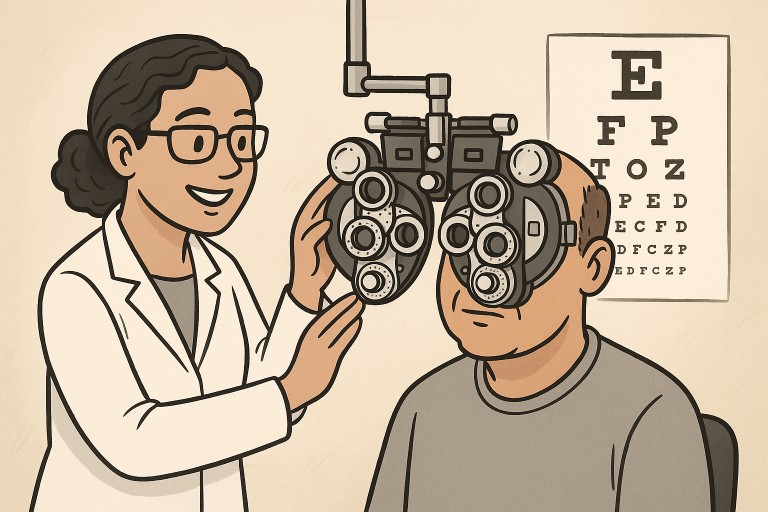
Visual Disturbances on Voriconazole: What’s Happening and Why It Can Feel So Scary

If you're experiencing frightening or panicked feelings due to visual disturbances while taking voriconazole, you're not alone — and there are reasons behind both the symptoms and your emotional response.


🧠 What Causes Visual Disturbances with Voriconazole?

  • Voriconazole crosses the blood–brain barrier and affects the central nervous system (CNS).

  • It interacts with retinal photoreceptors (especially rods), which may explain:

    • Lights seeming too bright or flickering.

    • Halos, flashes, or color distortions.

    • Visual “trails” following movement.

  • Although not fully understood, it may involve:

    • Temporary interference with visual signal processing in the brain and retina.

    • Altered neurotransmitter activity or enhanced retinal light sensitivity.


⏱️ When Do These Disturbances Happen and How Long Do They Last?

  • Onset: Symptoms typically begin 30 minutes to 2 hours after a dose.

  • Duration: They usually last 2 to 6 hours, fading as the drug is processed.

  • Resolution: Most people find the effects wear off before the next dose.

  • Over time, even if you stay on the drug, your body often adapts, and the symptoms lessen or disappear entirely within a few days to weeks.


😰 Why Do They Feel So Scary?

  • The effects are sudden and intense, often catching people off guard.

  • Our brains rely on visual input for safety — when this gets disrupted, it can trigger anxiety or panic.

  • If you live with anxiety or take other medications, your brain may amplify the sense of threat, even though the effect is temporary.

  • Descriptions like “psychedelic” or “derealised” are common — which understandably causes distress.


🩺 What Can You Do?

  1. Talk to your medical team. They may:

    • Check voriconazole blood levels.

    • Reduce the dose or change timing.

    • Switch to an alternative antifungal if needed.

  2. Avoid driving at night or doing visually demanding tasks until things settle.

  3. If anxiety is a problem:

    • Try grounding techniques (e.g. breath control, sound orientation).

    • Ask your doctor whether temporary support (like anti-anxiety medication or CBT) might help.

  4. Some patients find taking voriconazole in the evening lets them sleep through the worst of it — but check this with your prescriber first.


🔔 When to Get Urgent Help

If symptoms last unusually long, worsen over time, or include confusion, agitation, or hallucinations, contact your healthcare provider. These may be signs of CNS toxicity, especially if blood levels are high.


🧠 Why Some Medications Can't Be Prescribed by GPs

In the UK, the NHS uses a tiered prescribing system that sometimes prevents GPs from prescribing certain medications, even if those medicines are available elsewhere in the NHS.

Here’s a clear explanation of how and why this happens:


🔒 1. Shared Care or Specialist-Only Medications

Some medicines are designated as “specialist-only” or “shared care” treatments. This means:

  • GPs are not authorised to initiate them.

  • In some cases, they can continue a prescription once a specialist starts it — but only if a formal shared care agreement is in place.

Examples include:

  • Biologics for asthma, ABPA, or autoimmune disease

  • High-risk antifungals like voriconazole or posaconazole

  • Certain cancer, transplant, or hormone drugs

This system ensures that:

  • The medication is closely monitored by someone with specialist knowledge

  • Risks like interactions, side effects, and required blood tests are safely managed


📜 2. Local Prescribing Formularies

Each NHS Integrated Care Board (ICB) or local NHS Trust maintains a formulary — a list of medicines approved for use in that area.

  • If a medicine isn't on the local formulary, the GP may be unable to prescribe it, even if NICE (the National Institute for Health and Care Excellence) says it's effective.

  • These decisions are based on local budget priorities, agreements with hospitals, and clinical capacity.


💷 3. Cost Controls and Prior Approvals

Some medications are expensive or highly specialised, and require:

  • Prior approval by a funding panel

  • A hospital-based consultant to apply for and justify the treatment

GPs usually cannot access these approval pathways directly.


⚠️ 4. Liability and Risk

Even if a GP understands the condition, they may not have:

  • Access to monitoring protocols

  • Up-to-date knowledge of rare drug interactions or side effects

  • The ability to interpret complex blood results needed for safe prescribing

For legal and safety reasons, GPs must follow guidance from their local ICB or NHS England on what they can and can’t prescribe.


✅ What Patients Can Do

  • Ask the hospital team if the medication can be prescribed under shared care, and whether your GP has agreed to it.

  • Ask your GP to request guidance from the local medicines management team.

  • Request a hospital prescription if urgent — but note this often requires collection from hospital pharmacies.


🩺 Why an Aspergillosis Patient May Need a Pain Clinic

Chronic Chest Pain

  • Some patients with CPA, especially those with lung scarring, cavitation, or aspergillomas, develop persistent chest wall pain.

  • This can be caused by:

    • Chronic inflammation or infection near the pleura (lining of the lungs)

    • Pressure or stretching from damaged lung tissue

    • Muscle strain from chronic coughing

  • A pain clinic can assess neuropathic pain and offer non-opioid or low-dose medication strategies.


2. Postural or Musculoskeletal Pain

  • Long-term breathing difficulties can change how patients sit, stand, or move, leading to:

    • Neck, shoulder, or back pain

    • Costochondritis (pain around rib joints)

  • Pain clinics often include physiotherapists and occupational therapists who can help correct posture and reduce strain.


3. Pain from Coughing or Flare-Ups

  • Recurrent coughing fits in ABPA or CPA can lead to:

    • Rib bruising or even fractures

    • Abdominal muscle pain

    • Headaches and facial pain from sinus pressure

  • Clinics can help identify safer ways to manage flare-ups, including breathing strategies and adjunct treatments.


4. Neuropathic Pain or Nerve Irritation

  • Invasive aspergillosis (or surgical interventions for aspergilloma) can affect surrounding nerves, leading to:

    • Burning, tingling, or sharp shooting pain

    • Pain unresponsive to simple analgesics

  • Pain specialists may use gabapentinoids, tricyclics, or even nerve blocks to reduce symptoms.


5. Avoiding Long-Term Opioid Use

  • Pain clinics can help avoid or reduce opioid dependence by offering:

    • Safer, evidence-based medication options

    • Capsaicin creams, lidocaine patches, or infusions

    • Psychological support for the emotional toll of chronic pain


6. Improving Quality of Life

  • Chronic pain can lead to fatigue, poor sleep, low mood, and reduced activity.

  • Pain clinics work holistically, often involving:

    • Clinical psychologists for CBT or ACT (pain-focused therapy)

    • Personalised pacing plans

    • Tools for managing flare-ups and regaining confidence


✅ Summary:

Pain is real and common in aspergillosis — but often under-recognised. A referral to a specialist pain clinic offers a structured, supportive, and multidisciplinary approach to relief.

Attending an NHS pain clinic can offer several important advantages for people living with aspergillosis-related pain, as well as other long-term or complex pain conditions. GPs often have limited tools, time, and prescribing freedom — but pain clinics bring together specialist teams and a much broader range of options.


Advantages of Attending an NHS Pain Clinic

1. Multidisciplinary Care

Pain clinics usually involve:

  • Pain consultants (anaesthetists or neurologists)

  • Specialist nurses

  • Physiotherapists

  • Clinical psychologists
    This team approach helps tackle pain from multiple angles — physical, emotional, and functional.


2. Access to a Wider Range of Treatments

Pain clinics can offer things your GP usually can’t prescribe or organise, such as:

  • Topical capsaicin or lidocaine plasters

  • Nerve blocks or steroid injections

  • Low-dose ketamine or lidocaine infusions (in hospital setting)

  • Medications like duloxetine, amitriptyline, or low-dose opioids used carefully

  • Neuromodulation techniques (e.g. TENS, PENS, spinal cord stimulators in some cases)


3. Safer Use of Medication

Specialists understand how to balance benefits and risks of pain medications — including when to use opioids, and how to minimise side effects or dependence.
They can also help you taper safely if you've been on pain meds long-term.


4. Improved Quality of Life

Pain clinics often focus on function over cure — helping you:

  • Sleep better

  • Move more confidently

  • Reduce pain flare-ups

  • Return to work or hobbies

  • Break the cycle of stress, pain, and fatigue


5. Psychological Support (Optional, but Useful)

Chronic pain is exhausting — emotionally as well as physically. Pain clinics may offer:

  • CBT for pain

  • Mindfulness or ACT (Acceptance and Commitment Therapy)

  • Support with coping, pacing, and flare-up planning

This isn’t about “it’s all in your head” — it’s about helping your brain and body deal with ongoing pain more effectively.


6. Validation and Advocacy

Just being believed and supported by a pain specialist can be a huge relief. They can also:

  • Write to your GP with specialist recommendations

  • Support benefits applications or workplace adjustments

  • Help you navigate complex diagnoses like aspergillosis + fibromyalgia, or lung disease + neuropathic pain


📍 When Should You Ask for a Referral?

  • If pain is lasting more than 3 months

  • If it’s affecting your daily function or mental wellbeing

  • If you're relying on medications that aren’t working or cause side effects

  • If you want to explore non-drug options


🩸 Understanding Blood Tests for Aspergillosis: A Patient Guide

If you’ve been told you have ABPA, CPA, or another form of aspergillosis, your doctors may run several blood tests. These tests help confirm the diagnosis, guide treatment, and monitor your progress.

Please remember that blood tests only form part of the process of diagnosing and managing aspergillosis - scans, case history, symptoms and more are also essential parts of a doctor's reasoning. To get a complete picture of your diagnosis, we need all of the parts.

Here’s a breakdown of what each test is, why it’s done, and what it means:


1. Total IgE (Immunoglobulin E)

🧪 What it is: A measure of all the allergy-related antibodies in your blood.
📌 Why it's used:

  • In ABPA, total IgE is usually very high — often above 1,000 IU/mL.

  • Doctors use it to help diagnose ABPA and then to monitor flare-ups or improvements.

💡 What it tells you:

  • High IgE suggests an allergic response, often to Aspergillus.

  • A fall in IgE after treatment often shows you're getting better.

  • A sudden rise might mean a flare-up.


2. Aspergillus-specific IgE

🧪 What it is: A test that looks for allergy antibodies targeting Aspergillus fumigatus.
📌 Why it's used:

  • Helps confirm whether your immune system is reacting to Aspergillus.

  • It’s part of the diagnosis for ABPA and SAFS (Severe Asthma with Fungal Sensitisation).

💡 What it tells you:

  • A positive result means you are sensitised (allergic) to Aspergillus.

  • It doesn’t prove infection — just allergy.


3. Aspergillus-specific IgG

🧪 What it is: A test for long-term antibody response to Aspergillus.
📌 Why it's used:

  • Important in diagnosing Chronic Pulmonary Aspergillosis (CPA).

  • Also used in Aspergillus bronchitis.

💡 What it tells you:

  • High IgG means your immune system has been exposed to Aspergillus over time, likely indicating long-term infection.

  • It’s not an allergy test — it looks for signs of chronic infection or colonisation.


4. Aspergillus precipitins (Immunodiffusion or counter-immunoelectrophoresis)

🧪 What it is: An older test to detect antibodies to Aspergillus proteins.
📌 Why it's used:

  • Sometimes used in CPA or fungal ball (aspergilloma) diagnosis.

  • Less sensitive than IgG ELISA but still used in some labs.

💡 What it tells you:

  • A positive test supports the diagnosis of chronic infection.


5. Eosinophil Count

🧪 What it is: A blood count of a type of white cell linked to allergy and inflammation.
📌 Why it's used:

  • In ABPA, eosinophils are often elevated, especially during flares.

  • It helps show how much inflammation is present.

💡 What it tells you:

  • High eosinophils support a diagnosis of allergic inflammation.


6. Galactomannan (in blood or BAL fluid)

🧪 What it is: A test for fungal cell wall fragments released by Aspergillus, useful when detecting the patient's immune response to infection is limited.
📌 Why it's used:

  • Mainly used in hospitals to detect invasive aspergillosis, especially in people with weakened immune systems.

💡 What it tells you:

  • A positive result may suggest active infection — but false positives can occur.


7. Beta-D-Glucan (BDG)

🧪 What it is: A general marker of fungal infection in the bloodstream.
📌 Why it's used:

  • Used to detect invasive fungal infections, especially in ICU patients.

💡 What it tells you:

  • Not specific to Aspergillus, but may support the diagnosis of serious fungal disease.


🧭 Putting It All Together

Different types of aspergillosis need different combinations of tests:

Condition Useful Tests
ABPA Total IgE, Aspergillus-specific IgE, eosinophils
SAFS Aspergillus-specific IgE only
CPA Aspergillus-specific IgG, precipitins, imaging
Aspergillus bronchitis Aspergillus IgG, culture, sometimes IgE
Invasive Aspergillosis Galactomannan, Beta-D-Glucan, CT scan, biopsy (in hospital settings)

🗨️ Questions to Ask Your Doctor

  • What type of aspergillosis do I have?

  • Which tests are being used to monitor my condition?

  • Should I expect these results to go up and down?

  • What symptoms should I report if things change?


Climate Change: What it Means for People with Aspergillosis.

The recent study here in Manchester and elsewhere suggested that as the climate warms, there is evidence that fungal pathogens will be able to set up home in new areas of the world, increasing the risk of, eg, aspergillosis. Naturally, there has been some alarm at this news from current aspergillosis patients. Are they more at risk and what can be done to protect them?

🌍 Climate Change and Fungal Risk in the UK: What You Need to Know

The study looked at how fungal pathogens like Aspergillus fumigatus may spread over the next 70 years due to climate change. While this sounds alarming, let’s break it down — especially in terms of what it means for those of us in the UK with ABPA, asthma, CPA, or bronchiectasis.

Key Facts

  • Aspergillus fumigatus is already widespread in the UK — in compost, garden soil, air, and dust.

  • The study doesn’t mean the UK will suddenly become “at risk” — rather, the risk may increase due to warmer, drier weather allowing spores to thrive for more of the year.

  • It’s about slow change over decades, not sudden danger.

🌦️ What Might Happen in the UK?

  • More months per year with high airborne spore levels

  • Higher overall concentrations of spores during dry, hot periods

  • Wider spread of antifungal resistance, already being found in urban soil and compost

💚 What We’re Already Doing to Stay Safe

Many in our community are already taking excellent steps to reduce risk, and these are even more important going forward:

🛡️ Wear an FFP2/FFP3 mask when gardening, composting, or in dusty environments
🌬️ Use HEPA air purifiers indoors
🚿 Shower and change clothes after outdoor work
🌡️ Track weather conditions – avoid dusty or windy days when spores are highest
🧪 Ask your doctor about resistance testing if symptoms flare up


🌱 We Can Also Make a Difference

While these changes are long-term, they remind us how connected our health is to our environment. By supporting efforts to cut emissions and reduce global warming, we can help limit the spread of harmful fungi for ourselves and future generations.

If you're seeking reliable resources on current UK efforts to combat climate change, here are some key organisations and initiatives:


🇬🇧 UK Government Initiatives

  • Net Zero by 2050: The UK has a legally binding commitment to achieve net-zero greenhouse gas emissions by 2050. Interim targets include a 68% reduction by 2030 and an 81% reduction by 2035, compared to 1990 levels. Le Monde.fr

  • Department for Energy Security and Net Zero (DESNZ): This department oversees the UK's energy policy and climate change initiatives, including the implementation of the Net Zero Strategy. Wikipedia

  • Public Building Energy Upgrades: The UK government has announced a £630 million investment to improve energy efficiency in public buildings, such as schools and hospitals, by installing solar panels and heat pumps. Reuters


🧭 Independent Oversight and Analysis

  • Climate Change Committee (CCC): An independent body that advises the UK government on emissions targets and reports on progress. The CCC monitors the UK's adaptation to climate change and provides policy recommendations. London.gov.uk

  • UK Parliament Research Briefings: Provides detailed analyses of the UK's climate policies, progress towards net-zero, and sector-specific strategies. House of Commons Library


🌿 Non-Governmental Organizations

  • Greenpeace UK: Offers insights into the UK's climate actions and advocates for stronger environmental policies.

  • Energy Saving Trust: Provides advice and support for individuals and organizations to reduce energy consumption and carbon emissions, including information on grants and energy-saving technologies. Wikipedia

  • UK Green Building Council (UKGBC): Focuses on reducing carbon emissions in the built environment and promotes sustainable construction practices. UKGBC


🏙️ Local and Regional Initiatives

  • Greater London Authority's Climate Action Plan: Outlines strategies for London to become a zero-carbon city, including measures across energy, transport, and waste sectors. London.gov.uk

  • Zero Carbon Manchester Manchester.gov.uk

These resources offer comprehensive information on the UK's multifaceted approach to addressing climate change.


Diet Help for Patients with ABPA, Bronchiectasis & Asthma

Living with Allergic Bronchopulmonary Aspergillosis (ABPA), bronchiectasis, and asthma means managing chronic lung inflammation, mucus production, and allergies. While no diet can cure these, the right food choices can help support the lungs, reduce flare-ups, and boost immunity.

It is worth noting that a good balanced diet is important. The foods suggested below are to be included in addition to a good diet, not instead of one.

✅ What to Include
1. Anti-inflammatory foods

  • 🍇 Berries, cherries, grapes
  • 🐟 Oily fish (salmon, sardines, mackerel – omega-3)
  • 🫒 Olive oil, avocado, flaxseed
  • 🍵 Green tea and turmeric (with black pepper for absorption - remember to mention that you are taking any food supplement to your doctor )

2. High-antioxidant foods

  • 🥦 Broccoli, spinach, kale, sweet potatoes
  • 🍅 Tomatoes (rich in lycopene for lung health)
  • 🧄 Garlic and onions (natural anti-inflammatories)

3. Good hydration

  • 💧 Plenty of water and herbal teas to loosen mucus
  • 🍲 Soups and broths can help soothe airways

4. Foods rich in vitamin D, C and zinc

  • 🥚 Eggs, fortified cereals, mushrooms (vitamin D)
  • 🍊 Oranges, bell peppers, kiwi (vitamin C)
  • 🥜 Nuts, seeds, legumes (zinc)

❌ Foods to Avoid or Limit
1. 'Mucus-thickening' foods

  • 🧀 Excess dairy (cheese, cream, full-fat milk) may worsen the sensation of mucus for some
  • 🍬 Processed sugar (cakes, sweets, fizzy drinks) triggers inflammation

2. Common allergens

  • 🌾 Wheat/gluten or dairy can worsen symptoms if you're intolerant
  • 🥜 Nuts or soy – avoid if known allergens

3. Pro-inflammatory foods

  • 🍟 Fried foods, processed meats (bacon, sausages)
  • 🥤 Artificial additives and preservatives

4. Alcohol and caffeine (in excess)

  • Can dehydrate and irritate airways

🚫 Watch Out For:

  • Mouldy or fermented foods (blue cheese, kimchi, kombucha) can contain fungi and may trigger ABPA if spores are inhaled.
  • Compost or mouldy food in the kitchen – avoid exposure due to risk of inhaling fungal spores.

🔁 Bonus Tips

  • Eat small meals if large ones trigger breathlessness
  • Keep a food-symptom diary to spot personal triggers
  • Work with a dietitian if weight loss, fatigue, or food intolerance is an issue

🚫 Foods to Avoid or Limit While Taking Aspergillosis Medications

⚠️ Food or Drink ❓ Why Avoid It
Grapefruit and grapefruit juice Blocks liver enzymes (CYP3A4), increasing drug levels dangerously (especially itraconazole, voriconazole)
Seville oranges (marmalade) Same enzyme-blocking effect as grapefruit
High-fat meals (with voriconazole) May reduce absorption – best taken on an empty stomach
Very low-acid foods (with itraconazole capsules) Needs stomach acid to absorb – avoid taking with antacids, PPIs (e.g. omeprazole), or alkaline meals
Alcohol Increases the risk of liver toxicity, especially with long-term antifungal use
Liquorice root (in large amounts) May raise blood pressure and interact with the metabolism of antifungals
St John’s Wort (herbal) Dramatically reduces antifungal effectiveness by speeding up liver metabolism
Supplements with high calcium or magnesium Can interfere with some oral suspensions or acid levels, depending on timing

💊 Drug-Specific Tips

Antifungal Take With Food? Notes
Itraconazole capsules ✅ Yes – needs acid and fat for absorption
Itraconazole solution ❌ No – better on empty stomach
Voriconazole ❌ No – take 1 hour before or 1–2 hours after food
Posaconazole tablets ✅ Yes – improved absorption with food
Isavuconazole ✅ Can be taken with or without food

✅ General Diet Tips During Treatment

  • Stay well hydrated

  • Eat a liver-friendly diet (low alcohol, reduced processed food, good hydration)

  • Focus on whole foods – vegetables, fruits (except grapefruit), whole grains, lean protein

  • Keep your pharmacist or consultant informed of any supplements or dietary changes


📌 Summary

Avoid:

  • Grapefruit, Seville oranges

  • Alcohol

  • Mouldy/fermented foods (for ABPA patients)

  • Herbal products like St John’s Wort

  • Antacids/PPIs without timing advice

Eat:

  • As recommended for your specific antifungal (some require food, others don’t)

  • A balanced, anti-inflammatory diet supportive of liver and immune health


🌦️ How Weather Affects Respiratory Symptoms

Weather has a well-documented impact on respiratory symptoms, especially in people with asthma, bronchiectasis, ABPA, CPA, COPD, and allergic lung diseases. The effects are complex and vary by individual, but here’s a clear, structured overview of what we know:

1. Cold Weather

❄️ Effects:

  • Constricts airways (bronchoconstriction), especially in asthma

  • Increases mucus production

  • Triggers coughing and breathlessness

  • Dries out nasal passages, increasing infection risk

🔍 At Risk:

  • Asthma, COPD, ABPA, bronchiectasis, CPA

✅ What Helps:

  • Wear a scarf or heat-exchange mask to warm inhaled air

  • Breathe through your nose, not your mouth

  • Use bronchodilators 15–30 mins before going out


2. Hot Weather & Heatwaves

☀️ Effects:

  • Causes airway irritation and inflammation

  • Worsens dehydration and mucus thickening

  • Triggers fatigue and breathlessness

  • Can increase ozone and air pollution levels

🔍 At Risk:

  • People on long-term corticosteroids or antifungals (e.g. risk of electrolyte imbalance)

  • CPA and bronchiectasis patients who already struggle with mucus clearance

✅ What Helps:

  • Stay indoors during the hottest part of the day

  • Keep well hydrated to thin secretions

  • Use a fan, shade, or cooling cloths — but avoid blowing dust directly into the face


3. Humid Weather

💧 Effects:

  • Promotes fungal and mould spore growth (e.g. Aspergillus)

  • Feels harder to breathe due to reduced air density

  • May worsen allergic responses in ABPA or SAFS

  • Can lead to damp indoor environments

✅ What Helps:

  • Dehumidifiers indoors (aim for 40–60% humidity)

  • FFP2/FFP3 masks during gardening or compost use

  • Avoid indoor drying of clothes if dampness is a problem


4. Sudden Weather Changes (e.g. Pressure Drops, Storms)

⛈️ Effects:

  • Trigger asthma and ABPA flares

  • Can cause “thunderstorm asthma” due to pollen breakdown and airborne allergen spikes

  • Barometric pressure changes may affect sinus and airway pressures

✅ What Helps:

  • Monitor air quality and pollen forecasts

  • Stay indoors with windows closed during storms

  • Use antihistamines or inhalers preventatively if needed


🌬️ Air Pollution and Weather

Weather also affects how pollutants (e.g. nitrogen dioxide, ozone, particulate matter) accumulate:

Condition Effect
Sunny + still air Ozone builds up – irritates lungs
Cold + still air Traps pollutants close to ground (inversion)
Windy or rainy Cleans the air – often improves symptoms short term

🧪 Evidence Highlights

  • Cold, dry air has been shown to trigger bronchospasm in asthmatic and bronchiectatic patients (European Respiratory Journal, 2020)

  • Thunderstorm asthma events have caused hospital surges (e.g. Melbourne, 2016)

  • High humidity increases airborne fungal spore concentrations, including Aspergillus fumigatus

  • Pollution and weather combinations increase hospital admissions for respiratory disease (Lancet Planetary Health, 2019)


✅ General Tips for Respiratory Patients

  • Track air quality, pollen, and weather using apps (e.g. Breezometer, AirVisual, Met Office)

  • Plan medication use around forecasted triggers (e.g. pre-treat with reliever inhaler)

  • Use air purifiers or dehumidifiers at home if needed

  • Layer clothing to control temperature and humidity exposure


🧾 Pain and Aspergillosis: What Patients Need to Know

Including the Role of Your Healthcare Team

Pain is an often overlooked but important part of living with chronic aspergillosis — whether it’s CPA, ABPA, SAFS, or aspergillus bronchitis. Pain can affect your ability to sleep, move, breathe comfortably, and enjoy life. Understanding where it comes from and what to do — with the support of your medical team — can help you live better.


🔍 1. What Types of Pain Can Aspergillosis Cause?

🫁 Lung and Chest Pain

  • Inflammation, coughing strain, airway narrowing, or fungal cavities pressing on nearby tissues.

  • Often sharp or tight and worsens when breathing deeply or coughing.

🦴 Bone, Joint or Muscle Pain

  • Corticosteroids can thin bones or cause hip damage (avascular necrosis).

  • Long-term inflammation can lead to fatigue-related muscle aches.

🌪️ Rib or Postural Pain

  • Repetitive coughing can strain rib muscles or inflame the cartilage between ribs (costochondritis).

⚡ Nerve-related (Neuropathic) Pain

  • Tingling, burning, or electric sensations linked to medication side effects, nutritional deficiencies, or spinal involvement in rare cases.


🧠 2. Why Chronic Pain Happens: It’s Not Just Damage

Pain doesn’t always mean damage. In long-term conditions like aspergillosis, the nervous system can become “sensitised” — reacting too strongly to normal signals.

Central Sensitisation

  • Even after infection or inflammation is under control, the body may still send “danger” signals.

  • This creates chronic pain, even if scans or bloods look stable.

  • Stress, poor sleep, and fear increase this sensitivity.


✅ 3. What Patients Can Do to Reduce Pain

Physical Approaches

  • Breathing exercises and stretches (ask your physio)

  • Warm compresses and good posture support

  • Keep gently active to reduce joint and muscle stiffness

Medication and Supplements

  • Paracetamol for mild pain

  • Neuropathic pain drugs (amitriptyline, pregabalin)

  • Bone protection (vitamin D, bisphosphonates) if on steroids

  • Ask about alternatives if antifungals are causing nerve or joint pain

Emotional Support

  • Mindfulness or CBT for pain

  • Peer groups or patient support networks


🧑‍⚕️ 4. The Role of Your Healthcare Team in Managing Pain

Your doctors, nurses, physiotherapists and pharmacists all have a critical role in identifying and managing pain effectively:

👩‍⚕️ What They Should Be Doing:

1. Ask About Pain Proactively

  • Regularly check whether you're in pain — especially chest, rib, or hip pain

  • Ask about impact on sleep, mobility, mood, and appetite

2. Investigate the Cause of Pain

  • Order tests if pain is new, worsening, or unusual (e.g., MRI if hip pain on steroids)

  • Review antifungal and steroid side effects

  • Check for infections or changes in cavities that may cause bleeding or pleurisy

3. Prescribe Thoughtfully

  • Choose painkillers based on type of pain (nerve vs. inflammatory)

  • Avoid meds that interact with antifungals (e.g., NSAIDs with kidney issues)

  • Monitor for side effects of pain medicines, especially in long-term use

4. Refer as Needed

  • To pain clinic if your pain is long-term and not responding to treatment

  • To physio or occupational therapy for posture, rib support, or breathing retraining

  • To mental health support if pain is affecting your mood or coping

5. Educate and Empower

  • Provide information about central sensitisation and how pain works

  • Help you understand that managing pain does not mean ignoring disease activity — both are important


🛑 5. When to Seek Help Urgently

Call or see your doctor if:

  • Pain is new, sharp, or sudden

  • You’re coughing blood or have chest pain with breathing

  • Hip pain starts while on steroids (possible bone damage)

  • Pain is stopping you from sleeping, eating, or functioning


🧠 6. Take-Home Messages

  • Pain in aspergillosis is common, real, and manageable

  • It can come from disease, medications, or nervous system sensitisation

  • Patients and professionals must work together to address it

  • You do not have to suffer in silence — tell your team, track your pain, and ask for support


Frequently Prescribed Antibiotics? Protect your Gut

If you're frequently prescribed antibiotics — as many bronchiectasis and ABPA patients are — protecting your gut health becomes very important. Long-term or repeated antibiotic use can disturb the gut microbiome, leading to problems such as diarrhoea, bloating, nutrient malabsorption, and even Clostridium difficile infection in severe cases.

Here’s what you can consider:

✅ 1. Consider Probiotics (with medical guidance)
Evidence is building that certain probiotics may help prevent antibiotic-associated gut symptoms, especially diarrhoea. Ask your team if it’s appropriate for you, particularly if you’ve had gut issues in the past.

⭐ Options often considered:

  • Lactobacillus rhamnosus GG
  • Saccharomyces boulardii (shown to reduce C. diff risk)
  • Lactobacillus casei, bifidobacteria combinations

💬 Take the probiotic a few hours after your antibiotic dose (not at the same time), and continue for at least a week after the course ends.

✅ 2. Eat to Feed the Good Bacteria
🥦 Focus on:

  • Prebiotic-rich foods (feed beneficial bacteria): oats, garlic, leeks, onions, bananas, apples, asparagus.
  • Fermented foods (contain live bacteria): live yoghurt, kefir, sauerkraut, kimchi, miso.

(Note: If immunocompromised or on antifungals, fermented foods should be used cautiously — check first.)

✅ 3. Stay Hydrated and Nourished

  • Diarrhoea or poor absorption can deplete fluids, electrolytes, and vitamins.
  • Consider a rehydration drink (like Dioralyte or homemade: 1 L water + 6 tsp sugar + ½ tsp salt).
  • Boost your intake of soluble fibre (e.g. oats, root veg) which is gentler on the gut during antibiotic courses.

✅ 4. Watch for Signs of C. difficile
If you have:

  • Watery diarrhoea (especially if frequent or smelly)
  • Abdominal pain
  • Fever

... call your GP or hospital team immediately — especially if you’re on long-term antibiotics like azithromycin or amoxicillin.

✅ 5. Consider Microbiome Restoration (in special cases)
If you’ve had multiple C. diff infections or your gut health is severely affected, faecal microbiota transplant (FMT) may be an option (NHS clinics offer this in select cases).

🚫 Avoid:

  • Overuse of antidiarrhoeals (like loperamide) without checking the cause.
  • High-sugar, highly processed foods — they feed the wrong bacteria.
  • Taking random probiotic supplements — many are poorly regulated and not all are helpful.

Understanding Aspergillosis: A Guide for Expert Patients and Clinical Professionals

Aspergillosis is an umbrella term for a group of diseases caused by infection or hypersensitivity to fungi in the Aspergillus genus, most commonly Aspergillus fumigatus. The spectrum of disease ranges from benign colonisation to aggressive, life-threatening invasive infection, depending on the host’s immune status and pre-existing lung condition.


🔍 Main Forms of Aspergillosis

Type Description Typical Host
Allergic Bronchopulmonary Aspergillosis (ABPA) A hypersensitivity reaction to A. fumigatus in the airways, with airway inflammation and mucus plugging Asthma or cystic fibrosis patients
Chronic Pulmonary Aspergillosis (CPA) Long-term infection of damaged lung tissue; may form cavities, fibrosis, or fungal balls (aspergilloma) Patients with COPD, TB history, sarcoidosis, or bronchiectasis
Aspergilloma A fungal ball within a lung cavity, often seen in CPA Pre-existing lung cavity from TB or sarcoidosis
Invasive Aspergillosis (IA) Rapid tissue-invasive fungal infection, often bloodstream dissemination Immunocompromised hosts (neutropenia, transplant, high-dose steroids, haematological malignancy)
Sinopulmonary and Disseminated Aspergillosis Involvement of sinuses, CNS, bone, or multiple organs Usually in immunocompromised or advanced disease
Allergic Aspergillus Sinusitis (AAS) Similar to ABPA but in the sinuses Atopic individuals, often with nasal polyposis

👥 Who Is Vulnerable?

Risk varies by form:

1. ABPA

  • Adults or children with moderate-to-severe asthma

  • Patients with cystic fibrosis

2. CPA / Aspergilloma

  • Structural lung disease: TB scarring, COPD, sarcoidosis, bronchiectasis

  • Immune dysregulation: diabetes, corticosteroid use

3. Invasive Aspergillosis

  • Neutropenic patients (especially haematological malignancies)

  • Solid organ or stem cell transplant recipients

  • Chronic granulomatous disease

  • ICU patients (especially with influenza or COVID-19)


⚠️ Main Symptoms and Diagnostic Red Flags

Symptom Suggestive Of
Persistent cough, often productive ABPA or CPA
Wheeze, breathlessness, chest tightness ABPA
Haemoptysis (mild to severe) Aspergilloma, CPA, sometimes ABPA
Weight loss, fatigue, night sweats CPA or IA
Facial pain, nasal discharge Aspergillus sinusitis
Fever, hypoxia, sepsis signs Invasive aspergillosis

🧪 Diagnosis

📌 ABPA

  • Elevated total IgE (>1000 IU/mL)

  • Raised Aspergillus-specific IgE/IgG

  • Eosinophilia

  • Chest CT: central bronchiectasis, mucus impaction ("finger-in-glove")

  • Positive sputum culture or PCR for A. fumigatus

📌 CPA

  • Symptoms >3 months

  • Chest imaging: cavitary lesions, fungal ball, pleural thickening

  • Positive Aspergillus IgG

  • Repeated positive cultures/PCR from sputum or BAL

  • Exclusion of TB and other mimics

📌 Invasive Aspergillosis

  • Imaging: halo sign, air crescent sign on CT

  • Serum galactomannan, (1→3)-β-D-glucan, PCR

  • BAL galactomannan and culture

  • Tissue biopsy (definitive)


💊 Treatment Approaches

🟦 ABPA

  • Oral corticosteroids (mainstay)

  • Itraconazole or posaconazole to reduce fungal burden

  • Biologics (e.g. omalizumab, mepolizumab, benralizumab) in steroid-dependent or resistant cases

🟧 CPA

  • Long-term triazole antifungals (e.g. itraconazole, voriconazole, posaconazole)

  • Monitoring of serum drug levels, liver function

  • Surgical resection in selected cases (aspergilloma)

  • Inhaled amphotericin B in refractory cases

🟥 Invasive Aspergillosis

  • Voriconazole (first-line)

  • Liposomal amphotericin B (alternative)

  • Duration: typically 6–12 weeks

  • Manage immunosuppression, treat underlying disease


🧭 Monitoring and Follow-up

  • Serial imaging (CT or X-ray)

  • Aspergillus IgG/IgE titers

  • Liver function and antifungal serum levels

  • Patient-reported symptom scores and quality of life


📚 Further Information and Resources

  • National Aspergillosis Centre (NAC): aspergillosis.org,

  • UK Clinical Guidelines: BTS CPA Guidelines (2016), ERS ABPA position paper (2020)

  • Support Groups: NAC Patient Support Facebook Group, Aspergillosis Trust

  • Referral Pathway: Respiratory teams can refer to NAC via NHS e-Referral system or Advice & Guidance. NAC is a tertiary NHS service so referrals cannot be made by a GP.