🧾 Rezafungin: A New Antifungal Being Trialled for CPA

Some people with chronic pulmonary aspergillosis (CPA) have trouble tolerating standard antifungal medications. Commonly used drugs like voriconazole and posaconazole can cause serious side effects such as hallucinations, liver enzyme disturbances, or gut problems. When these medications can’t be used, options become limited.

A new antifungal, rezafungin, is now being studied as a possible treatment for CPA — especially in people who can't tolerate azoles. It is not yet approved for aspergillosis, but a major clinical trial is under way.


🧬 What Is Rezafungin?

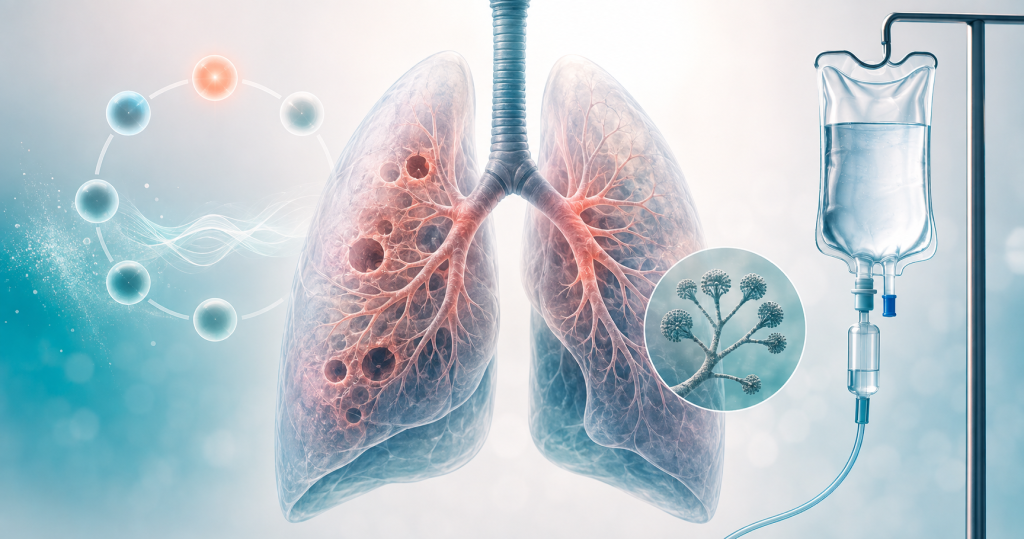
Rezafungin is part of a newer group of antifungal drugs called echinocandins. These work by weakening the fungal cell wall — a very different mechanism to azole drugs like itraconazole or voriconazole.

Key features:

  • Given as a weekly intravenous (IV) drip

  • Long-acting: stays in the body for days after each dose

  • Designed to provide high drug levels in the lungs and bloodstream

  • Early studies show less frequent side effects than with some older antifungals

It is already licensed for treatment of Candida bloodstream infections but is being studied now for CPA.


🧪 Current Research: Trial for CPA

A clinical trial is currently recruiting people with CPA who:

  • Cannot take azole antifungals because of side effects or resistance

  • Need alternative or combination therapy

This trial (called REZAFUNGin Efficacy and Safety for Aspergillus – CPA) is being conducted in the UK and internationally. The goal is to test whether rezafungin is safe and effective in CPA patients who have few remaining options.

🔗 View the clinical trial (NCT06794554)


📊 What Have Previous Studies Found?

While studies in CPA are just beginning, previous trials in other fungal infections provide important clues:

✅ Phase 2 & 3 Studies (Candida Infections)

  • Rezafungin was found to be as effective as daily echinocandins (like caspofungin)

  • Once-weekly dosing worked just as well as daily treatment

  • Side effects were mild, and liver toxicity was rare

  • No CNS side effects (like hallucinations) were reported

🧫 Laboratory Evidence

  • Rezafungin is active against Aspergillus fumigatus, including some azole-resistant strains

  • It reaches good levels in lung tissue — an important feature for CPA

  • May be used alone or with another antifungal in complex cases

🩺 Case Example

A recent case report described successful treatment of chronic pulmonary aspergillosis using rezafungin plus voriconazole in a patient with resistant infection (Oxford University Press, 2024).


⚠️ Is Rezafungin Available Now?

Not yet. Rezafungin is only available for CPA:

  • Through a clinical trial, or

  • By special approval for compassionate use in selected cases

It is not currently licensed for aspergillosis in the UK or elsewhere.


💬 What Should I Discuss with My Doctor?

If you're considering participation in a clinical trial or if standard treatments have failed, you might ask:

  • Am I eligible for the rezafungin CPA trial?

  • What are the benefits and risks of trying this treatment?

  • Will I still need other antifungals (e.g. azoles or amphotericin)?

  • How often will I need blood tests and hospital visits?

  • Will this help if I have azole resistance or liver side effects?


📌 Summary

Rezafungin is a new antifungal drug being tested for people with chronic pulmonary aspergillosis who cannot take older treatments. It offers once-weekly dosing and early signs suggest a favourable safety profile, including in patients with liver concerns or those who had side effects from azoles.

Although not yet widely available, it may offer hope for people with limited options. If you or someone you know is struggling with antifungal intolerance, you may wish to speak to your medical team about the CPA clinical trial or explore compassionate access routes.

👉 Learn more or check trial sites:
🔗 https://clinicaltrials.gov/study/NCT06794554


🌿 Living with Chronic Pulmonary Aspergillosis (CPA):

Hope, Setbacks, and What “Cure” Really Means

Being diagnosed with chronic pulmonary aspergillosis (CPA) is often overwhelming. You may be on treatment with antifungals like itraconazole (Sporanox) and have already gone through ups and downs — early improvement, then a period of stagnation, and now you're facing a new CT scan with anxiety.

You’re not alone — and this guide brings together the key questions patients often ask, along with helpful real-life insights.


✅ “I Felt Better at First — Then It Stalled. Why?”

This is very common in CPA. In the first few months:

  • Symptoms like cough, breathlessness, and fatigue may improve.

  • CT scans may show fungal balls shrinking or disappearing.
    But then:

  • Symptoms return or stay the same.

  • Scans show little change.

  • Anxiety grows.

This doesn’t mean treatment has failed.
It may just mean you've reached a slower phase of healing. Here's why:

Reason What’s Happening
Antifungal success at first Fungal load drops, but scarring and inflammation remain.
Itraconazole is working But drug levels may be too low — monitoring is essential.
Other lung conditions coexist Like bronchiectasis or NTM, which antifungals don’t treat.
Ongoing exposure to mould Especially from damp buildings, compost, or dust.
Immune response adapts Symptoms may persist even if fungus is under control.

🔁 “Can Things Improve Again?”

Yes — many people improve again after a plateau or setback.

What helps:

  • Check your itraconazole blood level — low levels = poor response.

  • ✅ Consider a switch to another antifungal, like voriconazole or posaconazole.

  • ✅ Ask your team about co-infections, inhaled therapies, or lung physiotherapy.

  • ✅ Monitor your vitamin D, weight, and steroid use (to rule out other causes of symptoms).

  • Keep going — many people improve again with time, adjustments, and support.

🗣️ “I had a dip after three months. We checked my drug levels — they were low. After a small dose change, I felt better again.” — Patient story


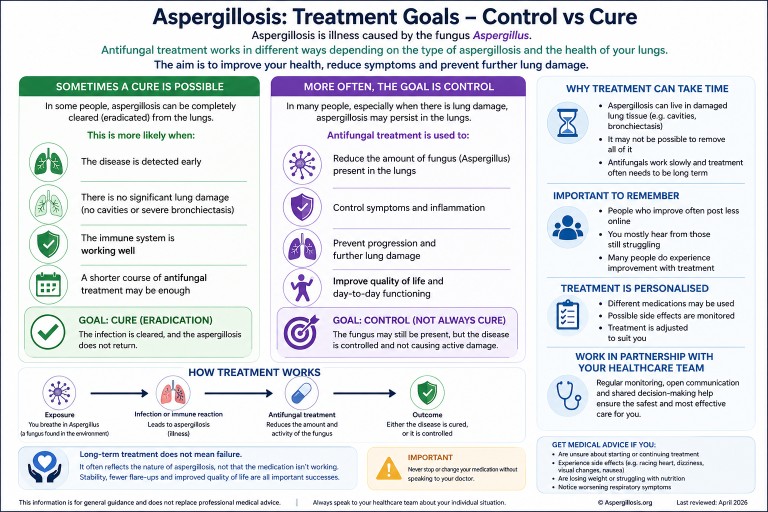
💬 “Can CPA Be Cured?”

🩺 What Do We Mean by “Cure”?

In medicine, a cure usually means:

  • The disease is gone,

  • Treatment is no longer needed,

  • There’s no sign of the illness coming back.

But in CPA, a full cure is rare — because the conditions that allowed it to take hold usually remain.


⚠️ Why CPA Is Rarely “Cured” in the Traditional Sense

  • CPA often happens in lungs already damaged by:

    • Tuberculosis (TB)

    • COPD or emphysema

    • Bronchiectasis

    • Allergic bronchopulmonary aspergillosis (ABPA)
      These conditions are chronic and don’t disappear, even if the fungus is controlled.

  • Scars, cavities, and weakened lung tissue remain, and symptoms can return if antifungal treatment is stopped too soon or if reinfection occurs.


✅ So What’s a More Accurate Way to Think About It?

Instead of talking about a cure, specialists use words like:

Term What It Means
Clinical improvement You feel better, symptoms reduce, scans look more stable.
Stability The disease is under control — not progressing.
Remission The infection is quiet or inactive — with or without treatment.
Disease control Long-term treatment is helping manage the condition safely.

📌 Think of CPA like asthma or diabetes — not "gone," but often well controlled.


🟢 Sometimes — CPA can be cured

In a small number of people:

  • The fungus is cleared completely,

  • Symptoms resolve,

  • Antifungals are stopped and not needed again.

This is more likely when:

  • CPA is caught early,

  • The disease is limited to one area,

  • The person has otherwise healthy lungs.


🟡 For Most — CPA is treatable but long-term

You may not fully “get rid of it” — but you can:

  • Live well with it,

  • Keep symptoms under control,

  • Avoid major complications.


🔴 If untreated, CPA can progress

  • Damage spreads,

  • Bleeding may worsen,

  • General health may decline.

That’s why staying on treatment and having regular check-ups is so important.


🔪 What About Surgery?

Surgery can help in some cases — but it depends on your specific situation.

🟢 Surgery may help if:

  • You have a single aspergilloma (fungal ball).

  • You're experiencing repeated bleeding (haemoptysis).

  • The lesion is growing or pressing on nearby structures.

  • Antifungals haven’t worked, or aren’t tolerated.

In these cases, removing part of the lung may stop bleeding, reduce symptoms, and improve quality of life.


🔴 Surgery may not be suitable if:

  • Disease affects both lungs or multiple areas.

  • Your lung function is too low.

  • The lesion is too close to vital structures.

  • You have underlying conditions like COPD, bronchiectasis, or ABPA that wouldn’t improve after surgery.

🩺 If surgery isn’t an option:

You may still benefit from:

  • Bronchial artery embolisation (BAE) — a non-surgical way to stop bleeding.

  • Ongoing antifungal therapy.

  • Symptom management through breathing support and physiotherapy.


💬 What Other Patients Say

Patient Story Outcome
“My fungal ball vanished after 6 months. I’m still on meds but doing well.” Stable with long-term itraconazole
“I plateaued, then improved again after switching drugs.” Switched to posaconazole
“I had surgery after coughing up blood for months. It made a huge difference.” Surgery successful
“I live with scarring, but I’m off meds now and stable.” Clinical remission

🧾 What You Can Do

  • ✅ Ask your doctor to check your itraconazole level if not already done.

  • ✅ Record weekly symptoms — cough, fatigue, breathlessness.

  • ✅ Ask about sputum tests for fungi or bacteria.

  • ✅ Discuss surgery or embolisation if you’re coughing up blood.

  • ✅ Stay hopeful — CPA is manageable, and some people do recover.


❤️ Final Thoughts

CPA is rarely curable in the strictest sense, but that doesn’t mean it’s hopeless.
Many people live full lives with the disease under control. Even if CT scans show lasting changes, what really matters is:
How you feel. How well you breathe. How stable your condition stays.

With antifungal therapy, expert care, and the right support, you are not alone — and you can feel better again.


🌫️ A Life Shaped by Mould: One Person’s Journey with CPA and Lung Disease

Sadly, at the time of writing this story has to be paid for to read the full article. What follows is a summary of the free-to-access abstract.

“It started with damp walls – but it didn’t end there.”

This is the story of someone who spent a lifetime battling the hidden effects of mould exposure and fungal lung disease, from childhood through adulthood. Their experience is a powerful reminder of how long-term exposure to poor indoor environments — especially damp, flood-prone homes — can leave a lasting imprint on lung health.


🧒 Early Clues: Breathing Problems in Childhood

  • The author grew up in mouldy homes, regularly affected by floods.

  • As a teenager, they suffered from collapsed lungs, underwent pleurectomies, and were diagnosed with blebs (small air-filled sacs on the lung lining).

  • No one realised at the time that this could be linked to inhaled fungal spores.


🩺 The Long Road to Diagnosis

  • Years later, symptoms returned: chest infections, breathlessness, persistent coughing.

  • Eventually, doctors diagnosed:

    • Chronic pulmonary aspergillosis (CPA) – a long-term fungal infection

    • Severe bronchiectasis – a condition where the airways become damaged and inflamed

The root cause was now clear: years of breathing in airborne mould spores had likely caused permanent lung damage.


💊 Managing CPA: A Complex Balancing Act

The chapter describes the difficulty of living with CPA, including:

  • Strong antifungal medications (like itraconazole or posaconazole) and their side effects

  • Emergency lung procedures

  • Ongoing adjustments in daily life — from avoiding certain environments to managing fatigue


🤝 What Helped Most: Self-Advocacy and Support

This is also a story of resilience and empowerment. The author learned to:

  • Ask better questions at medical appointments

  • Work closely with specialists in fungal lung disease

  • Use trusted online resources to understand their condition

  • Keep going, even when progress was slow

💬 “I had to become my own advocate – not to fight my doctors, but to work with them more effectively.”


🧭 Advice for Others

The author shares practical tips that could help anyone dealing with CPA, bronchiectasis, or long-term lung illness:

  • Track your symptoms and treatments

  • Stay informed – but avoid misinformation online

  • Get help from respiratory physiotherapists

  • Don’t ignore your environment – especially damp, mouldy places

  • Keep asking questions until the answers make sense


🌟 A Message of Hope

This chapter isn’t just a medical account – it’s a message of hope and strength. It shows how understanding your own health, building a good medical team, and staying proactive can make a big difference, even in the face of serious illness.


Understanding the Different Types of Chronic Pulmonary Aspergillosis (CPA)

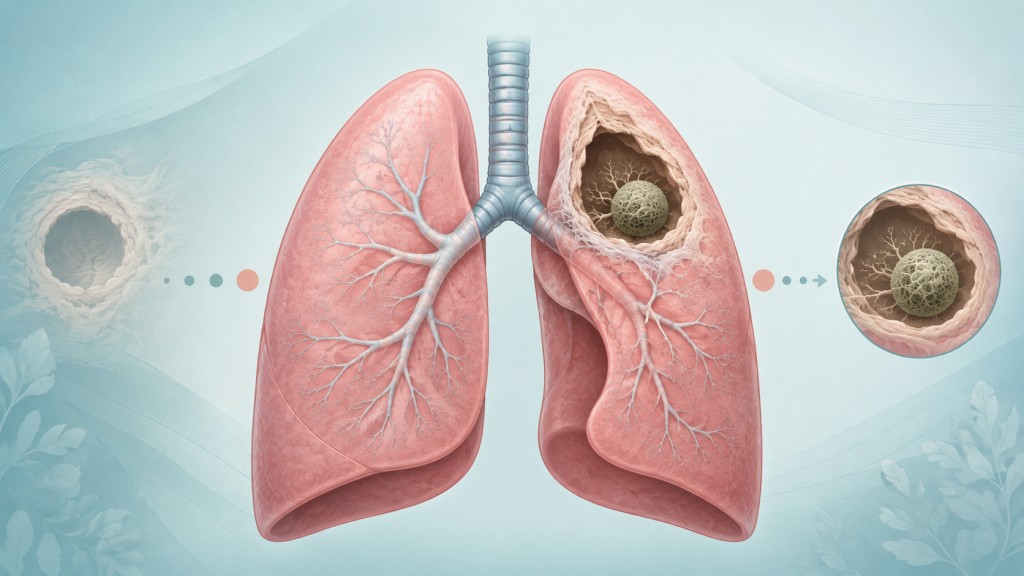
CPA is a long-term lung condition caused by a common fungus called Aspergillus. It usually affects people who already have lung damage — from infections like tuberculosis (TB), conditions like COPD or asthma, or diseases such as sarcoidosis.

There are five main types of CPA. Knowing which one you have can help guide your treatment and follow-up.


🟠 1. Chronic Cavitary Pulmonary Aspergillosis (CCPA)

Most common form

  • Caused by Aspergillus growing in one or more cavities in the lungs

  • Cavities may slowly get larger or thicker

  • Often develops in people with previous lung disease

Symptoms:

  • Long-term cough

  • Fatigue and weight loss

  • Breathlessness

  • Sometimes mild or moderate coughing up blood

Treatment: Long-term antifungal tablets (e.g. itraconazole or voriconazole)


⚠️ 2. Chronic Fibrosing Pulmonary Aspergillosis (CFPA)

Advanced stage of CPA

  • Happens when long-term infection causes lung scarring (fibrosis)

  • Lungs become stiff, making breathing harder

Symptoms:

  • Worsening breathlessness

  • Low oxygen levels

  • Severe fatigue

Treatment: Focuses on antifungals, symptom relief, and oxygen if needed


🟢 3. Simple Aspergilloma

A single fungal ball in a lung cavity

  • A round ball of fungus (aspergilloma) forms in an existing lung cavity

  • Often found during scans done for other reasons

  • Some people have no symptoms at all

Main risk: Coughing up blood (sometimes serious)

Treatment:

  • Monitoring if mild

  • Surgery or embolisation if bleeding occurs


🔴 4. Subacute Invasive Aspergillosis (SAIA or CNPA)

Faster-moving form of CPA

  • Occurs over weeks to months

  • Often seen in people with weaker immune systems (e.g. due to diabetes, steroids, or alcohol dependence)

  • Infection starts to invade deeper lung tissue

Symptoms:

  • Fever

  • Worsening breathlessness

  • Severe weight loss

Treatment: Prompt antifungal treatment and close medical monitoring


🟡 5. Aspergillus Nodules

Small lumps caused by Aspergillus

  • These are solid nodules in the lungs, often found by chance on a CT scan

  • They may be mistaken for cancer at first

  • Often cause no symptoms

Treatment:

  • Usually watch and wait

  • Sometimes surgery or biopsy if uncertain


🩺 Why Knowing Your CPA Type Matters

Understanding your CPA type helps your medical team:

  • Choose the best treatment for you

  • Monitor for bleeding or lung damage

  • Decide when to repeat scans or adjust medication


💬 Questions to Ask Your Doctor

  • Which type of CPA do I have?

  • Will I need long-term antifungal treatment?

  • How often should I have scans or blood tests?

  • What should I do if I cough up blood?


🧘 Final Note

CPA is a chronic condition, but many people manage it well with the right treatment and regular check-ups. You are not alone — support and information are available.


🏥 Surgery in Patients with ABPA or CPA: Can It Worsen Symptoms, and Should It Proceed?

Patients with Aspergillus-related lung diseases, such as Allergic Bronchopulmonary Aspergillosis (ABPA) and Chronic Pulmonary Aspergillosis (CPA), sometimes report worsened symptoms after undergoing surgery under general anaesthetic. While this is a recognised clinical pattern, it does not mean surgery should be avoided. Instead, it requires preparation and close perioperative management to reduce risk.


🔍 Can Surgery Worsen Aspergillosis Symptoms?

Yes — and here's why:

✳️ 1. Airway Irritation from Intubation

  • Endotracheal tubes can irritate airways already inflamed by ABPA or structurally altered by CPA.

  • Mechanical ventilation can impair mucus clearance and exacerbate cough or infection.

✳️ 2. Postoperative Immunosuppression

  • Surgery temporarily suppresses immune function.

  • Perioperative corticosteroids or stress-induced immune suppression can permit fungal flare-ups or reactivation.

✳️ 3. Impaired Mucus Clearance

  • Pain, immobility, and sedation reduce the patient’s ability to cough and clear secretions.

  • In CPA or ABPA, this can lead to plugging, fungal regrowth, or secondary bacterial infection.

✳️ 4. Drug Interactions

  • Azole antifungals (e.g. itraconazole, posaconazole) interact with many anaesthetics, opioids, and steroids.

  • These interactions can alter drug levels, reduce antifungal efficacy, or increase toxicity risk.

✳️ 5. Stress and Inflammation

  • Surgical stress may worsen the inflammatory or allergic component of ABPA.

  • CPA-related cavities may bleed or become re-infected post-op.


✅ Should Surgery Still Go Ahead?

Yes — surgery can and often should proceed when it is medically indicated.

Delaying needed procedures (e.g. for cancer, fractures, or pain relief) can lead to worse outcomes than the potential risks related to aspergillosis.


🛡️ Recommended Precautions

🔷 Pre-Operative Planning

  • Ensure all care teams are aware of the diagnosis.

  • Review lung imaging, baseline oxygenation, and current antifungal/steroid regimens.

  • Arrange for pre-op airway clearance if sputum is a concern.

🔷 Antifungal Management

  • Continue antifungal therapy through the perioperative period.

  • Use IV formulations if oral administration isn’t possible.

  • Check for drug interactions with anaesthetic or post-op medications.

🔷 Steroid Cover (ABPA and CPA on steroids)

  • Patients on chronic steroids may need perioperative hydrocortisone supplementation (adrenal cover).

  • Apply “sick day rules” or use the patient’s adrenal insufficiency plan, if applicable.

🔷 Post-Op Monitoring

Watch for:

  • Worsening cough, breathlessness, or sputum

  • Fever or signs of secondary infection

  • Raised IgE (in ABPA) or haemoptysis (in CPA)

  • Any signs of antifungal failure or drug toxicity


⚠️ When Might Surgery Be Delayed?

Consider postponing non-urgent surgery if:

  • There is active haemoptysis

  • The patient has uncontrolled inflammation or fungal burden

  • A recent scan shows expanding cavities or new infiltrates

  • Antifungal resistance is suspected or not yet managed


💬 Key Message for Patients

“Having ABPA or CPA doesn’t mean you can’t have surgery — but we do need to take extra care around your airways, your antifungal treatment, and your recovery. With the right team and planning, we can safely support you through your procedure.”


🫁 Why Is CPA Called a Long-Term Condition — Not a Lifelong One?

Chronic Pulmonary Aspergillosis (CPA) is often described as a long-term condition, but people sometimes wonder why it isn’t called a “lifelong” disease — especially since many people need antifungal treatment and regular monitoring for years.

Here’s what we know:


🩺 CPA Affects Everyone Differently

CPA is a complex condition that includes several forms — some people have a single fungal ball (aspergilloma), while others have more widespread or progressive disease. For many, CPA needs long-term treatment, such as antifungal tablets, oxygen, physiotherapy, or hospital care.

But not everyone has the same experience:

  • Some people are stable for years

  • Some respond well to treatment and no longer need antifungals

  • Others may live with occasional flare-ups or long-term health problems


🔁 Why It’s Not Always Called Lifelong

CPA is called a “long-term condition” because:

  • It typically lasts at least a year, often longer

  • It may come and go in phases

  • It needs regular follow-up and may affect daily life

But not everyone will have it for the rest of their life — and that’s why we don’t use the word “lifelong” for everyone.


🔬 We Don’t Yet Know Who is Truly ‘Cured’

To say whether CPA is curable, we would need to:

  • Follow a large group of patients

  • For many decades

  • To see who stays well and never relapses

That kind of long-term research is still ongoing — so at the moment, doctors can’t say for sure when or if someone is permanently cured.

Some people stay well for years after stopping treatment — but it’s too early to know if the infection is truly gone, or just sleeping.


💬 What This Means for You

  • CPA is a condition that can be managed — sometimes very successfully

  • You might not need treatment forever — but regular check-ups help catch any changes early

  • Your team will work with you to find the right balance of treatment and independence

  • If you feel well, that's a good sign — but it's still important to keep an eye on things


📍In short: CPA is a serious, long-term condition, but it’s not always lifelong. We still have more to learn, and long-term studies are helping us understand it better every year.


Chronic Pulmonary Aspergillosis (CPA) for Expert Patients and Non-Specialist Clinicians

Expert Information for Patients, GPs, and Specialist Nurses


🔎 What Is CPA?

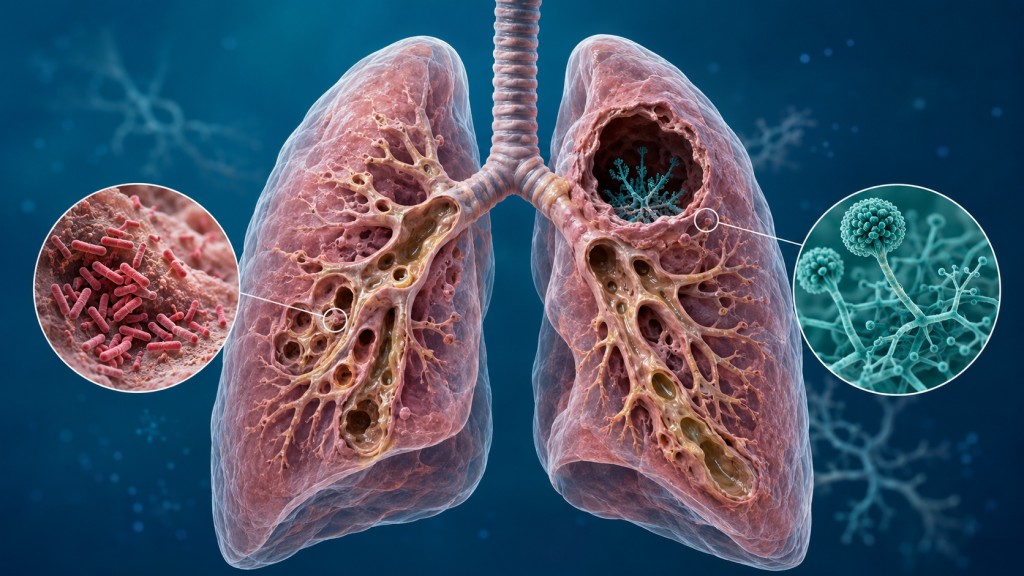
Chronic Pulmonary Aspergillosis (CPA) is a long-term fungal lung infection caused by Aspergillus, typically A. fumigatus. It occurs in individuals with underlying lung damage and can progress slowly over months to years. It includes several subtypes ranging from cavitary lesions to fibrosing disease and fungal balls (aspergillomas).


🧬 Subtypes of CPA

Subtype Description
Simple aspergilloma Fungal ball within a pre-existing lung cavity
Chronic cavitary pulmonary aspergillosis (CCPA) Multiple cavities ± fungal balls; progressive
Chronic fibrosing pulmonary aspergillosis Advanced form with fibrosis and volume loss
Subacute invasive aspergillosis (SAIA) Intermediate between CPA and invasive disease; more rapid progression over weeks to months
Aspergillus nodules Discrete nodules without cavitation; may mimic malignancy

👥 Who Is at Risk?

CPA typically affects people with pre-existing lung disease or immune dysfunction, including:

  • Tuberculosis (old or active)

  • COPD and emphysema

  • Bronchiectasis

  • Sarcoidosis

  • Prior pneumothorax

  • Lung cancer or surgery

  • Diabetes mellitus

  • Low-dose or chronic steroid use


⚠️ Common Symptoms

CPA symptoms often evolve insidiously over >3 months:

  • Chronic productive cough

  • Haemoptysis (may be mild or massive)

  • Fatigue and weight loss

  • Breathlessness

  • Chest discomfort

  • Fever (occasional)


🧪 Diagnosis

Diagnosis of CPA requires the combination of:

  1. Symptoms ≥3 months

  2. Imaging:

    • CT chest: cavitary lesions, pleural thickening, aspergilloma, fibrotic changes

  3. Microbiology:

    • Positive sputum culture, PCR, or histopathology for A. fumigatus

  4. Serology:

    • Elevated Aspergillus IgG antibodies (essential for diagnosis)

  5. Exclusion of other diseases:

    • Especially active TB, malignancy, and bacterial infections


💊 Treatment

First-Line:

  • Oral triazole antifungals (minimum 6 months, often longer)

    • Itraconazole

    • Voriconazole

    • Posaconazole

  • Therapeutic drug monitoring is crucial

Additional:

  • Inhaled antifungals (e.g. amphotericin B) in selected cases

  • Surgery for localised disease or life-threatening haemoptysis (if fit)

  • Bronchial artery embolisation for bleeding control

  • Physiotherapy and nutritional support


🧾 Monitoring

  • CT scan every 3–6 months during treatment

  • Aspergillus IgG titres to monitor disease activity

  • Liver function and antifungal levels (monthly at minimum)

  • Symptom tracking (cough, energy, weight, breathlessness)


📚 More Information


How Weather Affects CPA and ABPA – and What You Can Do About It

Living with Chronic Pulmonary Aspergillosis (CPA) or Allergic Bronchopulmonary Aspergillosis (ABPA) means being aware not just of your lungs, but also of what’s happening outside your window. Weather — especially wind, humidity, temperature, and seasonal changes — can have a real impact on breathing, energy levels, and symptom control. Here’s why, and what you can do to stay ahead of it.


🌬️ Windy Days: A Hidden Risk

Windy weather stirs up fungal spores, dust, and other irritants. For people with CPA or ABPA, this matters because:

  • Aspergillus spores are more airborne on windy days, increasing the risk of exposure.

  • In ABPA, this can trigger allergic inflammation — causing wheeze, tight chest, and coughing.

  • In CPA, inhaling spores can worsen existing infection or symptoms, particularly if lung cavities are already inflamed or colonised.

What you can do:

  • Avoid being outdoors for long periods on very windy days, especially in dry weather.

  • If you must go out, wear a well-fitted mask (e.g., FFP2 or FFP3).

  • Shower and change clothes when you come in — spores can cling to skin and fabric.


🌡️ Temperature Extremes: Cold or Hot

  • Cold air can tighten the airways, leading to breathlessness and coughing.

  • Hot, humid weather can feel heavy on the chest and worsen fatigue.

  • Both extremes may contribute to oxygen desaturation and general discomfort.

What you can do:

  • In cold weather: Breathe through your nose or wear a scarf or mask to warm the air before it hits your lungs.

  • In hot weather: Stay hydrated, rest in cool rooms, and avoid going out during peak heat.


🌧️ Rain and Damp Weather

Rain might temporarily reduce airborne spores, but damp conditions indoors (e.g., from leaks or poor ventilation) can allow Aspergillus to grow on walls, furniture, or in bathrooms.

What you can do:

  • Use a dehumidifier indoors and ensure good ventilation.

  • Fix any damp or mould problems promptly.

  • Clean areas like windowsills and shower tiles regularly with anti-fungal solutions* see accompanying post for more details .


🌸 Pollen and Seasonal Changes

  • In ABPA, allergic responses can be triggered or worsened in spring and summer, when other environmental allergens (like pollen or grass) are high.

  • These allergens can amplify immune responses already sensitised to Aspergillus.

What you can do:

  • Monitor pollen forecasts and avoid high-pollen areas on bad days ** see forecast details here.

  • Keep windows closed during peak pollen hours.

  • Consider using HEPA filters in the home.


📉 Barometric Pressure Drops

Some people notice worsened symptoms just before storms or weather changes — this may be due to changes in air pressure affecting breathing or causing low mood and fatigue.

What you can do:

  • Track weather patterns (ie. keep a diary) if you notice recurring patterns with your symptoms.

  • Speak with your care team if you feel you’re more vulnerable during certain types of weather — you might benefit from adjustments to medications or a rescue plan.


🚨 When to Seek Help

If you experience:

  • Oxygen saturations dropping below 92% and not improving within 20–30 minutes,

  • Rapid breathing, chest tightness, or a pounding heart that doesn’t settle,

  • Confusion, faintness, or signs of a flare-up that feels “different” from usual,

Don’t wait — contact 111 or go to A&E. You know your body best, but these signs mean your lungs are struggling.


How to Prepare for Weather Sensitivity

  • Keep a symptom diary linked to weather changes — it helps your specialist spot patterns.

  • Ask your consultant if you should have:

    • A rescue inhaler (e.g., salbutamol),

    • A short-term steroid plan (for ABPA flares),

    • Portable oxygen or a pulse oximeter for home monitoring.

  • Have a weather-safe plan for exercise — walking indoors or using a treadmill can help stay active without exposure.


🧘‍♀️ Final Thought

You can’t control the weather, but you can control your environment and how you respond to it. Understanding how CPA and ABPA react to different conditions helps you stay safe, informed, and in charge of your health.

If you’ve noticed your symptoms worsen in certain weather, don’t hesitate to mention it to your specialist — it’s a valuable piece of your health puzzle.


🌱 Safe Handling of Plants, Compost, and Soil for People with CPA

If you work with flowers, compost, mulch, or soil—as many people with CPA (chronic pulmonary aspergillosis) do—you’re regularly exposed to Aspergillus spores. Some of these may be resistant to antifungal medications, making workplace precautions even more important.

🧫 Why It's a Concern

  • Widespread Azole Fungicide Use: Agricultural fungicides share chemical similarities with medical antifungal drugs (like itraconazole and voriconazole), leading to resistant strains of Aspergillus fumigatus in the environment.

  • Environmental Reservoirs: Garden centres, compost heaps, potting sheds, and greenhouses can all harbor resistant spores.

  • Clinical Risk: If resistant spores are inhaled and cause infection, treatment becomes more difficult, requiring second-line drugs that may be less effective or more toxic.


✅ How You Can Protect Yourself While Staying on the Job

You don’t have to give up the work you love. With smart precautions and awareness, you can continue safely:

🛡️ Protect Yourself from Airborne Spores

  • Wear a certified FFP2, FFP3, or N95 mask (not a surgical or cloth mask).

  • Avoid opening compost bags or disturbing dry materials indoors.

  • Prioritise outdoor tasks or ensure good ventilation in work areas.

🧤 Glove Up and Gear Down

  • Use gloves when handling compost, soil, or mulch.

  • Change clothes after work and shower to remove spores from your skin and hair.

  • Keep work footwear separate from household shoes.

🧼 Wash Hands Frequently

  • Always wash your hands:

    • After handling compost, soil, or cut plants

    • After removing gloves or masks

    • Before eating or drinking

  • Use soap and warm water for at least 20 seconds. If unavailable, use hand sanitiser (minimum 60% alcohol).


🧼 Why Hand Hygiene Really Matters with CPA

Even though Aspergillus is primarily inhaled, clean hands help reduce accidental transfer of spores to your face, nose, and mouth. Here's why hand hygiene is especially important for people with CPA:

  • Reduces risk of transferring spores from contaminated surfaces or tools to your face.

  • Prevents secondary infections from viruses or bacteria, which are harder to fight with weakened lungs.

  • Supports immune safety if you’re taking antifungals, steroids, or immunosuppressants.


🔬 Stay on Top of Health Monitoring

  • Tell your respiratory team about your occupational exposure.

  • If your symptoms change or your antifungal treatment stops working, request resistance testing (not always automatic).

  • Keep up with routine blood tests, scans, and sputum cultures.


🌍 The Bigger Picture

Antifungal resistance in the environment is rising across the UK and Europe. Garden centres and plant-heavy environments are now recognised as higher-risk zones for people with CPA. But with protective equipment, hygiene routines, and regular monitoring, it's entirely possible to keep working safely—especially when your job brings purpose and joy.


🌱 Risks of Gardening for ABPA/CPA Patients

  • High fungal spore exposure: Soil, compost, leaf mould, mulch, and rotting vegetation are rich in Aspergillus fumigatus and other mold spores.

  • Spores can trigger ABPA flares or worsen CPA progression, especially in immunocompromised or structurally damaged lungs.

  • Bagged compost is particularly risky—opening bags or mixing damp materials can release a high spore load (documented in outbreaks and case reports).


Benefits of Gardening

  • Mental health: Gardening reduces stress, anxiety, and depression, which are common in chronic lung disease.

  • Physical activity: Gentle exercise helps preserve lung function and general health.

  • Quality of life: A fulfilling hobby with strong therapeutic and social value for many.


🛡️ Risk Reduction Strategies (If Continuing Gardening)

If the patient chooses to keep gardening:

  1. Avoid compost, mulch, and leaf mould – especially bagged compost.

  2. Use sealed, peat-free, low-dust alternatives if composting is essential.

  3. Wear a well-fitted FFP2 or FFP3 respirator when handling soil or dusty material.

  4. Wet down soil before working to reduce airborne dust.

  5. Garden in open air, not greenhouses or sheds, where spores can concentrate.

  6. Shower and change clothes immediately after gardening.

  7. Consider delegating high-risk tasks (e.g. compost turning) to someone else.


🧭 Summary: Risk–Benefit Decision

Patient Type Recommendation
Stable ABPA Can garden with precautions
CPA, mild/stable Garden with strong precautions, avoid compost
CPA, moderate-severe or immunosuppressed Avoid gardening unless cleared by specialist
Recent flare or hospitalization Avoid until stabilized

Ultimately, this should be a shared decision based on:

  • Severity and stability of lung disease

  • Individual mental health benefits

  • Availability of safe gardening practices