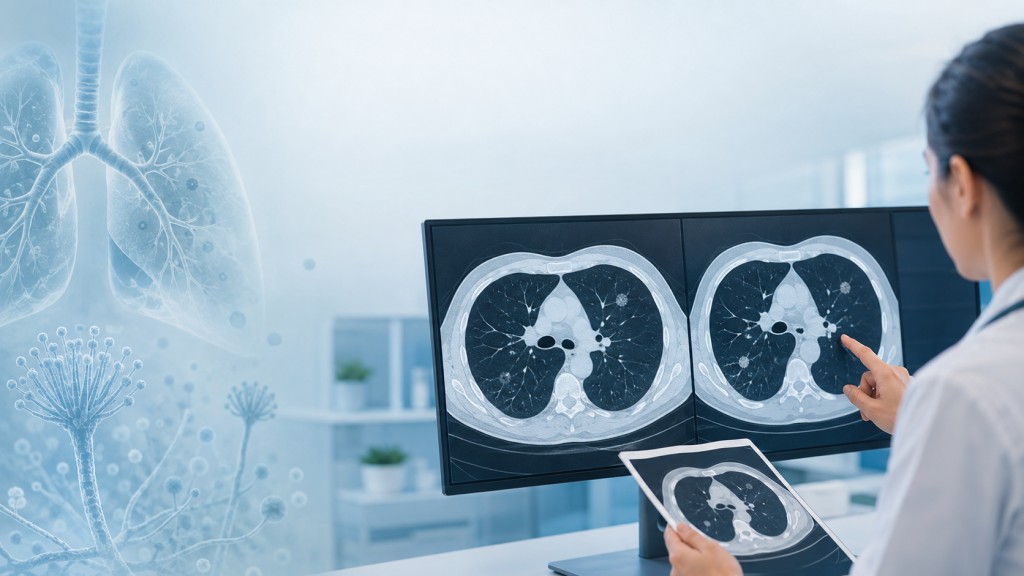
Cystic Fibrosis, CFTR Gene Variants, and Aspergillosis

Last reviewed: 8 April 2026

Some people with aspergillosis are told they have cystic fibrosis (CF), or that they carry a CFTR gene variant. This can be unexpected and may raise concerns about whether this explains their symptoms or diagnosis.

This article explains how cystic fibrosis and CFTR gene variants relate to Aspergillus-related lung disease, what current research shows, and—importantly—what conclusions should not be drawn.

Contents


Key points

  • Most people with aspergillosis do not have cystic fibrosis.
  • Most people with cystic fibrosis do not develop ABPA or CPA.
  • ABPA is linked to mucus and immune responses, not just infection.
  • CFTR variants may contribute to risk in some people, but are usually only one factor.
  • CPA is mainly driven by structural lung damage, not CFTR genetics.

Back to top ↑


Important reassurance

Most people with aspergillosis do not have cystic fibrosis, and most people with cystic fibrosis do not develop Aspergillus-related disease.

Although these conditions can overlap, they are usually separate. Genetic findings such as CFTR variants should be interpreted carefully and in context.

Back to top ↑


What is cystic fibrosis?

Cystic fibrosis is a genetic condition caused by changes in the CFTR gene. This gene regulates salt and water movement across cells.

When CFTR function is reduced:

  • mucus becomes thick and sticky
  • airways are harder to clear
  • microorganisms persist more easily

This creates an environment where bacteria and fungi can accumulate over time.

Back to top ↑


What is a CFTR gene variant?

CFTR variants range from severe mutations (causing cystic fibrosis) to mild or uncertain variants.

Carriers (with one variant):

  • are common in the general population
  • usually have no symptoms
  • may have subtle effects in some cases

These subtle effects may include reduced mucus clearance or increased susceptibility to airway inflammation.

Back to top ↑


How CFTR affects the lungs

CFTR dysfunction affects the lungs in several key ways:

  • Mucus dehydration: mucus becomes thick and difficult to clear
  • Impaired clearance: particles and microbes remain in the airways
  • Chronic inflammation: immune responses become exaggerated

This combination creates a “retention environment” where inhaled organisms—including Aspergillus—may persist.

Back to top ↑


How Aspergillus behaves in the lungs

Aspergillus is inhaled by everyone, but its effects vary depending on the lung environment.

  • Healthy lungs: spores are cleared
  • Impaired clearance: spores may persist
  • Sensitive immune system: allergic reactions may develop
  • Damaged lungs: chronic infection may develop

This explains why Aspergillus-related disease is diverse and depends heavily on underlying lung conditions.

Back to top ↑


ABPA and cystic fibrosis

ABPA is an allergic immune reaction to Aspergillus.

It is recognised in cystic fibrosis because:

  • mucus retention increases exposure to Aspergillus
  • immune responses can be exaggerated

However:

  • Many CF patients never develop ABPA
  • Most ABPA patients do not have CF

Some studies suggest CFTR variants may increase susceptibility, but this is not consistent across all research.

Key message: ABPA and CF can overlap, but one does not imply the other.

Back to top ↑


CPA and cystic fibrosis

CPA is a chronic fungal infection that develops in structurally damaged lungs.

The most important risk factor is:

pre-existing lung damage

This includes:

  • bronchiectasis
  • previous tuberculosis
  • COPD

Cystic fibrosis can lead to bronchiectasis, and therefore indirectly increase CPA risk.

However:

  • CPA is rarely driven directly by CFTR genetics
  • most CPA patients do not have CF

Key message: CPA is primarily a disease of lung structure, not genetics.

Back to top ↑


Modern CF treatments and Aspergillus

CFTR modulators (such as elexacaftor/tezacaftor/ivacaftor) have transformed CF care.

They:

  • improve CFTR function
  • thin mucus
  • improve clearance

Studies suggest:

  • reduced Aspergillus detection in some patients
  • fewer ABPA exacerbations in some cases

However:

  • ABPA still occurs
  • existing lung damage remains
  • immune responses are not fully corrected

Overall: these therapies improve risk but do not eliminate Aspergillus-related disease.

Back to top ↑


Does a CFTR variant explain symptoms?

No single factor explains complex lung disease.

Symptoms may result from:

  • underlying lung disease
  • infection
  • inflammation
  • environmental exposure

A CFTR variant may contribute, but is rarely the sole cause.

Back to top ↑


What should patients take from this?

  • CF and CFTR variants can sometimes contribute
  • ABPA has the strongest connection
  • CPA is mainly driven by lung damage
  • Most patients with aspergillosis do not have CF

Back to top ↑


When to seek medical advice

Seek advice if symptoms worsen, change, or include coughing up blood, fever, or chest pain.

Back to top ↑


Conclusion

Cystic fibrosis and CFTR gene variants can play a role in some patients with Aspergillus-related lung disease, particularly where mucus clearance is affected. However, they should not be overemphasised. In most cases, they are just one part of a broader clinical picture involving lung structure, immune response, and environmental exposure.

Back to top ↑


References

This article is for general information and does not replace advice from your clinical team.


Asthma and Aspergillosis

How fungal spores interact with asthma and other lung diseases

Every day we inhale thousands of microscopic fungal spores from the environment. One of the most common fungi in the air is Aspergillus fumigatus. In healthy lungs these spores are removed quickly by the lungs’ natural defence systems and cause no illness.

However, in people with asthma—particularly severe asthma—the interaction between the lungs and Aspergillus can be very different. The fungus may trigger allergic inflammation, grow in mucus within the airways, or occasionally contribute to chronic lung disease.

Understanding this relationship helps explain several important conditions including:

  • Aspergillus sensitisation

  • Severe Asthma with Fungal Sensitisation (SAFS)

  • Allergic Bronchopulmonary Aspergillosis (ABPA)

  • Aspergillus bronchitis

  • Chronic Pulmonary Aspergillosis (CPA)

Although asthma is the most common condition linked to Aspergillus allergy, other lung diseases such as bronchiectasis, Chronic Obstructive Pulmonary Disease (COPD), and tuberculosis-related lung damage can also create environments where the fungus becomes important.


Why Asthma Creates a Favourable Environment for Aspergillus

Asthma is a disease of airway inflammation and hyper-reactivity. The bronchi narrow during attacks because the airway wall becomes swollen and the surrounding smooth muscle contracts.

Several features of asthma make it easier for Aspergillus spores to remain in the lungs.


Mucus production

Asthma often causes increased production of thick airway mucus.

Normally mucus traps inhaled particles and moves them upward toward the throat via the mucociliary escalator.

In asthma:

  • mucus becomes thicker

  • clearance becomes less efficient

  • spores remain trapped

This trapped environment allows fungal spores to persist in the airway mucus.


Allergic immune responses

Many asthma patients have Type-2 (T2) inflammation (50-70%), involving immune pathways driven by:

  • Immunoglobulin E (IgE)

  • Interleukin-4

  • Interleukin-5

  • Interleukin-13

  • eosinophils

These pathways respond strongly to fungal allergens. When the immune system recognises Aspergillus proteins it may trigger allergic inflammation in the airways.

Fungal sensitisation is increasingly recognised as an important contributor to severe asthma (PMID: 24735832).


Aspergillus Sensitisation

Many people with asthma develop allergic sensitisation to Aspergillus.

Sensitisation means the immune system produces antibodies against fungal proteins.

Features include:

  • positive Aspergillus skin test or IgE blood test

  • worsening asthma symptoms

  • increased exacerbations

Studies suggest 10–25% of patients attending severe asthma clinics show Aspergillus sensitisation (PMID: 24735832).

However, sensitisation alone does not necessarily cause lung damage.


Severe Asthma with Fungal Sensitisation (SAFS)

Some patients with severe asthma have fungal sensitisation but do not meet the criteria for ABPA.

This condition is known as Severe Asthma with Fungal Sensitisation (SAFS).

Typical features include:

  • severe or poorly controlled asthma

  • fungal allergy

  • moderate IgE elevation

A randomised controlled trial demonstrated that antifungal therapy may improve symptoms in some SAFS patients (PMID: 18948425).


Allergic Bronchopulmonary Aspergillosis (ABPA)

Allergic Bronchopulmonary Aspergillosis is the most important Aspergillus-related disease associated with asthma.

ABPA occurs when Aspergillus grows within airway mucus and triggers a strong allergic immune response.

Typical findings include:

  • very high total IgE levels

  • Aspergillus-specific IgE and IgG antibodies

  • eosinophilia

  • mucus plugs containing fungal hyphae

  • central bronchiectasis

ABPA occurs in approximately:

  • 1–2% of all asthma patients

  • up to 10–15% of severe asthma patients

These figures come from global prevalence estimates of ABPA in asthma populations (PMID: 23210682/.

Modern diagnostic criteria for ABPA were updated by the International Society for Human and Animal Mycology (ISHAM) in 2024 (PMID: 38423624).


Asthma and Aspergillus Disease Pathway


Possible interactions between asthma and Aspergillus. Some patients develop allergic disease (ABPA) which may lead to airway damage such as bronchiectasis (NB Progression to CPA is very rare).


When ABPA Causes Bronchiectasis

Repeated inflammation from ABPA may damage airway walls and lead to bronchiectasis.

Bronchiectasis occurs when airways become:

  • permanently widened

  • distorted

  • unable to clear mucus effectively

Instead of being cleared from the lungs, mucus pools in the airways.

This retained mucus creates an environment where microorganisms—including fungi—can grow.


Aspergillus Bronchitis

In some patients with bronchiectasis or chronic lung disease, Aspergillus may persist in airway mucus and cause chronic airway infection rather than allergy.

Symptoms may include:

  • chronic cough

  • sputum production

  • repeated positive Aspergillus cultures

IgE levels are usually lower than in ABPA.


Chronic Pulmonary Aspergillosis (CPA)

Chronic Pulmonary Aspergillosis is a slowly progressive fungal infection of damaged lung tissue.

CPA usually develops in lungs containing:

  • cavities

  • severe structural damage

Common underlying diseases include:

  • tuberculosis

  • sarcoidosis

  • severe COPD

Globally, the most common cause of CPA is previous tuberculosis infection (PMID: 22271943).

Asthma alone rarely causes CPA, but severe bronchiectasis or ABPA-related lung damage may occasionally lead to it.


Aspergillosis and Immune Competence

Different forms of aspergillosis occur depending on lung damage and immune function.


Other Lung Diseases Linked to Aspergillus

Although asthma is the most common condition associated with Aspergillus allergy, several other lung diseases can predispose to fungal disease.

Bronchiectasis

Dilated airways trap mucus, allowing fungi and bacteria to persist.

COPD

Chronic airway inflammation may lead to Aspergillus bronchitis or chronic pulmonary aspergillosis.

Tuberculosis

Post-tuberculosis lung cavities are the most common global cause of chronic pulmonary aspergillosis (PMID: 22271943).


Key Messages

  • Asthma is one of the most important diseases associated with Aspergillus-related lung conditions.

  • Many asthma patients develop fungal sensitisation.

  • A smaller proportion develop Allergic Bronchopulmonary Aspergillosis (ABPA).

  • Repeated inflammation from ABPA can lead to bronchiectasis.

  • Chronic pulmonary aspergillosis is rare in asthma alone but may occur if significant lung damage develops.

Understanding these interactions helps guide diagnosis and treatment for people living with asthma and Aspergillus-related disease.

Further reading

Agarwal R, Chakrabarti A, Shah A, Gupta D, Meis JF, Guleria R, Moss R, Denning DW; ABPA complicating asthma ISHAM working group. Allergic bronchopulmonary aspergillosis: review of literature and proposal of new diagnostic and classification criteria. Clin Exp Allergy. 2013 Aug;43(8):850-73. doi: 10.1111/cea.12141. PMID: 23889240.

Denning DW, Pleuvry A, Cole DC. Global burden of chronic pulmonary aspergillosis as a sequel to pulmonary tuberculosis. Bull World Health Organ. 2011 Dec 1;89(12):864-72. doi: 10.2471/BLT.11.089441. Epub 2011 Sep 27. PMID: 22271943; PMCID: PMC3260898.


Looking further into the future - could we control lung damage, preserve healthy lung tissue better?

Can Lungs Repair Themselves?

What New Research Means for People with CPA (and Other Aspergillosis)

A recent scientific discovery has helped researchers understand how certain lung cells decide whether to focus on repairing damage or defending against infection. The work, highlighted by the Mayo Clinic and published in Nature Communications, describes a molecular “switch” inside specialised lung cells that influences this balance.

For people living with Chronic Pulmonary Aspergillosis (CPA) — and also those with Allergic Bronchopulmonary Aspergillosis (ABPA) — this kind of research is relevant. But it needs careful explanation.

This is not about rebuilding destroyed lungs.
It is about understanding how to better protect and preserve the lung tissue that remains.


The Discovery: A “Repair vs Defence” Switch

Researchers identified a regulatory circuit in alveolar type II (AT2) cells — specialised cells that:

  • Produce surfactant (which keeps air sacs open)

  • Act as a reserve “repair” population in the lung

  • Can regenerate other essential lung cells after injury

The study showed that these cells operate under tight control. When infection is present, they prioritise defence. When injury needs healing, they can switch into repair mode.

The key insight is that this switch is biologically regulated. It is not random. That means, in theory, it may one day be possible to influence it.


What “Repair” Means — and What It Does Not Mean

When we talk about lung repair in this context, we must be very clear.

It does not mean:

  • Lung cavities caused by CPA will close in the foreseeable future

  • Established fibrosis will melt away

  • Bronchiectasis will reverse

  • Severely distorted lung architecture will rebuild

CPA cavities represent major structural remodelling — destruction of alveoli, scarring, altered blood supply, and thickened pleura. Reconstructing that complex architecture is biologically extremely challenging and not currently realistic within the next decade.


What repair does realistically mean

In chronic lung disease, “repair” is more likely to mean:

  • Supporting survival of remaining alveoli

  • Preventing excessive fibrotic signalling

  • Helping lung lining cells recover more efficiently after inflammation

  • Reducing cumulative injury from repeated infection

  • Slowing progression of structural change

In other words:

Not rebuilding what is gone — but better protecting what remains.

For many people with CPA, this is a crucial distinction.


Why Preservation Is a Major Goal in CPA

CPA usually develops in lungs already weakened by conditions such as tuberculosis, non-tuberculous mycobacteria, chronic obstructive pulmonary disease, or severe pneumonia.

Over time, CPA can lead to:

  • Expanding cavities

  • Progressive scarring

  • Reduced gas exchange

  • Reduced exercise tolerance

Many patients have limited lung reserve. Even small additional losses of functioning lung tissue can significantly increase breathlessness or fatigue.

If future therapies could slow the rate of progression — even modestly — that would meaningfully affect long-term outcomes.

Flattening the decline curve is not trivial. It changes quality of life.


Why This Also Matters in ABPA

In ABPA, repeated inflammatory episodes can lead to:

  • Airway remodelling

  • Mucus plugging

  • Development or progression of bronchiectasis

Better control of inflammatory signalling — combined with improved epithelial recovery — could reduce long-term airway damage.

Again, this is about preservation rather than reversal.


Where Development Has Reached

The current research is still laboratory-based. It used advanced techniques such as:

  • Single-cell sequencing

  • Imaging of lung tissue

  • Preclinical models of injury

No human treatments based on this discovery are yet available.

However, the significance lies in identifying:

  • A defined molecular pathway

  • A controllable regulatory mechanism

  • A clearer understanding of why repair fails in chronic inflammation

That foundational knowledge is what eventually allows targeted drug development.


The Balance Challenge in Aspergillosis

There is an additional complexity in fungal lung disease.

Any attempt to promote repair must not weaken antifungal defence.

The immune system must:

  • Control Aspergillus

  • Avoid causing excessive inflammatory damage

Future therapies would need to strike that balance carefully.


What This Means for Patients Now

This discovery does not change current treatment.

The most effective preservation strategies today remain:

  • Consistent antifungal therapy when indicated

  • Careful inflammatory control

  • Biologic therapies where appropriate

  • Airway clearance

  • Vaccination and infection prevention

  • Avoiding damp and mould exposure

  • Pulmonary rehabilitation

These measures are already forms of lung preservation.


A Realistic and Hopeful Perspective

It is unlikely that cavities from CPA will be repaired in the near future.

It is realistic that within the next 5–10 years we may see improved strategies aimed at:

  • Slowing structural progression

  • Supporting endogenous repair cells

  • Reducing fibrotic signalling

  • Improving recovery after exacerbations

For people living long-term with CPA or ABPA, even incremental preservation could significantly affect independence and quality of life.

The science is still early — but understanding how the lung decides to repair itself is an important step forward.


Reference

Sawhney, A.S., Deskin, B.J., Cai, J. et al. A molecular circuit regulates fate plasticity in emerging and adult AT2 cells. Nat Commun 16, 8924 (2025). https://doi.org/10.1038/s41467-025-64224-1


Can blood tests help predict if chronic pulmonary aspergillosis will come back?

This study from the National Aspergillosis Centre (NAC) looked at people with chronic pulmonary aspergillosis (CPA) who had completed antifungal treatment and asked a simple question:

Can blood tests tell us who is more likely to relapse after treatment stops?


What the researchers did

Doctors reviewed patients with CPA who had:

  • Taken antifungal treatment for at least 6 months

  • Stopped treatment because they were clinically stable

They then followed these patients to see who stayed well and who relapsed, and compared this with their blood test results at the time treatment stopped.


What they found

  • About 1 in 4 patients had a relapse after stopping treatment

  • People whose Aspergillus IgG blood test was still high at the end of treatment were much more likely to relapse

  • Patients whose IgG level had fallen to a lower level did not relapse in this study

  • Signs of Aspergillus allergy or sensitisation also increased relapse risk

  • CT scan appearances and treatment length alone were not reliable predictors


Why this matters for patients

This means that:

  • Blood tests may help doctors decide when it is safe to stop treatment

  • Some people may need closer follow-up or longer treatment

  • Follow-up can be more personalised, rather than “one size fits all”

Importantly, a relapse does not mean treatment failed — it reflects how persistent this infection can be in damaged lungs.


Key takeaway

A simple blood test at the end of treatment may help predict who needs closer monitoring for CPA relapse.

This research supports a more individualised approach to long-term CPA care.


Surgery for Chronic Pulmonary Aspergillosis (CPA): why it is sometimes considered – and often not

For people living with chronic pulmonary aspergillosis (CPA), the idea of surgery can raise difficult questions. Some patients are told surgery might offer a chance of cure; others are advised very firmly against it. Both positions can be correct, depending on the individual situation.

This article explains when surgery may be considered, why it is often avoided, and what “success” or “cure” really means in CPA.


Why is surgery even considered in CPA

CPA usually develops in lungs that are already damaged (for example, by tuberculosis, chronic obstructive pulmonary disease, bronchiectasis, sarcoidosis, or prior infections). Antifungal medicines are therefore the mainstay of treatment.

However, surgery may be considered in a small and carefully selected group of patients, most commonly when:

1. Disease is localised to one area of the lung

If the aspergillus infection is confined to a single cavity or one lobe, and the rest of the lungs are relatively healthy, it may be technically possible to remove the affected area.

2. Recurrent or life-threatening haemoptysis (coughing up blood)

Large-volume or repeated bleeding is one of the strongest reasons surgery is considered. In some cases, surgery is viewed as a way to prevent catastrophic bleeding, rather than to eradicate infection.

3. A simple aspergilloma

Patients with a simple aspergilloma (a single fungal ball in a cavity, minimal surrounding disease, and preserved lung function) are the group most likely to benefit.

4. Failure or intolerance of antifungal therapy

If antifungal drugs cannot be taken long term due to side effects, drug resistance, or lack of response—and the disease remains localised—surgery may be discussed.


Why surgery is often not recommended

Although surgery can sound appealing, CPA surgery is high-risk and not suitable for most patients.

1. CPA is often widespread

Many patients have a disease affecting both lungs or multiple lobes. Removing one area does not treat the remaining infection.

2. Underlying lung reserve is limited

CPA commonly occurs in people with reduced lung function. Removing lung tissue can lead to:

  • Long-term breathlessness

  • Oxygen dependence

  • Reduced quality of life

Even if the operation itself is technically successful.

3. Surgery carries significant risks

Compared with many other lung operations, CPA surgery has higher complication rates, including:

  • Prolonged air leaks

  • Serious infections

  • Bleeding

  • Bronchopleural fistula (abnormal airway–pleural connection)

  • Need for prolonged hospitalisation or intensive care

4. Surgery does not address the underlying vulnerability

CPA reflects an ongoing susceptibility of the lung environment. Removing one fungal focus does not remove the underlying reason aspergillus was able to grow in the first place.


What is the “success rate” of surgery?

Success depends heavily on patient selection and surgical expertise.

In specialist centres:

  • Operative mortality (risk of death around the time of surgery):
    Typically reported between 1–5%, but higher in complex diseases.

  • Major complication rates:
    Often 15–40%, depending on disease extent and lung health.

  • Symptom improvement:
    Many patients selected for surgery experience reduced haemoptysis and improved local control of disease.

These figures are why surgery is only offered after careful multidisciplinary discussion, usually involving respiratory physicians, infectious disease specialists, thoracic surgeons, and radiologists.


Is surgery a “cure” for CPA?

This is one of the most misunderstood points.

Short answer: sometimes, but often not in the long term

  • In a simple aspergilloma, surgery can be genuinely curative if:

    • The disease is completely removed

    • There is no other active CPA elsewhere

    • The patient’s lungs remain stable

  • In chronic cavitary or fibrosing CPA, surgery is rarely a true cure. Instead, it may:

    • Control bleeding

    • Remove a particularly problematic area

    • Reduce fungal burden

Even after apparently successful surgery, some patients still require:

  • Long-term antifungal therapy

  • Ongoing monitoring with scans and blood tests

Recurrence of aspergillus infection elsewhere in the lungs can occur months or years later.


Why are many patients managed medically instead

For most people with CPA, long-term antifungal therapy offers:

  • Disease stabilisation

  • Symptom control

  • Lower risk than surgery

While antifungals do not usually “cure” CPA either, they can:

  • Slow or halt progression

  • Reduce inflammation and symptoms

  • Improve quality of life

This is why surgery is best seen as a highly selective tool, not a standard treatment.


How decisions about surgery are made

If surgery is discussed, your team will usually consider:

  • Extent and pattern of CPA on imaging

  • Lung function tests

  • General fitness and other medical conditions

  • History of haemoptysis

  • Response and tolerance to antifungal treatment

  • Your own priorities and acceptable trade-offs

Importantly, being told surgery is not advised does not mean your care is being limited—it usually reflects a judgement that risks outweigh benefits in your specific case.


Key messages for patients

  • Surgery for CPA is uncommon and highly selective

  • It is most useful in localised disease or severe bleeding

  • Complication rates are significant

  • A guaranteed or permanent “cure” is not typical, except in carefully chosen cases

  • Long-term medical management remains the safest and most effective option for most patients

If surgery has been mentioned—or ruled out—in your case, it is reasonable to ask your team:

  • What specific problem would surgery aim to solve for me?

  • What risks apply to my lungs and overall health?

  • Would antifungal treatment still be needed afterwards?

These discussions are an important part of shared decision-making in CPA care.


⭐ Chronic Pulmonary Aspergillosis: Why Diagnosis Is Missed and Who Needs to Be More Aware

With estimated prevalence of 3–4 cases per 100,000 population, and far higher rates in high-risk groups.

Chronic Pulmonary Aspergillosis (CPA) is a slowly progressive fungal lung disease affecting an estimated 3–4 per 100,000 people in the UK, with higher estimates in global settings with greater TB prevalence. Despite this, many clinicians will go through entire careers without confidently recognising it — not because it is extremely rare, but because it almost always hides inside other long-term lung diseases.

The UK is unusual in having a nationally commissioned specialist service — the National Aspergillosis Centre (NAC), based at Wythenshawe Hospital, Manchester — offering funded diagnostics, multidisciplinary review, and long-term antifungal management. But only a fraction of expected CPA cases are ever referred. Most are simply never diagnosed.

This article explains why diagnoses are missed, who is at highest risk, which specialities need to be more alert, and the red flags that should trigger testing or referral.


How Common Is CPA? The Numbers Behind the Problem

The UK prevalence is estimated at 3–4 per 100,000 people — approximately 2,000–2,500 people with CPA at any given time.

But the risk is far higher in specific groups:

Risk Group Estimated CPA prevalence
Post-TB lung disease 6–10% in those with residual cavities
Severe COPD (GOLD III–IV) 1–3%
Bronchiectasis 1–3%
NTM disease 3–10%
Sarcoidosis with fibrosis 1–2%
Immunosuppression (steroids/biologics) Unknown, but rising

Using these figures, the true UK caseload could exceed 4,000–6,000 individuals, yet NAC receives ~500–1,000 referrals, highlighting a large diagnostic gap.


Why CPA Is So Often Missed

1. Symptoms mimic common chronic lung diseases

CPA presents with:

  • Persistent cough

  • Breathlessness

  • Fatigue

  • Weight loss

  • Recurrent “chest infections”

  • Haemoptysis

These overlap almost perfectly with:

  • COPD

  • bronchiectasis

  • post-TB changes

  • long COVID

  • NTM infection

  • repeatedly “slow to clear” pneumonia

Because symptoms are non-specific, clinicians rarely think fungal.


2. Interpretation of imaging is inconsistent

CPA shows:

  • one or more cavities

  • pleural thickening

  • nodules

  • progressive changes over months

  • fungal balls

Common reporting pitfalls:

  • labelled “post-infective scarring”

  • misinterpreted as malignancy

  • seen but not compared longitudinally

  • incidental CT findings not acted upon

Radiology is one of the biggest missed opportunities for early detection.


3. IgG testing is not routinely requested

Aspergillus IgG is the key diagnostic biomarker — but it is:

  • often confused with IgE

  • not available in some hospitals

  • omitted from workups for recurrent infection

  • unfamiliar to non-respiratory clinicians

Without IgG, CPA is rarely diagnosed.


4. Short-term improvement with antibiotics is misleading

Patients with CPA may temporarily feel better after:

  • broad-spectrum antibiotics

  • steroids

  • physiotherapy

This transient improvement creates false reassurance.


5. CPA spans multiple specialisms — and no one owns it

Diagnosis requires combined expertise across:

  • respiratory medicine

  • infectious diseases

  • radiology

  • microbiology

  • immunology

When no one speciality takes responsibility, patients get lost.


Which Patients Are at High Risk?

CPA almost always develops on a background of existing lung damage.

1. Post-TB lung disease (PTLD)

Globally the largest CPA population.
Residual cavities are the strongest predictor.

Specialities needing awareness:

  • TB teams

  • ID physicians

  • Radiologists

  • Community TB nurses

  • Public health TB programmes


2. COPD (especially severe / emphysema)

Millions of people are potentially at risk.
Recurrent infections + bullae/cavities = fertile ground for CPA.

Specialities:

  • COPD clinics

  • Pulmonary rehab

  • Acute medicine (frequent admissions)


3. Bronchiectasis

Damaged airways enable persistent Aspergillus colonisation and inflammation.

Specialities:

  • Bronchiectasis MDTs

  • Severe asthma & NTM clinics

  • Respiratory physiotherapy


4. Sarcoidosis and ILD

Fibrosis and traction bronchiectasis develop cavities over time.


5. Post-COVID or post-influenza structural disease

Emerging risk group, especially in patients with:

  • ventilatory lung injury

  • persistent CT abnormalities

  • chronic steroid exposure


6. Chronic steroid or immunomodulator use

While invasive aspergillosis is linked to profound immunosuppression, CPA often affects those with milder, chronic immune dysfunction:

  • systemic steroids

  • high-dose inhaled steroids

  • biologics affecting eosinophils

  • poorly controlled diabetes

  • chronic kidney disease

  • malnutrition


Which Specialities Need to Be More Alert?

  • Respiratory Medicine – primary detection, but awareness varies greatly

  • Infectious Diseases – especially post-TB and persistent infection clinics

  • Radiology – key to spotting early changes

  • Primary Care – sees patients repeatedly with “ongoing chest infections”

  • Emergency & acute medicine – haemoptysis presentations

  • Bronchiectasis and NTM services – strong overlap

  • Severe asthma and biologics teams – ABPA → CPA evolution

  • TB clinics – highest prevalence globally, often least recognised

The National Aspergillosis Centre should be the referral point for any complex or uncertain case.


Red Flags: When to Suspect CPA

1. Cavities on CT (thin-, thick-walled, evolving, or multiple)

Especially with pleural thickening.

2. Haemoptysis

CPA is one of the most common causes of haemoptysis in people with cavities.

3. Symptoms lasting >3 months

Chronic cough, fatigue, weight loss, breathlessness.

4. “Recurrent infections” that never fully resolve

5. Post-TB patient with any new or worsening symptoms

6. Bronchiectasis patient with new cavity or Aspergillus culture

7. High or rising Aspergillus IgG

8. ABPA patient who deteriorates off antifungals


The Cost of Missed Diagnoses

When CPA is not recognised early, the consequences are severe:

  • irreversible lung damage

  • repeated hospitalisations

  • emergency haemoptysis events

  • prolonged antifungal therapy with more toxicity

  • reduced quality of life

  • avoidable deaths

For systems like the NHS, late diagnosis increases costs:

  • unplanned admissions

  • repeated CT imaging

  • prolonged antibiotics

  • intensive care during haemoptysis

  • complex surgery (lobectomy/pneumonectomy)

Early referral to specialist centres like the National Aspergillosis Centre prevents many of these harms.


Conclusion

CPA is not rare within the populations most likely to develop it.
Missed diagnoses are common, predictable, and preventable.

By increasing awareness across Respiratory, Infectious Diseases, Radiology, Primary Care, TB services, and severe asthma pathways — and by using simple tools such as Aspergillus IgG and careful CT interpretation — clinicians can dramatically reduce the diagnostic delay that damages lungs, quality of life, and survival.

The UK is fortunate to have the National Aspergillosis Centre as a nationally commissioned referral service. Recognising CPA early and referring appropriately has the power to save lives, reduce system costs, and improve long-term outcomes.


🌿 Biologics when ABPA and CPA overlap: What Patients Need to Know

Understanding how they work, when they’re helpful, and when extra care is needed

Biologic medicines (such as omalizumab, mepolizumab, benralizumab, dupilumab and newer options like tezepelumab) are increasingly used to treat Allergic Bronchopulmonary Aspergillosis (ABPA) and severe asthma. They can be life-changing for some people.

However, their place in Chronic Pulmonary Aspergillosis (CPA) — especially in people who have both ABPA and CPA together — is more complicated and needs careful specialist supervision.

This article explains what we know so far.


🌟 1. ABPA and CPA are different conditions — but some people have both

  • ABPA is mainly an allergic reaction to Aspergillus in the airways.

  • CPA is a chronic fungal infection that causes cavities, scarring, and long-term lung damage.

  • Some people start with ABPA and later develop CPA, or the two conditions overlap.

  • The 2024 international ABPA guidelines now recognise this overlap as real and important.

Because biologics target allergy pathways rather than fungal infection, treatment decisions must look at both sides of the disease.


🌿 2. Biologics in ABPA: the evidence is strong and growing

Biologics can help patients with ABPA or severe asthma by:

  • reducing steroid use

  • improving breathing

  • decreasing mucus plugging

  • lowering flare-ups

  • improving quality of life

Biologics most commonly used in ABPA include:

Biologic Target Notes
Omalizumab IgE Well established, helps many ABPA patients
Mepolizumab IL-5 Helps eosinophilic inflammation
Benralizumab IL-5Rα Similar to mepolizumab; long-acting
Dupilumab IL-4Rα Very promising for allergic disease; growing evidence for ABPA
Tezepelumab TSLP Very new; limited ABPA data so far

For many people with ABPA, biologics are safe and effective when monitored.


⚠️ 3. Biologics and CPA: much less evidence

  • CPA is caused by persistent fungal infection and structural lung damage.

  • Biologics do not treat fungal infection, and they do not prevent cavities.

  • In CPA, the mainstay of treatment is still:

    • antifungal medication (usually itraconazole, voriconazole or posaconazole)

    • careful imaging (CT scans)

    • airway clearance

    • sometimes surgery or bronchoscopy

There is no strong evidence that biologics help CPA itself.


🔄 4. What about patients who have both ABPA and CPA?

This is where things become more complex.

Biologics may help the allergic part (ABPA), but:

  • they do not treat fungal infection

  • they do not stop fungal cavities from progressing

  • they may reduce inflammation that normally helps the body contain infection

If antifungal treatment is interrupted or not strong enough, fungal activity may increase while the allergic symptoms improve — so regular monitoring is essential.

Specialist centres (like the NAC) now emphasise:

✔️ Continue antifungals if CPA is active
✔️ Watch cavities with regular CT scans
✔️ Monitor Aspergillus IgG/IgE and fungal cultures
✔️ Check whether symptoms are from allergy, infection, or both
✔️ Make joint plans between asthma/airway doctors and mycology specialists


5. Are some biologics better than others for ABPA/CPA overlap?

There is no official guidance yet, but early observations suggest:

Most promising for ABPA:

  • Dupilumab seems particularly effective for allergic disease (IgE, mucus, airflow), though still off-label for ABPA.

Increasing interest:

  • Tezepelumab works outside the eosinophil pathway and may be useful in some asthma types, but research in ABPA is only just starting.

Useful in selected cases:

  • Anti-IL-5 biologics (mepolizumab, benralizumab) help airway eosinophils but may not help every ABPA patient.

⚠️ Uncertain in CPA:

  • None of the biologics treat fungal infection or cavities directly.

  • Their role in active CPA remains unclear and requires careful oversight.


🧭 6. What this means for patients

If you have ABPA only, biologics may be an excellent option — especially if:

  • steroids cause side-effects

  • your asthma is uncontrolled

  • you have frequent flare-ups

  • your IgE levels are very high

  • mucus plugging or wheezing continues despite treatment

If you have CPA or cavities, treatment needs to be more cautious:

  • antifungal medication usually needs to continue

  • biologics may still help if the allergic component is significant

  • CT scans must be repeated to make sure cavities are not progressing

  • specialists must weigh benefits vs. risk for each patient individually


💬 7. Summary

  • Biologics can be extremely helpful for ABPA.

  • They do not treat CPA, and cannot replace antifungal medicines.

  • In patients with both ABPA and CPA, the approach must be personalised.

  • Dupilumab and (possibly) tezepelumab are emerging biologics with promise, but evidence is still developing.

  • Decisions should always be made with a specialist centre such as the National Aspergillosis Centre (NAC).


🌬️ Inhaled Antifungal Treatments for Chronic Pulmonary Aspergillosis (CPA)

Updated: October 2025


💡 Why are inhaled antifungals being developed?

For people living with Chronic Pulmonary Aspergillosis (CPA), treatment usually involves long courses of oral antifungal tablets such as itraconazole, voriconazole, or posaconazole.
These medicines circulate through the whole body to reach the lungs — but sometimes they cause side-effects, interact with other drugs, or fail to reach high enough levels in thick mucus, cavities, or scarred areas of lung tissue.

Inhaled antifungal therapy aims to solve this problem by delivering medicine directly to the lungs using a nebuliser or inhaler device.
This can potentially mean:

  • ✅ Higher drug levels exactly where infection is active

  • ⚡ Faster local action

  • 🚫 Fewer whole-body side-effects

  • 🧩 Fewer drug interactions

This approach is especially promising for patients with localized lung disease, such as CPA or aspergillus bronchitis, where the fungus lives in damaged parts of the lung.


💊 Current inhaled antifungal options (used off-label)

🧪 Nebulised Amphotericin B

At the moment, nebulised amphotericin B is the only inhaled antifungal used in hospitals, although it is off-label for CPA.

It is more commonly used to prevent infection in people who have had a lung transplant or who are severely immunocompromised.
In some specialist centres, it may be used as maintenance therapy or an add-on for CPA if other antifungals have not worked or cannot be tolerated.

Advantages

  • High concentration in lung tissue

  • Minimal effects on other organs (especially the kidneys)

Drawbacks

  • Possible airway irritation (cough, tight chest, wheezing)

  • Requires specialist supervision and appropriate nebuliser equipment


🔬 New treatments in development

💨 Opelconazole (also called PC-945)

Opelconazole is a new inhaled triazole antifungal developed by Pulmocide Ltd in the UK.
It works in the same way as existing azole antifungals — by blocking the fungal enzyme CYP51 — but has been specially designed to stay in the lungs and minimise side-effects elsewhere.

In laboratory and early human studies, opelconazole has shown:

  • Strong activity against Aspergillus fumigatus

  • High and lasting drug levels in the lungs

  • Very low blood levels (reducing risk of toxicity and drug interactions)

  • Good tolerability in early trials

Although not yet licensed, it has been used compassionately in small numbers of patients with difficult-to-treat lung aspergillosis at centres such as Manchester and London.


🧾 Current and recent clinical trials

Trial ID Treatment Condition Purpose / Summary Status
NCT06447402 Nebulised Amphotericin B vs Saline Chronic Pulmonary Aspergillosis Tests whether regular nebulised amphotericin can help prevent CPA relapse compared with saline. Recruiting
NCT03656081 Itraconazole ± Nebulised Liposomal Amphotericin B CPA Compares oral itraconazole alone versus itraconazole plus inhaled amphotericin for symptom and scan improvement. Completed – results pending
NCT05238116 Inhaled Opelconazole + Standard Therapy Refractory Invasive Pulmonary Aspergillosis Phase 3 trial evaluating safety and added benefit of inhaled opelconazole. UK, EU, and US sites. Recruiting
NCT05037851 Inhaled Opelconazole (PC-945) Post-Lung Transplant Prophylaxis Assesses prevention of fungal infection after transplant. Found well tolerated. Completed
PubMed 34058036 Nebulised Amphotericin B vs Oral Itraconazole Pulmonary Aspergilloma (CPA subset) Six-month open study found similar improvement rates between inhaled amphotericin and oral itraconazole. Completed

👉 You can look up any of these studies on ClinicalTrials.gov by entering the trial ID (e.g. NCT06447402).


⚠️ Things to keep in mind

  • Not yet routine — Inhaled antifungals are available only in research or specialist centres.

  • Limited evidence — Most data come from transplant or invasive aspergillosis studies, not chronic infection.

  • Delivery challenges — Damaged or scarred areas of lung may be hard for inhaled drugs to reach.

  • Possible side-effects — Coughing or mild bronchospasm are common; pre-treatment with an inhaler may help.

  • Monitoring still needed — Even with inhaled therapy, your care team will continue to check symptoms, lung scans, and blood markers (such as Aspergillus IgG).


🧭 Questions to ask your specialist

If you are interested in this type of therapy, you could ask:

  • Does my centre offer nebulised amphotericin as part of CPA care?

  • Are there any clinical trials nearby (for example NCT06447402 or NCT05238116)?

  • Could an inhaled antifungal be used with my current oral treatment?

  • What are the side-effects and how are they monitored?

  • What nebuliser device is required and how often would I use it?


🏥 UK research centres involved

Current UK involvement is mainly through:

  • National Aspergillosis Centre, Wythenshawe Hospital (Manchester)

  • Royal Brompton and Harefield Hospitals (London)

  • UK transplant centres participating in Pulmocide’s opelconazole studies


🗝️ Key takeaway

Inhaled antifungal medicines are an exciting development that could make CPA treatment safer and more targeted in the future.
For now, they are mainly available through clinical trials or specialist centres, but the early results are promising — especially for those who have struggled with oral antifungal side-effects or limited success.

If you’re interested, speak to your CPA specialist or the National Aspergillosis Centre team about ongoing research and eligibility.


Chronic Pulmonary Aspergillosis (CPA) – Information For Family and Friends

Print this off or share electronically

WHAT IT IS
CPA (Chronic Pulmonary Aspergillosis) is a long-term lung infection caused by the Aspergillus fungus. It often develops where lungs are already damaged (e.g., TB, COPD, bronchiectasis, sarcoidosis) and may form cavities, sometimes with fungal balls (aspergillomas).

WHAT IT'S NOT

  • Not contagious – you can't catch CPA.

  • Not poor hygiene – spores are everywhere in the air.

  • Not the patient's fault – flare-ups or setbacks happen because of the illness, not something they did wrong.

WHY AREN'T OTHERS AFFECTED?
Most people remove spores without trouble. CPA appears when lungs are already damaged or the immune system can't fight the fungus well – after past infections, chronic lung disease, or weakened defences. It's not about choices; it's lung history and chance.

TYPICAL SYMPTOMS

  • Persistent cough (sometimes with blood)

  • Breathlessness

  • Fatigue and low energy

  • Weight loss

  • Recurring chest infections

WORST SYMPTOMS

  • Coughing up blood – can be small streaks or larger amounts; sudden and frightening; urgent if heavy.

  • Severe fatigue – can stop even simple tasks; not just ‘tiredness’.

TREATMENT

  • Long-term antifungal medication

  • Regular scans and blood tests

  • Surgery in selected cases

THE REALITY
CPA is a serious, long-term condition. On bad days, people may not be able to do much at all. Symptoms can dominate daily life and limit social plans – cancelled arrangements are the illness talking, not them. It can also make people feel grumpy or irritable – not because they don't care, but because constant symptoms, tiredness, and limits on daily life are frustrating and exhausting. There’s often a mental load too – always thinking about avoiding dust, damp, or mould spores, and sometimes feeling overcautious about activities like going on boats, visiting old buildings, or anywhere that might harbour moisture or mould. This risk-checking is a form of self-protection, even if it means missing out.
It’s important to mention the mood swings and fatigue caused not only by the disease but also by the medication. For some, constant hand tremors are also part of daily life — these are often misunderstood by others.

LOOKING AHEAD

  • With effective treatment – Many people can keep the infection stable for years, control symptoms, and stay independent.

  • Risks – CPA can slowly progress, and severe flare-ups (like coughing large amounts of blood) may need urgent treatment.

  • Change over time – The illness can be stable for long periods, but it often needs lifelong monitoring and treatment changes. Support from specialists helps keep people well for longer.

ENVIRONMENTAL TRIGGERS & PROTECTION
Some people with CPA need to avoid environments with high levels of dust or fungal spores. This includes gardening, composting, building work, or damp/mouldy places. Wearing a protective mask during these activities can help reduce risk. Avoiding these triggers is about preserving lung health – not being fussy or antisocial.

HOW FRIENDS AND FAMILY CAN BEST HELP

  • Respect limits – breathlessness, fatigue, or coughing up blood can stop plans at short notice; it's not a choice.

  • Minimise exposure risks – avoid inviting them to dusty, damp, or mouldy places.

  • Offer practical help – driving to appointments, carrying shopping, or helping at home during flare-ups.

  • Be patient with mood changes – grumpiness can come from exhaustion and constant vigilance against triggers.

  • Talk openly about safety – if you suggest an outing, ask “Would this feel safe for you?”

  • Stay connected – even if they can't join in physically, a call or small gesture keeps them included.

MORE INFORMATION & SUPPORT
National Aspergillosis Centre (UK): https://mft.nhs.uk/wythenshawe/services/infectious-diseases/national-aspergillosis-centre/
Patient information & community: https://aspergillosis.org


📘 What is CPA? (Chronic Pulmonary Aspergillosis)

Patient handout for A&E staff who are not aware of aspergillosis.


What is CPA?

CPA is a chronic fungal infection of the lungs caused by Aspergillus, most often in people who already have damaged lungs from conditions like tuberculosis, COPD, lung cancer, or sarcoidosis.

Unlike ABPA, CPA is a true infection, not an allergic reaction. It is not contagious but can slowly destroy lung tissue if not treated.


Symptoms

  • Chronic cough, often with mucus

  • Coughing up blood (haemoptysis)

  • Fatigue, low-grade fever

  • Unexplained weight loss

  • Breathlessness

  • Recurrent chest infections not responding to antibiotics


Diagnosis

  • CT scan of the chest showing cavities, nodules, or fungus balls (aspergillomas)

  • Aspergillus IgG antibody (usually raised)

  • Positive sputum PCR or culture for Aspergillus

  • Exclude TB and malignancy


Treatment

  • Long-term antifungal therapy (e.g. itraconazole, voriconazole, posaconazole)

  • Monitor blood levels and liver function

  • Surgery or embolisation if severe bleeding occurs

  • Supportive care: oxygen, nutrition, physiotherapy


Key Points for A&E:

✅ CPA is a progressive fungal infection, not a typical bacterial pneumonia
✅ May present with haemoptysis, respiratory distress, or systemic illness
✅ Review current antifungal treatment and potential drug interactions
✅ Consider urgent chest CT and specialist referral if patient is unwell


📍 For specialist support:

National Aspergillosis Centre (NAC)
🏥 Wythenshawe Hospital, Manchester University NHS Foundation Trust
🌐 NAC homepage on MFT website  https://mft.nhs.uk/wythenshawe/services/infectious-diseases/national-aspergillosis-centre/
🌐 www.aspergillosis.org

📞 Daytime contact: 0161 291 2891 or 0161 291 4362
📞 Urgent out-of-hours: Call Wythenshawe switchboard on 0161 998 7070
📢 Ask for the on-call Infectious Diseases Consultant