

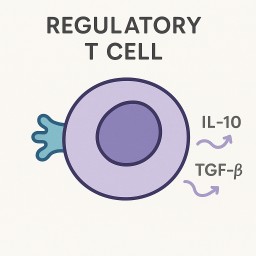
🧠 Understanding Regulatory T Cells (Tregs) in Aspergillosis
How our immune system’s “brakes” help balance allergy and infection
🏅 2025 Nobel Prize in Medicine: Celebrating a Breakthrough in Immune Regulation
On 6 October 2025, the Nobel Prize in Physiology or Medicine was awarded to Mary E. Brunkow, Fred Ramsdell, and Shimon Sakaguchi for discovering regulatory T cells (Tregs) and the FOXP3 gene — the master switch that controls immune tolerance.
Their work revealed how the immune system prevents itself from attacking the body’s own tissues. This discovery has since guided the development of immune-modulating therapies now used in cancer, autoimmune, and allergic diseases.
This Nobel recognition highlights how understanding Tregs can lead to smarter, safer therapies — including future immune-based treatments for Allergic Bronchopulmonary Aspergillosis (ABPA) and Chronic Pulmonary Aspergillosis (CPA), where immune balance is disrupted.
🔍 What Are Regulatory T Cells?
Regulatory T cells (Tregs) are a specialised group of white blood cells (lymphocytes) that act as the “brakes” of the immune system.
They prevent excessive inflammation and protect the body from overreacting to harmless particles such as dust, pollen, or Aspergillus spores.
Tregs work by releasing interleukin-10 (IL-10) and transforming growth factor-beta (TGF-β), two powerful calming signals that suppress over-active helper T cells (Th2 and Th17) and reduce allergic or inflammatory damage.
🦠 Aspergillus and the Immune System
Everyone inhales Aspergillus spores daily.
In healthy people, the immune system quickly clears them. But in individuals with asthma, allergies, or lung damage, the immune response can become unbalanced:
| Form of Aspergillosis | Main Immune Problem | Treg Function |
|---|---|---|
| Allergic Bronchopulmonary Aspergillosis (ABPA) / Severe Asthma with Fungal Sensitisation (SAFS) | The immune system over-reacts to Aspergillus allergens, causing inflammation, mucus plugging, and airway obstruction | Too few or weak Tregs → loss of immune control |
| Chronic Pulmonary Aspergillosis (CPA) | Ongoing fungal growth with persistent inflammation and fibrosis | Excess local Treg activity may dampen antifungal defence |
| Invasive Aspergillosis (IA) | Profound immune weakness (e.g., after chemotherapy, corticosteroids, or organ transplant) | Tregs can further suppress protective antifungal responses |
⚖️ The Delicate Balance
The immune system must balance acceleration and braking:
-
Too little Treg control → allergic inflammation and tissue damage.
-
Too much Treg control → poor antifungal clearance and chronic infection.
The ideal is immune equilibrium — strong enough to fight Aspergillus, but calm enough to prevent lung injury.

💊 Treatments That Influence Regulatory T Cells
Several therapies already used for aspergillosis or severe asthma may influence Treg activity:
| Therapy | Possible Effect on Tregs |
|---|---|
| Corticosteroids (e.g., prednisolone) | Reduce inflammation and may increase IL-10-producing Tregs |
| Biologic therapies (omalizumab, mepolizumab, dupilumab) | Indirectly restore Treg–Th2 balance by blocking overactive allergy pathways |
| Vitamin D supplementation | Promotes stable and functional Tregs; deficiency linked with severe ABPA |
| Healthy gut microbiome (dietary fibre, probiotics) | Gut–lung axis supports Treg generation via short-chain fatty acids |
| Low-dose interleukin-2 (IL-2) therapy (research stage) | Expands Tregs selectively — now in early clinical trials for allergic and autoimmune disease |
🔬 Current Research Directions
Researchers are studying:
-
Differences in Treg profiles between ABPA, SAFS, CPA, and healthy lungs
-
How biologic therapies and antifungal drugs affect the Treg–Th2–Th17 balance
-
Whether IL-2-based immune modulation could calm allergic flares without immunosuppression
-
The influence of the airway microbiome on lung Treg activity
These studies aim for personalised immune therapy, tailoring treatment to each patient’s immune pattern.
💬 Take-Home Message
Regulatory T cells are the peacekeepers of the immune system.
Their discovery — now honoured by the 2025 Nobel Prize — transformed our understanding of allergy, infection, and autoimmunity.
In aspergillosis, restoring Treg balance could one day:
-
Calm allergic inflammation in Allergic Bronchopulmonary Aspergillosis (ABPA)
-
Limit lung scarring and fibrosis in Chronic Pulmonary Aspergillosis (CPA)
-
Support better fungal control without harmful over-suppression
By understanding these immune “brakes,” researchers hope to keep both Aspergillus and the immune system under control — balanced, not overactive.


🔍 Aspergillosis: Recent Highlights & Key Publications October 2025 (Week 41)

Revised ISHAM-ABPA working group guidelines (2024)
-
Scope & criteria: Codifies ABPA diagnosis around mandatory Aspergillus sensitisation (specific IgE or SPT) plus total IgE ≥ 500 IU/mL, with supporting features (Aspergillus-specific IgG/precipitins, eosinophilia, imaging with central bronchiectasis/mucus plugging). Distinguishes ABPA vs. ABPM (other fungi) and sets clinical states (acute, response, exacerbation, remission).
-
Treatment pathways: For acute ABPA, permits oral corticosteroids or itraconazole as first-line; combination is reasonable in severe disease or frequent relapsers. Provides steroid-sparing strategies (itraconazole/voriconazole/posaconazole) and practical taper schedules.
-
Biologics & monitoring: Positions omalizumab/mepolizumab/dupilumab for recurrent/exacerbation-prone ABPA. Recommends multidimensional response criteria (symptoms, exacerbations, lung function, IgE kinetics, radiology) rather than IgE alone.
- Paper (Eur Respir J) · PubMed · OA summary (PMC).
BTS Clinical Statement on Aspergillus-Related Chronic Lung Disease (2025)
-
Who it’s for: UK-focused guidance to help respiratory teams manage CPA, aspergilloma, chronic airway disease with Aspergillus, and allergic phenotypes in secondary care.
-
CPA approach: Emphasises radiology over time (HRCT), microbiology/Aspergillus-IgG, and exclusion of mimics (NTM, malignancy). Advises long-term azoles (with TDM & LFTs), and when to consider surgery (haemoptysis/aspergilloma).
-
Service model: Encourages early referral/MDT (radiology, mycology, thoracic surgery, interventional radiology), signposts NAC pathways, and sets pragmatic follow-up intervals (clinical, radiology, serology).
- BTS page · News item · (access via Thorax from BTS page).
Consensus guidelines for invasive aspergillosis (ECMM/ISHAM CAPA; 2021)
-
Definitions: Introduces proven/probable/possible CAPA using clinical + mycological evidence (BAL/TA culture or PCR, GM thresholds, imaging).
-
ICU nuance: Acknowledges non-neutropenic ICU patients (COVID/influenza) can develop IA with atypical imaging and lower fungal burdens; endorses combined biomarker strategies (BAL GM/PCR ± serum GM).
-
Therapy: Positions voriconazole/isavuconazole as first-line; L-AmB where resistance or intolerance suspected. Flags early initiation on high suspicion to improve outcomes.
- Paper (Lancet Infect Dis) · PubMed · ECMM guideline hub.
Epidemiology & Clinical Cohorts
Marseille 2-year retrospective cohort — CPA & ABPA insights (2025)
-
Design: Single-centre retrospective study applying ESCMID CPA criteria and modified ISHAM ABPA criteria to consecutive referrals.
-
Findings: High rate of diagnostic overlap (allergy + chronic infection features). Delays to diagnosis common, especially where IgG negative/indeterminate but GM/BAL/PCR positive.
-
Implication: Supports multimodal testing (serology, GM/PCR, serial imaging) and repeat sampling in indeterminate cases; highlights value of centre-based MDT.
- PubMed · (preprint/alt copies if needed: SSRN/other listing, ResearchGate record).
Invasive aspergillosis in ICU settings (2025 review)
-
Epidemiology: IA increasingly reported in severe viral pneumonias (COVID, influenza); mortality ~40–50% depending on definition and antifungal timing.
-
Diagnostics: BAL GM outperforms serum GM in non-neutropenic ICU; PCR adds sensitivity but needs pre-test probability framing to avoid over-calling colonisation.
-
Care points: Advocate protocolised screening (e.g., twice-weekly BAL GM/PCR in high-risk ventilated patients) and earlier empiric therapy when criteria met.
- Open access review (Frontiers, 2025) · (alt listing: ResearchGate record).
Review: Invasive aspergillosis — scope & new species (2024)
-
Landscape: Expands on non-fumigatus Aspergillus species, cryptic species with distinct susceptibility patterns, and emerging hosts (advanced COPD, cirrhosis, ICU).
-
Resistance: Summarises azole resistance mechanisms (cyp51A variants, TR34/L98H, TR46/Y121F/T289A) and notes environmental selection via triazole fungicides.
-
Practice: Reinforces susceptibility testing and situational use of L-AmB or isavuconazole where resistance is likely.
- Review (ScienceDirect).
Diagnostics: Biomarkers, Molecular, Imaging & Novel Methods
GM antigen & Aspergillus IgG negative “escape” cases
-
Problem: In suspected CPA/airway disease, Aspergillus-IgG can be false-negative early or in immunomodulated hosts.
-
Finding: High GM titres (especially BAL) can help “rescue” such cases, prompting treatment or further invasive sampling.
-
Clinical use: In IgG-negative but high-suspicion scenarios, pair BAL GM + PCR and repeat serology; avoid reliance on single negative IgG.
- OA study (2025) · PubMed. (See also general GM/BDG performance review: Medicine 2024).
Molecular diagnosis, qPCR & NGS advances (2025 review)
-
Performance: qPCR improves sensitivity vs culture/microscopy; specificity hinges on contamination control and clinical context.
-
Best practice: Combine qPCR with GM/BDG in high-risk patients; consider cycle thresholds and duplicate positivity to support true infection.
-
NGS: Useful for broad pathogen screens or resistant/cryptic species; needs standardisation and careful interpretation.
- OA review (Front Cell Infect Microbiol, 2025). British Thoracic Society
Microscopy, GM, PCR comparative pilot (2025)
-
Design: Head-to-head assay comparison across serum/BAL/sputum against a composite clinical reference.
-
Takeaway: No single test is definitive; dual-modality (e.g., BAL GM + PCR) yields best balance. Microscopy remains specific but insensitive.
- Study (ScienceDirect). ERS Publications
Emerging spectroscopy / imaging techniques (TERS)
-
What it is: Tip-enhanced Raman spectroscopy mapping conidial wall components (melanin, polysaccharides, proteins) at nanoscale.
-
Why it matters: Potential to differentiate strains or track resistance-linked wall changes; currently preclinical, not diagnostic.
- AIP Applied Physics Letters (2025) · arXiv preprint.
Therapeutics, Resistance & New Drugs
Olorofim (F901318) — Phase IIb results (2025)
-
Population: Refractory invasive mould disease (including azole-resistant Aspergillus), many salvage scenarios.
-
Efficacy: Global response ~29% (D42) and ~27% (D84); when counting stable disease, success rises to ~75% (D42) and ~63% (D84).
-
Safety: Transaminase elevations ~10%, mostly reversible with dose interruption/adjustment; no treatment-related deaths reported.
-
Use case: Salvage/compassionate therapy where standard options fail or resistance limits choices; monitor LFTs and DDIs.
- PubMed · Lancet Infect Dis abstract. (Trial record: NCT03583164).
Review of olorofim in aspergillosis
-
MoA: Inhibits dihydroorotate dehydrogenase (DHODH), blocking de novo pyrimidine synthesis (novel class, no cross-resistance with azoles/echnocandins/AmB).
-
Signals: Case series in azole-resistant disease (incl. CGD) report clinical/radiologic remission; combination strategies under study.
-
Caveats: Access via trials/managed access; need phase III data and resistance surveillance under use pressure.
- epocrates.com
Pipeline and alternative antifungals
-
Fosmanogepix (Gwt1 inhibitor): Oral/IV; activity against Candida/Aspergillus; CNS penetration promising; phase II positive signals.
-
Rezafungin (long-acting echinocandin): Weekly IV dosing enables OPAT; emerging real-world data in invasive disease and step-down.
-
Ibrexafungerp (tricohalose class/β-glucan): Oral; Aspergillus data limited (better for Candida), but combinations explored.
-
New azoles (isavuconazole real-world/TDM): Use where voriconazole intolerance or QT issues exist.
- (See contemporary reviews; real-world rezafungin data below.)
Rezafungin (real-world, 2025) — OPAT-friendly weekly echinocandin; emerging safety/utility data.
Azole resistance & clinical implications
-
Drivers: Agricultural triazoles select environmental cyp51A mutations; patients can acquire primary resistant strains.
-
Practice changes: Where resistance prevalence is ≥10%, consider empiric L-AmB or isavuconazole until susceptibility known; always request AFST when feasible.
- Nature Communications 2024 · Review PubMed.
Therapeutic drug monitoring & combination strategies
-
TDM: Essential for voriconazole/posaconazole (target troughs, avoid toxicity). Isavuconazole TDM less routine, but consider in extremes.
-
Combinations: Azole + echinocandin in refractory disease or high burden IA; AmB-based combos when resistance suspected. Evidence heterogeneous—use in expert-guided salvage.
- (Covered within recent IA/therapy reviews above.)
Immunology, Host Responses & Biologics
Immunopathogenesis review (2023)
-
Pathways: Th2-skewed responses drive ABPA/SAFS (IgE/eosinophilia); defects in phagocyte function (neutropenia, CGD, high-dose steroids) predispose to invasive disease.
-
Mediators: Roles for IFN-γ, IL-5/IL-13, mucus hypersecretion, and airway remodelling; supports biologic targeting in allergic phenotypes.
- OA review (Front Immunol 2023).
Biologics in ABPA / severe asthma
-
When to use: Relapsing ABPA, frequent steroid bursts, or steroid toxicity despite azole therapy.
-
Agents & effects: Omalizumab (anti-IgE) reduces exacerbations/steroid need; mepolizumab/benralizumab (anti-IL-5/IL-5R) tackle eosinophilia; dupilumab (anti-IL-4Rα) addresses Th2 axis and mucus/plugging.
-
Integration: Keep antifungal therapy for fungal burden; use biologics to control inflammation/exacerbations and spare steroids; monitor IgE dynamics and radiology.
- ISHAM ABPA paper · PubMed.
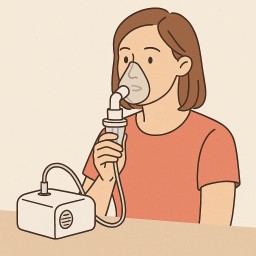
💨 Airway Clearance and Nebulised Saline
(for ABPA, severe allergic asthma, and bronchiectasis)
Why mucus clearance matters
If you have ABPA (allergic bronchopulmonary aspergillosis), severe allergic asthma, or bronchiectasis:
-
The airways can produce thick, sticky mucus.
-
Mucus may form plugs that block airflow.
-
Trapped mucus increases the risk of flare-ups and infections.
Nebulised saline loosens mucus, but it must be followed by airway clearance to move it out of your lungs.
Airway clearance methods
1. Active Cycle of Breathing Technique (ACBT)
-
A structured cycle of relaxed breathing, deep breaths, and “huffing” (forced breaths out).
-
Very effective when combined with nebulised saline.
2. Devices (Acapella, Flutter, Aerobika, etc.)
-
Use vibrations and back pressure to shake mucus loose.
-
Often recommended alongside ACBT.
3. Traditional physiotherapy techniques
-
Postural drainage – lying in certain positions to use gravity to drain mucus.
-
Chest percussion (clapping) – rhythmic tapping on the chest/back.
-
Assisted coughing – for those who can’t cough strongly.
All these techniques remain valid. The key is choosing the one that works for you.
The role of the respiratory physiotherapist
Your respiratory physiotherapist is central to airway clearance care:
-
They assess your condition (ABPA, asthma, bronchiectasis pattern).
-
They teach and supervise techniques so you can use them safely.
-
They tailor a plan – deciding whether ACBT, a device, drainage, or a mix is best.
-
They adjust your plan over time – for example:
-
During a flare-up with extra mucus
-
If new treatments (like biologics or antifungals) change your symptoms
-
If you develop new bronchiectasis or infections
-
👉 The physio is your partner in protecting your lungs.
How nebulised saline helps
-
Comes in sterile vials (normal 0.9% or stronger “hypertonic” 3–7%).
-
Hydrates and thins sticky mucus.
-
Prepares mucus for clearance with ACBT, devices, or drainage.
-
Sometimes used with a bronchodilator first to avoid wheeze or tightness.
Putting it together
-
Nebulised saline to loosen mucus
-
Airway clearance technique (ACBT, device, drainage) guided by your physio
-
Regular review with your physio to keep the plan up to date
✅ Key takeaway:
For ABPA, severe allergic asthma, and bronchiectasis, the combination of nebulised saline + airway clearance is one of the most effective ways to keep your lungs clearer and healthier. The respiratory physiotherapist will help you find the right method for your lungs and adjust it as your condition changes.

Living Healthier with Aspergillosis: Small Steps That Can Make Life Easier
Living with aspergillosis, whether it is allergic bronchopulmonary aspergillosis (ABPA), chronic pulmonary aspergillosis (CPA), or another form, often means dealing with fatigue, coughing, breathlessness, repeated infections, and the side effects of treatment. Medicines such as antifungals and biologics are central to care, but everyday choices around food, activity, rest, and stress can also make a real difference.
This isn’t about strict rules or being told what you “should” do. It’s about finding small, realistic steps that help you feel stronger and more in control of daily life.
Why healthy habits can feel hard
Many people know what’s “healthy” but still find it difficult to change routines. That’s normal. Habits stick for lots of reasons:
-
Familiar routines feel safe, even if they’re unhelpful.
-
Stress, tiredness, or sadness can make comfort eating or smoking feel like a quick fix.
-
Friends, family, and culture shape our patterns.
-
Healthy food or exercise can seem expensive or time-consuming.
-
Mood and motivation play a huge part — especially if you’re already coping with illness.
Understanding why change is tough is the first step. You’re not failing — you’re human.
The potential benefits of living a little healthier
-
Easier breathing → avoiding smoke and doing gentle activity can help your lungs cope better.
-
Fewer flare-ups and infections → nourishing food, better sleep, and stress control support your immune system.
-
More energy → balanced eating and regular movement often boost stamina and reduce fatigue.
-
Treatments working better → some habits (like smoking or alcohol) interfere with antifungals; avoiding these can make medicines more effective.
-
Improved mood → routines such as exercise, cooking, or group activities can ease anxiety and give a sense of connection.
Diet and weight: it’s about health, not the scales
When weight feels like the focus
Many people are told to lose weight, but strict weight-loss diets rarely succeed in the long term. They can leave people frustrated or feeling worse. For aspergillosis, the aim is not chasing numbers on the scales — it’s about supporting your body so you can feel and function better.
Why diets often fail:
-
Cutting things out makes us crave them more.
-
The body resists weight loss by slowing metabolism.
-
Diets feel temporary, not sustainable.
-
One slip can feel like failure.
-
Stress and emotions drive food choices as much as hunger.
Breaking that cycle
Some people find it more helpful to:
-
Focus on health gains (more stamina, fewer infections, better mood) instead of weight loss.
-
Make small, sustainable swaps they can keep for years.
-
Add nourishing foods (protein, fruit, vegetables) instead of strict restriction.
-
Notice and celebrate everyday wins — walking further, coughing less, sleeping better.
When the struggle is keeping weight on
Not everyone has weight to lose. For some, infections, inflammation, and the effort of breathing can burn through calories, making it hard to maintain weight. In that case, the goal shifts to adding in extra energy and protein:
-
Eat smaller portions more often.
-
Fortify food with milk powder, cheese, cream, nut butters, or olive oil.
-
Keep calorie-rich snacks handy (flapjacks, trail mix, smoothies).
-
Try nutritional drinks (Fortisip, Ensure, or homemade shakes).
-
Ask your team for dietitian support if weight keeps dropping.
When to seek specialist help
General lifestyle tips are a useful starting point, but some people face severe or complex dietary problems. These can include:
-
Ongoing or severe weight loss / malnutrition
-
Difficulty swallowing or digesting food
-
Drug–food interactions (e.g. antifungals with certain juices or stomach acid medicines)
-
Other health conditions (diabetes, coeliac disease, kidney problems)
-
Persistent nausea, diarrhoea, or appetite loss from treatment
If this sounds familiar, the best step is to ask for a referral to a registered dietitian. A dietitian can:
-
Create a personalised nutrition plan to match your energy and protein needs
-
Suggest practical adjustments if eating is difficult
-
Ensure your plan is safe alongside antifungal or steroid treatment
-
Provide access to prescription nutritional supplements if needed
-
Monitor progress and adjust over time
What works for one patient may not be safe for another — professional advice ensures the plan is right for you.
Gut health and the microbiome
There’s growing interest in the link between the gut and the lungs — sometimes called the gut–lung axis. A healthy gut microbiome (the community of bacteria and other microbes in the digestive system) can support overall immunity and help regulate inflammation, which matters in conditions like ABPA and CPA.
-
Fibre feeds healthy gut bacteria → fruits, vegetables, oats, beans, and nuts help your gut produce anti-inflammatory compounds.
-
Probiotics (live “friendly bacteria” in yoghurts or supplements) may help some people, especially after antibiotics, but the evidence in aspergillosis is still limited.
-
Balance is key → too much fibre all at once can cause bloating; start gradually and pair fibre with calorie-rich foods if you struggle with weight.
-
Hydration matters → fibre works best when you’re drinking enough fluids.
-
Check before supplements → always discuss probiotic products with your team, especially if you are immunocompromised.
Small steps — like adding an extra piece of fruit or trying a yoghurt with live cultures — can gently support gut balance without overloading.
Starting small (and letting it grow)
Big lifestyle overhauls are rarely realistic. A more helpful approach is:
-
Pick one tiny change — a 10-minute walk, one less sugary drink, or a piece of fruit with breakfast.
-
Celebrate the success — each small step builds confidence and momentum.
-
Notice the ripple effect — walking more may improve sleep; better sleep may give more energy for cooking.
-
Climb the ladder slowly — the first step is hardest, but it makes the next ones easier.
Finding support
-
Share your goals with your medical team — they can suggest safe exercise, eating tips, or referrals.
-
Join pulmonary rehab, exercise groups, or online communities — peer encouragement makes a big difference.
-
Explore local schemes — social prescribing, community cooking, or walking groups can be free and welcoming.
-
Remember: mental health matters too. If low mood or anxiety makes change feel impossible, speaking with a GP or counsellor can help unlock progress.
The bottom line
Treatments like itraconazole and benralizumab are essential in controlling aspergillosis, but they work best when supported by healthy routines.
Living healthier means different things for different people:
-
For some, it’s cutting down alcohol or moving a little more.
-
For others, it’s eating enough to keep strength up.
-
For everyone, it’s about supporting your lungs, your body, your gut, and your wellbeing, not chasing numbers or perfection.
Even small, steady steps — chosen by you, at your pace — can add up to meaningful improvements and make daily life with aspergillosis a little easier.
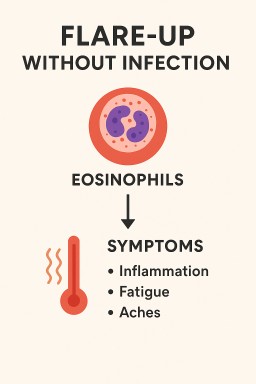
🌿 Why Do Flare-Ups Happen Without an Obvious Infection?
Many people with asthma, ABPA (Allergic Bronchopulmonary Aspergillosis), or other eosinophilic lung conditions describe sudden “crashes” where they feel feverish, inflamed, and completely drained — even when tests don’t show an infection. This can be confusing and worrying, but there is a clear explanation.
🔬 The role of eosinophils
-
Eosinophils are a type of white blood cell that drive allergic and inflammatory reactions.
-
When too many become activated, they release chemicals and proteins that cause:
-
Inflammation in the airways and body
-
Fatigue and muscle aches
-
“Flu-like” symptoms
-
-
In eosinophilic diseases such as ABPA, severe asthma, or EGPA, these episodes are often described as flare-ups.
🧩 Common triggers of flares
-
Stress – both emotional and physical stress can tip the immune system into overdrive.
-
Biologic not yet started – until a biologic (e.g. mepolizumab, benralizumab, tezepelumab) calms eosinophil activity, your immune system may stay “over-reactive.”
-
Mechanical strain – back pain, muscle strain, or other physical problems can amplify inflammation.
-
Minor viral infections – even a tiny cold virus, too mild to register on tests, can trigger eosinophil-driven inflammation.
📉 Why symptoms come and go
-
Many patients feel very unwell at home (fever, aches, exhaustion), but by the time they see a doctor, their vital signs look normal again.
-
This doesn’t mean the flare wasn’t real. Eosinophil flares often burn out quickly, leaving behind fatigue and soreness that can last for days.
⚠️ When to seek medical advice
Contact your healthcare team if you notice:
-
Persistent or high fever
-
Worsening shortness of breath
-
New or increased cough
-
Chest pain
These may signal an infection or another complication that needs treatment.
✅ Key message
Yes — high eosinophils can cause flare-ups that feel like sudden illness without infection. Many patients describe exactly this: sudden feverishness, inflammation, aches, and feeling “knocked flat” for a few days.
Biologic medicines are designed to reduce eosinophil activity, helping to cut down the number and severity of these flares.

🌿 Covid-19 and ABPA / Bronchiectasis: What Patients Need to Know
Many patients with ABPA, bronchiectasis, and asthma ask:
“If I test positive for Covid, am I at higher risk, and do I need antivirals or steroids?”
“Is Covid still a dangerous infection now that everyone has had it many times?”
Here’s what’s important right now.
🎯 Why you may be at higher risk
Having ABPA, bronchiectasis, or asthma doesn’t guarantee severe illness, but it does put you at higher risk compared to the average healthy adult. This means you are more likely to experience:
-
More severe Covid illness – infections can trigger worse chest symptoms (wheeze, shortness of breath, cough).
-
Secondary infections – bronchiectasis makes it easier for bacteria to grow in mucus after a viral infection.
-
Flares of existing disease – Covid can set off asthma attacks or ABPA flare-ups.
-
Slower recovery – fatigue, breathlessness, and extra sputum can last longer.
⚠️ Important: “Higher risk” does not mean you will definitely become very unwell. Many people with chronic lung disease still have mild Covid and recover fully at home.
✅ Current Covid treatments in the UK (2025)
-
Antivirals / monoclonal antibodies
-
People with conditions like ABPA, bronchiectasis, or severe asthma may be eligible for medicines such as Paxlovid or Molnupiravir.
-
These must usually be started within 5 days of symptoms or a positive test.
-
Access is through the NHS Covid Medicines Delivery Unit (CMDU), often arranged via NHS 111 or your GP.
-
-
Steroids
-
Oral steroids (prednisolone) are not routinely given for Covid unless oxygen levels drop, or you already take them for your lung condition.
-
If your asthma/ABPA flares, follow your specialist’s guidance on when to start rescue steroids.
-
-
Antibiotics
-
Covid is viral, so antibiotics don’t treat it directly.
-
But if your doctor suspects a bacterial infection (e.g. in bronchiectasis), they may prescribe something like doxycycline.
-
🧾 Practical steps if you test positive
-
Call NHS 111 or your GP: Tell them you have ABPA/bronchiectasis/asthma and ask about referral for antivirals.
-
Monitor symptoms closely:
-
Use a pulse oximeter if you have one (seek help if oxygen ≤94%).
-
Watch for worsening breathlessness, chest pain, or confusion.
-
-
Keep safe at home: Ventilate rooms, use masks if possible, and wash hands often — though once exposed, focus mainly on monitoring and treatment.
🚨 When to seek urgent help
-
Severe shortness of breath
-
Oxygen levels ≤92–94%
-
Chest pain, confusion, or sudden collapse
→ Call 999
❓ Is Covid still dangerous in 2025?
Why it feels less dangerous now
-
Vaccination and immunity: Most people have had jabs and multiple infections, so later bouts are usually milder.
-
Variants: Current strains spread more easily but often cause less pneumonia than the original virus.
-
Better treatments: Antivirals and steroids (when needed) are widely available.
Why it can still be dangerous
-
Vulnerable groups: People with lung disease, weakened immunity, or older age are still more likely to need hospital care.
-
Exacerbations: Even mild Covid can set off asthma or ABPA flares, or worsen bronchiectasis infections.
-
Long Covid: Some people continue to develop fatigue, breathlessness, or brain fog lasting weeks to months.
-
Hospital admissions: Lower than during the pandemic, but NHS hospitals still see severe cases every winter.
👉 In summary: For most healthy people, Covid now feels like a bad cold or flu. For people with ABPA, bronchiectasis, or severe asthma, it can still be a dangerous infection — which is why monitoring and access to antivirals remain important.
✅ Key message
With ABPA and bronchiectasis, you are more vulnerable to complications from Covid. Most people still recover at home, but you may be eligible for antivirals. Steroids are only used if your underlying condition flares or if your oxygen drops. Stay alert, act quickly if symptoms worsen, and reach out for NHS support as soon as you test positive.

🌿 Coping with Exhaustion When Tapering Prednisolone
Coming off prednisolone can leave you feeling unusually tired. This happens because:
-
Your body’s own adrenal glands have been “asleep” while steroids did the work.
-
As the dose drops, your body needs time to start making its own cortisol again.
-
Tiredness and low energy are the most common symptoms during this adjustment.
✅ Tips that may help
1. Pace yourself
-
Don’t expect full energy straight away.
-
Break tasks into smaller chunks, with rests in between.
-
Use a “little and often” approach for activities.
2. Prioritise rest and sleep
-
Listen to your body: extra rest is part of recovery, not weakness.
-
Try to keep a regular bedtime routine to support natural hormone rhythms.
3. Gentle movement
-
Light activity (walking, stretching) can actually boost energy and mood.
-
Avoid pushing too hard — overexertion can worsen fatigue.
4. Balanced diet
-
Aim for regular meals with protein, whole grains, fruit/veg.
-
Stay hydrated — dehydration makes fatigue worse.
-
Limit caffeine or sugar “quick fixes” that lead to energy crashes.
5. Monitor stress
-
Emotional stress increases your body’s demand for cortisol.
-
Try calming activities: breathing exercises, mindfulness, or gentle hobbies.
6. Stay in touch with your team
-
If exhaustion is severe, worsening, or you develop dizziness, faintness, low blood pressure, or nausea → contact your doctor urgently.
-
These can be signs your body is struggling with adrenal insufficiency, and your taper may need adjusting.
⚠️ Important reminders
-
Never stop prednisolone suddenly unless your doctor tells you to.
-
Carry a steroid card or alert bracelet if you are tapering — in case of emergencies.
-
If you get unwell (infection, surgery, severe stress), you may temporarily need a higher steroid dose.
👉 Key message:
Tiredness during tapering is very common. Self-care, pacing, and staying in close contact with your healthcare team can help you get through this phase more smoothly.

Why Medicines in the UK Come in Blister Packs – and What’s Being Done About the Waste
Many patients with aspergillosis (or other long-term conditions) notice something frustrating when they collect prescriptions: medicines often come in tiny blister packs, with only a few tablets per box. For example, azithromycin often arrives in boxes of just three tablets. When a longer course is needed, the pharmacy has to give you several boxes – leading to mountains of card and plastic waste.
So why does the UK stick with blister packs instead of using larger recyclable bottles? And is anything being done to cut down on the waste?
Why the UK prioritises blister packs
Blister packs are not just a packaging choice – they are built into how medicines are licensed and regulated in the UK and Europe. The main reasons are:
-
Safety and tamper protection
-
Each tablet is sealed in its own compartment, so it’s clear if a dose has been tampered with.
-
Bottles are harder to secure once opened.
-
-
Stability of the medicine
-
Some drugs break down if exposed to moisture, air, or light.
-
A blister pack protects each tablet until the moment it’s taken, which can extend shelf-life.
-
-
Dosing and adherence
-
Blisters help patients (and carers) see how many doses have been taken.
-
For short antibiotic courses, blister packs help doctors prescribe “one strip = one course.”
-
-
Child safety
-
Blisters are harder for small children to open compared with bottles, even those with child-resistant caps.
-
-
Regulatory approval
-
When a company licenses a medicine, the tests are carried out on that specific packaging.
-
To switch to bottles, companies would have to repeat expensive stability tests and resubmit to the MHRA.
-
These factors explain why UK pharmacies almost always supply the manufacturer’s blister pack, rather than re-dispensing tablets into bottles (as is common in the US).
The problem: waste and inefficiency
While blisters have advantages, they cause problems for patients and the NHS:
-
Waste of card and plastic: multiple boxes and layers of packaging for what could fit into one small bottle.
-
Cost and storage: pharmacies spend time opening and combining packs; patients are left with unnecessary clutter.
-
Recycling difficulties: blister packs are made of mixed plastic and foil, which are very hard to recycle in normal household systems.
What’s being done to reduce packaging waste
There is now a growing effort across the NHS, regulators, and industry to tackle this problem. Key developments include:
1. Greener NHS programme
-
The NHS has pledged to reach net zero by 2040.
-
Medicines are a big part of its carbon footprint, and packaging is specifically highlighted as an area for improvement.
-
Suppliers will increasingly be judged on how sustainable their packaging is when the NHS decides what to buy.
2. Original Pack Dispensing (OPD) reform (England, 2025)
-
From January 2025, pharmacists in England will be allowed to dispense up to 10% more or less than prescribed if it allows them to give patients the full original pack.
-
This reduces the need to cut up blister strips or re-package tablets, helping both safety and efficiency.
3. Extended Producer Responsibility (EPR) for packaging (2025)
-
All large companies must start reporting on the recyclability of their packaging.
-
Packs that are harder to recycle (like plastic-foil blisters) will face higher fees, pushing manufacturers to redesign them.
4. Industry innovation (CiPPPA)
-
A group called the Circularity in Primary Pharmaceutical Packaging Accelerator (CiPPPA) is working with the MHRA and industry to test new blister materials that are easier to recycle.
5. Pharmacy leadership
-
The Royal Pharmaceutical Society and local NHS teams are producing guides for “greener pharmacies,” encouraging steps to reduce medicine and packaging waste.
What this means for patients
Right now, the small packs are still the norm – especially for antibiotics and antifungals. But over the next few years we may start to see:
-
Larger, recyclable pack sizes becoming available.
-
Pharmacies having more flexibility to supply original packs instead of splitting them.
-
New materials being trialled to replace mixed-plastic blisters.
In the meantime, patients can:
-
Return unused medicines (and their packaging) to the pharmacy for safe disposal.
-
Ask their pharmacist if combining packs is possible (sometimes they can reduce excess boxes).
-
Support “greener pharmacy” initiatives by raising awareness of the waste problem.
✅ In short: The UK prioritises blister packs for safety, stability, and child protection, but the waste they generate is a real issue. Change is coming slowly, through NHS net zero commitments, new regulations, and industry projects – but for now, patients still see the frustration of multiple half-empty boxes.

🧾 A Patient’s Guide: How to Raise Concerns About Possible Vitamin or Mineral Deficiencies
🌱 Why this matters
People with chronic lung conditions such as aspergillosis, asthma, bronchiectasis, or ABPA often feel fatigued, weak, or run down. Sometimes these symptoms are partly caused by a vitamin or mineral deficiency (e.g. iron, vitamin D, B12). But testing is not automatically offered in the NHS unless there are clear reasons.
Knowing how to raise the concern makes it more likely your GP will take it seriously and order the right tests.
🩺 Why GPs won’t “just run a full panel of tests”
-
Cost and resources: Lab tests are expensive. Panels covering 10+ nutrients aren’t routinely funded.
-
Evidence-based practice: Guidelines (like NICE) advise testing only if there’s a clear clinical reason — not just curiosity.
-
Safety: Too much of certain vitamins (like iron or vitamin D in sarcoidosis) can be harmful if taken unnecessarily.
So rather than asking for “a panel,” it’s best to highlight specific risks or symptoms.
🔍 How to suggest you may have a deficiency
-
Link to your symptoms
-
Fatigue, pale skin, shortness of breath → ferritin (iron)
-
Muscle weakness, bone pain → vitamin D & calcium
-
Tingling, memory issues → B12 & folate
-
Frequent infections → vitamin D, iron, zinc (though zinc is rarely tested on the NHS)
-
-
Refer to your condition or treatment
-
Steroid use: raises risk of osteoporosis → vitamin D & calcium testing often justified.
-
Antifungal medication: can affect liver function & absorption → may influence nutrient status.
-
Sarcoidosis: special caution with vitamin D → specialist testing sometimes needed.
-
Kidney/liver disease: changes how nutrients are processed.
-
-
Use guideline evidence
-
NICE, BNFC or patient charities often recommend when a test is justified.
-
Bringing a leaflet (e.g. SarcoidosisUK on vitamin D) can support your case.
-
-
Frame it as safety, not curiosity
-
Instead of “I’d like a full vitamin panel,” try:
“I’ve had ongoing fatigue and a self-test showed my ferritin was low. NICE guidelines mention testing ferritin in these situations. Could we check that?”
-
🛒 What about over-the-counter (OTC) tests?
You can buy some blood spot kits privately from Boots, Superdrug, or online (Thriva, Medichecks, Forth). These can give helpful information — but they’re not a replacement for GP care.
| Test | Available OTC? | Notes |
|---|---|---|
| Ferritin (Iron stores) | ✅ Widely available | Good first check if you have fatigue or anaemia risk. |
| Vitamin D (25-hydroxy) | ✅ Widely available | Most popular; bone/muscle health. |
| Vitamin B12 / Folate | ✅ Available online | Useful if you have fatigue, memory issues, neuropathy. |
| Magnesium, Zinc, Selenium | ⚠️ Some private labs only | More expensive; less reliable finger-prick accuracy. |
| Omega-3 index | ⚠️ Niche | Measures fatty acid balance. |
| Calcium | ❌ Not OTC | Needs venous blood in hospital. |
| Active vitamin D (1,25-dihydroxy) | ❌ Not OTC | Needed in sarcoidosis; specialist only. |
⚠️ Important:
-
OTC kits vary in quality; stick to UKAS-accredited labs.
-
GPs may not act on private results unless they cross NHS thresholds.
-
Self-supplementing without medical oversight can be risky — e.g. iron overload, or vitamin D worsening sarcoidosis.
⚖️ Why this approach matters
-
Helps your GP match your request to clinical guidelines.
-
Reduces the chance of being dismissed as “just worried.”
-
Protects you from the risks of self-supplementing without knowing your true levels.
✅ Key Takeaways
-
Don’t ask for “everything” — focus on the nutrients most relevant to your condition, treatment, and symptoms.
-
Use published guidance or patient resources to back up your request.
-
OTC tests exist for iron, vitamin D, and B12, but they’re not a substitute for GP advice.
-
Testing is about patient safety (avoiding both deficiency and harm from unnecessary supplements).
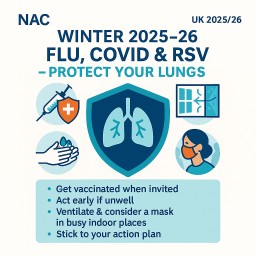
Winter 2025–26: Flu & Other Respiratory Viruses. Bad Flu Season coming?
Information for people living with aspergillosis (ABPA, CPA and related conditions)
What the evidence says right now
Signals pointing to a tougher flu season
-
Southern Hemisphere “preview.” Australia saw higher-than-usual flu notifications in early 2025 compared with 2024, which often foreshadows a busier winter in the UK and Europe. That doesn’t guarantee the same for us, but it’s a warning sign. ausvaxsafety.org.au
- By September 2025 the numbers of cases in Australia had reached similar levels to those seen in 2024 www.health.gov.au
-
Co-circulation of viruses. In recent winters, influenza, RSV and COVID-19 have circulated together, increasing pressure on people at risk and on health services. WHO continues to flag this pattern in seasonal updates. World Health Organization
-
UK picture (late Sept 2025). UKHSA reports flu and COVID-19 at baseline/low levels for now. Activity can rise quickly as weather cools and schools/universities return. GOV.UK
-
Vaccine effectiveness (VE). Last season’s European interim VE against influenza A was ~32–53%, which is moderate—helpful at preventing severe illness and hospitalisation, especially in higher-risk groups. Effectiveness varies by age, strain and match. PMC
-
Timing. After Southern Hemisphere signals and based on past seasons, an earlier start (late Oct–Nov) with a Dec–Jan peak is plausible, though not certain. Local surveillance will confirm if that pattern emerges.
Why forecasts are uncertain (and what can improve outcomes)
-
Vaccine uptake. Higher uptake = smaller peaks and fewer hospitalisations. GOV.UK
-
Strain match. If circulating strains stay close to vaccine strains, protection is better; drift reduces it. PMC
-
Public behaviour. Ventilation, masks in crowded indoor spaces, and staying home when unwell still reduce spread. NHS Covid
-
Population immunity & health-system readiness. Recent infections and prior vaccines help; NHS readiness also matters.
What this means if you have aspergillosis
People with ABPA/CPA or bronchiectasis can have more severe or longer-lasting symptoms from flu, RSV, or COVID-19. Practical steps:
-
Get your vaccines when invited.
-
Act early if you become unwell.
-
Keep your baseline care tight.
-
Continue airway clearance, inhalers/other prescribed medicines, and your personalised action plan.
-
Ask about a rescue plan (who to call, when to test, when to increase treatments).
-
-
Reduce exposure where you can.
-
Improve ventilation, avoid poorly ventilated crowded spaces during peaks, consider masking indoors when rates rise, and hand hygiene.
-
Bottom line
-
Many experts anticipate a busier-than-average flu season in the UK/Europe this winter, but outcomes are not fixed. What we each do—vaccination, early help if ill, and sensible precautions—can make a big difference.