Travelling with Aspergillosis: A Comprehensive Guide to Safe and Stable Travel
This guide is for people living with:
- Chronic Pulmonary Aspergillosis (CPA)
- Allergic Bronchopulmonary Aspergillosis (ABPA)
- Severe asthma (including fungal sensitisation)
- Bronchiectasis
- Fibrotic or structurally abnormal lung disease
Most people with stable disease can travel successfully. The goal is not restriction — it is risk reduction through preparation, environmental awareness, and early action if symptoms change.
Contents
- 1. Understanding Travel Risk in Aspergillosis
- 2. Coordinating With Your Medical Team
- 3. Assessing Stability Before Travel
- 4. Choosing a Destination: Environmental Determinants
- 5. Regional Risk Patterns Explained
- 6. Air Pollution & AQI Monitoring
- 7. Heat, Humidity & Hydration Physiology
- 8. Travel Insurance & Disclosure
- 9. Medication Planning & Contingency Prescriptions
- 10. Specific Considerations for Azole Antifungals
- 11. Air Travel: Physiology & Fit-to-Fly
- 12. Cabin Dryness & Post-Flight Irritation
- 13. Travelling with Oxygen
- 14. Accommodation Risk Reduction
- 15. High-Spore & Dust Exposure Environments
- 16. Infection Prevention
- 17. Haemoptysis Planning
- 18. Red Flag Symptoms
- 19. Advanced Planning Checklist
1. Understanding Travel Risk in Aspergillosis
Travel risk arises from four domains:
- Structural lung vulnerability (cavities, fibrosis, bronchiectasis)
- Inflammatory instability (ABPA activity, asthma control)
- Environmental exposure (humidity, dust, pollution)
- Healthcare accessibility (if deterioration occurs)
Travel is usually safe when disease is stable and exposures are predictable.
2. Coordinating With Your Medical Team
Respiratory Clinic
- Review recent imaging (particularly in CPA)
- Assess haemoptysis history
- Consider fit-to-fly testing if oxygen saturation borderline
- Discuss standby rescue medication
GP
- Ensure medication supply exceeds travel duration
- Provide updated medication summary
- Support vaccination review
- Assist with insurance documentation
3. Assessing Stability Before Travel
Delay travel if within 4–6 weeks of:
- Significant haemoptysis
- Escalating breathlessness
- Recent hospital admission
- New antifungal initiation
Stable inflammatory markers and symptom plateau are reassuring.
4. Choosing a Destination: Environmental Determinants
Key determinants:
- Humidity: promotes indoor mould growth
- Flood history: water damage increases fungal load
- Air pollution: triggers bronchospasm
- Dust burden: irritates inflamed airways
- Healthcare infrastructure: safety net if unwell
5. Regional Risk Patterns Explained
Lower Overall Respiratory Stress
- Scandinavia
- New Zealand
- Canada (outside wildfire season)
Cooler climates limit mould growth; strong building codes reduce damp housing.
Moderate Risk
- Mediterranean Europe
Generally safe when stable; monitor wildfire smoke and heat stress.
Higher Respiratory Stress
- Tropical monsoon climates
- Flood-prone regions
- Highly polluted megacities
- Dust storm zones
Humidity increases fungal proliferation; particulate pollution worsens airway inflammation.
6. Air Pollution & AQI Monitoring
Air pollution can exacerbate cough, bronchospasm, breathlessness and fatigue in people with chronic lung disease. In some urban environments, pollution may pose a greater day-to-day risk than fungal exposure.
The most widely used measure of air quality is the Air Quality Index (AQI), which combines several pollutants into a single score.
Key Pollutants That Matter in Lung Disease
- PM2.5 – fine particulate matter small enough to penetrate deep into the lungs
- PM10 – larger inhalable particles
- Ozone (O₃) – irritates airways, especially in heat
- Nitrogen dioxide (NO₂) – associated with traffic pollution
PM2.5 is particularly important in aspergillosis and severe asthma because it can:
- Trigger airway inflammation
- Increase mucus production
- Worsen bronchospasm
- Reduce exercise tolerance
Reliable Air Quality Monitoring Resources
These sites provide real-time data and forecasts:
- World Air Quality Index (WAQI)
https://waqi.info
Interactive global map with live AQI data for cities worldwide. - IQAir (AirVisual)
https://www.iqair.com
Detailed pollutant breakdowns, 7-day forecasts and wildfire smoke tracking. - UK Daily Air Quality Index (DEFRA)
https://uk-air.defra.gov.uk
Official UK monitoring network with health advice bands.
These platforms also offer mobile apps, which are useful for checking conditions while travelling.
How to Interpret AQI in Practical Terms
| AQI | Category | Practical Advice for Lung Conditions |
|---|---|---|
| 0–50 | Good | Ideal conditions for outdoor activity |
| 51–100 | Moderate | Usually safe; monitor symptoms |
| 101–150 | Unhealthy for sensitive groups | Reduce strenuous outdoor activity; consider indoor plans |
| 151–200 | Unhealthy | Limit time outdoors; avoid exertion |
| 200+ | Very Unhealthy/Hazardous | Stay indoors with filtered air if possible |
For many patients with CPA, ABPA or severe asthma, an AQI above 100 warrants caution. Above 150, limiting outdoor exposure is advisable.
Wildfire Smoke
Wildfire smoke contains high concentrations of PM2.5 and organic particulates. Even patients who are stable at home may experience:
- Increased cough
- Chest tightness
- Increased sputum production
- Fatigue
If travelling during wildfire season:
- Check AQI daily
- Plan indoor activities when levels are elevated
- Use air-conditioned or filtered indoor environments
- Carry rescue inhalers
Urban Pollution vs Rural Dust
Urban areas are more affected by traffic-related pollutants (NO₂, PM2.5), while rural or desert areas may present dust exposure. Both can aggravate inflamed airways.
The risk is cumulative. Short exposure is usually tolerated; prolonged high-level exposure increases the likelihood of symptom flare.
Key principle: checking AQI before and during travel is one of the simplest and most effective risk-reduction steps for people with chronic lung disease.
7. Heat, Humidity & Hydration Physiology
Hot climates place additional physiological stress on people with chronic lung disease.
Why Heat Matters
In warm environments, the body increases sweating and respiratory water loss to regulate temperature. This leads to:
- Increased insensible fluid loss (fluid lost through breathing and skin)
- Reduced plasma volume if intake is inadequate
- Thickening of airway secretions
In bronchiectasis and chronic pulmonary aspergillosis (CPA), mucus clearance is already impaired. Dehydration increases mucus viscosity, making sputum:
- Harder to expectorate
- More likely to stagnate in damaged airways
- Potentially more prone to secondary infection
Patients may notice thicker sputum, increased cough, or chest tightness in hot weather.
Humidity: Helpful or Harmful?
Humidity has mixed effects:
- Moderate humidity can help prevent airway drying.
- High humidity can increase environmental mould growth, particularly indoors if ventilation is poor.
In tropical or monsoon climates, poorly ventilated buildings may have higher fungal spore burdens due to damp conditions.
Heat, Fatigue & Breathlessness
Heat increases cardiovascular demand. The heart works harder to dissipate heat, which can:
- Increase perceived breathlessness
- Increase fatigue
- Reduce exercise tolerance
This does not necessarily indicate worsening lung disease — but it can feel similar.
Hydration Strategy
Practical recommendations:
- Begin hydrating the day before travel
- Drink fluids regularly rather than waiting for thirst
- Aim for pale straw-coloured urine
- Increase intake during flights and hot excursions
Limit:
- Excess alcohol (diuretic effect)
- High caffeine intake
Additional Practical Measures
- Plan outdoor activity early morning or evening
- Rest during peak heat (midday)
- Use air-conditioned environments when available
- Continue airway clearance routines while travelling
Key principle: in chronic lung disease, hydration supports mucus clearance and reduces avoidable exacerbation risk during hot weather.
8. Travel Insurance & Full Medical Disclosure
Travel insurance is not a formality — it is a critical safety net for people with chronic lung disease.
When purchasing insurance, you must declare all pre-existing medical conditions. This typically includes:
- Chronic Pulmonary Aspergillosis (CPA)
- Allergic Bronchopulmonary Aspergillosis (ABPA)
- Severe asthma
- Bronchiectasis
- Pulmonary fibrosis
- Long-term steroid therapy
- Adrenal insufficiency (if present)
- Oxygen use (even if only occasional)
Why Full Disclosure Matters
If you fail to declare a relevant condition, the insurer may:
- Refuse to cover medical treatment abroad
- Decline repatriation costs
- Refuse to reimburse cancelled flights or accommodation
- Invalidate the entire policy
This applies even if the emergency appears unrelated. Insurers may review your full medical history during a claim.
What Insurers Typically Ask
You may be asked:
- Have you been hospitalised in the past 12 months?
- Have you had medication changes recently?
- Have you had haemoptysis?
- Are you awaiting tests or investigations?
- Are you on long-term steroids?
Answer these questions carefully and honestly.
Policies and Stability
Some insurers will decline cover if:
- You have been hospitalised recently
- You are awaiting investigations
- Your condition is considered unstable
This is another reason to travel during a period of clinical stability.
European Travel (UK Patients)
If travelling within Europe, ensure you carry:
- Your GHIC (Global Health Insurance Card)
However, GHIC does not replace travel insurance. It may not cover:
- Private healthcare
- Mountain rescue
- Repatriation to the UK
Practical Tips
- Purchase insurance as soon as you book travel
- Keep written confirmation of declared conditions
- Carry the insurer’s emergency contact number with you
- Inform the insurer early if you require hospital care abroad
In summary: full disclosure protects you. Insurance is only effective if the insurer understands your medical background from the outset.
9. Medication Planning & Contingency Prescriptions
- Carry 1–2 weeks extra supply
- Bring medications in original packaging
- Carry clinic letter
- Consider written rescue plan
10. Specific Considerations for Azole Antifungals
Azoles have significant drug–drug interactions.
- Inform any clinician abroad you are taking an azole
- Avoid grapefruit
- Be aware of sun sensitivity (voriconazole)
- Take itraconazole with food
11. Air Travel: What Actually Happens in the Cabin?
Commercial aircraft cabins are pressurised to simulate an altitude of approximately 6,000–8,000 feet (1,800–2,400 metres).
This means the partial pressure of oxygen is lower than at sea level. For healthy individuals this causes only a small drop in oxygen saturation (typically 3–4%).
Are Most People with Aspergillosis OK to Fly?
Yes — most stable patients fly without difficulty.
People who are:
- Clinically stable
- Not oxygen-dependent
- Without recent haemoptysis
- With resting oxygen saturations ≥95%
generally tolerate commercial flights well, including medium and long-haul travel.
Many patients report anxiety before their first flight after diagnosis, but in stable disease, significant problems are uncommon.
Who Should Consider Fit-to-Fly Testing?
Assessment may be appropriate if you have:
- Resting oxygen saturation consistently below 95%
- Advanced pulmonary fibrosis
- Extensive cavitation
- Significant breathlessness at minimal exertion
- Recent clinical deterioration
The test commonly used is a Hypoxic Challenge Test (HCT), which simulates cabin oxygen conditions to determine whether supplemental oxygen is required during flight.
Where would I have a Hypoxic Challenge Test (HCT)?
In the UK, a Hypoxic Challenge Test is usually arranged through a hospital respiratory physiology department.
You cannot book this test directly. It must be requested by:
- Your respiratory consultant or clinic, or
- Occasionally your GP (who would refer you to a hospital service)
The test is typically performed in:
- A hospital lung function laboratory
- A respiratory physiology unit
- A specialist respiratory centre
During the test, you breathe a gas mixture containing a lower oxygen concentration (usually around 15%) to simulate aircraft cabin conditions. Your oxygen saturation is monitored continuously. If levels fall below safe thresholds, in-flight oxygen may be recommended.
Do Most People Need This Test?
No. Many stable patients with normal resting oxygen saturation (typically ≥95%) do not require hypoxic challenge testing.
The test is generally considered if you:
- Have resting oxygen saturation below 95%
- Have advanced pulmonary fibrosis
- Are already using oxygen
- Have significant exertional desaturation
If you are unsure, ask your respiratory team whether assessment is appropriate for you.
Symptoms During Flight: What Is Normal?
Mild symptoms that can occur in stable patients include:
- Slight increase in breathlessness on walking the aisle
- Fatigue
- Dry cough (often due to low humidity)
These are usually temporary and not dangerous.
Severe symptoms (marked breathlessness at rest, chest pain, dizziness, confusion) are uncommon and require crew notification.
Anxiety vs Physiological Breathlessness
It is very common for people with chronic lung disease to experience heightened awareness of their breathing during flights. The enclosed environment, reduced cabin pressure and awareness of altitude can all increase anxiety.
Anxiety-related breathlessness typically presents as:
- A sensation of not getting a “satisfying” breath
- Chest tightness without wheeze
- Rapid breathing (hyperventilation)
- Tingling in fingers or lips
- Light-headedness
Hyperventilation lowers carbon dioxide levels in the blood. This can cause dizziness, tingling and a feeling of air hunger — even when oxygen levels are normal.
Physiological hypoxia (true low oxygen levels) is less common in stable patients who have been assessed as fit to fly. When it occurs, it is more likely in those with advanced fibrosis, low baseline oxygen saturations, or recent instability.
Features more suggestive of physiological compromise include:
- Persistent breathlessness at rest
- Worsening cyanosis (bluish lips or fingers)
- Marked fatigue or confusion
- Objective low oxygen saturation if measured
For patients who have undergone fit-to-fly assessment and been cleared to travel, significant in-flight hypoxia is uncommon.
Practical Strategies
- Use slow, paced breathing (e.g. inhale for 4 seconds, exhale for 6 seconds)
- Focus on extended exhalation to reduce hyperventilation
- Keep shoulders relaxed and posture upright
- Avoid repeatedly “checking” your breathing
- Remind yourself that mild symptoms are common and expected
Understanding the difference between anxiety-related breathlessness and true hypoxia can significantly reduce distress during flight.
Deep Vein Thrombosis (DVT) Risk
Chronic lung disease does not automatically increase DVT risk, but long-haul immobility does.
General advice:
- Move legs regularly
- Stay hydrated
- Avoid excess alcohol
12. Cabin Dryness & Post-Flight Airway Irritation
Cabin humidity is typically 10–20% (normal indoor comfort is 40–60%).
Low humidity can:
- Dry airway lining
- Reduce mucociliary clearance
- Thicken secretions
- Trigger cough or mild bronchospasm
This is often why people feel they have “caught a cold” the day after flying. In most cases, it is airway irritation rather than infection.
How to Reduce Dryness Effects
- Hydrate well before and during flight
- Limit alcohol and caffeine
- Use isotonic saline nasal spray
- Continue preventer inhalers
- Keep rescue inhaler accessible
- Avoid direct overhead air vents blowing onto your face
- Consider mask use — masks increase humidity of inhaled air
Symptoms typically settle within 24–48 hours.
When to Seek Advice After Flying
Seek medical advice if you develop:
- Progressively worsening breathlessness
- Persistent fever
- Significant haemoptysis
- Chest pain
In stable patients, serious in-flight deterioration is uncommon.
12. Cabin Dryness & Post-Flight Irritation
Cabin humidity is 10–20%.
Dry air:
- Reduces mucociliary clearance
- Thickens secretions
- Triggers cough
- Irritates airways
Hydration and saline sprays reduce symptoms. Post-flight irritation commonly lasts 24–48 hours and does not necessarily indicate infection.
13. Travelling with Oxygen
Confirm airline device approval and battery duration. Plan well in advance.
14. Accommodation Risk Reduction
Request:
- Hard flooring
- No damp odour
- No renovation dust
- Pet-free rooms
Chains Often Reported as Allergy-Conscious
- Hyatt
- Hilton
- Marriott
- Scandic
- Premier Inn
Newer business hotels often have better HVAC filtration.
15. High-Spore & Dust Exposure Environments
- Compost handling
- Construction sites
- Flood-damaged buildings
- Agricultural dust
Avoid heavy inhalation exposure.
16. Infection Prevention
- Hand hygiene
- Avoid close contact with visibly unwell individuals
- Maintain vaccination schedule
17. Haemoptysis Planning
If you have a history of haemoptysis:
- Know your previous pattern
- Carry clinic contact details
- Seek urgent care if volume increases significantly
18. Red Flag Symptoms
- Increasing breathlessness
- New or worsening haemoptysis
- Persistent fever
- Severe chest pain
19. Advanced Planning Checklist
- Travel when stable
- Plan with GP and respiratory clinic
- Carry documentation
- Monitor AQI
- Hydrate on flights
- Avoid damp & heavy dust
- Know red flags
With preparation, most people with stable aspergillosis travel safely and successfully.
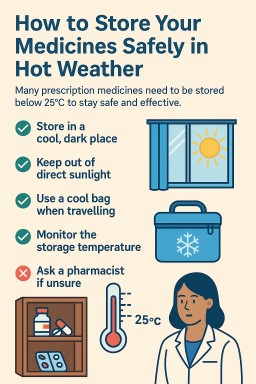
🌡️ How to Store Your Medicines Safely in Hot Weather
Many prescription medicines must be stored below 25°C to remain safe and effective. During summer or heatwaves, especially when temperatures rise above 30°C, you need to take extra care.
This guide explains what to do to keep your medicines safe at home or while travelling.
❓ Why It Matters
Medicines exposed to too much heat can:
-
Lose effectiveness
-
Change in appearance or texture
-
Become unsafe to use
This is especially true for:
-
Antibiotics
-
Inhalers
-
Liquid medicines
-
Hormone tablets (e.g. thyroxine)
-
Biologics or injectables (some require refrigeration)
📦 What "Store Below 25°C" Means
-
This refers to room temperature – ideally between 15°C and 25°C.
-
Some medicines may tolerate brief periods above 25°C, but prolonged heat can degrade them.
-
Do not refrigerate medicines unless specifically instructed – cold can also damage some drugs.
🏠 At Home: Tips for Keeping Medicines Cool
| ✅ Do | ❌ Avoid |
|---|---|
| Store in a cool, dark place | Windowsills or near radiators |
| Use a shaded cupboard or wardrobe | Kitchen cupboards near ovens |
| Consider an insulated box (without ice) | Bathrooms (can get hot and humid) |
| Monitor the temperature with a small digital thermometer | Leaving in direct sunlight |
You can buy inexpensive thermometers online to check storage temperatures.
🌞 In a Heatwave
If indoor temperatures go above 25°C for more than a few hours:
-
Move medicines to the coolest part of your home (e.g. north-facing room or basement).
-
Close blinds and curtains during the day to keep rooms cooler.
-
Use fans or portable air conditioners if available.
-
Keep medicines away from heat-generating electronics.
✈️ Travelling or on Holiday
-
Never leave medicine in a hot car, especially glove boxes or boots.
-
Use a cool bag, insulated travel pouch, or medication wallet with a cooling gel pack.
-
In hotels, store medicines in a shaded cupboard or the fridge only if the label allows it.
-
Avoid storing medicines in your luggage if it may be left in the sun or overheated.
✅ Signs Your Medicine May Be Affected
Contact your pharmacist if:
-
The medicine looks or smells different
-
Tablets have melted, crumbled or discoloured
-
Liquids have separated or changed consistency
-
You’re unsure whether the medicine has been exposed to prolonged heat
🗨️ What the NHS and UK Pharmacists Say
-
Short-term exposure to temperatures slightly above 25°C is usually not harmful.
-
Medicines stored above 25°C for several days may need to be replaced – ask your pharmacist.
-
Pharmacies use temperature-controlled storage and monitor heat during hot weather – you can do the same at home.
Sources include NHS Trusts, SPS (Specialist Pharmacy Service), and Royal Pharmaceutical Society guidance.
📋 Quick Tips Checklist
✅ Keep medicines in their original packaging
✅ Avoid windowsills, kitchens, and bathrooms
✅ Use a shaded, cool cupboard or wardrobe
✅ Monitor room temperatures during heatwaves
✅ Carry medicines in a cool bag when travelling
✅ Check for changes in medicine appearance
✅ Ask a pharmacist if in doubt
📞 Need advice?
Speak to your pharmacist or GP if you're unsure whether a medicine has been affected by heat or if it still seems safe to use.
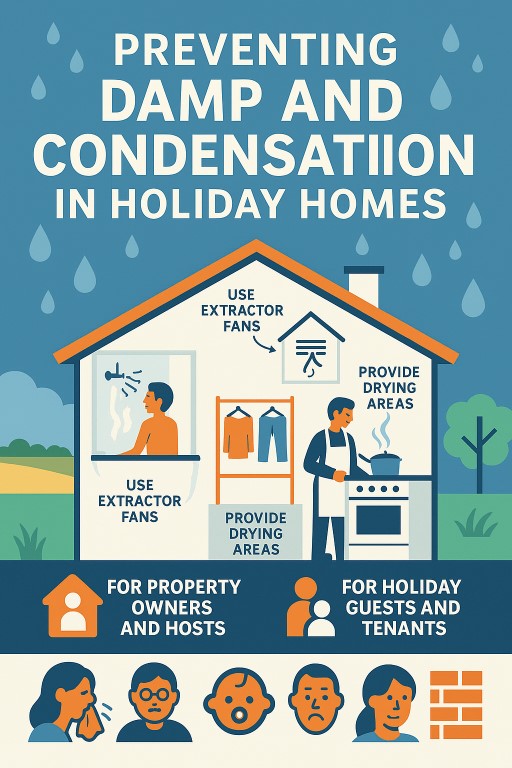
🏡 Preventing Damp and Condensation in Holiday Homes
A detailed guide for both property owners and guests – working together for a healthier stay
Condensation is the most common cause of damp and mould in UK homes, especially in older or well-insulated properties. For holiday cottages or short-term lets, where different people stay for brief periods, it's essential that both owners and guests understand how to prevent moisture problems.
This guide explains:
-
How owners can set the home up to reduce condensation
-
What guests can do during their stay
-
Why it's a shared responsibility
-
How these steps benefit everyone, especially the most vulnerable
🔧 Part 1: For Property Owners and Holiday Let Managers
Even well-maintained homes can develop damp if moisture builds up faster than it can escape. Here’s how to set up your home for success:
🪟 1. Improve Ventilation in Every Room
-
Fit extractor fans in bathrooms and kitchens. Fans should ideally have:
-
A humidistat (activates automatically above 65–70% humidity)
-
A run-on timer (continues working after lights go off)
-
-
Keep trickle vents open at all times.
-
Consider Positive Input Ventilation (PIV) for older homes or those with solid walls.
🧱 2. Insulate Cold Surfaces
-
Insulate external or solid walls using breathable materials.
-
Install underfloor heating in bathrooms or damp-prone areas.
-
Use thermal curtains or blinds to help reduce cold zones near windows.
🎨 3. Use Breathable Finishes
-
Choose lime plaster, clay paints, and breathable wall finishes.
-
Avoid vinyl paints and woodchip wallpapers that trap moisture.
-
Leave gaps between furniture and walls to promote airflow.
💨 4. Provide Drying Areas
-
Offer a well-ventilated drying space for coats and laundry.
-
Install a heated towel rail, airing cupboard, or portable dehumidifier.
-
Avoid encouraging radiator drying where possible.
📊 5. Monitor and Educate
-
Use digital hygrometers to keep track of humidity (ideal: 40–60%).
-
Include guest-friendly guidance in welcome materials or visible signage.
-
Ask cleaners to report signs of mould or moisture early.
🧍♂️ Part 2: For Holiday Guests and Tenants
Moisture builds up quickly from cooking, bathing, and drying clothes. These small actions can help:
🚿 1. Bathroom Habits
-
Use the extractor fan or open a window after showers or baths.
-
Leave the door shut for 15–30 minutes after use.
-
Hang towels on rails rather than radiators to help them dry evenly.
🍳 2. In the Kitchen
-
Always use the extractor fan when cooking.
-
Use lids on pans and open a window if no fan is available.
-
Wipe down steamy surfaces and windows to stop mould forming.
👕 3. Drying Clothes
-
Use airers or drying racks rather than radiators.
-
Keep a window slightly open while drying indoors.
-
Don’t leave wet items in piles or draped over furniture.
🛏️ 4. Living and Sleeping Areas
-
Keep trickle vents open – they allow constant low-level airflow.
-
Air the home each morning for 5–10 minutes.
-
Don’t push furniture tight against walls – allow some airflow space.
🔄 Part 3: Shared Responsibility – Why Both Parties Matter
| Owner Sets Up | Guest Helps By |
|---|---|
| Installing good ventilation | Using fans and vents |
| Providing drying facilities | Drying clothes responsibly |
| Monitoring humidity | Opening windows regularly |
| Choosing breathable materials | Avoiding habits that trap moisture |
❤️ Part 4: Why These Steps Help Everyone
These precautions don’t just protect buildings or prevent cleaning bills. They actively support the health, wellbeing, and comfort of a wide range of people:
👃 1. People with Breathing Problems
-
Asthma, ABPA, bronchiectasis, and COPD can all be triggered or worsened by damp air and mould.
-
Condensation precautions reduce airborne spores, allergens, and moisture.
🧓 2. Older Adults
-
Older people are vulnerable to damp-induced joint pain, cold-related illness, and falls from slippery surfaces.
-
Warm, dry homes improve comfort and reduce hospitalisation risk.
👶 3. Babies and Children
-
Developing lungs and sensitive immune systems are affected by poor indoor air quality.
-
Dry air reduces the chance of chest infections, wheeze, and eczema flare-ups.
🤧 4. People with Allergies or Sensitivities
-
Lower humidity reduces dust mites, mould spores, and VOC off-gassing.
-
Fewer reactions = fewer health complaints during stays.
🧠 5. People with Anxiety, Depression, or Chronic Illness
-
Mould and damp worsen low mood and fatigue.
-
Dry, well-aired homes are more comfortable, restful, and reassuring.
🧑🔧 6. Cleaners, Carers, and Workers
-
People who spend time cleaning or maintaining homes are often first exposed to hidden damp.
-
Good setup protects their health and helps them do their jobs more safely.
🧱 7. The Building Itself
-
Damp causes rot, damage to plaster, and paintwork failure.
-
Good moisture control extends the life of the building and reduces maintenance costs.
✅ Summary: Everyone Benefits
Whether you’re a landlord, a tenant, or just staying for a few nights – moisture-aware behaviour and property setup benefits everyone.
These changes are:
-
Low cost
-
Easy to implement
-
Proven to improve comfort and reduce risk
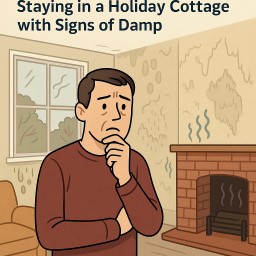
⚠️ Advice for Aspergillosis Patients: Staying in a Holiday Cottage with Signs of Damp
If you're living with aspergillosis and arrive at a holiday rental that feels damp or smells musty, you need to take extra care. Even if there’s no visible mould, signs like bubbling paint, wallpaper, or condensation could indicate hidden damp — and increased risk of fungal spores in the air.
🧱 What You Might Notice on Arrival
-
Bubbling or peeling paint
-
Musty, earthy smell
-
Painted-over woodchip or textured wallpaper
-
Cold-feeling walls, especially near the floor or windows
-
No ventilation — windows sealed shut, fireplaces blocked, rooms feel airless
🏚️ Why Older UK Cottages Are Especially Damp-Prone
Many UK cottages built before the 1920s were constructed without a damp-proof course and without cavity walls.
What does that mean?
-
Solid walls (often brick or stone) absorb moisture directly from the ground or air
-
No cavity means moisture can easily move from outside to inside
-
These buildings rely on breathable materials to allow moisture to escape, such as:
-
Lime plaster
-
Limewash or clay paints
-
Open fireplaces and draughts to keep air moving
-
When modern renovations seal up the building using airtight windows, damp-proof membranes, wallpaper, and vinyl paints, the house traps moisture inside — which often shows as bubbling paint, musty air, or mould behind wallpaper.
🔧 Modern Changes That Make Damp Worse in Older Homes
| Modern Change | What It Does | Why It's a Problem in Old Buildings |
|---|---|---|
| 🔲 Plastic or vinyl paint | Creates a sealed barrier | Moisture gets trapped behind it — leads to bubbling and mould |
| 🧻 Painted-over wallpaper (esp. woodchip) | Hides old surfaces | Holds moisture against cold, solid walls — mould risk increases |
| 🪟 Double glazing & sealed windows | Saves heat | Cuts ventilation — humidity builds up |
| 🚪 Draught-proofed doors | Improves energy efficiency | Prevents moisture from escaping |
| 🔥 Blocked fireplaces | Stops heat loss | Reduces airflow in buildings that rely on passive ventilation |
| 🧱 Cement or gypsum plaster | Covers solid walls | Doesn’t breathe — locks moisture in stone or brick |
💧 Other Potential Sources of Damp in a Holiday Let
| Source | What to Look For | Why It Matters |
|---|---|---|
| 🚿 Leaky showers/baths | Damp walls or floor below bathrooms | Can cause hidden fungal growth in walls and floors |
| 🪠 Plumbing leaks | Damp skirting boards, floor bulges, water marks | Often overlooked and slow to dry |
| 🍳 Poorly ventilated kitchen | Condensation on windows, odour after cooking | Adds daily moisture to air |
| 🪴 Laundry drying indoors | Wet clothes on radiators or chairs | A major source of humidity in winter |
| 🪟 Uninsulated windows | Condensation, especially at night | Common mould growth point in corners |
| 🌳 Earth or flowerbeds against walls | Mossy or damp external walls | Keeps outside wall permanently wet, especially with no cavity |
🌬️ Why Damp Is a Problem for Aspergillosis Patients
Even if you don’t see mould:
-
Moisture encourages fungal growth, especially Aspergillus
-
Spores can be airborne and invisible
-
Poor ventilation makes the problem worse — spores linger in stagnant indoor air
-
Damp + dust + paint = ideal conditions for hidden contamination
✅ What You Can Do Right Now
-
Open windows daily, especially in the bedroom and bathroom
-
Avoid sleeping in rooms that smell damp or have visible bubbling or mould
-
If you brought a HEPA air purifier, use it in your bedroom
-
Don’t hesitate to move furniture slightly from cold external walls to reduce condensation
-
Monitor your symptoms — if you feel wheezy, unusually tired, or tight-chested, take action early
📩 What to Say to the Property Owner or Letting Agent
“I have a serious lung condition (aspergillosis) and need to avoid damp and mould. I’ve noticed bubbling paint, wallpaper, and a musty smell — likely signs of trapped moisture or poor ventilation. Could I move to another room or more suitable property?”
🧳 Tips for Booking Future Holidays
Before booking:
-
Ask if the property has any history of damp, water leaks, or condensation
-
Request interior photos — look for bare plastered walls, open fireplaces, and no wallpaper
-
Avoid properties that were built before 1920 and have:
-
Vinyl paint
-
Sealed windows
-
Woodchip wallpaper
-
No clear ventilation system
-
If unsure, choose modern or well-ventilated accommodation.
Bring:
-
Portable HEPA air purifier
-
Humidity monitor
-
Any rescue medication and a copy of your steroid/emergency plan
🛑 Summary for Aspergillosis Patients
| 🚫 Avoid | ✅ Prefer |
|---|---|
| Musty smells, bubbling paint, painted wallpaper | Clean-smelling, well-aired rooms |
| Solid walls with vinyl paint or cement plaster | Breathable finishes (lime, clay paints) |
| Woodchip or vinyl wallpaper | Bare plaster walls or limewashed surfaces |
| Sealed windows, blocked fireplaces | Working ventilation and natural airflow |
✈️ Hints & Tips: Travel Guide for Aspergillosis Patients

This detailed article is designed to help patients with aspergillosis (including CPA, ABPA, SAFS, and those on antifungals or steroids) prepare for safe and enjoyable travel. It includes a complete travel plan, medication management, oxygen guidance, and destination risk information.
📚 Menu
- Planning and Medication Management
- Asthma, Photosensitivity, and Insurance
- Travelling with Oxygen Therapy
- Regions Riskier for Aspergillosis or Asthma
- Driving and Motorbiking Concerns
- Wheelchair Support When Travelling
- Why a Pulse Oximeter May Be Useful When Travelling
- Additional Resources
- Final Travel Checklist
🧳 Planning and Medication Management
✅ Plan Ahead
- Request repeat prescriptions 3–4 weeks before travel.
- Coordinate hospital-only meds (e.g. posaconazole, biologics).
- Obtain a doctor's letter listing your diagnosis, meds, doses, and any special handling (e.g., refrigeration).
🎒 Pack Smart
- Bring enough medication for the trip + 7 extra days.
- Keep meds in original packaging with pharmacy labels.
- Split meds between hand luggage and checked bags.
- Carry a paper and digital medication list.
❄️ Storage Requirements
- Use a travel cool bag for biologics or antifungals that require refrigeration.
- Ask hotels for a fridge or minibar in your room.
- Bring a digital thermometer to monitor storage conditions.
🌍 Getting Meds Abroad (Emergency Only)
- Private doctors/pharmacies may help with basic meds, but antifungals are rarely stocked.
- NHS prescriptions won’t be accepted abroad; some private scripts might.
- Register for an EHIC/GHIC card if travelling in Europe.
🛃 Customs and Legal
- Check import laws: www.gov.uk/travelling-controlled-drugs
- Keep meds in carry-on during flights.
🌬️ Asthma, Photosensitivity, and Insurance
Asthma Risks While Travelling
- Triggers: dry air, cold air, perfume, anxiety, smoke
- Always carry your rescue inhaler
- Use a preventer consistently in the lead-up to travel
- Pack a spacer if used
Photosensitivity (especially on Voriconazole)
- Use SPF 50+, cover up with UV-blocking clothing
- Avoid direct sunlight between 10am–4pm
- Be careful near windows or during flights
Travel Insurance Challenges
- Declare aspergillosis, asthma, biologics, antifungals, hospitalisations
- Use specialist providers (e.g., AllClear, Insurancewith, Avanti)
- Get a GP letter confirming stability
🫁 Travelling with Oxygen Therapy
Planning Ahead
- Get a letter from your doctor about oxygen requirements
- Book a pre-flight oxygen assessment if needed
Flying with Oxygen
- Notify airlines 3–4 weeks in advance
- Check if onboard oxygen or POCs (Portable Oxygen Concentrators) are accepted
- Bring enough batteries (150% of flight duration)
Travelling in the UK or EU
- Arrange oxygen through providers like Baywater Healthcare or Dolby Vivisol
- Outside UK/EU: you’ll likely need private supply — plan in advance
Legal and Insurance Notes
- Declare oxygen use in travel insurance
- Carry pulse oximeter and chargers
🌍 Regions Riskier for Aspergillosis or Asthma
🔥 High-Risk Areas
- Tropical/humid countries: SE Asia, India, Sub-Saharan Africa, Brazil
- Dusty deserts: Arizona (USA), Middle East, North Africa
- Polluted cities: Delhi, Beijing, Cairo, Lagos, some UK cities during heatwaves
Safer Destinations
- Northern Europe, Scandinavia, highland areas, and coastal regions with good air quality.
Tips:
- Avoid mouldy buildings, dusty markets, unregulated AC systems.
- Wear FFP2/FFP3 masks in high-risk environments.
- Stay indoors during dust storms or poor air quality alerts.
🛵 Driving and Motorbiking Concerns
Medication Side Effects That Can Impair Driving
| Medication | Risk |
|---|---|
| Voriconazole | Visual disturbance, hallucinations |
| Steroids | Mood changes, insomnia |
| Painkillers (opioids) | Drowsiness, slowed reaction |
DVLA Guidelines
- Inform DVLA if your condition or meds impair driving
- Check: gov.uk/health-conditions-and-driving
Biking and Sun Risk
- Long UV exposure while biking is dangerous on voriconazole
- Use UV-blocking visors, wear protective clothing
Other Tips
- Avoid long journeys without breaks
- Keep hydration and rescue meds close
♿ Wheelchair Support When Travelling
Airport Wheelchair Support
- Request wheelchair assistance when booking your flight.
- Arrive early and inform check-in or help desks of your needs.
- Most airports have dedicated support staff to help with boarding, disembarking, and security checks.
Travelling with Your Own Wheelchair
- Airlines allow you to bring your own manual or electric wheelchair free of charge.
- Label your chair clearly and bring any detachable parts in your carry-on.
Hotel Accessibility
- Contact hotels in advance to confirm:
- Step-free access
- Lift availability
- Wheel-in showers or accessible bathrooms
Rental Options
- Many cities have wheelchair rental services — check availability online before travelling.
🩺 Why a Pulse Oximeter May Be Useful When Travelling
A pulse oximeter is a small device that clips onto your finger to measure your blood oxygen levels (SpO₂) and pulse rate. For aspergillosis patients, especially those with CPA, ABPA, or coexisting conditions like asthma or bronchiectasis, oxygen levels can drop unexpectedly during illness, flight, or physical exertion.
Having a pulse oximeter can help you:
- Monitor for early signs of low oxygen during travel or exertion
- Track changes if you're recovering from infection or flare-up
- Provide data to healthcare providers during emergencies
They're small, affordable, and highly recommended when travelling, especially if you use oxygen, have unstable symptoms, or are flying.
📄 Additional Resources
Asthma + Lung UK: Travel Safely with a Lung Condition
Asthma + Lung UK's web guide on travelling safely with a lung condition offers clear and practical advice for every step of the journey. Key topics include:
- Planning ahead: Inform your healthcare team early and check vaccination and visa requirements.
- Medication and equipment: Tips for transporting oxygen, packing extra meds, and navigating airport security.
- Flying: How to prepare if you need oxygen or are concerned about air pressure and dry air on planes.
- Travel insurance: Advice on declaring lung conditions and finding appropriate cover.
- During your trip: Staying safe in heat or cold, managing humidity and pollution, and what to do in an emergency.
This guide is especially useful for patients with asthma, COPD, bronchiectasis, or those using nebulisers and oxygen.
📖 Read the full guide online: Travel safely with a lung condition – Asthma + Lung UK
Also - The BTS guide on air travel [pdf-embedder url="https://aspergillosis.org/wp-content/uploads/2025/06/BTS-Clinical-Statement-on-Air-Travel-1.pdf" title="BTS Clinical Statement on Air Travel (1)"]
📌 Final Travel Checklist
-
Enough medication + 7 days extra
-
Doctor’s letter and prescription list
-
Insurance (specialist provider)
-
Rescue inhaler, spacer, antifungals
-
SPF and protective clothing (if on photosensitive meds)
-
Pulse oximeter (if applicable)
-
Contact details for your consultant
-
Face masks for flights/dusty areas
-
Travel cool bag and thermometer (if needed)
-
EHIC/GHIC card if travelling in Europe
-
Approved portable oxygen concentrator (if applicable)
-
Medical summary on phone and paper
⚠️ Summer 2025 Travel Warning: Fungal Lung Infections a Hidden Risk

Important information for UK travellers, GPs and patients with chronic lung conditions
As more UK residents prepare to travel this summer — whether for holidays, charity work, military duty, or visiting family abroad — it’s important to raise awareness of a growing health risk that is often overlooked: fungal lung infections.
These conditions can be serious, persistent, and easily mistaken for other illnesses — including long COVID, TB, or bacterial pneumonia.
🌍 Fungal Infections Can Be Acquired Abroad — and Not Just in the Tropics
Fungal spores live in soil, compost, dust, and decaying organic matter. In many parts of the world, especially dry or tropical climates, travellers can unknowingly inhale spores that can cause long-term lung disease — often weeks or months after returning to the UK.
🧳 Key Risk Regions and Infections
🇺🇸 Valley Fever (Coccidioidomycosis)
-
Endemic to the southwestern United States — including Arizona, California, Nevada, Texas, and New Mexico
-
Caused by inhaling Coccidioides spores from dry, dusty soil
-
Affects travellers, farm workers, and military personnel
-
Can cause chronic cough, fatigue, joint pain, and lung nodules
❗ UK patients with unexplained lung symptoms should be asked about travel to these areas — Valley Fever can mimic CPA or even lung cancer.
🌎 Other Endemic Fungal Risks for Travellers
| Disease | Region(s) | Typical Exposure |
|---|---|---|
| Histoplasmosis | Central/South America, Africa, Asia | Caves, bird/bat droppings, demolition sites |
| Blastomycosis | Central USA (Great Lakes, Mississippi) | Soil, wood, riverside areas |
| Paracoccidioidomycosis | Brazil, Colombia | Rural farming dust |
| Talaromycosis | SE Asia, Southern China, India | Dusty environments (esp. in immunocompromised) |
| Sporotrichosis | Latin America, Africa, Japan | Plant thorns, soil, cat scratches |
| Cryptococcosis | Worldwide | Bird droppings, tree bark |
🌾 UK Risks Still Apply at Home
Even without travel, UK residents can develop Aspergillus-related conditions (CPA, ABPA) through:
-
Gardening (esp. with compost)
-
Farming or stables
-
Building or renovation work
-
Damp housing
Drug-resistant Aspergillus fumigatus is also rising in the UK — partly due to the use of agricultural fungicides.
🩺 Advice for GPs and Respiratory Teams
Ask:
-
Have you travelled to dry, dusty regions or tropical countries this year?
-
Have you been exposed to soil, caves, animals, compost, or renovation dust?
-
Do you have underlying lung disease (e.g. asthma, COPD, bronchiectasis)?
Consider:
-
Fungal testing (Aspergillus IgG/IgE, fungal cultures)
-
CT imaging for persistent nodules or cavitations
-
Early referral to respiratory or infectious disease specialists
-
Contacting the National Aspergillosis Centre for persistent or complex cases
✅ What Travellers Can Do
-
Wear a dust mask when gardening, hiking, or working around soil
-
Avoid enclosed spaces with bird or bat droppings
-
Seek help if you return from travel and develop:
-
A cough that won’t go away
-
Fatigue, fever, or weight loss
-
Chest tightness or unexplained breathlessness
-
📌 Final Reminder
Fungal infections are not rare — they’re under-recognised.
This summer, think fungal if you or your patient return from travel with persistent lung symptoms. Early diagnosis can make all the difference.
Suitable fabrics for sun protection
Patients taking voriconazole need to be very careful about sun exposure, because the drug can make the skin highly sensitive to UV light — sometimes leading to phototoxic reactions, sunburn, or even skin cancer with prolonged exposure. Here's how I’d advise someone on voriconazole:
Clothing & Sun Protection Advice:
-
Wear UV-protective clothing:
-
Long sleeves and trousers made of tightly woven fabric **see below
-
Consider UPF-rated (Ultraviolet Protection Factor) clothing — designed to block UV rays.
-
-
Wear a wide-brimmed hat:
-
One that shades the face, neck, and ears.
-
-
Use broad-spectrum sunscreen:
-
SPF 50+ with UVA and UVB protection.
-
Apply generously 30 minutes before going outside, and reapply every 2 hours (or after sweating/washing).
-
-
Wear sunglasses with 100% UV protection:
-
To protect the eyes and the sensitive skin around them.
-
-
Avoid peak sunlight hours:
-
Stay indoors or in shade between 10 a.m. and 4 p.m., when UV radiation is strongest.
-
-
Avoid sunbeds or tanning lamps:
-
These are especially risky while on voriconazole.
-
-
Be cautious even on cloudy days:
-
UV rays still penetrate clouds and can cause damage.
-
-
Check your skin regularly:
-
Look for new or changing spots, unusual pigmentation, or rashes. Report any concerns to your doctor or dermatologist.
-
** When looking for suitable fabrics for sun protection — especially while on voriconazole — the key is to look for tightly woven, dark-colored, or specially treated fabrics. Here are examples:
🔹 Excellent Sun-Protective Fabrics:
-
Polyester and nylon
-
These synthetic fibers are tightly woven and naturally resistant to UV rays.
-
Often used in athletic wear, swim shirts, or outdoor clothing.
-
-
Unbleached cotton with a tight weave
-
Natural fibers like cotton can be protective if tightly woven.
-
Hold the fabric up to light — if little light passes through, it’s better.
-
-
Denim and canvas
-
Very effective due to thickness and weave.
-
Heavy, but suitable for work or limited outdoor exposure.
-
-
Wool and wool blends
-
Wool is dense and offers good protection, though it's warmer and less breathable.
-
-
UPF-rated (Ultraviolet Protection Factor) clothing
-
Purpose-made garments with UPF 30, 50, or higher.
-
Often made from polyester or special blends with UV-inhibiting treatments.
-
🔸 Fabrics to Avoid:
-
Thin or sheer cotton, linen, rayon, and silk unless layered or specially treated.
-
White or light-colored garments, unless they're UPF-treated.
Pro tip:
-
Look for labels like “UPF 50+” or “Sun Protection Clothing”.
-
Brands like Coolibar, Solbari, Columbia (Omni-Shade), and Uniqlo (UV Cut line) offer practical, sun-safe options.