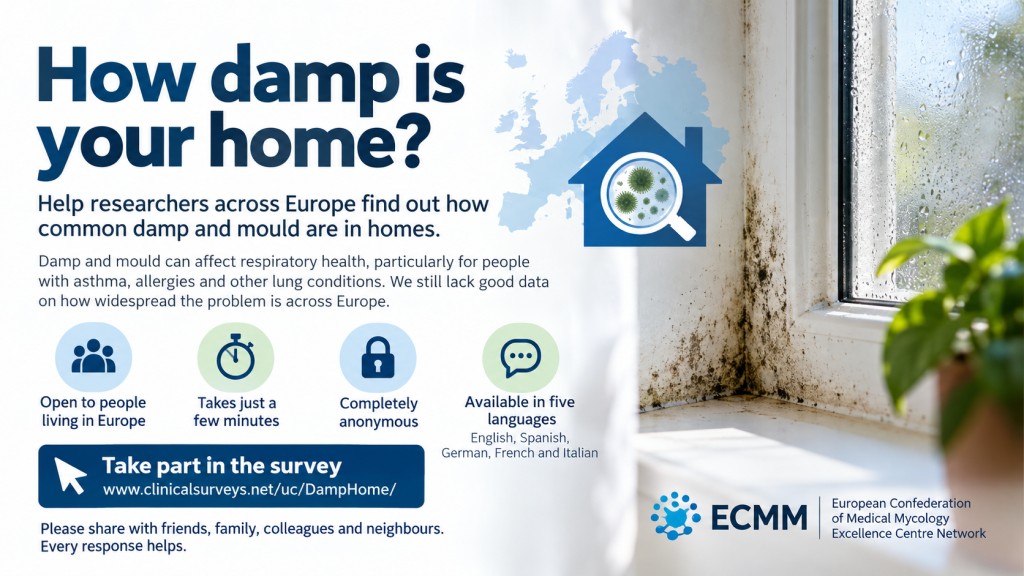
Awaab’s Law is one of the most important housing reforms in years.
It aims to protect tenants from damp, mould and unsafe living conditions — problems that can seriously affect health, especially for people with asthma, bronchiectasis or fungal lung disease.
The law starts to take effect in October 2025 and is named in memory of Awaab Ishak, a two-year-old who tragically died from prolonged exposure to damp and mould in a housing association flat in Rochdale.
His case led to new, legally enforceable time limits for social landlords to investigate and repair health hazards in rented homes.
📜 Where the Law Comes From
Awaab’s Law forms part of the Social Housing (Regulation) Act 2023.
It adds a new legal duty (Section 10A) to the Landlord and Tenant Act 1985, requiring every social landlord to comply with “prescribed requirements” about how quickly hazards must be investigated and repaired.
These rules are set out in the Awaab’s Law Regulations, published on GOV.UK, and enforced by the Regulator of Social Housing.
👥 Who the Law Covers
Awaab’s Law applies to:
-
Social landlords in England, such as housing associations and local authorities
-
Tenants living in social housing under secure, assured, or introductory tenancy agreements
Awaab’s Law does not yet apply to:
-
Private landlords or the private rented sector (PRS)
-
Owner-occupiers or leaseholders
The Government has confirmed that lessons from this law will inform future private-rented-sector reforms.
(Official source: GOV.UK – Awaab’s Law Guidance)
🏘️ What Is Social Housing?
Social housing is housing owned or managed by public or not-for-profit organisations and rented out at below-market rates to people in housing need.
It provides secure, long-term homes and is regulated by the Regulator of Social Housing.
(Official source: Regulator of Social Housing – GOV.UK)
🧱 Who Provides It
-
Local authorities (councils) – council housing
-
Housing associations – independent, not-for-profit registered providers
-
Charitable or community landlords – smaller providers that must still meet national standards
These organisations are known as registered providers under the Housing and Regeneration Act 2008.
💰 How Social Housing Differs from Other Tenancies
| Feature | Social Housing | Private Rented Housing | Shared Ownership / Leasehold |
|---|---|---|---|
| Who owns it | Council / housing association | Private landlord / company | Part tenant part provider |
| Rent level | Below market (50–80%) | Market rate | Rent on unsold share + mortgage |
| Tenancy type | Secure / assured (long-term) | Assured shorthold (short-term) | Leasehold ownership |
| Regulation | Regulator of Social Housing | Local authority & housing law | Leasehold law |
| Repair standards | Decent Homes Standard + Awaab’s Law | General HHSRS duties | As defined in lease |
| Who qualifies | Based on housing need | Anyone meeting market criteria | Specific financial criteria |
⚙️ What Landlords Must Do Under Awaab’s Law
Social landlords must:
-
Investigate reported hazards quickly
-
Provide written findings after inspection
-
Repair and make safe within legal deadlines
-
Offer temporary accommodation if the home cannot be made safe in time
These duties cover damp and mould and any emergency hazard posing serious risk to health or safety.
🕒 Timeframes Landlords Must Follow
| Stage | Time Allowed | Example |
|---|---|---|
| Emergency hazard | Make safe immediately / within 24 hours | Gas leak, severe mould, electrical fault |
| Significant hazard | Investigate within 10 working days | Damp, cold, structural issues |
| Tenant update | Written summary within 3 working days | Explain findings + repairs |
| If not safe in time | Provide alternative accommodation | Until repairs complete |
(Source: GOV.UK – Draft Guidance)
💬 Why Mould and Damp Matter
Damp and mould are common and dangerous in UK housing and can worsen or trigger asthma, ABPA, CPA, and COPD.
The English Housing Survey (2023) found 1 in 10 social homes had damp or mould problems.
Mould exposure can cause:
-
Asthma flare-ups and new respiratory infections
-
Worsening of fungal lung disease
-
Eye, throat, and skin irritation
Awaab’s Law recognises that poor building design and ventilation, not “tenant lifestyle,” are usually to blame.
🏘️ Why Shared and Multiple-Occupancy Homes Are Higher Risk
Buildings converted into Houses in Multiple Occupation (HMOs) are prone to damp and mould because they:
-
House many people in small spaces
-
Were often converted without proper ventilation or insulation
-
Rely on multiple tenants to report and manage repairs
HMOs are mainly in the private rented sector and not covered by Awaab’s Law.
They are regulated separately under the Housing Act 2004 and inspected by councils using the Housing Health and Safety Rating System (HHSRS).
These homes frequently house students, low-income workers, and people with chronic illness, making damp-related respiratory illnesses a particular concern.
🧱 Why HMOs Need Stronger Oversight
Local authorities can issue Improvement Notices or prosecute landlords for neglecting repairs, but Awaab’s Law’s fixed deadlines do not yet apply.
Government statements indicate future reforms will extend similar protections to private and HMO tenants.
💬 Why This Matters for Health
For anyone with chronic lung disease (ABPA, CPA, asthma, bronchiectasis), damp and mould can trigger flare-ups and new infections.
Awaab’s Law now forces social landlords to act promptly within set legal time limits.
Tenants can:
-
Use the landlord’s complaints procedure
-
Contact the Housing Ombudsman Service
-
Report serious risks to the Regulator of Social Housing or local council
🏛️ Does Awaab’s Law Apply to MOD, NHS, and Other Service Housing?
No — not directly.
Awaab’s Law covers registered social housing providers in England (local authorities and housing associations).
It does not extend to housing owned or managed by the Ministry of Defence (MOD), NHS Trusts, or other public-service employers, unless they are formally registered social landlords (which is rare).
| Housing Type | Covered by Awaab’s Law? | Notes |
|---|---|---|
| Council / Housing Association Homes | ✅ Yes | Registered providers under the Regulator of Social Housing |
| Private Rented Sector | ❌ No (not yet) | May be included in future reforms |
| MOD (Service Family Accommodation) | ❌ No | Managed by Defence Infrastructure Organisation; standards set by policy, not law |
| NHS Staff Accommodation | ❌ No | Governed by occupational licence terms and health & safety law |
| University or Key Worker Housing | ❌ No | Treated as private or institutional housing |
| Charitable / Supported Housing | ⚠️ Sometimes | Only if registered with the Regulator of Social Housing |
These providers must still maintain safe conditions under Health and Safety law, but they do not yet have the same legal repair timescales as social landlords.
The Government has stated that principles from Awaab’s Law may be used to improve MOD and NHS housing standards in future.
(Sources: legislation.gov.uk, GOV.UK – Awaab’s Law Guidance, Parliament.uk HCWS423)
🧩 Summary
| Key Point | What It Means |
|---|---|
| Who it covers | Tenants in social housing (England only) |
| What it covers | Damp, mould, and serious health hazards |
| When it starts | From 27 October 2025 |
| Who it excludes | Private, MOD, NHS and service housing |
| Why it matters | Protects tenants from unsafe homes and poor health |
| Who enforces it | Regulator of Social Housing / Local Authorities |
| Official sources | GOV.UK / legislation.gov.uk / Parliament.uk |
🔗 Official References

Did this page help you?
Tell us in one minute