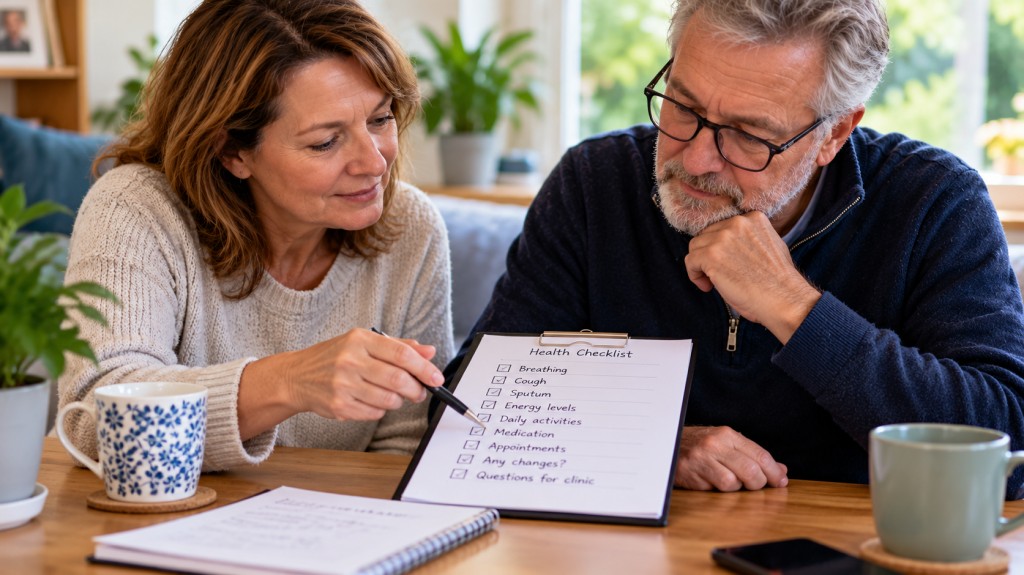
Many patients with ABPA, bronchiectasis, and asthma ask:
“If I test positive for Covid, am I at higher risk, and do I need antivirals or steroids?”
“Is Covid still a dangerous infection now that everyone has had it many times?”
Here’s what’s important right now.
🎯 Why you may be at higher risk
Having ABPA, bronchiectasis, or asthma doesn’t guarantee severe illness, but it does put you at higher risk compared to the average healthy adult. This means you are more likely to experience:
-
More severe Covid illness – infections can trigger worse chest symptoms (wheeze, shortness of breath, cough).
-
Secondary infections – bronchiectasis makes it easier for bacteria to grow in mucus after a viral infection.
-
Flares of existing disease – Covid can set off asthma attacks or ABPA flare-ups.
-
Slower recovery – fatigue, breathlessness, and extra sputum can last longer.
⚠️ Important: “Higher risk” does not mean you will definitely become very unwell. Many people with chronic lung disease still have mild Covid and recover fully at home.
✅ Current Covid treatments in the UK (2025)
-
Antivirals / monoclonal antibodies
-
People with conditions like ABPA, bronchiectasis, or severe asthma may be eligible for medicines such as Paxlovid or Molnupiravir.
-
These must usually be started within 5 days of symptoms or a positive test.
-
Access is through the NHS Covid Medicines Delivery Unit (CMDU), often arranged via NHS 111 or your GP.
-
-
Steroids
-
Oral steroids (prednisolone) are not routinely given for Covid unless oxygen levels drop, or you already take them for your lung condition.
-
If your asthma/ABPA flares, follow your specialist’s guidance on when to start rescue steroids.
-
-
Antibiotics
-
Covid is viral, so antibiotics don’t treat it directly.
-
But if your doctor suspects a bacterial infection (e.g. in bronchiectasis), they may prescribe something like doxycycline.
-
🧾 Practical steps if you test positive
-
Call NHS 111 or your GP: Tell them you have ABPA/bronchiectasis/asthma and ask about referral for antivirals.
-
Monitor symptoms closely:
-
Use a pulse oximeter if you have one (seek help if oxygen ≤94%).
-
Watch for worsening breathlessness, chest pain, or confusion.
-
-
Keep safe at home: Ventilate rooms, use masks if possible, and wash hands often — though once exposed, focus mainly on monitoring and treatment.
🚨 When to seek urgent help
-
Severe shortness of breath
-
Oxygen levels ≤92–94%
-
Chest pain, confusion, or sudden collapse
→ Call 999
❓ Is Covid still dangerous in 2025?
Why it feels less dangerous now
-
Vaccination and immunity: Most people have had jabs and multiple infections, so later bouts are usually milder.
-
Variants: Current strains spread more easily but often cause less pneumonia than the original virus.
-
Better treatments: Antivirals and steroids (when needed) are widely available.
Why it can still be dangerous
-
Vulnerable groups: People with lung disease, weakened immunity, or older age are still more likely to need hospital care.
-
Exacerbations: Even mild Covid can set off asthma or ABPA flares, or worsen bronchiectasis infections.
-
Long Covid: Some people continue to develop fatigue, breathlessness, or brain fog lasting weeks to months.
-
Hospital admissions: Lower than during the pandemic, but NHS hospitals still see severe cases every winter.
👉 In summary: For most healthy people, Covid now feels like a bad cold or flu. For people with ABPA, bronchiectasis, or severe asthma, it can still be a dangerous infection — which is why monitoring and access to antivirals remain important.
✅ Key message
With ABPA and bronchiectasis, you are more vulnerable to complications from Covid. Most people still recover at home, but you may be eligible for antivirals. Steroids are only used if your underlying condition flares or if your oxygen drops. Stay alert, act quickly if symptoms worsen, and reach out for NHS support as soon as you test positive.

Did this page help you?
Tell us in one minute