Updated 2025 – by the NAC CARES team
When you’re desperate for answers
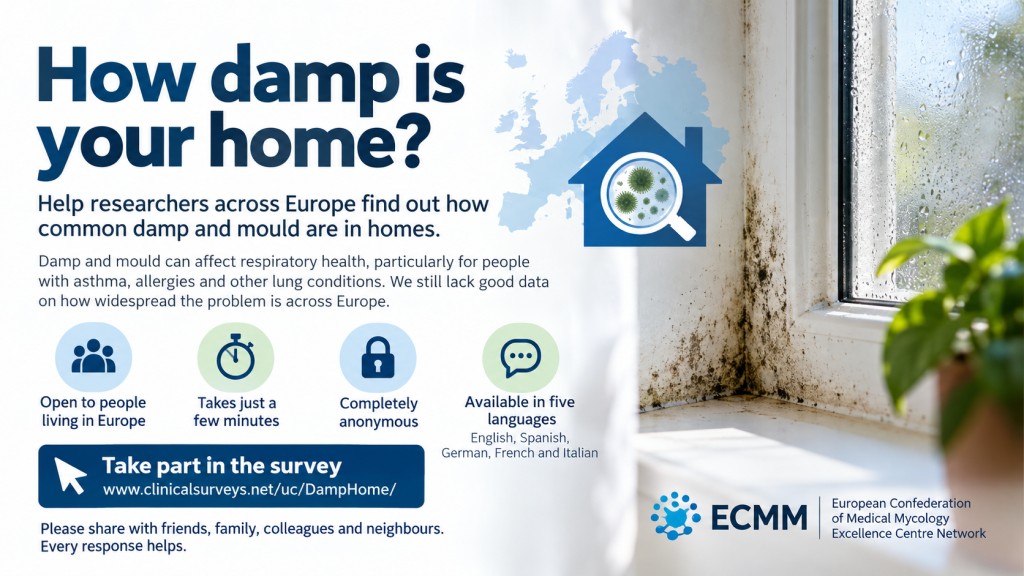
If you live in a damp or mouldy home and your health has suffered, it’s natural to want clear answers. Many people experience coughing, fatigue, sinus trouble or breathing problems and wonder if mould exposure could be the cause.
Unfortunately, the internet is full of misleading claims about “toxic mould”, “biotoxin illness”, or “mould detox”. Some websites and private clinics sell unvalidated medical tests or promote expensive supplements claiming to “flush mould toxins” or “reverse mould illness”.
People often turn to these options out of frustration and desperation when they feel ignored or dismissed by health or housing services. But it’s important to know that these tests and products are not scientifically proven — and in some cases, they may cause harm.
The truth about “mould illness” testing
At present, there is no validated medical test that can prove a person is ill because of mould exposure in their home.
Tests often sold online or through private clinics — such as urine mycotoxin tests, mould antibody panels, or chronic inflammatory response syndrome (CIRS) profiles — are not recognised by the NHS, NICE, or the World Health Organization.
These tests may detect trace amounts of mould-related compounds that appear even in healthy people. There are no agreed normal or abnormal levels, and results can vary dramatically between labs. This means a “positive” test result does not prove illness or guide treatment.
When functional, integrative, or alternative practitioners use these tests
It’s not just online sellers. Some functional medicine, integrative health, or alternative practitioners — including some with medical or allied health qualifications — also use these same mould or mycotoxin tests in private practice.
They may genuinely want to help and believe in “root cause medicine,” but:
-
Many of these tests have never been validated in peer-reviewed clinical studies.
-
Their results cannot reliably distinguish between normal environmental exposure to fungi and actual infection or allergy.
-
People are sometimes told they have “mould toxicity” or “mycotoxin poisoning” without any scientific evidence.
Why this matters
-
It can lead to unnecessary fear and anxiety.
-
Patients may spend hundreds or thousands of pounds on testing, supplements, or “detox” treatments that do not work.
-
Most importantly, genuine medical conditions — like aspergillosis, asthma, or COPD — may be diagnosed late or missed entirely.
Even if the practitioner sounds credible, unvalidated tests remain unvalidated.
If it isn’t approved by NICE, the NHS, or recognised respiratory specialists, it isn’t a reliable diagnostic test.
The risks of “detox” and self-treatment
Many websites and practitioners also recommend “detox” products such as activated charcoal, bentonite clay, chlorella, ozone therapy, or special anti-fungal diets. None of these have been proven to remove mould or mycotoxins from the body.
Some are unsafe or can interact dangerously with prescribed medicines — especially antifungal or steroid treatments used for aspergillosis. Others can damage the gut, lungs or kidneys.
No supplement, spray, or air treatment can replace medical therapy or proper repair of damp housing.
Why these products are still allowed to be sold
These tests and supplements often remain on sale because of regulatory loopholes:
-
They’re marketed as “wellness” or “informational” tests rather than diagnostic tools.
-
Supplements are classed as foods, not medicines — they must be safe, but not proven effective.
-
Many sellers are based overseas, outside UK or EU enforcement.
That’s why public awareness is crucial. Legal does not mean scientifically valid.
If you see misleading health claims, you can report them to:
What is proven to help
Here’s what current evidence supports:
-
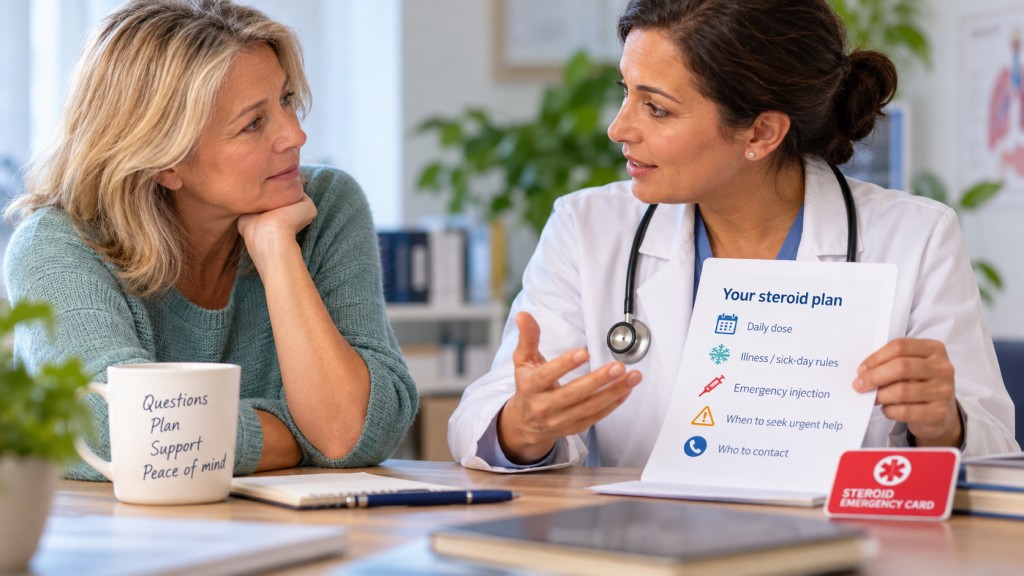
Talk to your NHS doctor or respiratory specialist. They can arrange validated tests for fungal disease and lung health.
-
Fix the source of damp or mould. That’s the key to protecting your health — not detox kits.
-
Seek help early from housing officers, environmental health, or Citizens Advice if your home is unsafe.
-
Work with your care team — they can support housing letters or referrals if damp is affecting your condition.
See our practical guides:
If you feel dismissed or desperate
You’re not alone. Many people living in damp conditions feel frustrated and unheard. But unvalidated tests and detox programmes will not provide the answers you deserve.
You will get more meaningful, safer support through:
-
Your GP, respiratory or infectious disease team
-
Housing advocacy services and local councils
-
Peer support groups such as our Aspergillosis Patients & Carers Community
🛡️ Why We Take a Cautious Approach
Some people wonder whether organisations like ours are “allied to big pharma” or dismiss alternative approaches because of financial or legal pressures.
The truth is: we are cautious because of evidence and patient safety, not loyalty to industry.
-
We recommend only treatments or tests that are scientifically proven to be safe and effective.
-
NHS and charity organisations must follow regulatory standards and cannot endorse unvalidated products.
-
Our priority is protecting patients from harm, wasted resources, and delays in care.
Being cautious doesn’t mean rejecting innovation. If a new antifungal therapy, dietary approach, or environmental test is genuinely effective, it will be validated through peer-reviewed research — and we will share it.
Until then, our guidance focuses on evidence-based medicine and environmental interventions, because those are proven to help people with aspergillosis.
Key message
Damp and mould can make you unwell — but there is no quick test, no secret biomarker, and no miracle detox that can prove or cure it.
Stick with evidence-based medicine, protect your living environment, and seek support from trustworthy sources.
Save your money, protect your health, and trust science.

Did this page help you?
Tell us in one minute