A practical, evidence-based guide for people living with aspergillosis, asthma, bronchiectasis and COPD
People with long-term lung conditions are often targeted by persuasive marketing, “health influencers”, alternative practitioners, and private test companies.
These services frequently exploit fear, frustration, and the very understandable desire for answers.
This expanded guide explains why certain products look scientific, why most are biologically impossible, and how you can protect yourself from being misled or spending money on things that cannot help your condition.
This is about empowerment — never about blaming patients.
🧩 1. Why misleading products look convincing
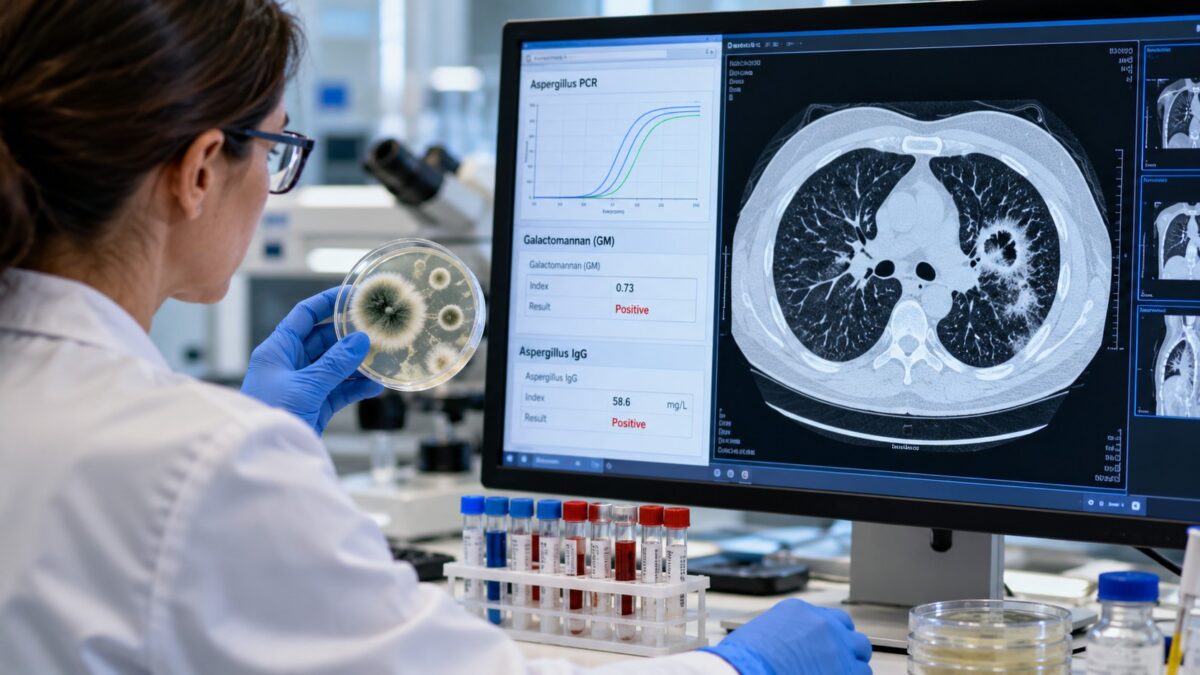
Companies deliberately use wording and imagery that trigger trust:
-
lab coats
-
microscopes
-
graphs and biological diagrams
-
words like “antifungal”, “immune”, “toxins”, “wellness”, “clinical strength”
These features make a product appear evidence-based — but appearance is not evidence.
Many claims contain a grain of truth, e.g.:
-
“Tea tree oil kills fungus in the lab”
-
“Silver has antimicrobial properties”
-
“This herbal extract reduces inflammation in laboratory tests”
But the missing information is the critical part:
⭐ The lab conditions have nothing to do with the human body.
To “kill fungus in a dish”, companies use concentrations that:
-
would be toxic in humans
-
cannot reach the lung tissue
-
would be broken down in the gut or bloodstream
-
do not survive into the airways
Companies rely on the fact that most customers don’t know this.
🧬 2. “Plausibility comes before testing” — the rule companies hope you don’t know
Scientists follow a simple chain:
1️⃣ Is it plausible?
Can the substance reach the lung?
Does the pathway make sense?
2️⃣ If yes — test it.
If not — don’t.
Products sold online almost always fail at Step 1.
Examples:
Turmeric supplements
Even at huge oral doses, only a tiny amount enters the bloodstream — nowhere near the lung in meaningful levels.
Oregano oil
Kills fungi on metal plates in labs — but the amount needed inside the lung would be toxic.
Silver products
Irritate the lungs and accumulate in tissues — highly implausible as therapy.
Essential oils
Break down long before reaching the airways in meaningful amounts.
Herbal antifungals
Often metabolised by the gut and liver — never reach airways at therapeutic levels.
This is why clinical trials don’t happen —
not because no one has tried,
but because there’s no scientific reason to bother.
🛍️ 3. How companies use “allowed” claims to sound medical
Because these products are not classed as medicines, they must not claim to “treat disease”.
So companies use vague, legally safe wording:
-
“Supports immunity”
-
“Maintains wellness”
-
“Promotes respiratory health”
-
“Contains antifungal botanicals”
-
“Helps with mould exposure”
-
“Advanced detox science”
All of these sound medical but say nothing measurable.
Example:
A supplement cannot say:
-
“Improves aspergillosis symptoms”
But it can say:
-
“Supports healthy immune response”
This tricks the viewer into mentally connecting the dots without the company making any illegal claims.
🧊 4. Air filters — the rare partial exception
Air purifiers can help some people, because they reduce:
-
dust
-
pollen
-
irritants
-
pet dander
-
airborne particulate matter
These changes may ease coughing or wheezing in sensitive people.
BUT…
most devices sold online are far too weak.
A purifier needs:
-
True HEPA H13 filter (not “HEPA-type”)
-
CADR 250–350+ for most rooms
-
Strong fan to turn over room air 4–5 times per hour
Without these, a purifier is just an expensive fan.
What they cannot do:
-
cure aspergillosis
-
remove Aspergillus from the lungs
-
prevent exposure
-
substitute for ventilation
-
fix damp or mould in walls
They improve comfort, not disease.
👩⚕️ 5. Why alternative practitioners are so persuasive
Alternative practitioners often:
-
speak with confidence
-
promise personalised care
-
provide long consultations
-
listen sympathetically
-
use scientific-sounding language
-
offer simple explanations for complex symptoms
Their tests and treatments look legitimate, but the problems include:
❌ No training in lung disease
❌ Misunderstanding of immunology
❌ Misuse of lab dish studies
❌ Incorrect interpretation of “toxins”
❌ Selling supplements with no evidence
❌ Recommending dangerous inhaled substances (e.g., oils, peroxide)
❌ Relying on anecdotes, not data
Even well-meaning practitioners can unintentionally cause:
-
lung irritation
-
drug interactions
-
adrenal effects
-
delays in proper NHS treatment
-
unnecessary fear
🧪 6. Private test companies — why their results look real but mean nothing
Common private tests include:
-
mycotoxin urine tests
-
“mould illness panels”
-
detox pathway testing
-
food IgG tests
-
fungal metabolite tests
-
heavy metal hair analysis
-
“immune balance” panels
-
testosterone finger-prick kits
These results are presented with:
-
charts
-
colour-coded ranges
-
expert-sounding commentary
But the key issue is:
⭐ The reference ranges are invented by the company.
Often “high” simply means:
-
“higher than the average of people who bought this test”
Not:
-
higher than healthy people
-
higher than unwell people
-
linked to disease
GPs and consultants cannot act on these results because they are not medically interpretable.
👨⚕️ 7. Testosterone tests — a perfect illustration of misleading health screening
Companies advertise:
-
“Tired? Low mood? Low motivation?”
-
“Check your testosterone at home”
-
“Feel younger again”
They use US-style messaging that implies easy treatment.
But in the UK, testosterone treatment requires:
-
symptoms consistent with hypogonadism
-
two morning venous blood tests
-
validated hospital labs
-
endocrine specialist interpretation
-
ruling out multiple other causes
- testosterone levels fall slowly as part of ageing – it is normal
Finger-prick tests do not meet NHS criteria,
so patients end up:
-
anxious
-
misinformed
-
sold supplements
-
not eligible for NHS treatment
This perfectly mirrors the broader pattern of private testing.
🔍 8. The “curiosity gap”: why people buy tests that GPs won’t order
Patients understandably feel:
-
frustrated
-
curious
-
confused
-
not listened to
-
desperate for answers
When a GP says “That test won’t help,” it can feel like:
-
rejection
-
dismissal
-
obstruction
But the reality is:
⭐ GPs are following evidence-based pathways to protect you.
Most private tests:
-
do not answer a clinical question
-
have false positives
-
trigger unnecessary follow-up scans
-
cause anxiety
-
cannot be interpreted
-
do not influence treatment
Private companies exploit:
-
curiosity
-
frustration
-
the desire for answers
-
the emotional gap left by long waits or unexplained symptoms
But a meaningless test result is worse than no test at all.
🧾 9. Real-world examples: 15 common traps to avoid
1. Mould settle plates
All rooms grow mould on plates — totally meaningless for health.
2. IgG food sensitivity tests
Measure normal immune exposure, not allergies.
3. Finger-prick vitamin tests
Often inaccurate and label normal levels as “borderline”.
4. Lung detox drinks
Nothing you drink detoxes the lungs.
5. Hydrogen peroxide / silver nebulisers
Dangerous. Irritate lungs. Risk chemical burns and pneumonitis.
6. Essential oil diffusers marketed as “antifungal”
Irritate airways; no delivery to lung tissue.
7. Mycotoxin detox programmes
Based on non-diagnoses; push expensive supplements.
8. Immune-boosting products
No supplement boosts immunity in a useful way for aspergillosis.
9. “Black mould blood tests”
No such test exists; ranges are invented.
10. Ozone machines and air ionisers
Harmful to lungs; zero evidence.
11. Anti-mould paint additives
Mask damp; do not impact indoor fungal counts long term.
12. Red-light therapy devices
Cannot penetrate tissue; no lung benefit.
13. Detox foot patches
Turn brown from sweat; total scam.
14. Anti-mould laundry boosters
Irrelevant to aspergillus exposure.
15. Humidifiers sold for “lung support”
Raise humidity → increase mould risk.
🛡️ 10. The Anti-Fooling Checklist
Before you buy anything, ask:
✔ Has this been tested in people with aspergillosis?
✔ Can it physically reach the lungs?
✔ Does NHS medicine recognise or use it?
✔ Are the claims vague? (“supports immunity”)
✔ Are the reference ranges medically valid?
✔ Would my consultant recommend this?
✔ Is this a simple answer to a complex condition?
If any answer is no, it’s a red flag.
⭐ 11. Golden rule
If a treatment or test genuinely helped aspergillosis, your consultant would already be using it —
not influencers, Amazon sellers, or unregulated US labs.
🌟 12. Final message: It’s not foolishness — it’s human
You are not being “tricked” because you’re naïve.
These products are engineered to be emotionally irresistible.
People with chronic illness are targeted because they are thoughtful, curious, and trying hard to get better.
If you are ever unsure about a product or test:
-
ask NAC/CARES
-
ask your specialist
-
or bring it to your next appointment
You deserve real answers — not false hope.

Did this page help you?
Tell us in one minute