Essential Guidance for Builders, Contractors and Property Managers
(More information: aspergillosis.org/aspergillus-and-damp and aspergillosis.org/damp-homes-uk-policy-and-research)
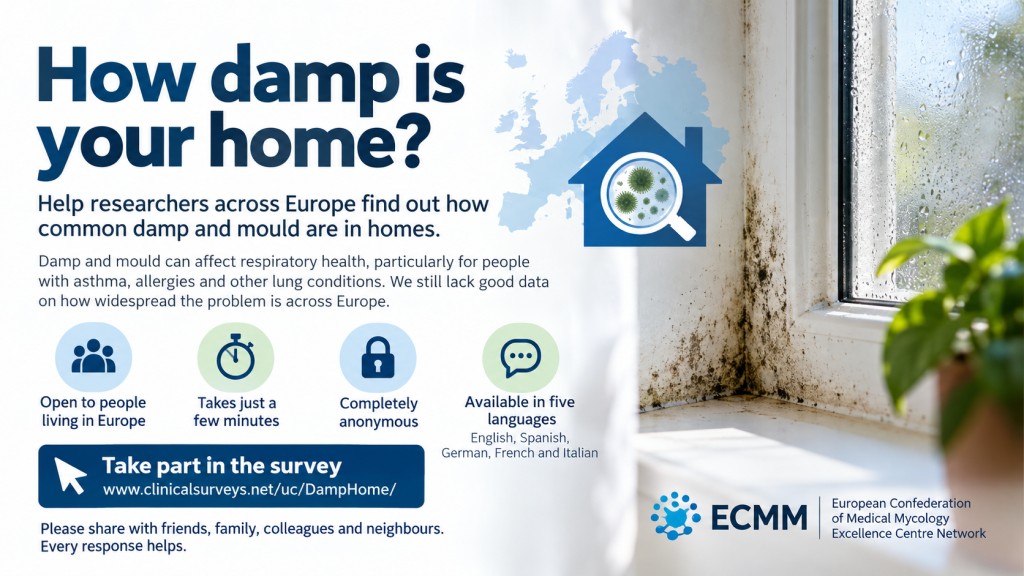
💧 Why Damp Matters
Damp buildings damage both fabric and health.
When moisture gets trapped or ventilation is poor, it can promote:
-
Mould spores (Aspergillus, Penicillium, Stachybotrys)
-
Bacteria and microbial toxins from stagnant materials
-
Allergens from mites, birds, rodents, and decayed debris
-
Fine particulates (PM₂.₅ / PM₁₀) from dust, insulation, and sanding
-
Volatile Organic Compounds (VOCs) from paints, sealants, and adhesives
These pollutants reduce indoor air quality and can trigger coughing, wheezing, eye irritation, fatigue and, for some people, serious respiratory illness.
Asthma, chronic lung disease, and suppressed immunity are common in the population — and very young or elderly occupants are particularly vulnerable.
Every project should therefore apply moisture and air quality controls — not just hospitals or special buildings.
1️⃣ Identify and Stop the Moisture at Source
Before starting work, always inspect for water ingress and poor airflow:
-
Check for leaking roofs, gutters, downpipes, flashing, and plumbing.
-
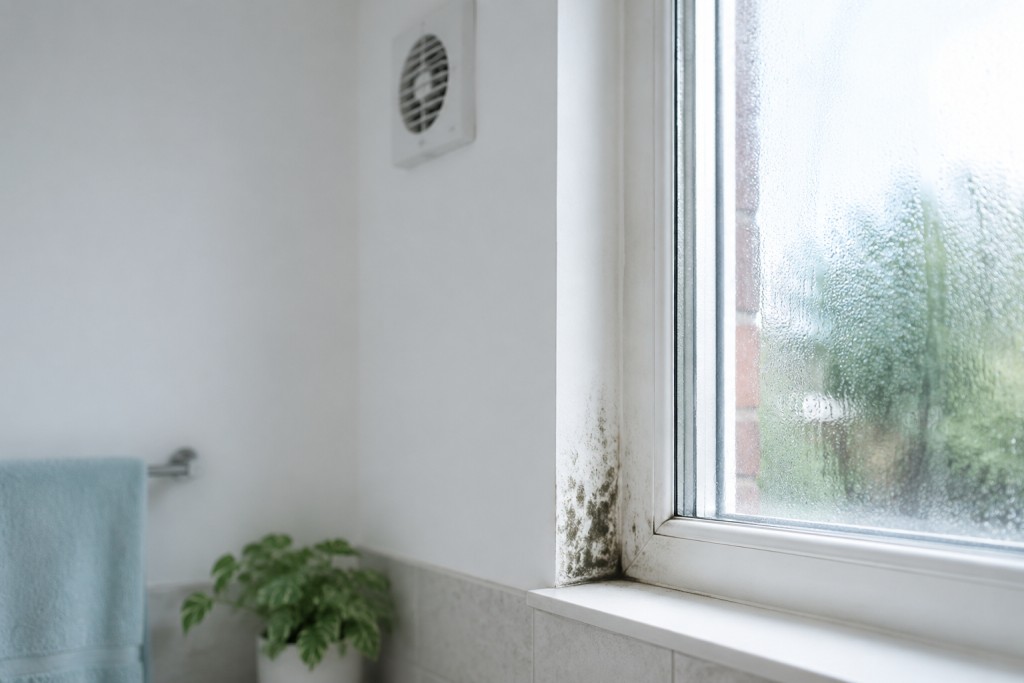
Look for damp patches on walls, skirtings, insulation, or behind plasterboard.
-
Identify cold bridges and condensation points (e.g. metal lintels, window reveals).
-
Ensure ventilation pathways (vents, air bricks, extractor fans) are open and working.
-
Maintain indoor relative humidity below 60%.
-
Dry wet materials within 48 hours using fans, heat, or dehumidifiers.
-
Never seal or cover damp materials — fix the cause first.
2️⃣ Control Dust and Airborne Particles
-
Use M- or H-class extractors with HEPA filtration on all sanding, grinding, or cutting tools.
-
HEPA vacuum and damp-wipe after work — never dry-sweep or blow dust.
-
Contain work areas with plastic sheeting, zipper doors, and sticky mats.
-
Clean tools, boots, and PPE before leaving site.
-
Schedule dusty work when occupants can be absent and ventilate thoroughly afterward.
3️⃣ Handle Mould Safely – Especially Aspergillus
-
Aspergillus thrives on damp plaster, wallpaper paste, insulation, and chipboard.
-
Remove and bag visibly mouldy porous materials — don’t just spray or paint over.
-
Clean hard surfaces with detergent and dry fully.
-
Avoid fogging or biocides unless properly risk-assessed and ventilated.
-
Wear PPE: FFP3 respirator, gloves, goggles, disposable overalls.
-
Warn occupants if they have asthma, COPD, aspergillosis, or weakened immunity.
Further practical guidance:
🔗 aspergillosis.org/aspergillus-and-damp
4️⃣ Manage VOCs and Chemical Exposure
-
Use low-VOC paints, sealants, and adhesives.
-
Keep areas well-ventilated during application and drying.
-
Seal and store solvents away from occupied rooms.
-
Avoid heating or sealing rooms while solvent coatings are curing.
5️⃣ Protect Workers and Occupants
-
Isolate and ventilate the work zone.
-
Use HEPA extraction and regular cleaning.
-
FFP3/P3 masks and gloves for all dusty or mouldy tasks.
-
Double-bag and seal waste before removal.
-
Communicate with clients about health risks and ventilation needs, especially for homes with children, elderly, or medically vulnerable occupants.
✅ Best Practice Summary
| Priority | Good Practice |
|---|---|
| Check for water ingress & leaks | Roofs, gutters, pipework, damp patches |
| Fix moisture sources first | Prevent re-occurrence of mould |
| Dry within 48 hours | Stop fungal/bacterial growth |
| Maintain RH < 60% | Prevent condensation and damp |
| Ensure good ventilation | Extractors, trickle vents, air bricks |
| HEPA dust control | M/H-class vacuums & extractors |
| Use low-VOC products | Reduce chemical exposure |
| Protect workers & residents | PPE, containment, safe waste removal |
🚫 Don’t
-
❌ Dry-brush, sweep, or blow mouldy dust.
-
❌ Trap damp under new finishes or sealants.
-
❌ Paint over visible mould.
-
❌ Block vents or air bricks.
-
❌ Leave wet debris or bird droppings exposed.
⚠️ When to Escalate
Call a specialist if:
-
Damp or mould affects multiple rooms or structural elements.
-
Musty odours persist despite cleaning.
-
The property houses asthma, ABPA, CPA, transplant, chemo, or elderly occupants.
Further UK policy and technical guidance:
🔗 aspergillosis.org/damp-homes-uk-policy-and-research

Did this page help you?
Tell us in one minute