An explainer for people living with aspergillosis, asthma, ABPA, CPA and bronchiectasis
Many people with aspergillosis notice a sudden increase in sneezing, coughing, wheezing or chest tightness when unpacking Christmas decorations. This is extremely common and usually caused by environmental triggers, not new infection.
✅ What’s on decorations after a year in storage?
When decorations, artificial trees, or boxes have been stored for months, they often collect:
-
Dust
-
Fungal spores, including Aspergillus
-
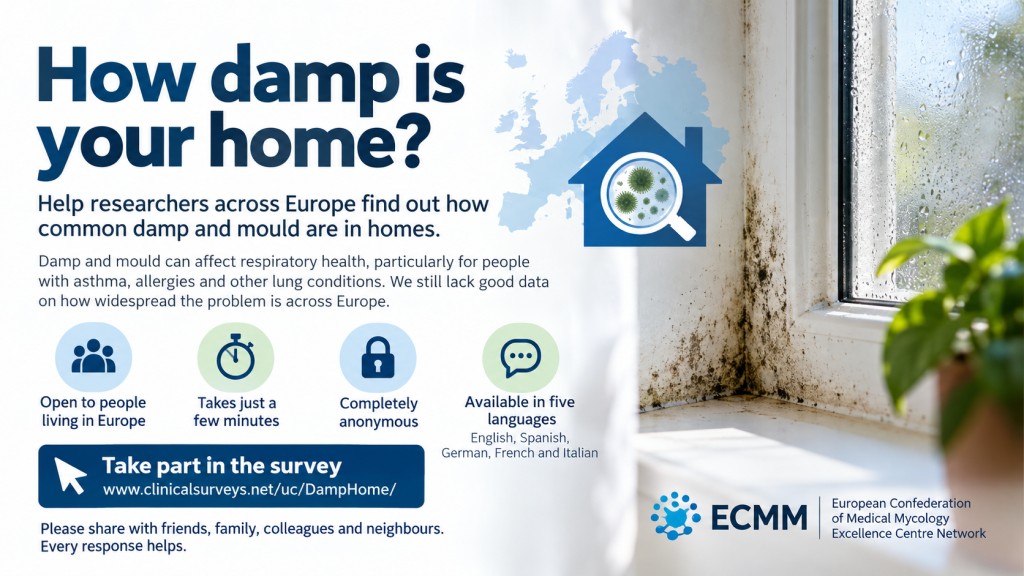
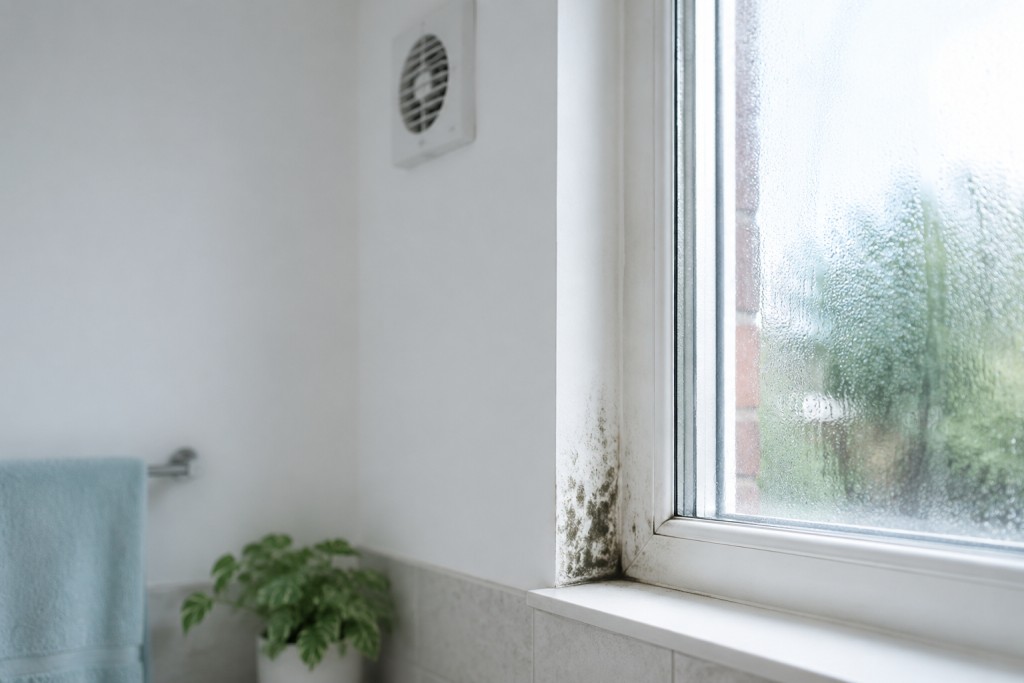
Dampness or musty smells
-
Particles from cardboard
-
Fibres from artificial branches
For people with allergic aspergillosis (ABPA), severe asthma or sensitive airways, this sudden exposure can cause an allergic flare or airway irritation.
🎄 Why this affects aspergillosis patients more
-
Airways may already be inflamed or mucus-filled, so irritants cause quicker reactions.
-
People with ABPA or SAFS react strongly to environmental allergens.
-
People with chronic pulmonary aspergillosis (CPA) or bronchiectasis may have reduced clearance, so spores or dust linger longer in the lungs.
This does not usually indicate infection — it’s most often an irritation flare.
🛡️ How to protect yourself next time
A few simple steps make a big difference:
-
Wear a mask (FFP2) when opening boxes or shaking dust off.
-
Take boxes outside, or open near an open window.
-
Wipe decorations with a damp cloth rather than brushing them.
-
Rinse or wipe artificial trees, especially branches.
-
Use sealed plastic containers rather than cardboard for storage.
-
Avoid shaking items indoors, as this scatters spores.
🌬️ If you’ve already had a flare
Most people settle within hours to a few days. You can try:
-
Your usual inhalers (especially preventers).
-
Airway clearance if you normally use it.
-
Saline nebulisers/inhalers, which can soothe irritated airways.
-
Rest, fluids, and avoiding further triggers for a short while.
Seek medical advice if symptoms are unusual for you, don’t settle, or you are already unwell.
💬 The key message
Decorations don’t cause new aspergillus infection — but they can release a burst of irritants and spores that your lungs react to. Taking a few precautions can help you enjoy the season without a flare.

Did this page help you?
Tell us in one minute