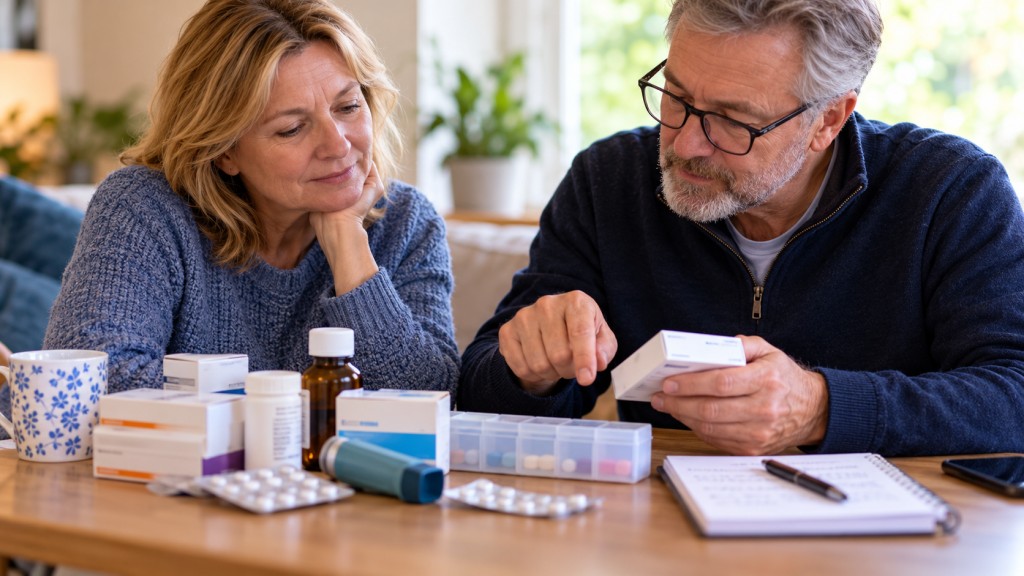
People living with chronic lung or fungal conditions sometimes develop low vitamin B12 or iron, especially if appetite, diet, or absorption are affected.
Here’s how to understand your results and treatment options.
🌟 Vitamin B12 (Cobalamin)
✅ What’s a Normal B12 Level?
| Level (pmol/L) | What It Means |
|---|---|
| > 300 | Normal |
| 200–300 | Borderline – may need extra tests (e.g. MMA or homocysteine) |
| < 200 | Deficiency likely |
Some labs report B12 in ng/L — the ranges are similar. Your doctor will interpret them based on the lab reference range.
⚠️ What Happens If B12 Is Low?
Low B12 can cause:
-
Fatigue and weakness
-
Brain fog or memory issues
-
Numbness or tingling in hands or feet
-
Low mood or irritability
-
In severe cases, nerve damage
💉 B12 Treatment
| Cause | Typical Treatment |
|---|---|
| Dietary deficiency (e.g. vegan diet) | High-dose oral B12 tablets or injections |
| Pernicious anaemia (autoimmune) | Lifelong B12 injections every 8–12 weeks |
| Malabsorption (gut issues) | Long-term injections often required |
In the UK, injections are usually hydroxocobalamin 1 mg every 2–3 months for maintenance, after an initial “loading phase” (several doses over 2 weeks).
🌟 Iron (Ferritin and Haemoglobin)
✅ Key Iron Markers
| Test | Normal Range (Women) | What Low Levels Mean |
|---|---|---|
| Ferritin | 30–200 µg/L (some doctors prefer >50) | Reflects iron stores — low = iron deficiency |
| Haemoglobin | 120–160 g/L | Measures oxygen-carrying capacity — low = anaemia |
You can have low iron without anaemia (low ferritin, normal Hb) or both together.
💉 Iron Infusions (e.g. Ferinject)
Used when:
-
Iron tablets don’t work or cause side effects
-
Iron levels are very low or symptoms severe
-
Ongoing blood or iron loss (e.g. heavy periods, inflammatory bowel disease)
Iron infusions raise levels more quickly than tablets. Some people need repeat infusions every 6–12 months depending on the cause.
🔄 Ongoing Monitoring and Follow-Up
| Condition | Typical Follow-Up |
|---|---|
| Low B12 (pernicious anaemia) | Injections for life; blood tests yearly |
| Low B12 (diet-related) | May stop if diet improves and levels remain stable |
| Iron deficiency (no bleeding cause) | Tablets for 3–6 months, then reassess |
| Chronic iron loss (e.g. periods, IBD) | Maintenance iron or repeat infusions |
✅ Reliable Information Sources
📣 Final Advice
If you’re unsure about your test results or treatment:
-
Ask your GP for a copy of your blood test results
-
Request a referral to a dietitian or haematologist
-
Agree a treatment plan and review dates
Always let your healthcare team know if you’re feeling more tired, dizzy, or unwell — sometimes simple tests and supplements make a big difference.

Did this page help you?
Tell us in one minute